Some dogs love the water, but not every breed swims easily. Body shape, short legs, or a flat face can make paddling tiring and risky.
Knowing which breeds struggle helps you plan safer fun, like life jackets and shallow play. With the right care, water time can still be happy time for many pups.
English Bulldog
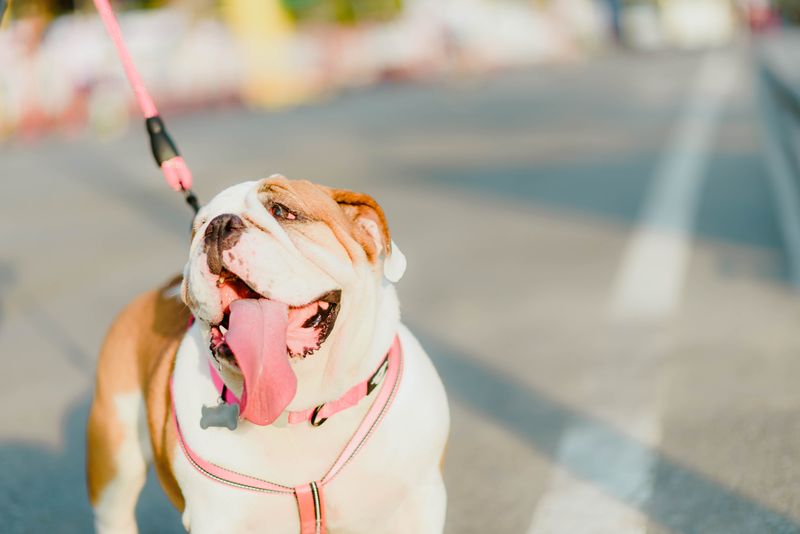
With a chest like a barrel and a face built short, this lovable bruiser has trouble staying afloat. Airway challenges make breathing hard when the muzzle is near the waterline.
Fatigue comes fast, and panic can follow.
Pick calm shallows, use a snug life jacket, and keep sessions very short. Let the dog rest often on dry land.
Many Bulldogs prefer splash pads or hose time. Safety first keeps the fun going.
French Bulldog
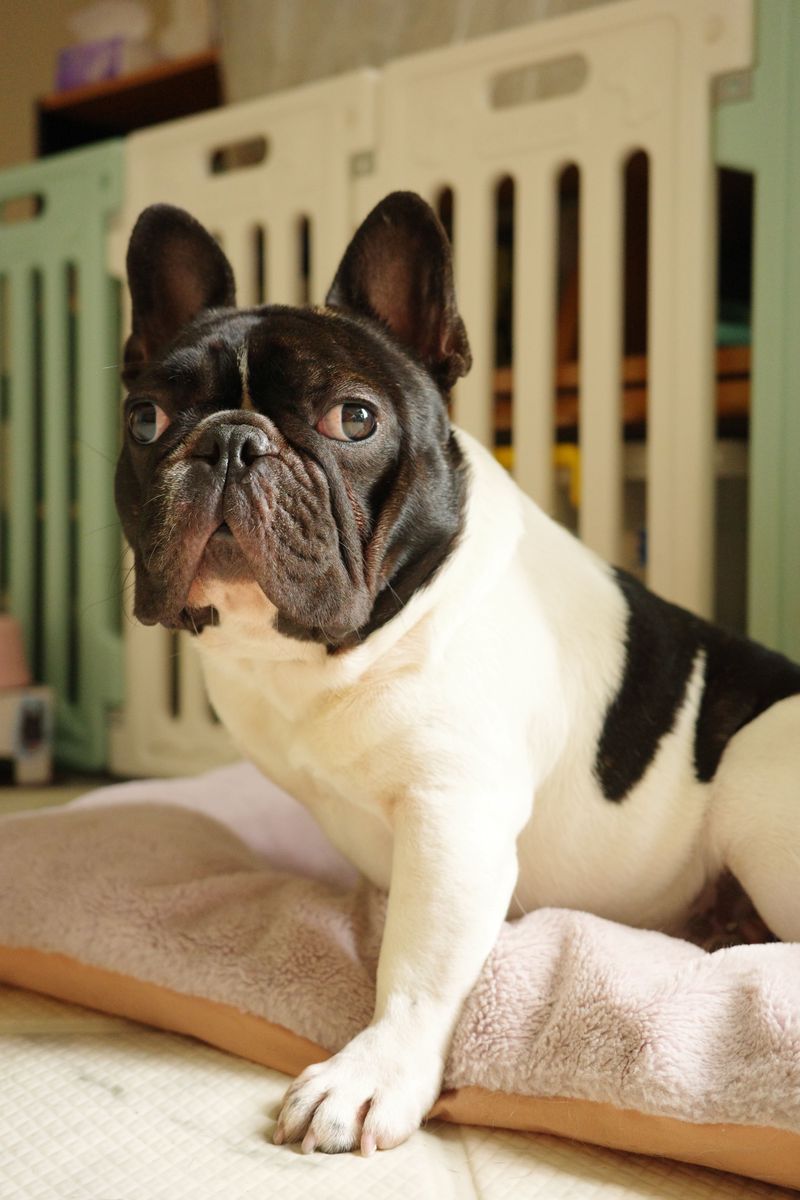
Big ears, small body, and a very short snout create a tough combo in water. Breathing can get noisy and labored if waves splash the face.
That compact, heavy front can tilt downward.
Choose kiddie pools or ankle-deep creeks where paws touch bottom. A high-quality life jacket with a strong handle helps with quick lifts.
Teach a gentle exit cue, and end while the dog still has energy and confidence.
Pug
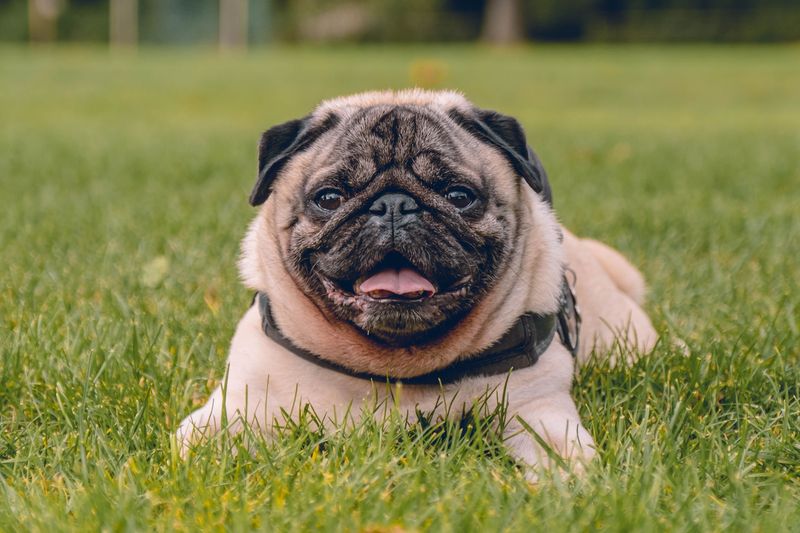
Those expressive eyes and tiny nose are adorable, yet they complicate pool time. A short airway and round body make steady paddling tough.
Water splashes near the face can trigger coughing or gulping.
Stick to knee-deep water and calm conditions. Keep swims brief, then move to a shady rest with fresh water.
A well-fitted vest and a gentle ramp or wide steps let your Pug exit smoothly without stress or slips.
Boston Terrier
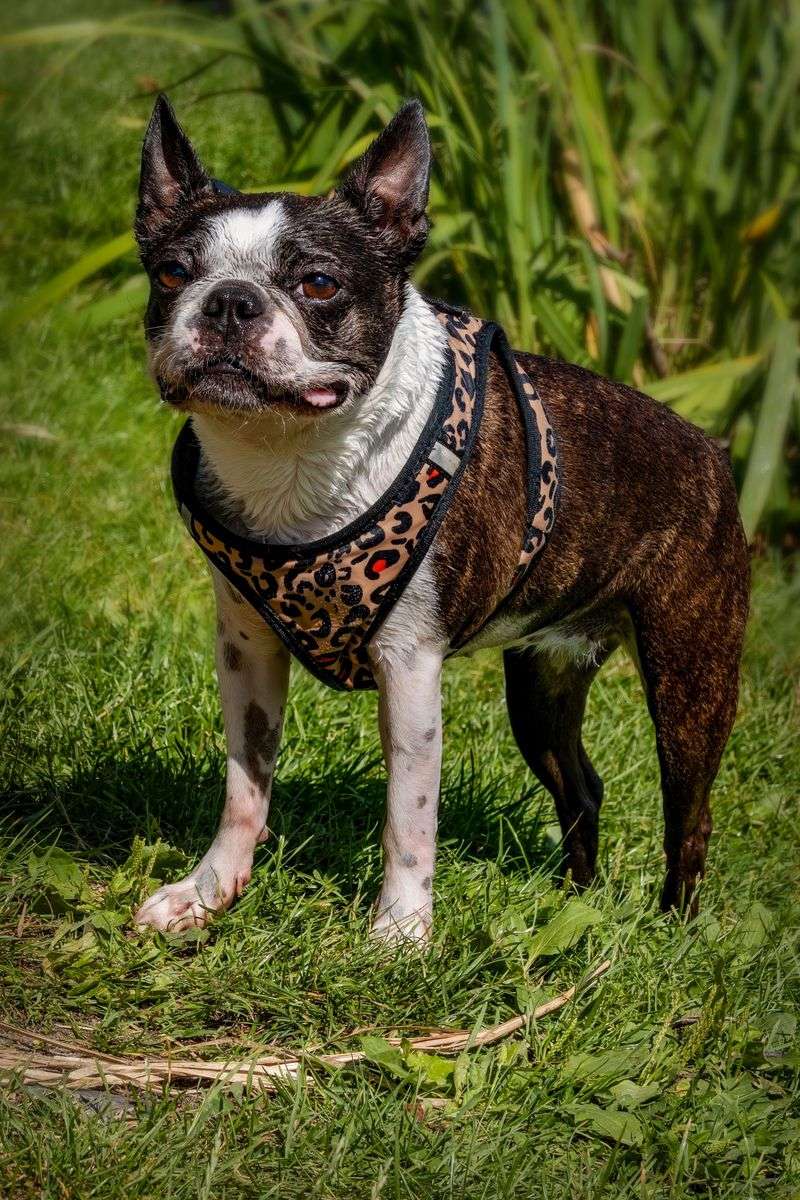
High energy does not always equal strong swimming. A short snout and a top-heavy chest can pull the head low.
Waves or splashes may cause breathing struggles faster than expected.
Practice in still water, and use a vest with a chin support if needed. Keep a steady, upbeat tone, and guide toward a gentle beach entry.
Games like fetch should stay close to shore so the return trip feels easy and fun.
Dachshund
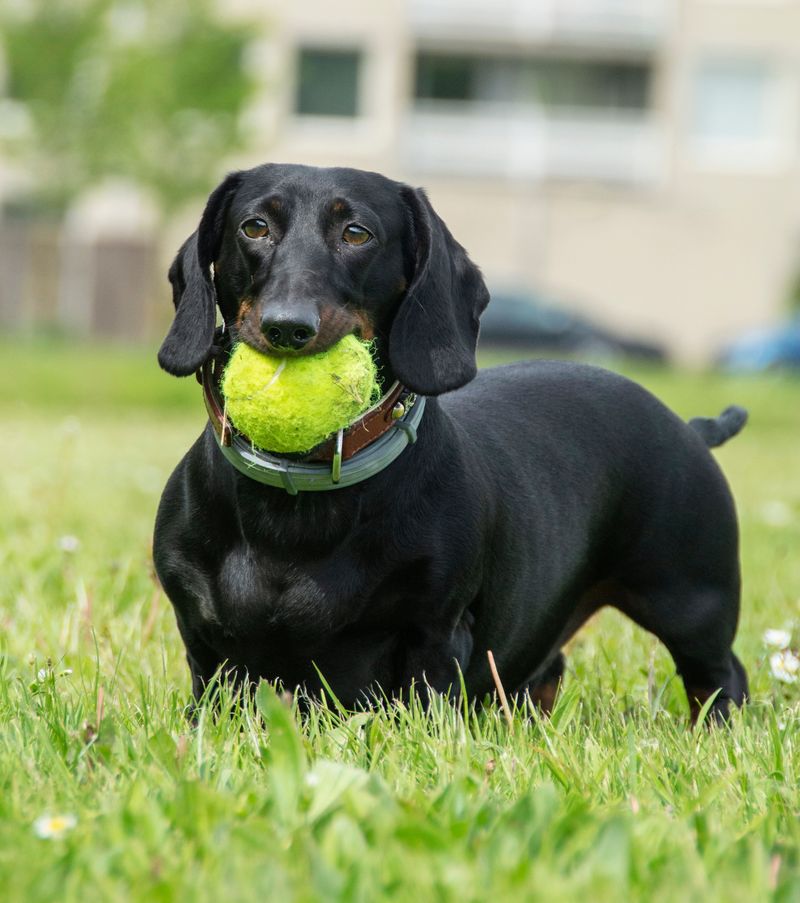
Long body, tiny legs, and a low center make paddling a workout. The back can sag in deep water, and the front may rise unevenly.
Currents feel stronger when you are close to the surface.
Pick still water and let the dog wade first. A vest with good belly support and a handle helps maintain level posture.
Keep sessions short, and reward confident returns to shore with treats and calm praise.
Basset Hound
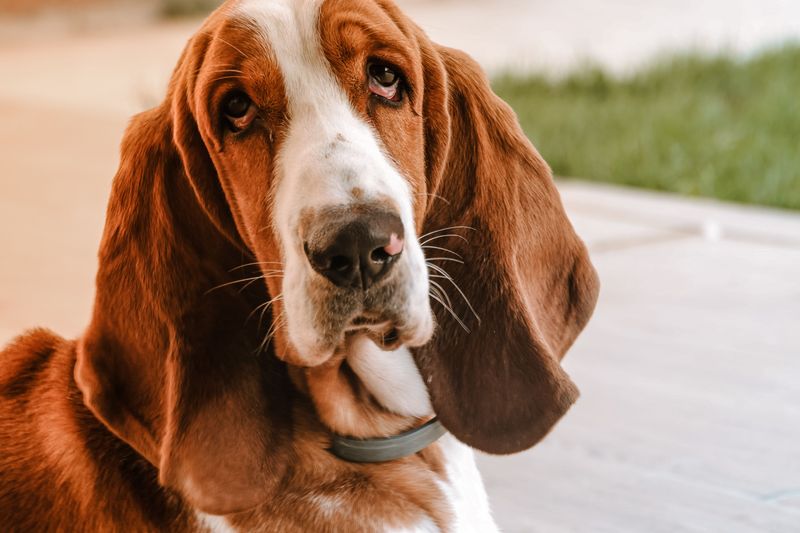
Heavy bones, very short legs, and long ears create unusual water challenges. Drag from those ears and a deep chest can tilt balance.
Endurance also runs low compared to lighter breeds.
Choose a smooth, sloped entry and calm water. Keep ears out of the way and dry them after.
A supportive vest and a short, guided paddle near shore work best. Celebrate small wins to build a positive connection with water.
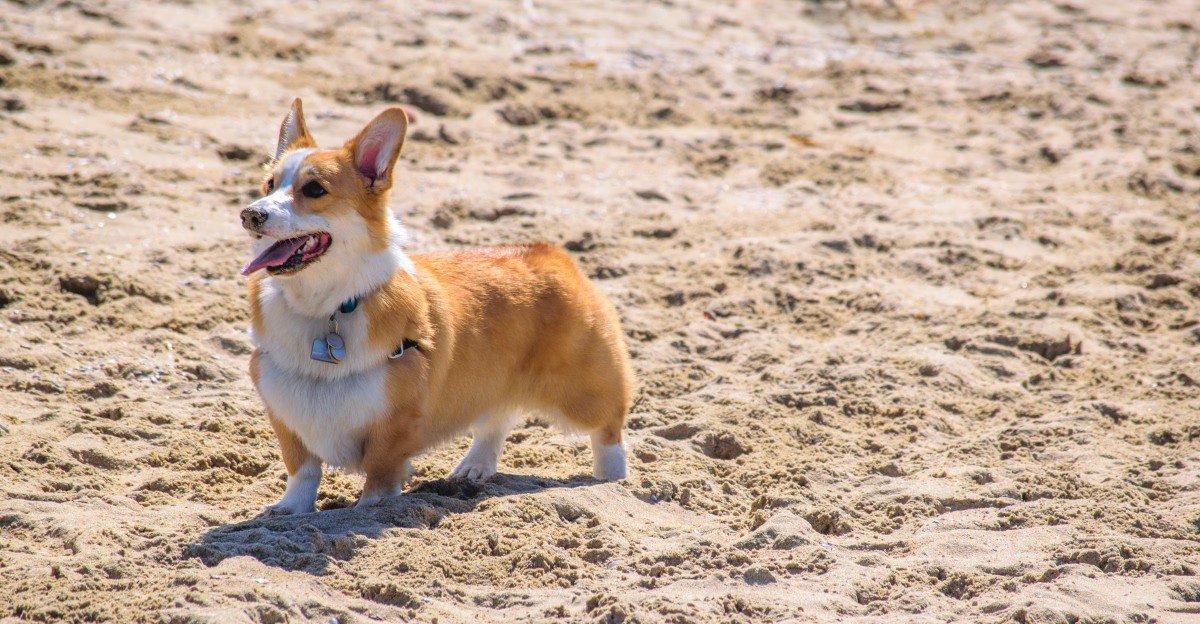
Pembroke Welsh Corgi
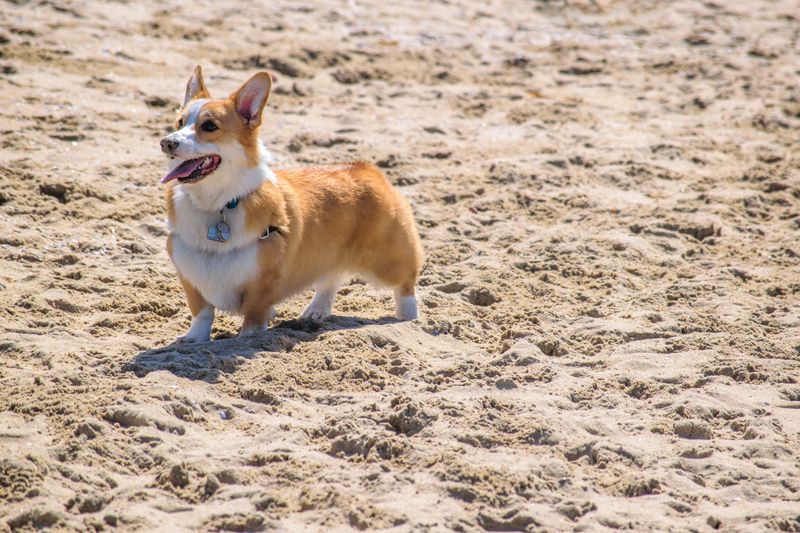
Short limbs meet a sturdy body, which makes swimming more tiring than it looks. Waves can nudge the head down, and longer distances are tough.
Enthusiasm sometimes outruns stamina.
Start with gentle wades and short fetches close to shore. A buoyant vest plus a bright toy keeps the dog focused and safe.
Plan frequent breaks on dry sand, then finish with a calm walk to cool down joints and muscles.
Chow Chow
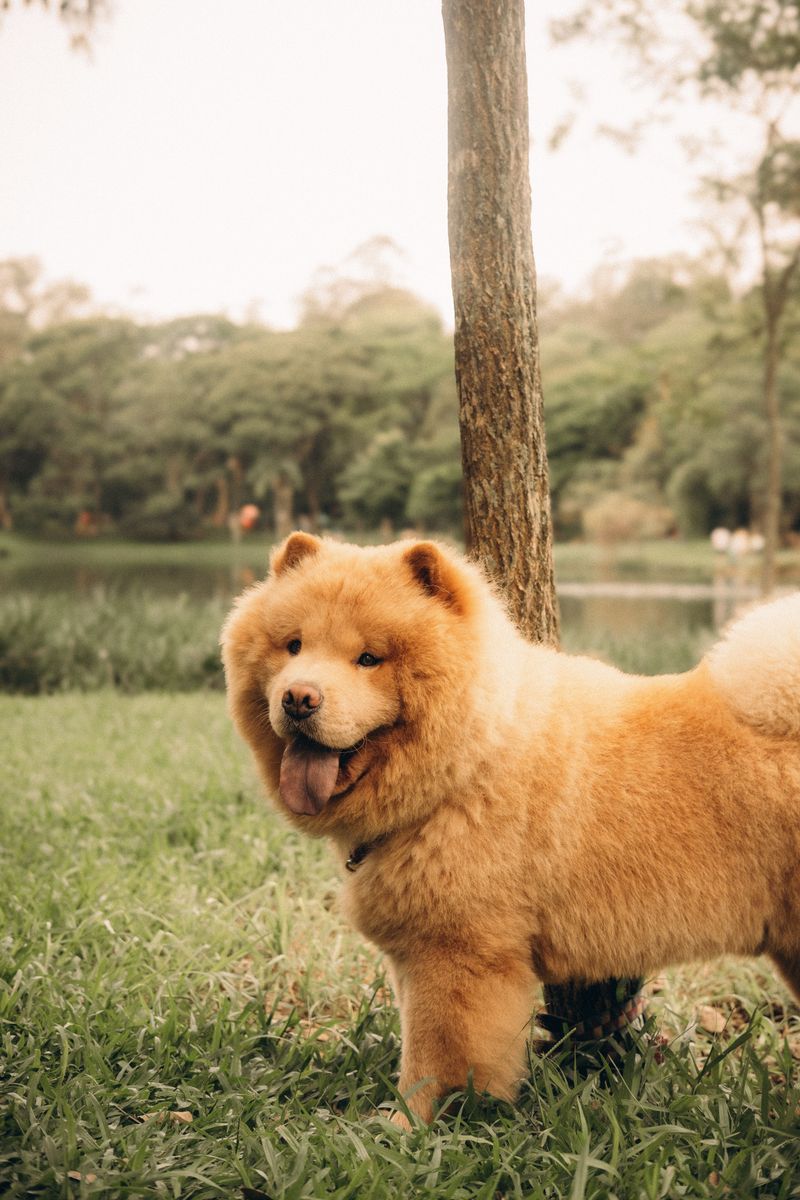
That glorious coat feels like a soaked blanket in water. Straight hind legs reduce powerful kicking, and bulk slows turns.
Cooling off is nice, yet swimming can sap strength quickly.
Keep sessions brief in cool, still water. Use a vest and brush out the coat to reduce matting and weight.
Offer a shady break, fresh water, and a towel to dry. Many Chows prefer shoreline walks and careful paw dips.
Pekingese
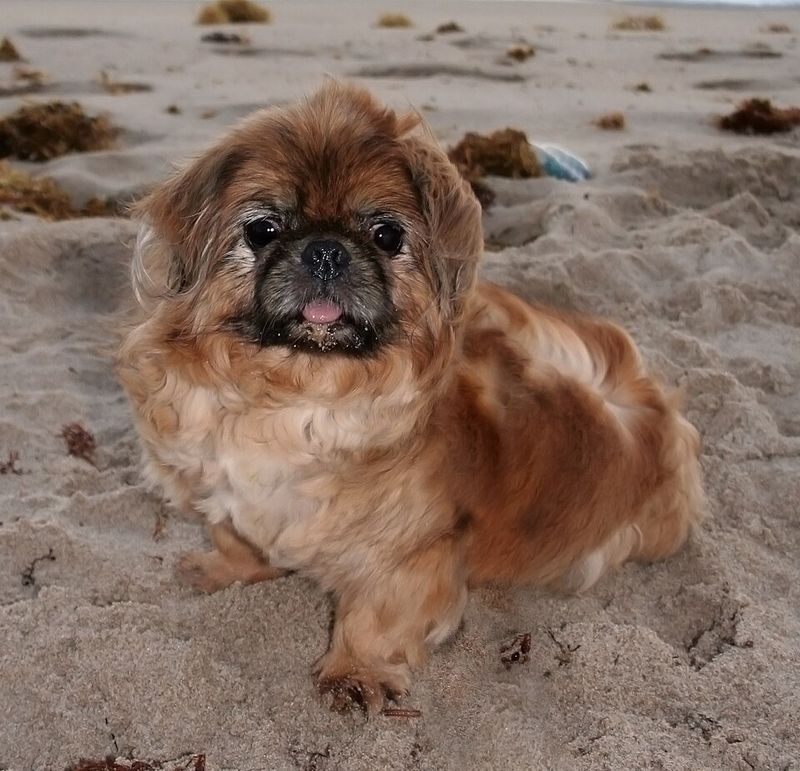
Tiny legs and a flat face mean water reaches the muzzle quickly. A long, heavy coat drinks up water and adds drag.
Confidence can fade if the dog feels trapped.
Use kiddie pools or very shallow edges where paws grip. A snug vest and a non-slip ramp make safe exits simple.
Keep sessions short, then dry the coat and offer quiet cuddles. Gentle routines turn water time into easy enrichment.
Shih Tzu
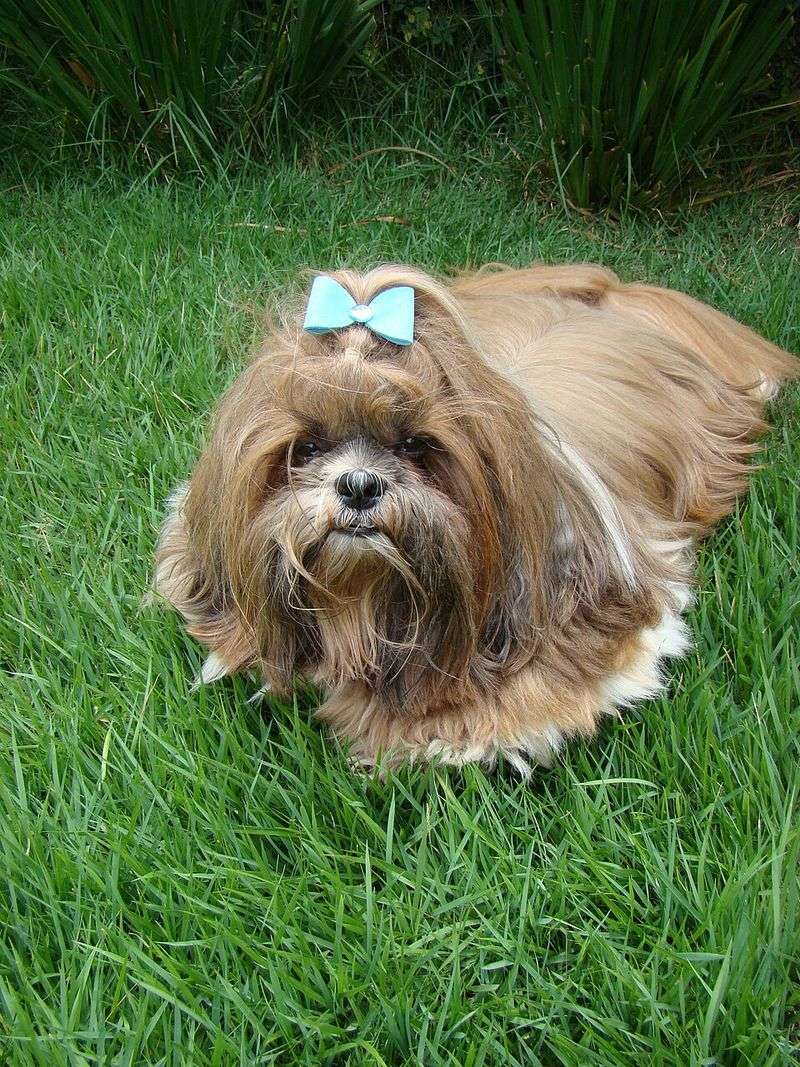
Short muzzle and a compact body make smooth breathing and balance tricky in deeper water. A fluffy coat can hide fatigue signs.
Excitement sometimes masks early tiredness.
Keep to pool steps or easy ramps, and stop while energy stays high. A tidy trim helps reduce weight and tangles.
Use calm praise and a gentle leash for guidance, never pulling. Frequent rests on a towel teach your Shih Tzu that stopping is part of the game.
Boxer
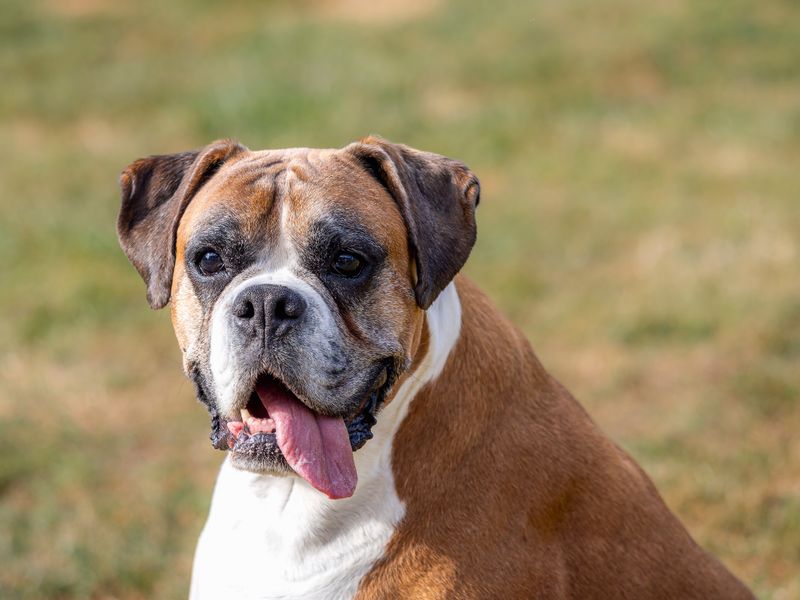
Athletic power meets a somewhat heavy front, which can angle the head low. Some Boxers tire quicker than expected in choppy water.
Excitement may push them farther out than is wise.
Try controlled fetch near the shoreline with a floating toy. A life vest and a long line give safety and quick guidance.
Pace the session, add breaks, and finish with a happy win so confidence stays high for next time.
Scottish Terrier
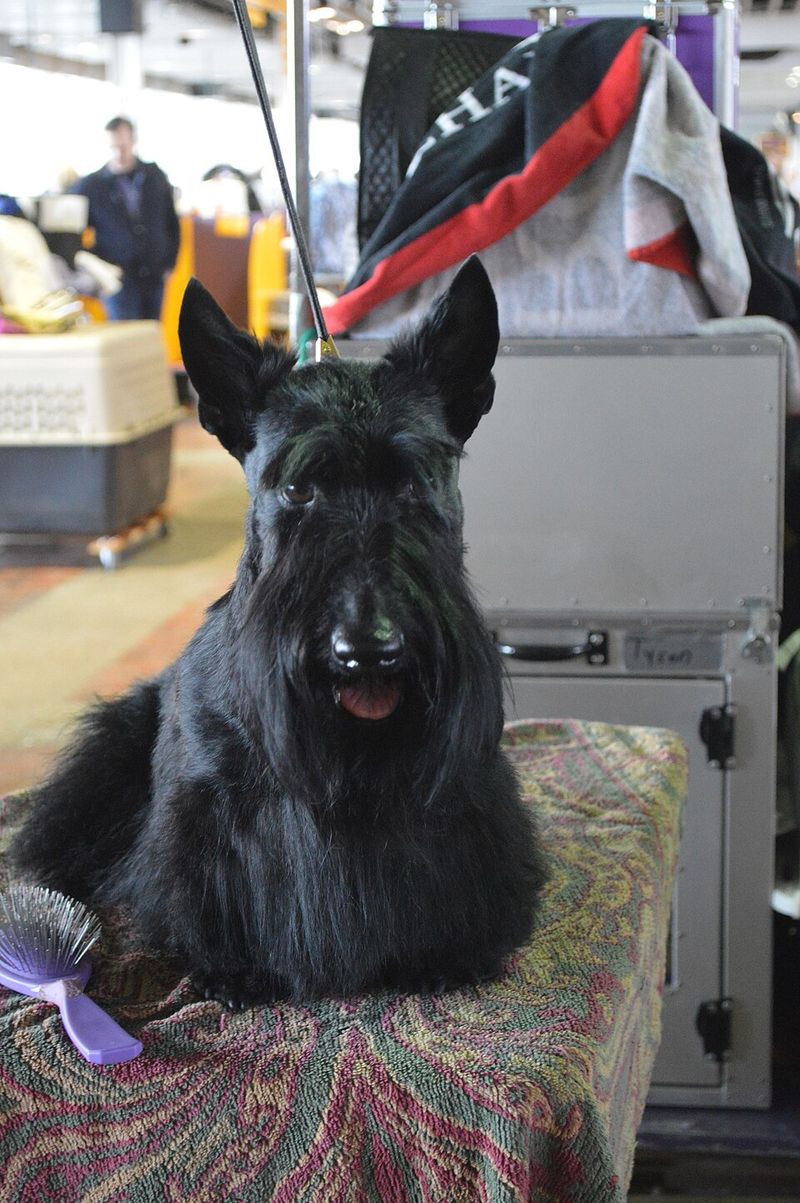
Bold spirit, short legs, and a solid torso make long swims demanding. The head can bob low when excitement peaks.
Rough water quickly saps energy in this compact frame.
Guide slow entries and keep close to shore. A supportive vest with a grab handle helps with quick lifts.
Reward quiet, steady paddling instead of frantic strokes. Short, cheerful sessions build skill without pushing past the comfort zone.