
Some dog breeds are known for their quiet demeanor but can become unexpectedly vocal. Here are 12 breeds that might surprise you with their sudden change in volume and what usually triggers it.
Lagotto Romagnolo
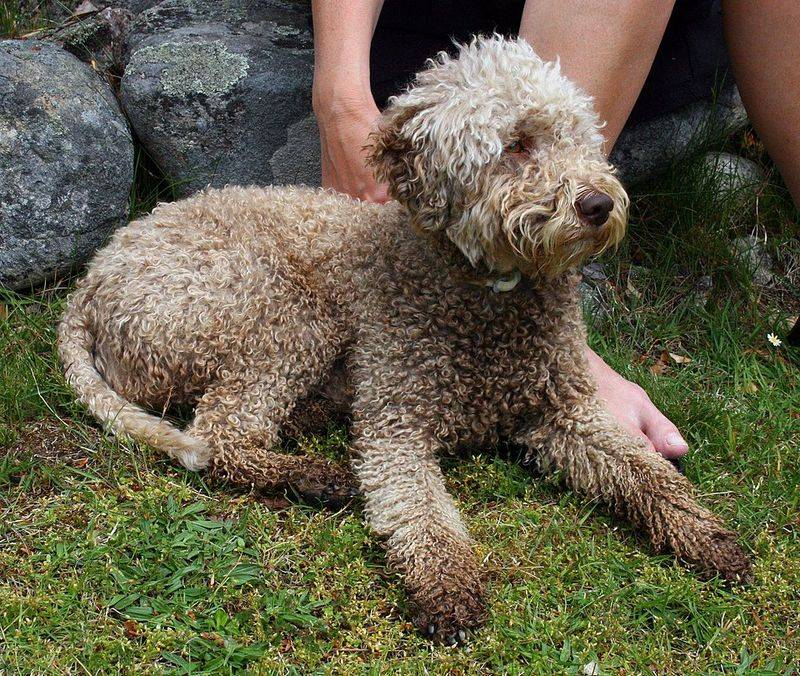
The Lagotto Romagnolo, with its curly coat, is often seen as calm and composed. However, when it catches the scent of something intriguing, its barking can begin almost immediately.
This breed was originally bred to hunt truffles, so it has a keen sense of smell that can set it off. While usually quiet at home, the allure of a new scent can make it vocal in an instant.
Its barking is often a sign of excitement and engagement with its environment, revealing a playful side that many owners cherish.
Kooikerhondje
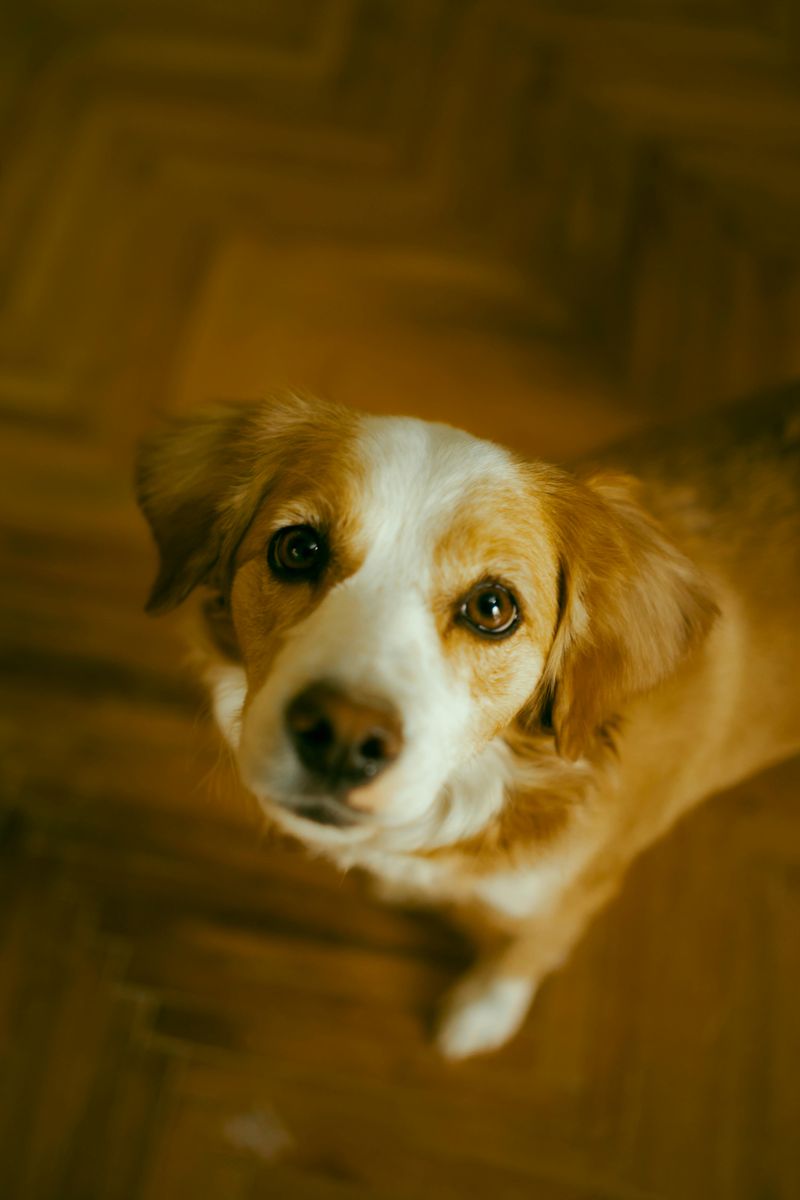
The Kooikerhondje is a cheerful, intelligent breed often admired for its striking orange and white coat. Typically reserved indoors, this Dutch breed can become quite loud when spotting waterfowl.
Historically, it was used to lure ducks into traps, so the sight of birds in water can trigger its barking. This sudden vocalization is a throwback to its working roots.
Kooikerhondjes thrive on outdoor adventures, making them suddenly vociferous when their inner hunter emerges, adding excitement to a serene walk.
Finnish Lapphund
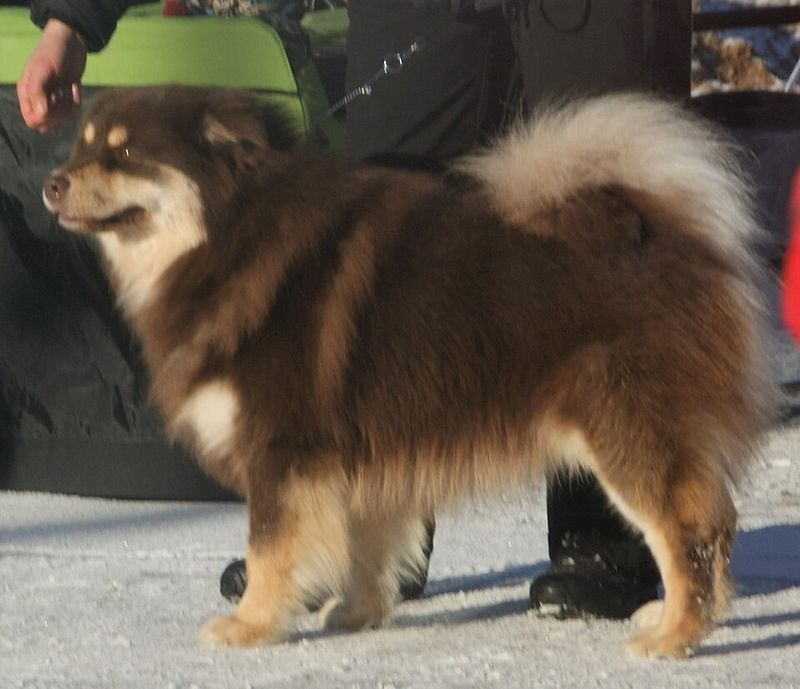
With a rich heritage as a reindeer herder, the Finnish Lapphund is usually as quiet as the snowy landscapes it thrives in. Yet, the sight of unfamiliar animals can prompt a change.
This breed’s instincts are deeply ingrained, so the unexpected appearance of wildlife can lead to a chorus of barks. It’s a natural response to perceived threats or excitement.
While they are generally calm, their sporadic vocalizations are a reminder of their protective nature and love for the great outdoors.
Tibetan Spaniel

Known for its serene demeanor, the Tibetan Spaniel is often seen as a quiet companion. However, when it senses someone approaching its territory, it can become surprisingly vocal.
Bred to act as a watchdog in Tibetan monasteries, it has a keen sense for detecting strangers. Its barking is a natural extension of its protective instincts.
This sudden shift from calm to alert is what makes the Tibetan Spaniel both a charming and vigilant pet, always ready to sound the alarm.
Portuguese Water Dog
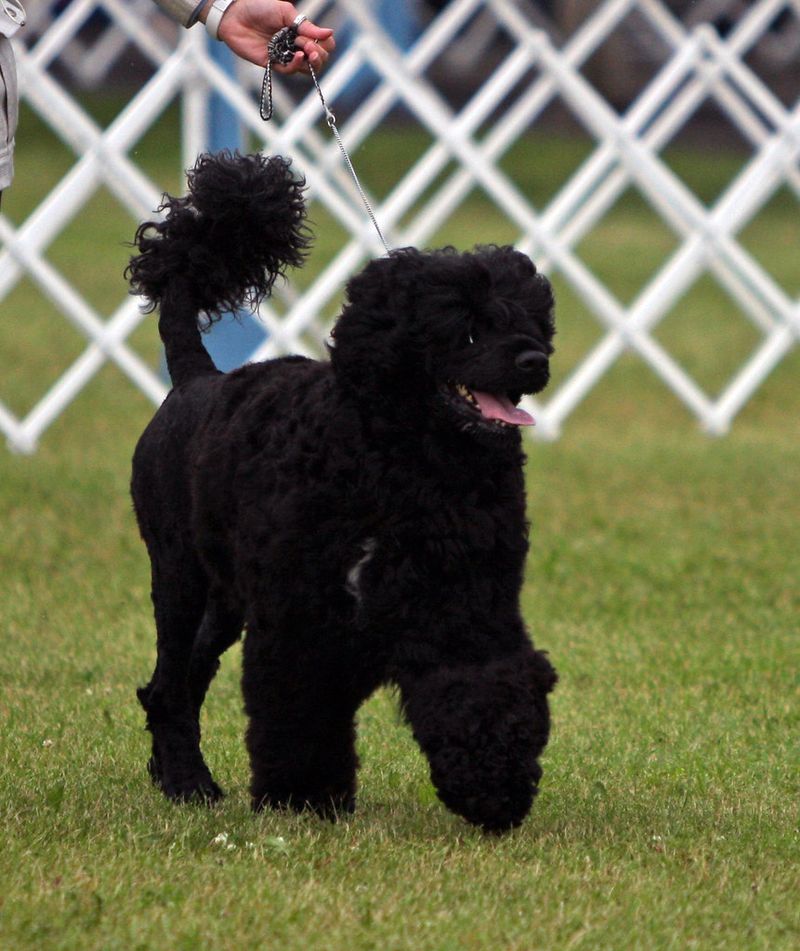
The Portuguese Water Dog, with its lively personality, is typically quiet until it encounters water. Known for its exceptional swimming skills, the splash of waves can ignite its playful barking.
Originally bred to assist fishermen, the water is its playground, and its excitement quickly turns vocal.
This breed’s love for aquatic adventures often brings out its energetic side, transforming a peaceful beach outing into an exuberant affair filled with joyful barking.
Brittany
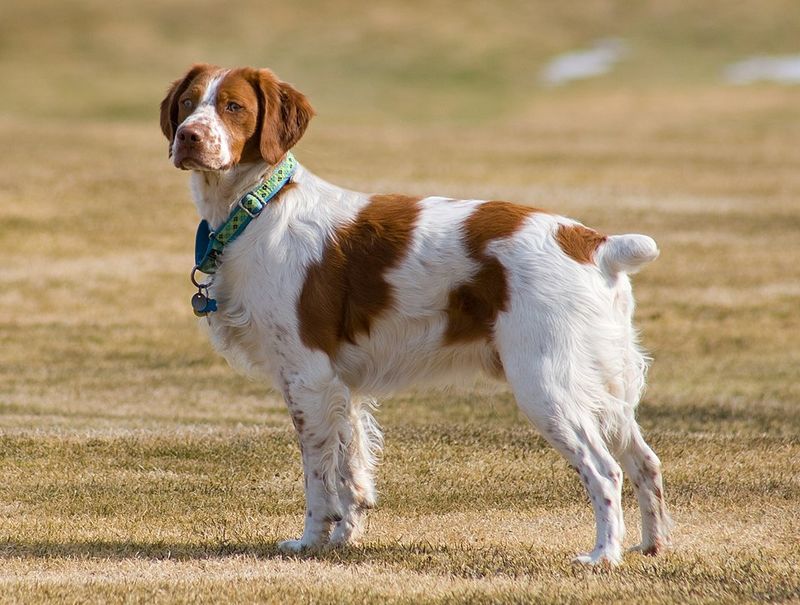
The Brittany, a pointer with keen instincts, is generally well-mannered and soft-spoken. But when its prey drive kicks in, it can become quite vocal.
Originally bred for bird hunting, the sight of birds can trigger a chain of excited barks. This sudden vocalization is a testament to its hunting prowess.
While usually calm, the Brittany’s occasional barks are a nod to its dynamic heritage, making it both a devoted companion and an enthusiastic outdoor partner.
Icelandic Sheepdog
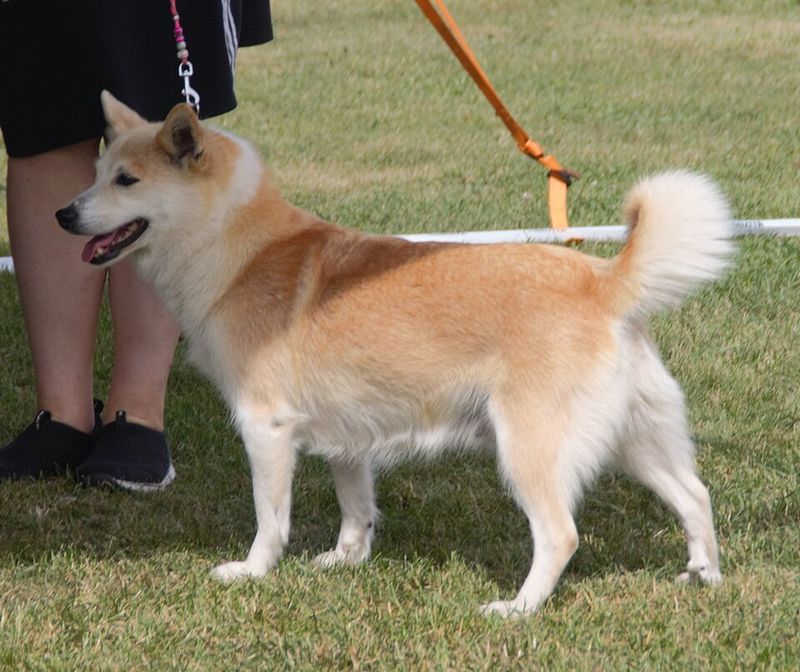
The Icelandic Sheepdog is known for its herding skills and cheerful demeanor. While often quiet, when it’s time to herd, it can become quite loud.
Bred to manage livestock, the sight of sheep can trigger its barking as it guides them with precision.
This vocal behavior is part of its herding strategy, showcasing its adaptability and intelligence. Its barking is not just noise but a tool to control and manage its flock effectively.
Swedish Vallhund
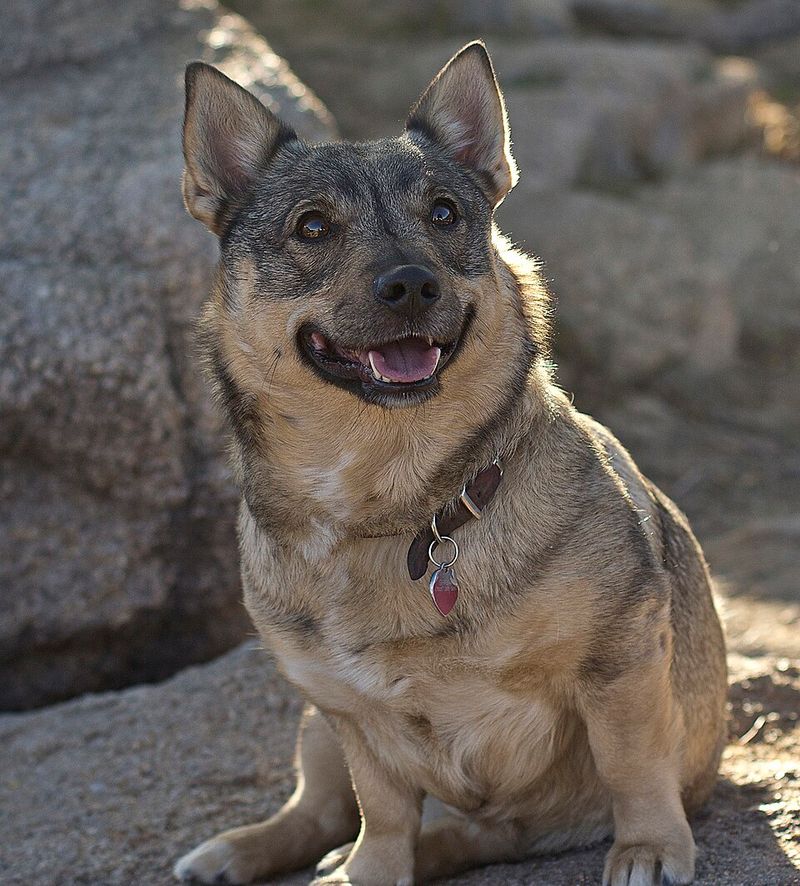
With a history as a cattle herder, the Swedish Vallhund is spirited and usually reserved. Yet, during playtime, its excitement can unleash a string of barks.
This breed thrives on activity, and its enthusiasm can turn vocal when engaging in playful antics. The sudden vocalization is often a combination of joy and alertness.
The Vallhund’s barking is an expressive outlet, capturing its zest for life and dedication to any task at hand.
Polish Lowland Sheepdog

The Polish Lowland Sheepdog is often calm, with a unique shaggy appearance that matches its gentle nature. However, it can become unexpectedly loud when overseeing its flock.
Bred for herding, this breed takes its role seriously, using its bark to keep sheep in line. Its loud voice is a tool of trade, not just a sign of excitement.
This breed’s vocal outbursts are a reflection of its commitment to work, a proud nod to its heritage as a dedicated shepherd.
Schapendoes
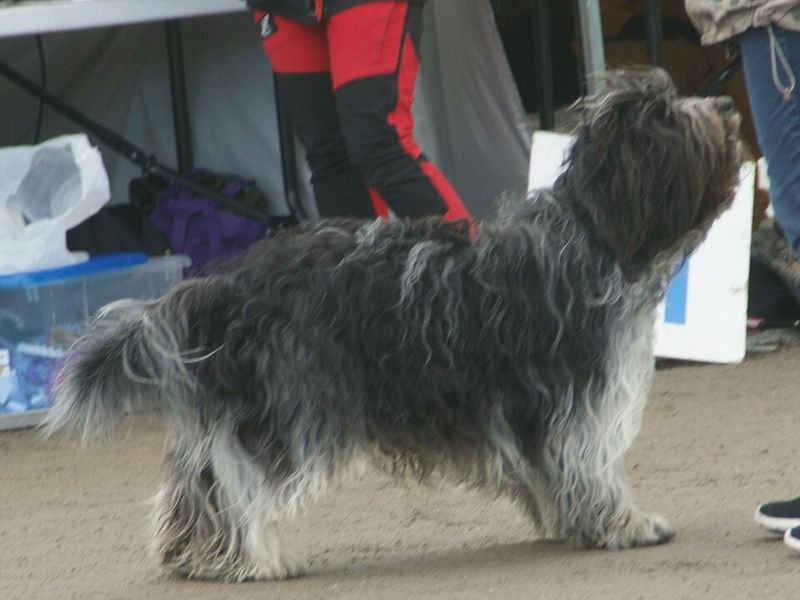
The Schapendoes, known for its lively personality, usually remains quiet until it’s time to play. Its energy can quickly turn into an exuberant bark.
This Dutch breed was originally a herder, and its vocalizations are part of its energetic play style. Its barks are often a blend of excitement and alertness.
The Schapendoes’ sudden vocal shifts are a charming reflection of its vivacious spirit, making it both an entertaining and spirited companion.
Dutch Shepherd
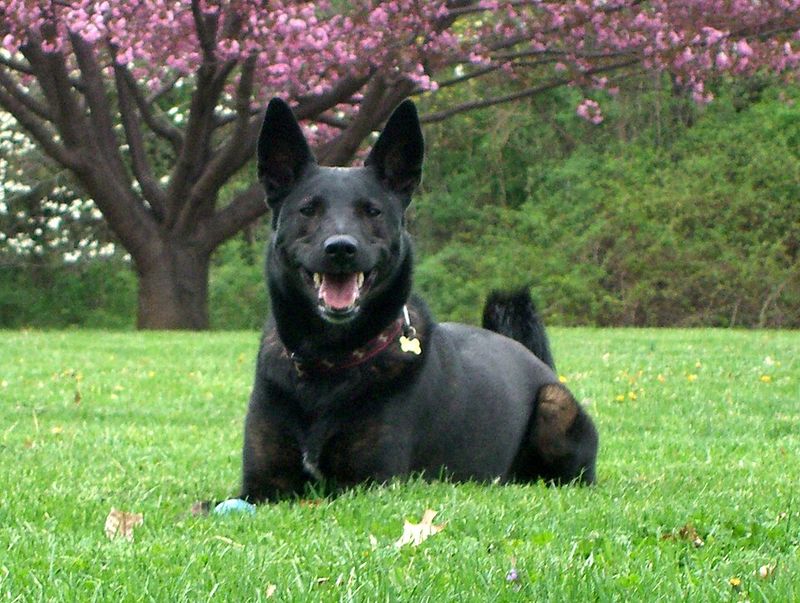
Usually composed and attentive, the Dutch Shepherd can become unexpectedly vocal during training sessions. This breed thrives on challenges and uses barking as a form of communication.
Bred for herding and protection, its instincts are strong, and vocalizing during tasks is a part of its routine.
This breed’s sudden loudness is a sign of its commitment to work, using its voice to express enthusiasm and engagement with tasks.
Pyrenean Shepherd
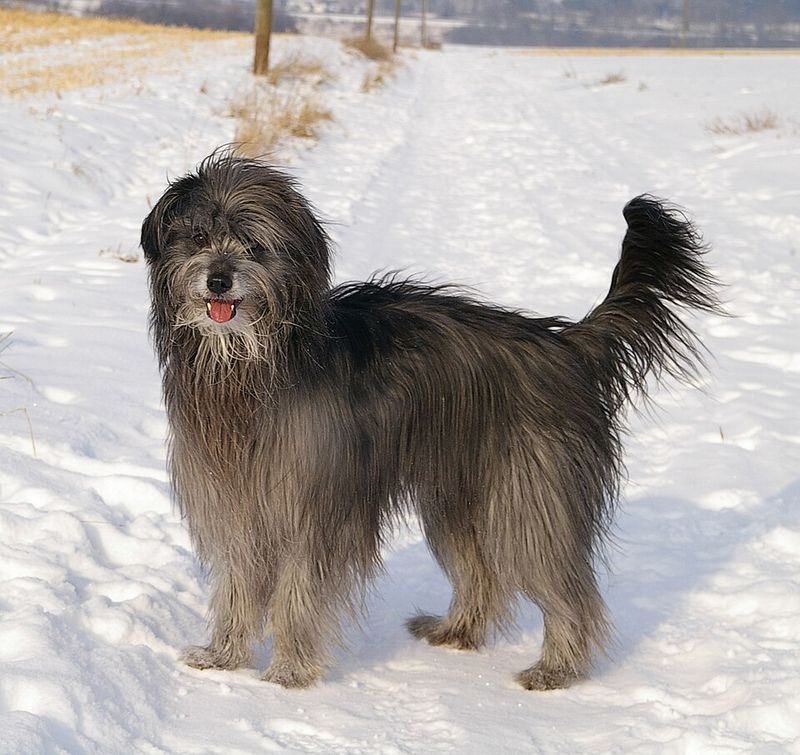
The Pyrenean Shepherd is usually reserved but becomes vocally expressive when herding. Its sharp barks guide sheep with precision.
As a natural herder, its instincts are strong, and barking is a crucial part of its job. This sudden vocalization isn’t just noise but a tool of its trade.
The breed’s sudden switch from quiet to loud is a testament to its dedication and efficiency in managing livestock, reflecting its working heritage.