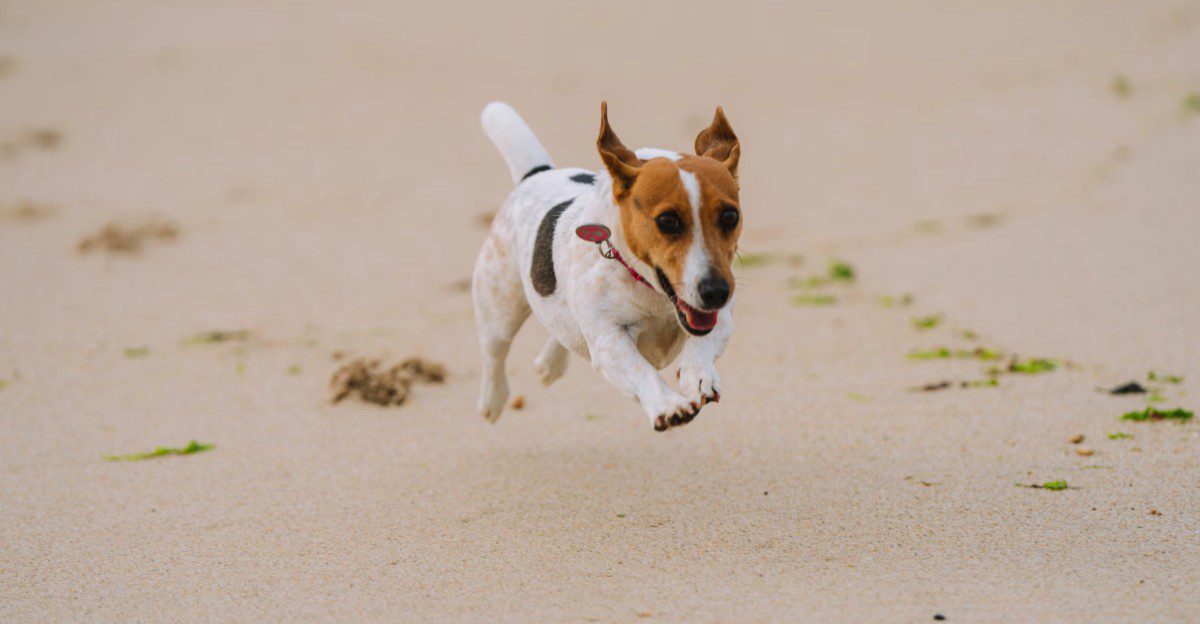
Bringing home a dog should be a happy, long-term choice. But sometimes people pick a breed based on looks or a short video, then feel overwhelmed by the reality.
Mismatched energy, training needs, or size can lead to heartbreak for both dog and family. Learning what each breed truly needs helps everyone stay together.
Siberian Husky
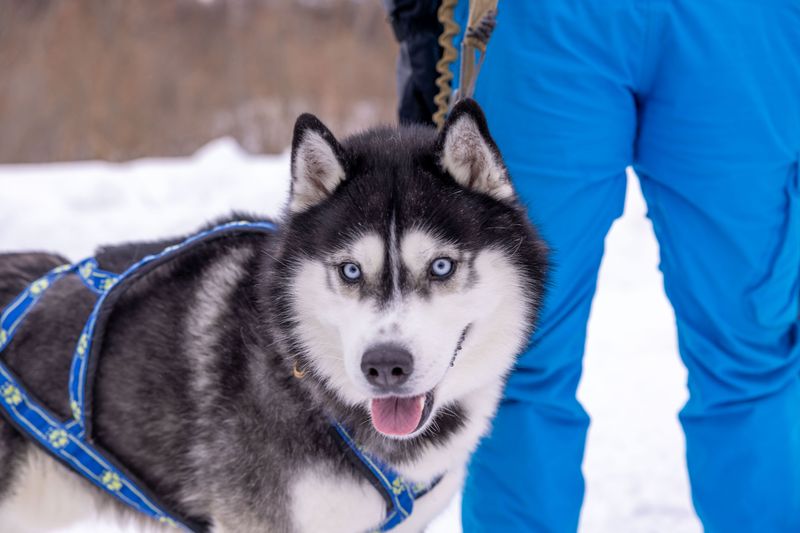
Those bright eyes promise adventure, not naps. Huskies were bred to run long distances and problem-solve, so many get vocal and crafty when bored.
Fences need to be high and secure, because escape artistry is practically a hobby. Daily vigorous exercise matters more than a fancy bed.
Plan on games that challenge the brain, like scent work or pulling sports. A tired Husky is a sweet roommate.
An under-exercised one redecorates with shredded cushions.
German Shepherd
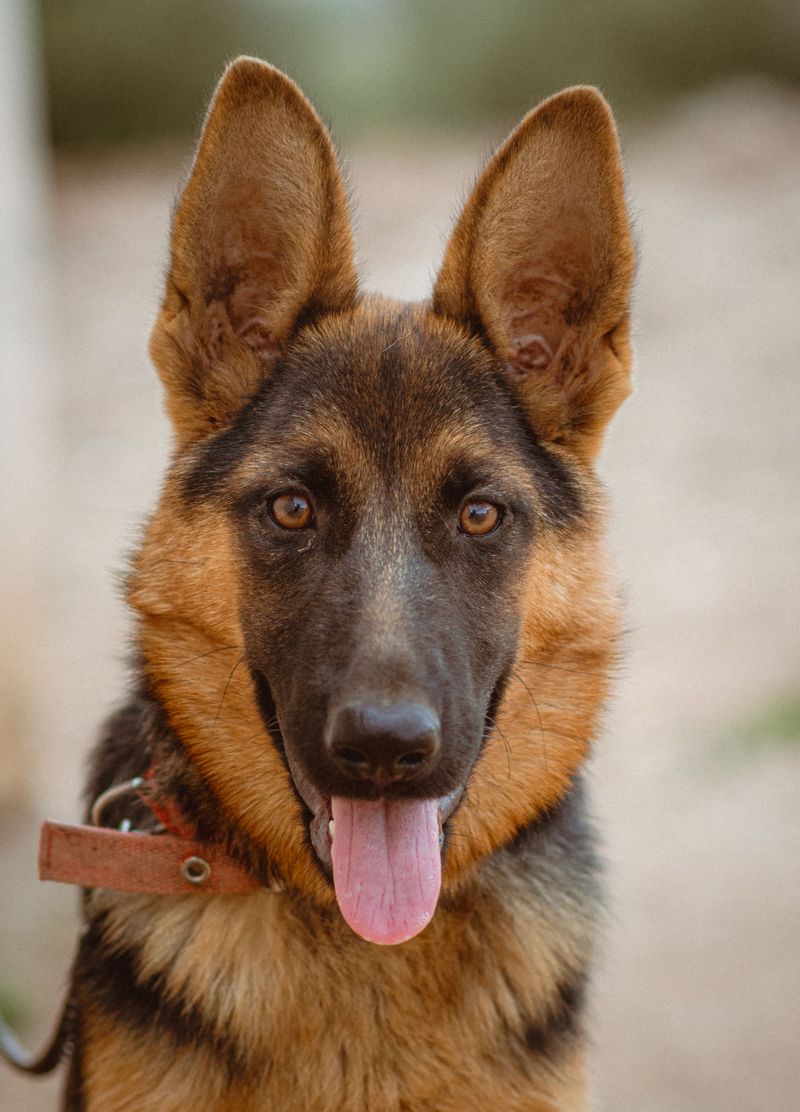
Loyalty comes packaged with serious responsibility. German Shepherds shine when given structure, jobs, and consistent training.
Without that, anxiety and reactivity can grow. Many need careful socialization and clear rules to feel safe.
They also shed a surprising amount, so lint rollers become your best friend.
Sign up for obedience classes early. Rotate mental tasks, like tracking games or utility work.
When their brain is busy, their confidence and calm shine through at home.
Border Collie
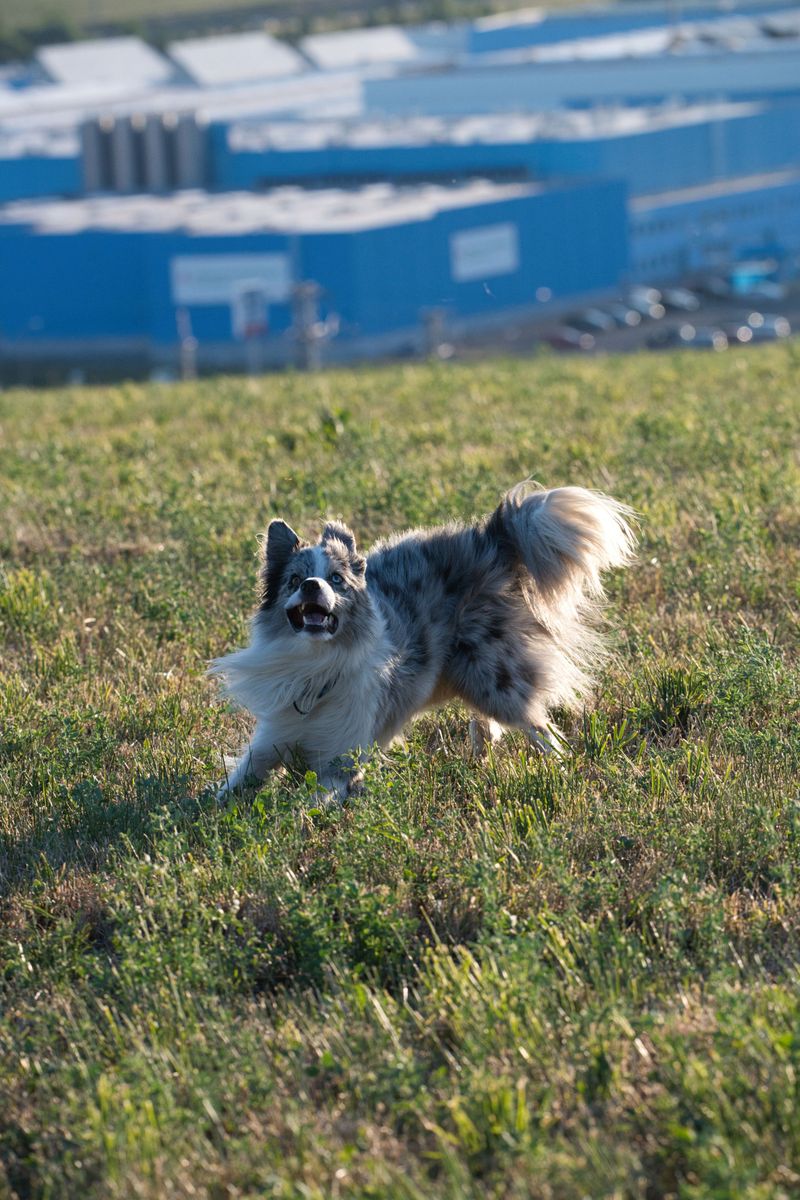
Rumor says genius. Reality says genius that needs a job every day.
Border Collies thrive on tasks, patterns, and precision. Without outlets, they invent projects, like herding kids or chasing bikes.
That sharp mind also notices tiny changes at home, which can create stress if routines are chaotic.
Agility, trick training, and daily fetch sessions help channel that spark. Keep lessons short and fun.
Satisfy the brain, and the body will relax afterward.
Belgian Malinois
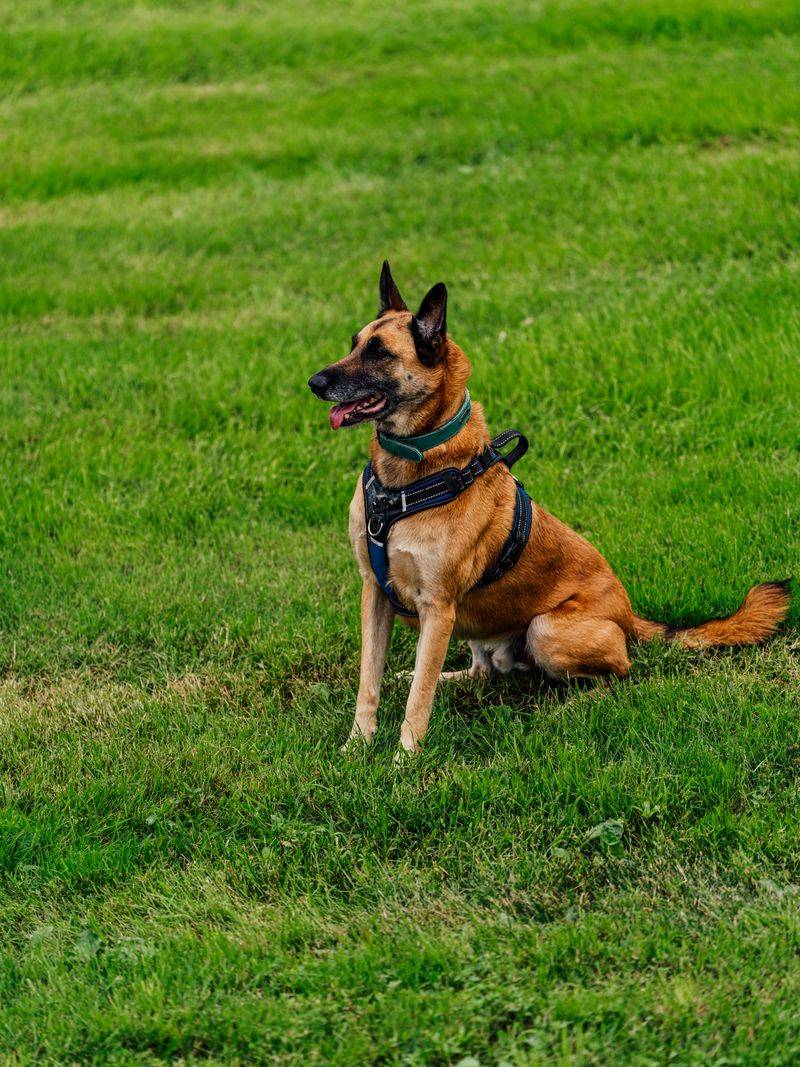
Think athlete on turbo mode. Malinois were built for police and sport work, not lazy weekends.
Their drive to chase, bite, and solve problems is impressive, yet overwhelming in casual homes. Quick learners yes, but they practice whatever gets reinforced, good or bad, at lightning speed.
Partner with an experienced trainer early. Provide structured exercise, like obedience drills, scent games, and controlled tug.
When their instincts have direction, their brilliance becomes breathtaking.
Australian Shepherd
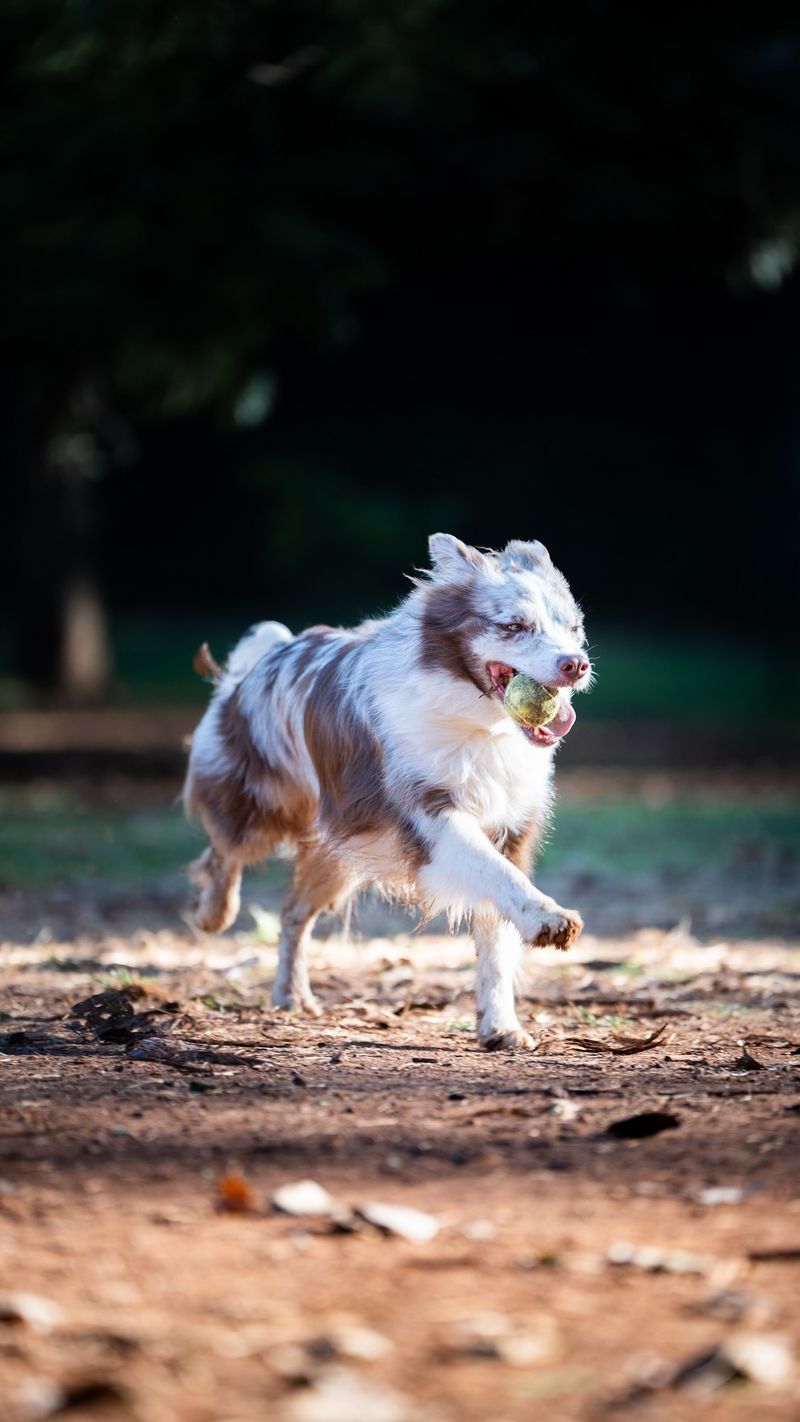
Spirited, clever, and always “on,” Aussies rarely skip a chance to work. Many owners expect a calm house pet but meet a herder who nudges, barks, and patrols.
Without structure, they can nip heels or chase skaters because instinct says move the flock.
Channel energy into agility, long hikes, and advanced tricks. Use puzzle feeders and short training bursts.
Predictable routines and clear cues help this smarty settle peacefully after action time.
Jack Russell Terrier
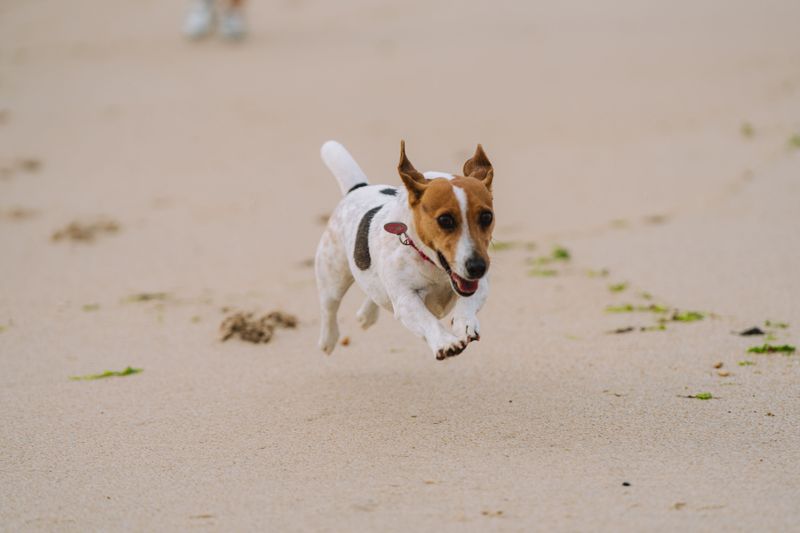
Small body, giant mission. Jack Russells were bred for hunting vermin, so the engine runs hot.
They sprint, dig, and outthink baby gates with a grin. Many need strict boredom-busters or they remodel lawns and couch seams.
Barking can show up when energy has nowhere to go.
Short, intense play sessions help, like fetch sprints or nose work in boxes. Teach reliable recall.
Provide chew toys that survive determined jaws.
Cane Corso
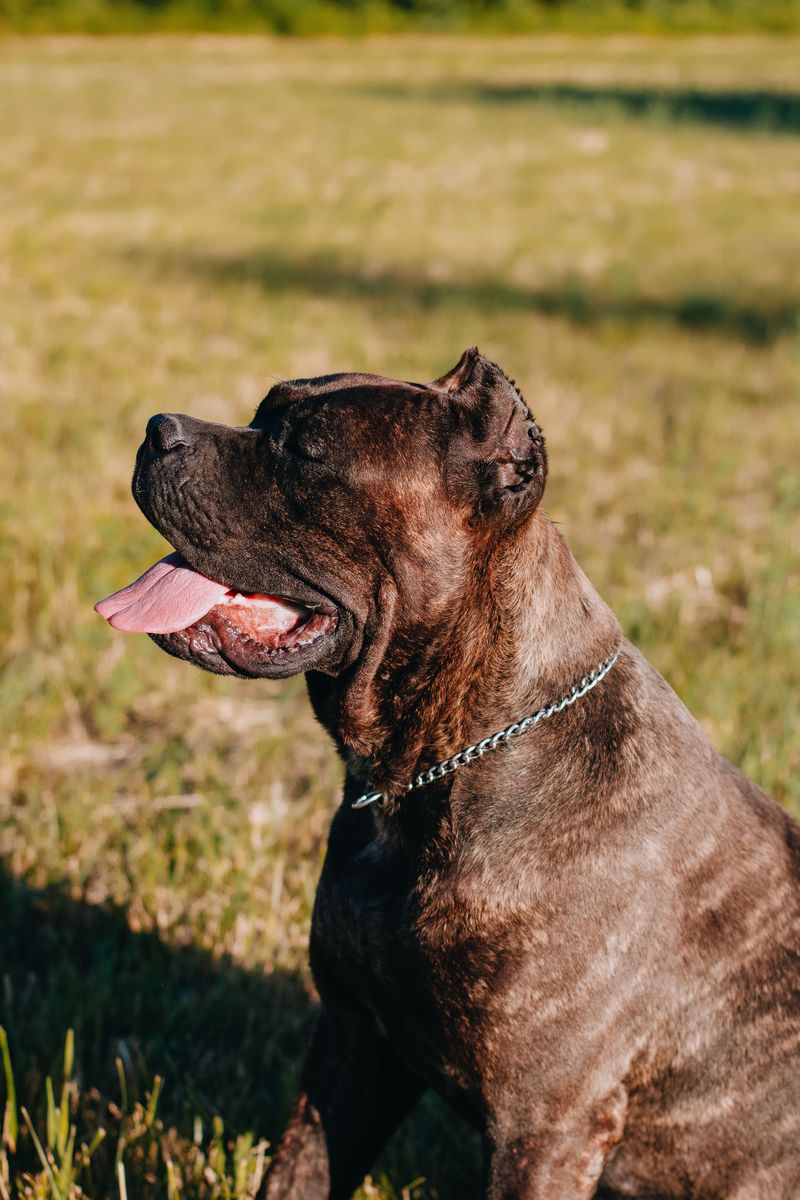
Presence like a tank and a heart that watches the yard. Corsos guard by nature and need calm, steady leadership.
Early socialization is not optional. Without boundaries, their size and protectiveness can outmatch a new owner.
Expect drool, strength, and a dog that reads your confidence.
Invest in obedience, leash manners, and impulse control games. Keep visitors structured.
When clear rules exist, their loyalty becomes reassuring, not overwhelming.
Akita
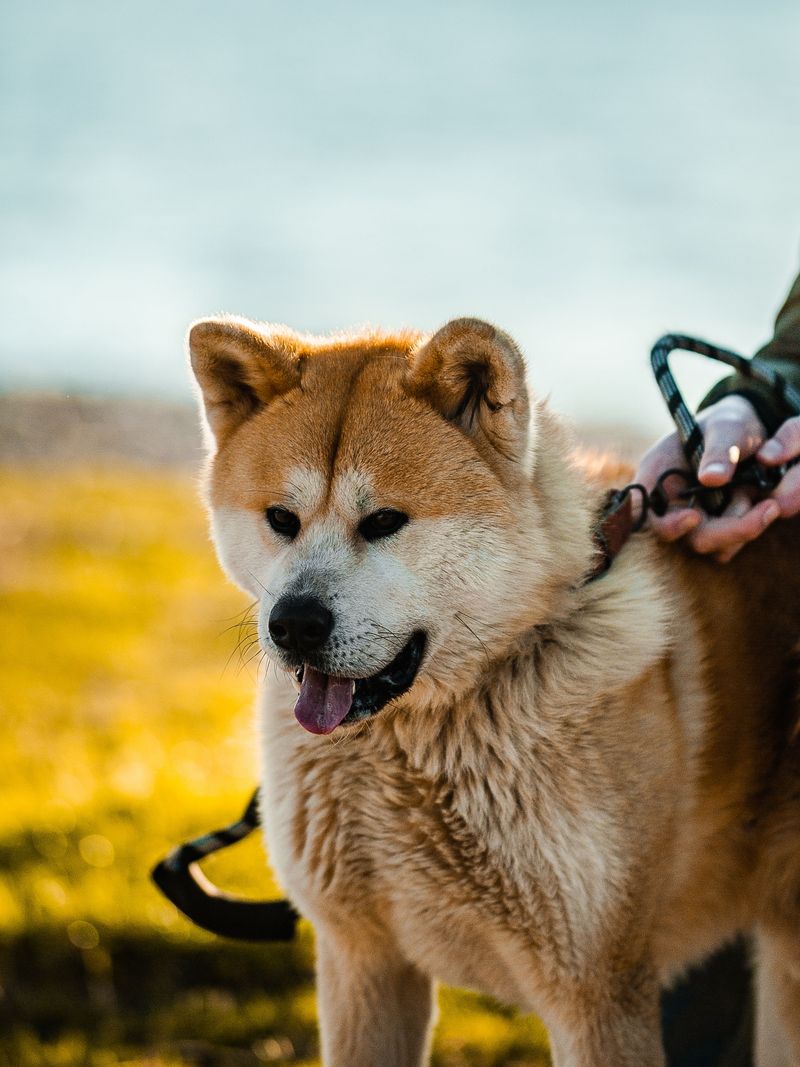
Quiet like a mountain, yet stubborn as a mule when pushed. Akitas are independent thinkers with strong guarding instincts.
Many do not enjoy rough dog-park play and may prefer a small, trusted circle. Grooming is heavy when coats blow, and their stoic style can hide discomfort.
Build mutual respect using firm, kind training. Keep greetings measured, not chaotic.
Regular brushing and clear rules help this noble companion feel secure and cooperative.
Australian Cattle Dog
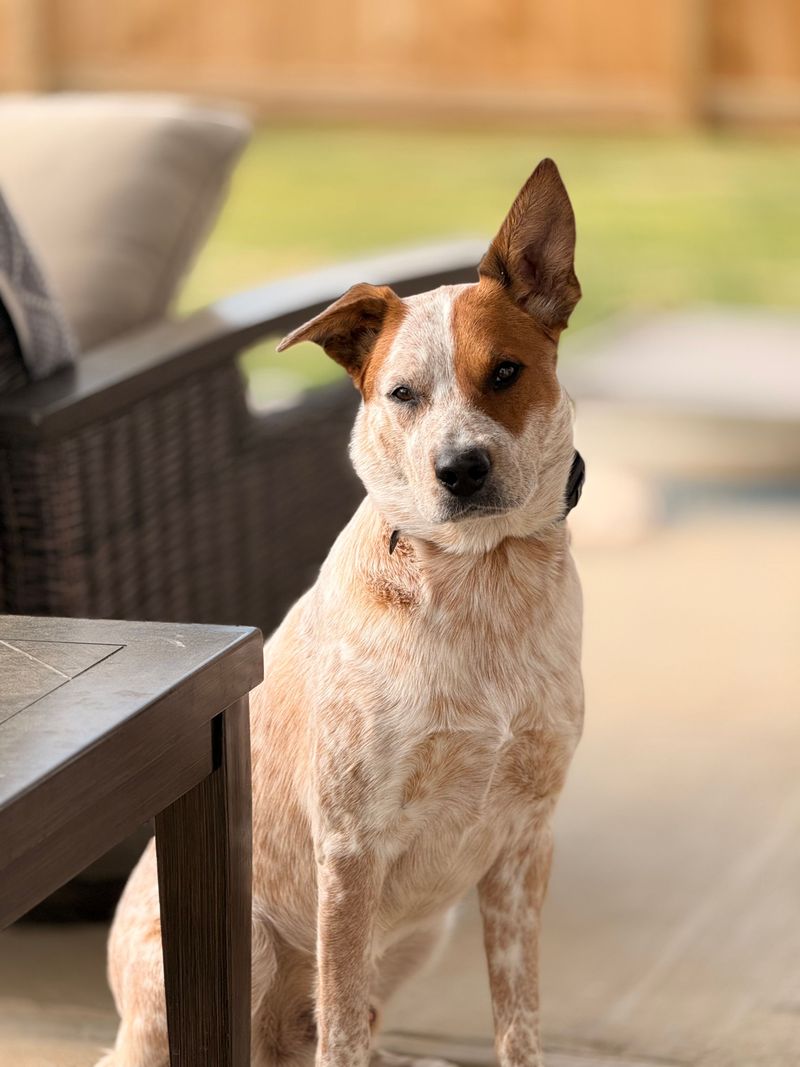
Built for long days moving stubborn cattle, these dogs clock miles before breakfast. Many families expect a cuddly buddy but get a relentless worker that nips heels and patrols windows.
Without jobs, they invent them, like chasing cars or herding kids during homework time.
Fast-paced exercise, structured fetch, and trick routines help. Use durable toys and varied routes.
Clear boundaries turn that grit into a reliable partner who finally rests at night.
Great Pyrenees
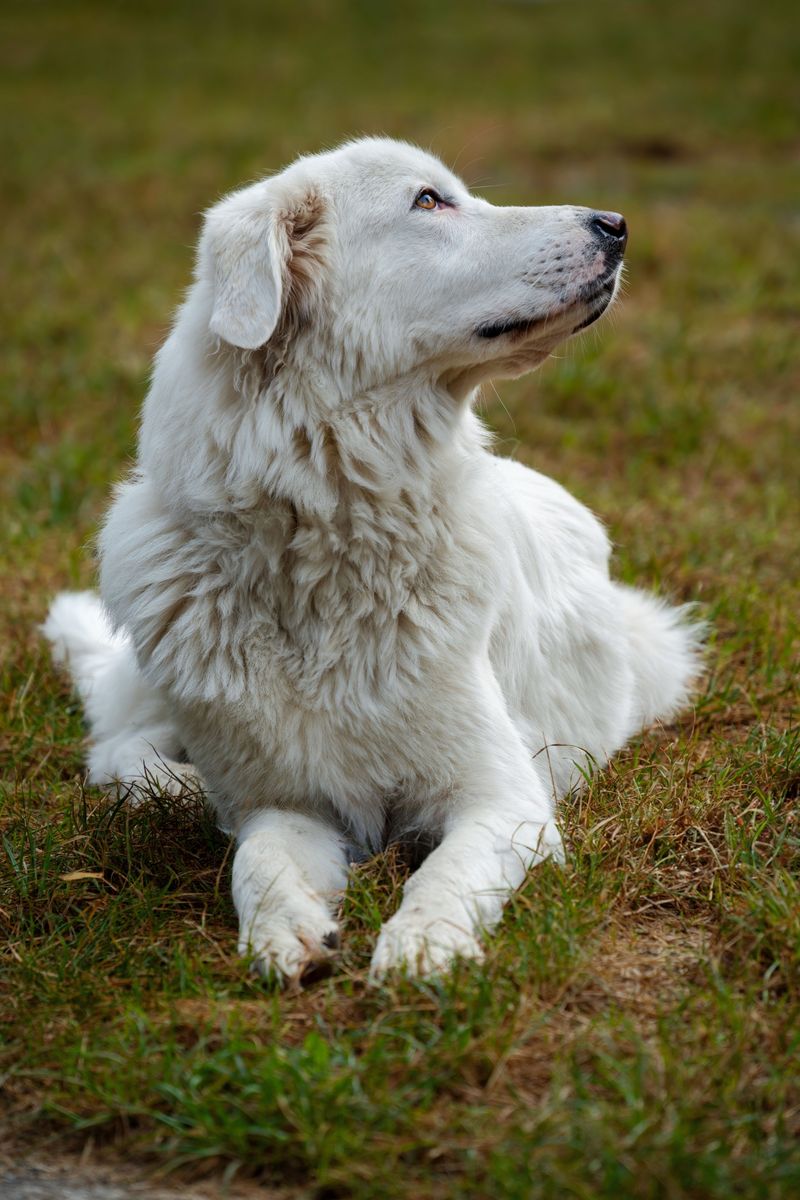
Calm outdoors, stubborn indoors is common with Pyrs. They were bred to make decisions alone while guarding livestock, so they may ignore commands that feel pointless.
Expect nighttime barking at distant sounds and a love for cool weather. Size plus independence surprises many new owners.
Secure fencing and patient training are key. Provide quiet patrol time in a yard and keep grooming regular.
Respect their guardian mindset, and cooperation grows steadily.
Weimaraner
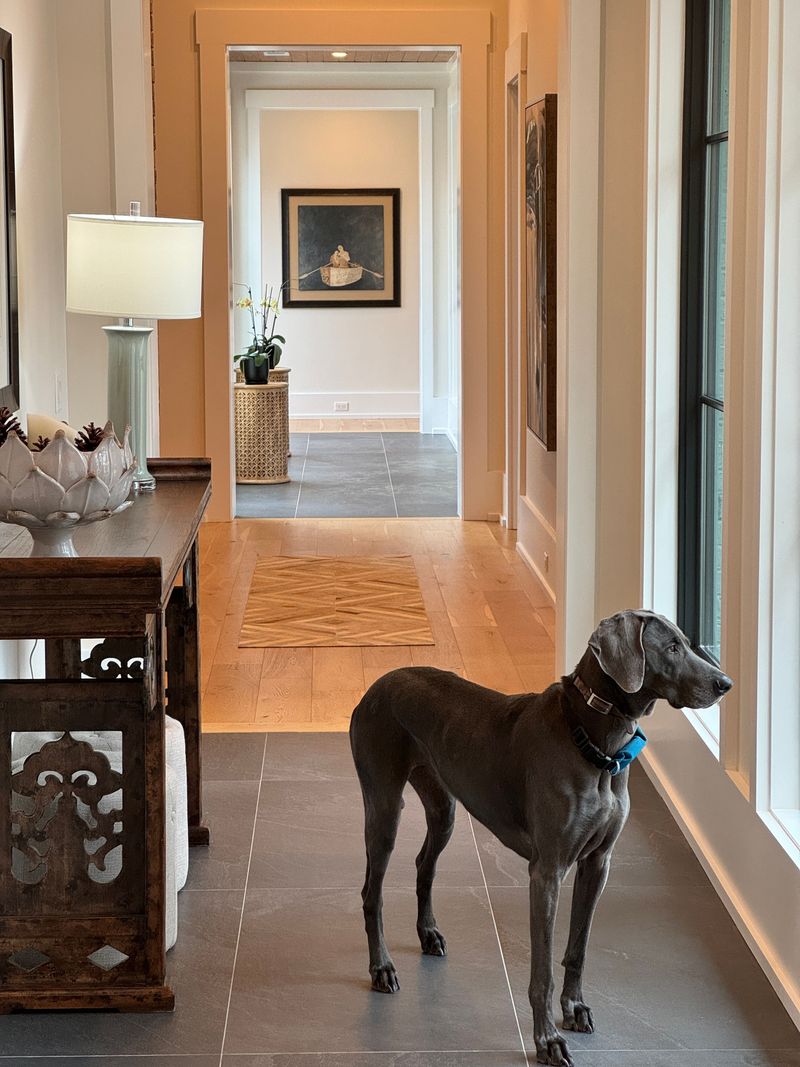
Elegance meets go-go-go. Weimaraners bond deeply and often struggle when left alone for long hours.
That clinginess can become chewing, pacing, and howling. High prey drive means squirrels are irresistible.
Many need both cardio and brain work to stay balanced.
Plan for daily runs, hide-and-seek games, and crate training as a safe retreat. Practice calm departures and returns.
When their body and heart feel secure, peaceful moments finally arrive.
Dalmatian
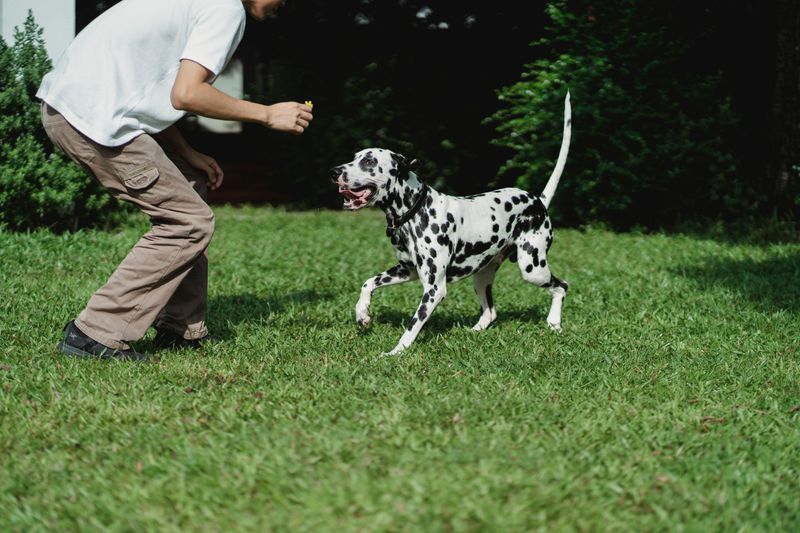
History with firehouses hints at stamina, not couch life. Dalmatians are energetic, smart, and sometimes sensitive to rough handling.
Some carry a risk of deafness, so training with hand signals can be helpful. Without enough movement, they might pace or get mouthy.
Long walks, jogging, and trick sessions curb restlessness. Use positive methods and clear visuals.
Consistent routines, good socialization, and health checks support a happy partnership at home.