
Some dogs handle alone time well, but others really want a buddy nearby. If you work long hours or travel often, the breed you choose matters a lot.
The dogs below crave company, play, or quiet time at your side. Learning their needs now can help you plan a happy life together.
Vizsla
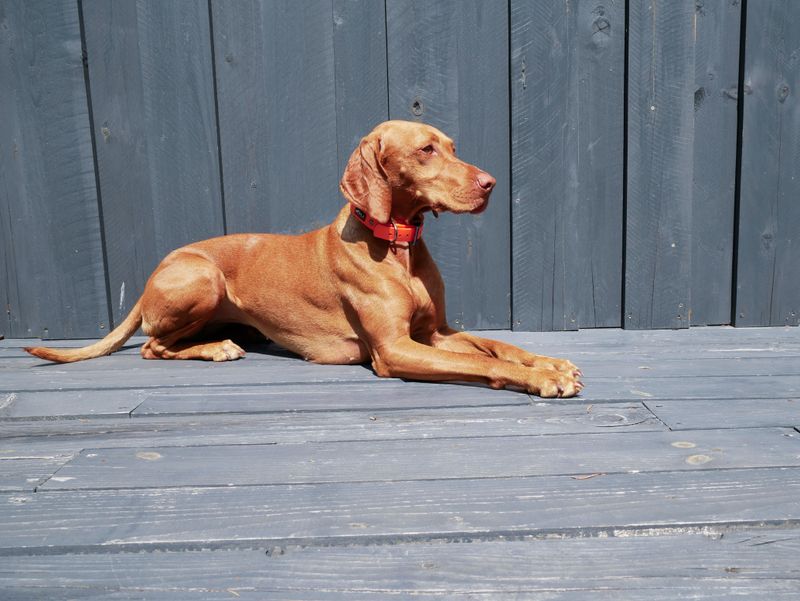
Nicknamed the Velcro dog, the Vizsla sticks close and notices every move you make. Left alone too long, they can stress bark, pace, or chew from boredom.
Daily exercise helps, but emotional closeness matters even more.
Plan for long walks, training games, and plenty of couch time beside you. Consider doggy day care, a reliable walker, or a second pet if your schedule runs busy.
Puppies bond fast, so start calm crate practice early, then rotate puzzle toys to keep their brain satisfied.
Havanese
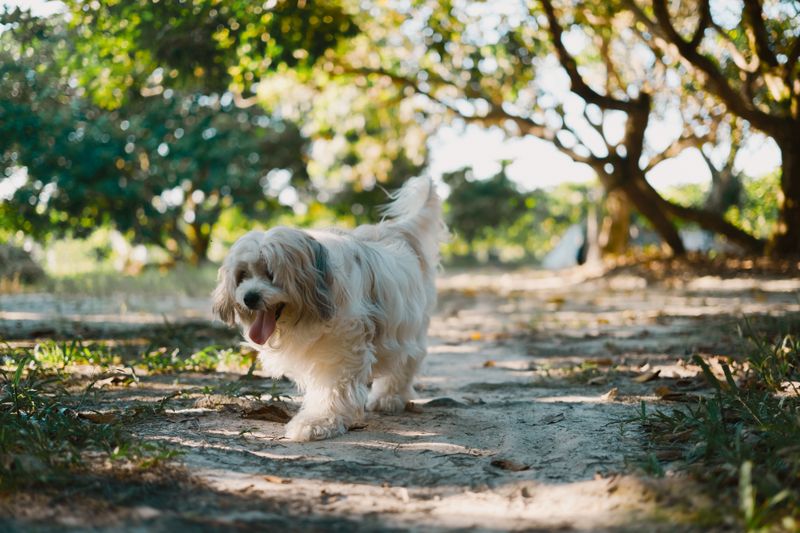
From Havana’s busy streets came a lap-loving social butterfly who hates empty rooms. A Havanese enjoys tagging along to errands, greeting neighbors, and curling up during movie night.
Long, quiet afternoons can feel heavy for this people-focused pup.
Keep them engaged with short training bursts, trick practice, or a snuffle mat. If you work from home, build routines that include play breaks.
When you need to step out, leave a worn T-shirt, soft music, and a safe chew to ease the wait.
Italian Greyhound
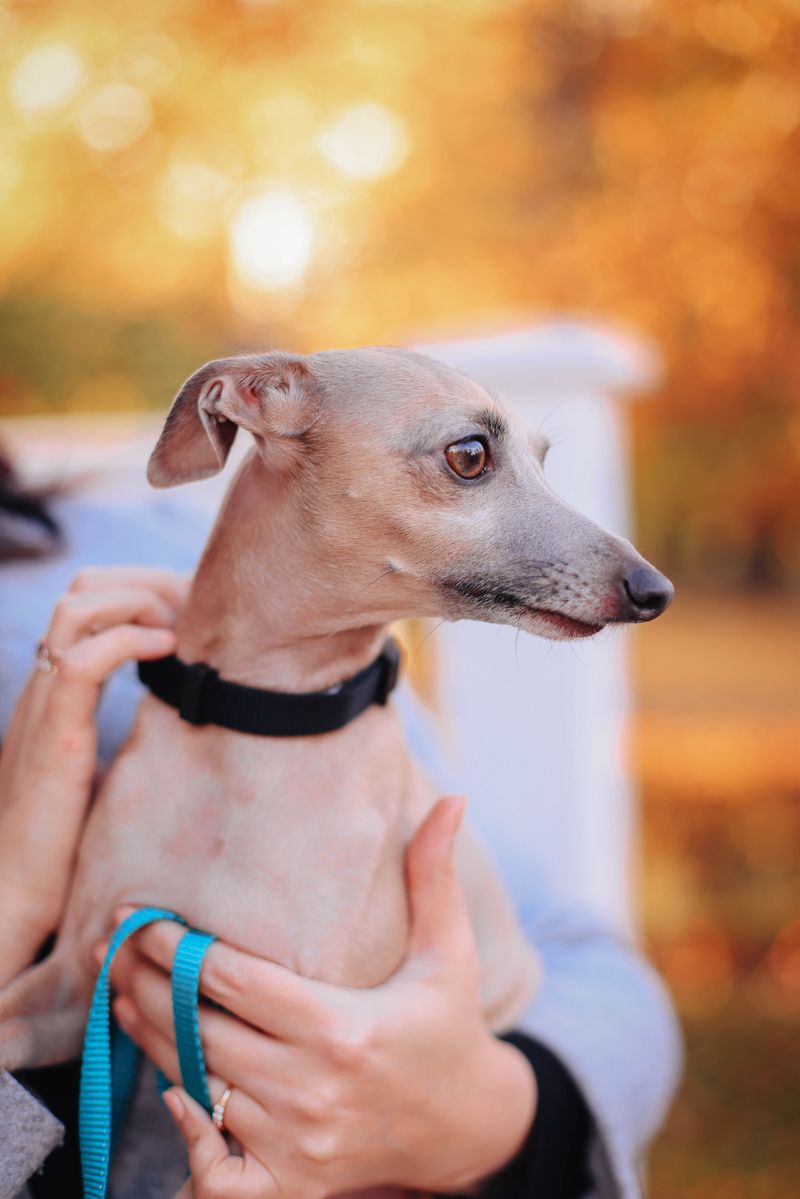
All elegance and skinny legs, the Italian Greyhound is also a sensitive soul. They bond deeply and often shiver more from nerves than temperature.
A quiet homebody at heart, they prefer soft blankets and a familiar human close by.
Short, gentle walks and indoor zoomies suit them fine. Structure helps, so set predictable comings and goings.
Practice relaxed departures, then offer a cozy den with a warm bed. Soft puzzle toys and lick mats can turn alone time into something soothing.
Cavalier King Charles Spaniel

Those melting eyes tell the whole story. Cavaliers are comfort seekers who shadow their people from kitchen to couch.
Too much solitude can bring sad whimpers and restless pacing, especially in young dogs.
Plan companionship into each day. A midday visitor or dog-friendly office makes a huge difference.
Keep grooming light and pleasant, then pair it with bonding time. Teach a solid settle on a mat, and leave safe chews to turn quiet hours into peaceful, predictable rests.
Cocker Spaniel
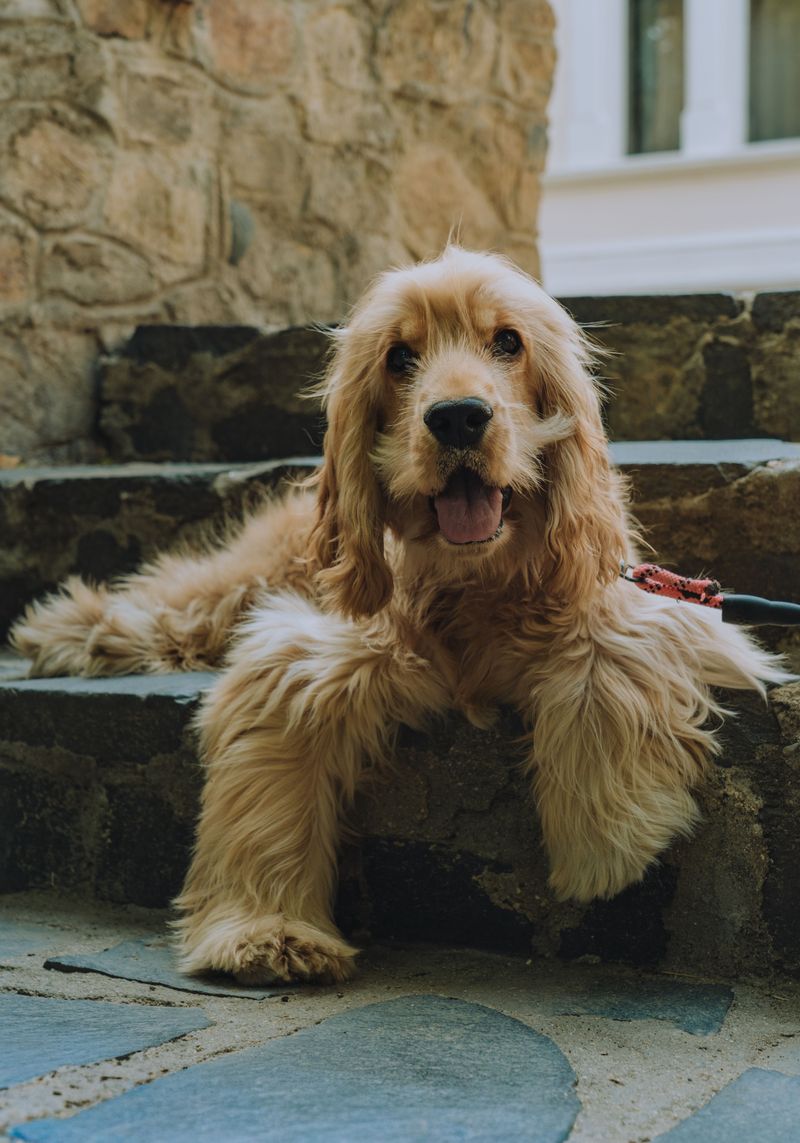
Big feelings in a feathery package, Cockers thrive on attention and upbeat routines. Without company, they can vocalize or pick up nervous habits.
Sensitive by nature, they respond best to gentle guidance and clear schedules.
Offer morning sniff walks, simple scent games, and calm training sessions. Rotate toys, especially soft ones they can carry.
If time away is unavoidable, arrange a walker who greets kindly and moves at their pace. A tired, reassured Cocker handles short separations far better.
Maltese
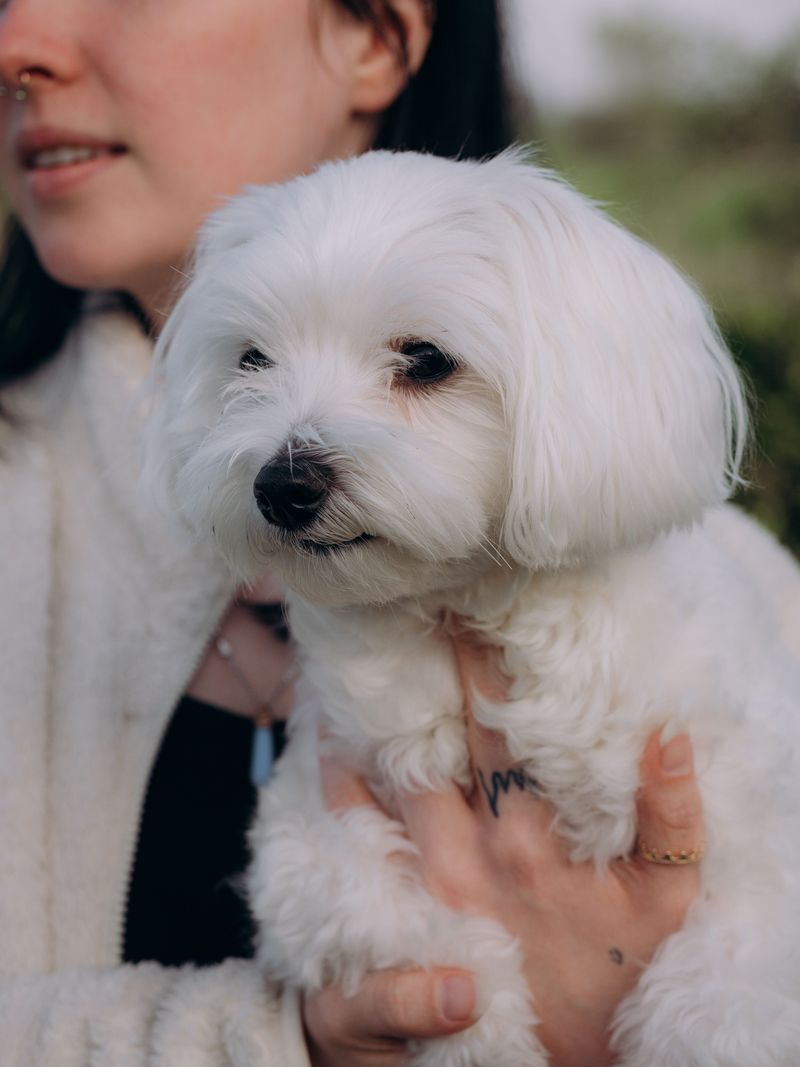
Fluffy and fearless about snuggles, the Maltese is a classic lap fan. They read your mood, follow your steps, and often nap at your feet.
Long lonely hours can create clinginess if not managed with patience.
Introduce independence in small doses. Use short departures with a cheerful cue, then reward calm returns.
Keep their coat comfy, offer soft chews, and set up a window perch. Short play bursts between tasks make home days easier for both hearts.
Bichon Frise
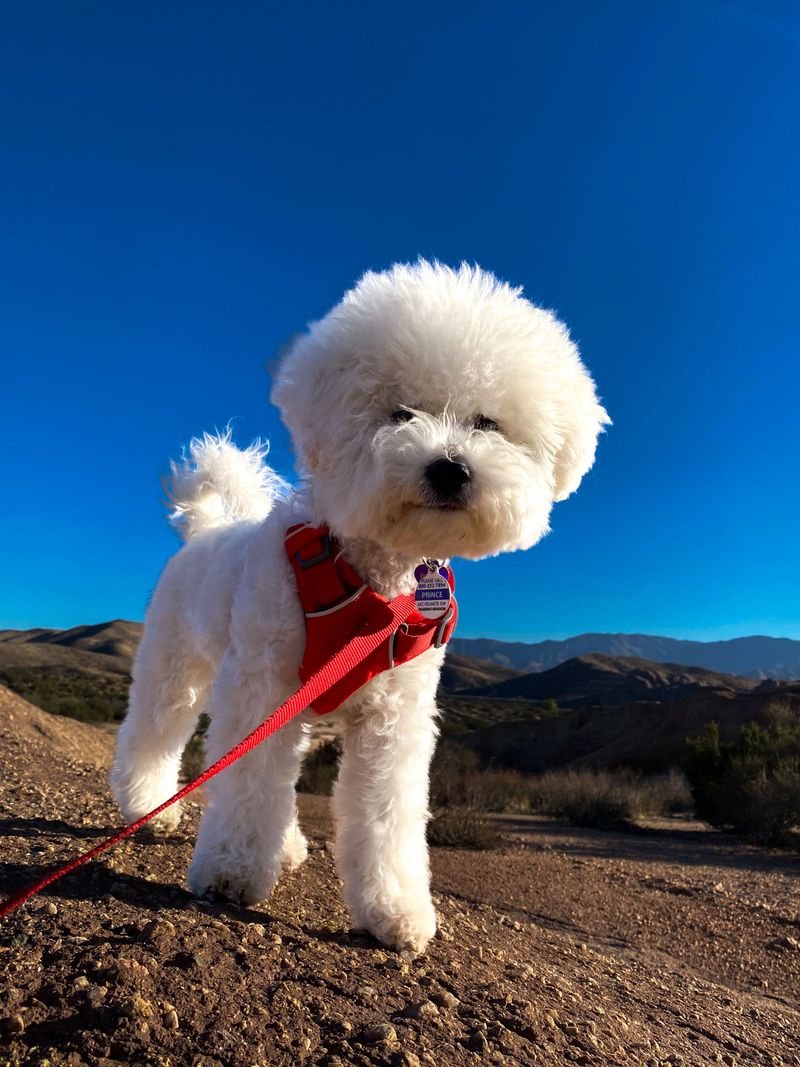
Bred to charm, the Bichon loves laughter, visitors, and busy households. Silence can feel heavy, so they may bark for company or invent mischief.
Their bright brain needs outlets that feel like games, not chores.
Turn training into fun with spins, bows, and easy scent work. Schedule social time at safe playgroups.
Before you leave, play ten minutes of fetch to lower energy, then offer a stuffed food toy. Predictable routines help your cotton puff stay confident and calm.
Doberman Pinscher
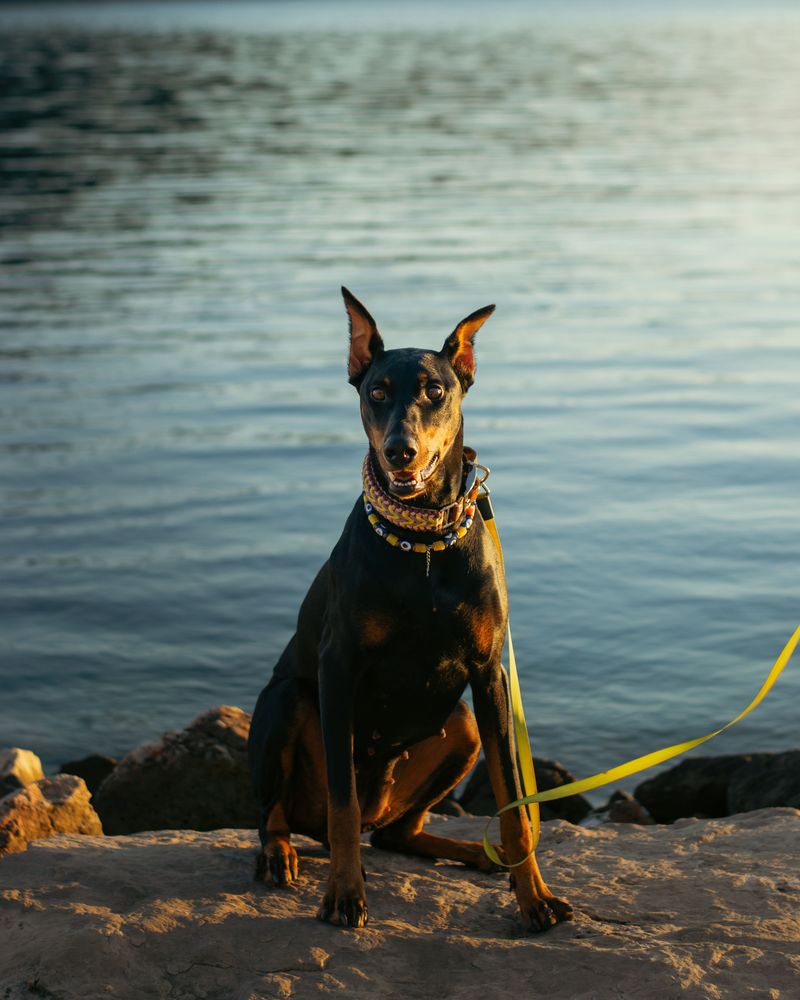
Guardian looks, shadow heart. Many Dobermans form a tight one-person bond and monitor the household like caring sentinels.
Extended isolation can build frustration that spills into vocalizing or fence running.
Channel that intensity with structured exercise, obedience, and scent trails. Mental challenges matter as much as miles.
Crate train positively, then provide durable chews and two planned breaks during workdays. Clear rules, steady affection, and purposeful jobs help this brilliant partner relax when you are out.
Toy Poodle
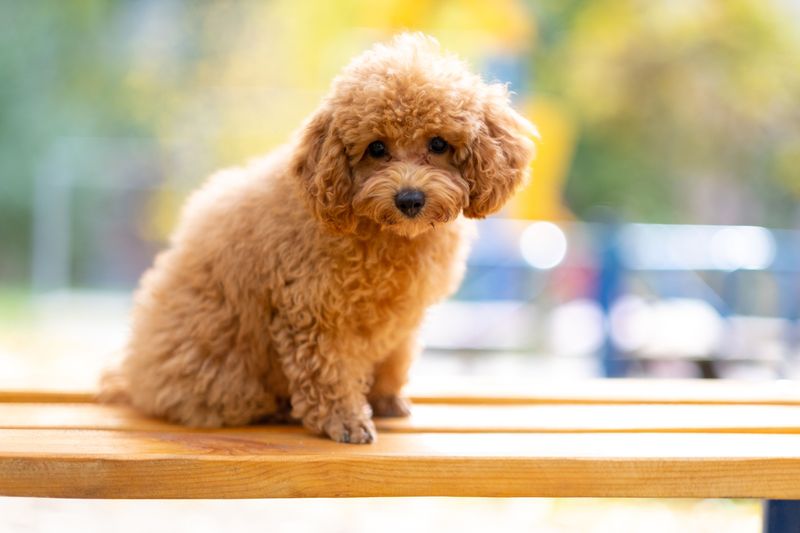
Small body, big brain, and a talent for reading people, the Toy Poodle bonds fast. Boredom is the enemy, since their mind races ahead of a quiet afternoon.
They thrive on clever challenges and gentle attention.
Create a rotation of short trainings, like shaping tricks or nose games. Use feeders that make them think.
If you must be away, line up a neighbor visit and leave two puzzle toys. Regular grooming time can double as relaxed, bonding minutes.
Boxer
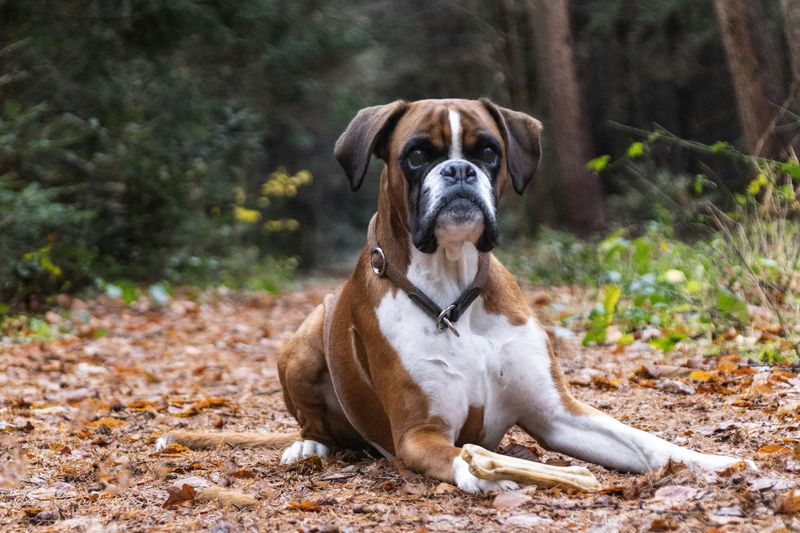
The Boxer brings clown energy and a loyal heart. Without outlets and attention, that spring-loaded spirit can spill into chaos, like crater-sized holes in the yard.
They want engagement, eye contact, and shared fun.
Think cardio plus brain work: flirt pole sessions, obedience, then a calm chew. Teach a solid place cue for cooldowns.
If you commute, arrange midday play or daycare. When their tank is full, a Boxer snores contentedly and handles short alone stretches well.
English Springer Spaniel
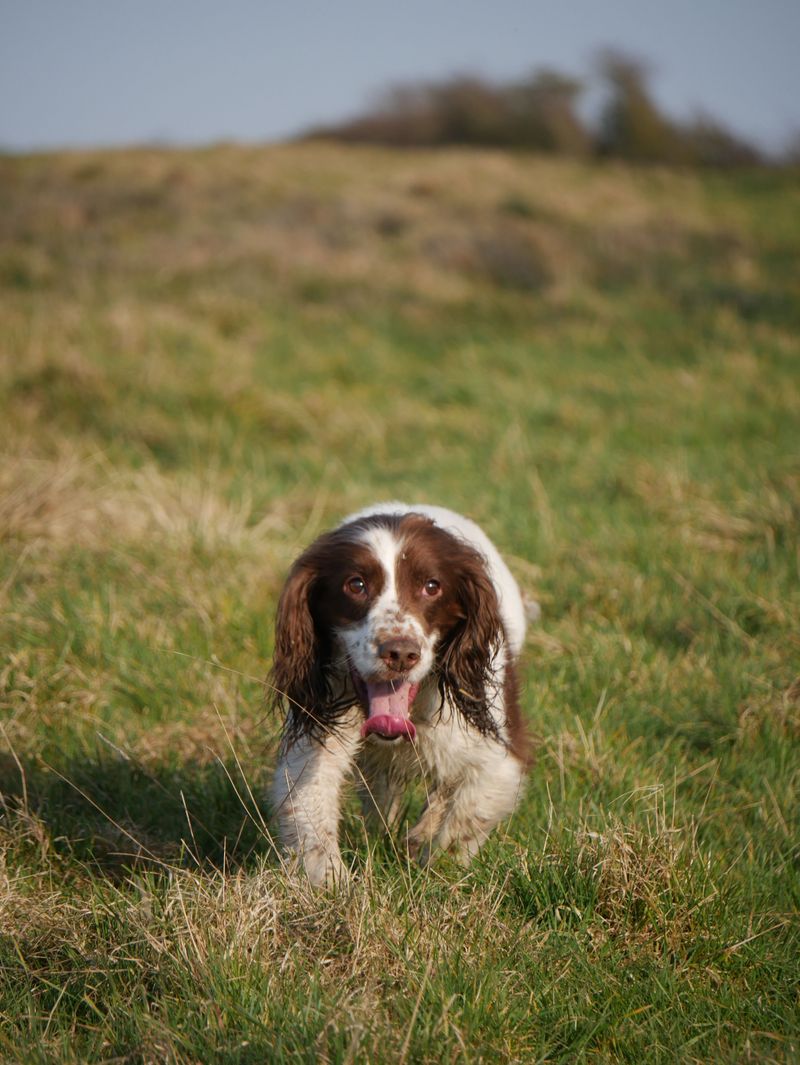
Born to work close to a handler, Springers check in constantly, even off leash. Being parked at home for hours can make them restless.
They do best with purposeful activity and clear jobs.
Try field-style retrieves, nosework, or hiking with backpack carries to add structure. Keep training upbeat and consistent.
Build a calm pre-departure routine, then leave scent-based puzzles to occupy that busy nose. A Springer who uses its instincts each day waits more peacefully for your return.
Staffordshire Bull Terrier
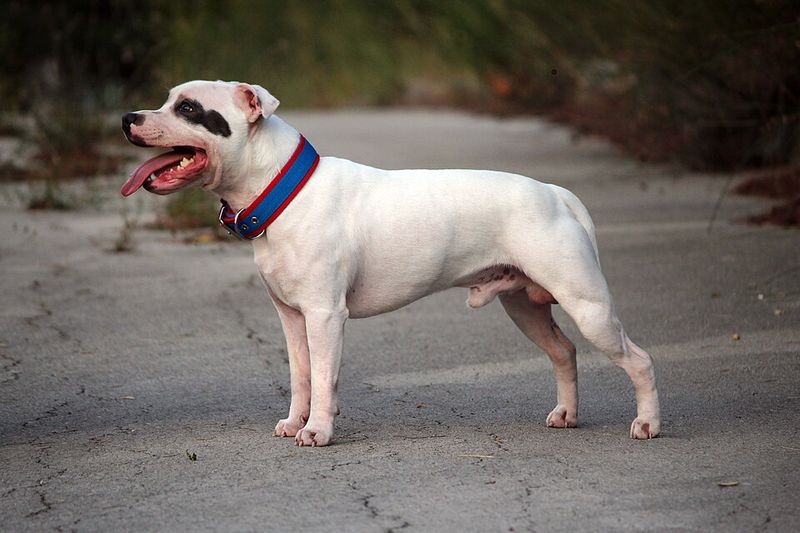
Nicknamed the nanny dog in old tales, Staffies crave human closeness and shared routines. Many prefer couch cuddles over solitude.
When boredom hits, they may dig, chew, or serenade the neighbors.
Provide sturdy enrichment, like frozen food toys and tough chews. Add brisk walks, flirt pole sprints, and simple obedience for pride and focus.
If your day runs long, arrange a friendly drop-in. Calm crate time taught with rewards turns quiet hours into something predictable and safe.