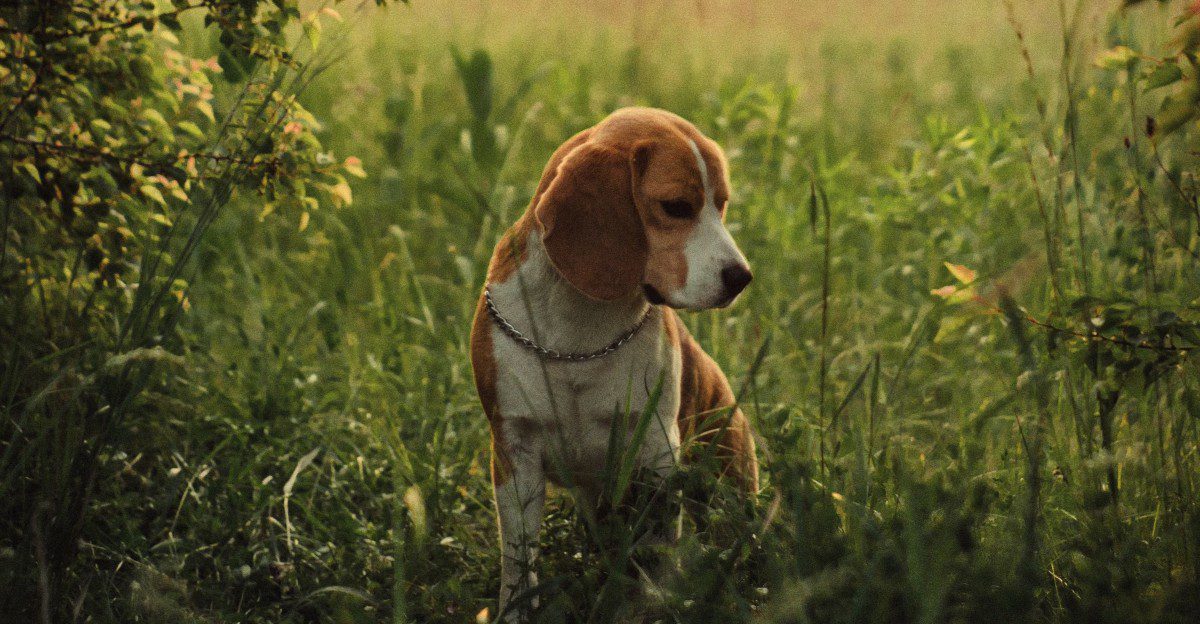
Dogs read patterns. When two people give different cues, some breeds get stressed and freeze, while others shrug and try their best.
Knowing which kind you have helps you teach more clearly and avoid frustration for both of you. Here are breeds that often need calm, consistent directions, plus a few that handle mixed signals with a smile.
Border Collie – genius that stalls when signals clash
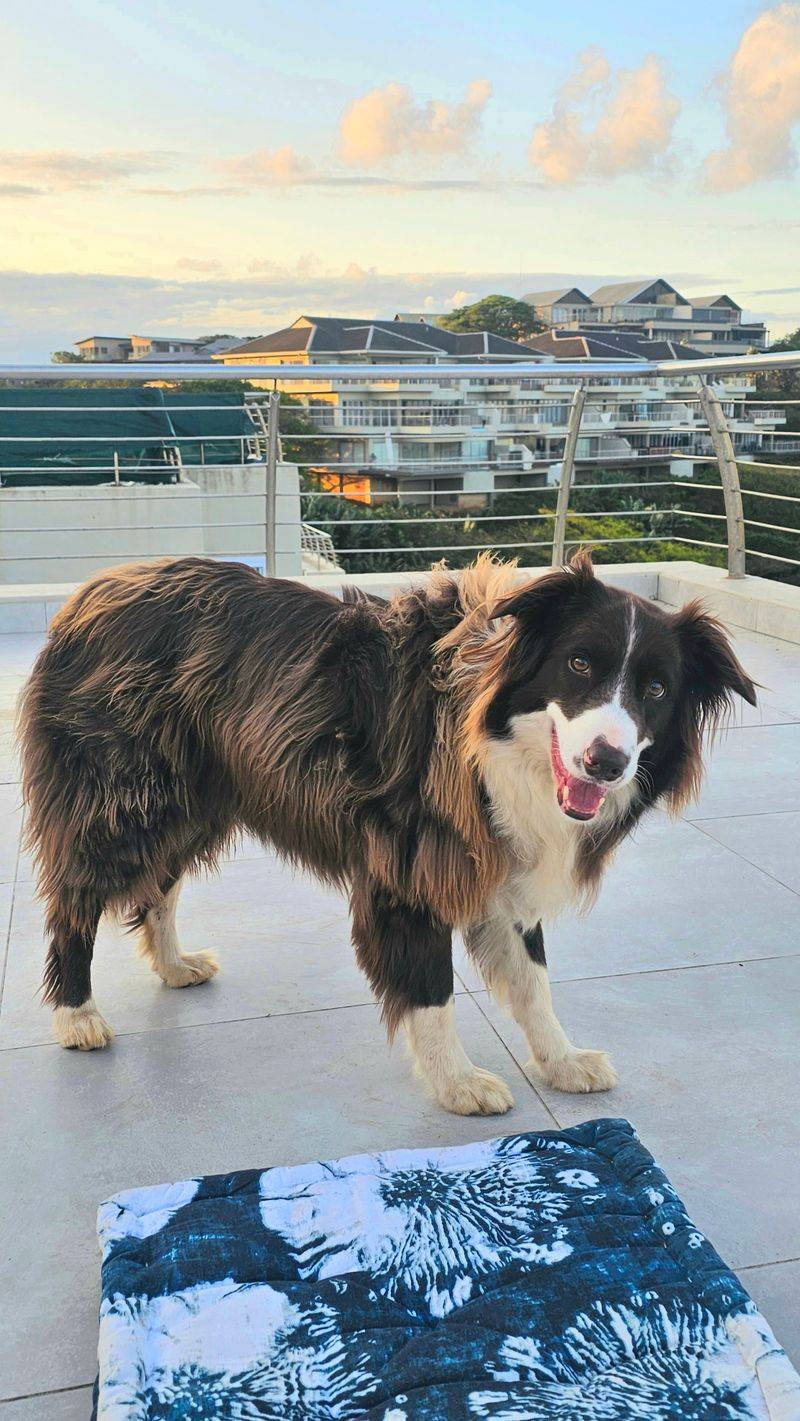
Brains for days can be a blessing and a puzzle. When hand signals and words disagree, a Border Collie may stop, stare, and wait for clarity.
That pause is not stubborn. It is problem solving.
Keep cues short, consistent, and given by one person at a time. Use a release word and reward fast decisions with play or a tossed toy.
Herding games and scent work give that sharp mind a clear job.
German Shepherd – loyal worker seeking crisp direction
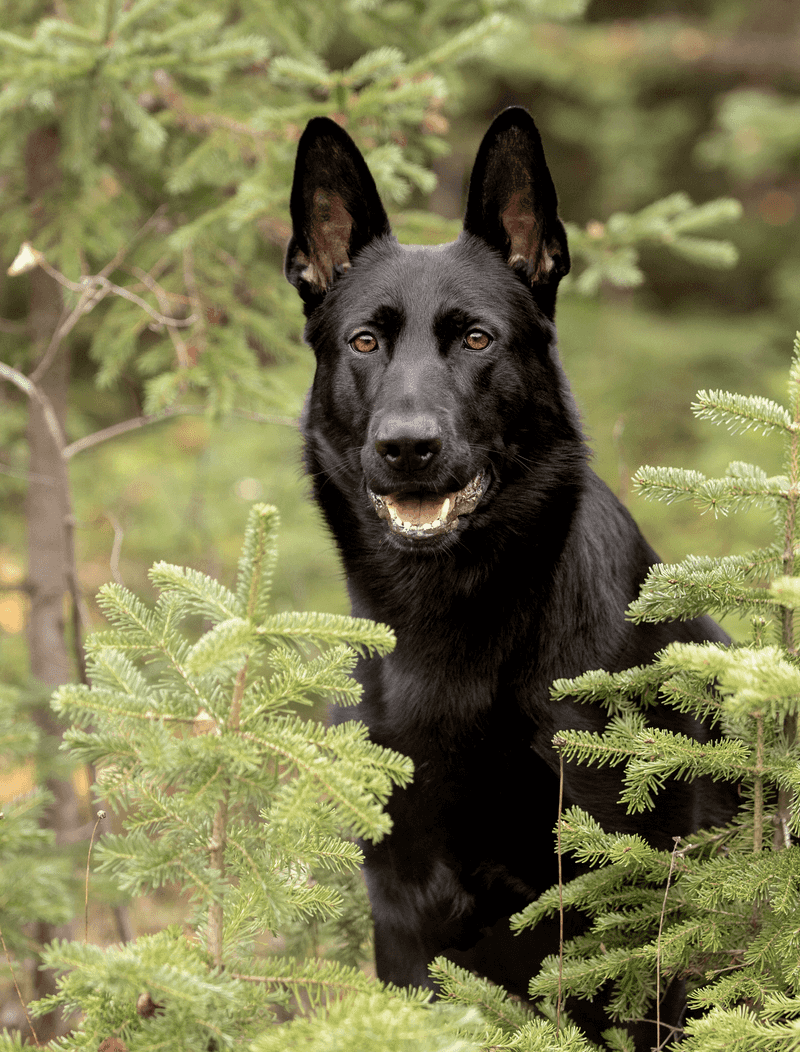
Big heart, big drive, and a careful mind. Mixed cues can create conflict for a German Shepherd, especially when guarding or obedience instincts kick in.
They may hover, bark lightly, or freeze.
Pick one command and body signal per behavior. Keep sessions short, then end with a fun game of tug.
Social exposure to calm environments helps them handle surprises. Teach a neutral “look at me” to reset focus when the room gets noisy.
Shetland Sheepdog – sensitive strategist with a soft heart
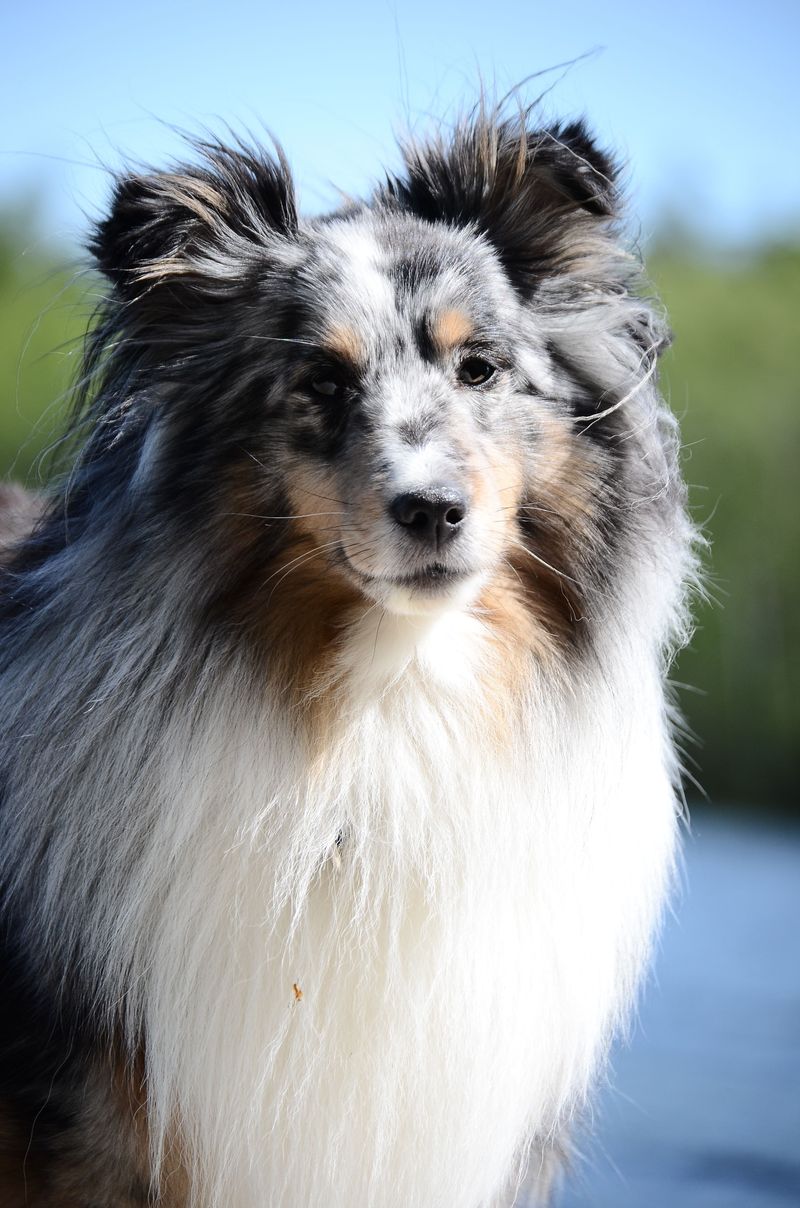
Quick to learn and quick to worry, a Sheltie notices every eyebrow raise. Conflicting commands can nudge them into a polite standstill or a surprise zoom around the room.
Whisper-level cues paired with a cheerful marker word work wonders. Keep tasks bite-sized, then praise like you mean it.
A snuffle mat or hide-and-seek with treats builds confidence. Rotate family trainers weekly so signals match, and write cues on a fridge chart to keep everyone aligned.
Australian Shepherd – high-drive hero craving one clear job
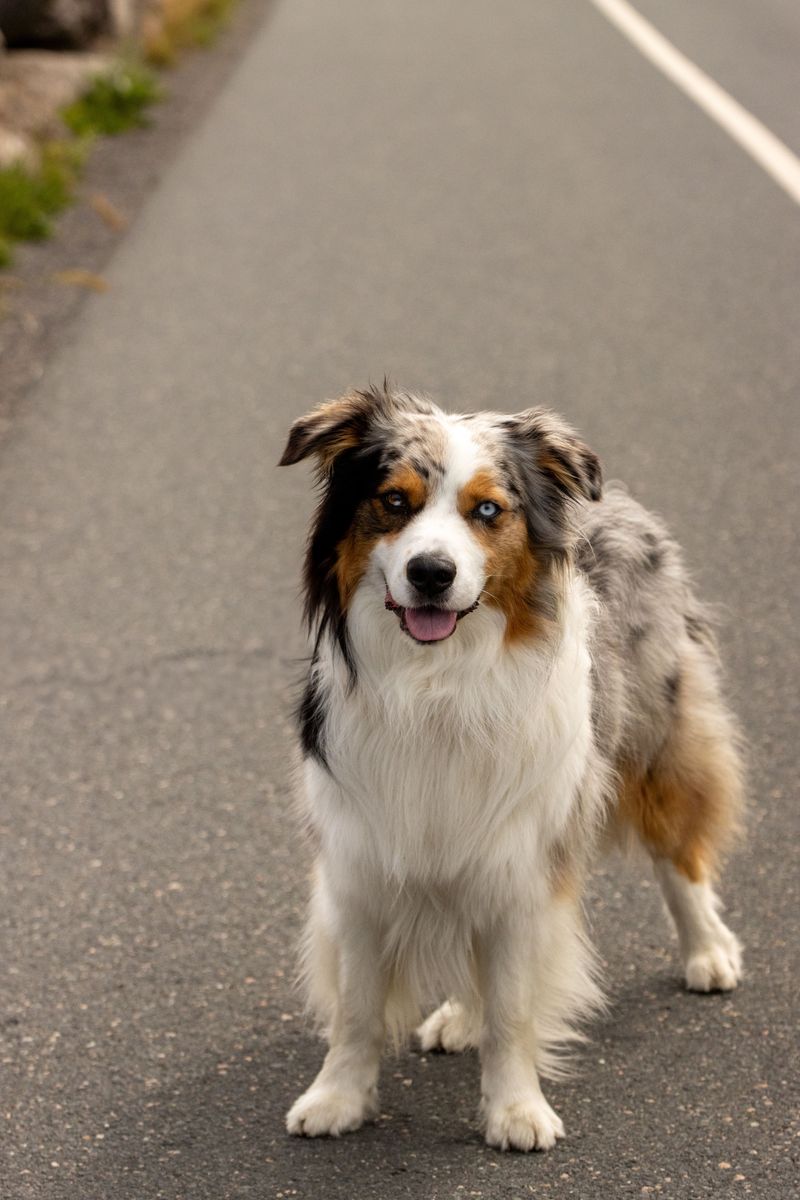
Energy plus brains equals awesome teamwork, unless directions collide. An Aussie may freeze or default to herding patterns when unsure.
That is their way of finding order.
Assign a handler for each session and stick to one cue per skill. Add a confident “try again” marker so mistakes feel safe.
Channel the buzz into structured fetch or agility. When guests visit, park your Aussie on a mat with chews to reduce mixed messages.
Doberman Pinscher – attentive guardian who reads the room
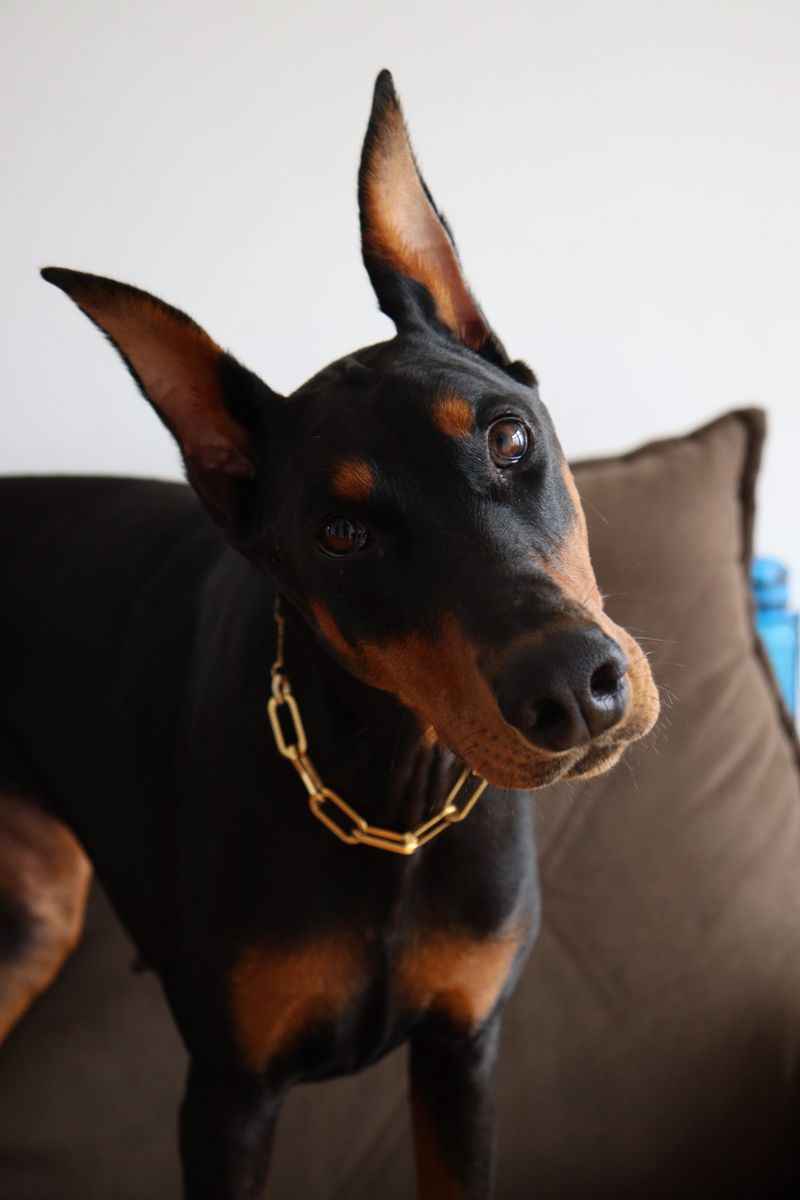
Always watching, always evaluating. When commands compete, a Doberman may hesitate or pick the person they trust most.
That split second matters with a dog built for precision.
Use a firm but friendly tone, clear hand signals, and reward quick choices with a chase toy. Teach a station cue, like “place,” to settle during family chatter.
Confidence grows when drills end on a win, so finish with an easy trick and a calm walk.
Belgian Malinois – laser-focused athlete needing crisp plans
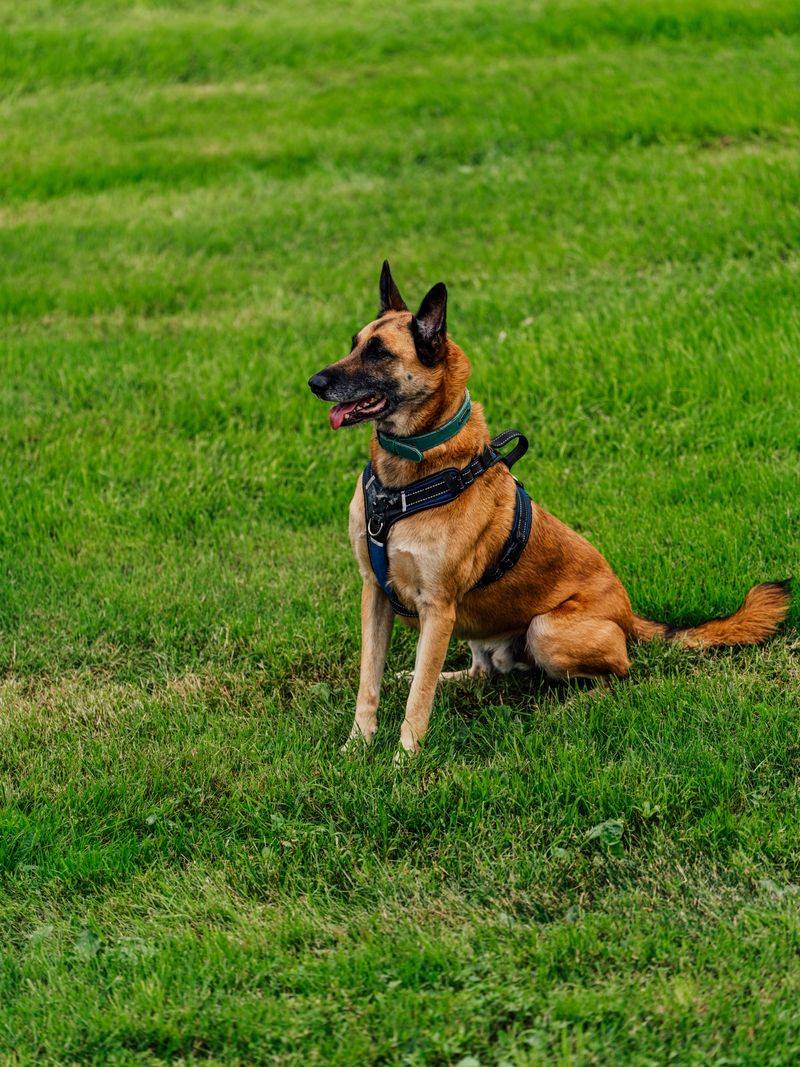
Drive like a rocket, yet sensitive to handler intent. Mixed signals can spike frustration in a Malinois, leading to vocalizing or a hard stare.
They want the mission, not the muddle.
Map sessions with a warmup, one target behavior, then a cool-down. Keep hands still unless signaling, and avoid chatter.
Build a strong “break” and “reset” routine. Bite pillows or tug toys make high-value paychecks that keep effort high and stress low.
Rough Collie – thoughtful classic who prefers harmony
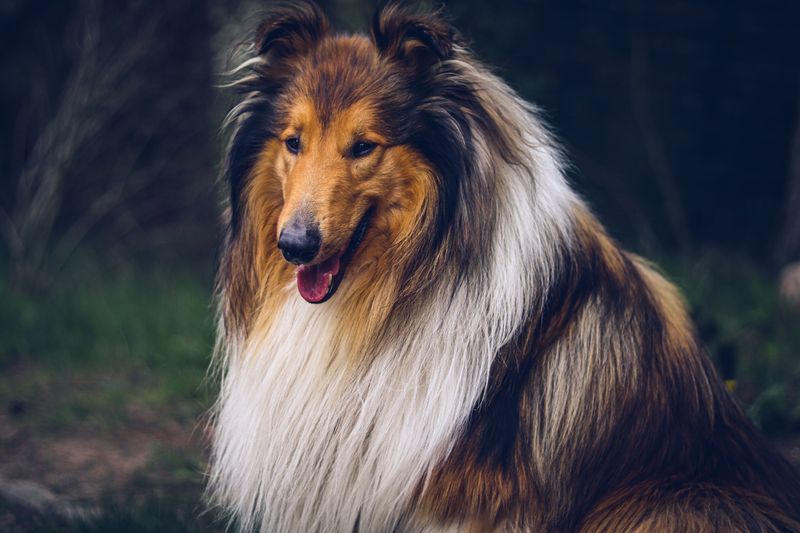
Kind eyes, careful choices. A Rough Collie can shut down quietly when voices clash, choosing stillness over mistakes.
That gentle pause is a plea for clearer guidance.
Keep tones warm and avoid repeated commands. Use hand targets to guide movement with less talk.
Schedule short practices before meals for extra motivation. A daily sniffy walk or calm trick session, like chin rest on a palm, builds trust that makes mixed moments easier to handle.
Papillon – tiny scholar with big antennae
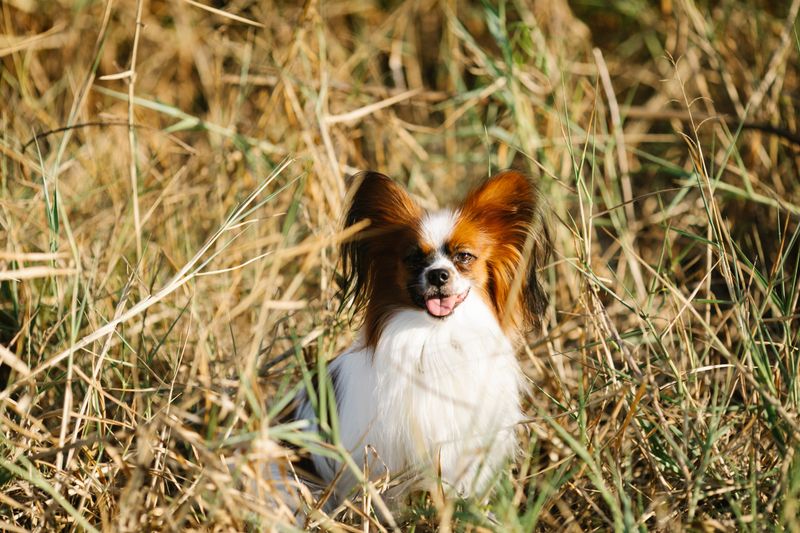
Do not let the size fool you. Papillons read micro-movements better than many large breeds.
Conflicting cues can make them flicker between options and then freeze.
Use simple words, one clear gesture, and a clicker or marker word. Reward fast tries, not just perfect ones.
Platforms help define space so the task is obvious. Fun fact: the name means butterfly, like those ears.
Keep sessions perky and short, like their cheerful stride.
English Springer Spaniel – eager helper who can overthink
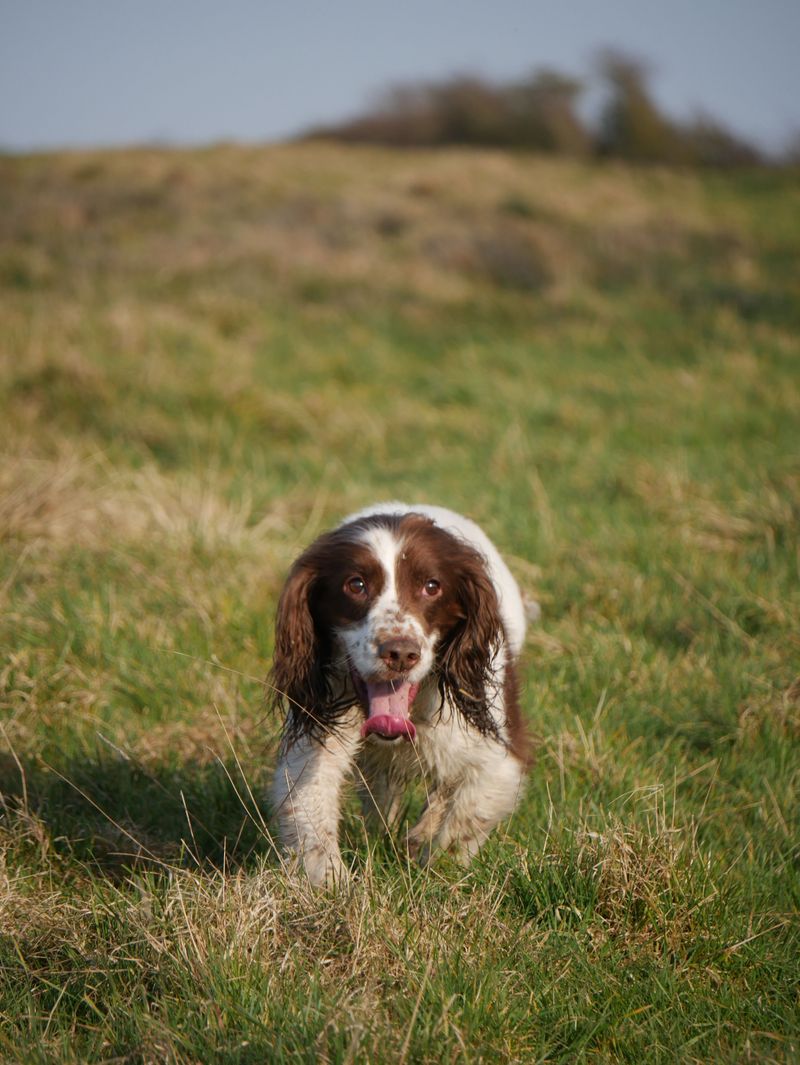
Birdy, bouncy, and eager to please, Springers sometimes spin in circles when directions collide. The heart says run, the brain says wait.
That tug of war shows up as a slow recall or a sit that melts halfway.
Practice one cue at a time in low-distraction spots. Toss food behind the dog to reset between reps.
Field games that reward coming straight in teach clarity. Keep voices friendly and avoid stacking commands back to back.
Labrador Retriever – rolls with the chaos, tail still wagging
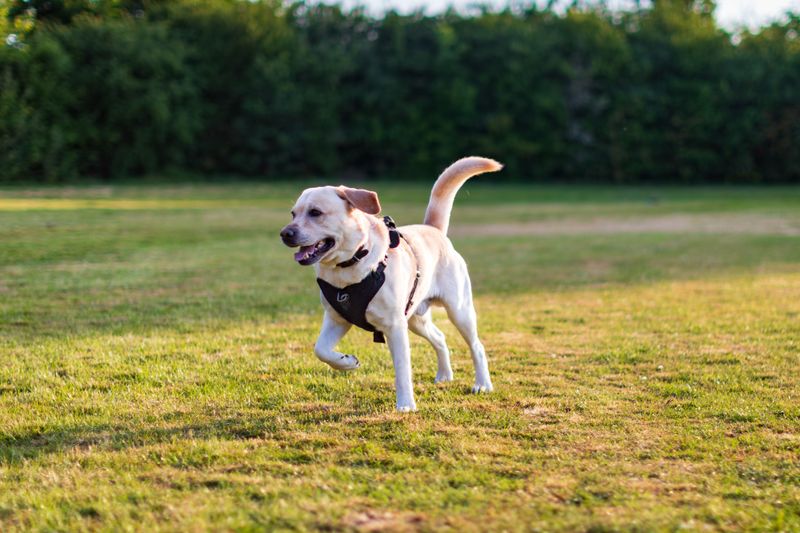
Life gets messy, and many Labs just grin and try something. Mixed signals usually bring a cheerful guess like a sit or a paw.
That optimism keeps training moving.
Channel the good attitude with clear reward markers and simple fallback cues. When chaos rises, ask for a default sit, then pay well.
Fetch breaks burn energy so focus returns. History tidbit: Labs came from Newfoundland fishermen, which explains the love for water and teamwork.
Golden Retriever – adaptable sweetheart who smooths confusion
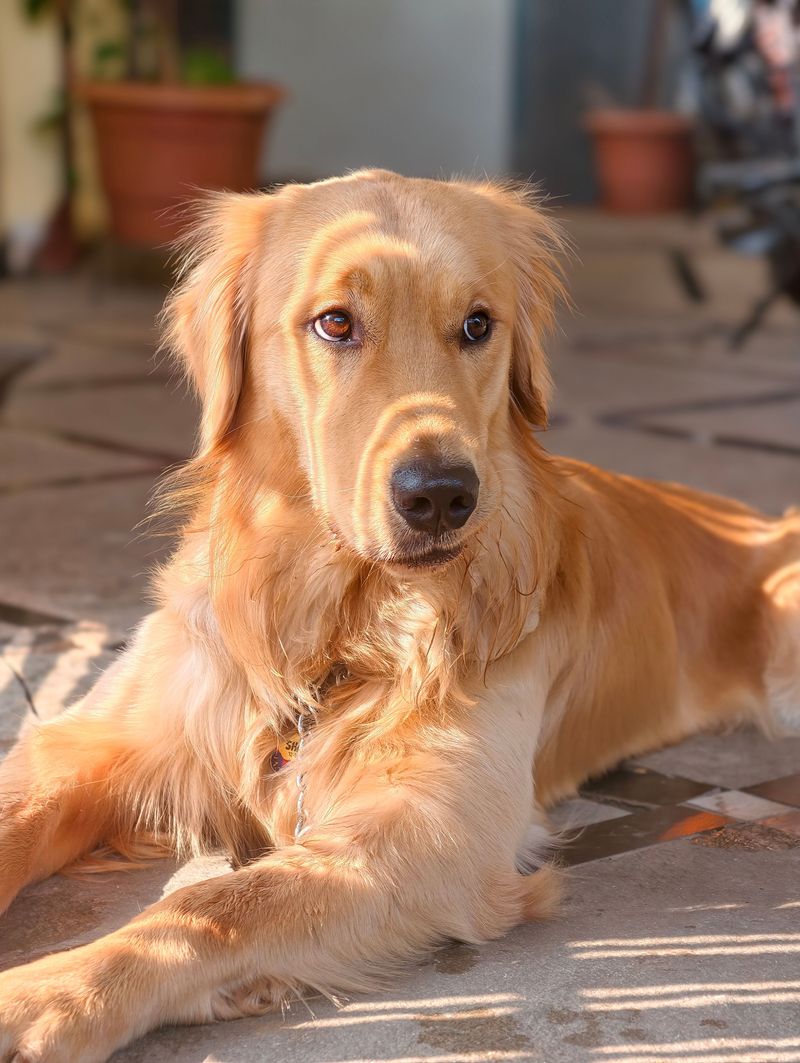
When voices cross, many Goldens choose kindness and offer a polite behavior. That sunny nature turns storms into sprinkles.
You often get a calm down or gentle eye contact while they wait.
Teach a reliable settle on a mat for busy moments. Reward soft choices with praise and a treat scatter.
Keep commands short to reduce chatter. Their cooperative streak shines when jobs feel social, like carrying mail or greeting guests with a toy.
Beagle – chaos-friendly clown with a nose-first plan
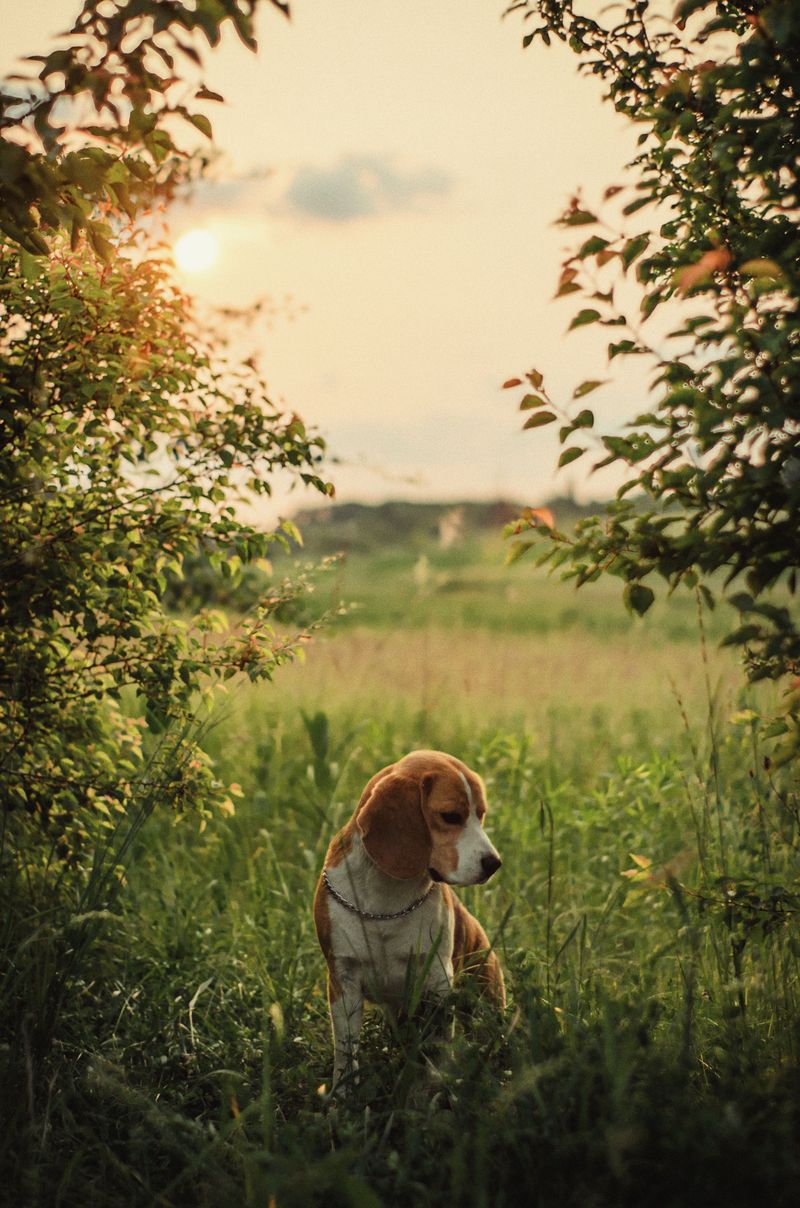
Noise, snacks, and new smells? A Beagle is happy to participate.
Mixed cues often slide off as they follow the scent. You get a comic shrug, a tail flag, and then a sniff mission.
Use nose games to your advantage. Hide treats and pair a single cue like “find it.” For obedience, train indoors first, then add scent slowly.
A long line keeps adventures safe while still letting that detective nose work.