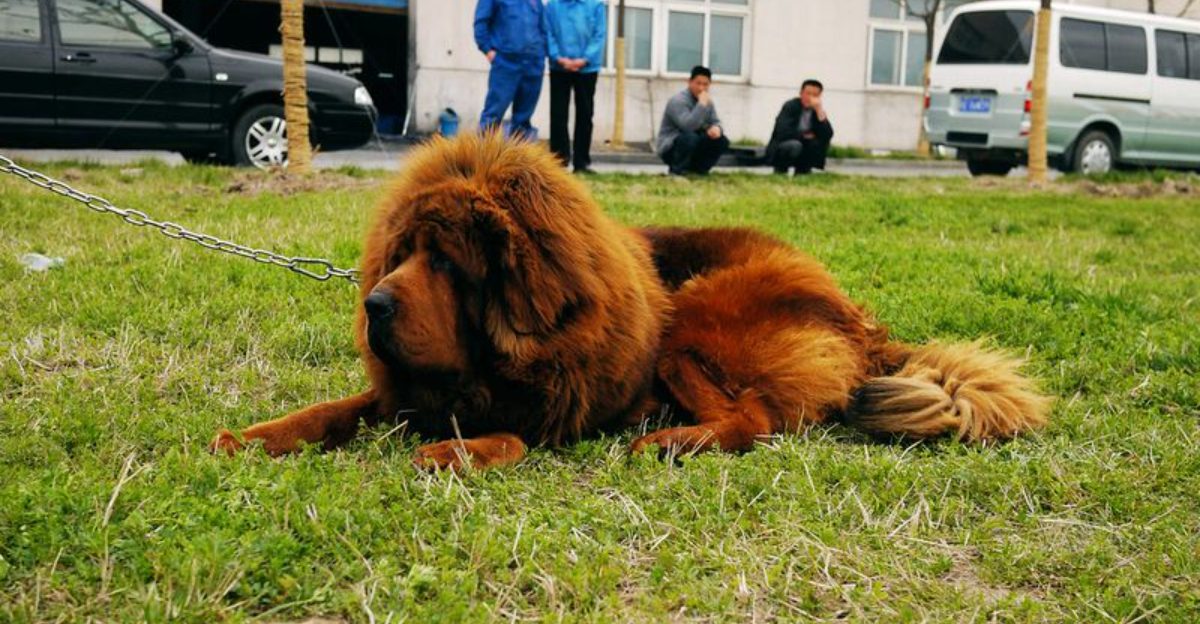
Some dogs thrive on structure, and without it, their instincts can surge in surprising ways. If you have a high-drive pup, you already know how quickly excitement can tip into reactivity.
The good news is that clear rules, calm handling, and consistent routines work wonders. Let’s explore which breeds need firm boundaries and how you can set them up for success.
German Shepherd
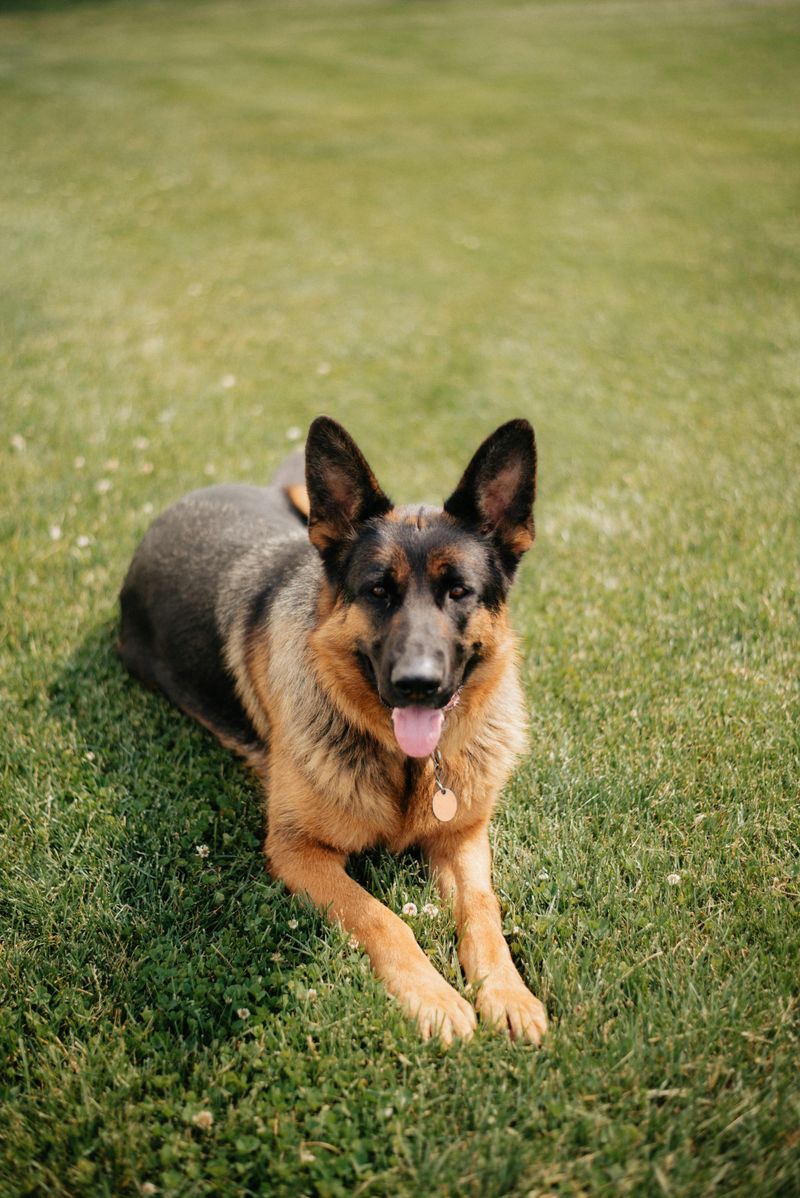
German Shepherds are brilliant problem solvers, which is a gift and a challenge. Without firm routines, that sharp mind invents its own rules, often chasing, guarding, or barking at anything suspicious.
Clear expectations, daily training, and mental games help channel their focus into calm, reliable behavior.
They crave purposeful work. Give structured walks, obedience refreshers, and place training to reduce arousal.
Controlled socialization matters, too. If corrections are inconsistent, they may escalate reactivity fast.
Reward quiet choices, manage thresholds, and practice neutrality around triggers.
Confident leadership keeps them steady. Avoid chaotic play and unpredictable freedoms.
Balance drive outlets with decompression time. Use long lines for safety while reinforcing recall under distraction.
With boundaries, their loyalty shines.
Belgian Malinois
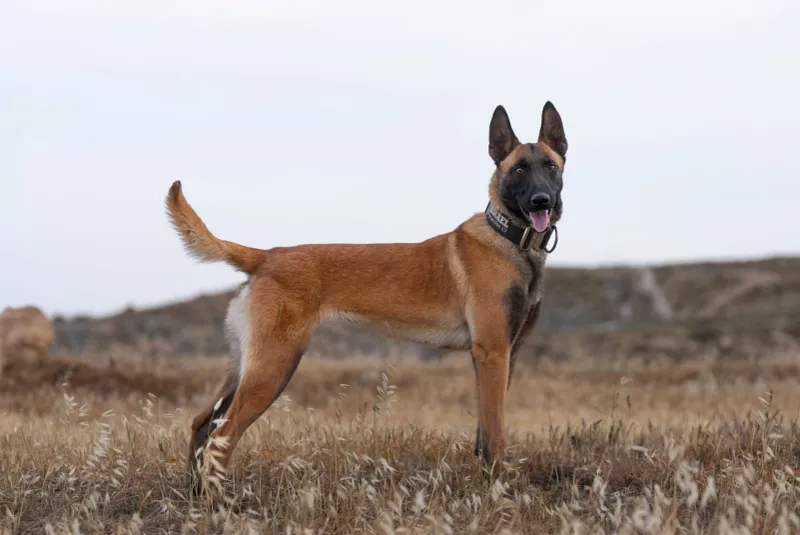
Belgian Malinois bring relentless energy and laser focus. Without a structured plan, they can rehearse frantic pacing, spinning, nipping, or hypervigilance.
These dogs need clear start-stop cues, predictable training windows, and decompression after high arousal. Make calmness a trained behavior, not a lucky moment.
Use bitework, scent games, or obedience drills only when there is a plan for recovery. Teach settle-on-mat, impulse control, and engagement on cue.
Inconsistency invites reactivity, especially around motion or strangers. Keep thresholds low and gradually widen exposure.
Daily mental work beats random fetch marathons. Short, focused reps with clean criteria build trust.
Cap excitement with structured endings. When boundaries are solid, their drive becomes purposeful power, not chaotic reactivity.
Rottweiler
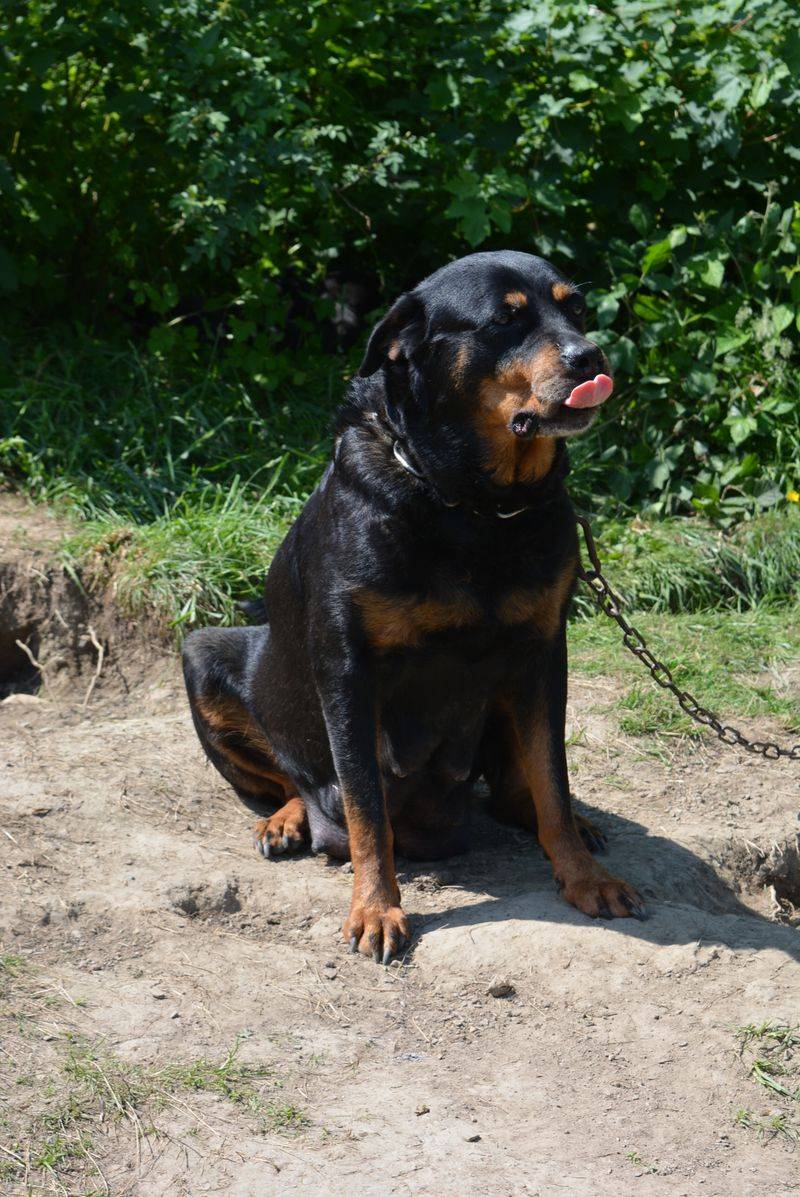
Rottweilers are thoughtful guardians who read the room. If boundaries are fuzzy, they start making decisions you will not love, like body-blocking guests or barking at passersby.
Clear household rules keep them from slipping into pushy, reactive patterns. Reward neutrality and polite greetings consistently.
Use calm leash handling and predictable routines. Practice impulse control with doorways, car exits, and feeding rituals.
Socialization should be structured, not flooded. If they feel unsure, slow down and build confidence with distance.
They are responsive to firm but fair leadership. Avoid roughhousing that blurs lines.
Teach place, heel, and quiet on cue. Balanced exercise plus brain work prevents pent-up energy from turning into explosive reactions.
Cane Corso
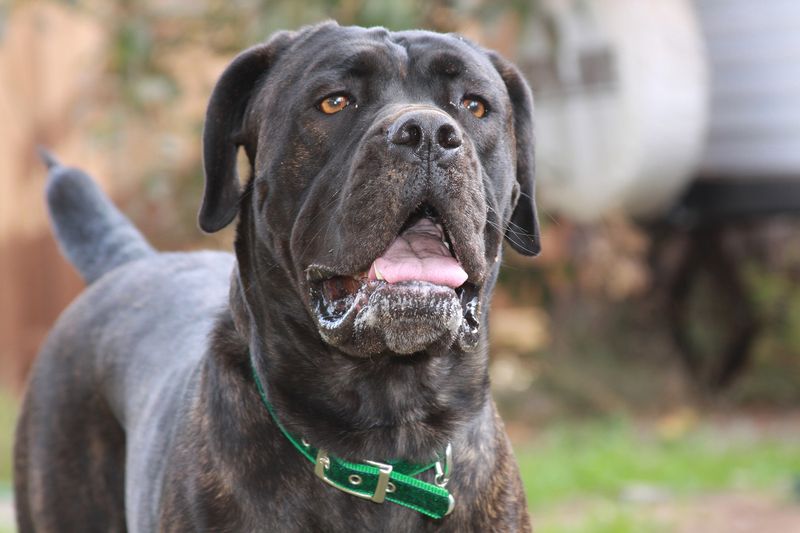
Cane Corsos are imposing guardians with sensitive temperaments. Without clear boundaries, they may lean into territorial barking, resource guarding, or overprotective behavior.
This breed thrives on structured routines, calm handling, and clear expectations around visitors. Neutral exposure to everyday life helps them interpret the world without suspicion.
Teach door manners, place work, and loose-leash walking. Keep greetings slow and controlled.
Corrections must be consistent and paired with reinforcing calm choices. Avoid chaotic environments where arousal spikes, then stack distance carefully.
Daily engagement builds trust. Provide purposeful outlets like tracking, obedience, and controlled tug with clean rules.
End sessions on calm, not hype. With leadership and predictability, a Corso becomes steady, confident, and far less reactive.
Doberman Pinscher
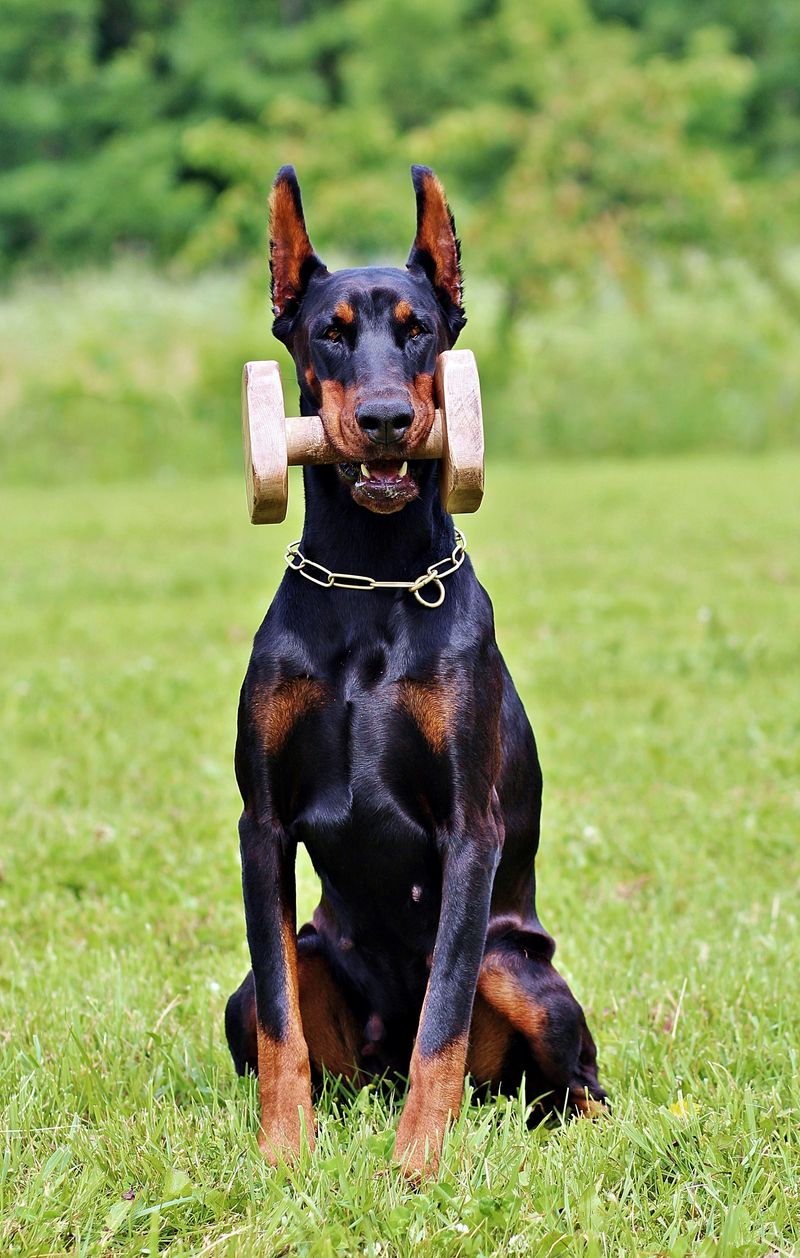
Dobermans are sensitive, fast learners who mirror your energy. Inconsistent rules can create anxious hypervigilance, leading to barking, lunging, or pacing.
They benefit from predictable routines, clear markers, and impulse control games that reward neutrality. Calm leadership helps them differentiate real threats from background noise.
Work structured heel, place, and door protocols. Use marker training to reinforce eye contact and quiet focus.
Socialize in measured steps with distance, then close the gap slowly. Avoid chaotic dog parks, opting for staged exposures.
Balance exercise with decompression. Scent walks, obedience, and training field sessions meet their mental needs.
Keep criteria clear and fair. When boundaries are steady, Dobermans become confident partners instead of reactive sentries.
Jack Russell Terrier
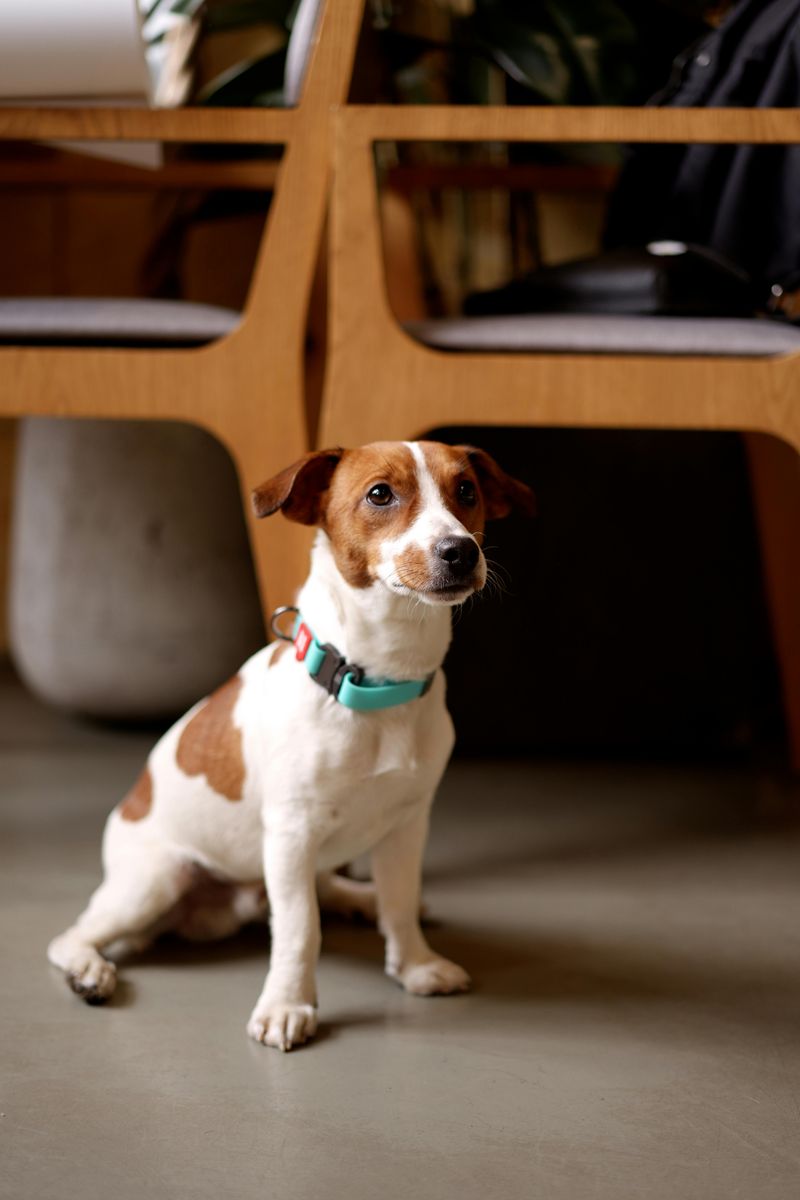
Jack Russells are tiny dynamos with big opinions. Left without structure, their chase drive and curiosity explode into barking, spinning, and snarking at movement.
They need short, focused training bursts and predictable outlets for energy. Calm starts and calm endings prevent rehearsal of chaotic patterns.
Teach impulse control through place work, wait-at-thresholds, and structured fetch with breaks. Use food puzzles and scent games to tire the brain.
Keep social scenes measured, not frenzied. If they escalate, dial back and rebuild neutrality.
Consistency beats intensity. Reinforce quiet choices and settle cues daily.
Avoid letting them self-employ by hunting the backyard. Boundaries convert that spicy drive into clever, cooperative behavior you can live with.
Miniature Schnauzer
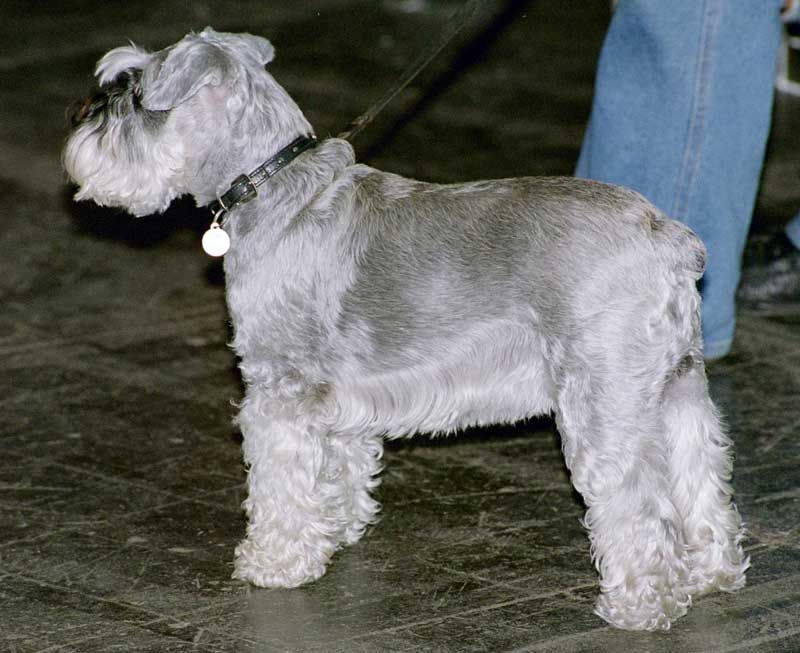
Miniature Schnauzers are alert watchdogs who love routine. Without boundaries, they can become vocal, reactive greeters and fence barkers.
Create a calm greeting ritual and reinforce quiet on cue. Structured walks with engagement games curb scanning and chatter.
Teach place work during deliveries, door knocks, and mealtime. Use distance and food to change their emotional picture around triggers.
Keep grooming and handling consistent so touch does not spark defensiveness. Small breed does not mean small standards.
Short training sessions shine for them. Reward stillness and sustained eye contact.
Gate freedom behind reliable recalls and mat settles. With steady leadership, this charming breed channels alertness into polite, confident presence.
Australian Cattle Dog
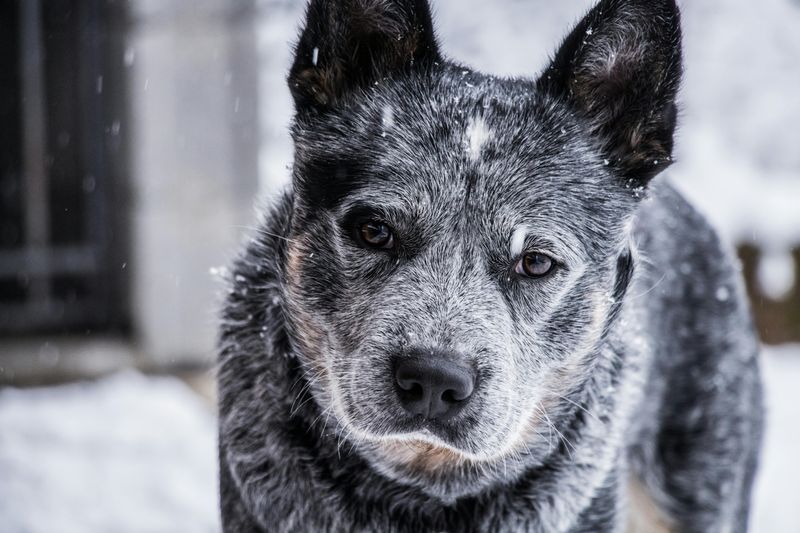
Australian Cattle Dogs are herding pros built for grit. Without firm rules, they may nip, heel-bite, or chase wheels and joggers.
Boundaries turn drive into jobs: obedience, herding lessons, or scent games. Keep training precise, with clear starts and stops.
Impulse control is essential. Work on down-stays under motion and recall from play.
Gradually condition neutrality around bikes, runners, and livestock. Avoid chaotic dog parks that reward rehearsed arousal.
Mental work outlasts endless fetch. Use pattern games, structured hikes, and place training to cap excitement.
Practice decompression after big efforts. With consistent leadership, their intensity transforms into durable, thoughtful work instead of reactivity.
Shiba Inu
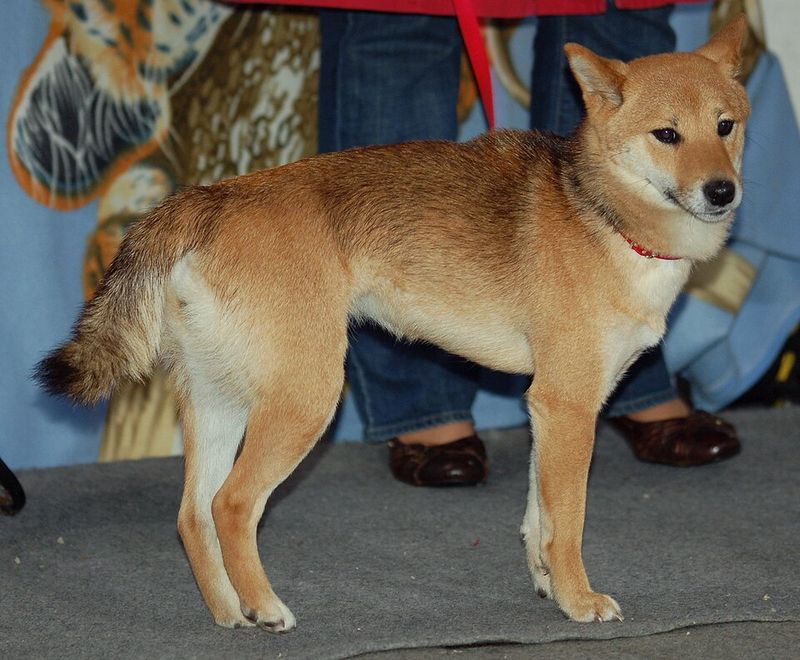
Shiba Inus are independent thinkers who value choice. Without clear rules, they can become aloof, vocal, and prickly around pressure.
Teach cooperative care early, like harnessing and nail trims, so restraint does not trigger reactivity. Keep sessions short, upbeat, and consistent.
Recall and leash manners require patient repetition. Reward voluntary engagement rather than flooding with contact.
Use distance around dogs and people, then slowly close the gap. Give structured outlets like sniff walks and trick training.
Respect their boundaries while holding yours. Do not chase them for fun.
Build trust through predictable routines and generous reinforcement for calm behavior. With steady expectations, that famous Shiba sass softens into reliable partnership.
Chow Chow
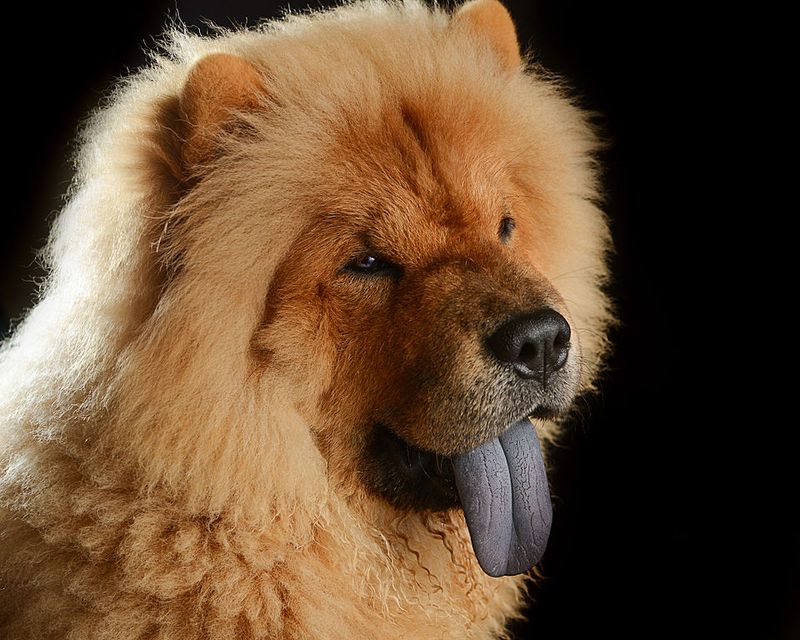
Chow Chows are dignified and naturally reserved. Loose boundaries can push them into guarding spaces or reacting to handling.
Start with cooperative care and low-pressure introductions. Reward calm, neutral behavior around visitors without forcing interaction.
Teach clear routines for grooming, since their coat demands frequent touch. Use muzzle conditioning kindly for vet visits.
Keep training quiet and structured rather than high-arousal. Distance and choice lower stress, which reduces reactivity.
They respect calm leadership. Avoid rough play and chaotic environments.
Reinforce place, heel, and gentle leash pressure. With predictability and patience, a Chow shows steady confidence instead of defensive reactions.
Presa Canario
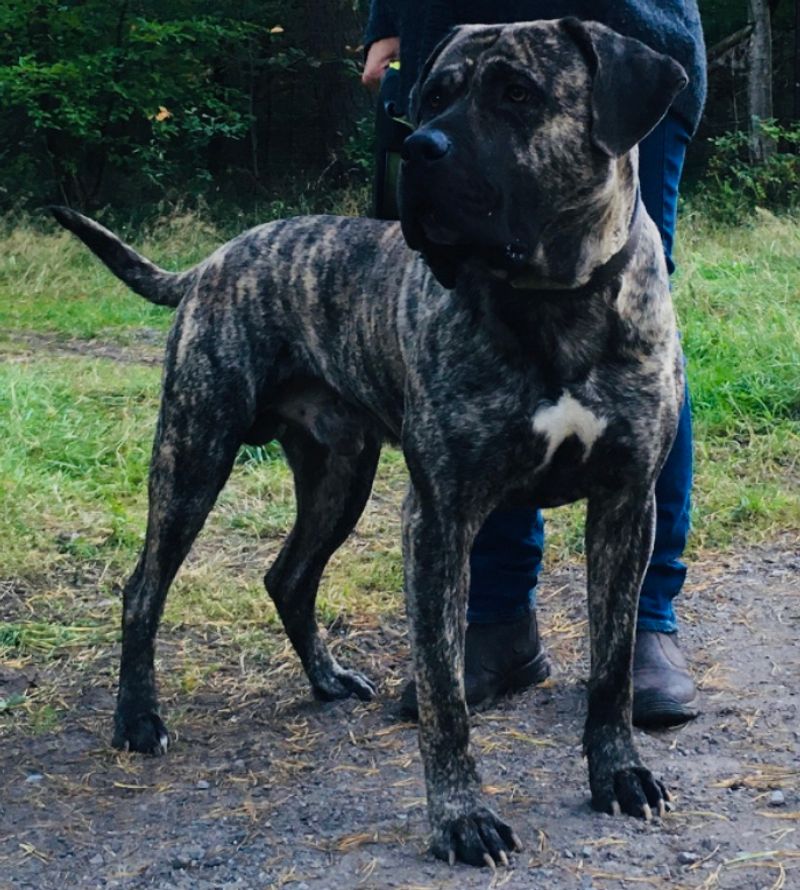
Presa Canarios are strong-willed guardians who need crystal-clear structure. Inconsistency invites territorial reactivity and pushy behavior.
Establish household rules, visitor protocols, and leash manners early. Reward neutrality and calm holds more than flashy drive.
Use place training, thresholds, and long-line recalls to keep clarity. Social exposure should be deliberate and controlled, never chaotic.
Pair fair corrections with generous reinforcement for quiet choices. Watch arousal and create clean session endings.
Confidence grows from predictable leadership. Provide purposeful work like obedience, tracking, or controlled tug with rules.
Avoid environments that test impulse control beyond current skills. With steady boundaries, a Presa becomes a composed, reliable partner.
Tibetan Mastiff
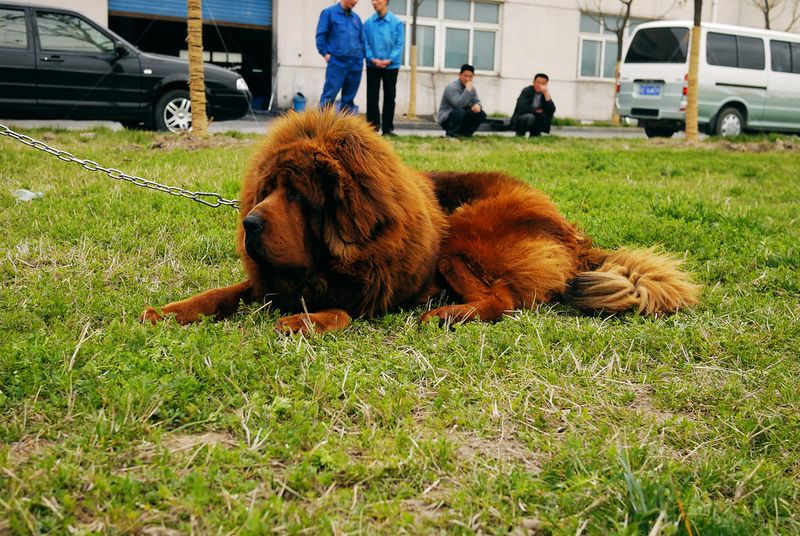
Tibetan Mastiffs are ancient guardians bred for independent decision-making. Without boundaries, they may escalate into territorial barking and intolerance of strangers.
Structure daily routines, gate freedoms, and teach calm stationing away from doors. Reinforce quiet behavior under low pressure first.
Socialization must be thoughtful. Distance, choice, and short exposures prevent overwhelm.
Muzzle train kindly for vet care. Keep leash handling calm and predictable to avoid power struggles.
They respond to confident, consistent leadership. Provide mental work like scent games and obedience with clear criteria.
Avoid chaotic spaces that reward arousal. With steady expectations and decompression, their protective nature becomes measured instead of reactive.