Some dogs bark at every leaf, squirrel, and mail truck that passes by. Others stay calm and quiet, but their eyes and ears are always busy.
These quiet watchers notice your routines, your moods, and even the sound of the treat bag opening. If you want a peaceful home with a dog that pays close attention, the breeds below might surprise you.
Whippet
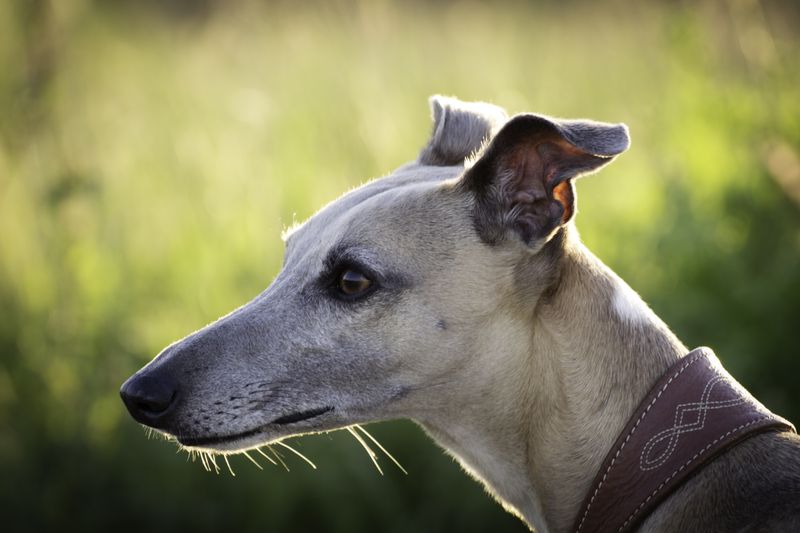
Curled up on the softest blanket in the house, a Whippet looks half asleep. Look closer, though, and you will see one eye tracking your every move toward the kitchen.
Whippets rarely bark, which makes them great for apartments. They save their energy for short bursts of speed, reaching up to 35 miles per hour.
Give them a safe fenced area to sprint, plus a warm sweater for chilly walks, since their thin coats offer little warmth.
Greyhound
Many people expect a racing dog to be wild. Surprise!
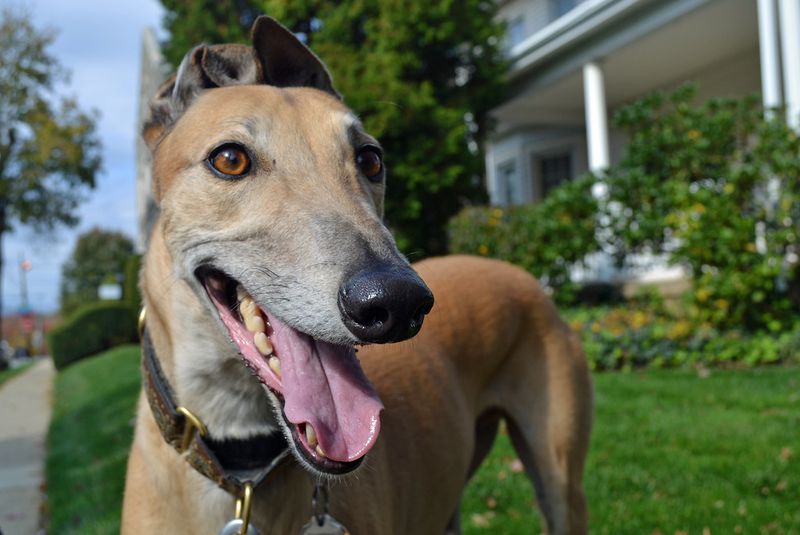
Most Greyhounds are famous couch potatoes who sleep up to 18 hours a day.
Even while lounging, they quietly study their families. Retired racers often learn household routines fast, waiting by the door right before walk time without making a sound.
Adopting one? Keep them leashed outdoors.
Their sharp eyesight can spot movement half a mile away, and that chase instinct never fully disappears.
Rhodesian Ridgeback
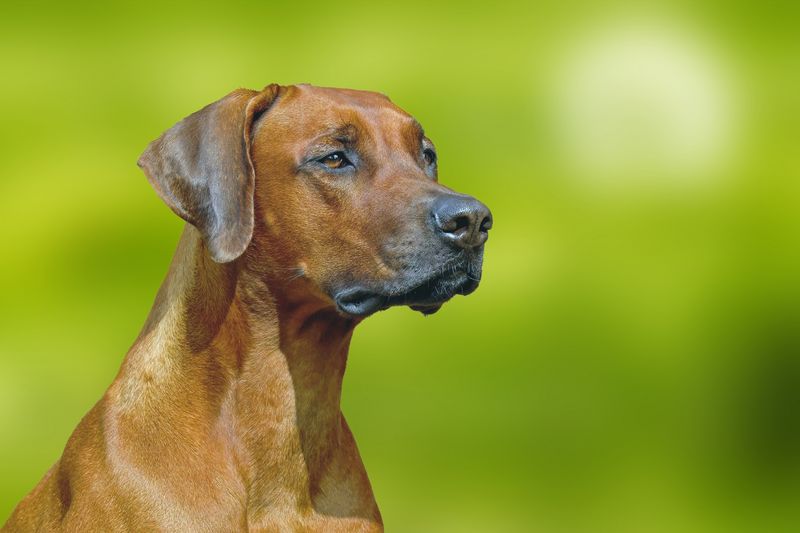
Back in southern Africa, these brave dogs helped hunters track lions. That history explains why a Ridgeback stays so steady and quiet under pressure.
Instead of barking at every noise, Ridgebacks size things up first. They tend to speak only when something truly matters, so listen when they do.
Strong-willed and clever, they respond best to patient, reward-based training. Early socializing helps them feel relaxed around new people and other pets.
Great Dane
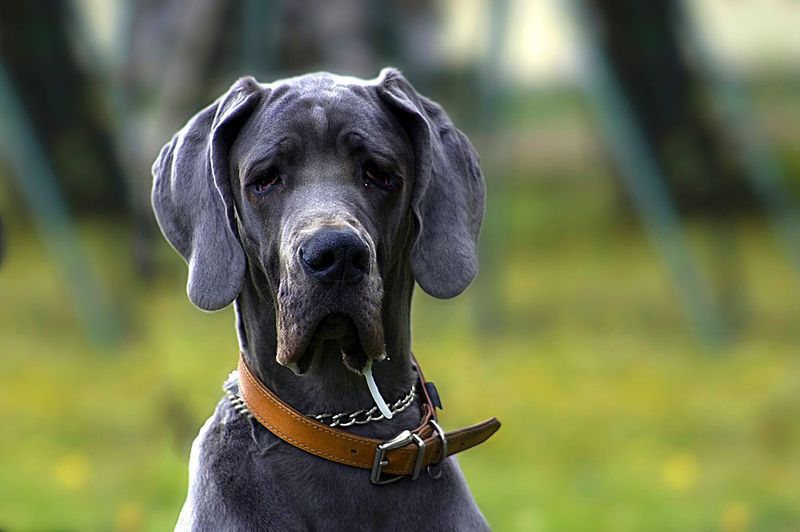
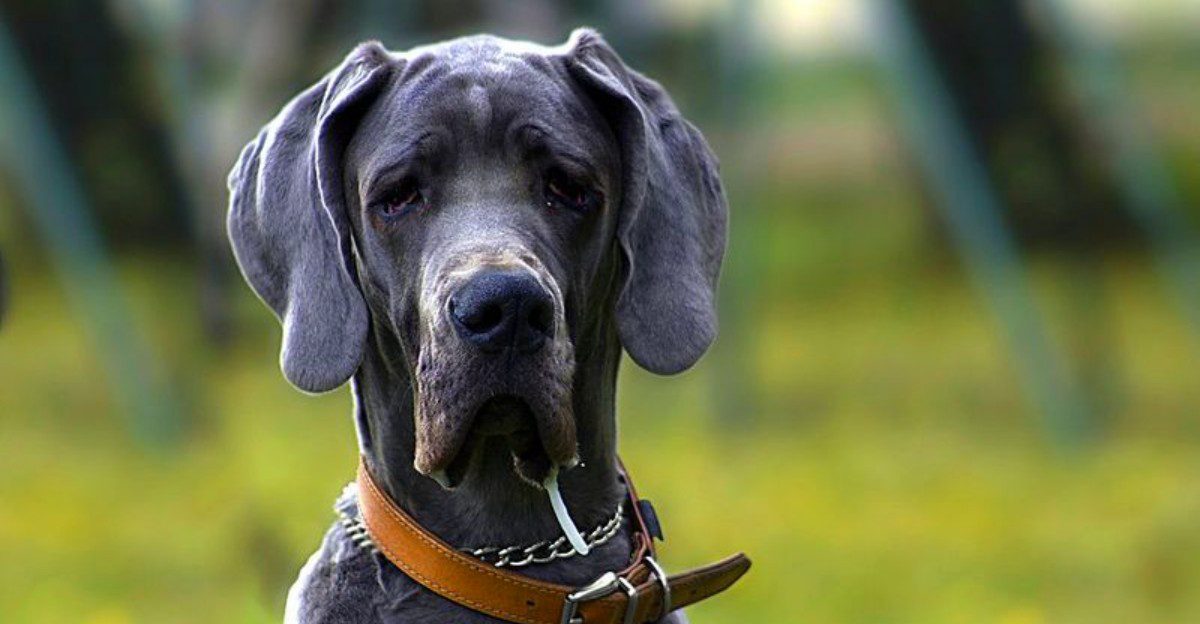
Picture a dog the size of a small pony resting its chin on your table, silently watching dinner happen. That is daily life with a Great Dane.
Despite their giant frames, Danes are often soft-spoken and polite. Their deep bark is rare, but it sounds impressive enough to make any stranger think twice.
Plan for big food bills and plenty of space. Also, raise their bowls slightly and avoid hard exercise right after meals.
Akita
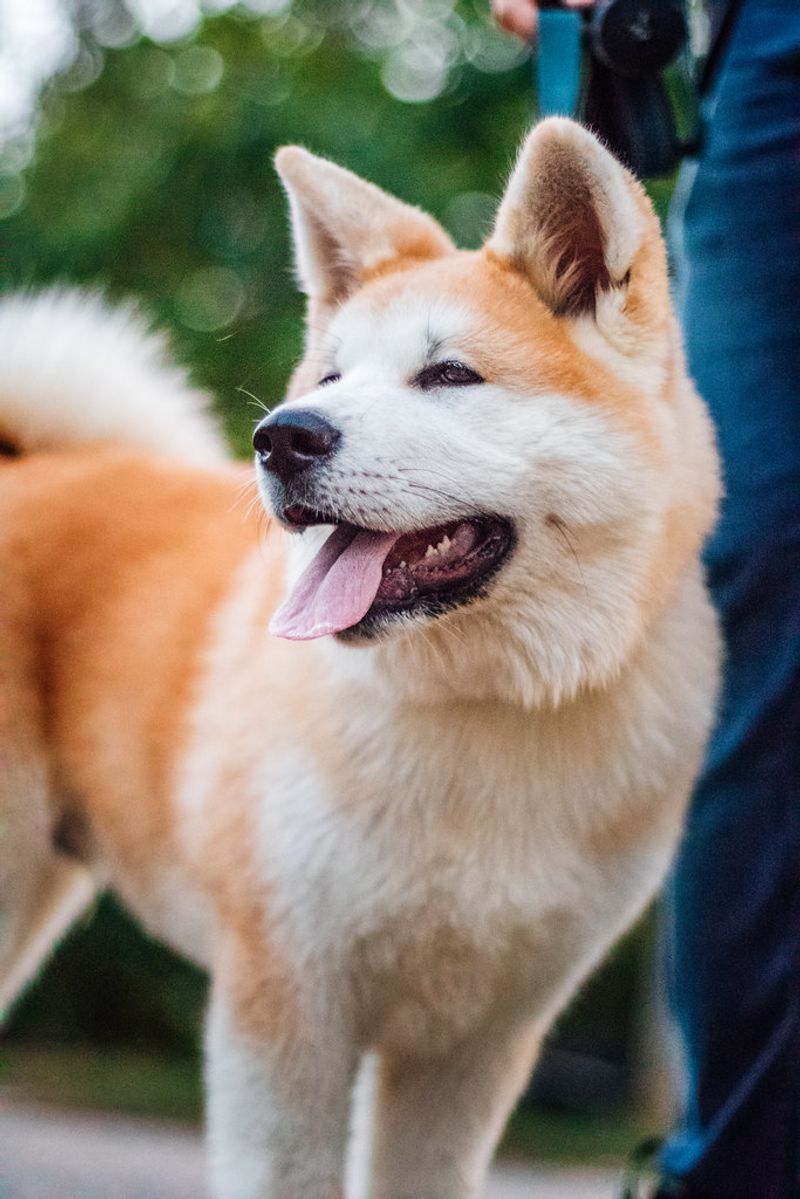
Did you know? Japan’s most famous dog, Hachiko, was an Akita who waited at a train station for his owner every day for nearly ten years.
That same loyal focus lives in Akitas today. They are quiet, dignified, and notice everything happening around their home.
Akitas can be wary of strangers and other dogs, so they suit experienced owners best. Brush them often, especially during their heavy shedding seasons twice a year.
Borzoi
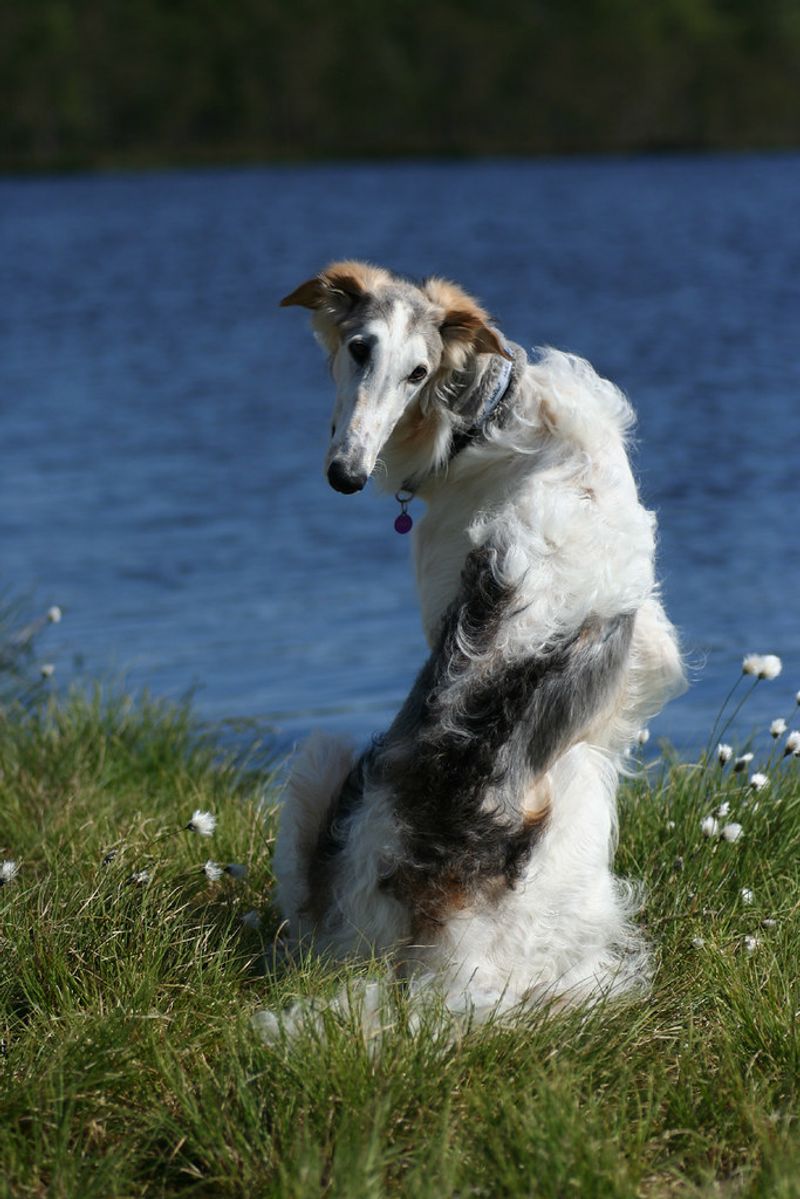
Elegant, graceful, and a little mysterious, the Borzoi looks like it walked straight out of a Russian fairy tale. Nobles once bred them to hunt wolves.
At home, they act more like quiet poets than hunters. You might catch one gazing out the window for ages, noticing birds and neighbors you never saw.
Their long, silky coat needs weekly brushing. Since they can be independent, keep training sessions short, fun, and full of tasty rewards.
Cavalier King Charles Spaniel
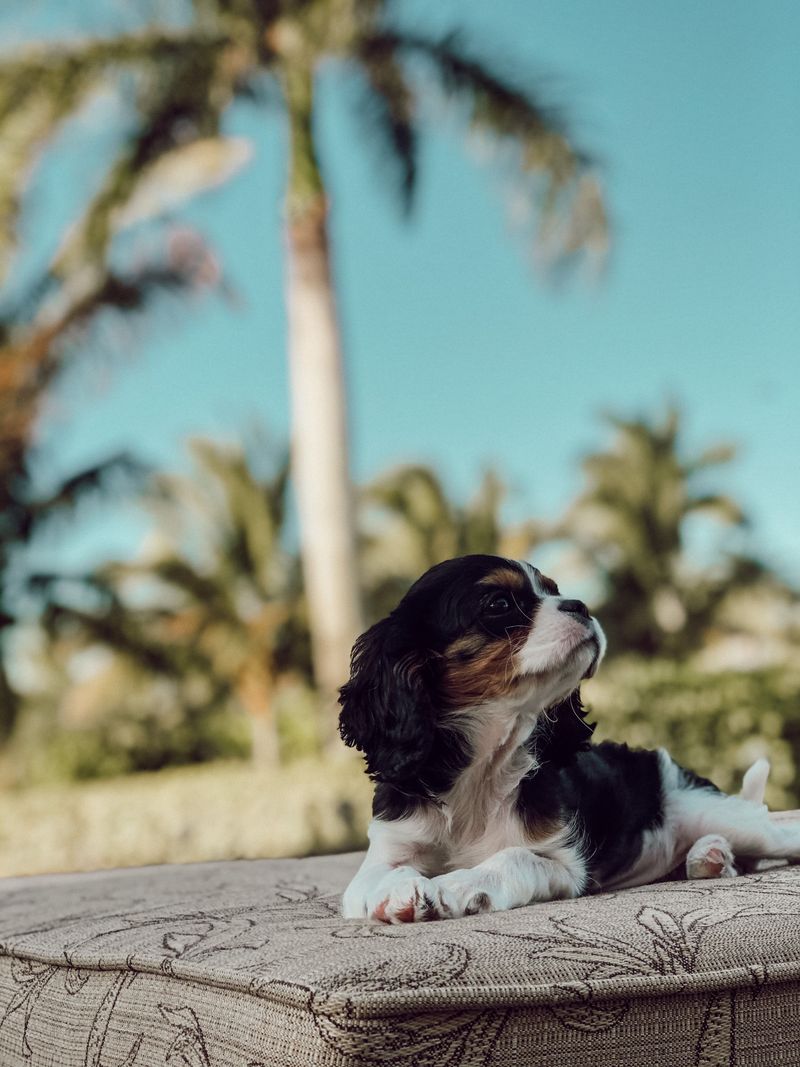
Ever feel like someone is reading your mind? With a Cavalier around, you are probably right.
These sweet spaniels pick up on your feelings almost instantly.
Bad day at school or work? Expect a soft head on your knee without a single yip.
They were royal lapdogs, named after King Charles II of England.
Cavaliers love company and dislike being alone for long. Regular heart checkups with your vet are a smart idea for this breed.
Japanese Chin
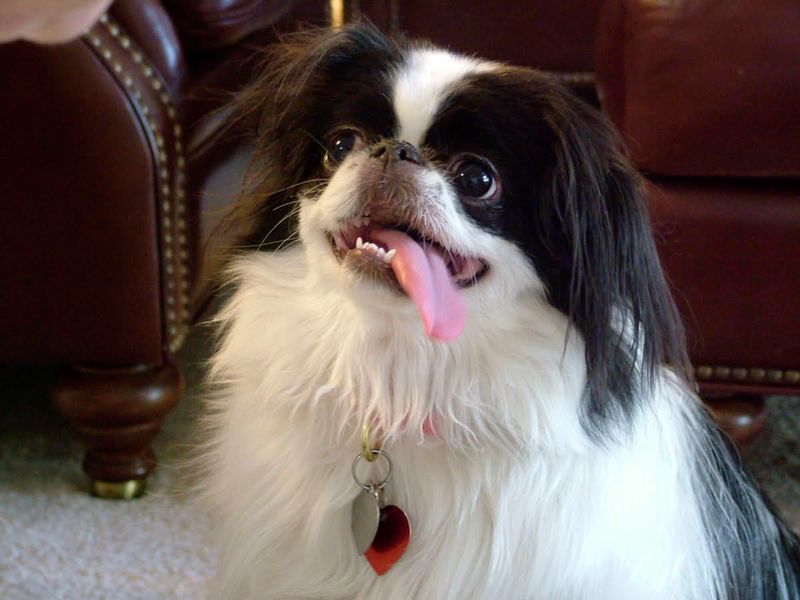
Part dog, part cat, all charm. The Japanese Chin loves perching on high spots like sofa backs, where it can quietly survey its kingdom.
Some even wash their faces with their paws, just like cats. Barking is uncommon, but a funny little spin called the Chin spin often shows up when they feel happy.
Short walks keep them fit. Watch them in hot weather, since their flat faces make breathing harder in high heat.
Bullmastiff
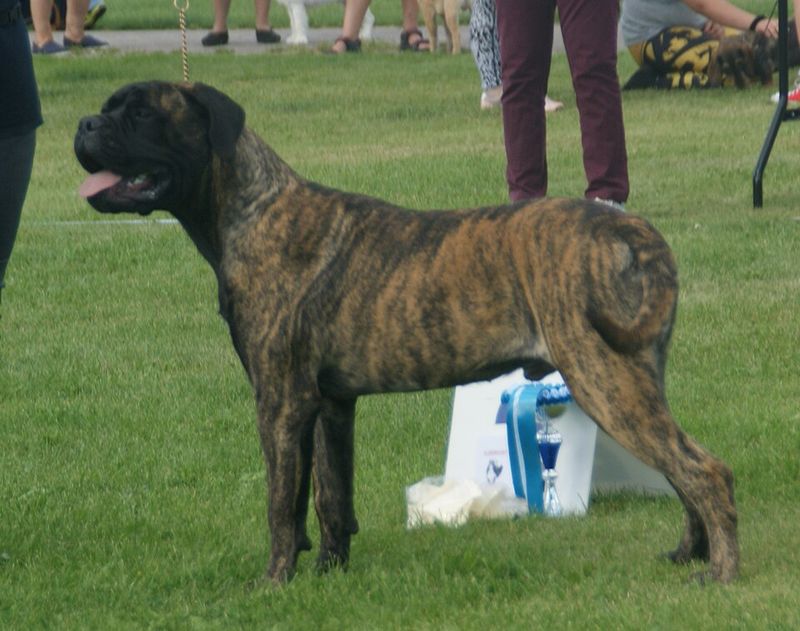
English gamekeepers in the 1800s needed a silent partner to catch poachers. A barking dog would warn the thieves, so they created the quiet, powerful Bullmastiff.
Today, that silent guard instinct remains. A Bullmastiff will calmly position itself between family and strangers without fuss.
Underneath the tough look sits a big softie who loves snuggles. Keep towels handy for drool, and start obedience training early while they are still small enough to manage.
Shih Tzu
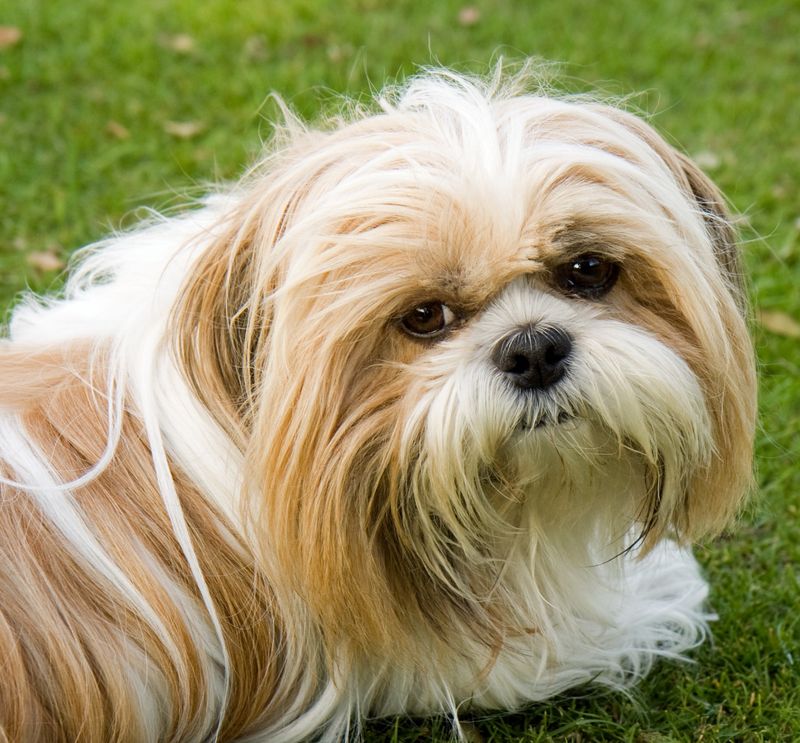
Chinese emperors once kept Shih Tzus in their palaces, and honestly, these little dogs still act like royalty. They prefer watching the action from a comfy cushion.
Most are friendly and calm, not yappy. They notice when guests arrive and when snacks appear, often trotting over with perfect timing.
That flowing coat tangles easily. Daily brushing or a short puppy cut keeps grooming simple, and a topknot helps keep hair out of their eyes.
Basenji
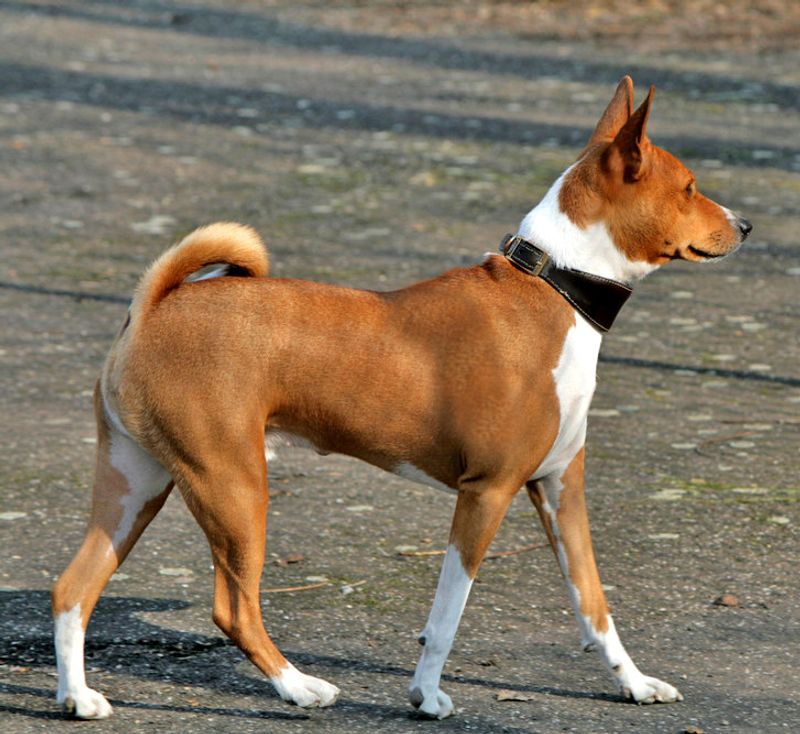
Here is a fun one: the Basenji basically cannot bark. Thanks to its unusual throat shape, it makes a yodel-like sound called a baroo instead.
Originally from central Africa, Basenjis are sharp, curious, and sneaky smart. They watch how doors and gates work, then figure out how to open them.
Keep them busy with puzzle toys and long walks. A bored Basenji will invent its own projects, and you may not like them.
Newfoundland
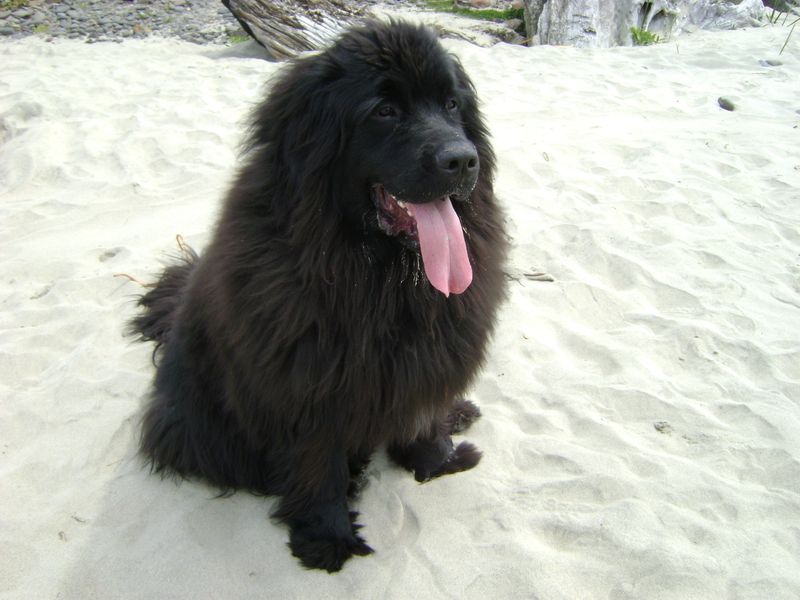
With a heart as big as its paws, the Newfoundland quietly keeps an eye on everyone, especially near water. Their webbed feet make them powerful swimmers.
Canadian fishermen relied on Newfies to haul nets and rescue people from the sea. Many still instinctively watch swimmers closely.
Calm and patient, they rarely make noise without reason. Expect lots of shedding and drool, plus a dog who wants to lean against you all day.