
Discover three breeds that often hide their stress until it suddenly becomes apparent. Learn about their personalities, stress signals, and unique traits that make them special.
Akita
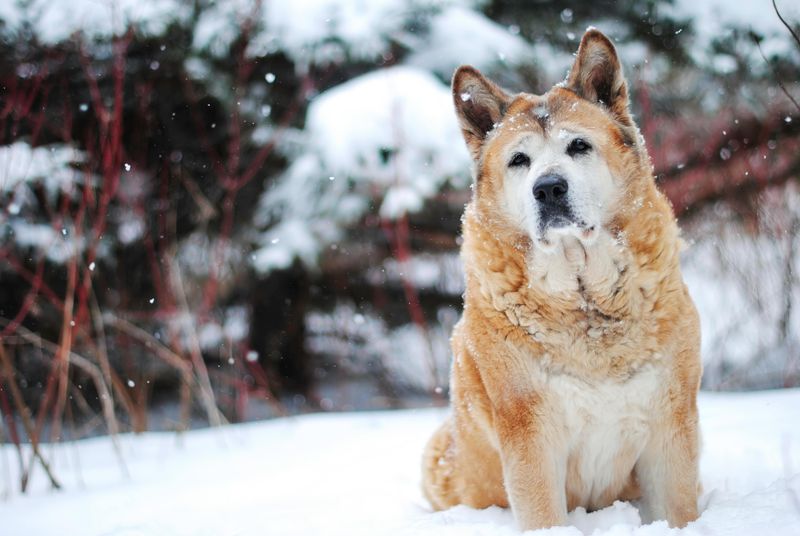
Akitas are known for their noble presence. Often calm and stoic, they carry an air of dignity that masks their inner world. However, this breed can be sensitive to stress, often hiding their feelings until they unexpectedly manifest.
Their loyalty is unparalleled, making them protective companions. Yet, this very trait can lead them to internalize stress, especially in unfamiliar situations. Owners must be observant, noticing subtle changes in behavior.
Did you know? The Akita originates from the mountainous regions of Japan, symbolizing strength and courage. Providing them a stable environment is key to their well-being.
Shiba Inu
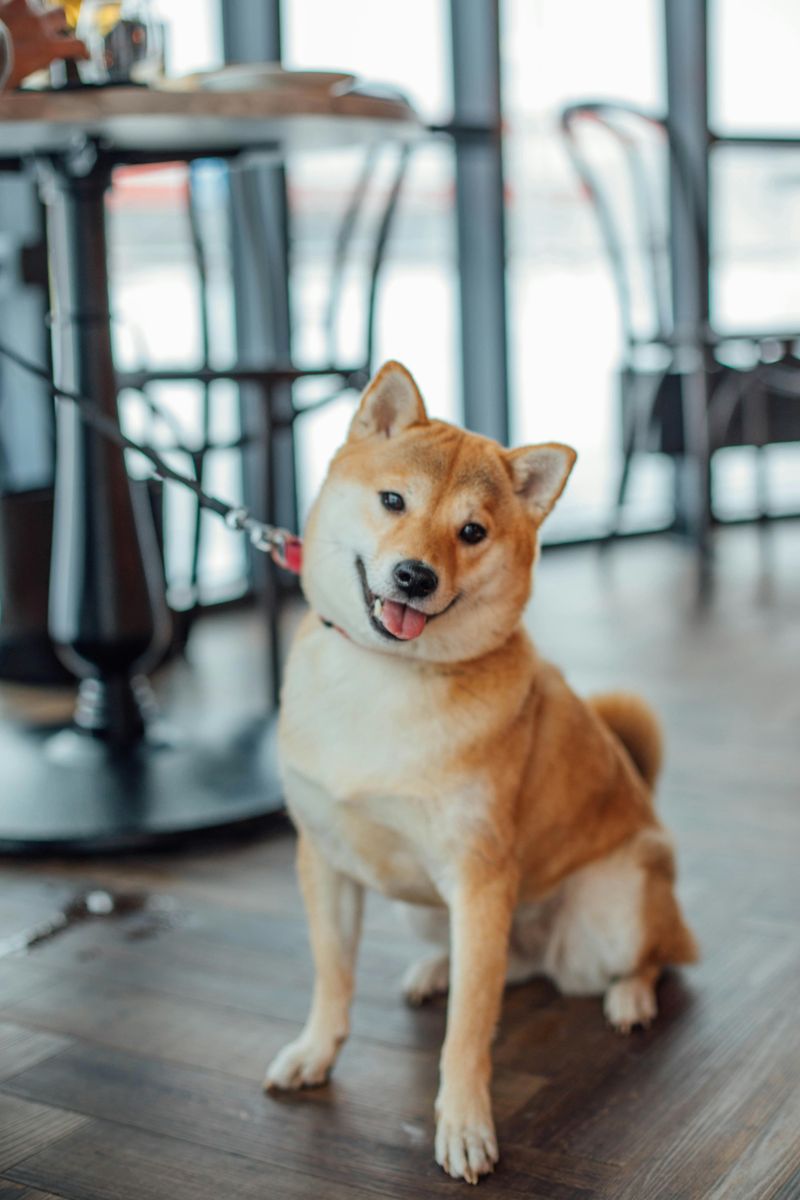
Shiba Inus, with their fox-like appearance, exude an independent spirit. Often perceived as aloof, they are masters at masking stress. Only when pushed to their limits do they reveal their discomfort, often in surprising ways.
These dogs are known for their confidence, sometimes bordering on stubbornness. They require patient handling to ensure their stress doesn’t accumulate unnoticed. Paying attention to their subtle signals is essential.
Originating from Japan, Shiba Inus were bred for hunting in mountainous terrain. Their strong-willed nature is both a challenge and a delight for owners who value their unique charm.
Chow Chow
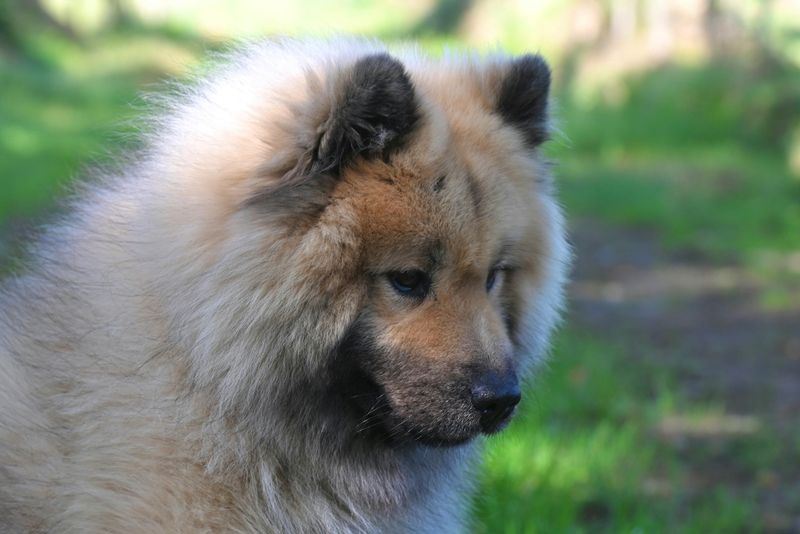
Chow Chows are known for their lion-like mane and reserved demeanor. This breed often keeps stress under wraps until it suddenly erupts, catching owners off guard.
Their independent nature means they might not always seek comfort from humans. It’s important to understand their body language to help them manage stress effectively. Observing their routines is crucial.
A fun fact: The Chow Chow is one of the oldest dog breeds, with roots tracing back to the Han Dynasty in China. Their stoic nature has been honed over centuries, making them exceptionally unique.
Border Collie
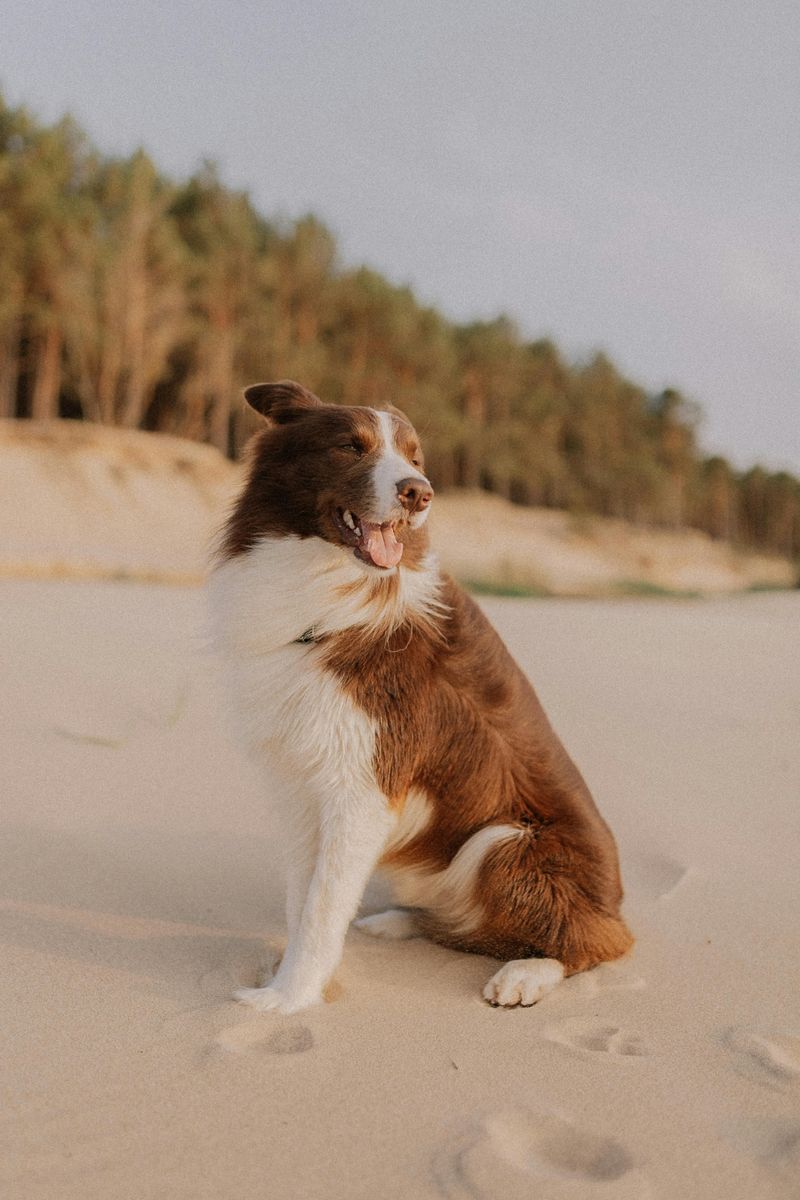
Border Collies are known for their intelligence and energy. Their keen focus often masks underlying stress, as they take on tasks with relentless determination.
In working environments, they thrive yet can easily become overwhelmed when overstimulated. Owners might not notice their stress until they exhibit anxious behaviors.
To manage this, regular play and adequate mental stimulation are essential. It’s crucial to provide them with outlets to release pent-up energy, helping to prevent sudden stress-related outbursts.
Dachshund

Dachshunds, with their long bodies and curious nature, often hide stress behind their playful antics. Known as “badger dogs,” they possess a tenacious spirit.
However, their boldness can sometimes lead to anxiety when faced with unfamiliar situations. This stress can suddenly surface in the form of barking or chewing.
Providing a stable environment and consistent routines can help them feel secure. Engaging them in puzzles and interactive play will also alleviate hidden tensions, keeping their mischievous side in check.
Cavalier King Charles Spaniel

With their soulful eyes and gentle demeanor, Cavaliers often appear serene. However, their sensitivity makes them prone to hidden stress.
Changes in routine or environment can unsettle them, leading to sudden bursts of anxiety. Owners may notice their stress through excessive licking or whining.
Maintaining a calm, predictable environment with plenty of affection can help. Socializing them from a young age also aids in reducing stress reactions, allowing their sweet nature to flourish.
Australian Shepherd
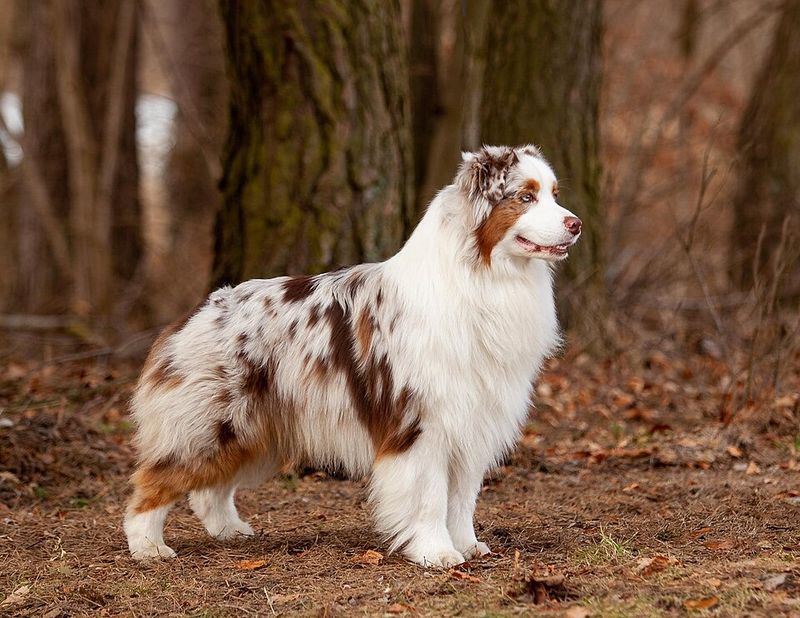
Australian Shepherds are vibrant and hardworking, often masking stress with their high energy levels. Their desire to please can sometimes lead to internal pressure.
When they don’t have enough tasks or mental engagement, stress can erupt as destructive behavior. Monitoring their workload and ensuring they have a balanced routine is key.
These intelligent dogs thrive on challenges, so incorporating agility or obedience training can effectively manage their hidden stress, keeping their lively spirits intact.
Labrador Retriever

Labradors are friendly and outgoing, but their love for companionship can conceal stress. They might seem happy-go-lucky yet experience anxiety when left alone.
This separation stress can manifest in barking or digging when unaddressed. Ensuring they have plenty of social interaction and play can help.
Engaging them in activities that involve people, like fetch or swimming, provides both physical and emotional satisfaction. This helps mitigate hidden stress, allowing them to remain the cheerful companions they’re known for.
Cocker Spaniel

Cocker Spaniels exude charm and warmth, often hiding stress beneath their affection. They are sensitive to changes in their environment, which can lead to anxiety.
When stressed, they may become withdrawn or overly clingy. Establishing a comforting routine with gentle reassurance can help manage this.
Engaging them in social activities and ensuring they receive ample grooming attention can further ease stress. Their need for closeness makes them thrive in loving, stable environments, where their affectionate nature truly shines.
Great Dane

Great Danes, with their imposing size, often hide stress behind a calm facade. Despite their gentle nature, they can be prone to anxiety.
This stress typically emerges in new environments or when they feel confined. Providing ample space and gradual exposure to new experiences helps mitigate these feelings.
Regular exercise and social interaction support their emotional health, enabling them to remain the gentle giants they are. Their affection for family and friends can help reassure them, alleviating hidden stress.
Poodle

Poodles are known for their elegance and intelligence, traits that sometimes mask underlying stress. Their sharp minds require constant engagement.
Without mental stimulation, they can become anxious, leading to behavioral issues. Regular training and problem-solving activities are key to managing their stress.
Their adaptability helps in various environments, provided they have consistent companionship and stimulation. This ensures their sharp intelligence and vibrant spirit remain at the forefront.
Bulldog
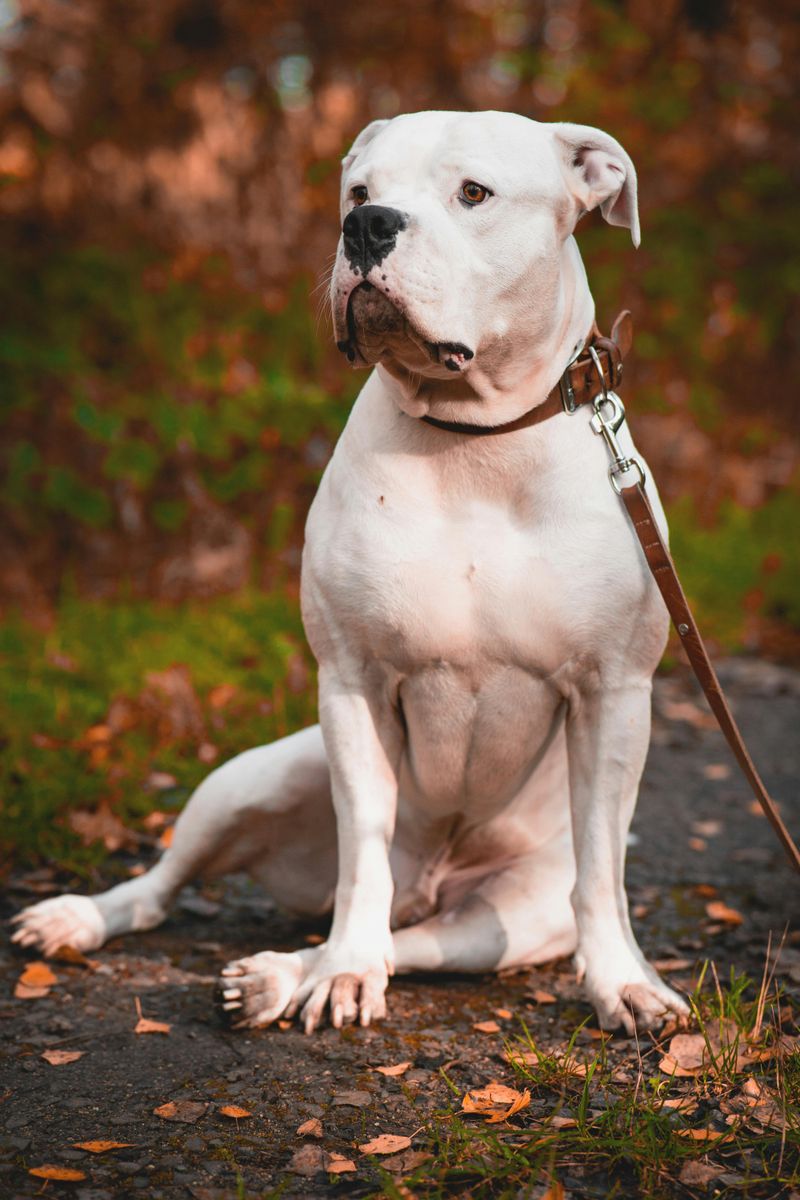
Bulldogs are often seen as robust and easygoing, yet they can conceal stress well. Their stoic nature sometimes hides sensitivity to environmental changes.
When stressed, they may become lethargic or stubborn. A stable, familiar environment with a routine helps them feel secure.
Their need for comfort and relaxation means they thrive with gentle exercise and affection. This balance helps them cope with hidden stress, allowing their laid-back personality to be fully appreciated by those around them.