
Some dogs look like they were made for family photos, with fluffy coats, sweet faces, and happy tails. But looks can fool you, and many popular breeds need far more energy, space, or training than a busy home can give.
Picking the wrong match can leave both the dog and the family stressed and unhappy. Knowing the real needs behind those cute faces helps you choose a pet that will truly thrive with you.
Border Collie
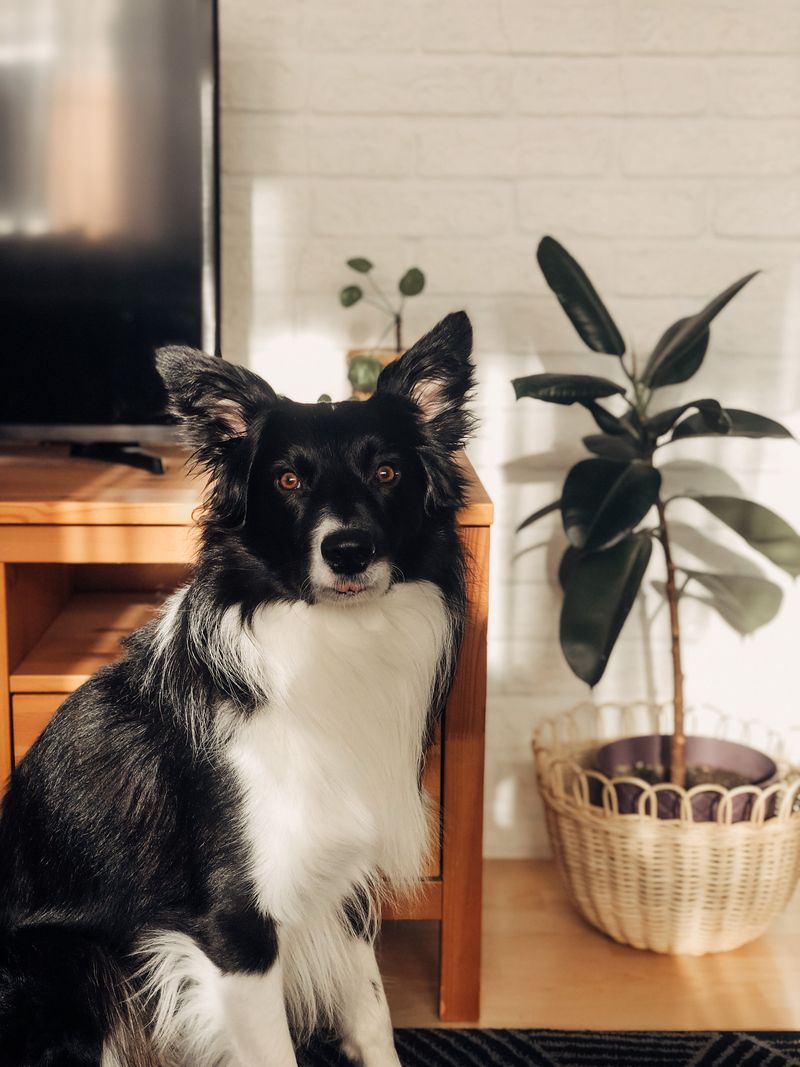
Picture a dog that can learn over 1,000 words. A Border Collie named Chaser actually did that, which shows how sharp this breed really is.
That brainpower comes with a catch. Without daily jobs, games, and long runs, these dogs may herd kids, chase cars, or chew through furniture out of boredom.
Families who love hiking, agility classes, or puzzle toys can make it work. Couch-loving households usually struggle to keep up.
Siberian Husky
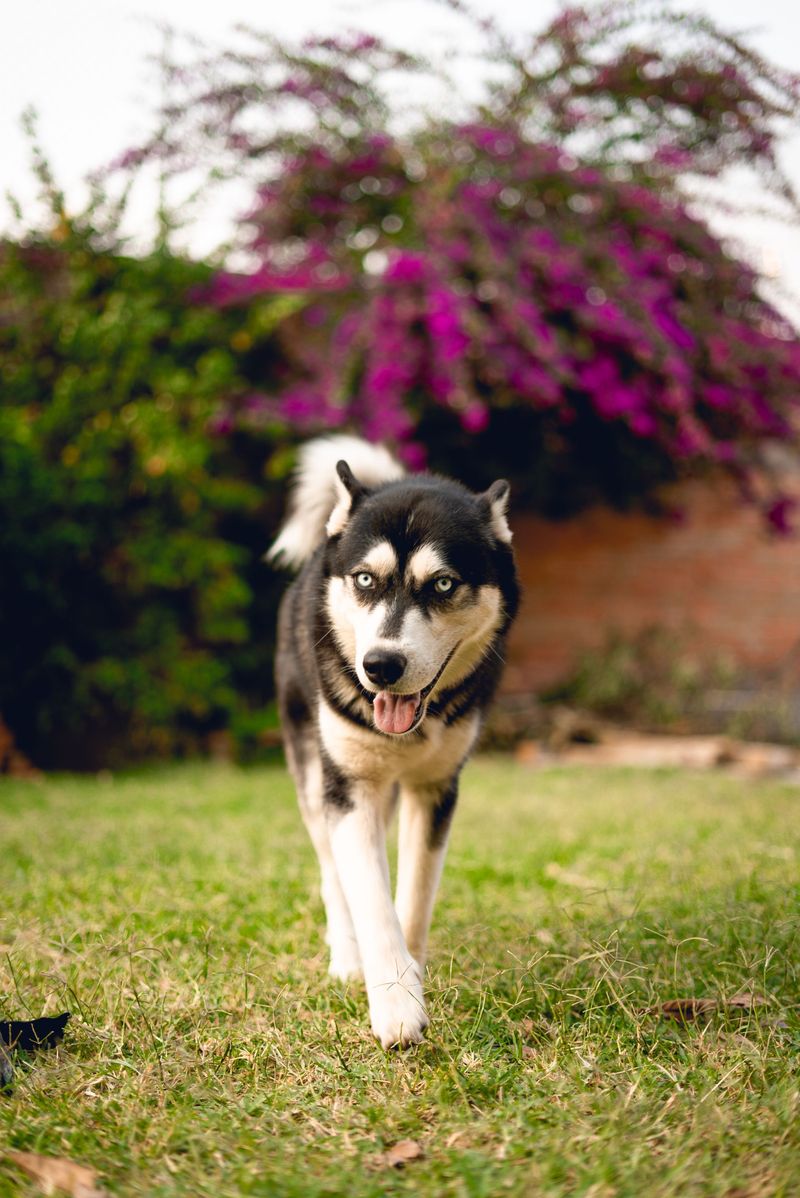
Those icy blue eyes melt hearts fast. Yet many owners learn the hard way that Huskies were bred to pull sleds for miles across frozen Siberia.
They dig, howl, and escape like tiny furry magicians. A low fence is basically an invitation.
Expect heavy shedding twice a year, called blowing coat, when fur covers everything you own. Active owners in cooler climates with secure yards give this breed its best shot at happiness.
Dalmatian
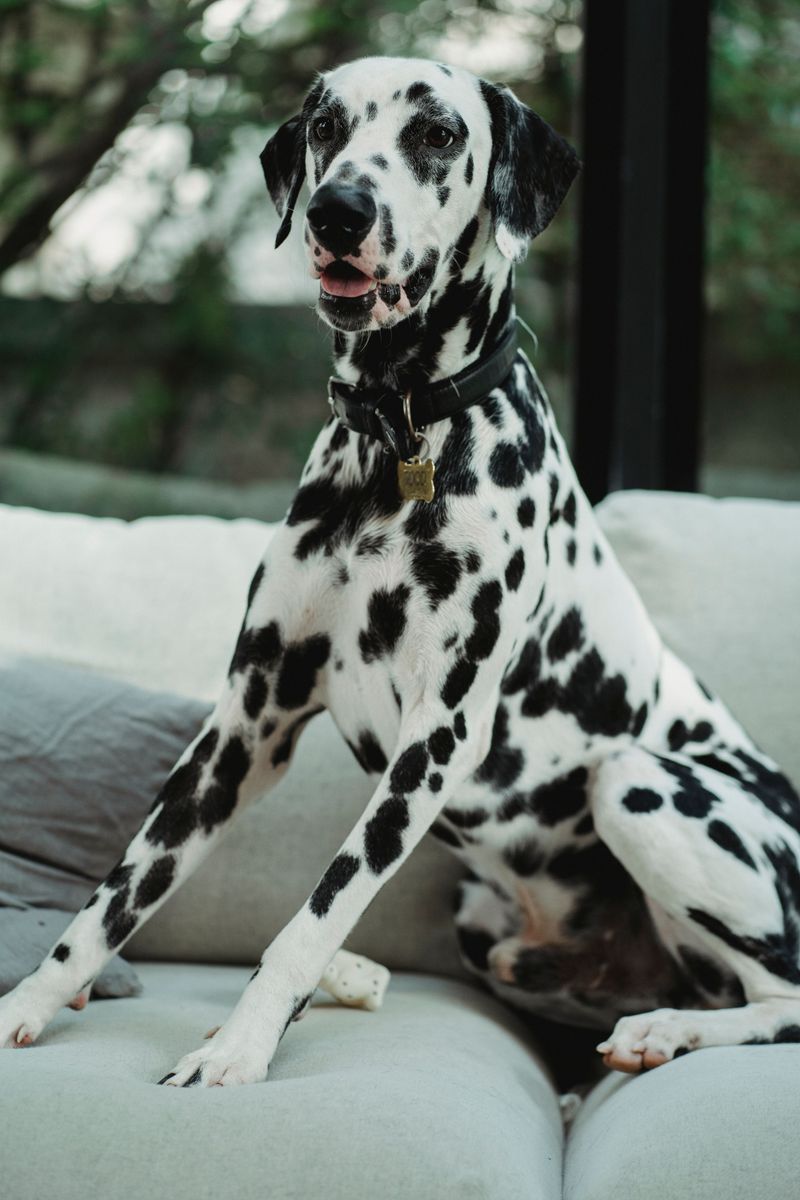
Thanks to a famous movie, lots of kids beg for a spotted puppy. Shelters often see a wave of surrendered Dalmatians a year or two after those films come out.
Originally, these athletes ran beside horse-drawn carriages all day long. They still crave serious exercise and can be stubborn during training.
Some are also prone to deafness and bladder stones. Talk with a breeder about health testing, and plan for daily jogs before bringing one home.
Jack Russell Terrier
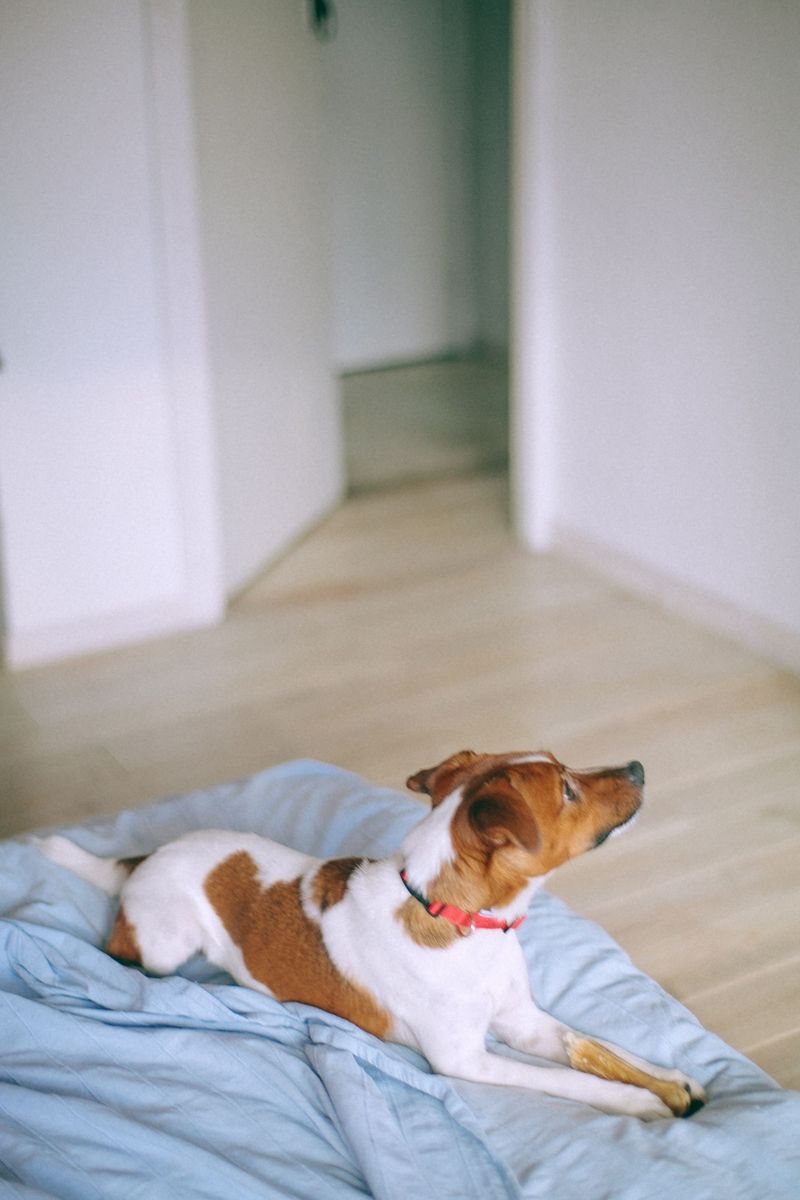
Small dog, small effort? Not even close.
A Jack Russell packs the energy of a much larger breed into a tiny, bouncy body.
Bred to chase foxes underground, they dig holes, chase cats, and bark at every squirrel. Some can jump five feet straight up!
Short walks will not cut it. Give this little firecracker games like fetch, scent work, or flyball, and you might just keep your garden in one piece.
Australian Shepherd
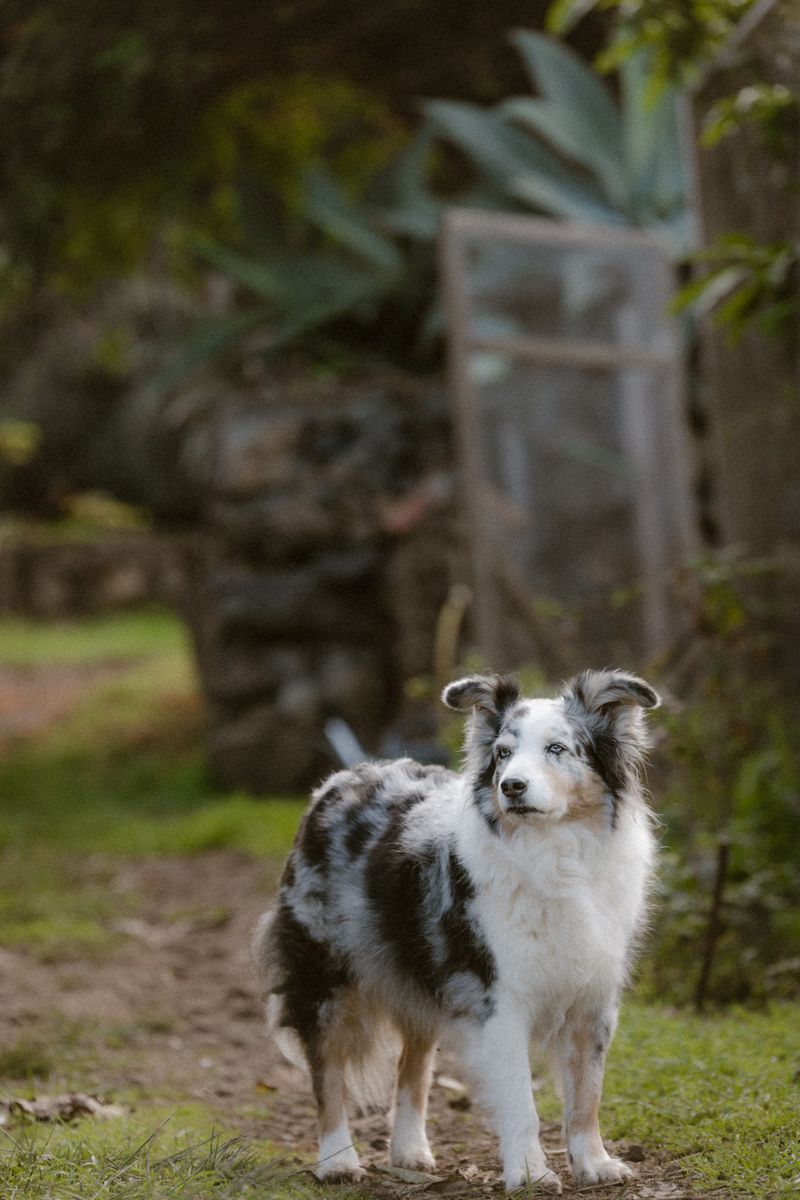
Merle coats and mismatched eyes make Aussies look like walking works of art. Funny enough, the breed was actually developed in the American West, not Australia.
Ranchers needed tireless helpers to move livestock. Today’s Aussies still have that drive and often nip at heels when they lack a job.
Training should start early and stay fun. Owners who enjoy frisbee, trail running, or obedience sports will find a loyal, clever partner waiting.
Weimaraner
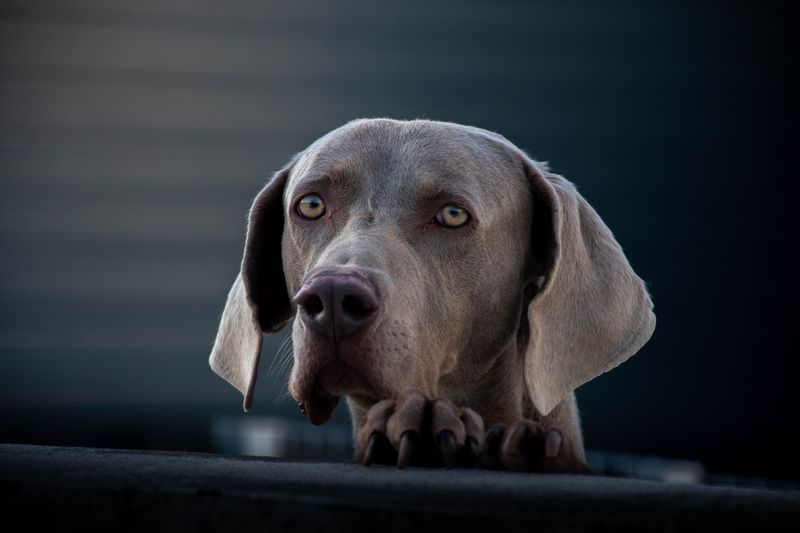
Nicknamed the gray ghost, the Weimaraner glides around with silver fur and amber eyes. German nobles once used them to hunt big game like deer and bears.
Here is the tricky part. They bond tightly with their people and often panic when left alone, which can mean shredded doors and nonstop whining.
Homes where someone is around most of the day suit them best. Crate training and long daily runs help calm that clingy streak.
Belgian Malinois
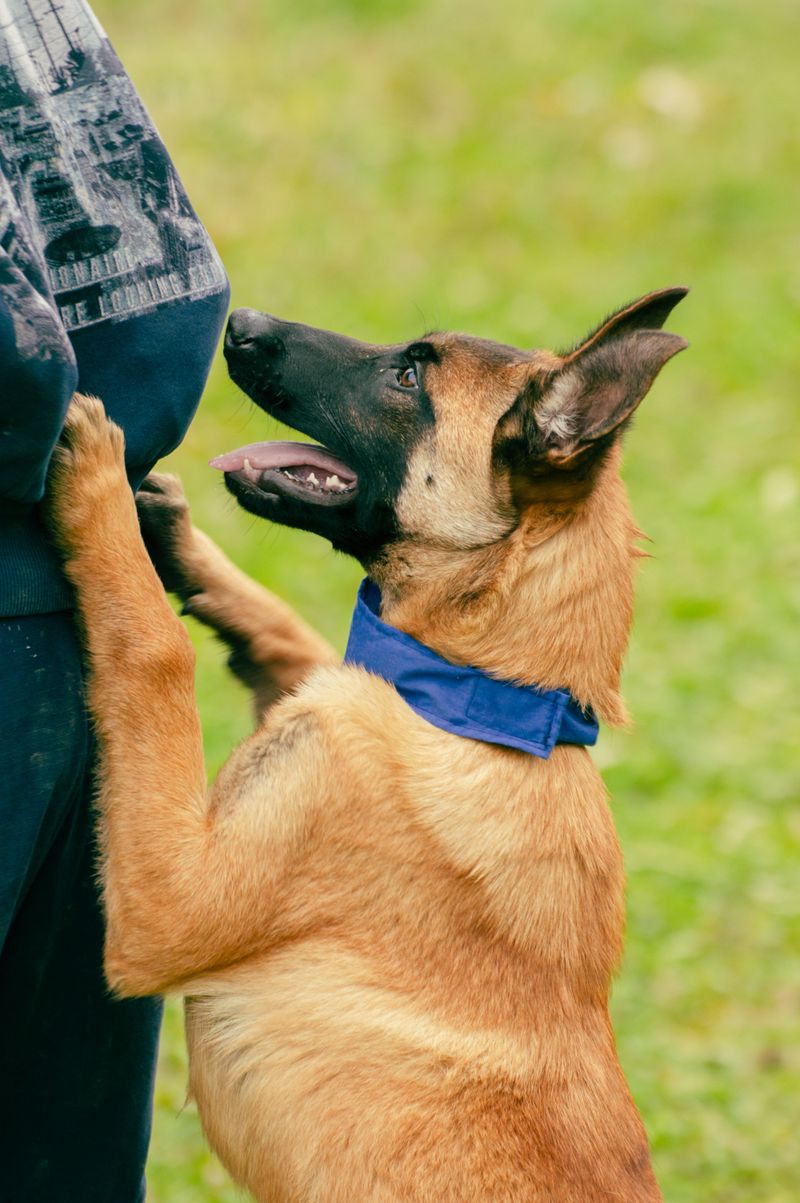
Police and military teams around the world rely on the Malinois, and that should tell you plenty. One even helped Navy SEALs on famous missions.
Many people mistake them for smaller German Shepherds and expect a relaxed pet. Instead, they get an intense dog that needs hours of training and tasks every day.
Honestly, most families should admire this breed from afar. Experienced handlers involved in dog sports are the right match.
Beagle
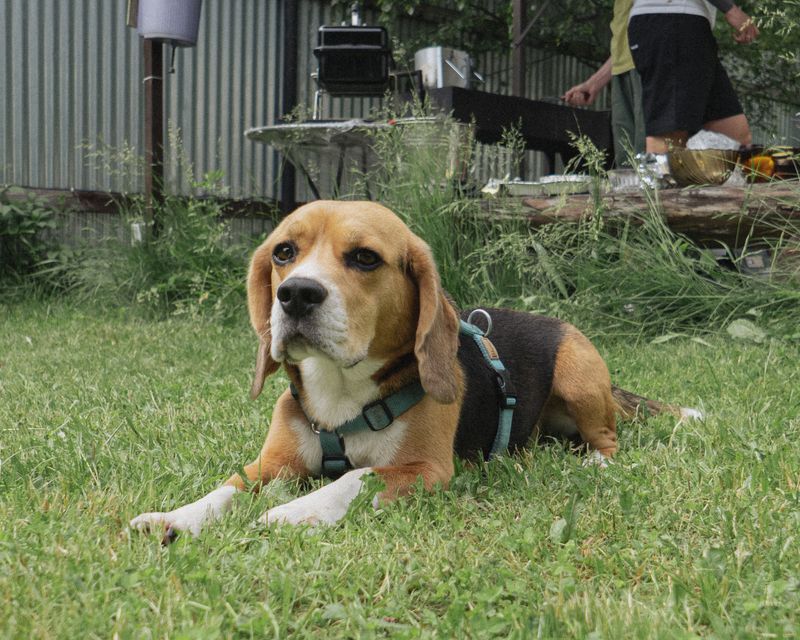
With floppy ears and soulful eyes, Beagles seem like the ultimate cuddly pal. Their nose, though, often runs the show.
Around 220 million scent receptors pull them toward every smell, so they wander off and ignore calls. They also bay loudly, which neighbors in apartments rarely enjoy.
Food goes missing from counters, too. Keep snacks locked away, use a sturdy leash, and try nose games to give that sniffer something productive to do.
Chow Chow
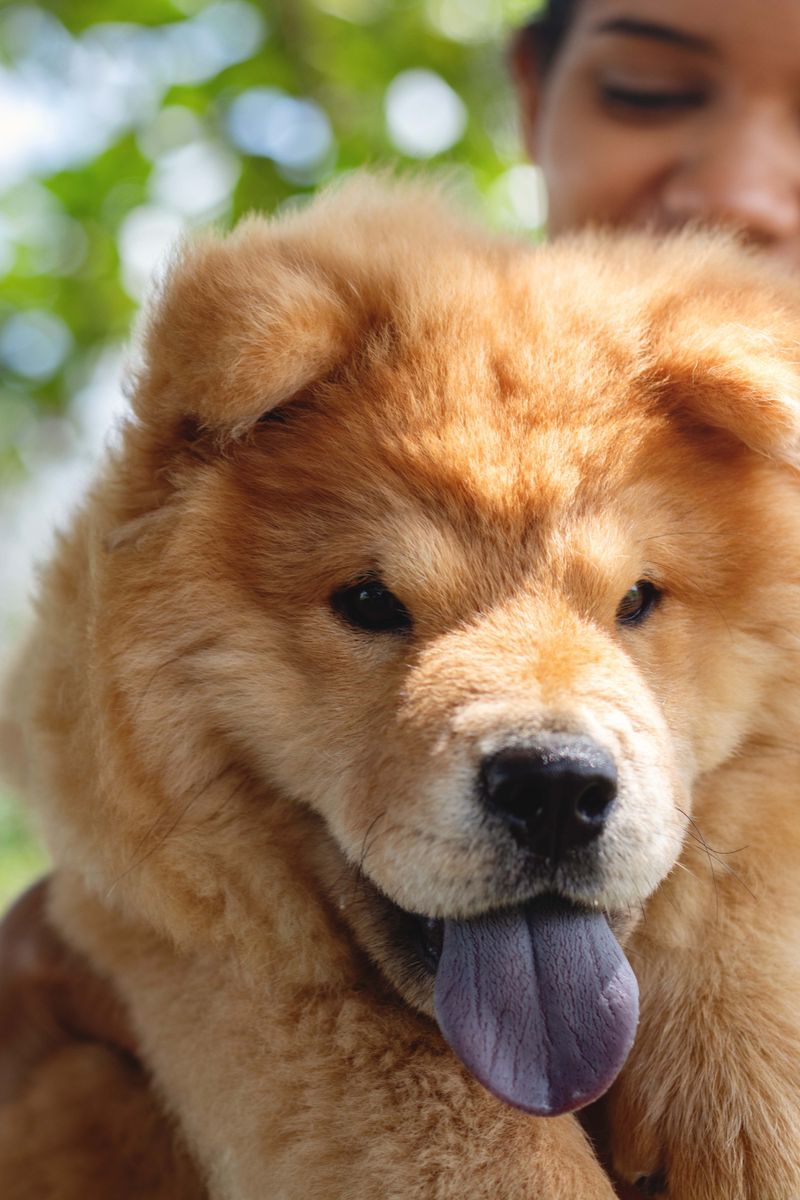
Ever seen a living teddy bear with a blue-black tongue? That is the Chow Chow, an ancient breed from China dating back over 2,000 years.
Cuddly looks hide an independent, sometimes aloof personality. Many Chows dislike strangers and do not enjoy grabby hugs from young kids.
That thick coat also needs brushing several times a week and struggles in hot weather. Calm adult homes with patience for early socializing tend to suit them better.
Saint Bernard
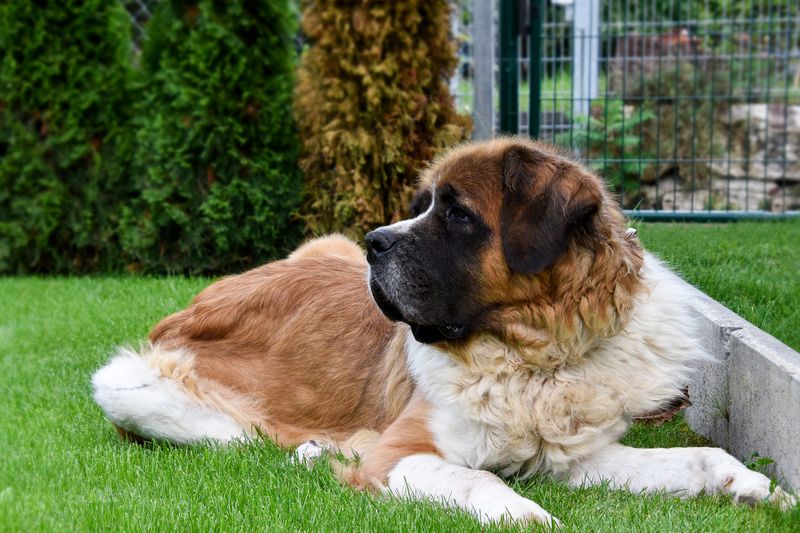
Monks in the Swiss Alps once sent these giants out to rescue lost travelers in the snow. Their heroic reputation is well earned.
Life at home is another story. A grown Saint Bernard can weigh 180 pounds, drool buckets, and knock over toddlers by simply turning around.
Food bills, vet costs, and car space add up quickly. Before falling for that big sweet face, measure your home, budget, and towel supply honestly.
Shiba Inu
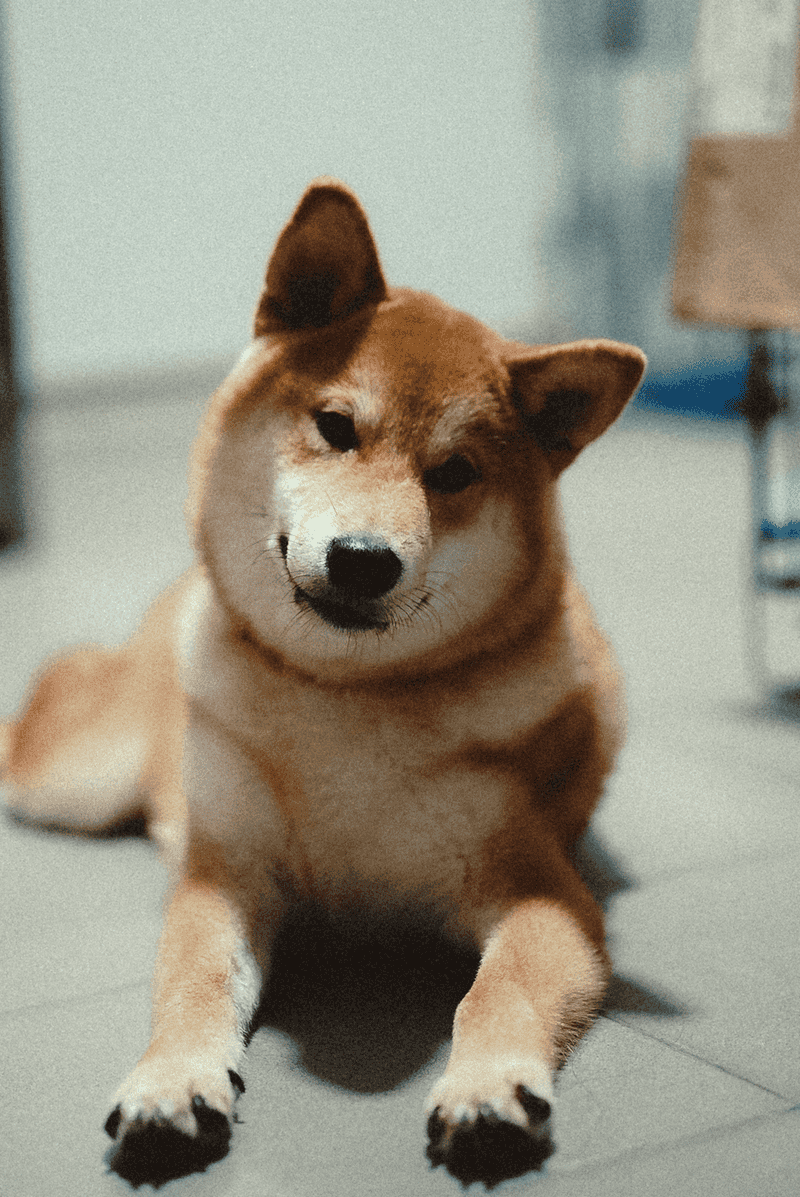
Internet memes made the fox-faced Shiba Inu a superstar. Real life with one feels a bit more like living with a stubborn cat.
Shibas are proud, independent, and famous for the Shiba scream, a dramatic shriek when they are unhappy about baths or nail trims.
Off-leash walks are risky because they bolt after anything that moves. Owners who respect their space and use patient, reward-based training usually earn a quietly devoted friend.
Alaskan Malamute
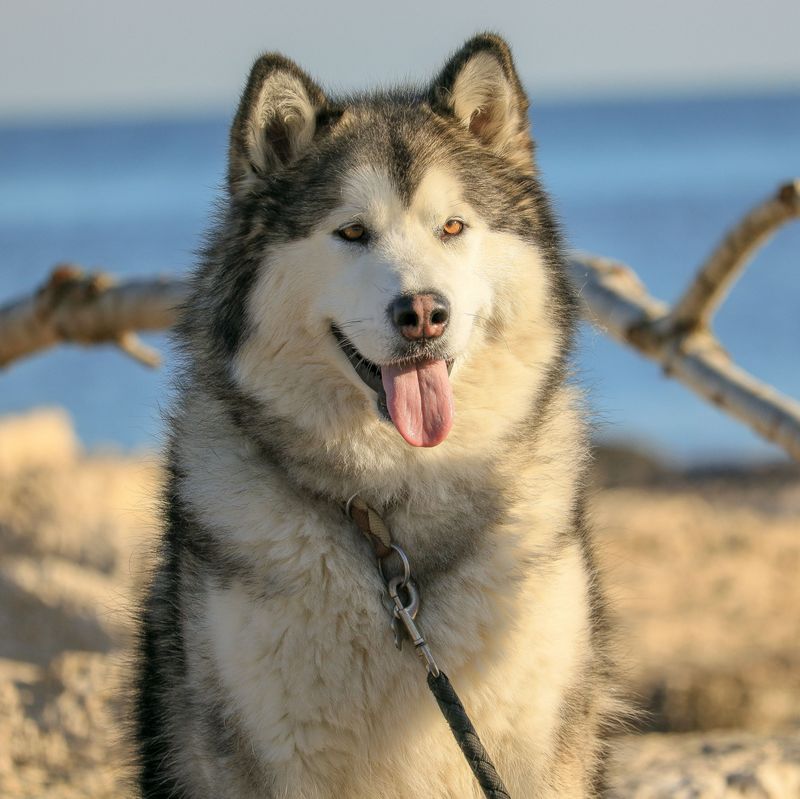
Bigger and stronger than a Husky, the Malamute hauled heavy loads for Arctic communities. Some even helped with expeditions to the South Pole.
All that power needs a purpose. Bored Malamutes dig craters, pull owners down sidewalks, and may chase smaller pets.
Hot summers can be rough on their dense double coat. If you live somewhere chilly and enjoy skijoring or long hikes, this woolly workhorse could become your favorite adventure buddy.