
Some dogs adore you so much they practically become your shadow. They love hard, follow close, and sometimes spin into little whirlwinds of panic when you step out of sight.
If you are craving a loyal companion who gives everything, these breeds bring devotion in overdrive. Let’s explore the sweet, slightly dramatic hearts that make life warmer, needier, and wonderfully alive.
Labrador Retriever
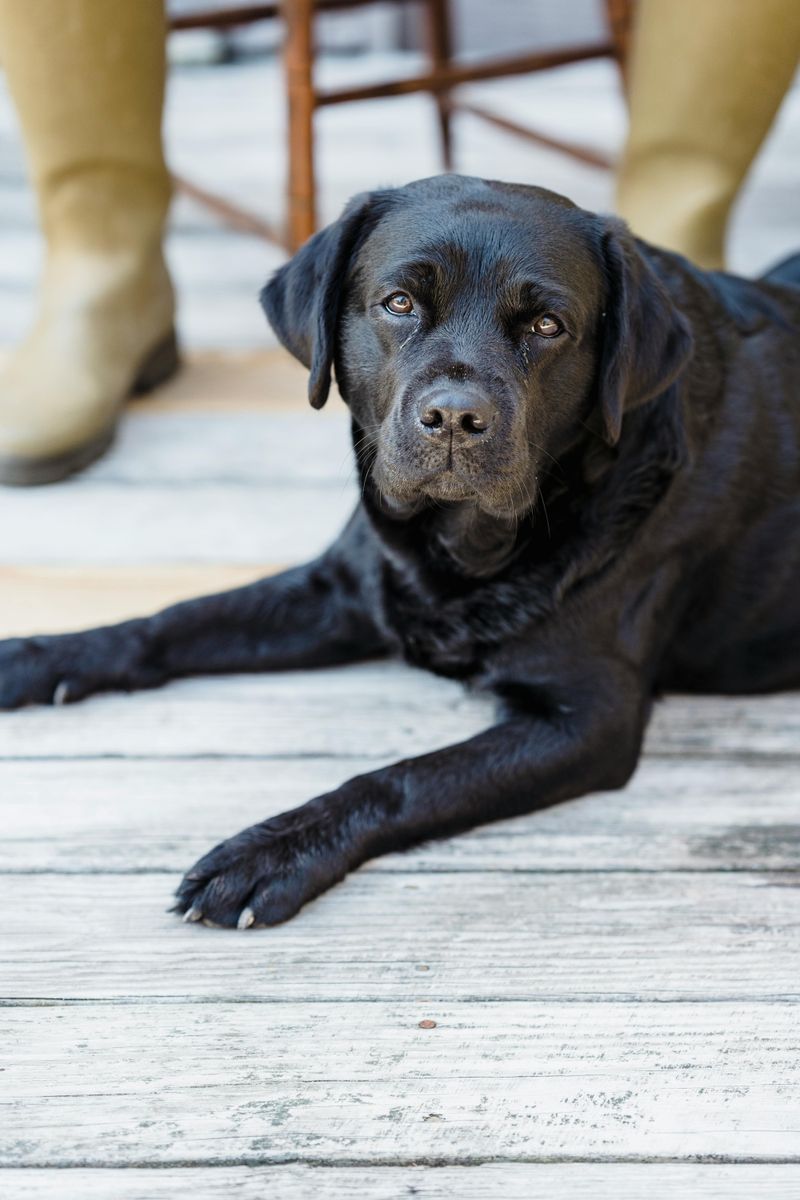
Labradors are the classic velcro companions, happiest plastered to your leg from coffee to bedtime. They track every move, ready to escort you from sofa to sink like a cheerful security detail.
When separation happens, their worry can ramp up fast, especially in young or under-exercised Labs.
Give them jobs, puzzles, and daily romps to soften that anxious edge. Structure plus gentle boundaries helps them relax instead of micromanaging you.
Reward calm behaviors at doors and hallways so they do not crowd or trip you, and teach a comfy settle cue.
Golden Retriever
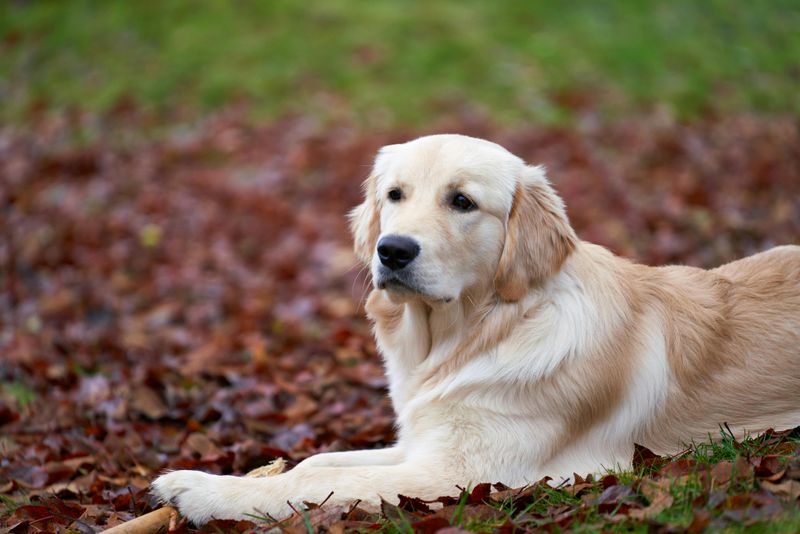
Goldens love with wide-open hearts and sometimes forget personal space exists. They lean, stare, and gently herd you from room to room like living sunshine.
That sensitivity can morph into frantic whimpering when doors close or routines shift unexpectedly.
Daily cardio, nosework, and predictable rituals soothe their big feelings. Teach place training so they can relax at a distance without panicking.
Encourage independence with scatter feeding and quiet time behind baby gates, gradually lengthening duration.
Border Collie
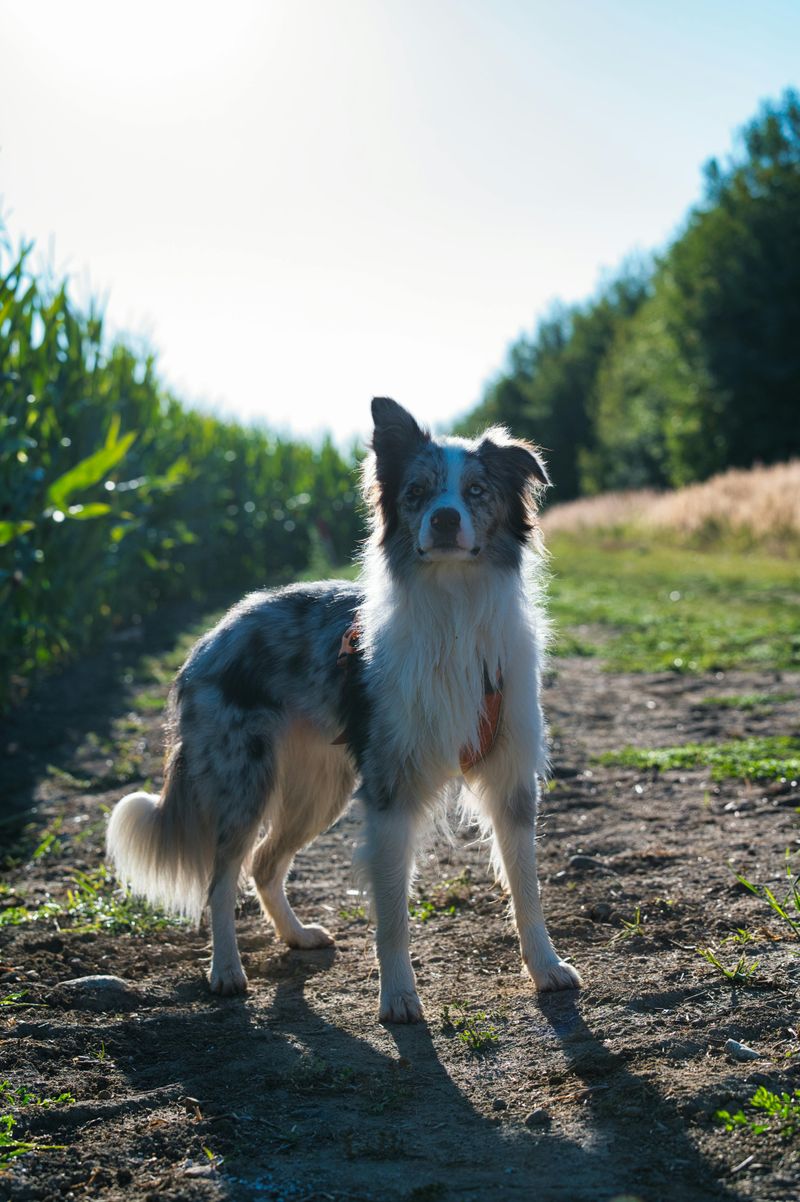
Border Collies bond fiercely and often shadow you like a laser-guided satellite. Their brains crave purpose, so boredom turns to hypervigilance and anxious herding.
Doors, heels, and children get escorted with unsettling precision when stress spikes.
Dial down clinginess by giving real work: trick chains, agility foundations, scent puzzles, and impulse-control games. Build off-switch skills with mat training and strategic decompression walks.
Reinforce calm eye contact and distance settles, not constant monitoring within inches of your ankles.
German Shepherd
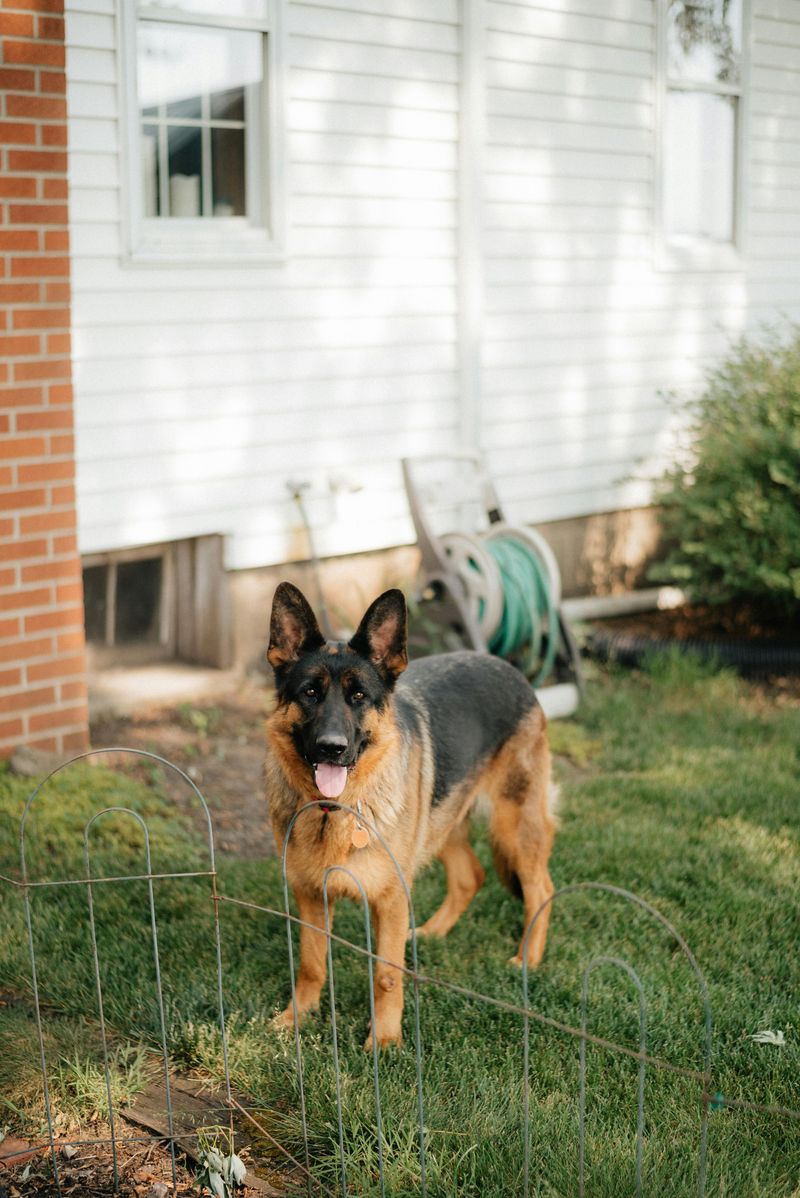
German Shepherds are guardians of proximity, tracking you like mission control. They can over-commit to protection, escalating from concern to panic if they cannot verify your safety.
Without guidance, that vigilant love becomes pacing, whining, and door-blocking.
Channel their purpose into structured obedience, scent games, and controlled place work. Teach clear on and off duty cues so they can rest.
Confidence-building field trips and calm exposures reduce reactivity while preserving their loyalty.
Australian Shepherd
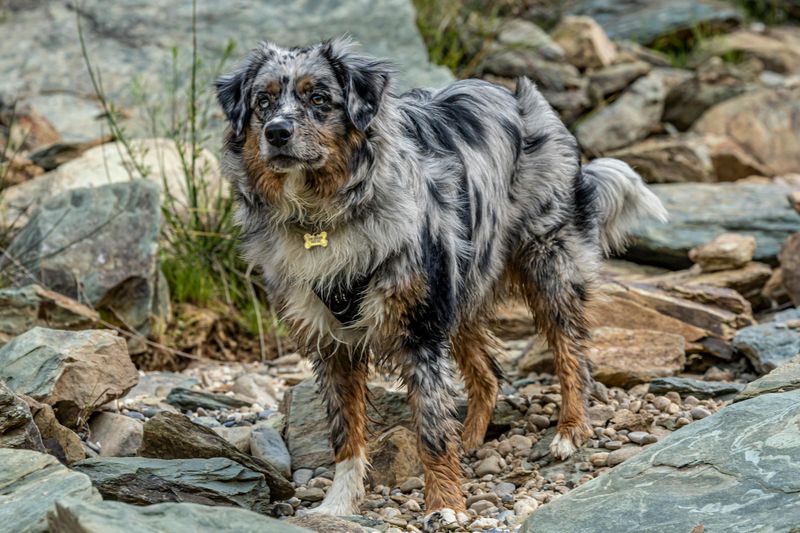
Aussies love hard and supervise harder. They trail you through hallways, nudge calves, and anticipate turns like mind readers.
When left behind, they can spiral into barky protest or frantic busywork.
Give them outlets: frisbee, shaping sessions, and herding-style games that satisfy their instincts. Teach independent tasks like stationing on a mat while you cook.
Balance engagement with decompression time, using long-line sniff walks and quiet recovery after excitement.
Vizsla
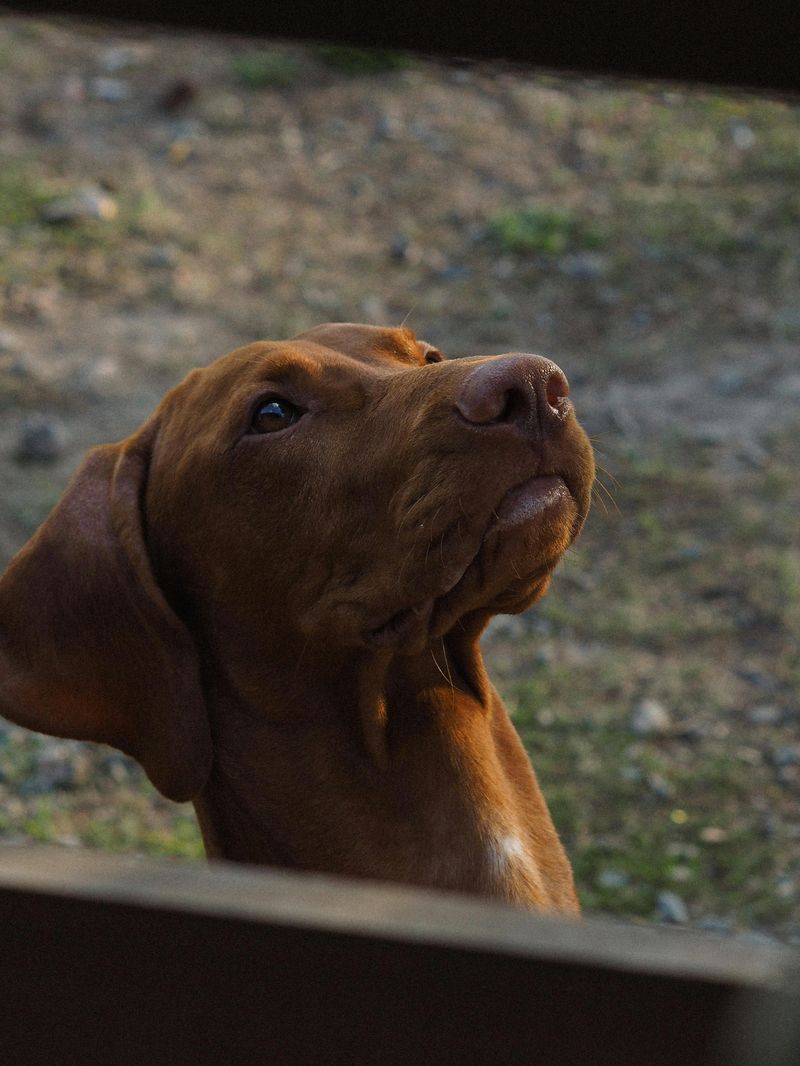
Vizslas are famous for close-contact affection, preferring full-body cuddles to personal space. They follow like gentle shadows and fret quickly if you disappear.
Their athletic energy paired with sensitivity makes panic spike when routines wobble.
Daily runs, field games, and food puzzles help recalibrate their nervous system. Practice short separations with stuffed Kongs and serene music, gradually stretching time.
Reinforce go-to-bed cues so they can relax at a distance without feeling abandoned.
Cavalier King Charles Spaniel
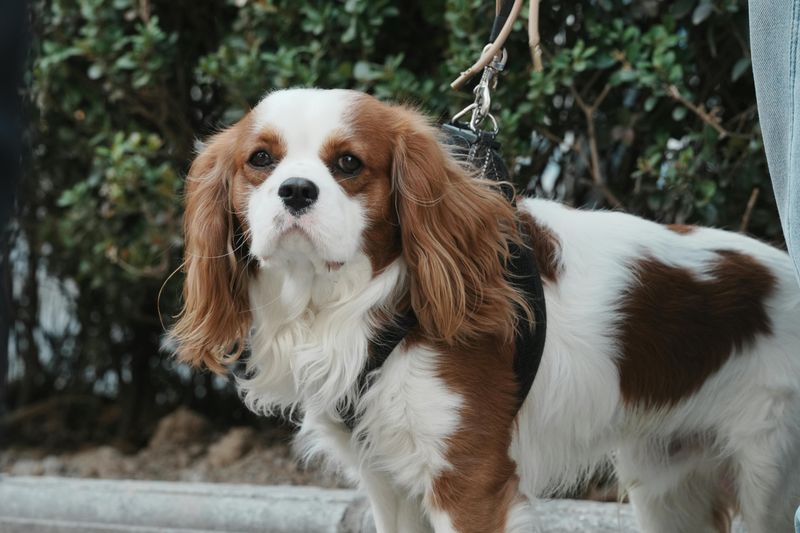
Cavaliers specialize in tender devotion, often glued to you from shower to sofa. Their soft temperaments make them quick to worry when you step away, and vocal protests can appear.
They want closeness, reassurance, and gentle structure.
Build resilience with low-stakes alone-time drills and scent-based enrichment. Encourage micro-independence by rewarding settles on nearby beds rather than laps.
Keep grooming and vet visits calm with cooperative care techniques so stress does not amplify clinginess.
Bichon Frise
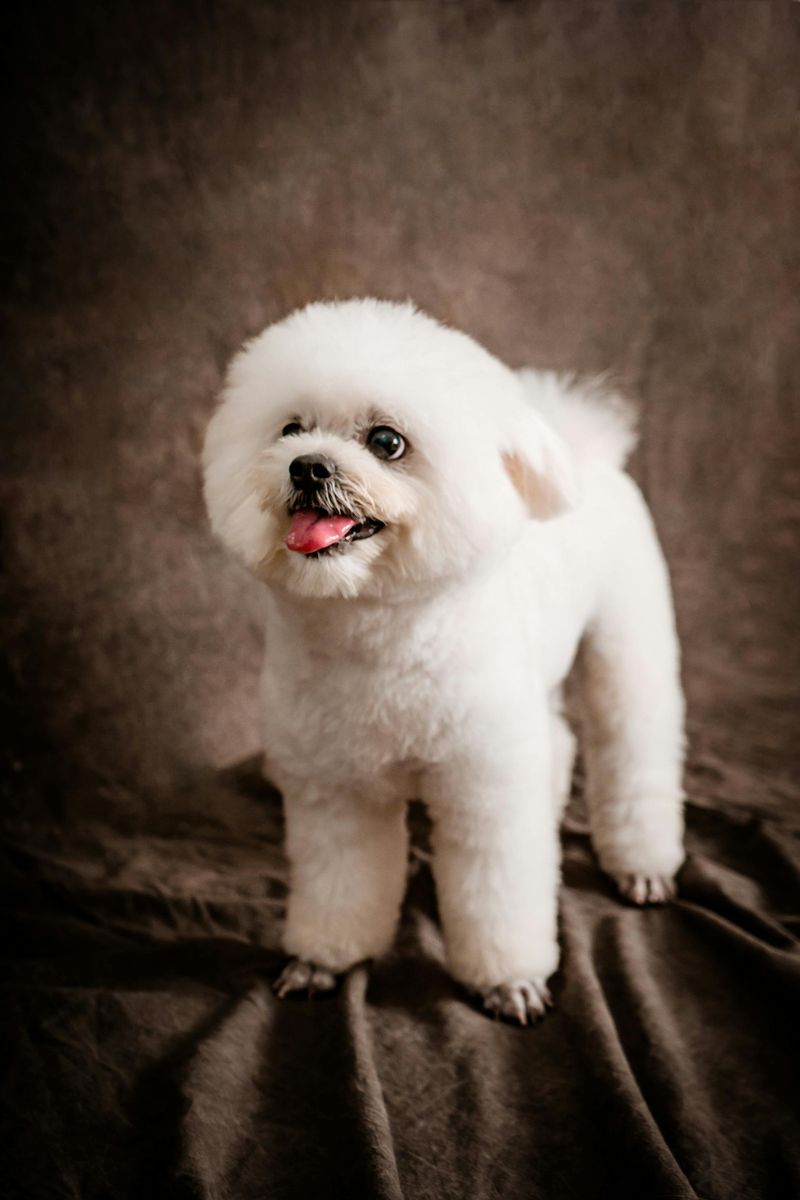
Bichons orbit their people with sparkly enthusiasm, following like drifting clouds. They adore routines, and small disruptions can trigger worried yips or pacing.
Without practice, alone time feels confusing and loud.
Use confidence games: nosework, foraging mats, and scatter feeding to shift focus. Introduce crate or pen time as a positive nap zone with gentle boundaries.
Reward quiet moments and teach settle on cue so they can nearby-nap without climbing you.
Havanese
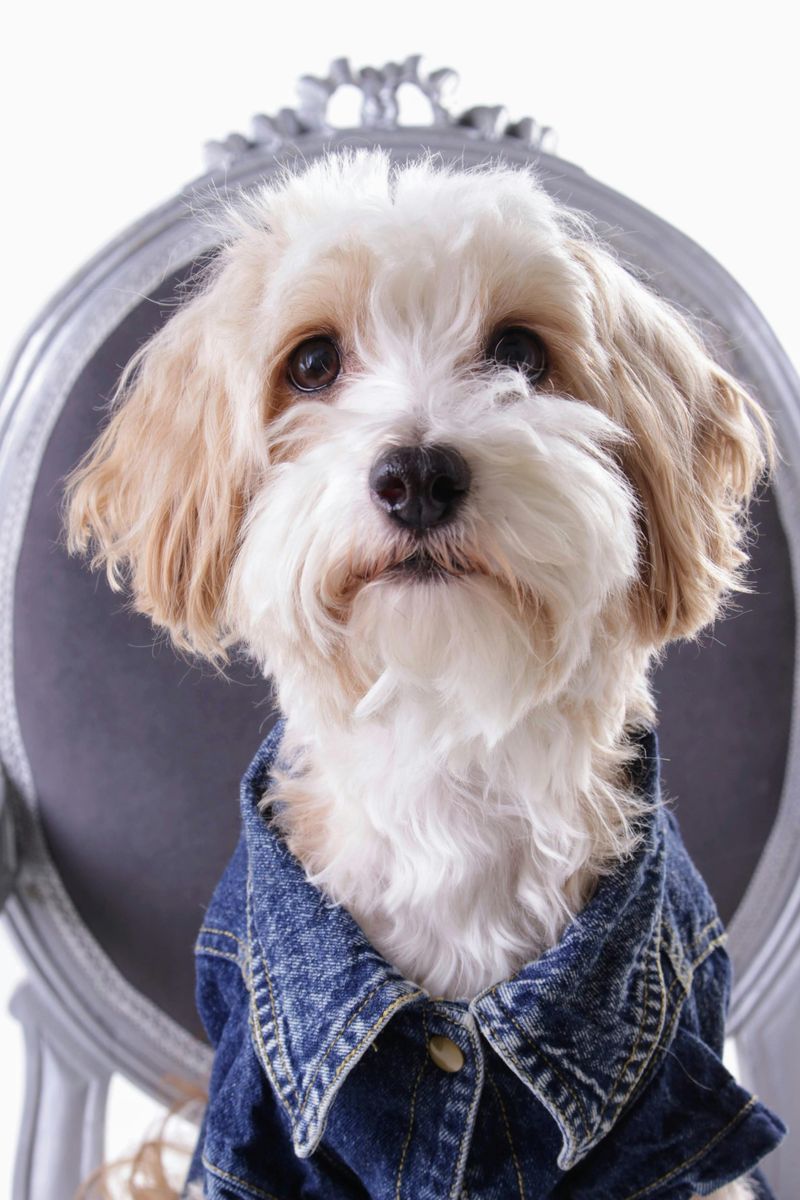
Havanese attach with playful sincerity, tailing you from desk to doorway. Their comic charm masks a tender core that can wobble when alone.
Barking and door-scratching often come from uncertainty, not mischief.
Blend mental games with predictable rest windows. Pair departures with special chews and predictable return rituals.
Teach a release word, then practice brief out-of-sight moments that grow longer while staying relaxed.
Italian Greyhound
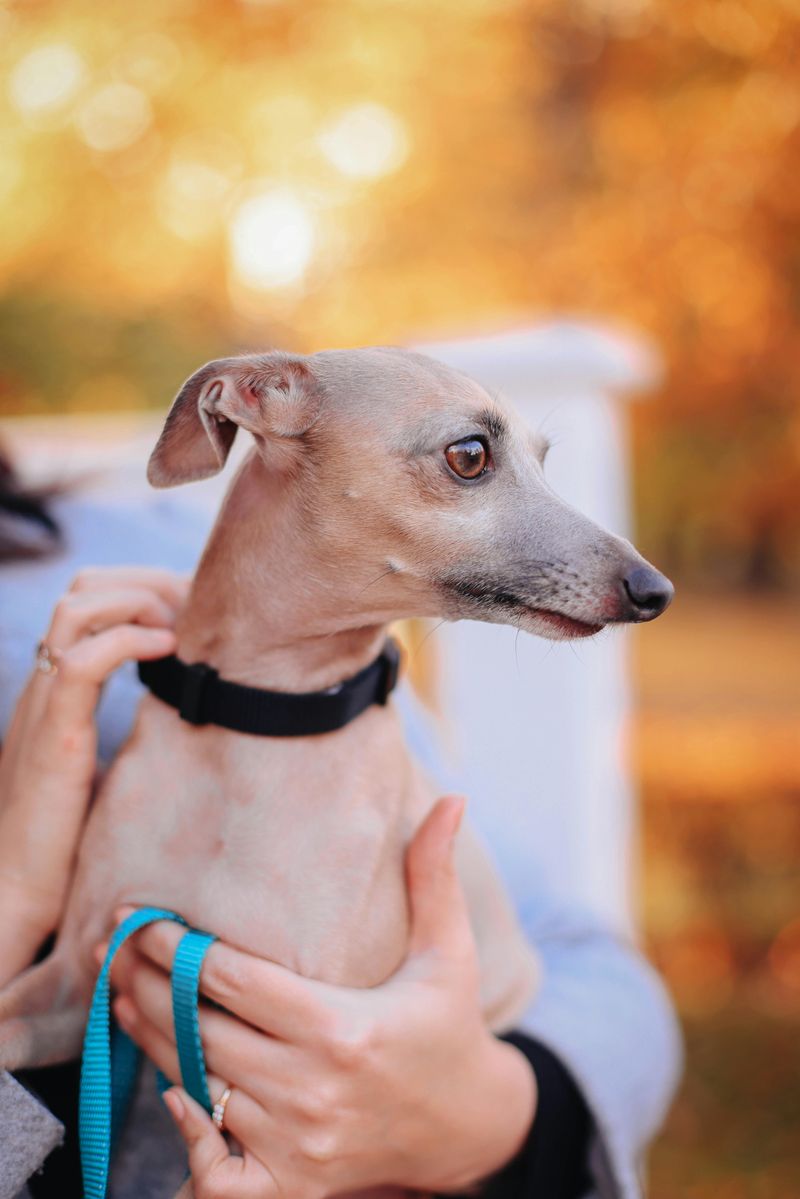
Italian Greyhounds are elegant little shadows with fragile feelings. They seek warmth, touch, and eye contact, and fret fast when those vanish.
Sudden sounds or empty rooms can flip them into trembly worry.
Keep them cozy with layers and stable routines. Short training bursts, sniffy strolls, and sunny naps build emotional bandwidth.
Practice calm departures with gentle background noise, and reward tiny increments of independence without pressure.
Poodle
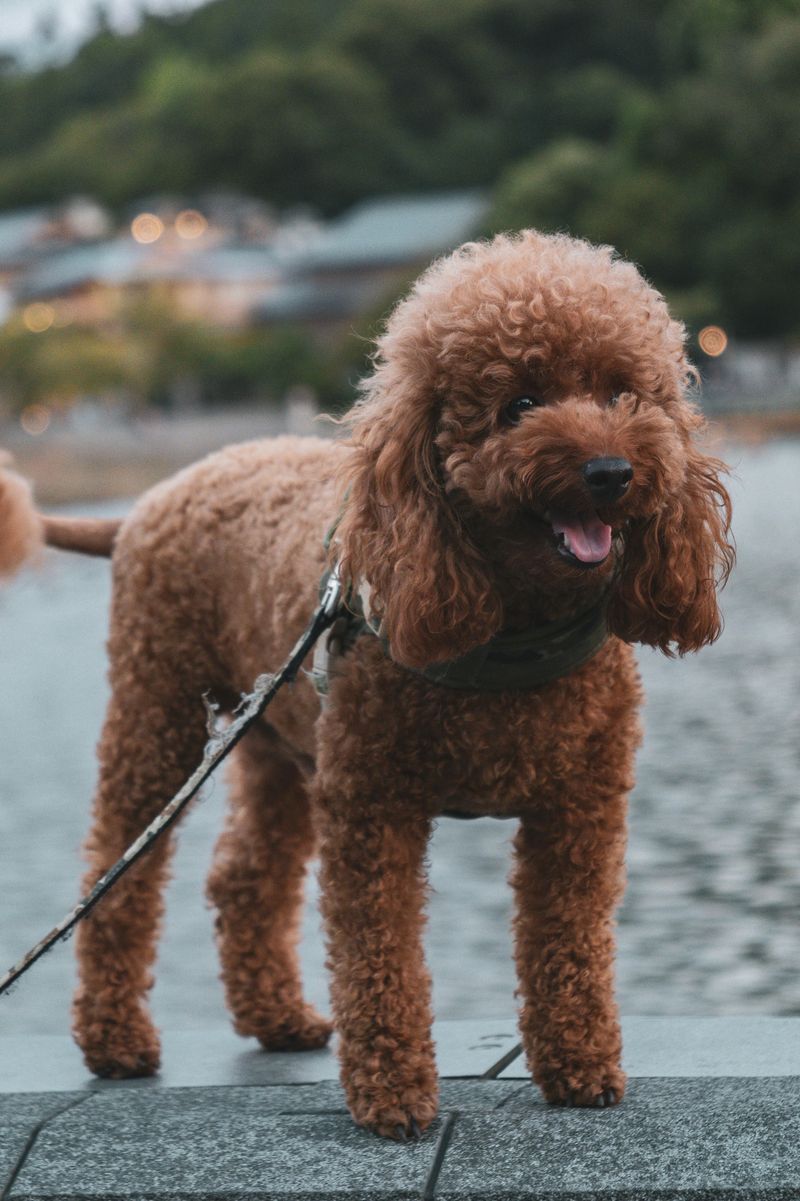
Poodles read you like a book, which is lovely until they begin proofreading every move. They shadow politely but can escalate to pacing and questioning when plans change.
Their keen minds require projects or anxiety grows roots.
Teach mat work, duration stays, and brain games to replace micromanaging. Rotate enrichment, then schedule decompression to prevent overstimulation.
Encourage thoughtful independence by reinforcing quiet, relaxed distances rather than clingy closeness.
Doberman Pinscher
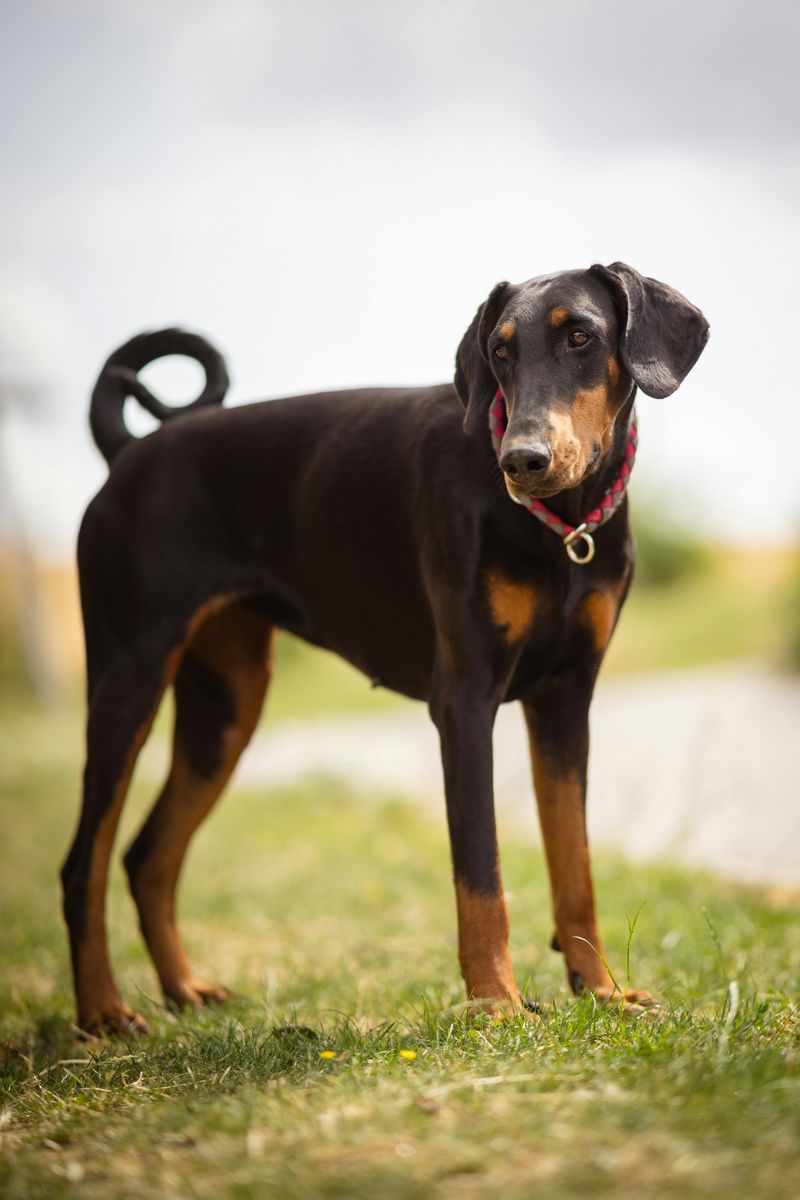
Dobermans love with conviction and prefer to keep you within sight. Their protective instincts can transform worry into door guarding and anxious patrols.
Without structure, that intensity snowballs into reactivity and frantic following.
Clarify expectations with crisp obedience, purposeful place work, and scent jobs. Build neutrality through calm exposures and predictable decompression walks.
Reward relaxed body language and distance settles so protection does not equal panic.