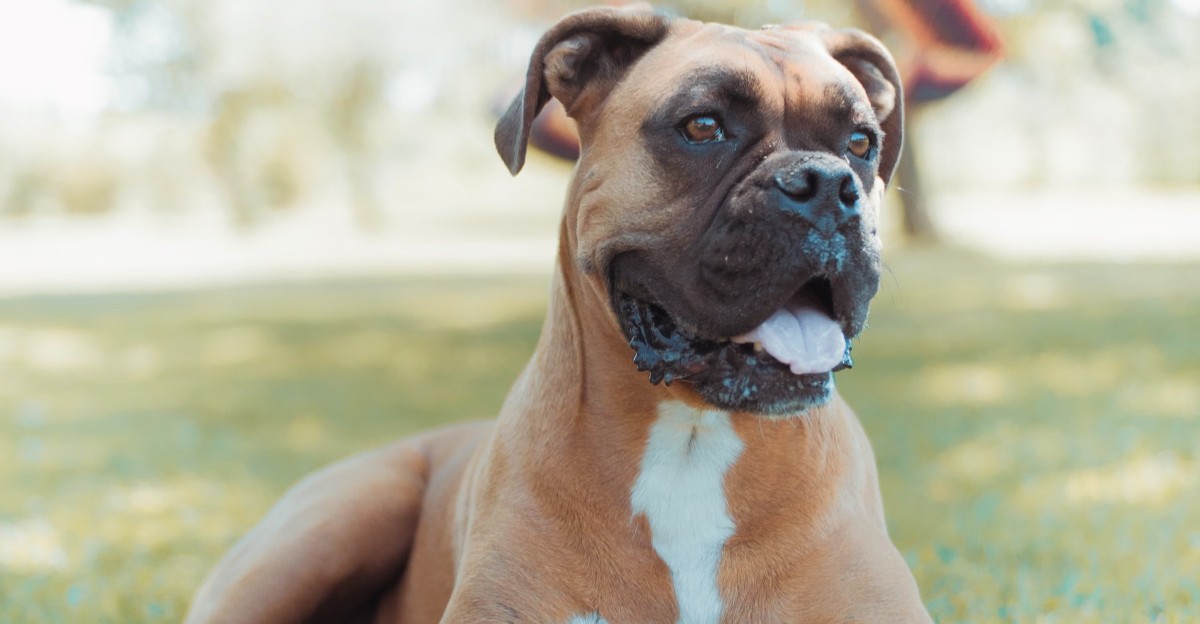
Grooming day can feel like a wrestling match if your dog hates the brush or the nail clippers. Some breeds tend to stay calmer and more cooperative, especially when they learn early that grooming is no big deal.
Picking a dog that handles care well can save you time, money, and stress. Every dog is an individual, but the breeds below often make brushing, bathing, and trimming much smoother.
Labrador Retriever
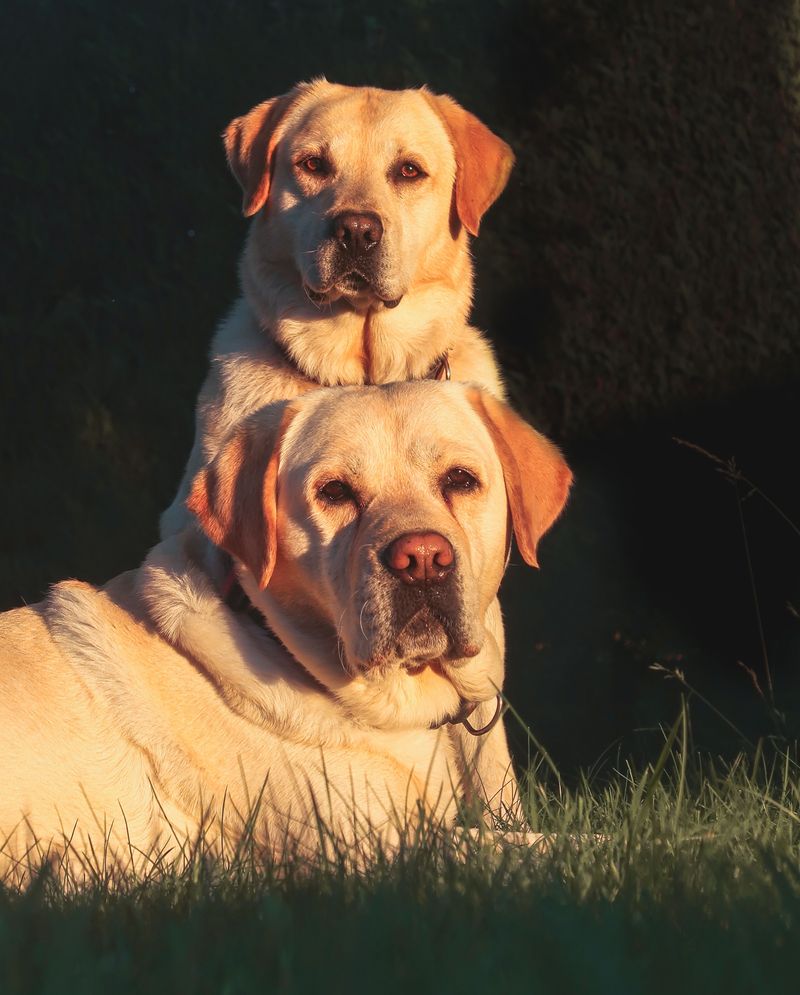
Hand a Lab a treat, and you have a friend for life. Their food-loving, people-pleasing attitude makes them quick learners when it comes to sitting still for a brush.
Their short, dense coat sheds a lot, so weekly brushing is a must. A rubber curry brush works wonders during spring and fall shedding seasons.
Fun fact: Labs actually came from Newfoundland, Canada, not Labrador. Practice paw handling early to make nail trims easy.
Golden Retriever
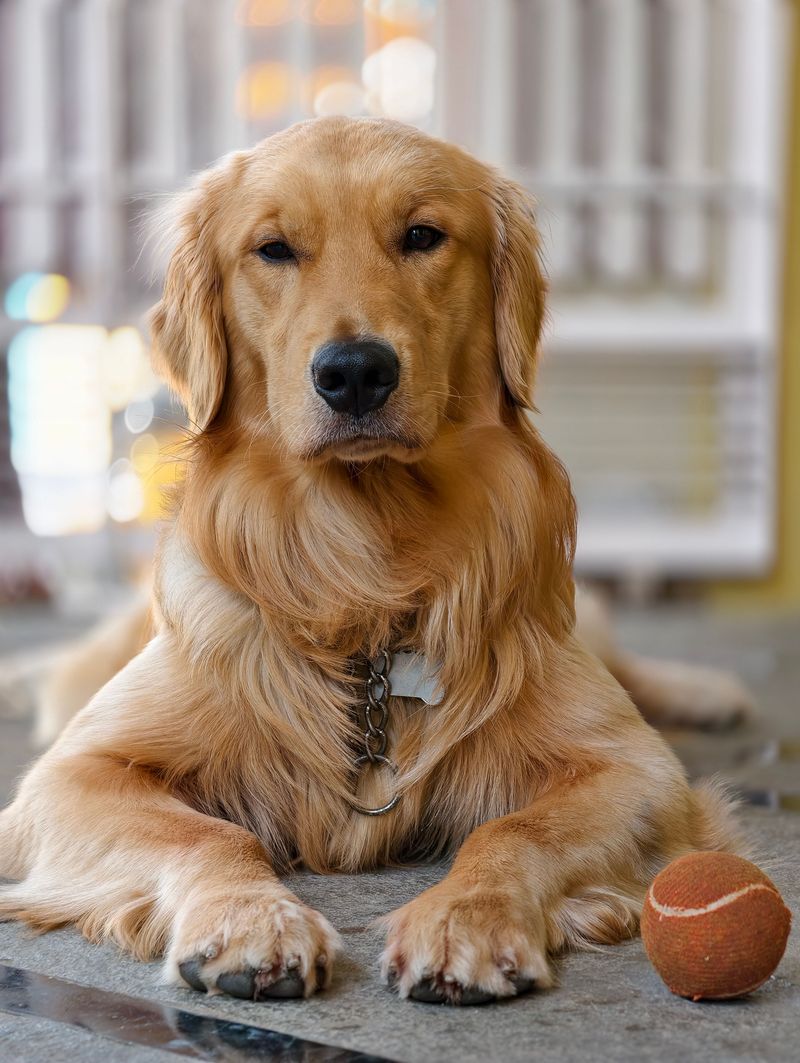
Picture a big, fluffy dog sighing happily as you comb its ears. That scene is pretty normal for Goldens, who often treat grooming like a spa visit.
Their long, feathered coat needs brushing a few times a week to stop tangles behind the ears and on the legs. Bathing every month or two keeps them fresh.
Short, fun sessions with lots of praise help them stay patient. Most Goldens soak up the attention.
Beagle
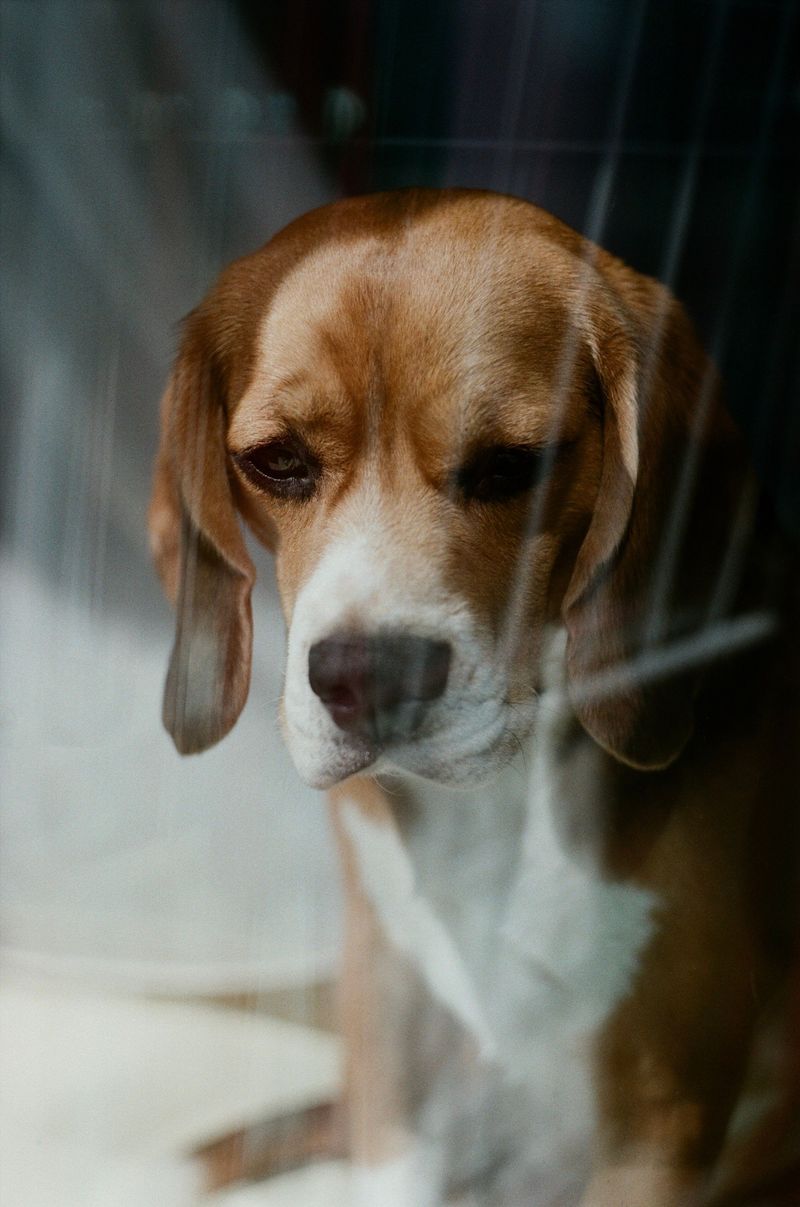
Did you know Beagles have about 220 million scent receptors? That super nose can actually help you during grooming, because a smelly treat holds their focus.
Their short coat is simple to care for with a quick weekly wipe or brush. Floppy ears need extra attention, though, since they can trap dirt and moisture.
Clean those ears weekly and reward every calm moment. A peanut butter lick mat can work like magic.
Cavalier King Charles Spaniel
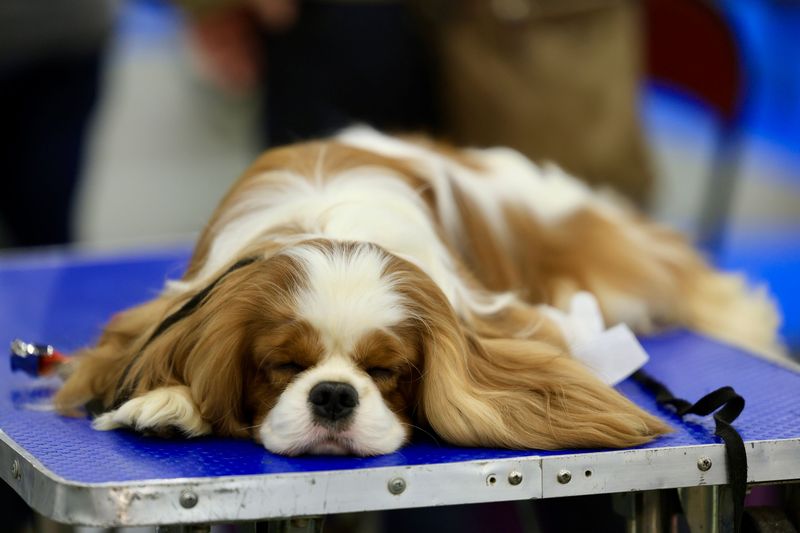
Royalty once kept these little spaniels as lap warmers, and they still love being pampered. Sitting on your lap for a brush feels totally natural to them.
Their silky coat and feathered ears do tangle, so brush a few times each week. Trim the fur between their paw pads to prevent slipping.
Because they crave closeness, Cavaliers often relax quickly. Keep sessions gentle and cozy, and they may even doze off.
Boxer
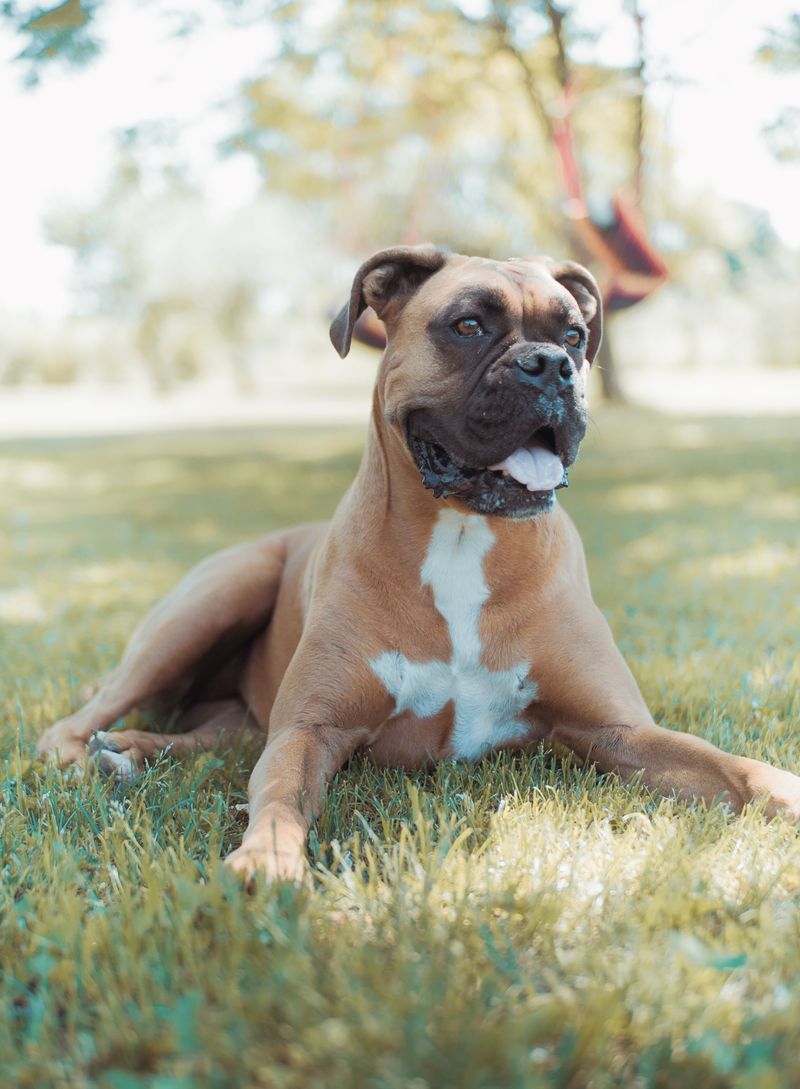
Goofy, bouncy, and full of wiggles, Boxers might not seem calm at first. Yet their tight, shiny coat is one of the easiest to maintain.
A grooming glove used once a week removes loose hair and feels like a massage. Many Boxers start leaning into it for more!
The tricky part is nails, which grow fast. Tire them out with a game of fetch first, then trim while they feel sleepy and content.
Poodle
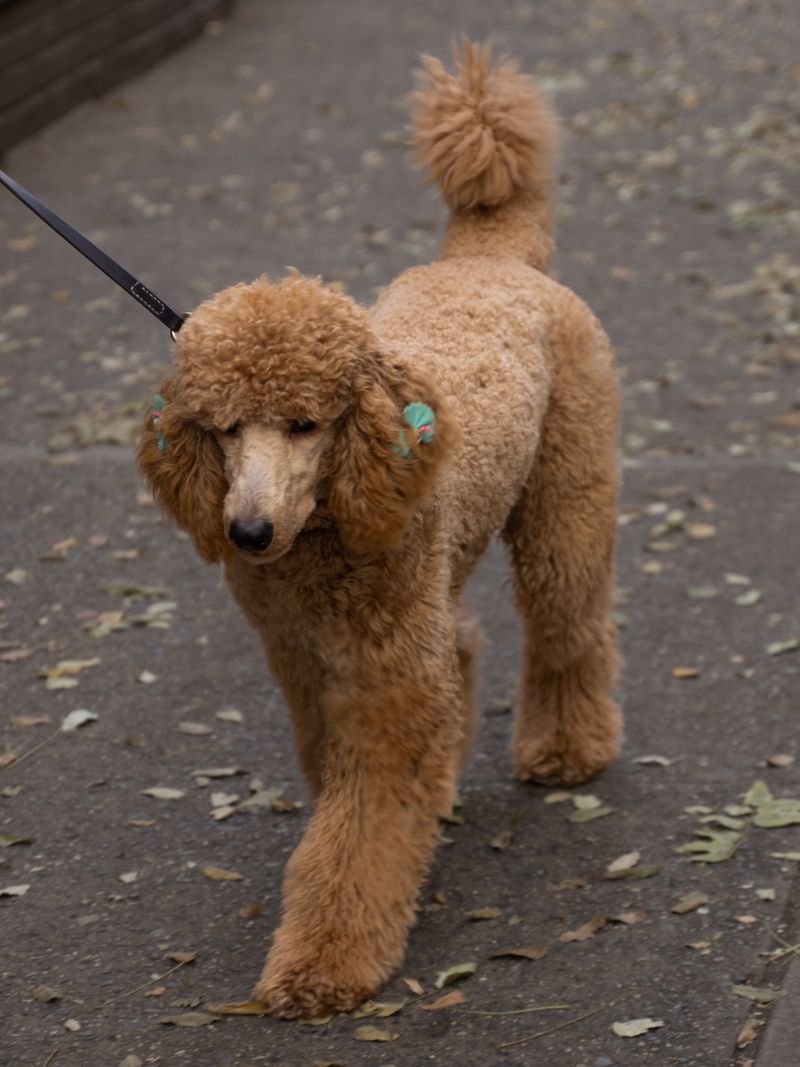
Smart as a whip, Poodles can learn grooming routines faster than many breeds. That brainpower matters, because their curly coat needs regular professional clips.
Plan on a trim every four to six weeks, plus brushing at home to stop mats. The good news?
Poodles barely shed.
Start salon visits when they are puppies so the buzz of clippers feels normal. Teaching a solid stand-stay makes groomers very happy.
Bichon Frise
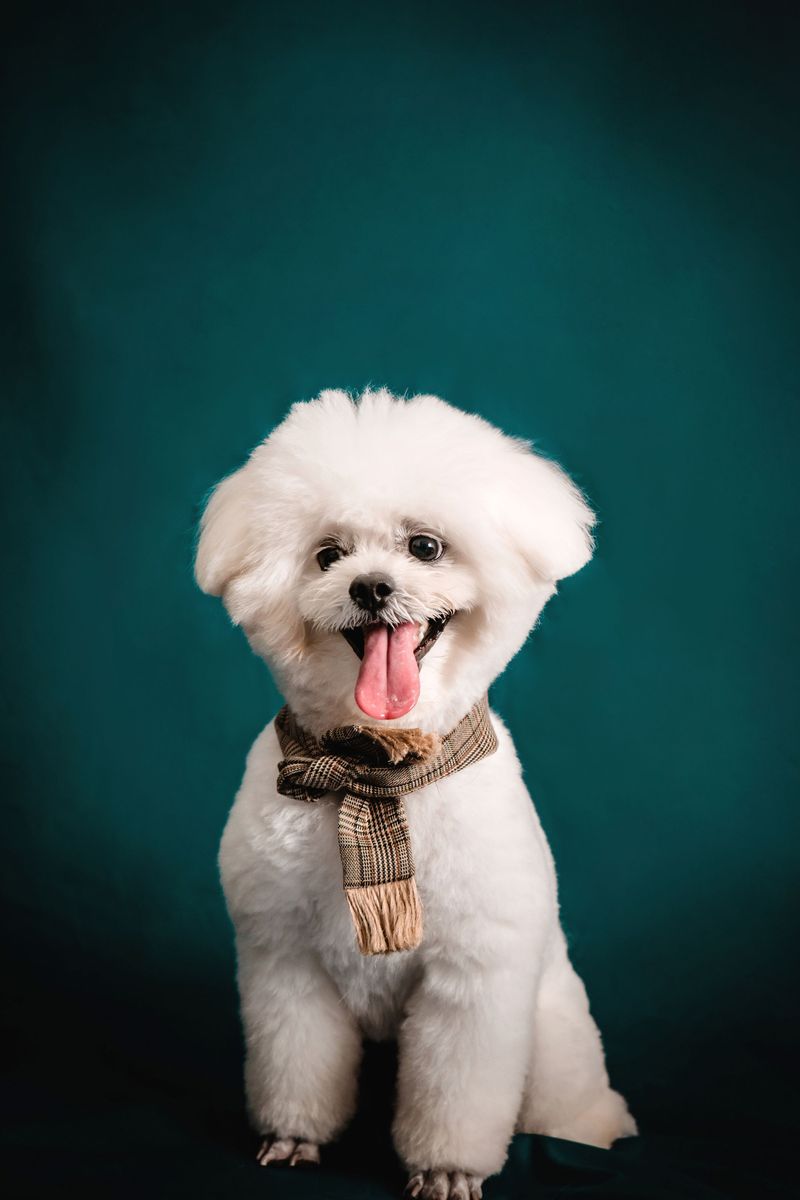
Ever seen a cotton ball with legs? That is basically a Bichon, and these cheerful pups usually enjoy all the fuss of grooming.
Their puffy white coat mats easily, so daily brushing is best. Monthly trims keep that famous rounded look tidy and clean.
Wipe around their eyes often to reduce tear stains. Bichons once performed in circuses, so they naturally love an audience and tend to stand nicely for blow-drying.
Shih Tzu
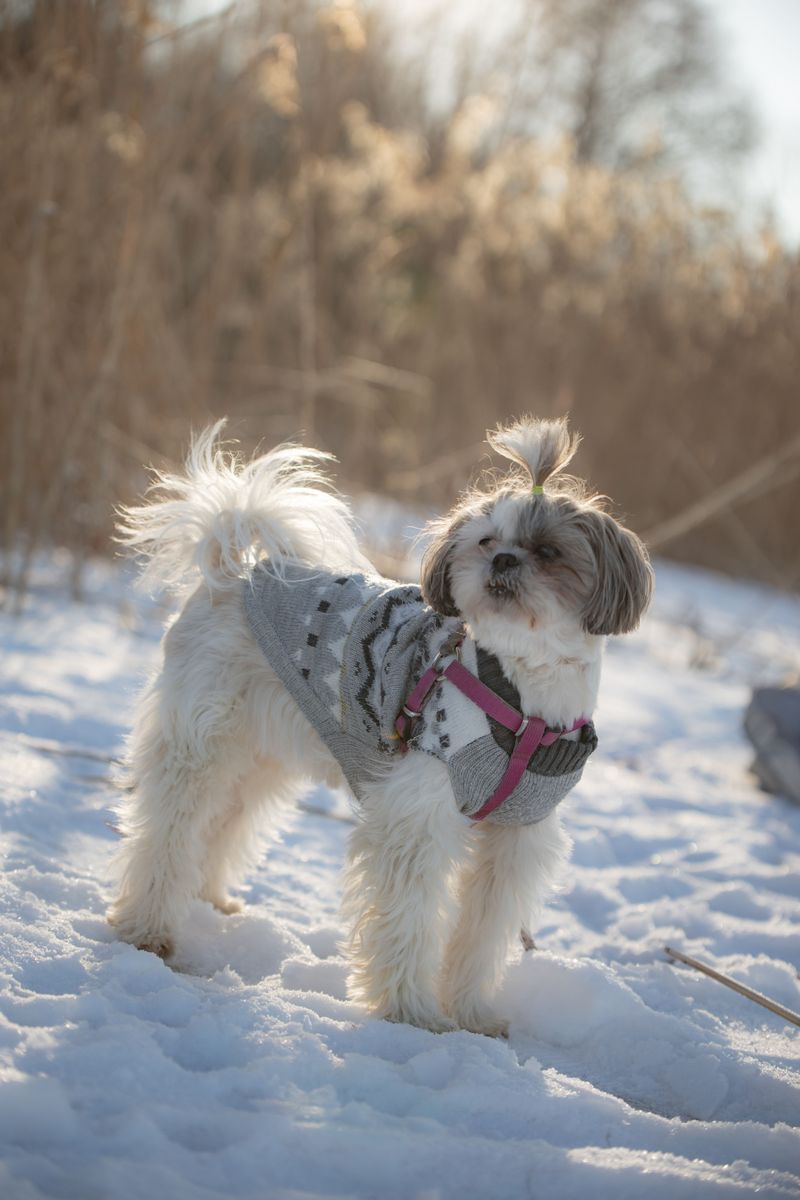
Bred to be companions for Chinese royalty, Shih Tzus are used to being fussed over. Many sit politely as you comb their flowing coat.
Long hair needs daily brushing, but a short puppy cut makes life much easier. Ask your groomer about it for less work at home.
Their faces need extra care. Keep hair out of their eyes with trims or a cute top knot, and gently wipe their face daily.
Greyhound
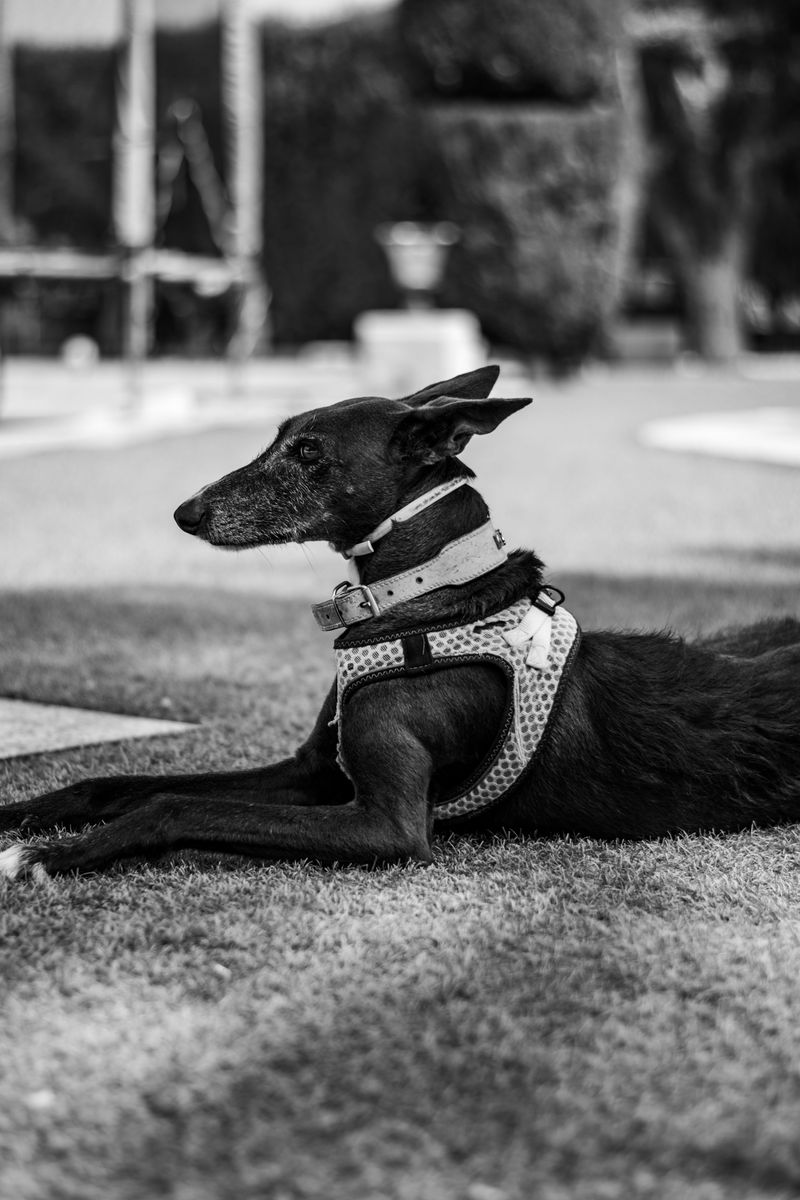
Surprise! The fastest dog breed is also one of the biggest couch potatoes.
Retired racing Greyhounds often lie flat and let you groom them in peace.
Their thin, short coat needs only a soft brush once a week. They have very little doggy odor, so baths are rare.
Thin skin means you should be gentle. Nails and teeth need regular care, and Greyhounds usually accept it calmly with patient practice.
Bernese Mountain Dog
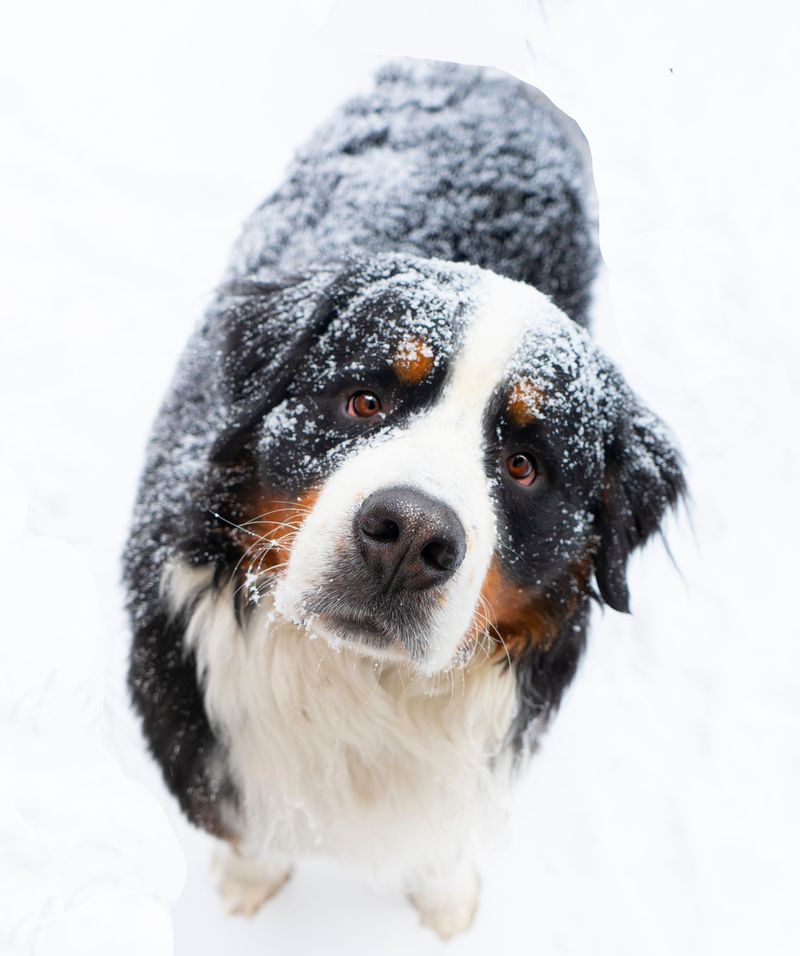
Farmers in the Swiss Alps once trusted these gentle giants to pull carts of milk and cheese. That steady, hardworking mindset carries over to grooming time.
Their thick double coat sheds plenty, so brush two or three times weekly with an undercoat rake. Expect a fluff storm in spring.
Size is the main challenge. Teach a reliable lie-down early, because grooming a 100-pound dog is much easier when it chooses to cooperate.
French Bulldog
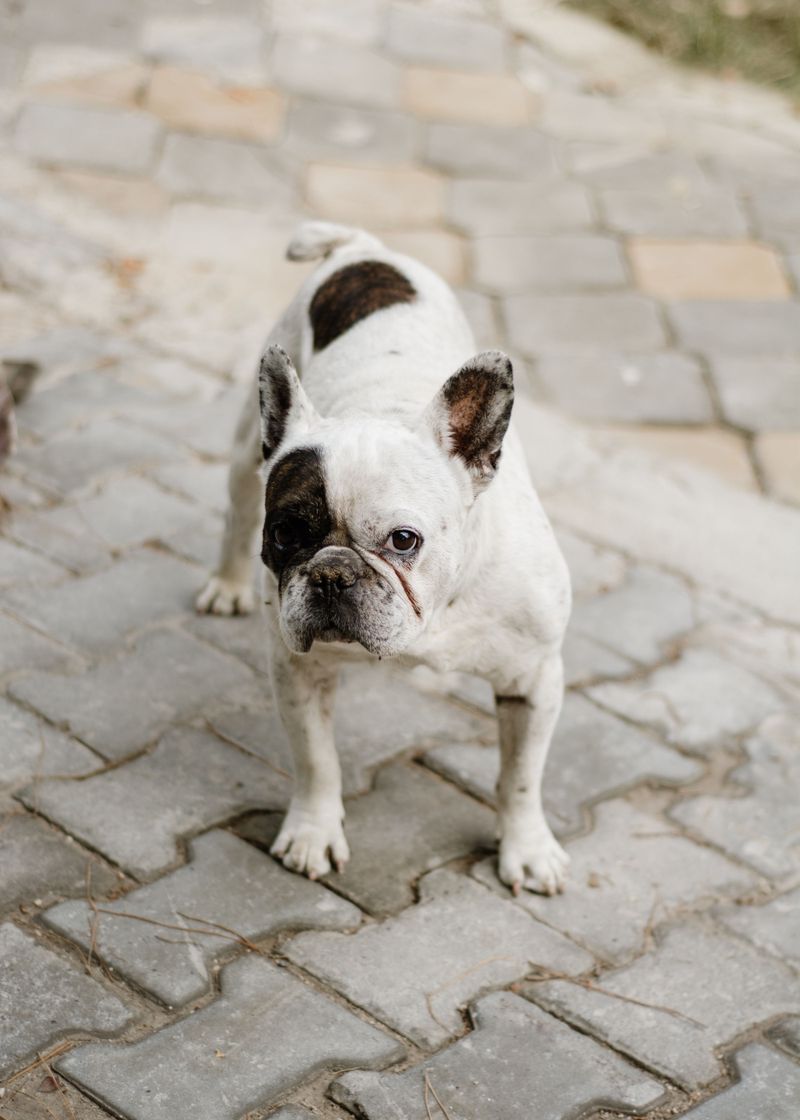
With bat ears and a squishy face, Frenchies win hearts fast. Their low energy indoors means they often stay put during short grooming sessions.
A quick weekly brush handles their smooth coat. The real job is cleaning facial folds, which can trap moisture and cause irritation.
Use a soft cloth and dry each wrinkle well. Keep baths short and the room warm, since these pups dislike getting chilly.
Papillon
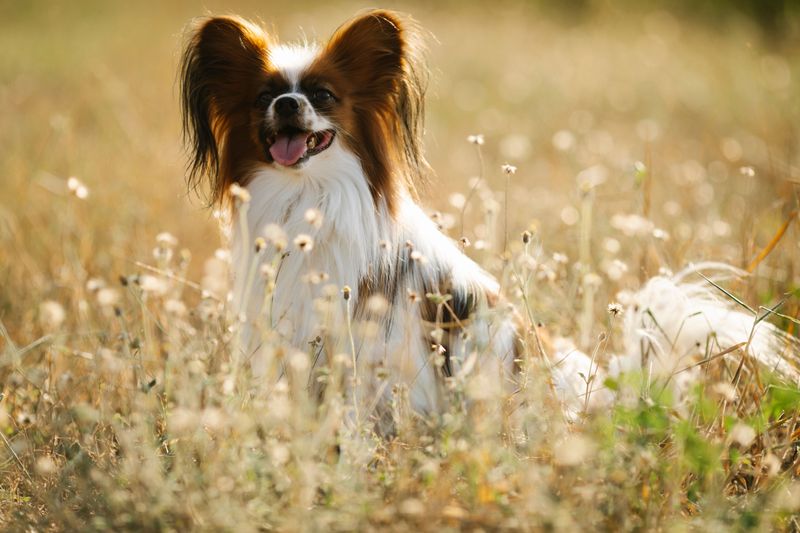
Named after the French word for butterfly, Papillons flaunt big fringed ears that look like wings. Behind that pretty face is a quick, eager learner.
Surprisingly, their silky coat has no undercoat, so it rarely mats. A brushing once or twice a week usually does the trick.
Papillons enjoy training games, so turn grooming into one. Reward them for offering a paw, and nail trims become a fun little trick.