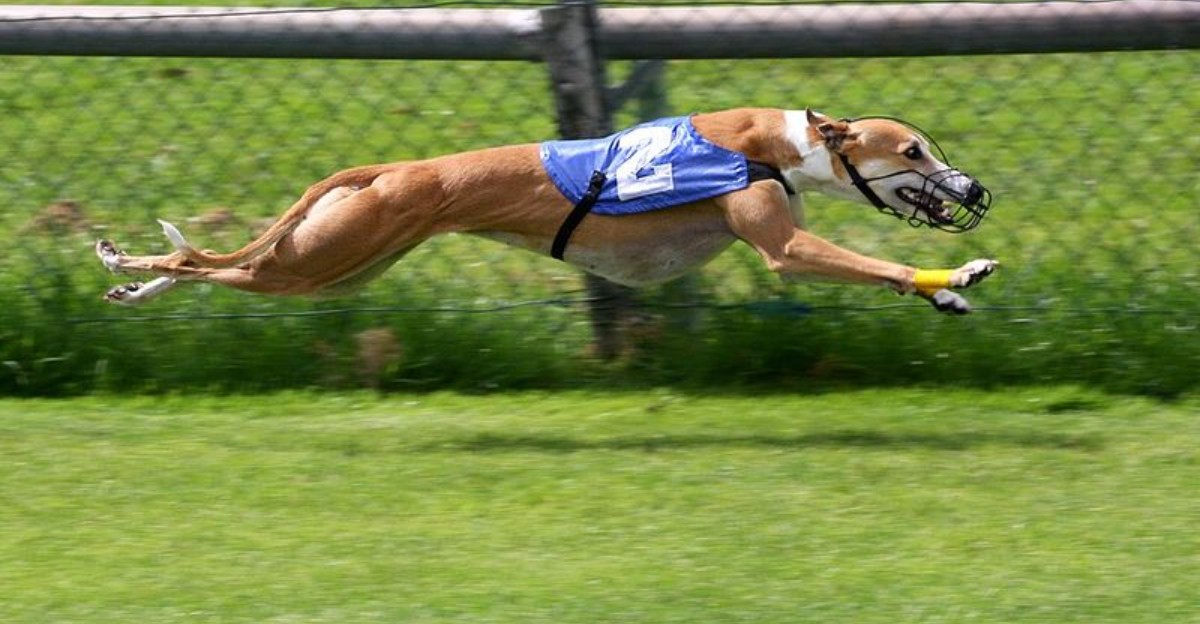
Some dogs are friendly right away, while others take a little time. That space does not mean they are unfriendly.
Many reserved breeds watch first, then share deep loyalty once they trust you. Learning how to connect with them can create a strong, lifelong bond.
Shiba Inu
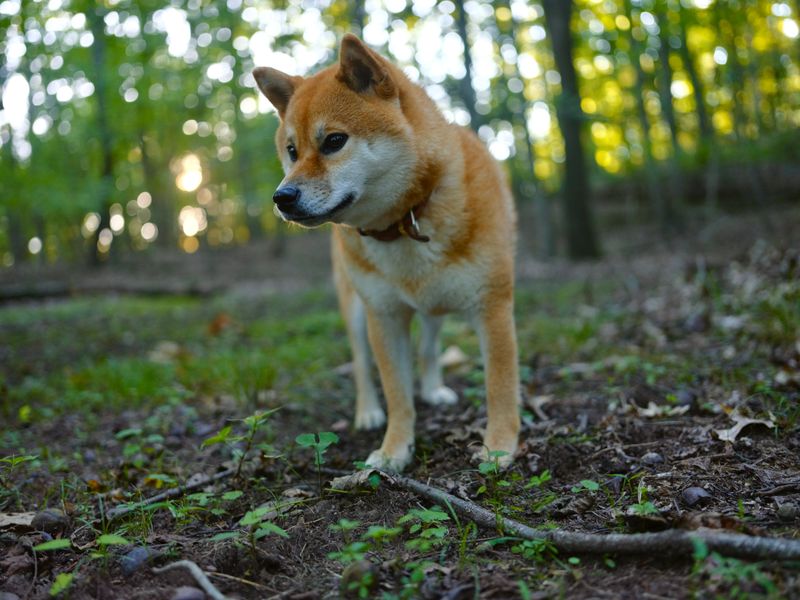
Fox-like looks catch your eye, but patience wins the heart. A Shiba often studies new people from a distance, deciding if they are worth attention.
Calm routines, slow greetings, and high-value treats help melt the cool front.
Once trust forms, many Shibas shadow their person at home, quietly loyal. Use short training sessions with clear cues.
Respect their need for space around other dogs. Daily sniff walks add mental fun and build connection.
Basenji
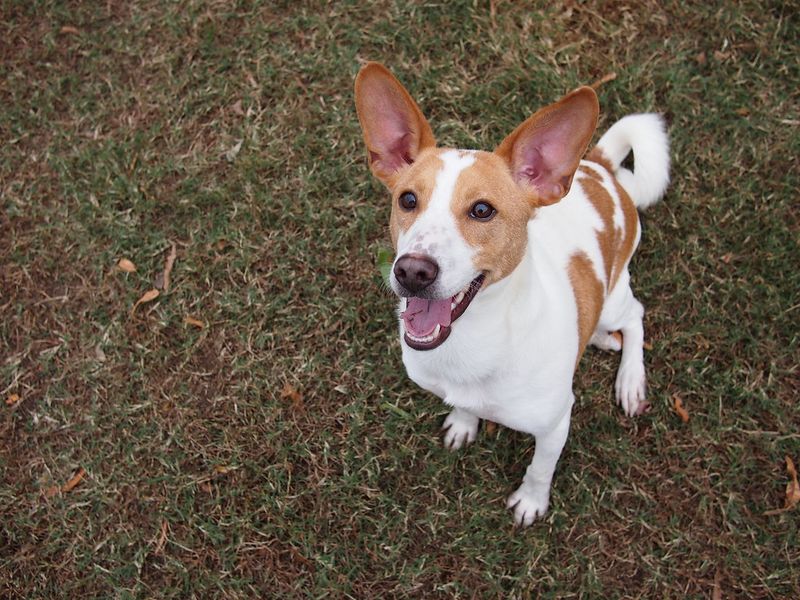
Nicknamed the barkless dog, the Basenji prefers to observe first. New faces may earn only a polite glance.
Gentle play, food puzzles, and quiet time nearby help them relax around you.
History as a hunting partner shaped an independent mind. Lean into that by teaching choices, like offering two toys.
Keep training upbeat and brief to prevent boredom. Over time, many Basenjis show sweet closeness, curling beside you after a good adventure walk.
Chow Chow
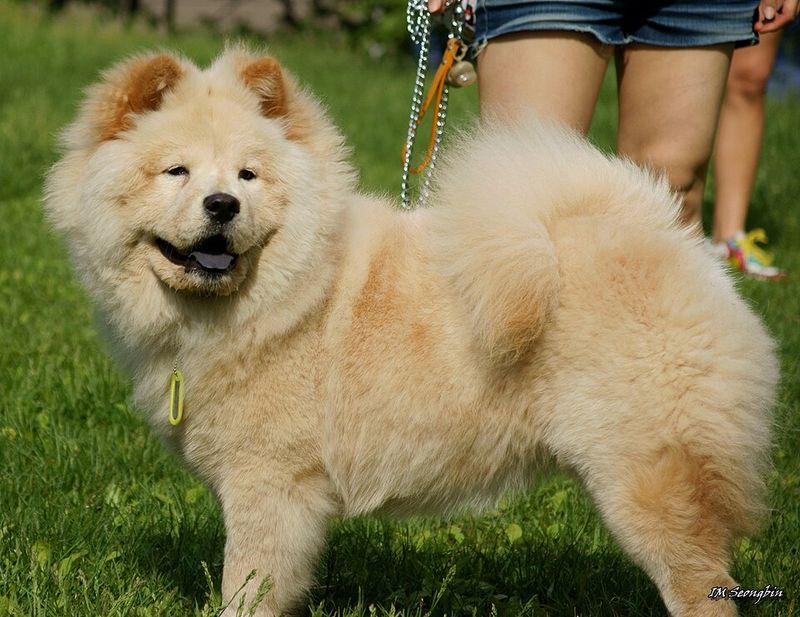
Dignity comes first with a Chow. Strangers might get a calm stare instead of a wag.
Move slowly, avoid looming overhead, and let the dog choose contact. Reward sniffing your hand, then step away to reduce pressure.
Family members often discover a quiet, faithful friend who follows room to room. Daily brushing becomes bonding time.
Teach visitors to ignore the dog until curiosity sparks. Clear boundaries and consistent handling make this bear-like guardian feel safe.
Afghan Hound
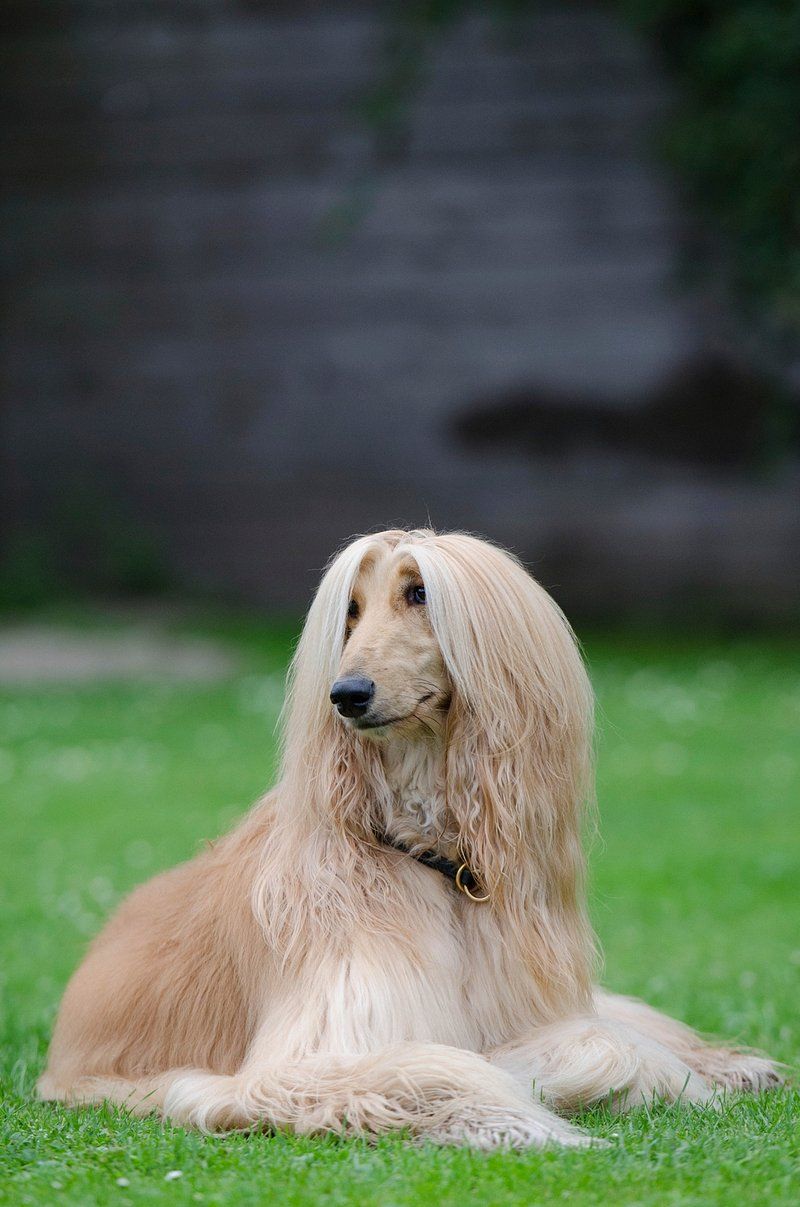
Silk and speed define the Afghan, but warmth takes patience. Many will watch from across the room before deciding to say hello.
A gentle voice, slow blinks, and kneeling sideways signal safety.
Sighthound instincts crave movement games. Try flirting pole play or long-line trots to connect.
Keep training soft and simple, since harsh cues shut them down. When they bond, expect quiet devotion and a head resting on your knee after a breeze-filled sprint.
Akita
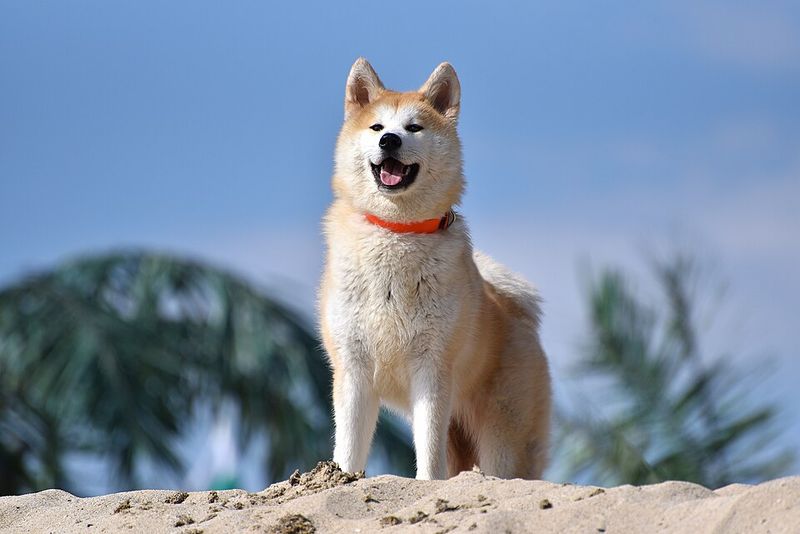
Strength and calm make the Akita a steady presence. Early on, they may keep a cool distance, sizing up the room.
Respectful handling and structured routines build trust far better than pushy affection.
Short obedience sessions sharpen communication and earn respect. Teach visitors to ignore, then reward calm curiosity.
Daily jobs like carrying a pack on walks give purpose. With time, many Akitas become deeply attached, choosing to lie nearby as your quiet guardian.
Shar-Pei
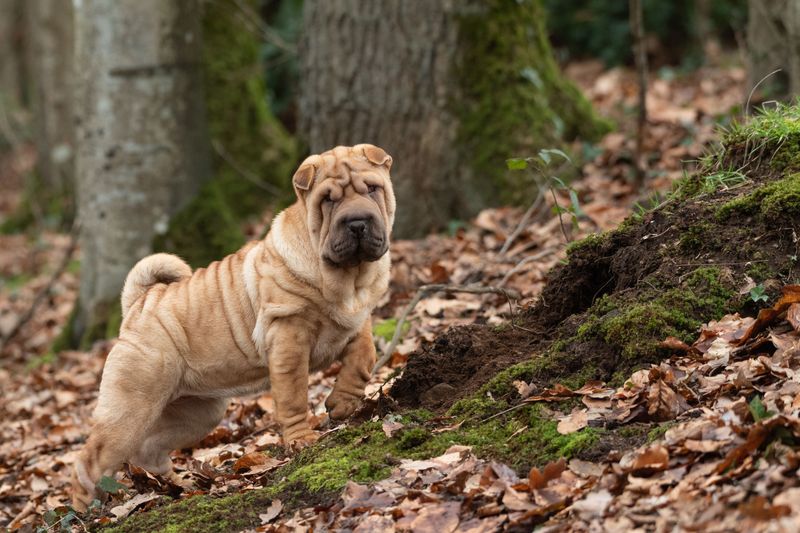
Those famous wrinkles hide a thoughtful mind. Many Shar-Pei dogs prefer a slow start with new people.
Offer side pets instead of head pats, and keep greetings brief to reduce worry.
Confidence grows with predictable schedules and clear house rules. Food puzzles and nose work help channel their sharp thinking.
Socialize early at a comfortable pace. Once bonded, they often follow family from room to room, showing affection with calm closeness rather than wild excitement.
Greyhound

Retired racers often act shy in new homes. Household sounds can seem strange at first.
Keep things peaceful, offer a cozy bed, and let the dog approach you. Soft praise and treats help brave steps.
Walks at a gentle pace become trust builders. Many Greyhounds adore couch time once they settle, leaning their long bodies into you.
Avoid busy dog parks early on. Confidence blooms with routine, turning distance into gentle companionship.
Saluki
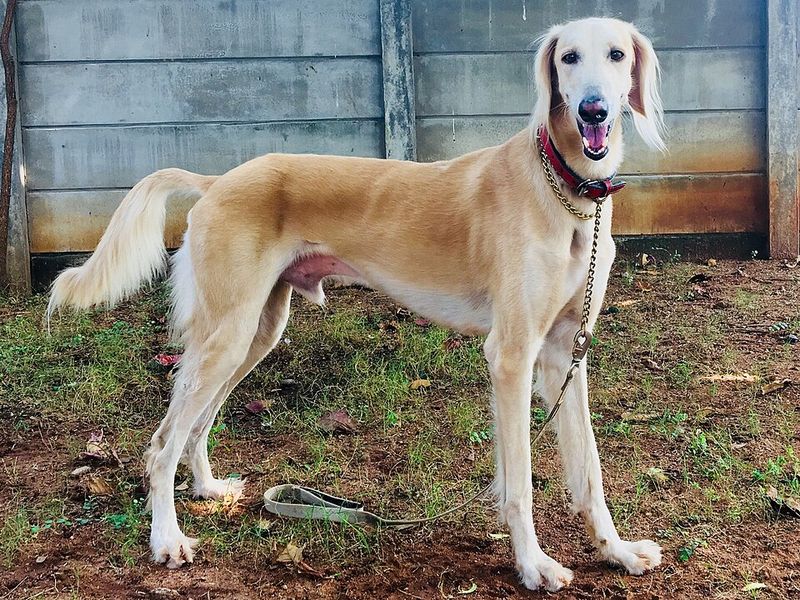
Graceful and careful, the Saluki reads a room before engaging. Sudden grabs or loud voices can push them away.
Choose calm games and quiet spaces, pairing your presence with comfort and snacks.
History as a desert hunter makes them independent, not cold. Long, smooth walks and recall practice on a line build teamwork.
Over weeks, many Salukis seek soft cuddles, settling near your feet, sharing a delicate but very real loyalty.
Tibetan Mastiff
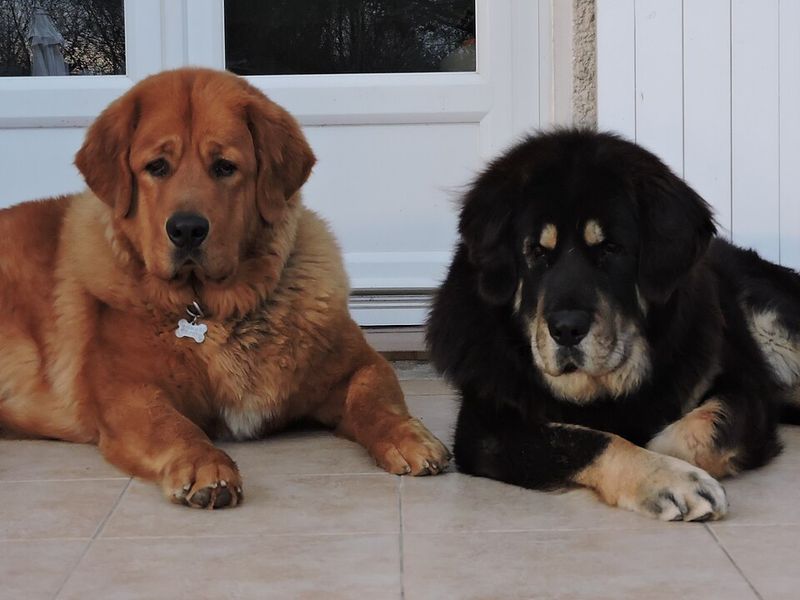
Bred to guard, the Tibetan Mastiff evaluates newcomers carefully. They might prefer distance until they believe you belong.
Keep greetings low-key, avoid crowding, and reward relaxed behavior near you.
Clear boundaries and patient leadership create security. Give mental work like place training and scent games to channel their protective brain.
When trust grows, they become steady, affectionate housemates, choosing quiet closeness during calm family time at night.
Norwegian Elkhound
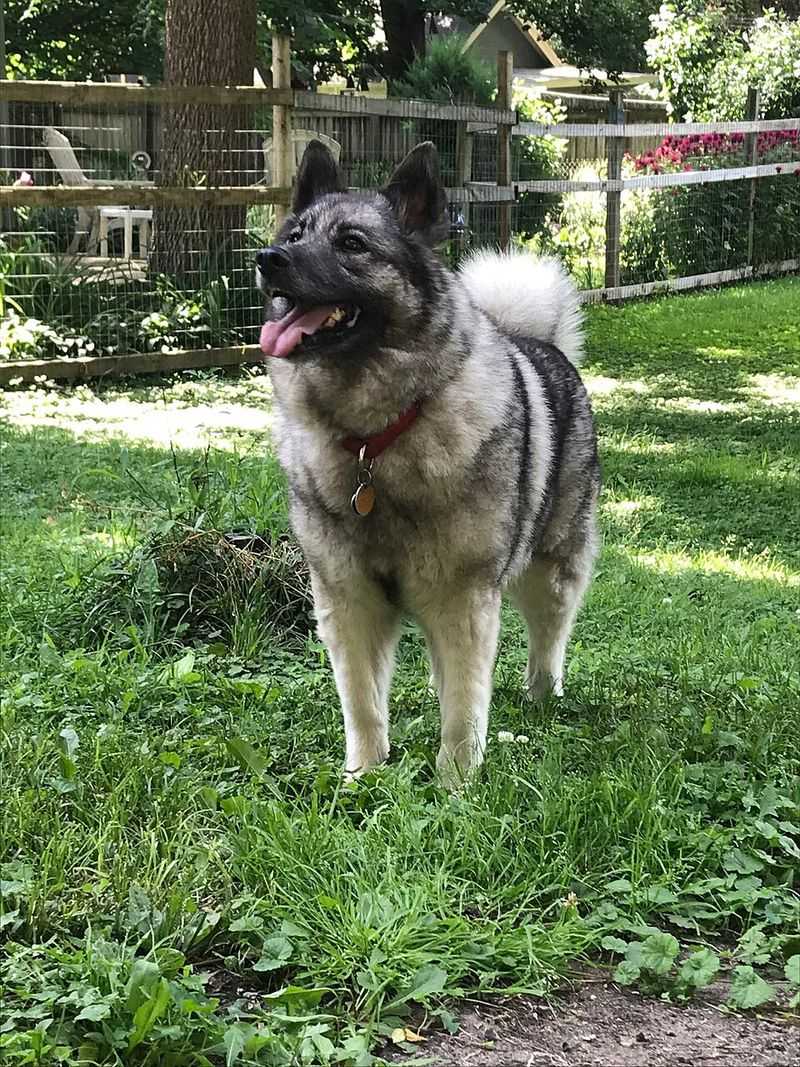
Born for rugged work, the Elkhound often greets life with measured confidence. They may hold back with strangers, watching before engaging.
Hikes on soft trails and scent games help them relax and connect.
Teach easy cues like touch and come to build teamwork. Rotate toys to keep curiosity high.
With steady routines, many Elkhounds become upbeat, chatty companions who check in often and relax near your chair after a good trek.
Kishu Ken
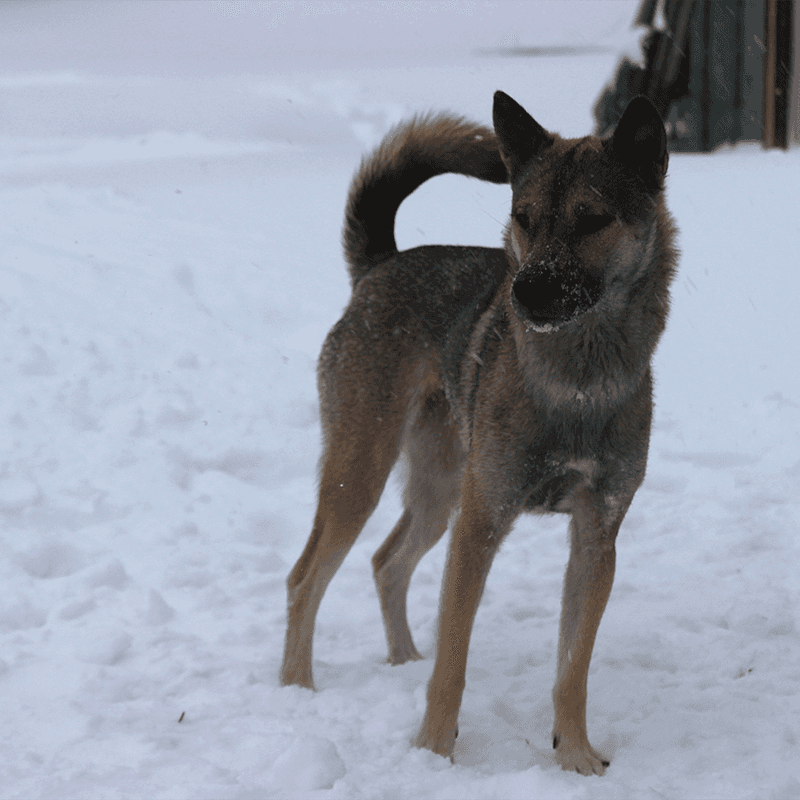
A quiet thinker, the Kishu Ken often bonds deeply with one or two people. New folks may get polite distance.
Offer slow introductions, tasty rewards, and parallel walks to reduce pressure.
Hunting heritage means strong focus, so channel it with tracking games and recall practice. Keep training calm and clear.
Over time, many Kishus choose to rest beside their person, showing loyalty in small ways, like gentle eye contact and steady following.
Shikoku
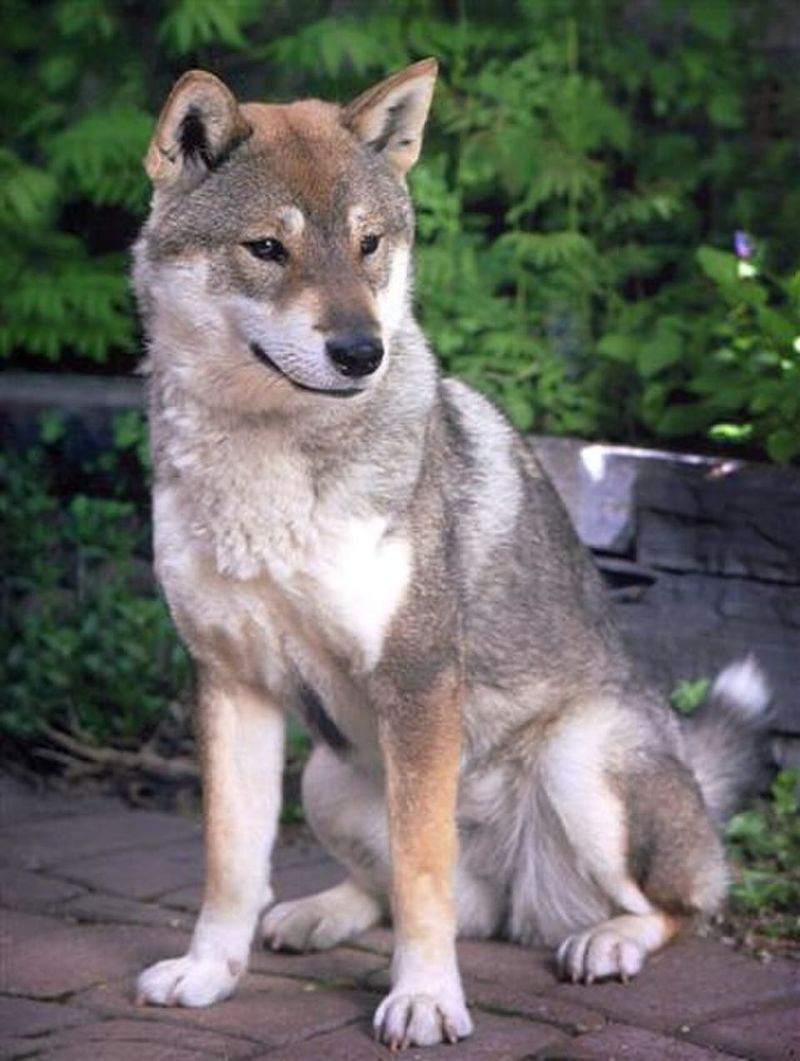
Adventure-ready yet selective, the Shikoku often keeps emotions tucked in around strangers. Pressure pushes them away, but choice draws them closer.
Offer sniffy walks, calm praise, and time to decide.
Smart and agile, they enjoy problem-solving. Try platform games, balance exercises, and trail hikes to strengthen teamwork.
Consistency matters more than intensity. With trust, the Shikoku shows lively affection, greeting you with bright eyes and ready energy.