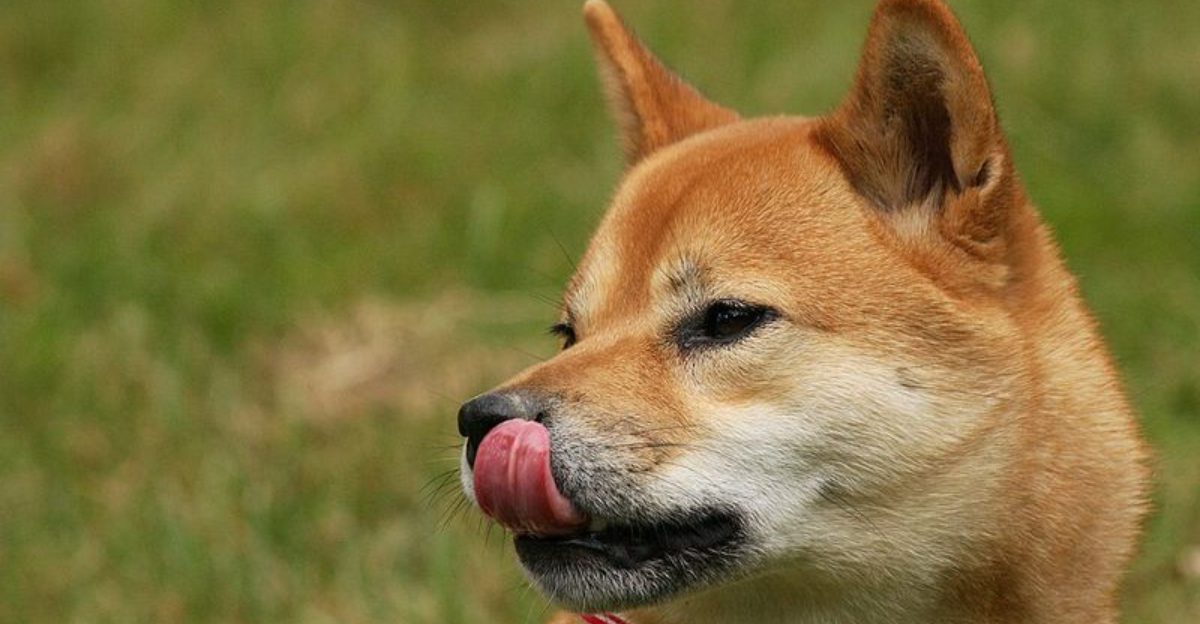
Some dog breeds require more meticulous feeding routines due to unique dietary needs. Managing meals with precision is essential for these twelve breeds to maintain their health and vitality.
Greyhound

Elegant and athletic, the Greyhound’s metabolism is as fast as its sprint. These dogs need a well-balanced diet, rich in proteins and fats, to sustain their energy.
Despite their lean appearance, Greyhounds can be prone to weight gain if overfed. Monitoring portions is crucial.
Adjusting meals based on activity levels helps maintain their sleek physique. Greyhounds thrive on a diet that matches their active lifestyle.
Whippet

Charming and swift, Whippets are known for their playful nature. However, they require careful feeding routines to avoid obesity.
Their sensitive stomachs benefit from a diet of high-quality, easily digestible food. Whippets often need smaller, more frequent meals.
The right diet helps maintain their agility and keeps them healthy. Their feeding routine must reflect their energy needs and sensitive digestion.
Saluki
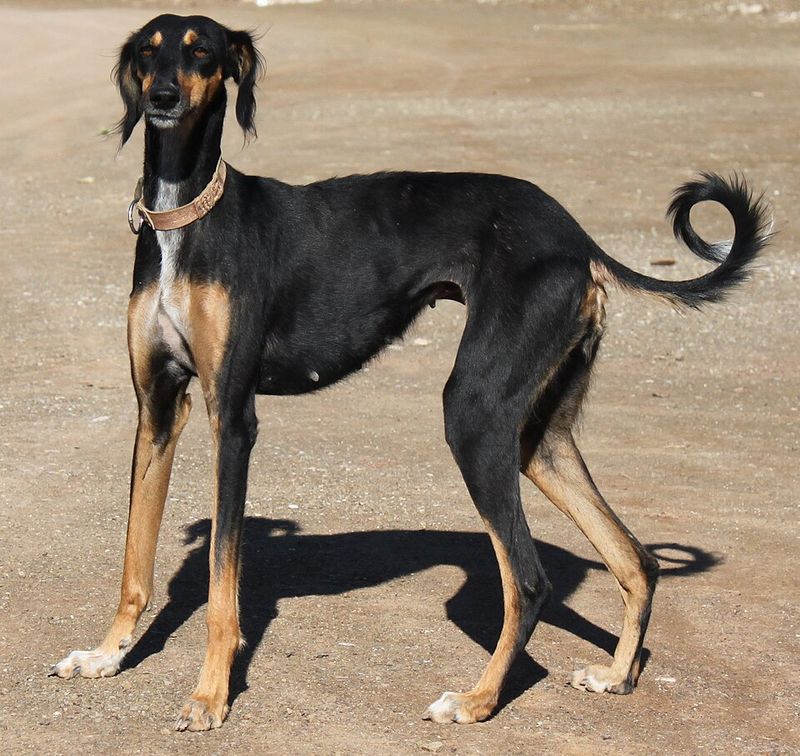
Known for their grace and speed, Salukis are ancient hunters with specific nutritional needs. Their lean bodies require a diet high in protein and moderate in fat.
Salukis can be picky eaters, demanding quality nutrition to maintain their elegant form. Small, frequent meals ensure better digestion.
Their heritage as desert hunters means they burn energy quickly; thus, meal planning is essential to sustain them.
Basenji

The Basenji, often called the “barkless dog,” boasts a unique digestive system that requires thoughtful feeding. This breed’s diet should be rich in proteins and low in fillers.
Basenjis are prone to obesity, so portion control is vital. High-quality, nutrient-dense foods support their active lifestyle.
Regular feeding schedules help maintain their energy levels and promote digestive health. Their distinct needs demand attentive meal management.
Shiba Inu
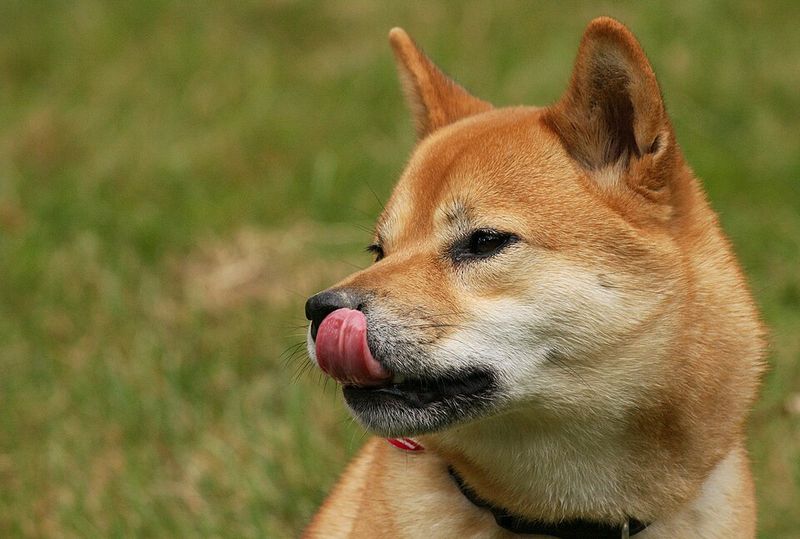
Independent and spirited, the Shiba Inu thrives on a consistent feeding routine. Their diet should support their active nature and robust health.
This breed can be prone to allergies, so selecting the right ingredients is critical. A balanced diet helps prevent skin issues.
Regular mealtimes and portion control ensure their well-being. Shiba Inus require attention to dietary details to stay healthy and vibrant.
Scottish Terrier
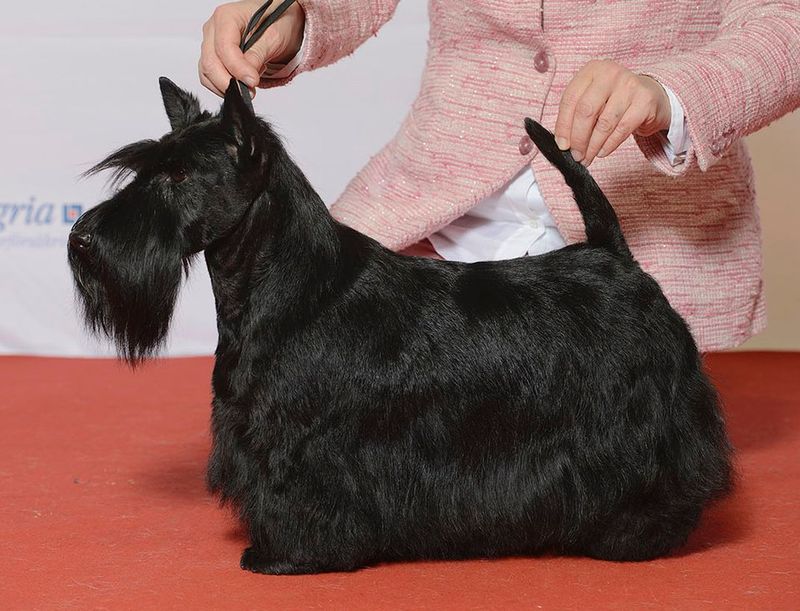
Sturdy and bold, the Scottish Terrier needs a diet that matches its tenacious spirit. Managing calories is crucial to avoid the risk of obesity.
Scotties can have sensitive stomachs, requiring high-quality ingredients to prevent digestive issues.
Their meals should be balanced to maintain energy and support their tough exterior. Consistent feeding keeps them fit and full of life.
West Highland White Terrier
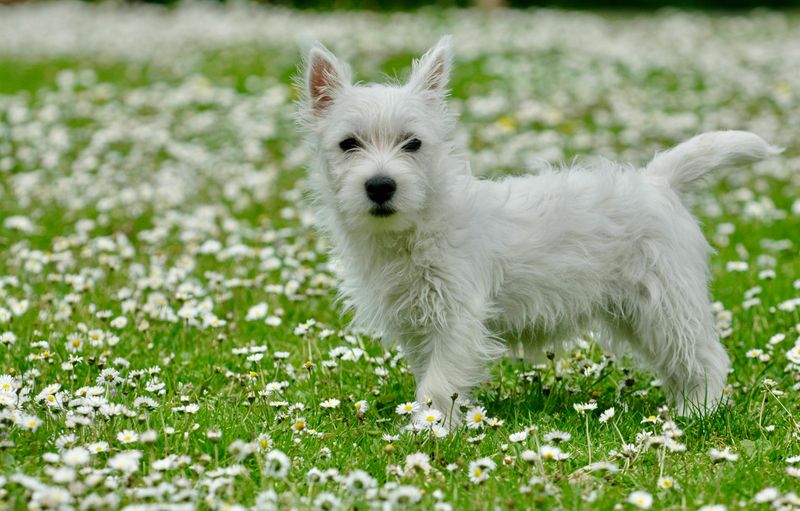
With a lively disposition, the Westie requires a tailored feeding routine to maintain its health. Their diet should include quality proteins and essential nutrients.
Westies are prone to skin issues, necessitating a diet free from allergens. Monitoring food intake helps prevent weight gain.
Precise feeding schedules ensure their playful nature and vibrant coat. Westies benefit from a thoughtfully planned diet.
Border Terrier

Energetic and eager, the Border Terrier thrives on an active lifestyle supported by a balanced diet. Their love for food requires mindful portion control.
A diet rich in quality proteins aids their muscle development and energy levels. Border Terriers can be prone to weight gain if not monitored carefully.
Frequent, smaller meals cater to their metabolism, keeping them spry and spirited.
Norwegian Elkhound

Loyal and resilient, the Norwegian Elkhound requires a diet that matches its robust nature. This breed needs meals that support their dense coat and active lifestyle.
Elkhounds can gain weight easily, so portion control is essential. Their diet should be high in protein and moderate in fat.
Consistent feeding routines help maintain their stamina and vitality, making them ready for any adventure.
Bearded Collie

With their playful antics, Bearded Collies demand a diet that fuels their energy. Their meals should be rich in proteins and healthy fats.
This breed can have digestive sensitivities, requiring premium food to avoid issues. Regular feeding times support their metabolism.
Balanced nutrition ensures their coat remains lush and their spirits high, fitting their lively personality.
Pekingese

The noble Pekingese, known for its majestic appearance, requires delicate feeding routines. A diet that supports their compact frame and luxurious coat is essential.
Pekes can be prone to obesity, necessitating careful portion control. High-quality ingredients help maintain their health.
Feeding them consistently ensures they stay vibrant and regal, fitting their charming persona.
Clumber Spaniel

Affectionate and gentle, the Clumber Spaniel enjoys a diet that complements its steady nature. Their meals should focus on maintaining a healthy weight.
Clumbers can be prone to joint issues, so balanced nutrition is crucial. Regular, portioned meals support their physical health.
Thoughtful feeding routines ensure their comfort and well-being, matching their easygoing demeanor.