
Dogs have all kinds of feelings about water. Some pups splash happily at every chance, while others step around puddles like tiny detectives.
Knowing your dog’s style keeps them safe and makes outings more fun. Here are breeds that often love the water, plus a couple that may prefer to keep their paws dry.
Labrador Retriever
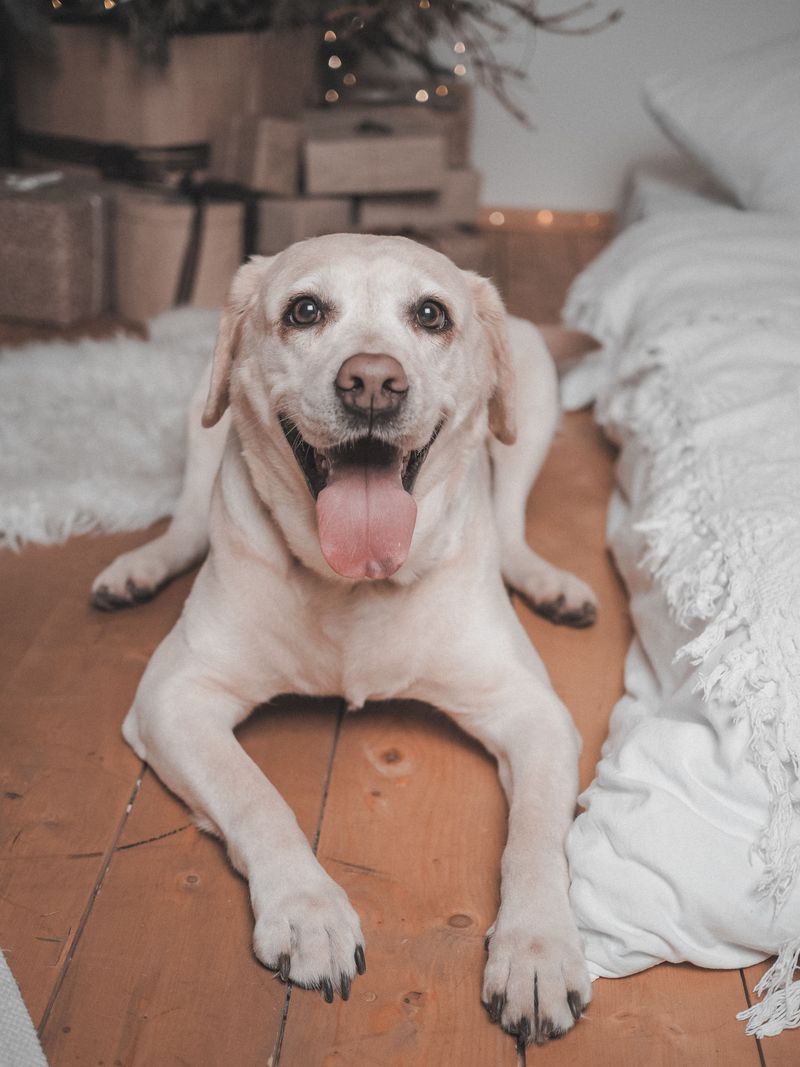
Fetch a toy, see a Lab light up. Many Labradors seem born for lakes, with thick otter tails that steer like rudders and a dense, water-resistant coat.
They usually learn quickly, so basic recall and a solid drop-it cue make beach days smoother. Start in calm shallows, then build confidence.
Bring a floating bumper, fresh drinking water, and a snug-fitting life jacket for boats. Rinse after swims to reduce ear issues and keep that coat healthy.
Golden Retriever
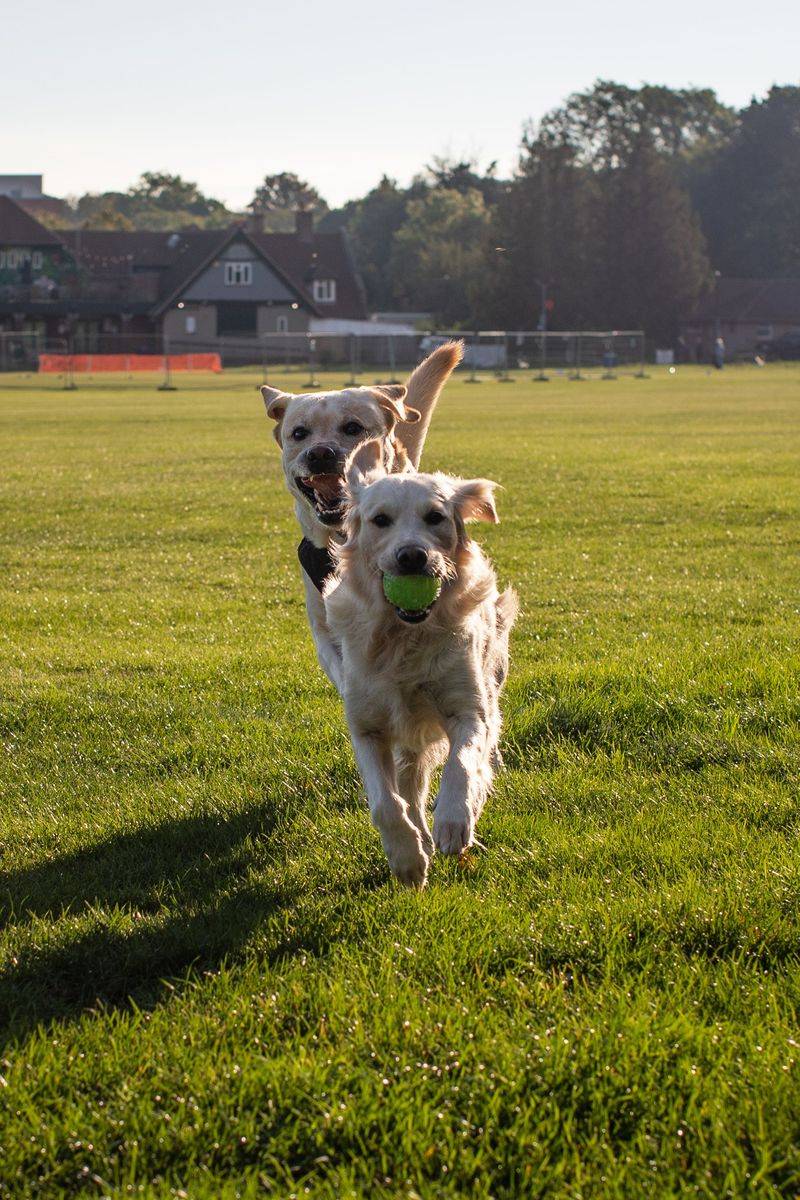
Sunshine personality meets splashy fun. Golden Retrievers often enjoy gentle waves and family outings, helped by their soft mouths and eagerness to please.
Teach a wait cue at the shoreline to prevent overexcitement, and rotate toys to avoid resource guarding. Calm introductions help nervous beginners.
Brush out tangles before swimming so the coat dries faster. Afterward, towel thoroughly, check for burrs, and offer a snack for positive associations.
Trivia time: Goldens first worked as Scottish hunting companions.
Newfoundland
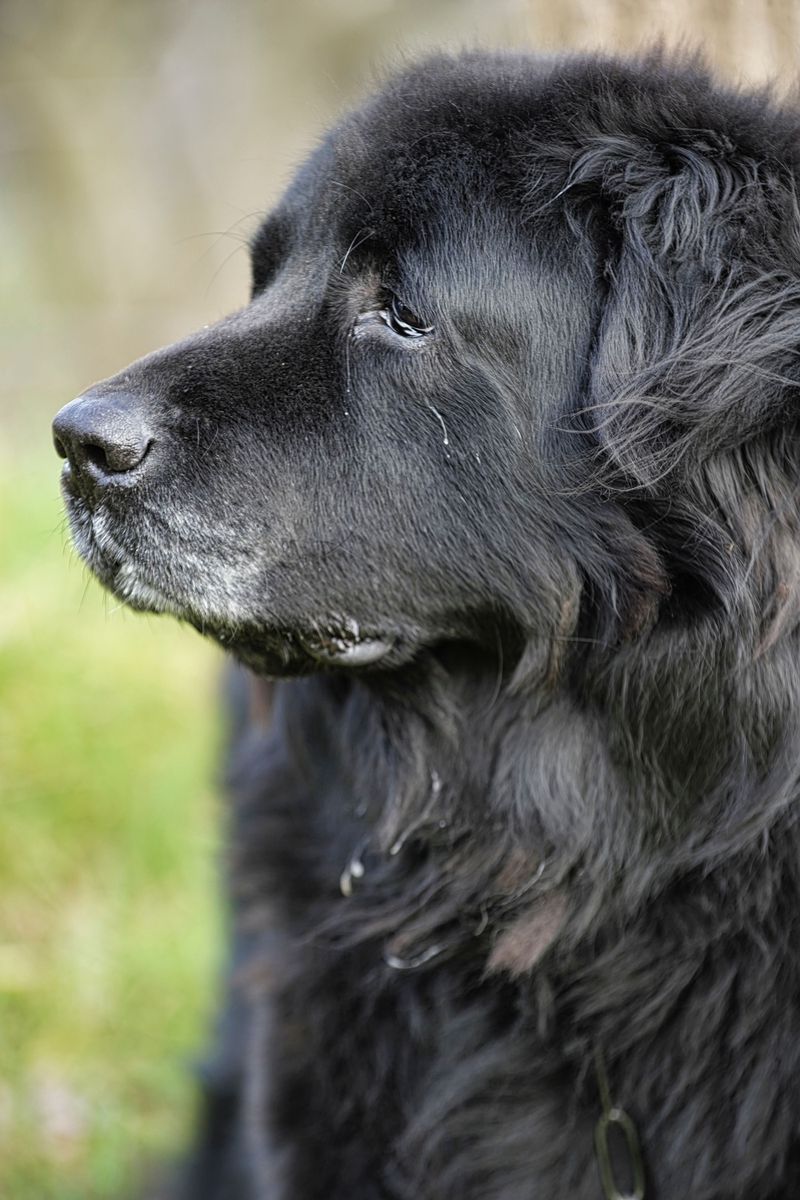
With a heart as big as its paws, the Newfoundland is a natural helper in the water. Their massive build, webbed feet, and calm mindset once made them famous for lifesaving.
Start with slow entries from a ramp, and keep sessions short in warm weather to prevent overheating.
Choose sturdy, oversized gear and a wide life jacket handle for guiding. Supervise closely around kids and currents.
Fun fact: some Newfoundlands earned medals for pulling sailors to safety.
Portuguese Water Dog
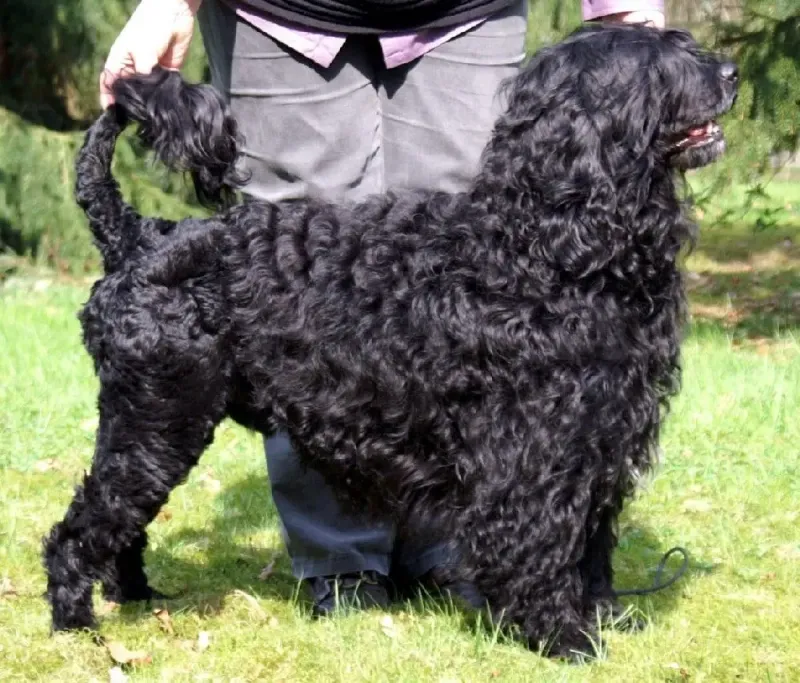
Sailors once trusted the Portuguese Water Dog to carry messages between boats. That working spirit still shines in backyard pools and bays.
Curly, low-shedding coats benefit from pre-swim brushing, and regular ear care keeps water troubles away. Teach a solid come cue and practice exits using steps or a mat.
Mix problem-solving games with water retrieves to satisfy their sharp brains. On windy days, pick sheltered coves.
Many clubs hold water trials that celebrate this heritage.
Chesapeake Bay Retriever
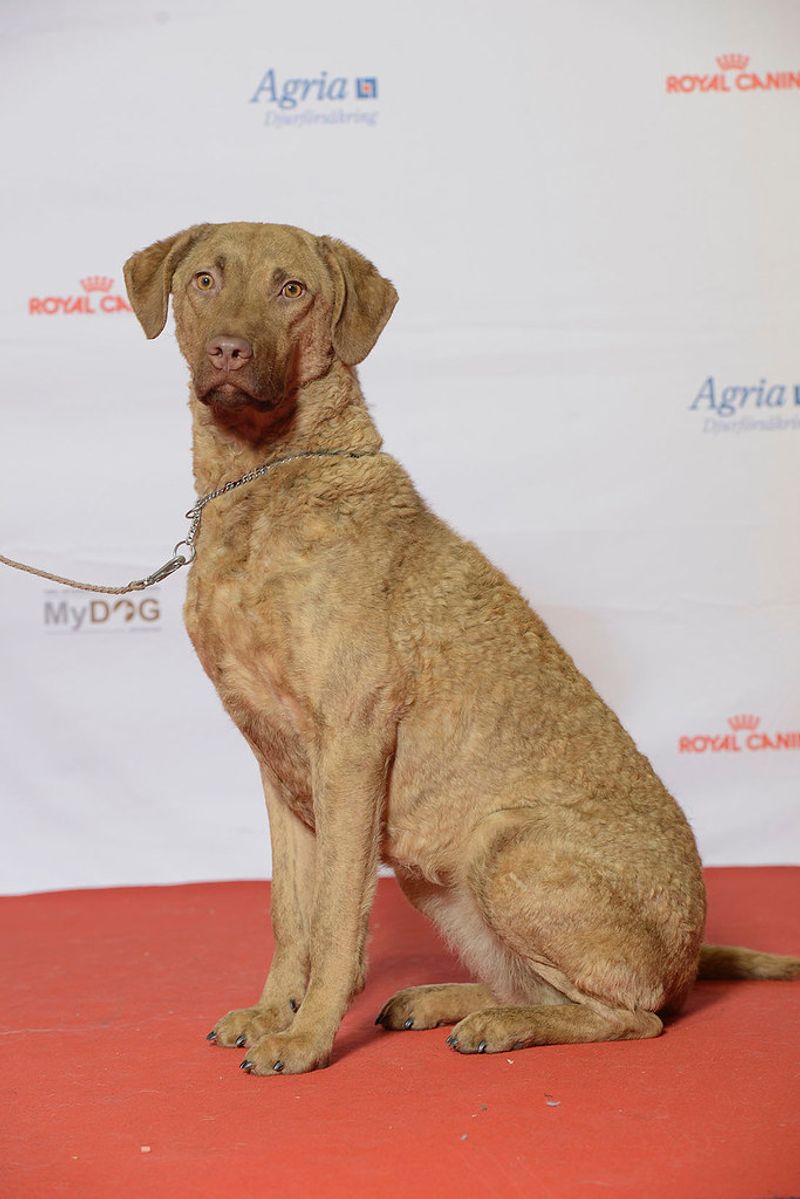
Tough and tireless, the Chessie was bred to haul nets in icy bays. That grit shows up as determination in training, so keep sessions upbeat and clear.
A wavy, oily coat sheds water well, but it still needs a rinse to remove salt. Practice steadiness around birds and boats to prevent impulsive leaps.
Use high-value rewards and short breaks. Cold conditions suit them, yet watch for ice cuts on pads.
Booties and balm help protect feet.
Irish Water Spaniel
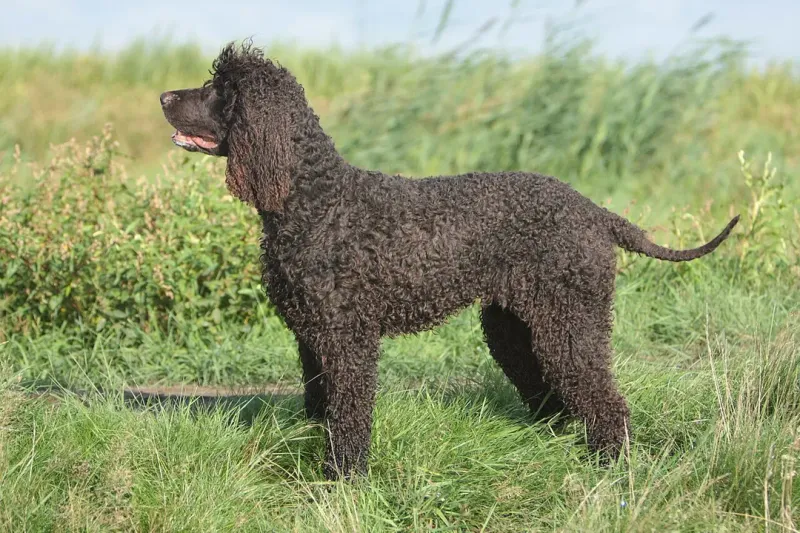
Curly topknot, clownish grin, and plenty of spring describe the Irish Water Spaniel. Many enjoy splashing after bumpers, but they can be sensitive to rough handling.
Gentle guidance, clear structure, and a consistent release cue build trust. Keep training lively with short water sprints followed by sniff breaks on shore.
Their tight curls need careful drying to prevent matting. A high-visibility vest helps in choppy conditions.
History buff tip: the breed likely guided hunters in 19th-century Ireland.
Standard Poodle
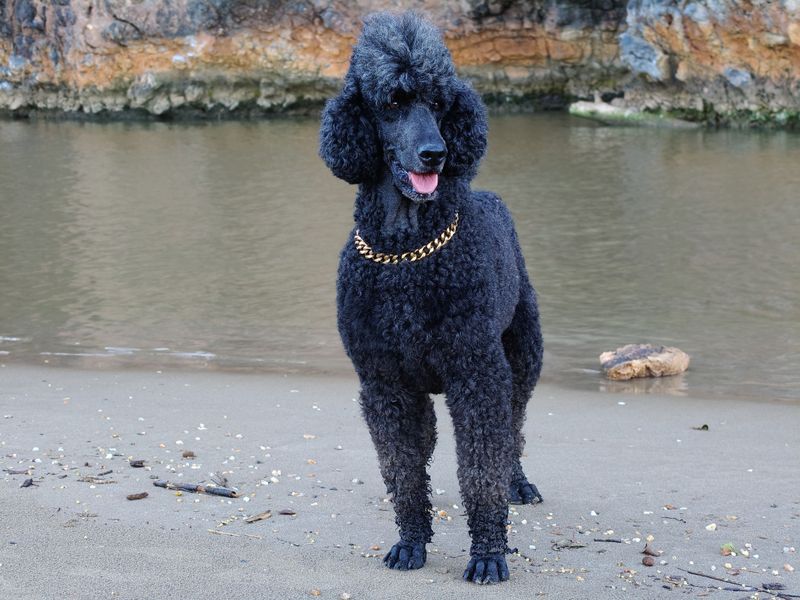
Don’t let the haircut fool you. Standard Poodles started as water retrievers, and many still adore a good swim.
Athletic builds and sharp minds mean they learn water games quickly, from lining up at the shore to delivering to hand. Rotate challenges so they stay engaged.
Clip the coat shorter for easier maintenance, then rinse to remove chlorine or algae. For timid dogs, wade together and celebrate tiny steps.
Confidence often blooms with patient encouragement.
English Springer Spaniel
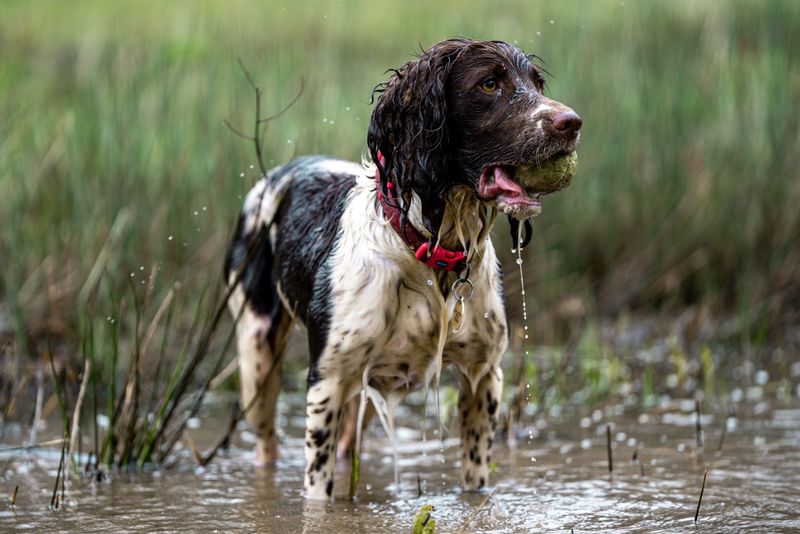
Imagine a weekend creek, a bouncing Springer, and a tennis ball that never quits. Field-bred dogs often show extra drive, so channel that energy into controlled retrieves and steady sits before release.
Teach a whistle stop for safety. Gentle current practice builds stamina without overdoing it.
Post-swim, check ears and feathered legs for seeds. A microfiber towel speeds cleanup in the car.
Fun fact: Springers once flushed game birds so hunters could net or shoot.
American Water Spaniel
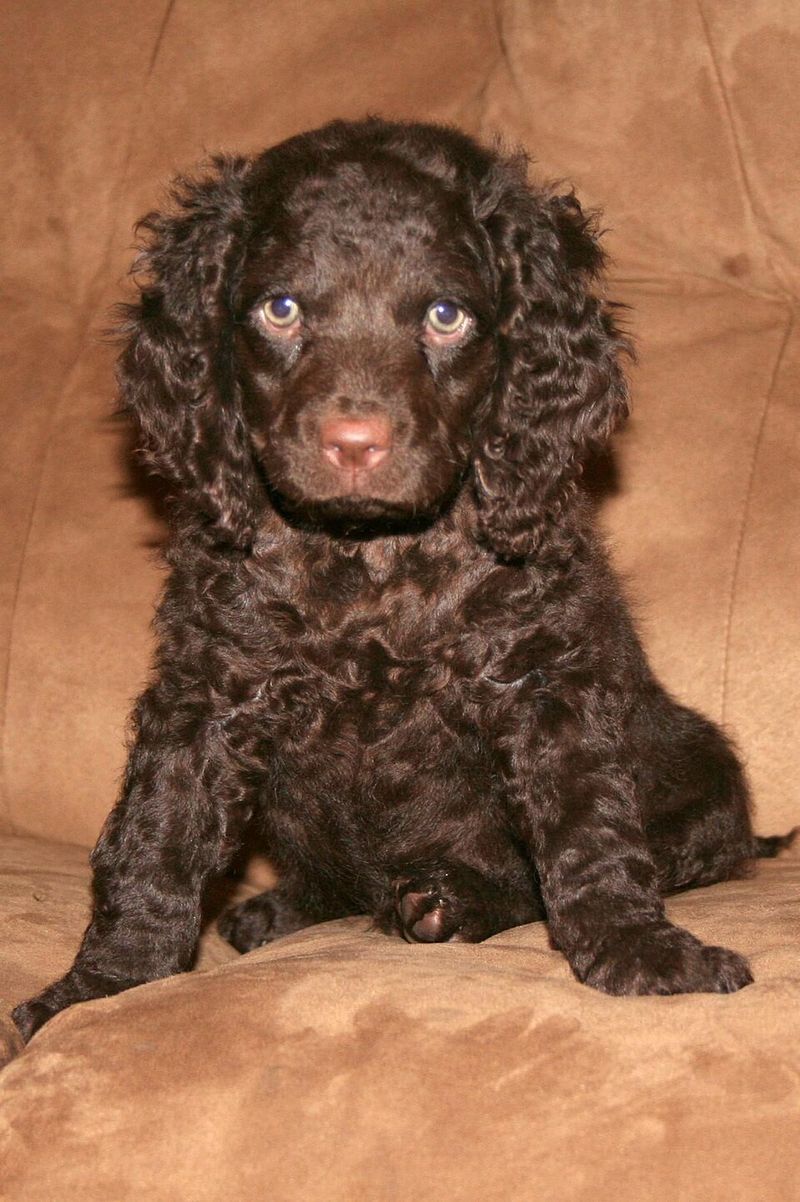
Small package, big splash. The American Water Spaniel was developed in the Midwest for riverboats and marshes, so balance and bravery come naturally.
Keep first swims short and sweet, then build distance as muscles strengthen. A long line in shallow water offers control without killing the fun.
Because curls can trap debris, rinse and comb after outings. Rotate between scent games on shore and short retrieves.
Many owners enjoy dock work with this cheerful partner.
Boykin Spaniel
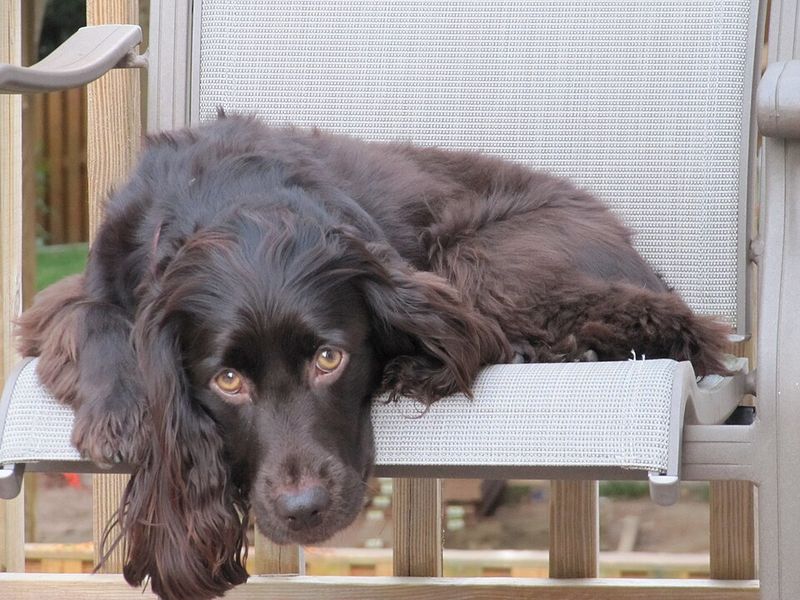
Tail wagging before the boat even launches, the Boykin lives for waterfowl mornings. Compact size makes climbing into kayaks easier, yet enthusiasm can outrun judgment.
Use a place mat in the boat to mark calm waiting, and practice heel work on slippery ramps.
Sunrise sessions feel magical, but bring a towel and a thermos for the ride home. Check between toes for stickers.
South Carolina proud fact: the Boykin is the state dog with deep swamp roots.
German Shorthaired Pointer
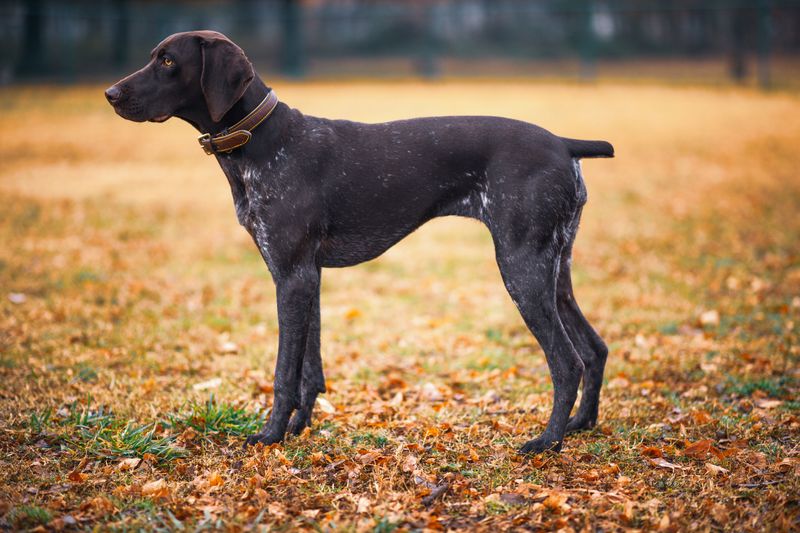
Energy to spare and a curious nose keep many GSPs zipping toward shorelines. Not every pointer loves to swim right away, so pair water with favorite toys and lots of encouragement.
Practice steadiness around birds to keep arousal manageable. Ten-minute intervals with rest help prevent cramps.
Because coats are short, watch water temperature and pack a drying robe on cold days. Nail trims improve traction on docks.
Many excel at tracking games after a good splash.
Flat-Coated Retriever
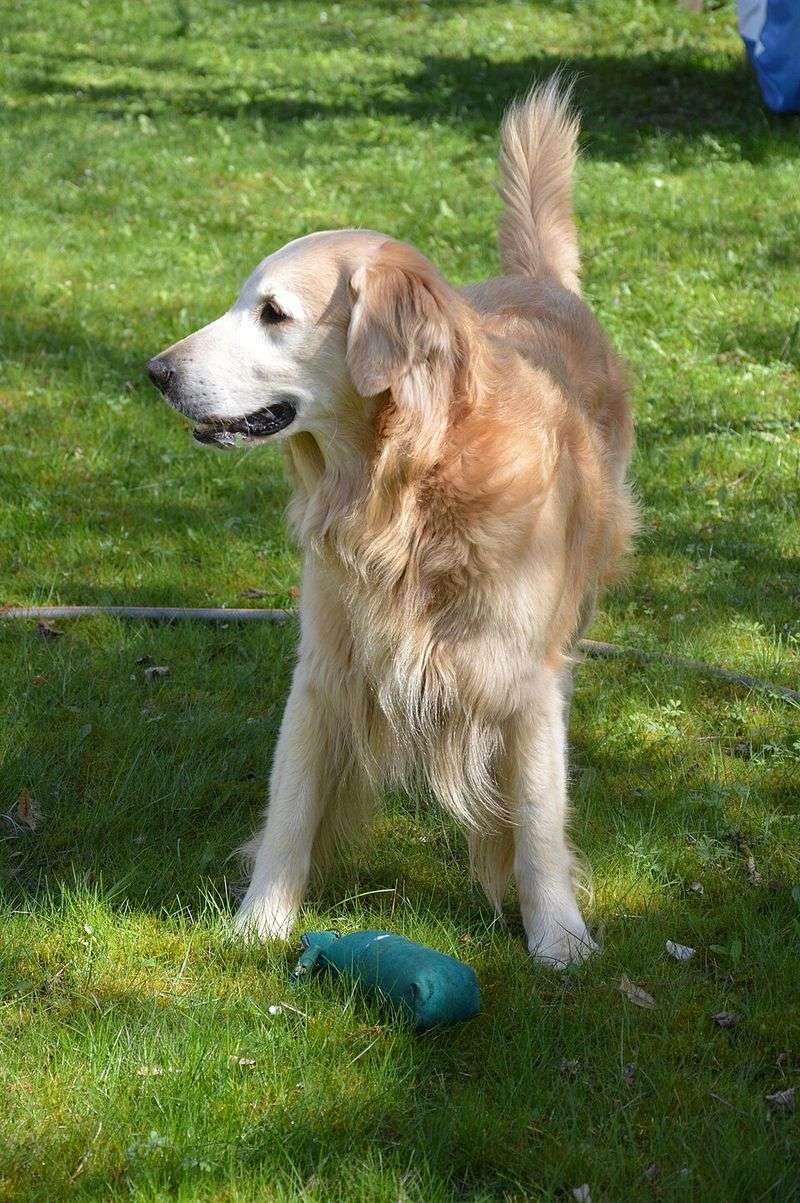
Always ready for a party, the Flat-Coat turns swimming into a joyful routine. Long adolescence means patience in training, but the payoff is a steady companion in the canoe.
Teach a middle position between your legs for crowded launches, and reward quiet eye contact before releases.
Black coats can heat up, so schedule swims in cooler hours. Bring shade, water, and a cooling vest on blazing days.
A cheerful spirit makes every shoreline feel welcoming.
French Bulldog
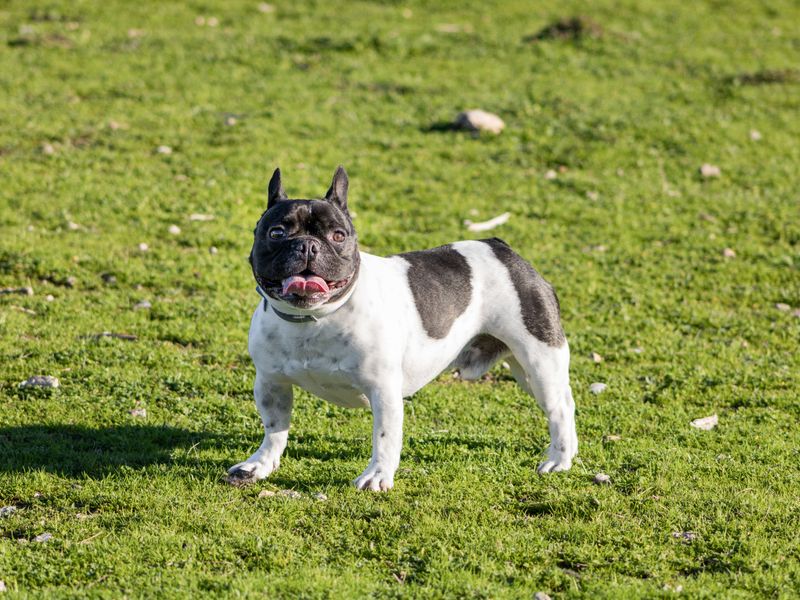
Big personality in a compact body, the Frenchie often prefers sunbathing to swimming. Heavy heads and short muzzles make staying afloat hard, so treat water like a controlled activity, not free play.
Choose shallow splash zones and fit a sturdy life jacket with a chin float. Keep sessions brief.
Heat sensitivity is real, especially near humid lakes. Rest in shade, offer cool water, and skip midday outings.
Many Frenchies enjoy sprinkler games on grass instead.
Chow Chow
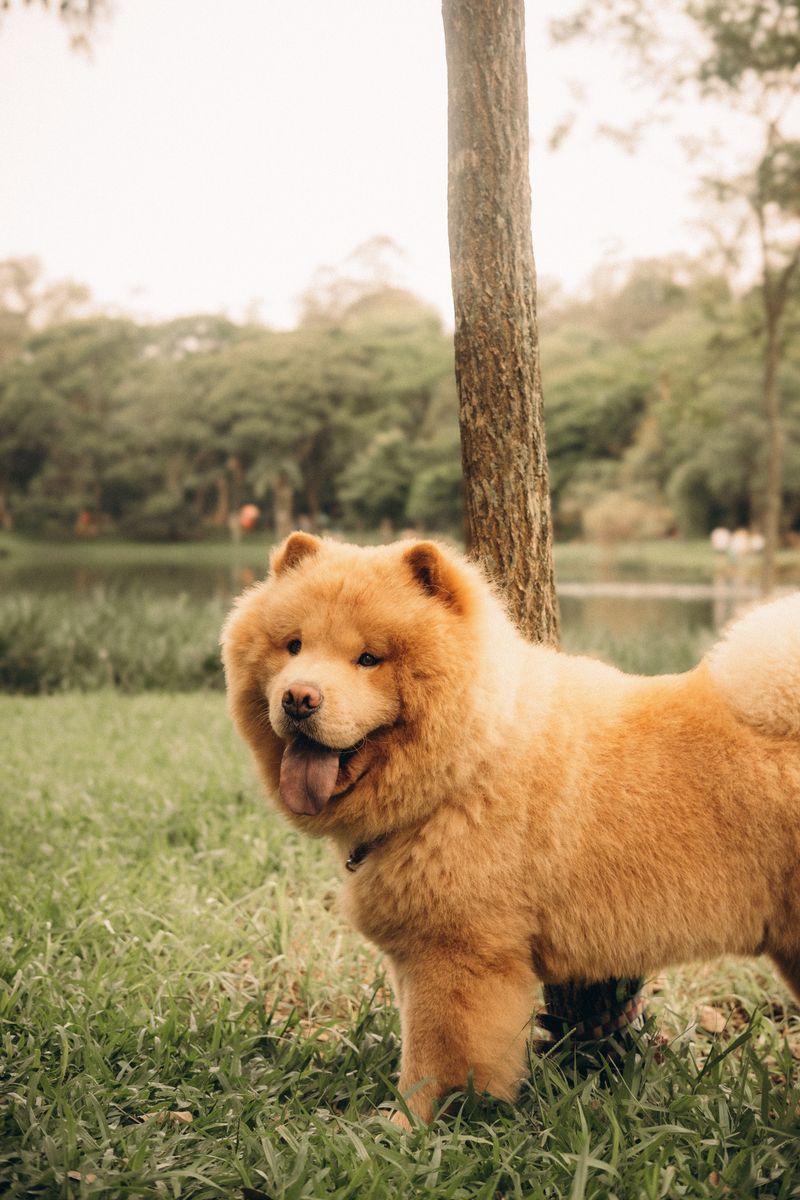
Dignified and fluffy, the Chow often votes for dry land. A thick double coat gets waterlogged quickly, and their straight hind legs limit powerful kicks.
If you explore near lakes, bring a fitted harness and keep to firm paths. Let them watch from shore while others swim.
Grooming matters after damp hikes. Dry thoroughly to protect skin, and use a slicker brush to separate fluff.
Most Chows prefer shaded strolls to waves or boats.