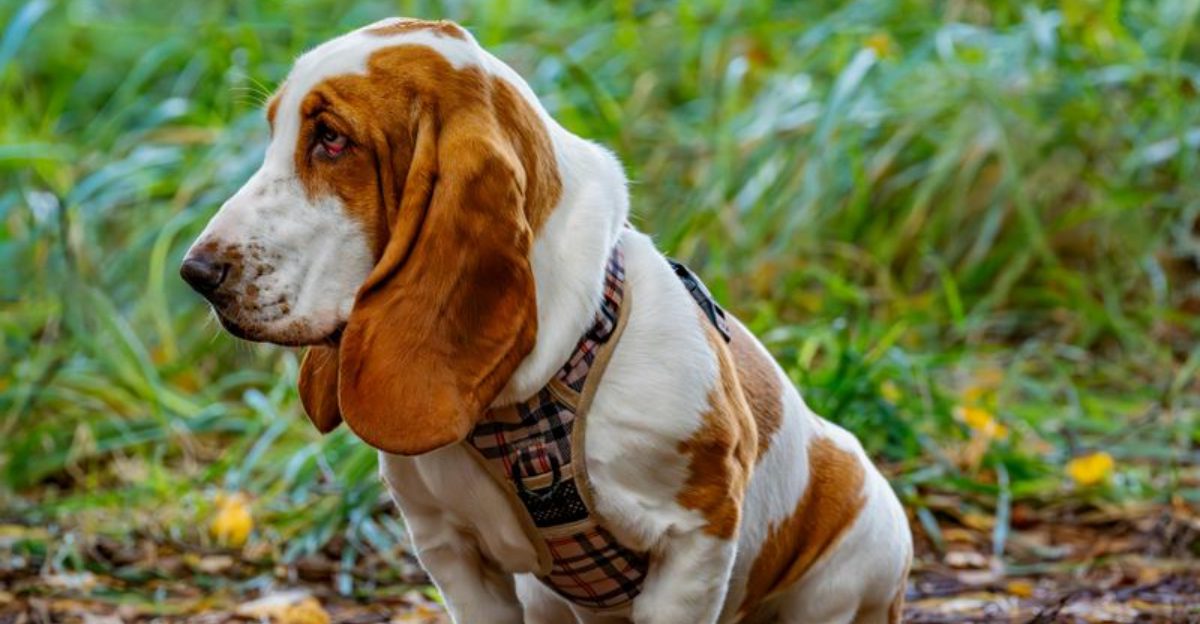
Some dogs get labeled as stubborn when they are really just quietly overwhelmed. What looks like defiance can be a worried heart asking for patience, clarity, and respect.
Once you see the softness behind the strong will, training becomes more of a gentle conversation than a contest. Let’s meet the sweet souls who need understanding more than pressure.
Shiba Inu
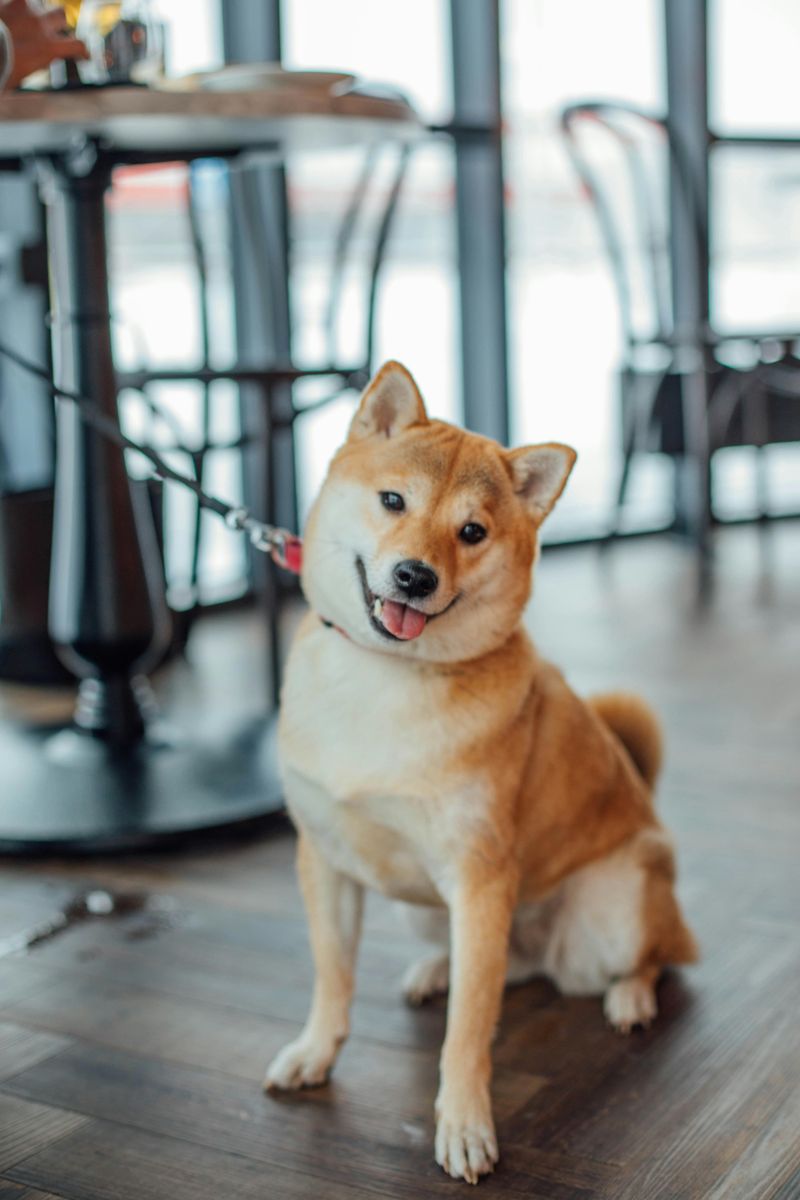
Shiba Inus appear headstrong, but their independence often masks a sensitive nature. They shut down with harsh corrections and thrive when you reward calm choices.
Give them space to observe, then gently invite participation, and they respond brilliantly.
Use clear routines, soft voice, and high value rewards. Let them earn trust through predictable patterns, and they will offer focus.
Keep sessions short, playful, and reduce environmental pressure so they can process without feeling rushed.
Socialization should be considerate, not forced. Respect their personal bubble and celebrate tiny wins.
You will see fewer “stubborn” moments when their feelings are heard, and you build communication built on consent rather than control.
Chow Chow
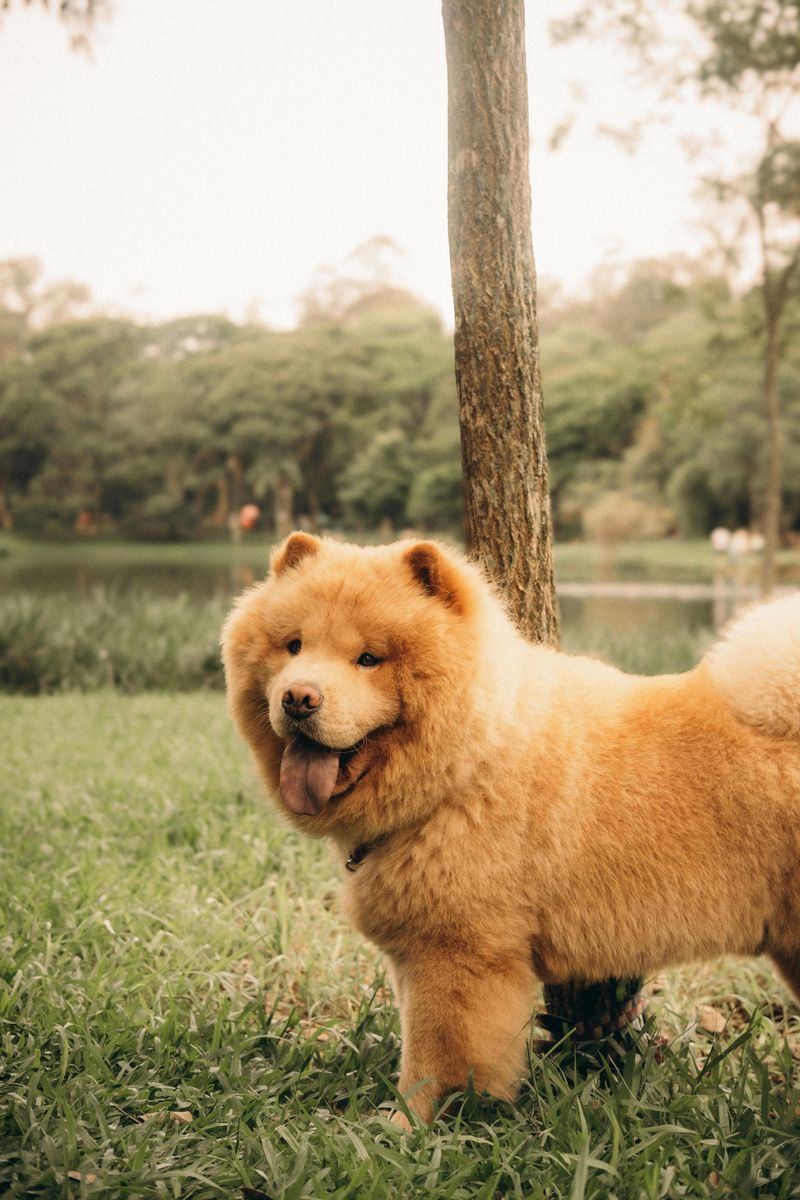
Chow Chows are dignified guardians who dislike being pushed. When pressure rises, they may freeze or refuse, which many mistake for stubbornness.
Gentle introductions and choice based training keep them engaged and confident.
Build trust slowly with touch consent and cooperative care. Reward curiosity, avoid overhandling, and work at their pace to protect their dignity.
A predictable environment with clear boundaries helps them relax and learn.
Positive reinforcement paired with calm body language goes far. Use food or low arousal games instead of confrontation.
If you listen to their signals and honor their preferences, you will unlock loyalty and surprising responsiveness.
Basenji
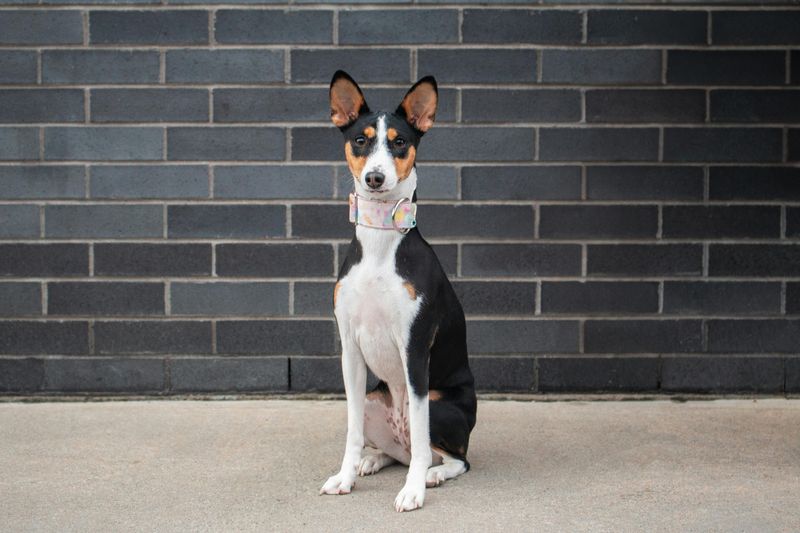
Basenjis are thinkers who dislike repetition and chaos. When bored or stressed, they disengage, which looks like stubbornness.
Rotate novel tasks, use scent games, and keep sessions upbeat to match their curious, sensitive minds.
They respond best to clear markers and quiet handlers. Loud corrections or emotional swings spike anxiety, reducing cooperation.
Keep cues crisp, reward promptly, and end while they still want more, preserving momentum.
Meeting exercise and enrichment needs is non negotiable. Combine short training bursts with puzzles and freedom to sniff.
Respect their independence while offering structure, and you will see a willing partner rather than a resistant one.
Dachshund

Dachshunds were bred to think independently underground, so they question heavy handed direction. Corrections often feel overwhelming and trigger shutdown.
Use playful shaping and tiny steps to build confidence and reduce pressure.
Back friendly setups and short sessions matter. Reward exploratory sniffs, brave steps, and polite requests.
Keep jumps minimal, surfaces grippy, and tasks clear so their bodies and minds feel safe while learning.
They are food motivated but also bond driven. Gentle praise, predictable routines, and patience help them try again.
When their needs are respected, the famous stubborn streak softens into charming cooperation and surprising reliability.
Afghan Hound
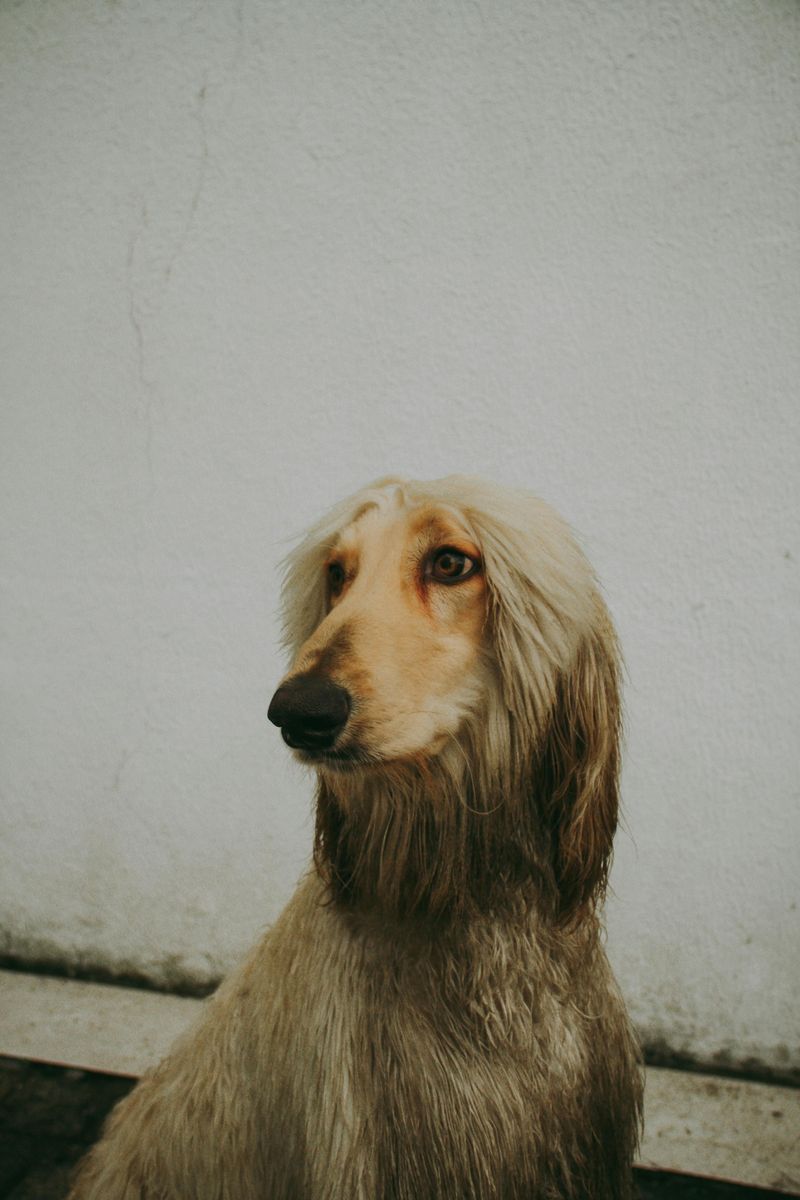
Afghan Hounds seem aloof, but they feel emotions intensely. Harsh tones make them retreat, and drilling bores them quickly.
Keep lessons graceful, brief, and varied, leaning on movement and chase style games to channel natural instincts.
They respond to soft handling and respectful distance. Use long lines for freedom with safety, and reinforce check ins.
Let them stretch their legs, then invite connection through calm, confident cues and generous rewards.
Grooming time can be a relationship builder. Pair brushing with treats and breaks to keep arousal low.
When you protect their sensitivity and celebrate elegance, they give lovely, light cooperation that feels effortless.
Bulldog
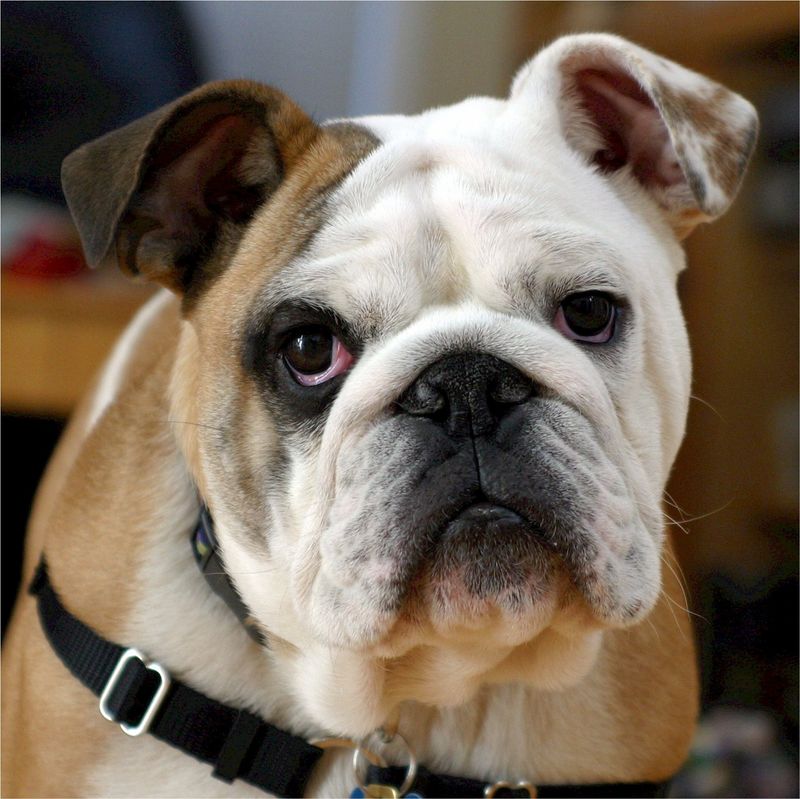
Bulldogs are often labeled stubborn when they are simply cautious and comfort driven. Heat, slippery floors, or pain can halt progress.
Keep sessions cool, surfaces secure, and tasks low impact to respect their physical sensitivity.
Use calm encouragement and lots of breaks. Food rewards help, but pacing matters more.
Teach cooperative care with slow desensitization, and avoid pulling which can create resistance and stress.
Clarity reduces worry. Use simple cues, consistent routines, and celebrate tiny tries.
When needs are met and pressure is gentle, Bulldogs show surprising eagerness, offering steady, heartfelt effort that looks anything but stubborn.
Shar Pei
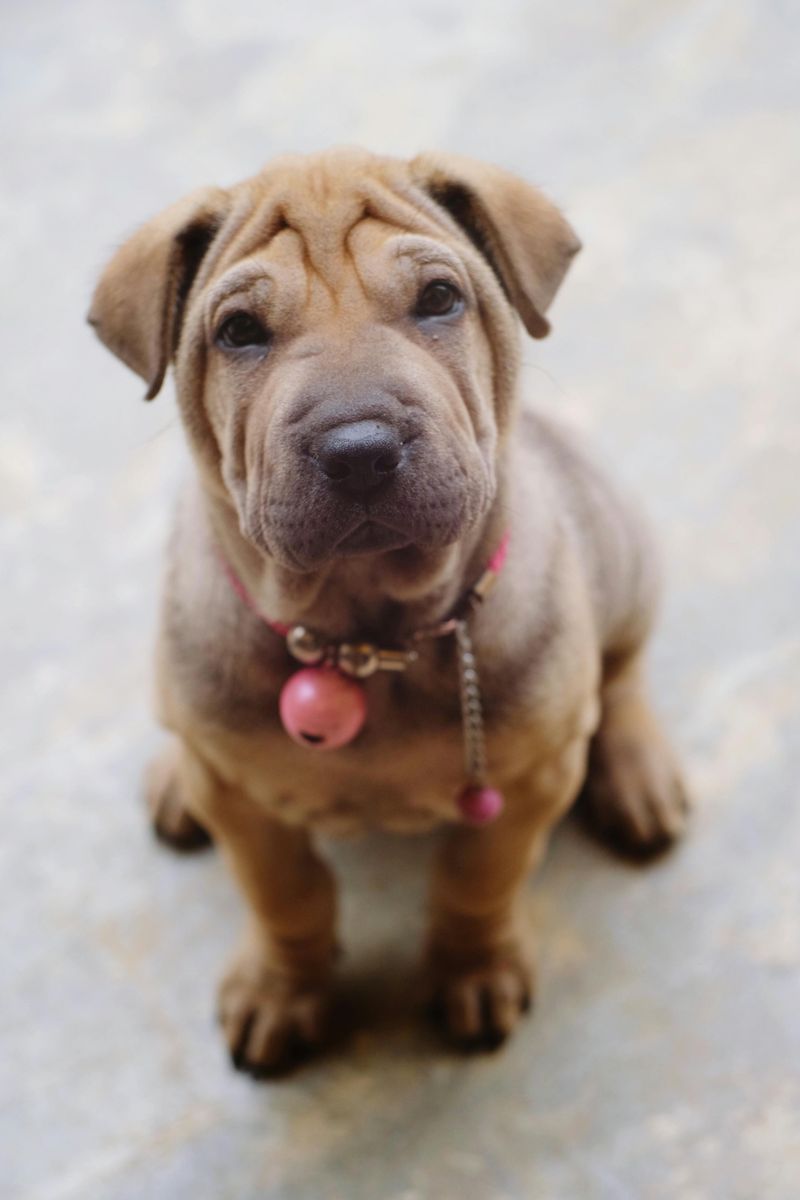
Shar Pei dogs are thoughtful and private. Pushy handling can feel threatening, leading to refusal that reads as stubborn.
Earn trust with slow introductions, choice based grooming, and rewards for calm curiosity around new people and places.
They value predictability. Keep training quiet, with brief sessions and clear structure.
Reinforce eye contact and voluntary engagement rather than luring endlessly, which can frustrate sensitive thinkers.
Health checks matter due to skin and ear concerns. Pair care with treats and rest to prevent aversion.
When you listen to their feelings and protect comfort, a steady, loyal worker emerges from behind the stoic exterior.
Scottish Terrier
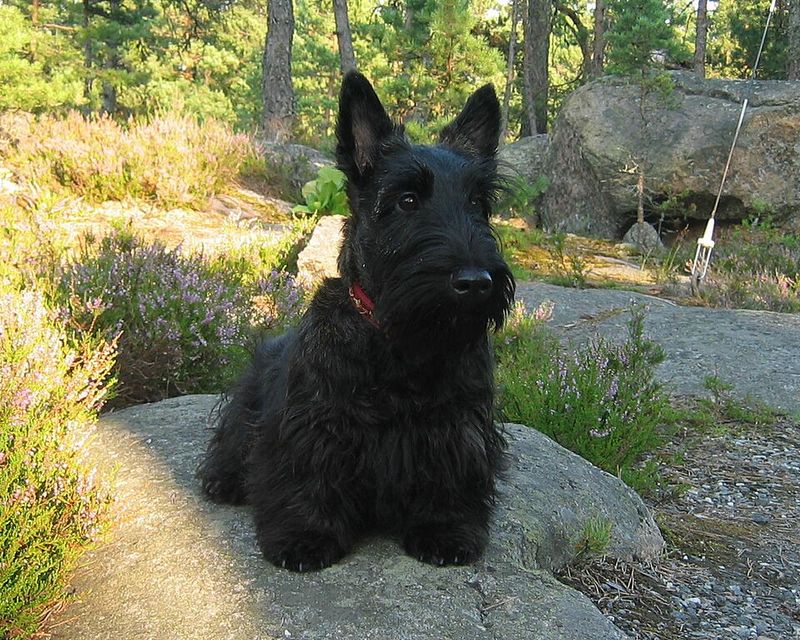
Scottish Terriers carry big opinions in a small body. Their intensity can mask sensitivity, especially with abrupt corrections.
Train with games that harness prey drive, short tracking, and confident but friendly guidance.
They respect fairness and clarity. Mark desired choices quickly and avoid nagging cues.
Provide structured outlets like digging boxes and sniffari walks to satisfy instincts without conflict.
Grooming and handling should be cooperative. Teach chin rests and paws up on cue, rewarding tolerance.
With predictable boundaries and thoughtful enrichment, they trade “stubborn” moments for bold, cheerful participation.
Akita
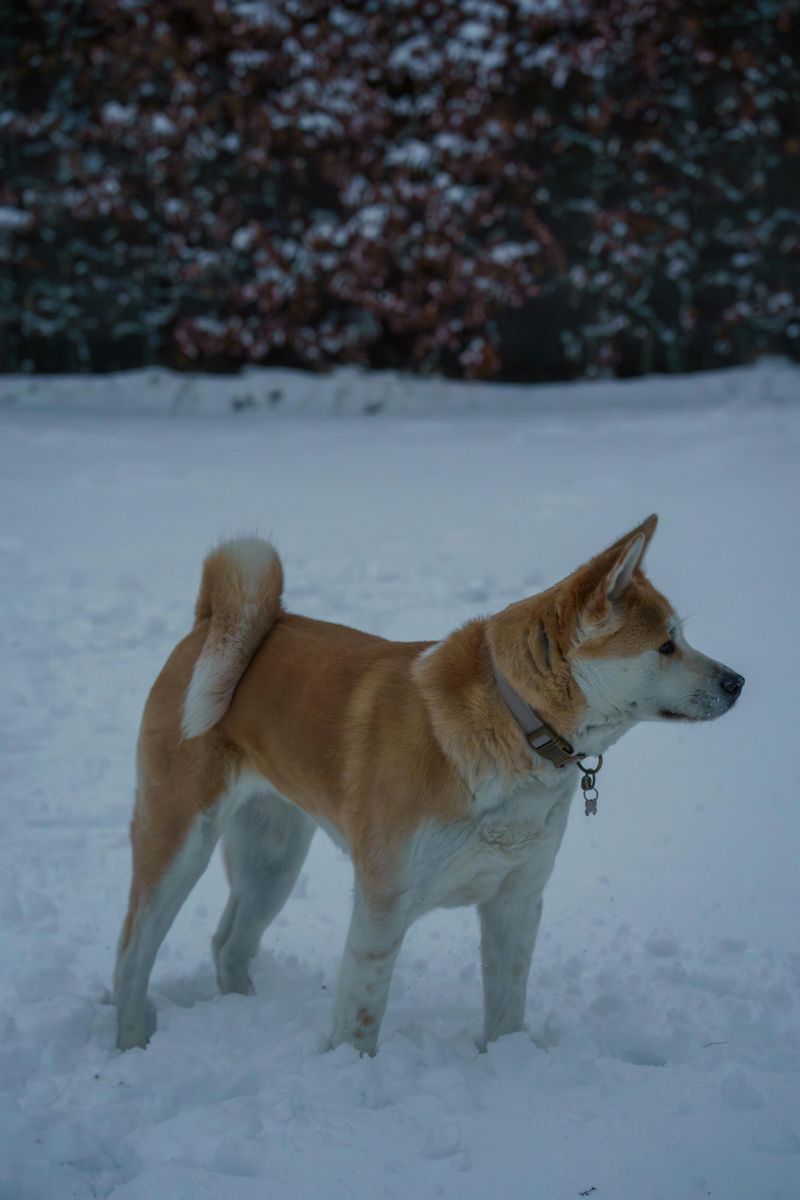
Akitas are loyal, sensitive guardians who value mutual respect. Harsh methods erode trust and invite shutdown.
Use quiet leadership, clear boundaries, and generous reinforcement to create a safe communication channel.
They do best with limited, high quality social experiences. Avoid dog park chaos and prioritize neutrality training.
Reward calm checking in and practice impulse control with distance from triggers.
Handling should be thoughtful and deliberate. Teach cooperative husbandry and consent cues.
When you honor their feelings and provide structure without force, they reveal steady reliability and deep connection that defies the stubborn label.
Basset Hound
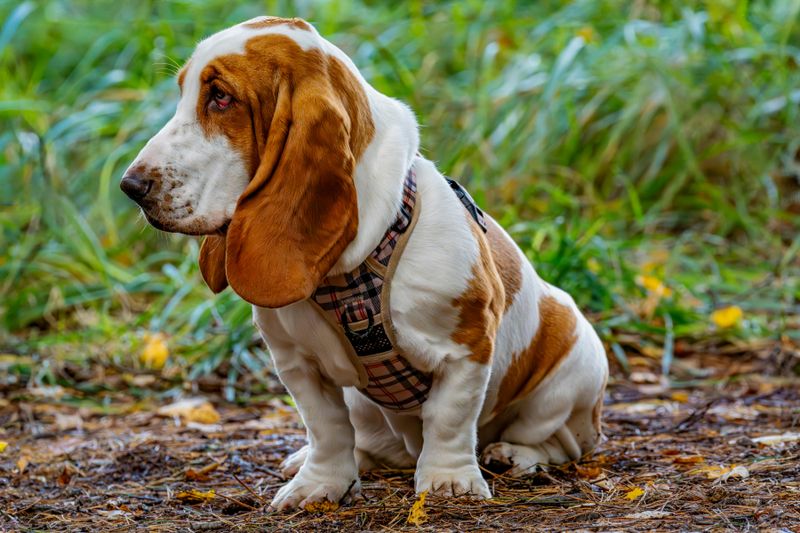
Basset Hounds follow their noses and can seem unresponsive when overwhelmed by scent. That is not stubbornness, just focus.
Use sniff breaks as rewards, and train in low scent areas when teaching new skills.
Gentle handling and patience win. Short, upbeat sessions with tasty reinforcers keep motivation steady.
Protect joints with low impact exercises and keep expectations realistic for their build and energy.
Cooperative care is essential for ears and paws. Pair cleaning with treats and calm pauses to prevent resistance.
Meet their sensory needs first, and you will see charming cooperation and a warm desire to please.
Lhasa Apso
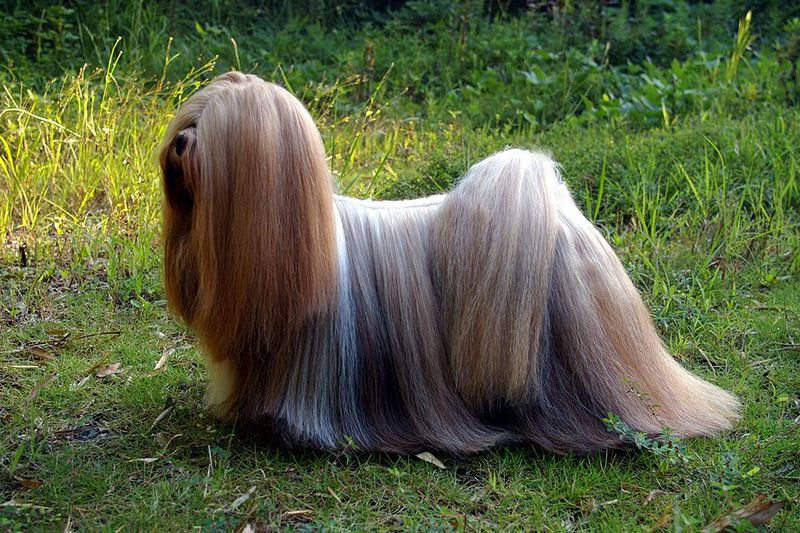
Lhasa Apsos are discerning companions bred to notice subtle changes. They can shut down if pushed, reading pressure as unsafe.
Use calm routines, consent for grooming, and lots of reinforcement for voluntary engagement.
They flourish with predictable handling and respectful boundaries. Keep sessions short, mark tiny tries, and avoid flooding with busy environments.
Teach stationing to a mat to build security and focus.
Grooming can be a trust ritual. Pair brushing with snacks and breath breaks to maintain comfort.
When feelings are honored and the world feels safe, you get a responsive, thoughtful partner, not a stubborn skeptic.
Saluki
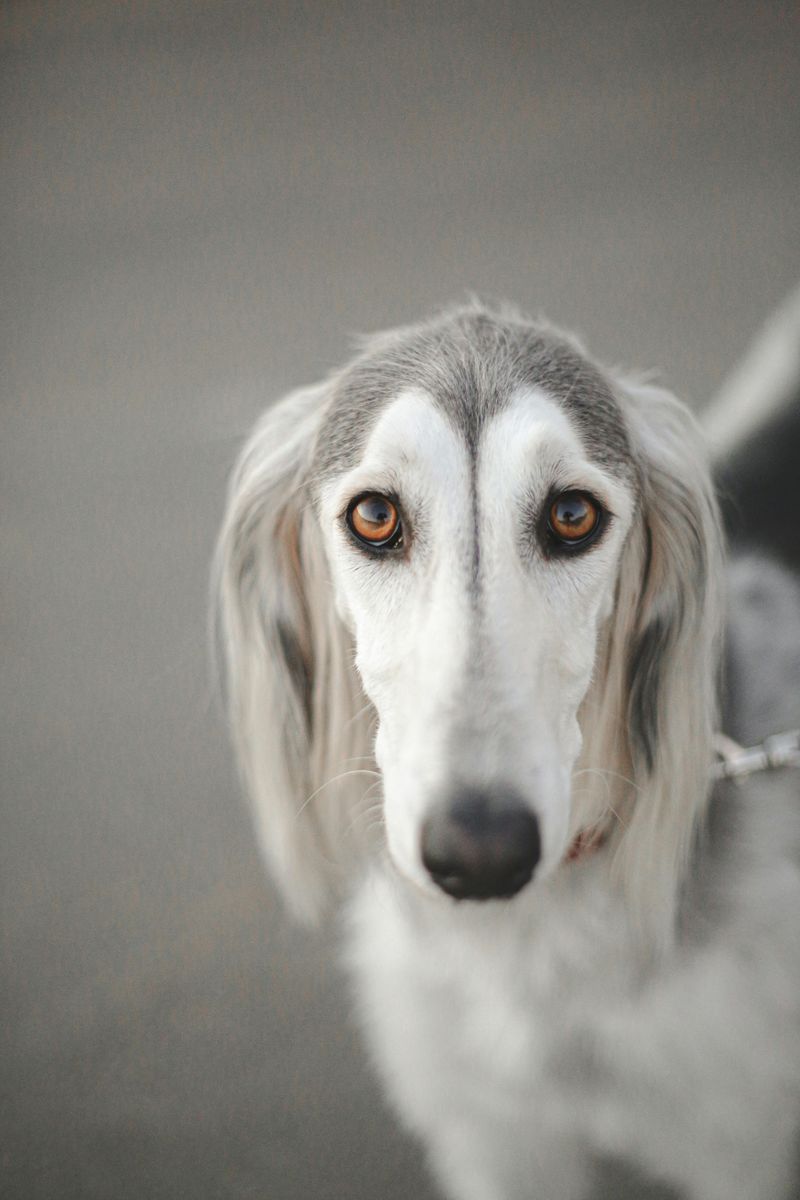
Salukis are sensitive athletes with a peaceful spirit. Loud corrections or chaotic spaces cause withdrawal.
Embrace quiet training, long line freedom, and reinforcement for voluntary check ins to build trust without suppressing elegance.
They need movement to think clearly. Start with decompression walks, then sprinkle brief shaping games.
Use soft voice, consistent cues, and end early to preserve enthusiasm and confidence.
Handling should feel weightless. Teach harness consent and gentle husbandry with frequent rewards.
When you respect their grace and emotional landscape, the supposed stubbornness fades into light, willing cooperation.