
When walking your dog, choosing between a harness and a collar is crucial, especially for certain breeds. Here are 12 dog breeds that may react poorly when their walking gear is rearranged.
Eurasier
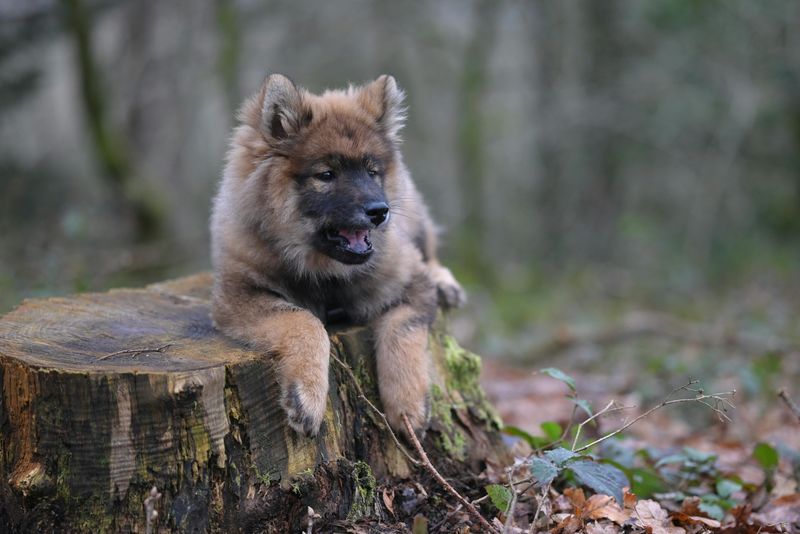
The Eurasier is known for its balanced temperament and loyalty. However, when it comes to walking gear, this breed might be sensitive to changes. Switching from a harness to a collar can cause discomfort due to its thick fur.
A well-adjusted Eurasier thrives on routine, so any disruption in their gear might lead to reluctance or anxiety during walks. Owners should prioritize comfort and consistency to ensure a pleasant walk.
With roots in Germany, the Eurasier was bred for companionship, making them particularly attuned to human interactions, even in something as small as gear choice.
Japanese Spitz
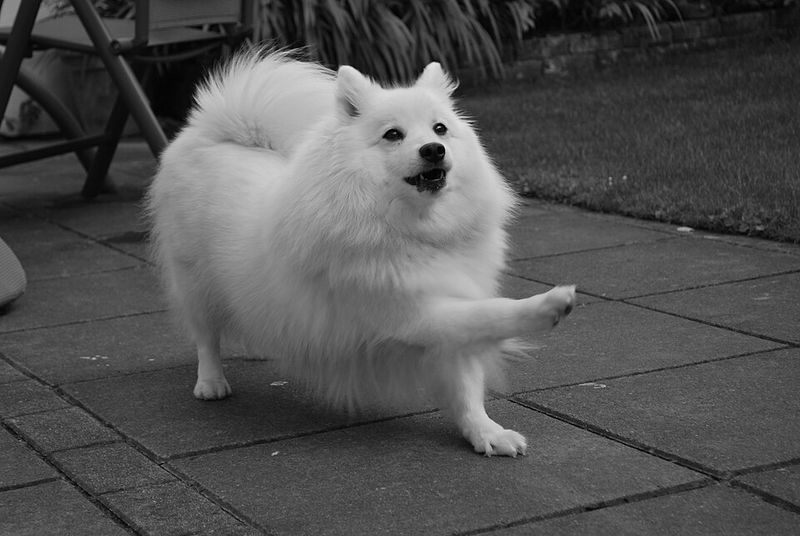
The Japanese Spitz, with its fluffy white coat, is a charming yet sensitive breed. They are known for their playful personality but can be surprisingly particular about their walking equipment.
Switching from a collar to a harness might initially bewilder them. Their dense fur can make collars uncomfortable, and a harness might be a better option to prevent matting.
Fun fact: Despite their striking resemblance to the American Eskimo Dog, the Japanese Spitz has a distinct lineage. When walking, ensure gear changes are gradual to avoid any fuss.
Finnish Lapphund

With origins in the Arctic, the Finnish Lapphund is resilient yet sensitive to certain changes. Their thick coats make collars a challenge, as they can get entangled easily.
A harness is often more comfortable, allowing for better movement without snagging fur. Changing the gear abruptly can lead to confusion or hesitation during walks.
These dogs are known for their herding instincts, needing clear signals and consistency. Maintaining familiar walking routines and gear will help keep them confident and content.
Norwegian Lundehund
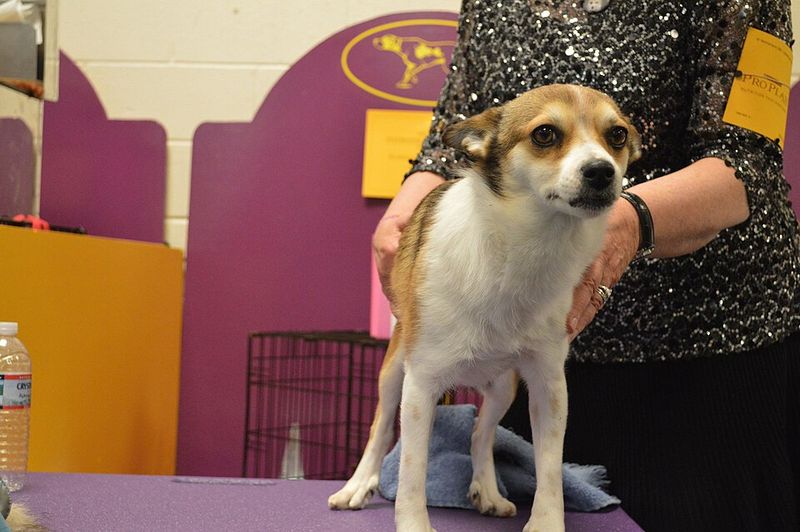
The Norwegian Lundehund, with its flexible limbs and unique anatomy, thrives in rocky terrains. When it comes to walking gear, they require special attention because of their delicate neck structure.
A harness is usually more suitable, providing security without restricting their movement. Sudden changes in gear might lead to discomfort or reluctance.
Historically used to hunt puffins, these agile dogs have unique needs. When walking a Lundehund, gentle transitions between gear types are essential for their comfort and adaptability.
Kooikerhondje
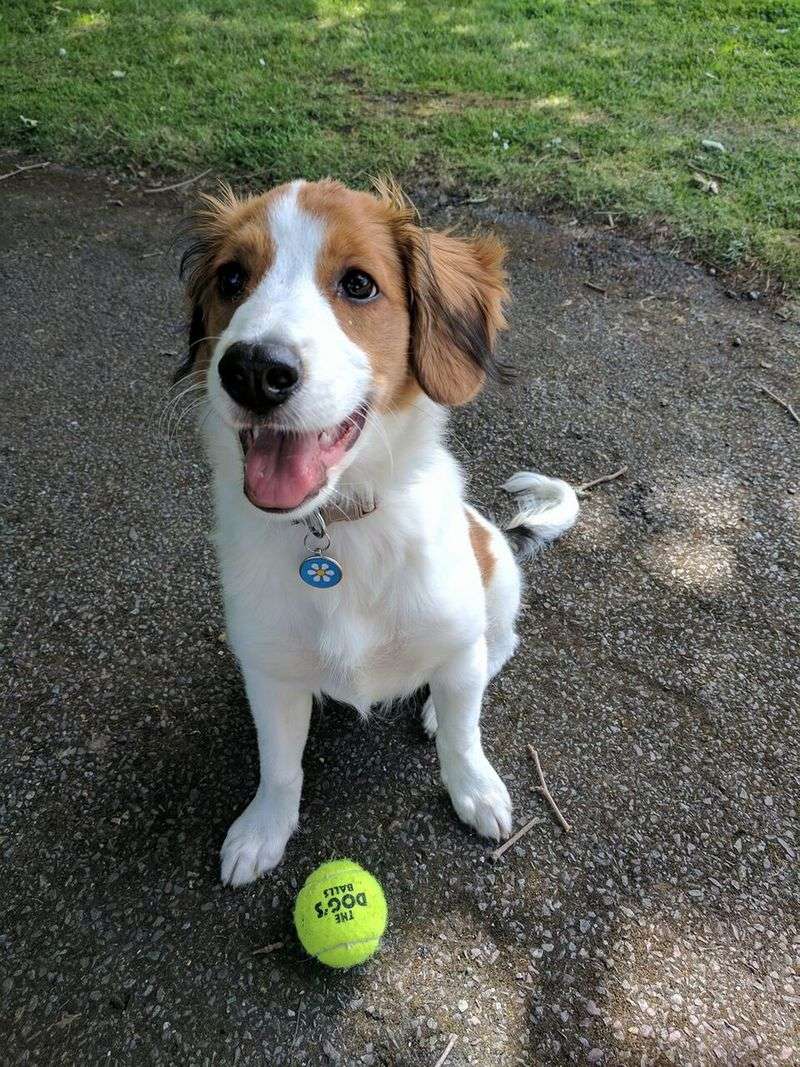
The Kooikerhondje is a spirited, small dog with an affinity for water. However, when it comes to walking gear, they can be quite sensitive.
Their delicate necks make collars less ideal. A harness ensures freedom of movement without compromising their comfort. Switching gear types suddenly might confuse or unsettle them.
Originally bred in the Netherlands to lure ducks, this breed is clever and attentive. Careful consideration of their walking gear can ensure they remain happy and carefree on their outdoor adventures.
Bergamasco Sheepdog
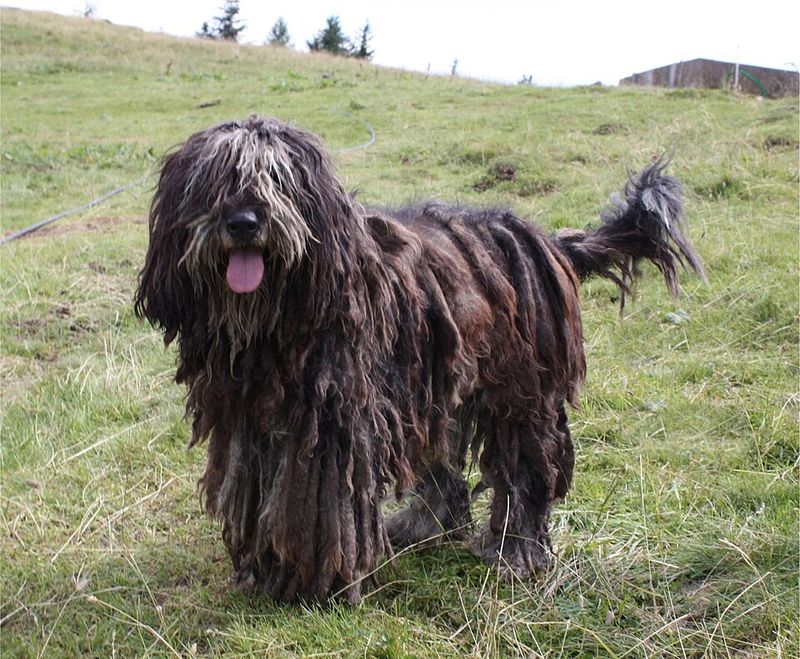
Famous for its matted coat, the Bergamasco Sheepdog has specific needs when it comes to gear. Their dense fur makes collars impractical as they can pull and cause irritation.
A harness is more suitable, distributing pressure evenly across their body. Any sudden switch in gear can lead to discomfort or stress.
Originating from the Italian Alps, these dogs were used for herding and need freedom to move. Ensuring their walking gear is consistent and comfortable will help maintain their ease and confidence.
Briard
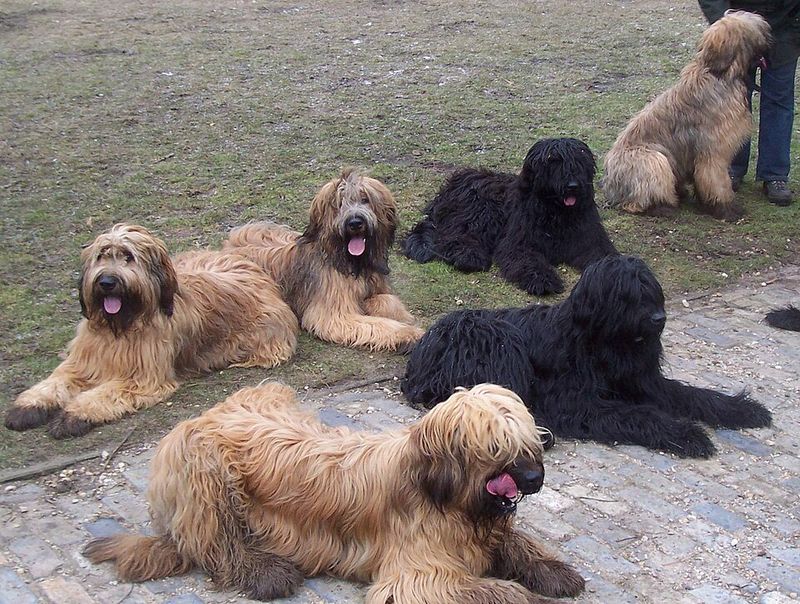
The Briard, known for its intelligence and loyalty, has specific needs regarding walking gear. With its long, flowing coat, a collar can cause matting and discomfort.
A harness is more suitable, allowing for better control without affecting their luxurious fur. Changing gear abruptly can lead to anxiety or reluctance during walks.
Historically used as a herding dog in France, the Briard requires consistent routines. Ensuring their gear is comfortable and familiar will help them stay composed and cooperative.
Picardy Shepherd (Berger Picard)
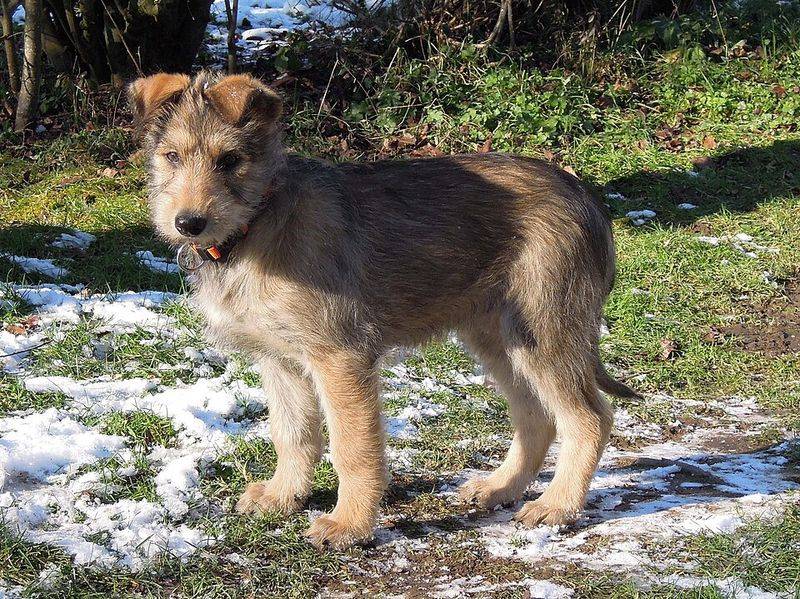
The Picardy Shepherd, with its rugged appearance and lively spirit, is sensitive to gear choice due to its wiry coat.
A harness is often preferred, preventing any potential irritation from a collar. Sudden changes in gear may lead to discomfort or confusion, affecting their willingness to walk.
With a history rooted in France, these shepherds are known for their adaptability and intelligence. Ensuring consistent, comfortable gear improves their enjoyment of outdoor activities.
Polish Lowland Sheepdog
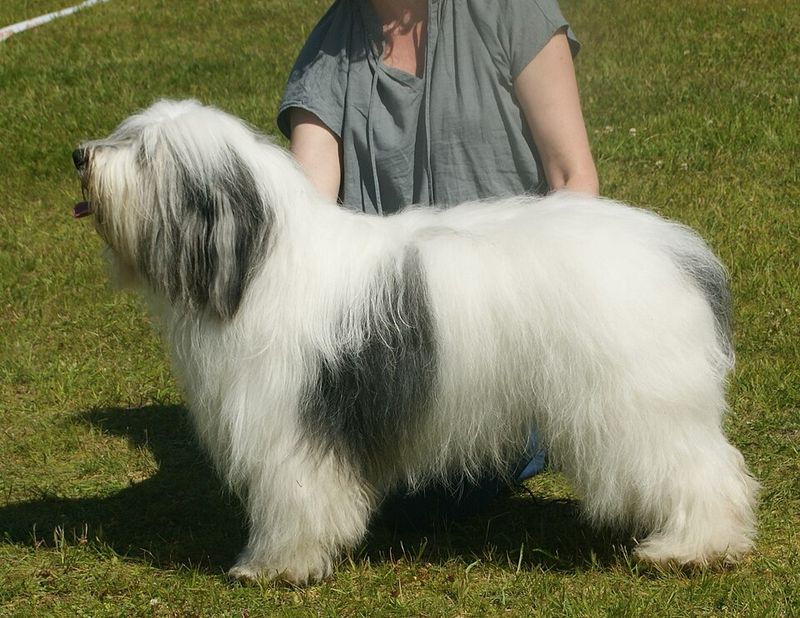
The Polish Lowland Sheepdog, with its shaggy coat, requires careful gear selection. Collars can easily get lost in their thick fur, leading to discomfort.
A harness provides better control and comfort, allowing them to move freely. Any abrupt change in gear might lead to resistance or anxiety during walks.
These dogs, originally bred for herding in Poland, need consistency and routine. Ensuring their walking gear is comfortable and familiar will maintain their cheerful disposition.
Catalan Sheepdog

The Catalan Sheepdog, known for its intelligence and agility, has specific needs when it comes to walking gear. Their thick, woolly coat can make collars uncomfortable, causing irritation.
A harness is generally more suitable, offering control without affecting their coat. Sudden changes in gear may lead to hesitance or stress during walks.
Originating from the Catalonia region, these dogs were used for herding and guarding, requiring consistency in routines. Choosing appropriate walking gear ensures their comfort and readiness for adventure.
Hovawart
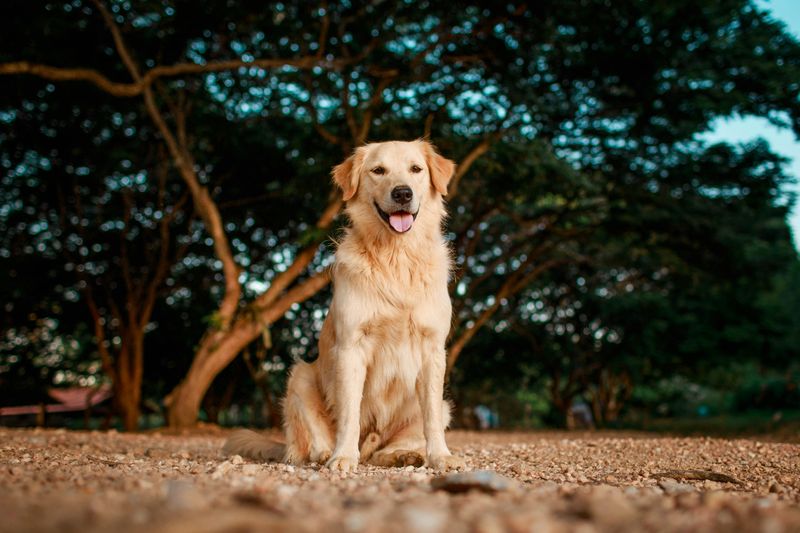
The Hovawart, known for its protective nature, needs appropriate gear for its dense coat. Collars can cause discomfort, making a harness a more suitable option.
Switching from a harness to a collar can lead to discomfort or resistance during walks. Their natural guarding instincts mean they respond well to consistency and familiarity.
With origins in Germany, these versatile dogs require clear signals and structured routines. Ensuring their walking gear is comfortable and consistent will help maintain their confidence and contentment.
Black Russian Terrier
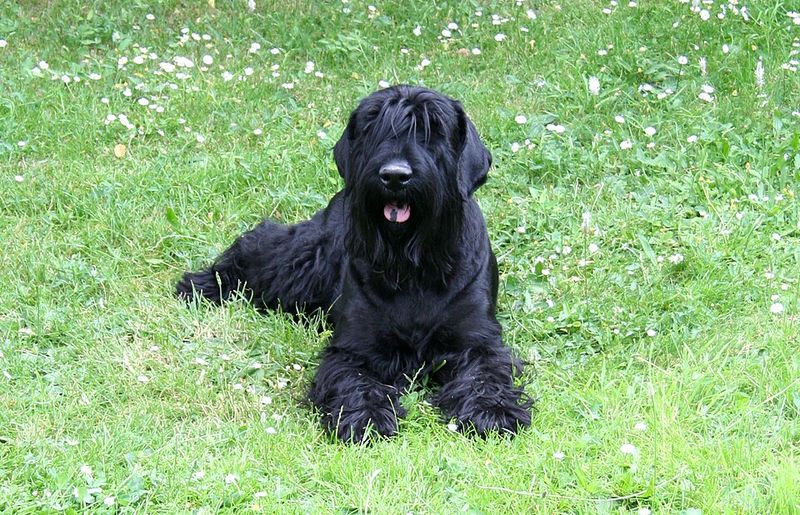
The Black Russian Terrier, known for its imposing stature and gentle demeanor, requires thoughtful gear selection. Collars can be uncomfortable due to their thick, dense fur.
A harness provides better control and comfort, accommodating their robust build. Abrupt changes in gear may lead to reluctance or stress during walks.
Developed in Russia for military purposes, these dogs are highly trainable and need consistency. Ensuring their walking gear is comfortable and familiar supports their confidence and adaptability.