
Dogs often sense weather changes more acutely than humans. Certain breeds, due to their origins and physical characteristics, show heightened sensitivity to climatic shifts. Here are twelve such breeds known for their unique weather reactions.
Alaskan Malamute
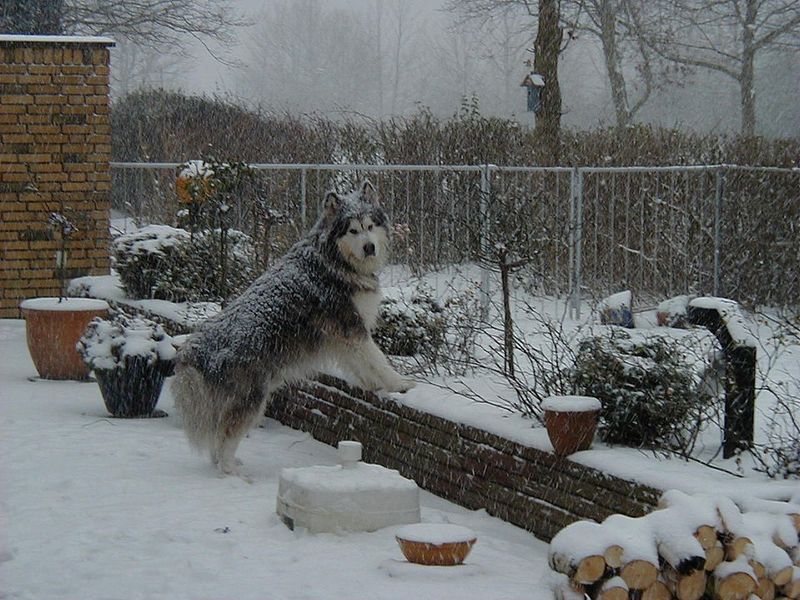
Known for their endurance, Alaskan Malamutes thrive in cold weather. Their dense double coat provides insulation against frigid temperatures. Originating from the Arctic, these dogs were bred for sledding and hauling heavy loads.
During colder months, they exhibit increased energy levels, eager to engage in outdoor activities. When temperatures rise, they may become lethargic, seeking cool spots to rest.
Their love for snow is unmatched, often seen frolicking joyfully in it. Malamutes are vocal about their discomfort in heat, panting heavily and seeking shade.
Siberian Husky
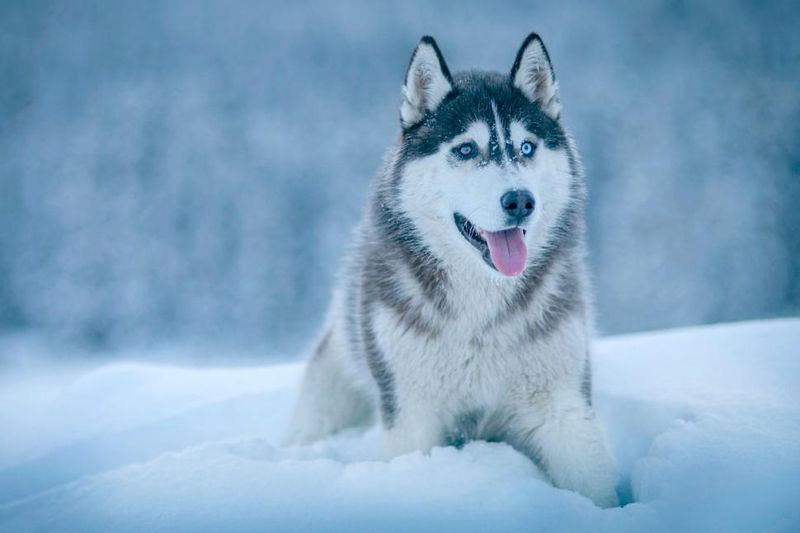
Siberian Huskies are iconic for their striking appearance and love for cold climates. With origins in Siberia, their thick fur and strong build suit them for snowy terrains.
In winter, they become more active, displaying boundless energy and enthusiasm for exploration. In contrast, warm weather makes them uncomfortable, often seeking cool surfaces.
Their wolf-like howl might increase during thunderstorms, expressing anxiety about sudden weather changes. Huskies are known to sense approaching storms, becoming restless and alert.
Samoyed
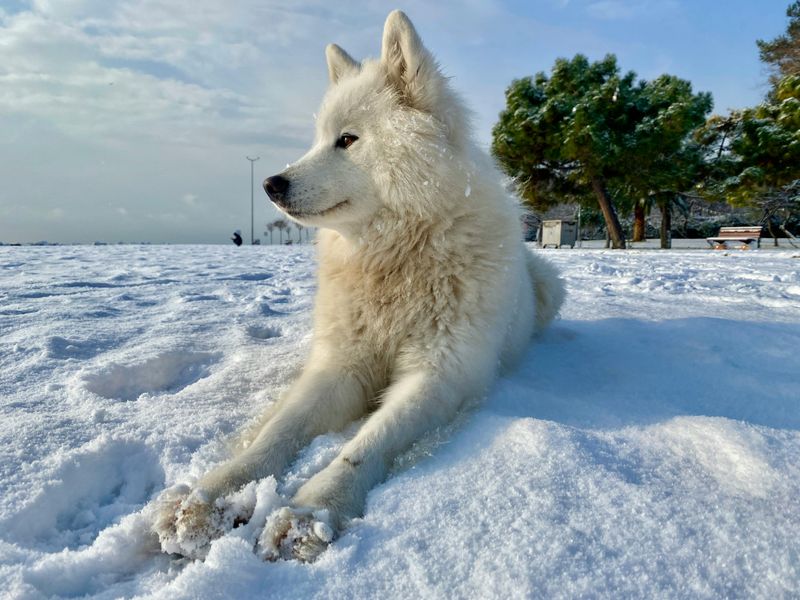
With their trademark smile, Samoyeds are built for chilly climates. Originating from Siberia, their luxurious white coat protects them from the cold.
They adore playing in the snow, their energy levels peaking during winter. However, they become sluggish and seek shade when temperatures soar.
Samoyeds often react to thunderstorms by seeking comfort from their owners, displaying a gentle need for reassurance. Their strong bond with humans makes them highly responsive to environmental changes.
Chow Chow
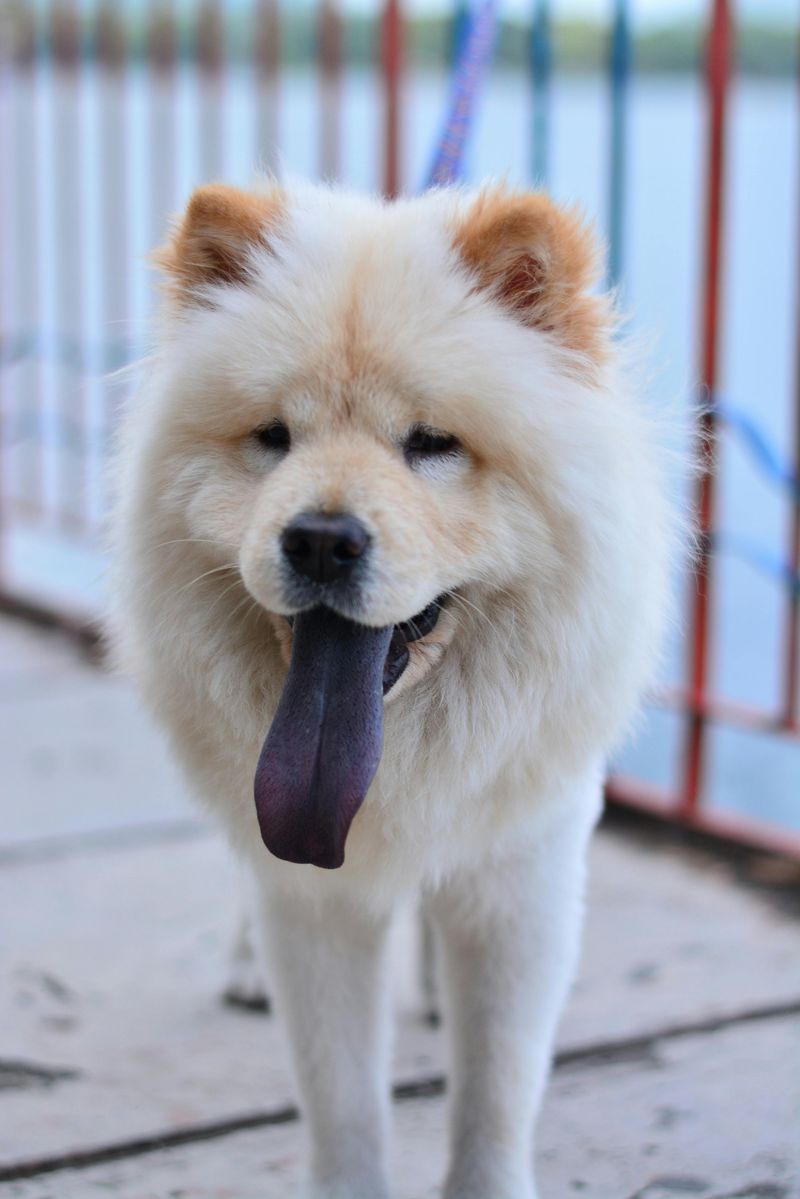
Chow Chows, with their lion-like mane, are ancient dogs with a rich history in China. Their dense coat makes them susceptible to heat but well-suited for cold climates.
They are known to be more alert and active during cooler weather, enjoying chilly strolls. In warm conditions, they may appear lethargic, avoiding intense activities.
Their temperament is as unique as their appearance, often showing a preference for calm, cool environments. Chow Chows are typically aloof but can become restless during storms.
Shiba Inu

Shiba Inus, with their fox-like appearance, are native to Japan’s mountainous regions. Their thick, plush coat helps them adapt to various weather conditions.
They thrive in cooler climates, often seen energetically exploring their surroundings. In heat, they exhibit a more relaxed demeanor, seeking cooler retreats.
These independent dogs often display heightened awareness during storms, becoming watchful and alert. Their unique personality makes them fascinating companions, particularly in changing weather.
Basenji
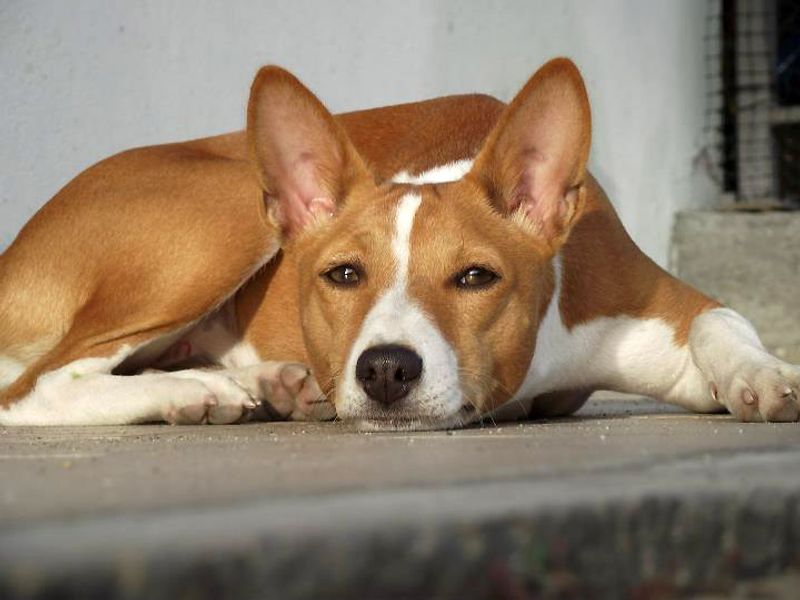
Basenjis are known for their barkless nature and origin from Africa. Their short coat is suited for warm climates but can make them sensitive to cold weather.
In warmer weather, they display agility and playfulness, enjoying sunlit adventures. Conversely, they seek warmth and comfort during colder days, preferring indoor coziness.
Their unique vocalizations, resembling yodels, may increase during storms, showcasing their sensitivity to atmospheric changes. Basenjis are alert and keen observers of their environment.
Afghan Hound
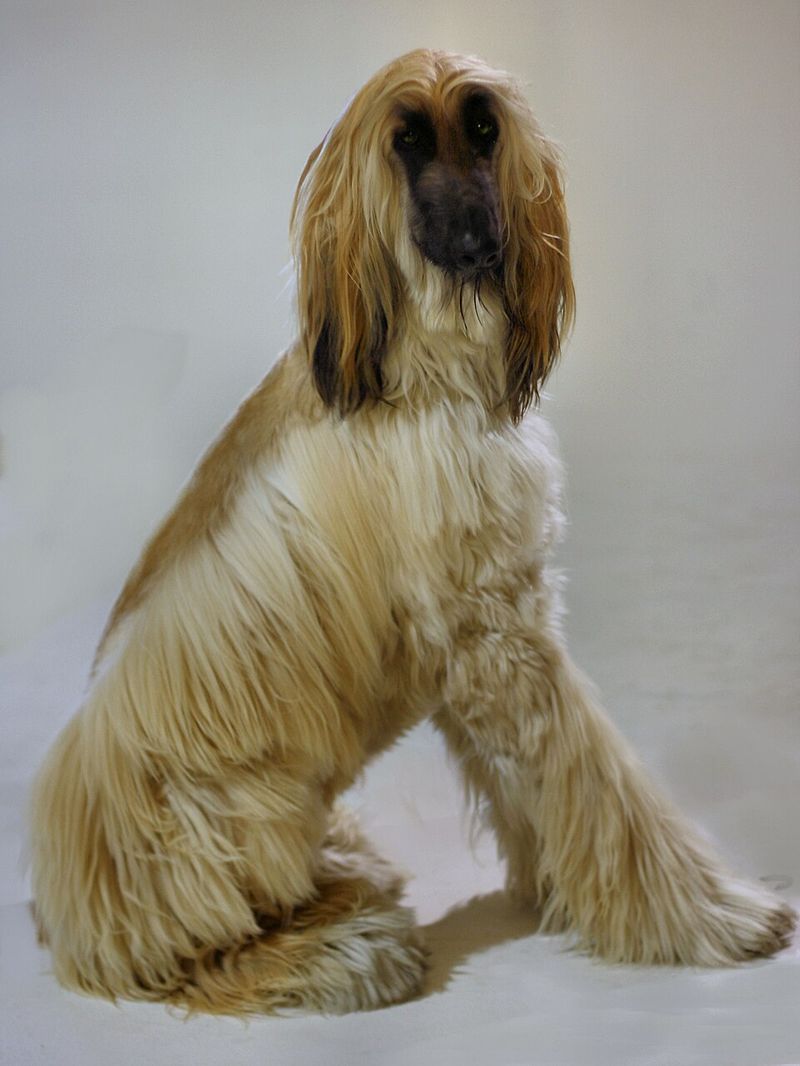
Afghan Hounds captivate with their elegance and flowing locks. Originating from the mountains of Afghanistan, their long coat provides protection against varying temperatures.
They are energetic in cooler climates, their coat billowing as they run. In contrast, they may become subdued in heat, seeking shade to stay comfortable.
These hounds often become more vocal and restless during storms, displaying their sensitivity to weather shifts. They are admired for their grace and dignified demeanor.
Saluki
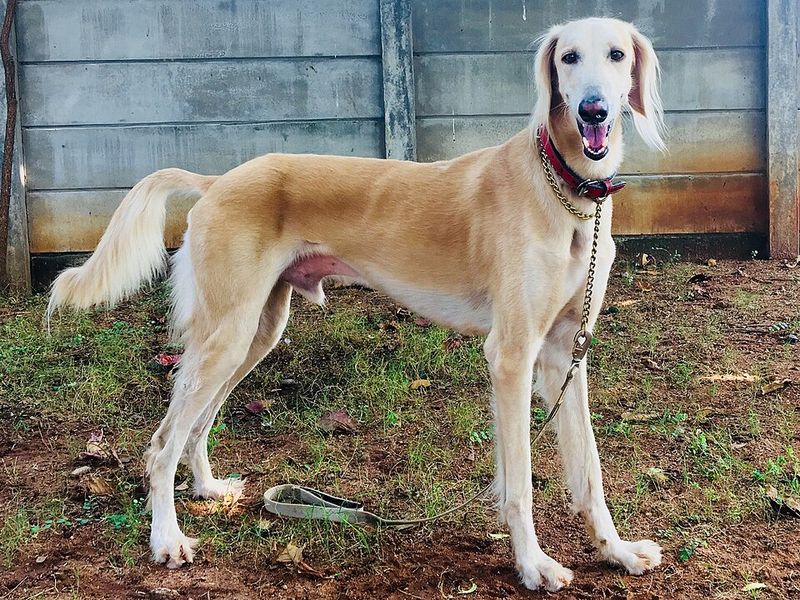
Salukis, known for their grace, originate from the Middle East. Their fine coat suits warm climates but requires care in colder weather.
In heat, they display agility and elegance, enjoying the sun’s warmth. Colder temperatures may see them seeking warmth and shelter, preferring comfortable spaces.
Their keen senses make them alert to approaching storms, often becoming restless and watchful. Salukis are cherished for their gentle disposition and regal presence.
Norwegian Elkhound
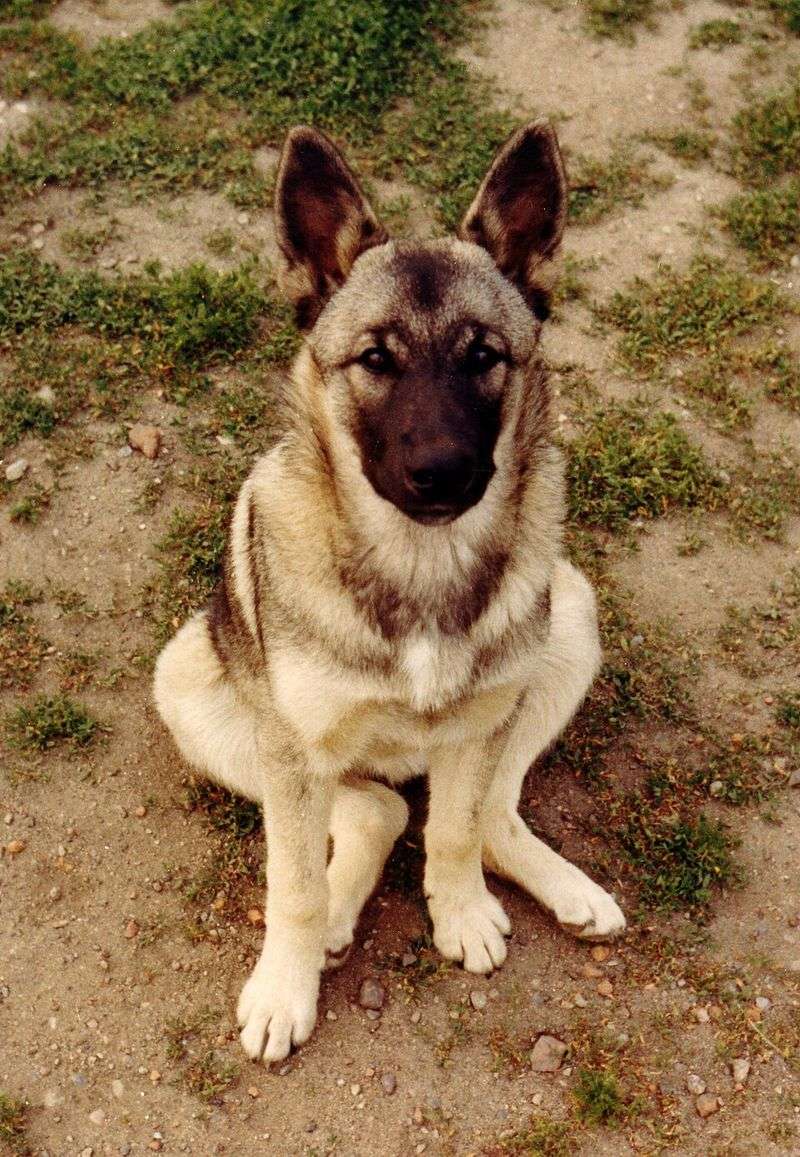
Norwegian Elkhounds, with their sturdy build, are well-suited for Arctic climates. Their thick coat provides insulation against harsh winter conditions.
They are invigorated by cold weather, eager to explore snowy terrains. In contrast, they may become sluggish in heat, preferring shaded areas.
These dogs are known to become alert and vocal during storms, demonstrating their keen awareness of weather changes. Norwegian Elkhounds are loyal companions with a rich history of hunting.
Icelandic Sheepdog
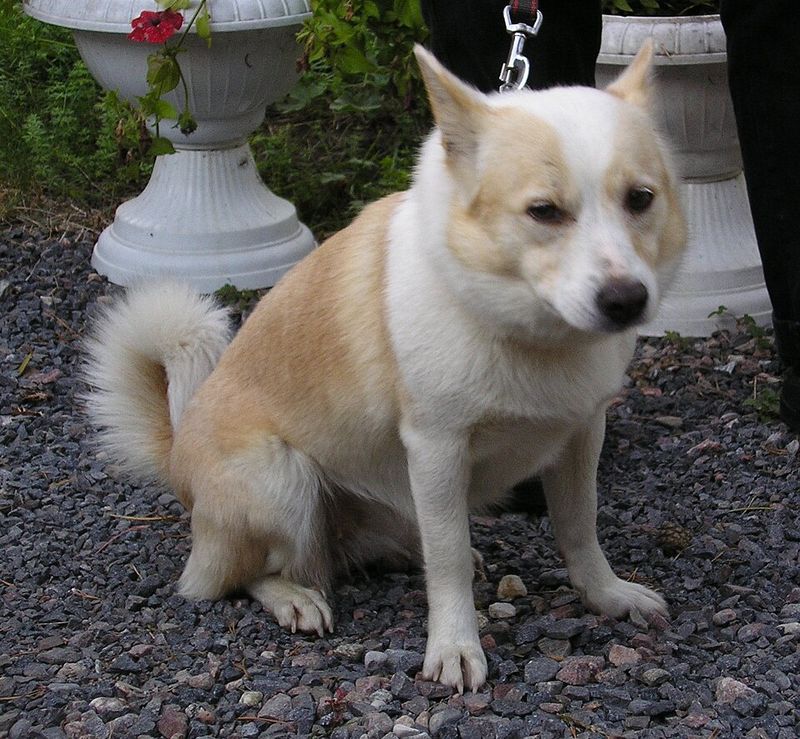
Icelandic Sheepdogs, with their lively spirit, hail from Iceland. Their thick coat suits them for cold climates, and they thrive in outdoor settings.
They become energetic in cooler weather, displaying their natural herding instincts. In warm conditions, they may appear more reserved, seeking cool spots to relax.
Their cheerful demeanor often contrasts with their heightened alertness during storms, showcasing their sensitivity to environmental changes. These dogs are beloved for their friendly nature.
Pyrenean Mountain Dog (Great Pyrenees)
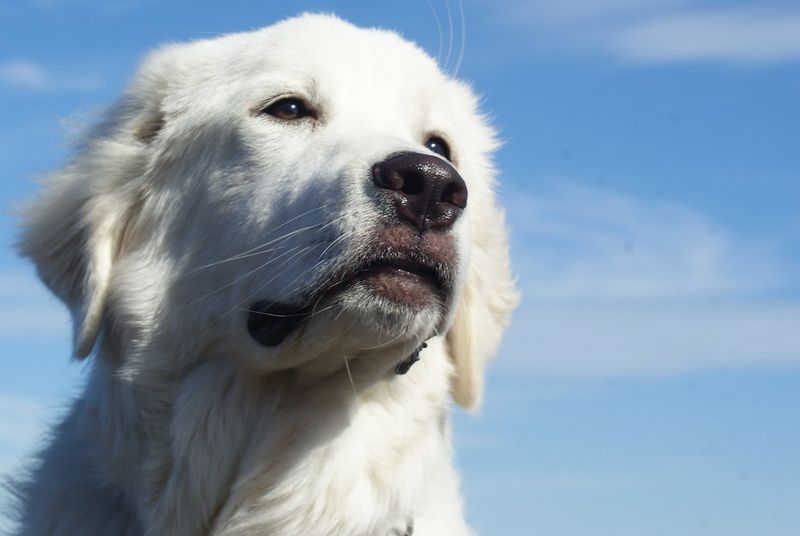
The Great Pyrenees, known for their protective instincts, thrive in mountainous regions. Their dense, white coat insulates them from cold.
They become active and playful in cooler temperatures, showcasing their love for the snow. Warmer weather may find them seeking shade, displaying a more relaxed demeanor.
During storms, their protective nature often surfaces, becoming vigilant and attentive. These dogs are gentle giants with a steadfast presence.
Akita
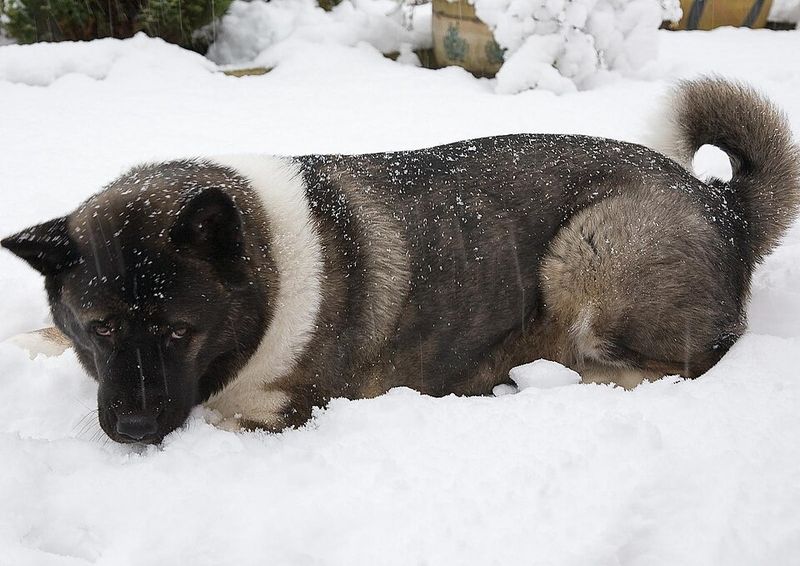
Akitas, with their noble stance, originate from Japan’s snowy regions. Their thick double coat equips them for harsh winters.
In colder weather, they are energetic and engaged, enjoying outdoor activities. Conversely, they may become more reserved in heat, seeking cooler environments.
Their alertness increases during storms, showcasing their protective instincts. Akitas are revered for their loyalty and dignified presence, making them esteemed companions.