
Sunny days by the water sound perfect, but not every dog is built for swimming. Some beloved breeds face real challenges with buoyancy, breathing, and stamina that can turn fun into danger fast.
With smart prep and close supervision, you can still enjoy the shoreline together. Here are the breeds that need extra care and exactly how to help them stay safe.
Bulldog
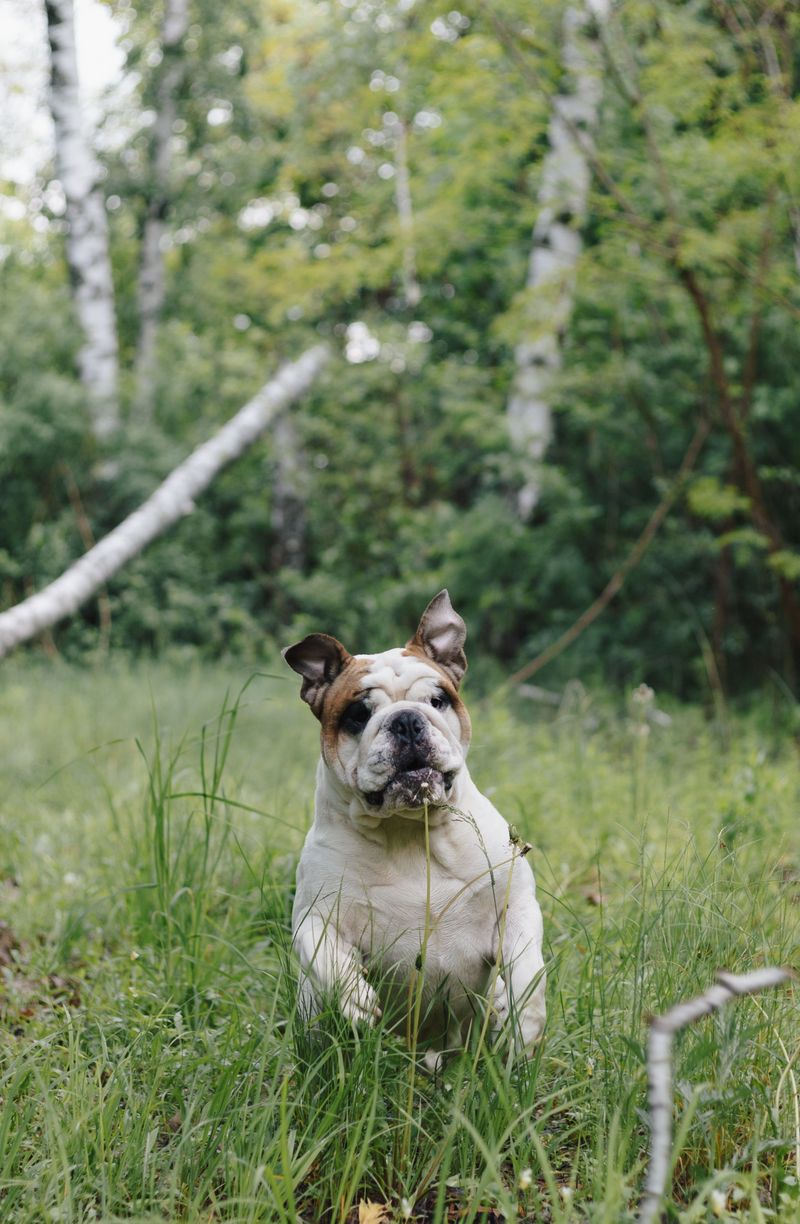
Bulldogs are iconic and lovable, but water presents hidden risks you should not underestimate. Their heavy, muscular fronts pull downward, and that short, broad skull makes breathing harder when excitement spikes.
Even calm splashing can quickly turn to panic, fatigue, and dangerous inhalation.
If you bring a Bulldog near pools or surf, use a snug life jacket with sturdy handles. Keep sessions short, stick to shallow entries, and avoid choppy water or steep steps they cannot navigate.
Offer shade, frequent breaks, and rinse their skin folds afterward to prevent irritation and infections.
Always supervise within arm’s reach, never trusting floating confidence. Dry ears thoroughly, and watch for delayed coughing later.
When unsure, choose land games that keep them happy.
French Bulldog
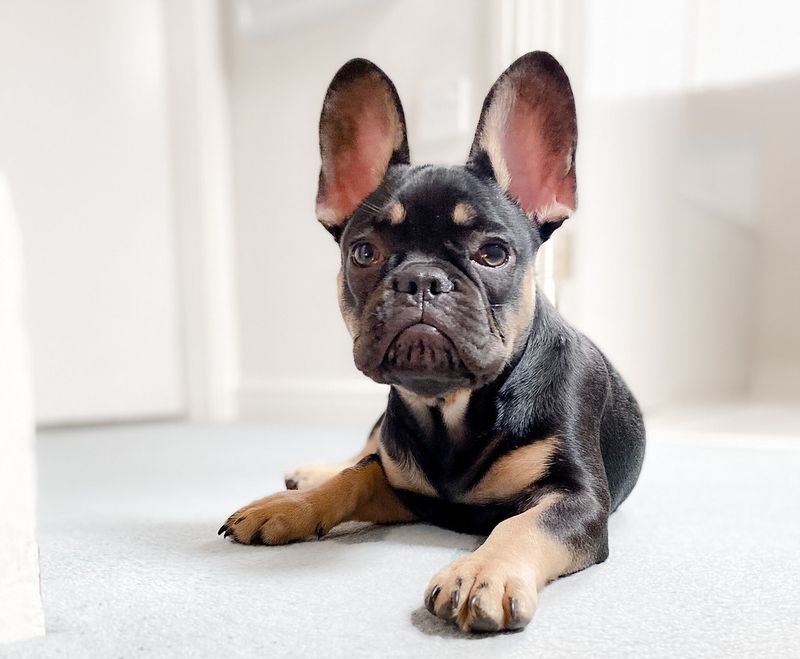
French Bulldogs carry similar risks to their English cousins, with compact bodies and brachycephalic faces that strain breathing under stress. Their short legs and dense torsos reduce buoyancy, so they tire fast and may panic.
Even a few gulps of water can lead to coughing or aspiration.
Use a well-fitted life jacket, keep a short leash, and introduce only calm, shallow water. Skip rough waves, deep ends, or slick boat ramps.
Provide shade, cool drinking water, and frequent breaks so heat and fatigue never compound the risk.
Teach reliable recall on land first, then practice slow shoreline entries. Watch for blue-tinged gums or noisy breathing.
When in doubt, choose splash pads or supervised wading instead of swimming.
Pug
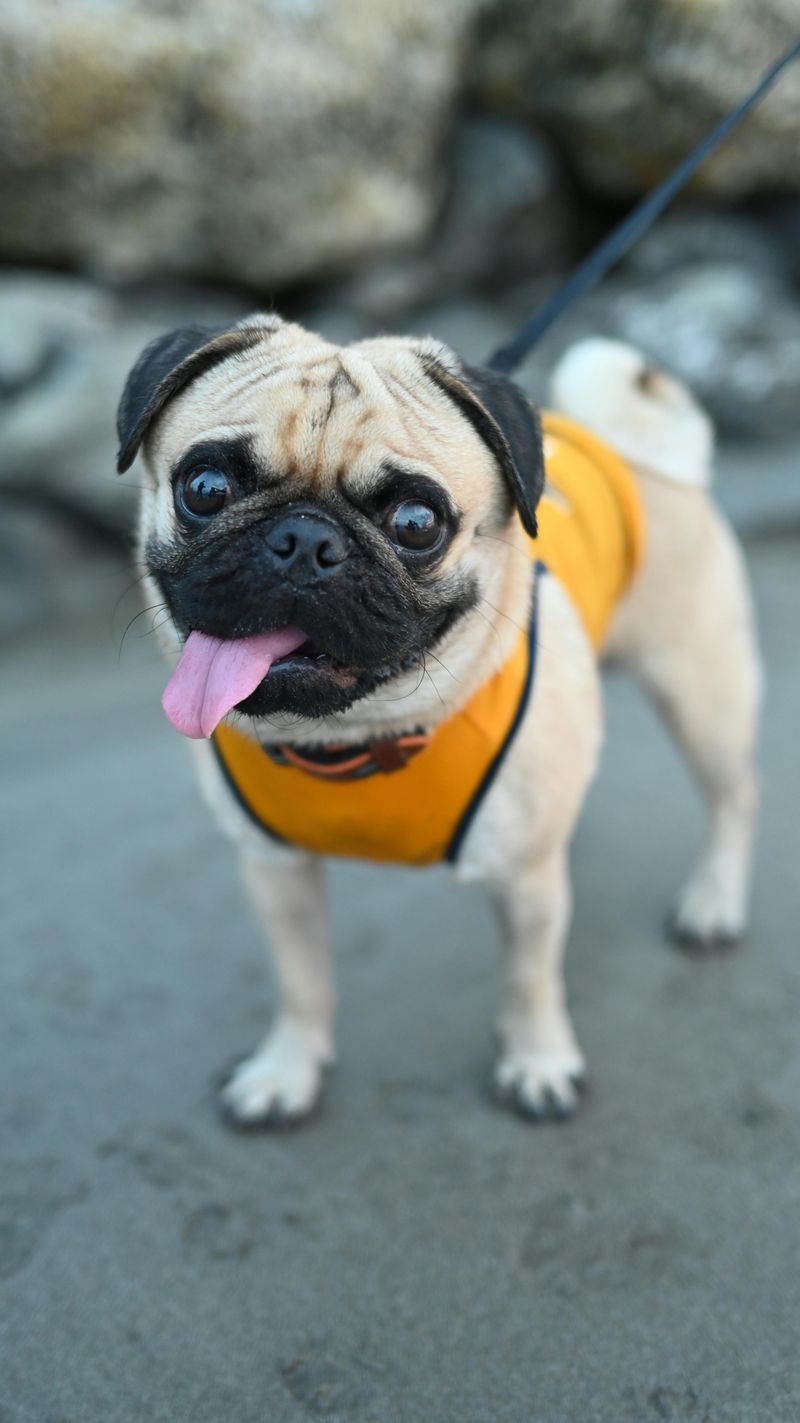
Pugs are charming companions, but their flat faces, compact frames, and enthusiastic energy can spell trouble near water. They overheat quickly, then struggle to coordinate breathing and paddling.
In deeper sections, a Pug may tilt forward, inhale water, and panic.
Stick to shallow entries and quiet conditions, using a life jacket with a sturdy grab handle. Keep sessions very brief, then cool down in shade with fresh drinking water.
Rinse and dry thoroughly, especially skin folds, to prevent irritation.
Focus on confidence without pressure, rewarding calm behavior and slow exploration. If breathing becomes raspy or labored, stop instantly.
Many Pugs prefer shoreline games, sprinklers, or snuffle mats instead of true swimming.
Boxer
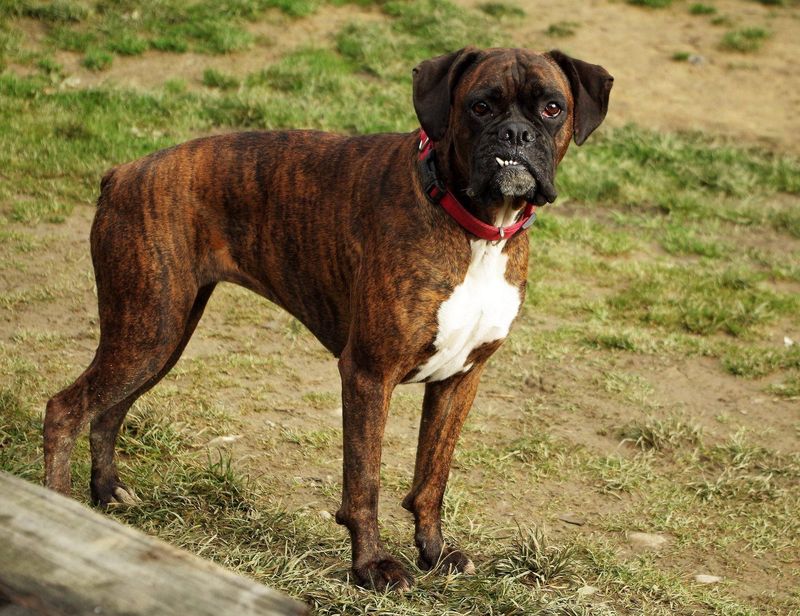
Boxers love play, but that enthusiasm can outrun their stamina around water. Their deep chests and powerful fronts can tip the body downward, especially when waves or currents surprise them.
Add excitement, and breathing may become less efficient just when focus is needed most.
Start with controlled, shallow wading on a long line and a secure life jacket. Avoid strong surf, fast rivers, and steep drop-offs.
Alternate short water exposures with leashed walks to settle arousal and conserve energy.
Teach a solid exit cue and practice finding steps or ramps. Dry them well and check for paw abrasions from rough sand.
Keep fun high and risk low by prioritizing calm, predictable conditions.
Bull Terrier
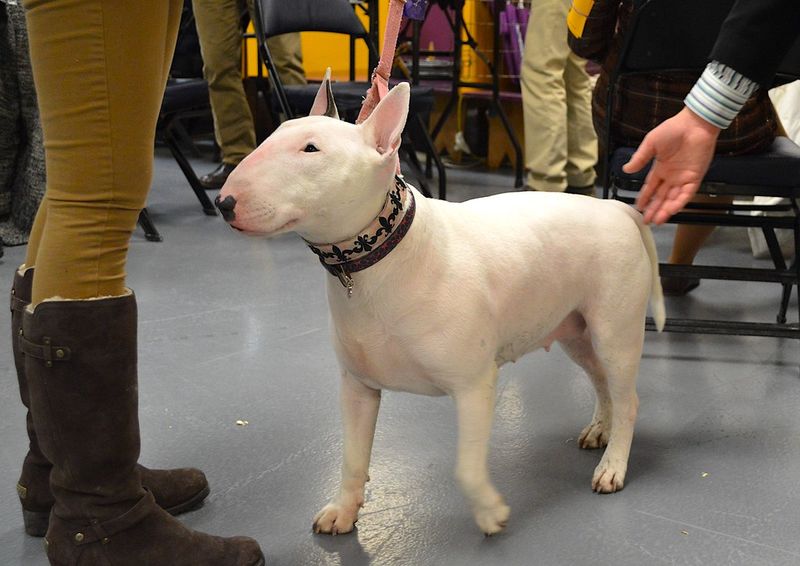
Bull Terriers can be bold and driven, which sometimes clashes with safe water behavior. Their solid build can reduce buoyancy, while excitement or fixation on a toy may override caution.
Sudden drops or waves can unbalance them, leading to frantic paddling and fast fatigue.
Use a life jacket, long line, and clear start-stop routines. Keep water sessions brief and structured, with calm fetch only in shallow zones.
Skip slippery docks and avoid strong currents that make them power through exhaustion.
Practice exits repeatedly and reward coming back to you on cue. Afterward, rinse off sand and check skin for scrapes.
Your steady supervision and boundaries help their enthusiasm stay safe and fun.
Basset Hound
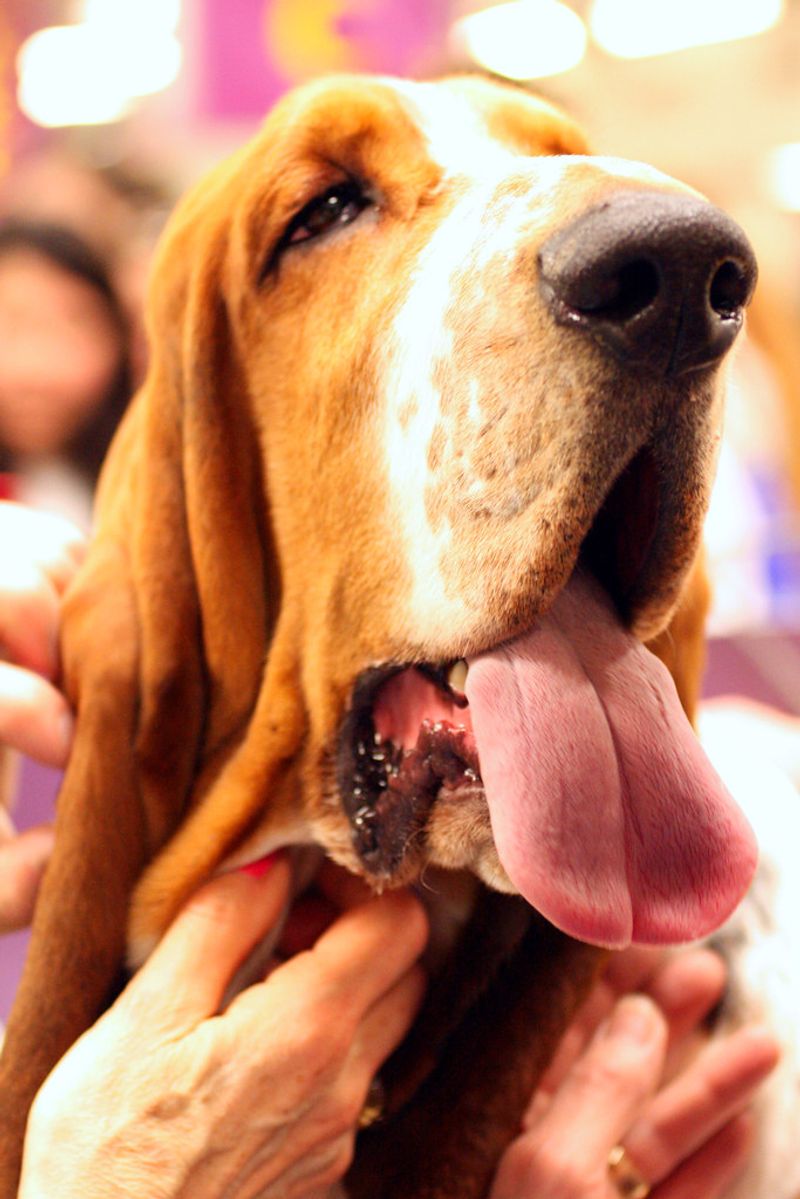
Basset Hounds carry long backs, short legs, and heavy bones that challenge buoyancy and efficient paddling. Their long ears drag in water, increasing resistance and ear infection risk.
Even mild chop can tire them quickly, turning exploration into a struggle.
Favor shallow, quiet water with a supportive life jacket and steady leash. Keep sessions short, then dry ears and skin folds thoroughly.
Avoid steep banks and boat ramps that stress joints and backs during exits.
Reward slow, confident steps, not speed. If breathing quickens or their body angle dips, guide them out immediately.
Many Bassets enjoy shoreline sniffing and shaded walks far more than swimming.
Dachshund
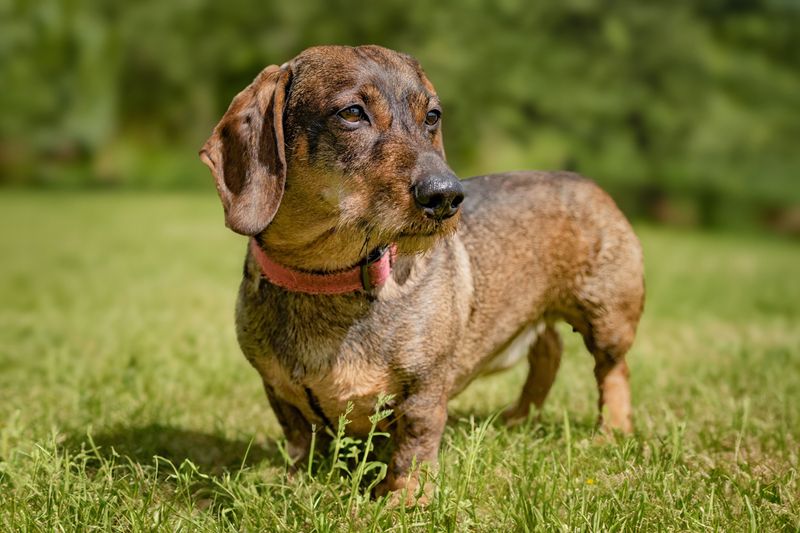
Dachshunds have adorable long backs and short legs that are not ideal for staying afloat. Rapid paddling can fatigue them, and awkward angles may strain their spine.
Cold water or unexpected drop-offs can turn curiosity into risk fast.
Use a well-fitted life jacket with a sturdy handle, and keep a short leash attached. Choose gentle, shallow entries and avoid currents or waves.
Lift them out rather than asking them to scramble up slippery banks.
Dry completely, especially the chest and belly, and monitor for shivering or stiffness. Keep sessions playful but brief with frequent rest.
Safer enrichment might be scent games by the shore instead of deeper swimming.
Shih Tzu
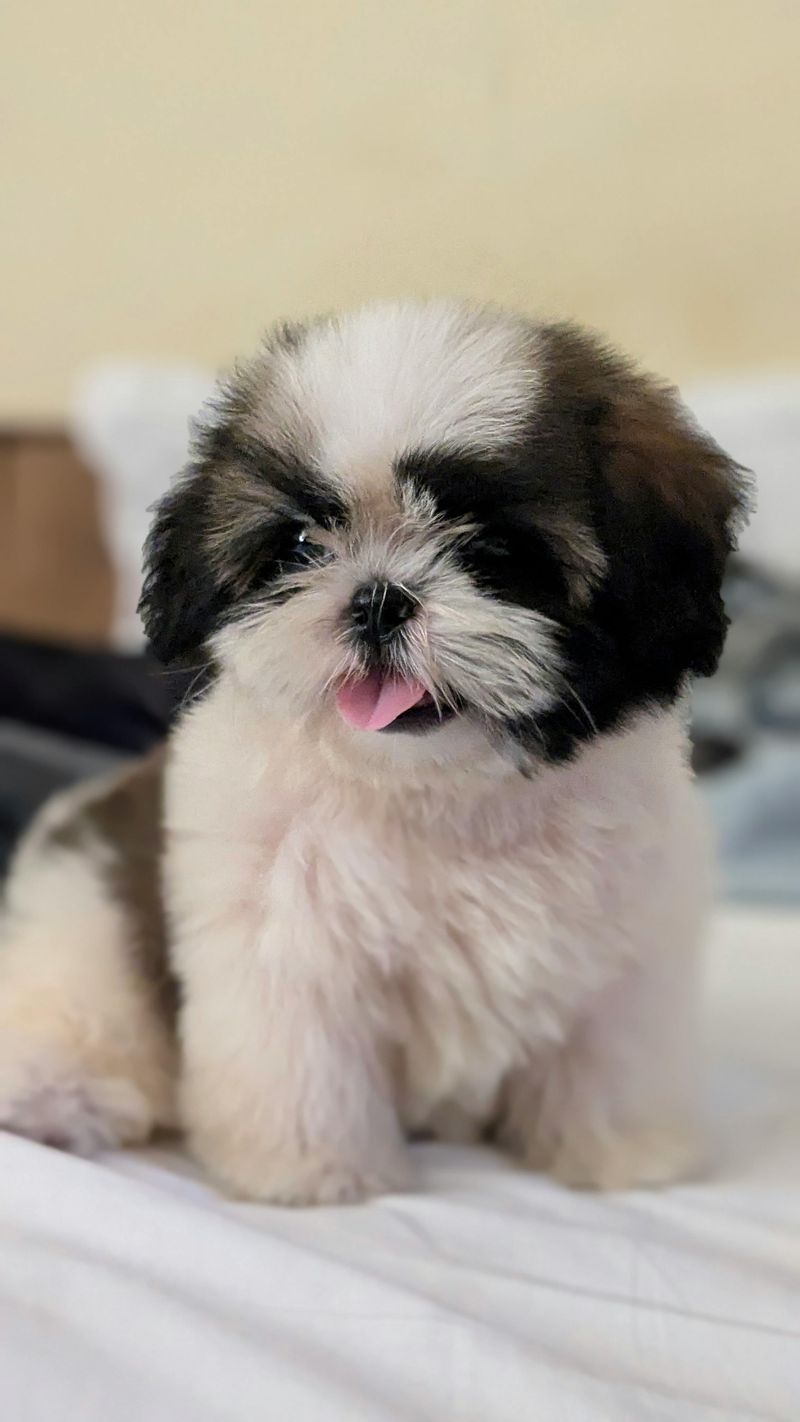
Shih Tzus often have dense coats, short muzzles, and small bodies that make swimming tiring. Waterlogged fur adds weight and chill, while excitement can complicate breathing.
Even gentle water can overwhelm them if sessions run too long.
Stick with shallow steps and a fitted life jacket, keeping a light leash for control. Towel-dry promptly, especially around ears and under the collar.
Limit exposure on windy days, and provide shade plus fresh drinking water.
Go slow with confidence building and reward calm curiosity. If you see shivering or frantic paddling, guide them out immediately.
Many Shih Tzus enjoy supervised splashing more than sustained swimming.
Pekingese
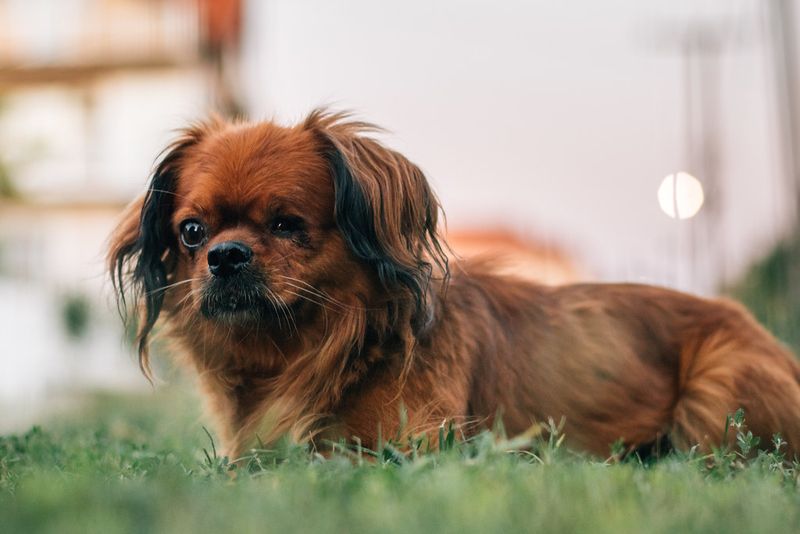
Pekingese have compact bodies, abundant coats, and short muzzles that complicate swimming. They tire easily, and heavy fur becomes waterlogged, reducing buoyancy and comfort.
Chilly water and breeze can quickly sap warmth from their small frames.
Introduce very shallow water with a supportive life jacket and calm handling. Keep outings brief and avoid waves, currents, or deep steps.
After each session, dry thoroughly to prevent skin irritation and ear problems.
Teach a gentle exit routine and practice coming to you for treats. If breathing sounds raspy or effortful, stop immediately.
Many Pekingese thrive with shoreline strolls and cozy shade instead of open water.
Chow Chow
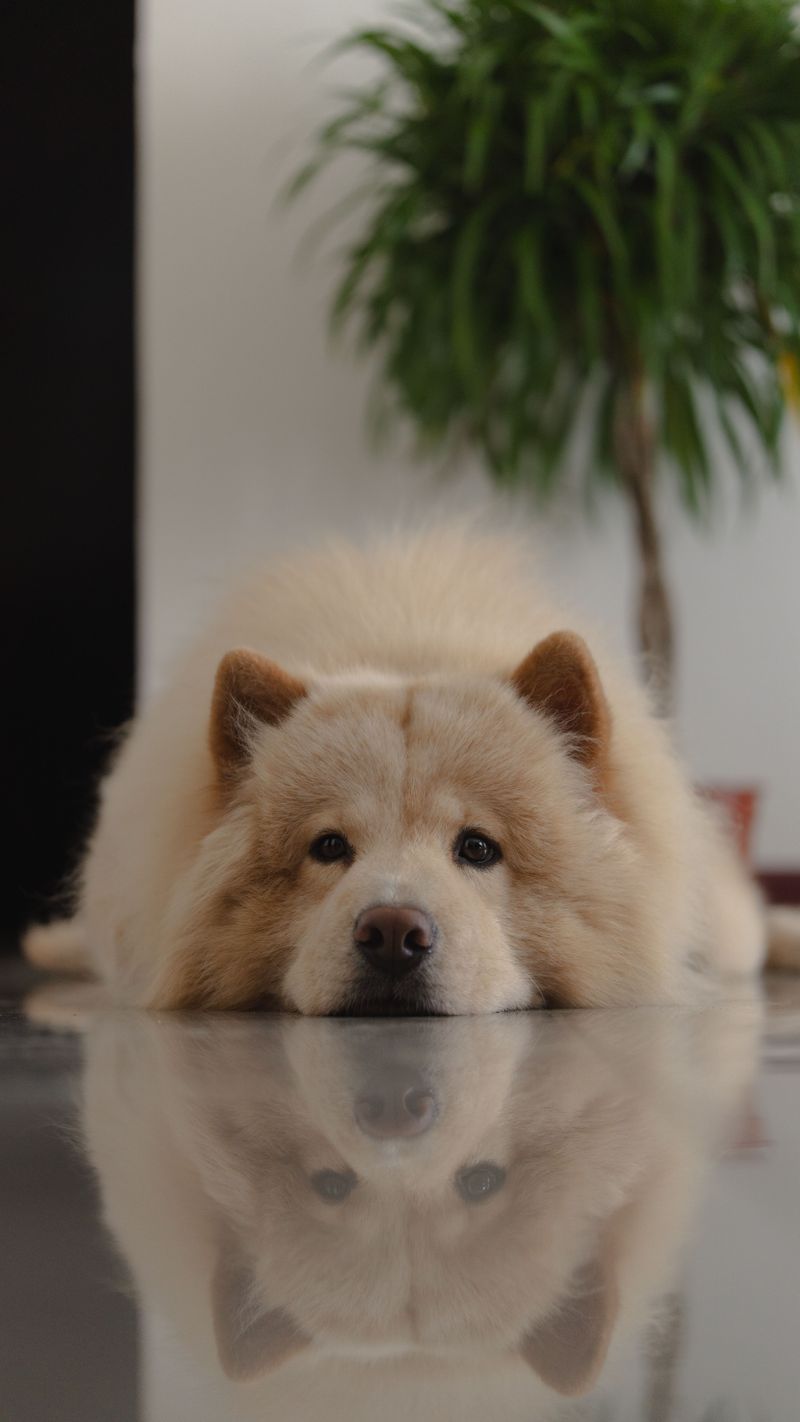
Chow Chows wear dense, insulating coats that soak up water and add significant weight. Combined with a powerful front, they can angle downward and tire quickly.
Hot days amplify overheating risk, especially near reflective water surfaces.
Choose cool, calm conditions and keep a life jacket on at all times. Limit sessions, offer shade, and provide plenty of fresh water.
Rinse afterward and dry the undercoat to prevent matting and skin irritation.
Practice calm entries and exits using ramps or steps. Watch for heavy panting, glazed eyes, or slowing strokes.
Safer options include shaded shoreline walks and controlled wading rather than full swimming.
Staffordshire Bull Terrier
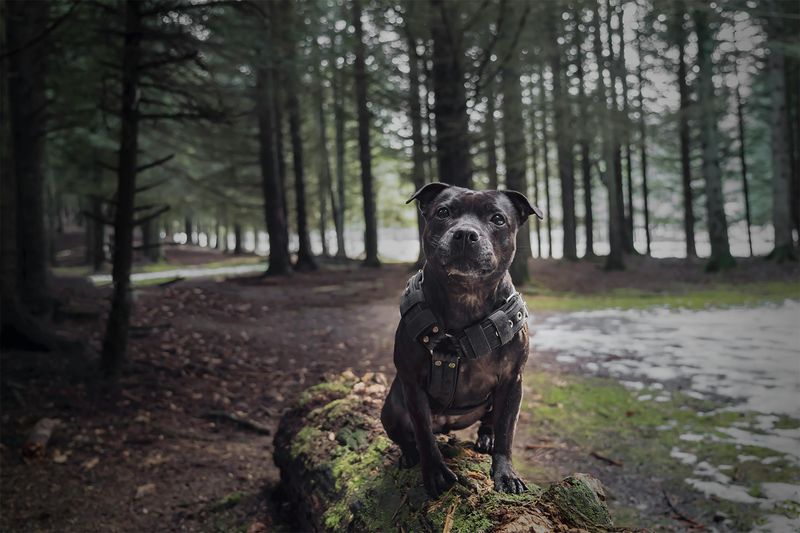
Staffordshire Bull Terriers are strong and enthusiastic, but their muscular fronts can pull them down in water. Excitement may outpace stamina, leading to gulping air or water.
Sudden waves or currents can flip confidence into panic quickly.
Fit a life jacket, attach a long line, and keep sessions short and structured. Favor calm coves and gradual slopes over busy surf or deep pools.
Teach solid recall and exit cues before trying deeper spots.
Alternate water play with leashed breaks to reduce arousal. Rinse salt or lake water off skin to minimize irritation.
Your steady guidance helps them enjoy the shoreline without overdoing it.
Boston Terrier
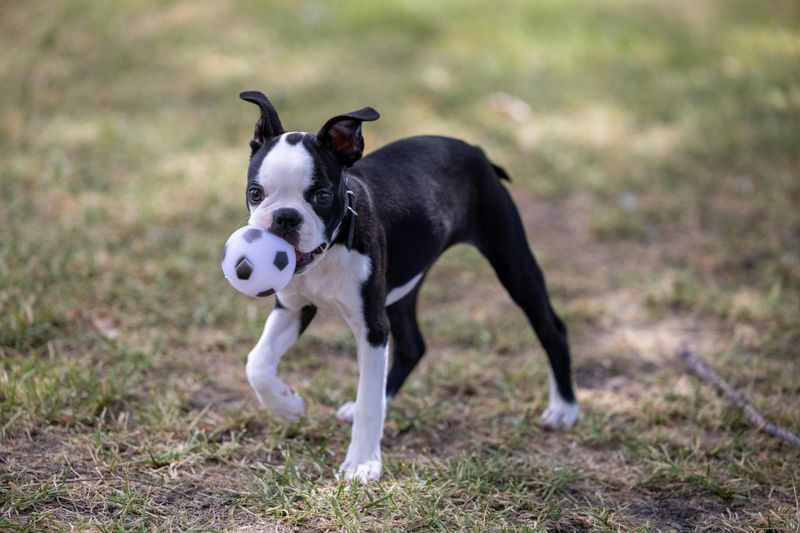
Boston Terriers are compact, energetic, and brachycephalic, which complicates efficient breathing in water. Their build can tilt forward, and excitement often spikes faster than stamina.
Even mild swell or sudden slips on steps can cause panic.
Use a snug life jacket with a grab handle and start in very shallow water. Keep a short leash, practice calm entries, and avoid crowded pools.
Offer frequent rest, shade, and fresh drinking water to prevent overheating.
Reinforce a reliable exit and reward steady focus over speed. If breathing grows noisy or paddling looks frantic, end the session.
Many Bostons enjoy splashy games on steps more than true swimming.