
Some dogs have an intriguing habit of saving snacks for later. This behavior, rooted in their wild ancestry, showcases their instinctual drive to conserve resources. Let’s delve into 12 breeds known for this clever trait.
Belgian Tervuren
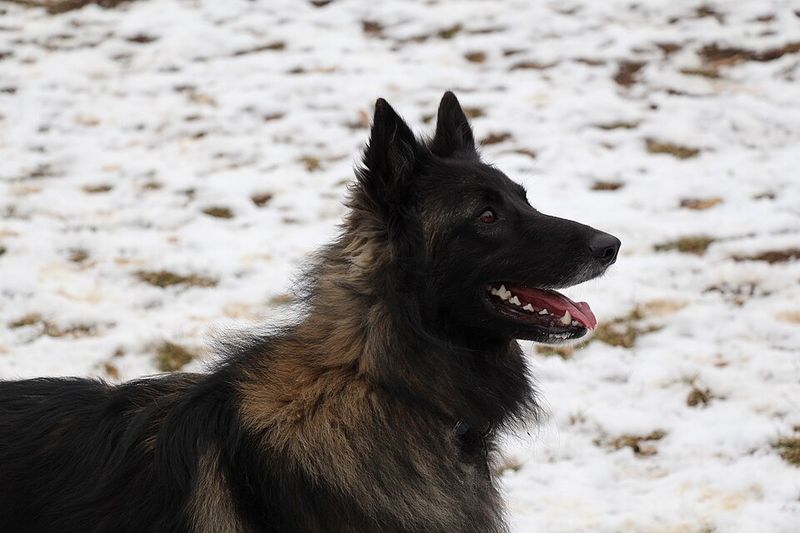
The Belgian Tervuren, with its elegant coat and sharp intellect, often exhibits a quirky habit of saving treats. When given a snack, this breed might decide to bury it for later enjoyment.
This behavior is a nod to its past as a herding dog, where resource management was crucial. The Tervuren is not only a snack saver but also a loyal and intelligent companion, often forming deep bonds with its family.
Did you know? This breed is one of the four Belgian sheepdogs, each known for its unique coat and rich history.
Finnish Lapphund
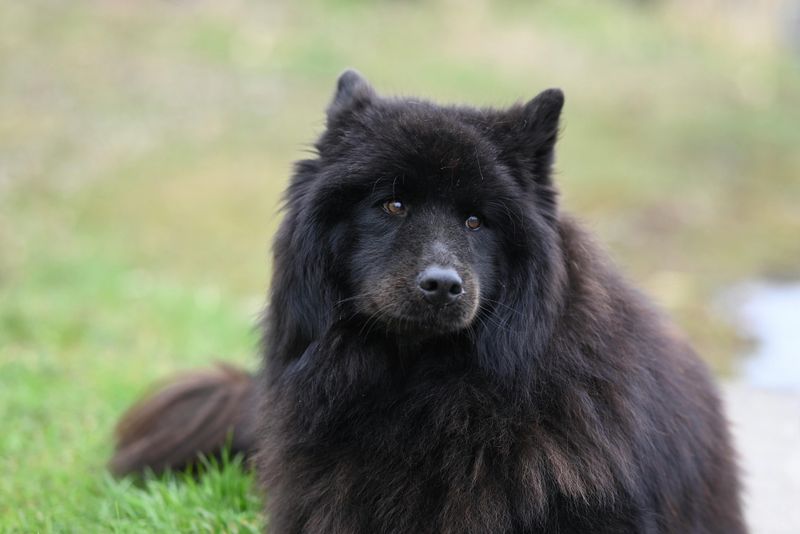
With a history rooted in reindeer herding, the Finnish Lapphund carries a sense of responsibility that extends to its snack-saving habits. This breed often displays a clever knack for hiding goodies.
Known for its playful and alert demeanor, the Lapphund is not just a snack saver but also a delightful family pet. Its thick coat and friendly nature make it well-suited for colder climates.
Fun fact: Finnish Lapphunds are still used today in some parts of Finland for herding reindeer, showcasing their enduring versatility.
Shetland Sheepdog
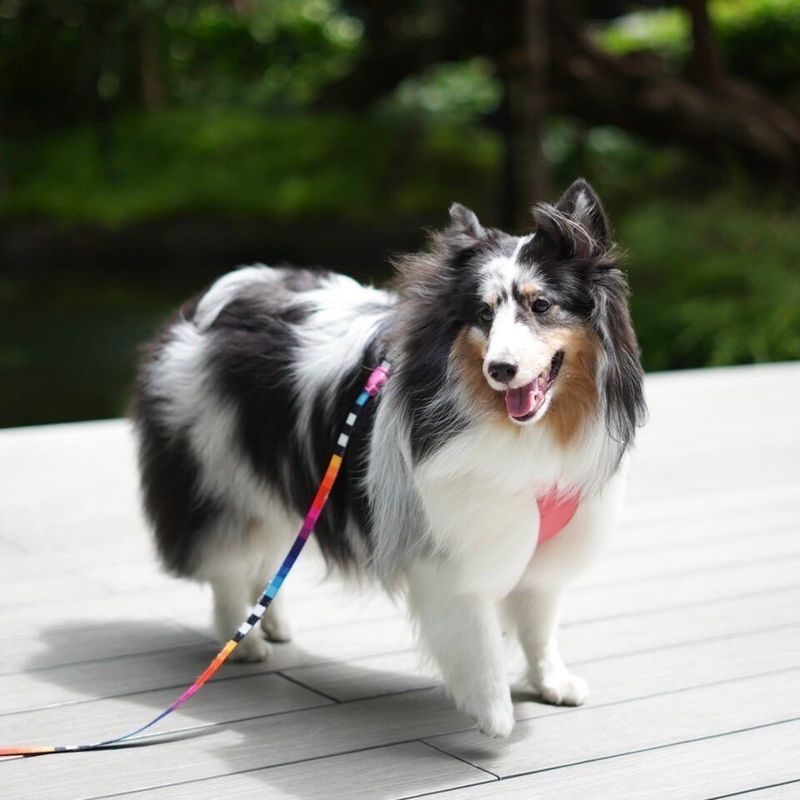
The Shetland Sheepdog, affectionately known as the Sheltie, often surprises owners by stashing away snacks. This intelligent breed weighs its options, often deciding to save a treat for later delight.
Shelties are known for their loyal and affectionate nature, making them excellent companions. They excel in agility sports, thanks to their agile bodies and keen minds.
Curious to note, the Sheltie’s origins are tied to the rugged Shetland Islands, where resourcefulness was a necessary trait for survival.
Australian Cattle Dog
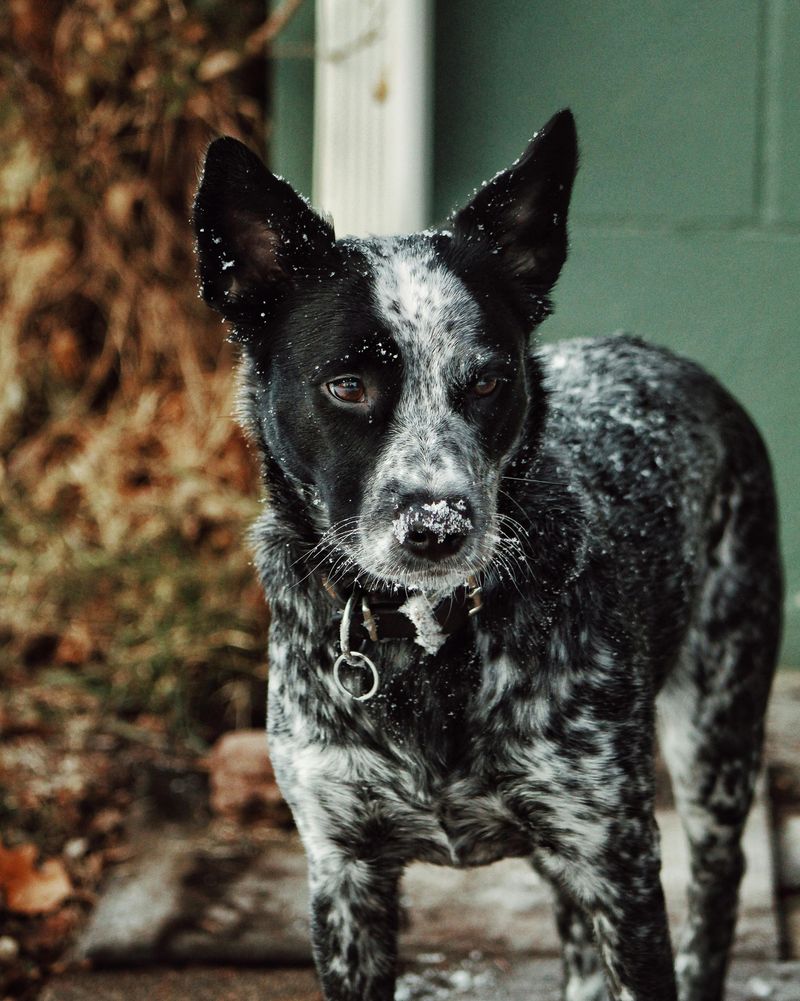
Renowned for its industrious spirit, the Australian Cattle Dog might also be caught in the act of saving snacks. This breed’s roots in herding make it mindful of conserving resources for future needs.
Cattle Dogs are highly energetic and require plenty of physical activity to thrive. Their keen intelligence often leads them to devise clever strategies, including saving treats.
Originating from Australia, they were bred to handle rough terrain and manage cattle, showcasing their incredible tenacity and resilience.
Korean Jindo
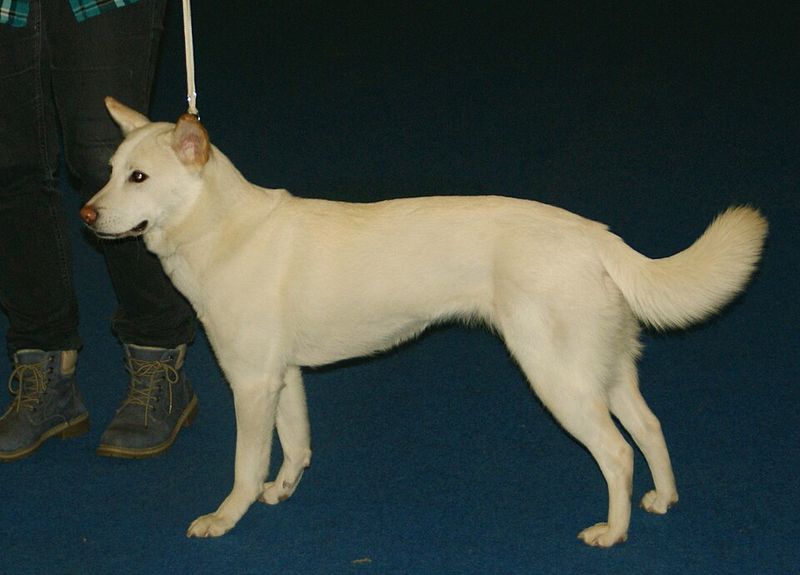
The Korean Jindo, with its noble stance and keen instincts, often saves snacks, reflecting its survivalist nature. This breed, native to Korea, is known for its loyalty and protective demeanor.
Jindos are independent thinkers and can be reserved with strangers, yet they form strong bonds with their families. Their snack-saving habit is seen as a testament to their strategic thinking.
Did you know? The Jindo is considered a national treasure in Korea, celebrated for its hunting prowess and unwavering loyalty.
Norwegian Buhund
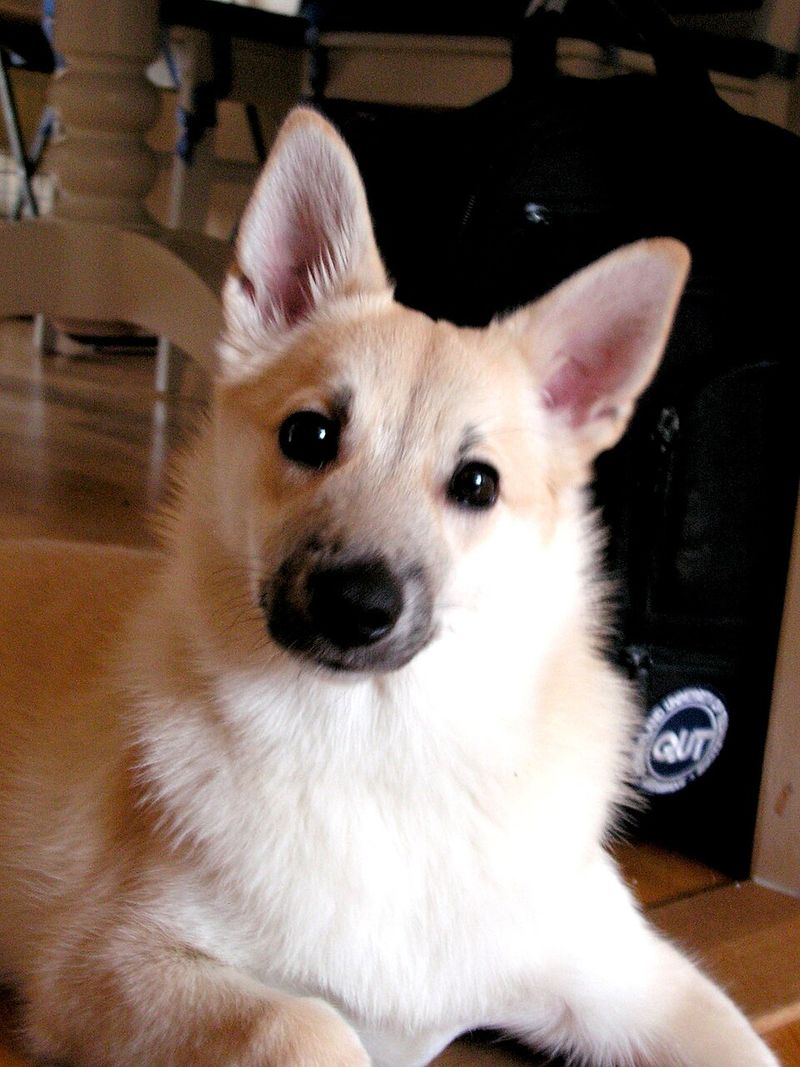
The spirited Norwegian Buhund often surprises with its snack-saving antics. This breed, known for its cheerful disposition, enjoys tucking treats away for future enjoyment.
Buhunds are highly spirited and thrive in active households. They are natural herders, a job that requires intelligence and quick decision-making, skills they apply to snack-saving.
Historically, Buhunds were often found on Viking ships, accompanying their seafaring owners and demonstrating their adaptability and resourcefulness.
Portuguese Water Dog
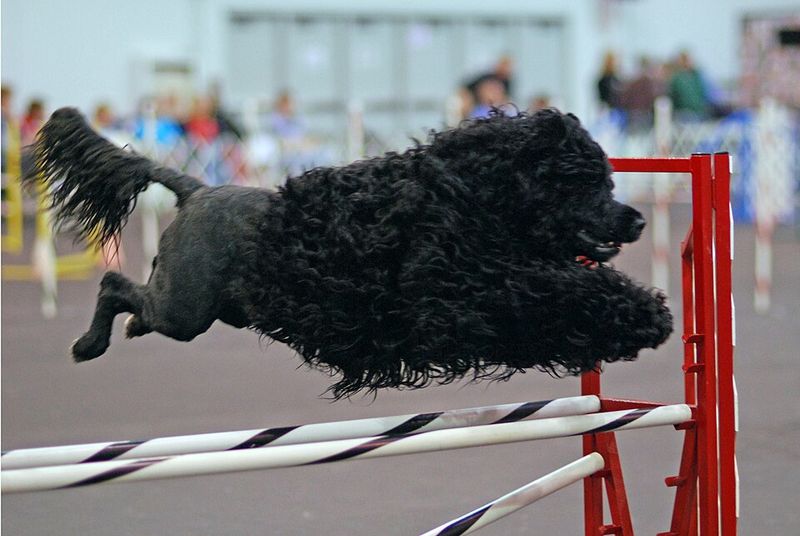
The Portuguese Water Dog, with its lively personality, occasionally hides snacks as a nod to its past seafaring days. This breed is known for its adaptability and strong work ethic.
Water Dogs are energetic and enjoy swimming, a trait inherited from their time assisting fishermen. Their love for water is matched by their clever snack-saving strategies.
Fun fact: These dogs were once a common sight on Portuguese fishing boats, where they retrieved lost gear and herded fish into nets.
Lagotto Romagnolo
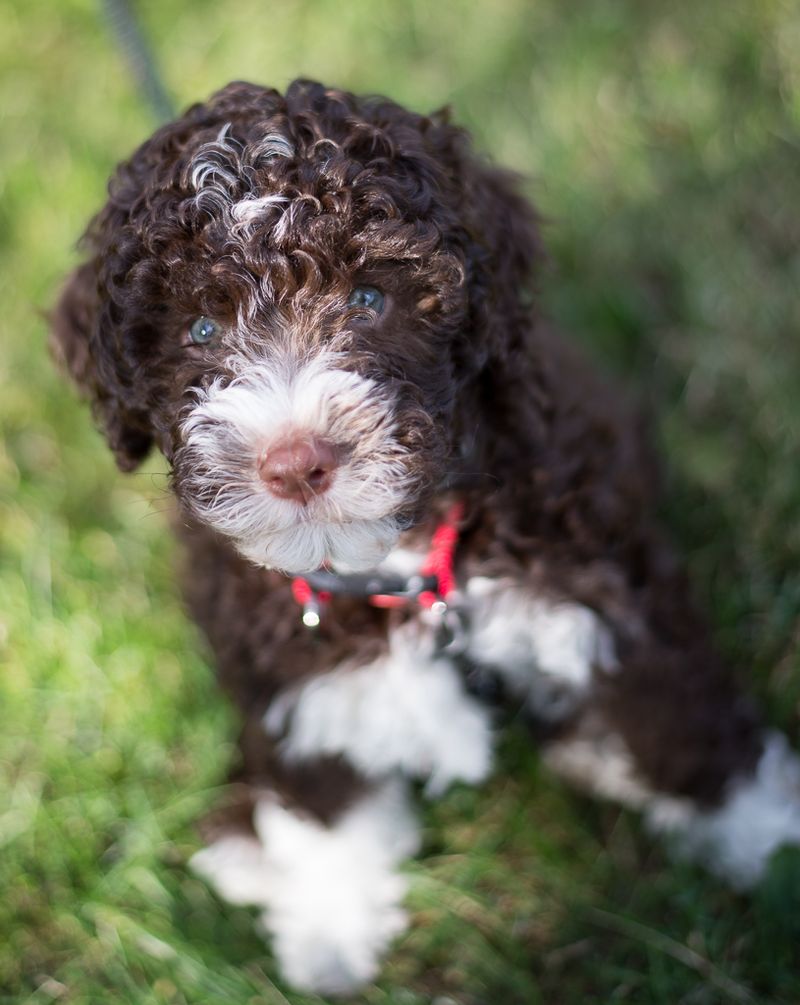
The Lagotto Romagnolo, often associated with truffle hunting, also has a penchant for saving snacks. This breed’s keen sense of smell aids in both locating truffles and hiding treats.
Lagottos are affectionate and love spending time with their families. Their curly coats and charming looks make them endearing companions.
Originating from Italy, the Lagotto’s history of working in the marshes is mirrored in its resourceful nature, making it an adept snack saver.
Polish Lowland Sheepdog
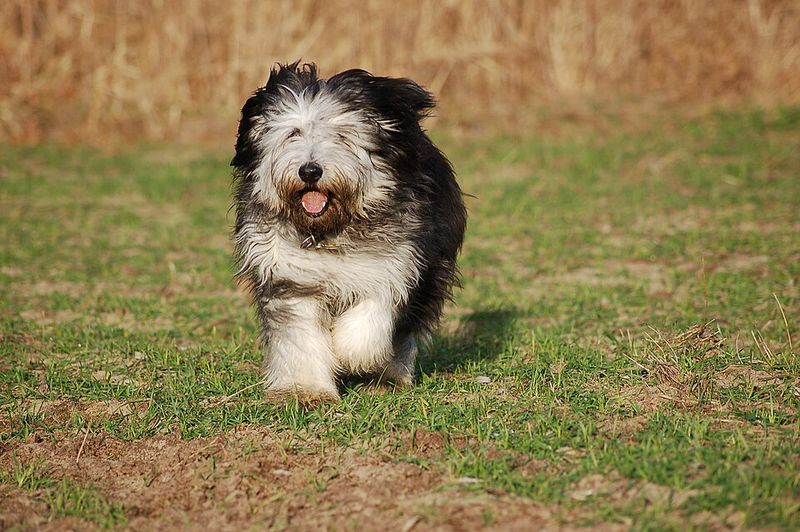
This shaggy breed, known for its exuberant energy, often engages in snack-saving behavior. Polish Lowland Sheepdogs are intelligent and enjoy tasks that challenge their minds.
Their dense coats and lively nature make them well-suited to various climates and settings. They have a history of herding, requiring them to use strategic thinking.
The breed’s origins in Poland are reflected in its robust nature, well-suited for a variety of roles, including occasional snack-saving activities.
Icelandic Sheepdog
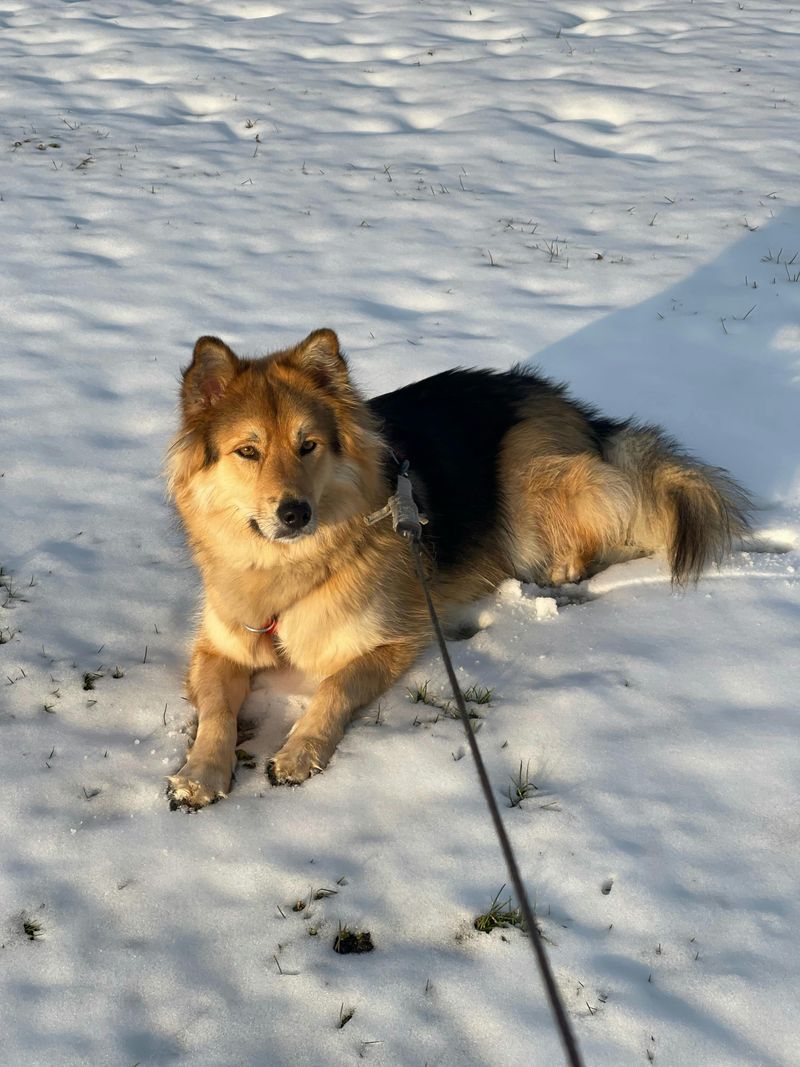
The Icelandic Sheepdog, with its cheerful demeanor, often hides treats in a playful manner. This breed is deeply connected to its herding origins, where problem-solving was key.
Known for their friendliness and adaptability, Icelandic Sheepdogs are excellent companions in active households. Their love for games often translates to clever snack-saving tactics.
Historically, they were invaluable to Icelandic farmers, helping manage livestock in rugged terrains, a testament to their resilience and ingenuity.
Pyrenean Shepherd
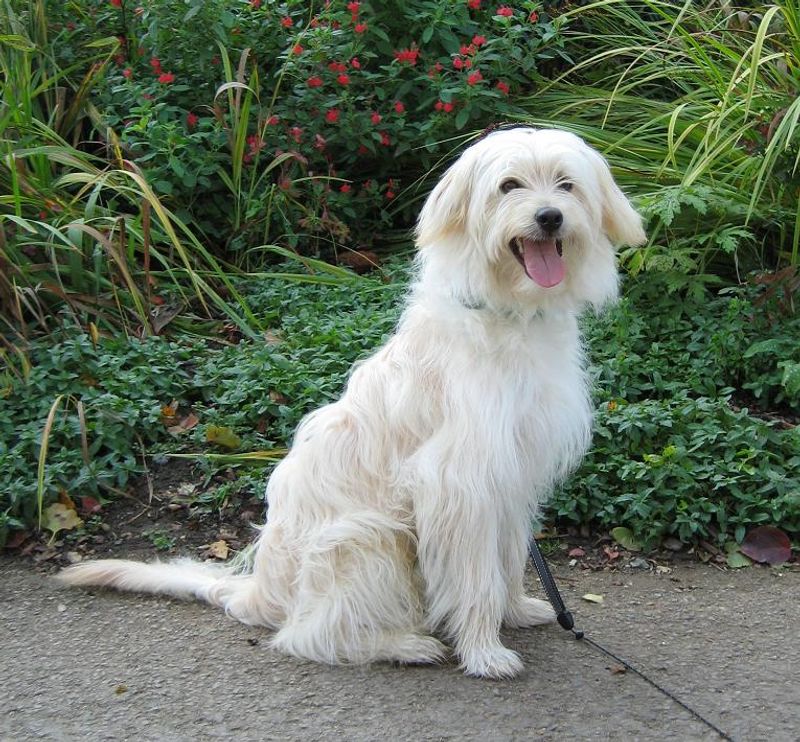
The spirited Pyrenean Shepherd is no stranger to saving snacks, a trait linked to its herding background. This breed is known for its agility and quick wit.
Highly energetic and intelligent, they enjoy tasks that stimulate their minds, including strategic snack-stashing. They form close bonds with their families and thrive in active environments.
Originating from the Pyrenees Mountains, their resilience and resourcefulness have been honed over centuries of herding livestock in challenging terrains.
Dutch Shepherd
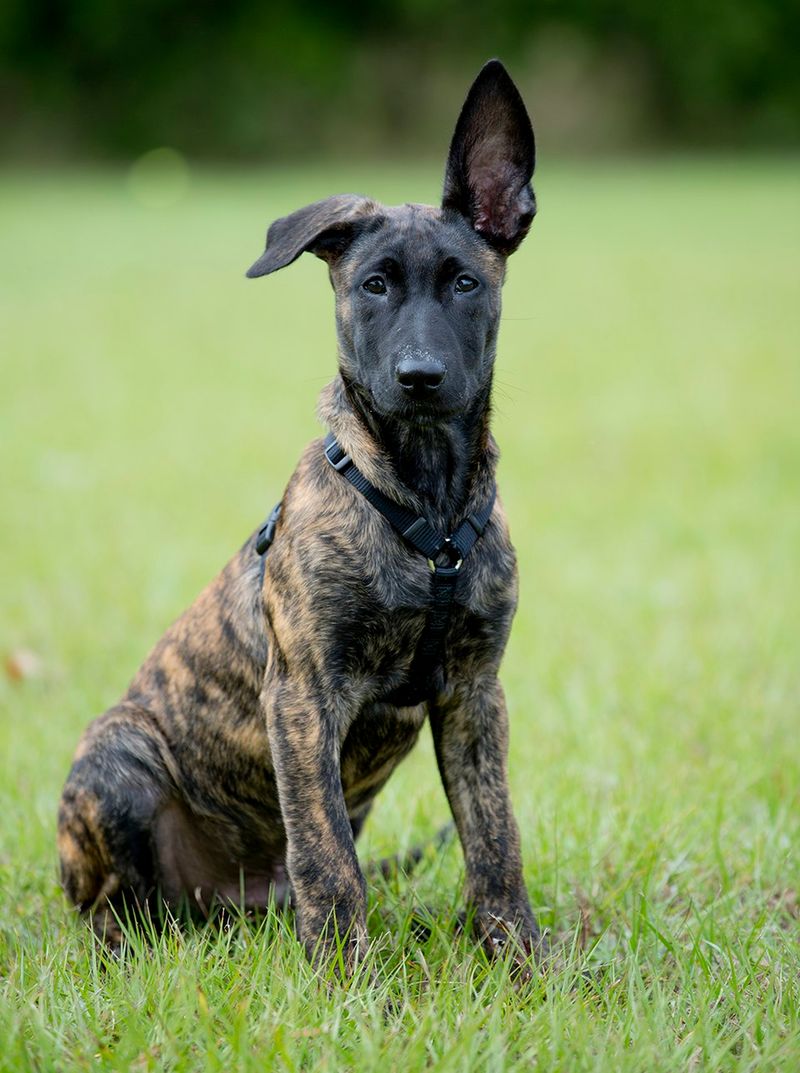
Renowned for its versatility, the Dutch Shepherd often engages in snack-saving activities. This breed’s intelligence is matched by its strong work ethic and adaptability.
Dutch Shepherds are highly trainable and excel in a variety of roles, from herding to police work. Their snack-saving behavior reflects their problem-solving capabilities.
Historically, they were used by Dutch farmers for herding and guarding, showcasing their reliability and keen instincts, traits that persist in their modern counterparts.