Some dogs look like they walked straight out of a calendar, and that is exactly how many people end up with more dog than they bargained for. A fluffy coat, a famous movie role, or a sweet puppy photo can hide needs that only show up after the first few weeks at home.
Knowing those needs ahead of time helps families pick a dog they can truly keep happy, and it keeps more dogs out of shelters. The breeds below are wonderful in the right home, but each one comes with a surprise that catches new owners off guard.
Siberian Husky
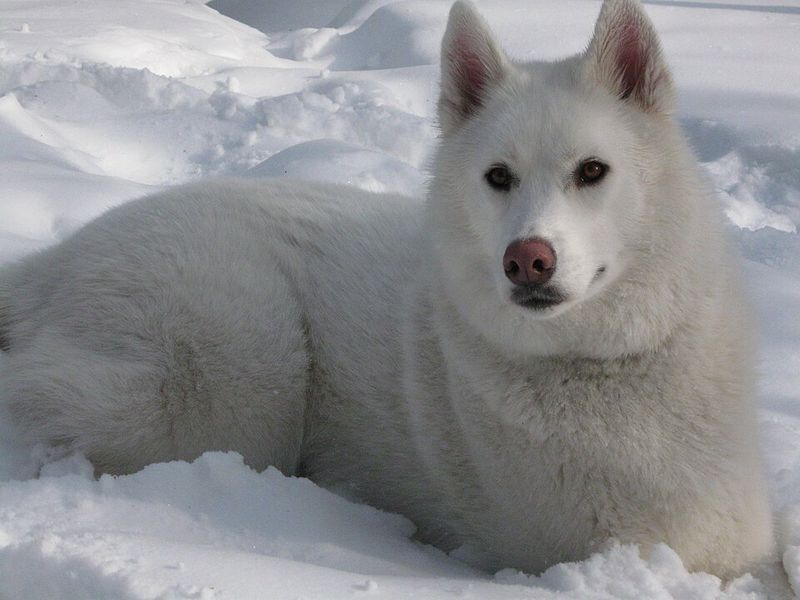
Those ice-blue eyes have sold a lot of puppies. What the photos leave out is that Huskies were developed by the Chukchi people of Siberia to pull sleds over long distances, and that drive to keep moving does not switch off in a suburban living room.
Many Huskies are skilled escape artists. Fences get climbed, dug under, or tested daily, and a loose Husky often runs far rather than coming back when called.
Then there is the coat. Twice a year, the dense undercoat “blows,” and owners can brush out enough fur to fill a grocery bag.
Add a talkative habit of howling and “woo-ing,” and close neighbors quickly learn about the new arrival.
Dalmatian
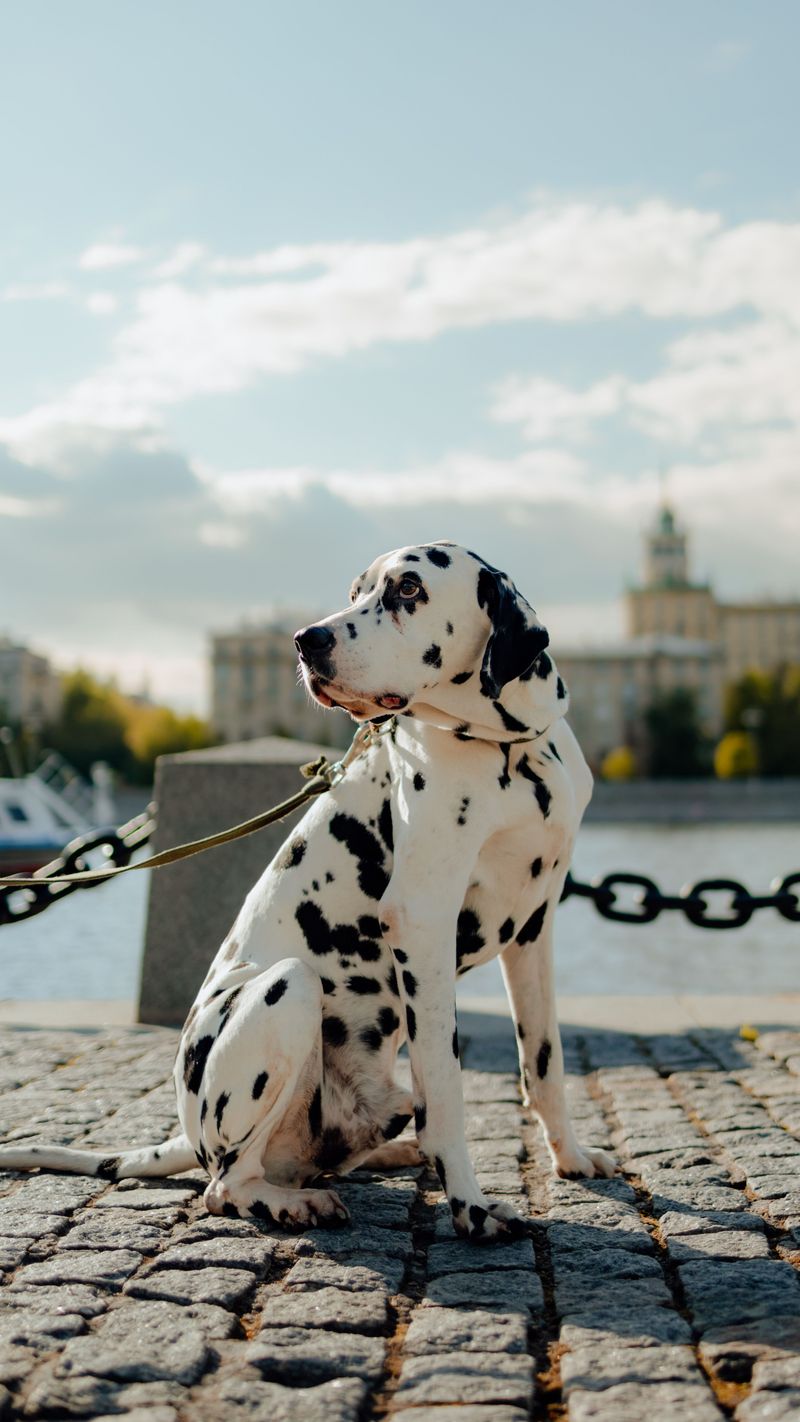
Blame the cartoons. After animated films made spots famous, interest in Dalmatians spiked, and plenty of families discovered they had adopted a high-stamina coach dog rather than a mellow movie star.
Dalmatians were bred to trot beside horse-drawn carriages for miles, so a short walk around the block barely counts. Without real exercise, restlessness can turn into chewing and nonstop pacing.
Their short coat surprises people, too. It sheds year-round, and those little white hairs weave into upholstery.
The breed is also predisposed to urate bladder stones because of a genetic quirk in how they process uric acid, so diet and fresh water access matter more than with many dogs.
Australian Shepherd
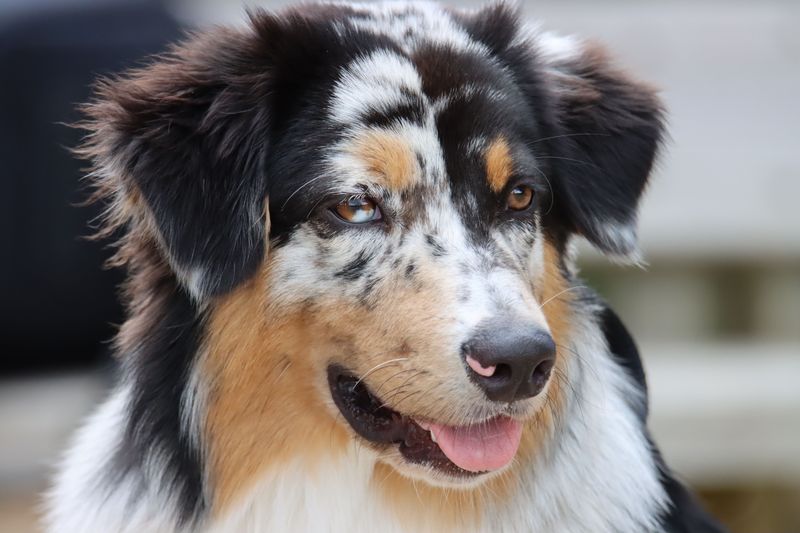
Merle coats and mismatched eyes make Aussies one of the most photographed breeds around. Living with one, though, often means living with a supervisor.
Bred to move livestock on American ranches, many Aussies try to herd whatever is available. Kids running in the yard, the cat, even visiting guests may get circled or nipped at the heels, which looks cute once and becomes a real training project after that.
A bored Aussie tends to invent its own jobs. Puzzle toys, trick training, or a sport like agility give that busy brain something better to do than rearranging your household.
Chow Chow
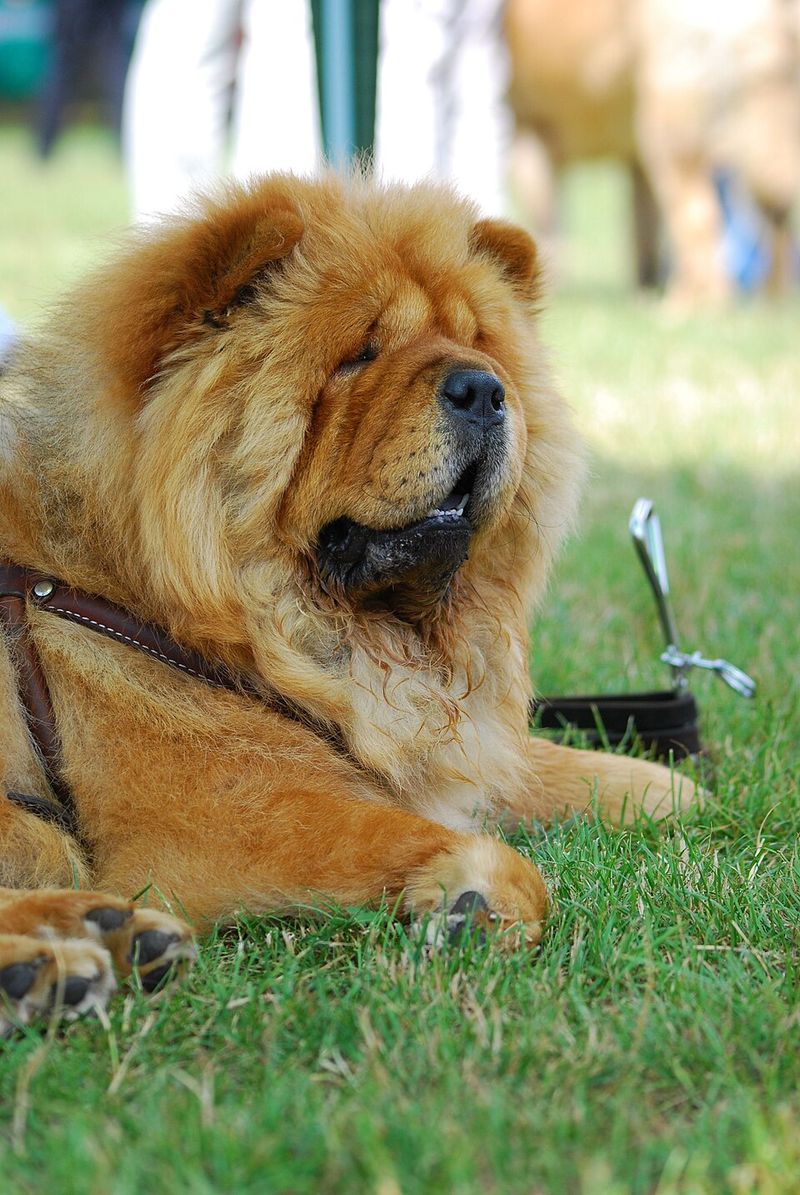
Picture a giant walking teddy bear, and you have the Chow’s public image. Picture a reserved housemate who decides when cuddles happen, and you are closer to reality.
This ancient Chinese breed is often devoted to one or two people and noticeably cool toward strangers. Some individuals tolerate petting from visitors without enjoying it, and early, careful socialization matters a great deal.
Their deep-set eyes and heavy coat also need attention. The breed can be prone to entropion, an eyelid condition, and the plush double coat mats if brushing is skipped.
Quiet and fairly clean indoors, yes, but a cuddly toy they are not.
Jack Russell Terrier
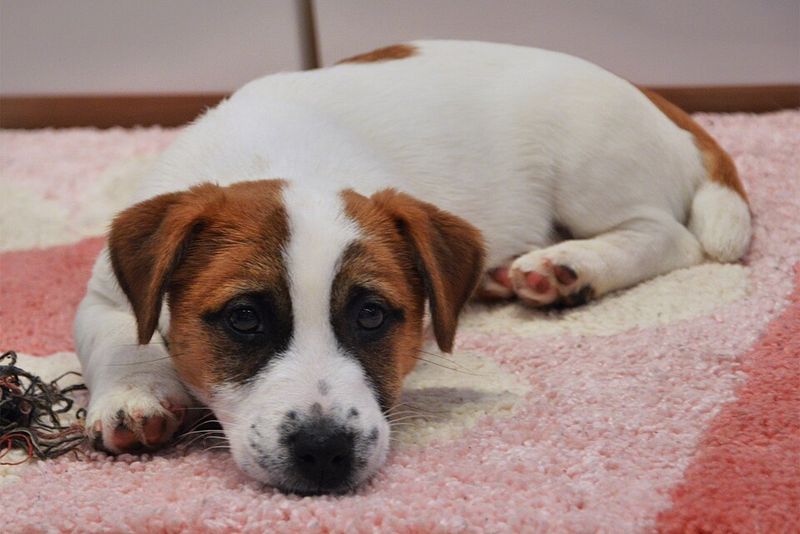
Small size, big problem-solving skills. People often choose a Jack Russell for apartment living because it fits on a lap, then discover it can jump surprisingly high and dig with determination.
These terriers were bred in England to chase foxes out of dens, a job that demanded boldness and independence. That same spirit means they may ignore commands when something more exciting appears, especially squirrels.
Many also do best as the only small animal in the home. A strong prey drive can make life with hamsters or rabbits tricky.
Weimaraner
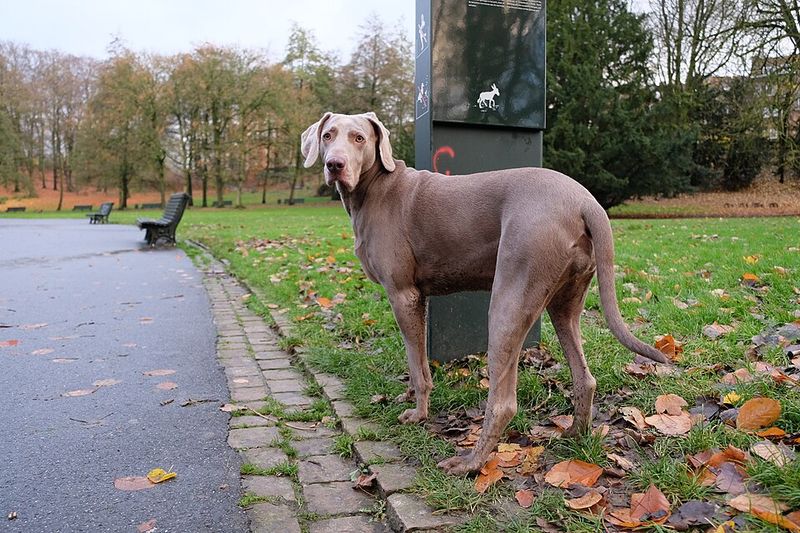
Sleek silver fur and amber eyes give the Weimaraner an almost elegant look. Behind it is a hunting dog originally developed for German nobility, with plenty of stamina to burn.
The nickname “velcro dog” exists for a reason. Many Weimaraners want to be wherever their people are, including the bathroom, and some struggle when left alone for long workdays.
Separation-related stress can show up as chewed door frames or constant barking.
Training them is rewarding but takes patience. A gradual approach to alone time, started young, often makes a big difference.
Samoyed
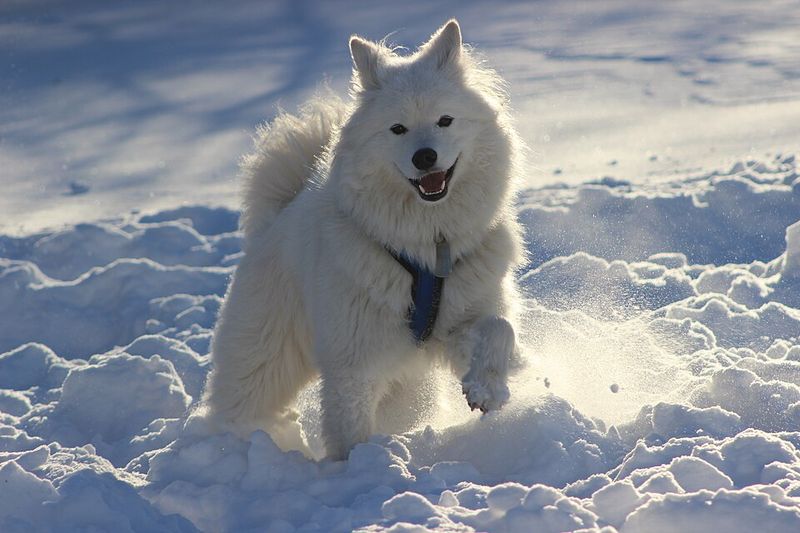
That famous “Sammy smile” is real, and so is the fur cloud that follows it. A Samoyed’s thick white double coat sheds heavily, especially during seasonal blowouts, and it needs brushing several times a week to prevent mats.
Bred by the Samoyedic peoples of Siberia to herd reindeer and pull sleds, these dogs carry more energy than their fluffy look suggests. They are also known to be vocal, with barking that can test the patience of anyone sharing a wall.
Hot climates take planning, too. Shady walks at cooler times of day help keep them comfortable.
Beagle
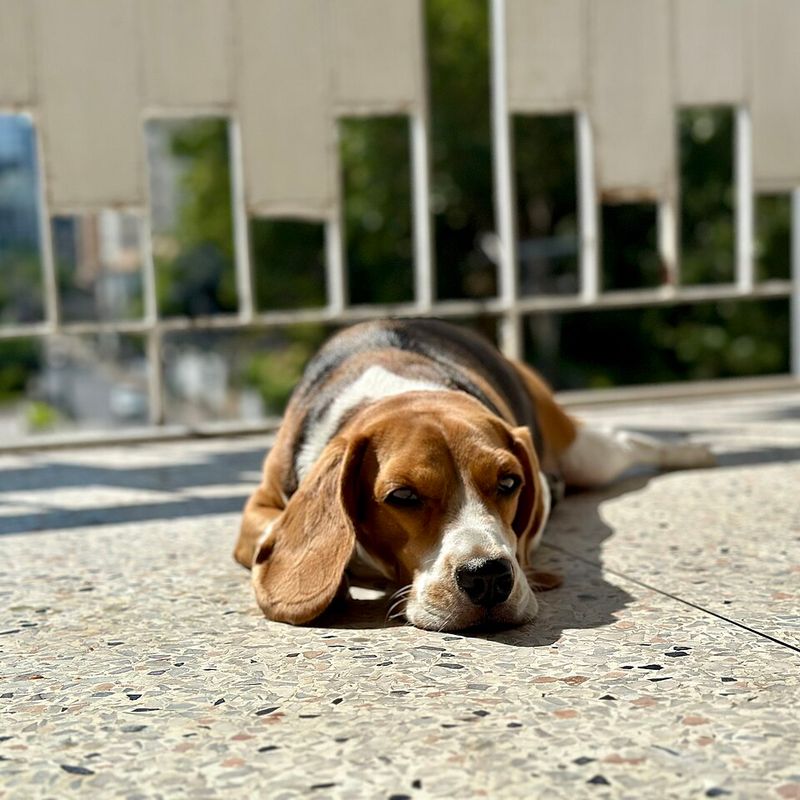
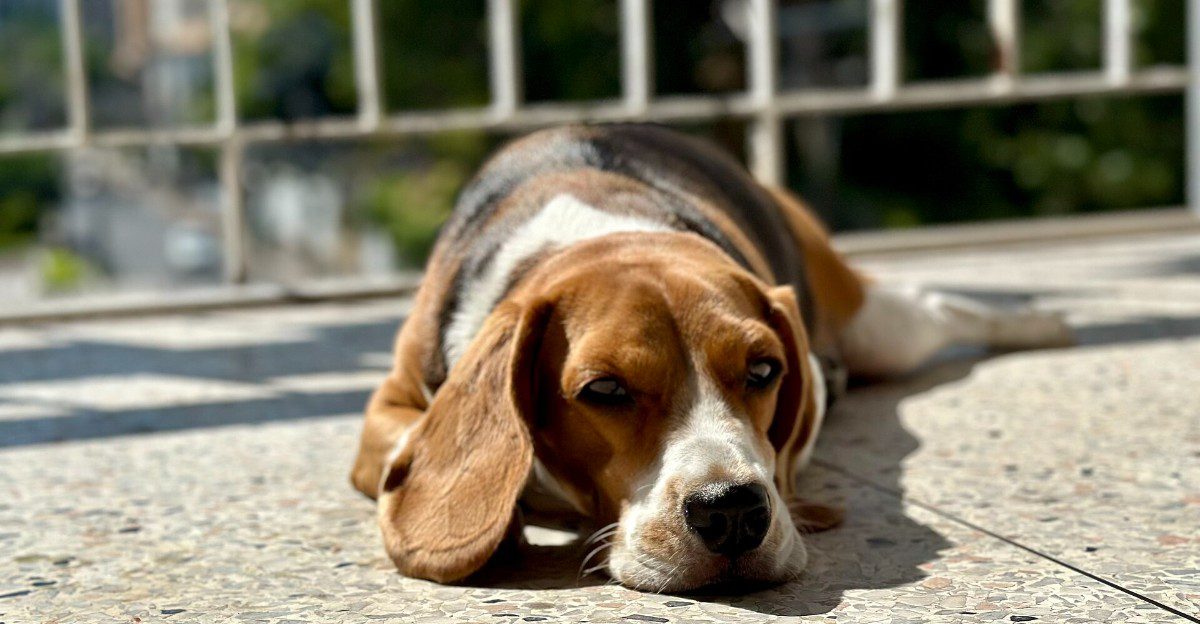
Ask any long-time Beagle owner about the kitchen trash can. That soulful face is attached to one of the best noses in dogdom, and food left on a counter is rarely safe.
Beagles were bred to track rabbits in packs, which explains two famous traits. They may follow a scent for blocks without hearing a word you say, so off-leash freedom is risky.
They also bay, a loud, musical howl that carries.
Friendly and usually social with other dogs, they do best with secure fencing and owners who find the baying more charming than annoying.
Belgian Malinois
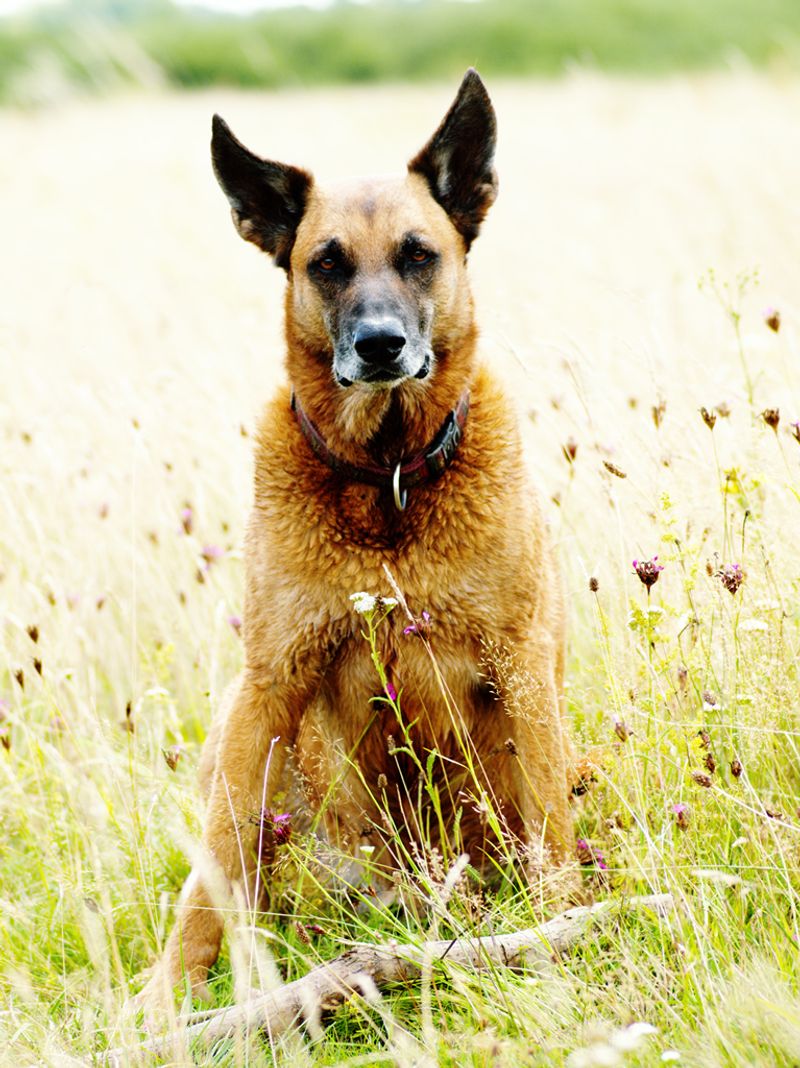
Viral videos of police and military Malinois have made the breed look like the ultimate dog. The catch is that the drive that makes them great working partners can overwhelm an ordinary household.
Many Malinois need hours of structured activity and mental work each day. Without it, frustration can show up as spinning, chewing, or nipping.
Rescue groups have reported more of these dogs being surrendered as their popularity grew.
In experienced hands, with sports like protection work, tracking, or advanced obedience, they shine. As a casual pet, they are often a mismatch.
Bernese Mountain Dog
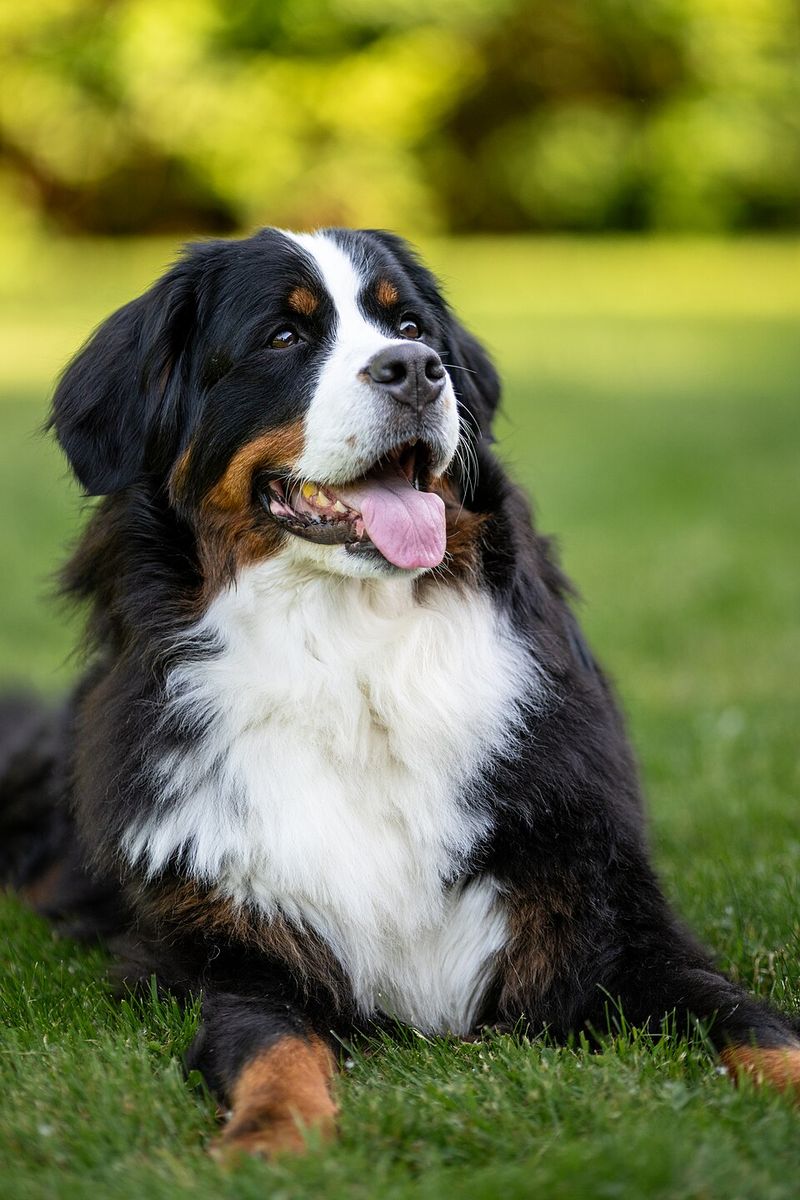
Calm, big, and cuddly is a fair description of many Berners. Heartbreaking is the part families sometimes learn too late.
The Bernese has a shorter average lifespan than many breeds, often around seven to ten years, and is predisposed to certain cancers along with hip and elbow dysplasia. Choosing a breeder who health-tests parent dogs matters.
Day to day, expect lots of shedding, drool after drinking, and a large dog that struggles in heat. Their easygoing personality is genuine, but owners should go in with clear eyes about time and vet costs.
Shiba Inu
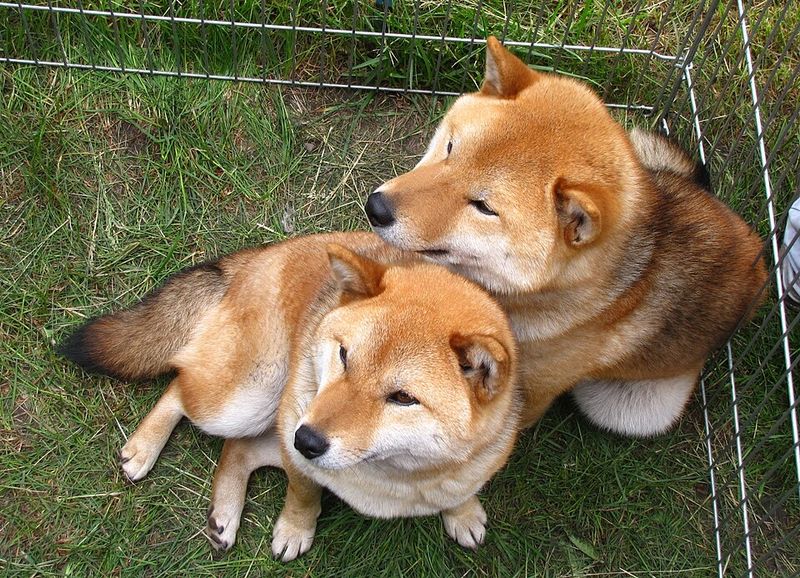
Internet memes made the Shiba famous, but meme fame does not include the “Shiba scream.” When unhappy, some Shibas let out a high-pitched shriek during nail trims or baths that startles first-time owners.
This Japanese hunting breed is famously independent and catlike. Many groom themselves and housetrain fairly quickly, yet recall can be unreliable, so off-leash outings are a gamble.
Training works best with short, upbeat sessions. A Shiba that sees no point in a request may simply decline.
Cavalier King Charles Spaniel
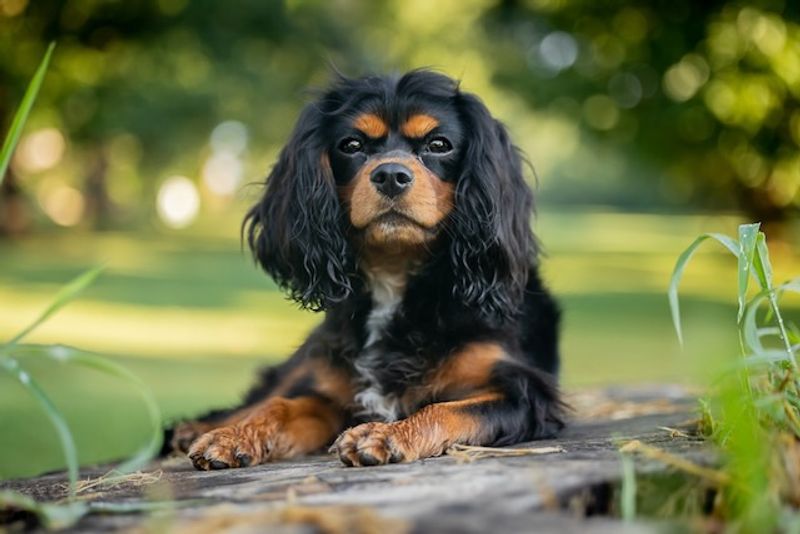
On temperament alone, Cavaliers might seem close to ideal. They tend to be affectionate, adaptable, and gentle with people of all ages.
The hard truth is health. The breed has a high rate of mitral valve disease, a heart condition that often appears earlier than in other dogs, and some Cavaliers develop syringomyelia, a painful neurological condition linked to skull shape.
Responsible breeders screen hearts and use MRI testing where possible. Future owners should ask for those results and budget for regular cardiac checkups.
Love the breed, but go in prepared.