
Some dogs look like they stepped right out of a movie, with fluffy coats, sweet faces, and happy tails. But living with a dog every day is very different from admiring one at the park.
Many owners quietly deal with problems like constant shedding, loud barking, or costly health issues that nobody warned them about. Knowing the hidden side of popular breeds can help you pick a dog that truly fits your home and your life.
Golden Retriever
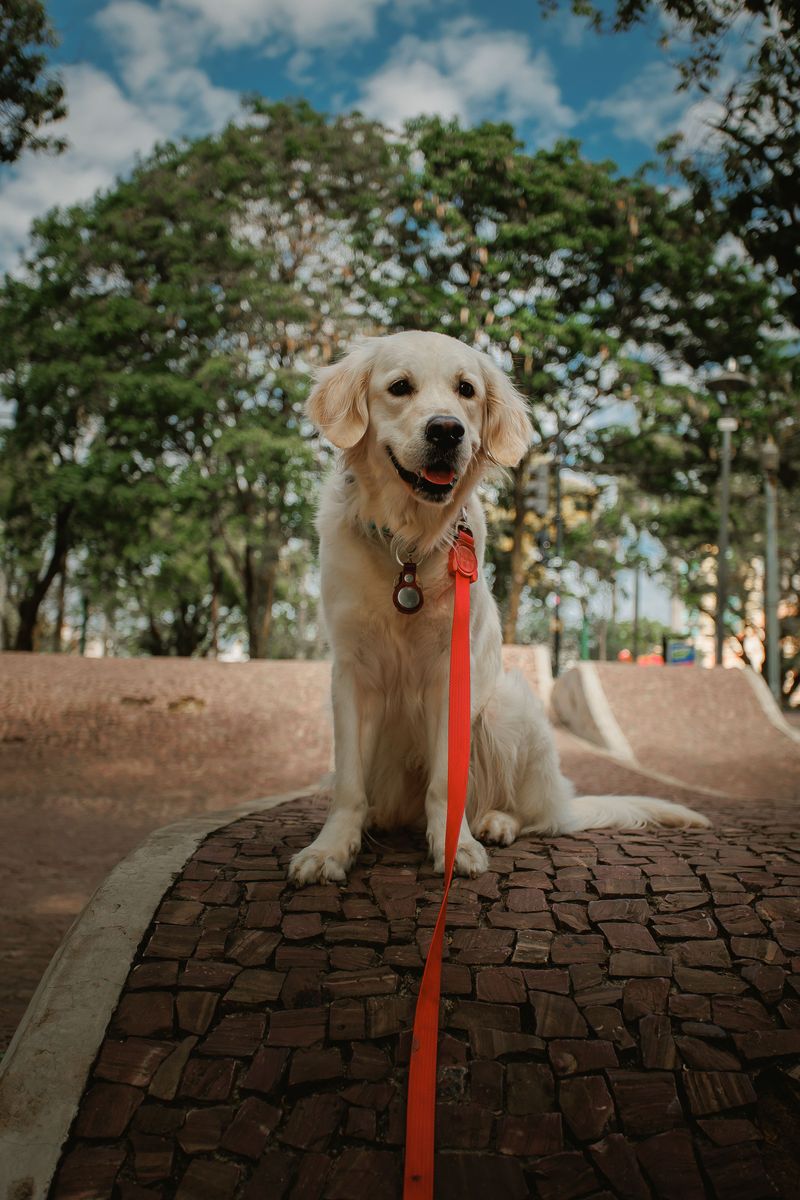
Picture a sunny face, a wagging tail, and a heart full of love. Golden Retrievers win almost everyone over in seconds.
What owners whisper about is the fur. It ends up on couches, clothes, and even in your food.
Goldens also stay puppy-like for years, chewing shoes well past age two.
Sadly, they face high cancer rates too. Budget for regular vet checkups and buy a strong vacuum before bringing one home.
Siberian Husky
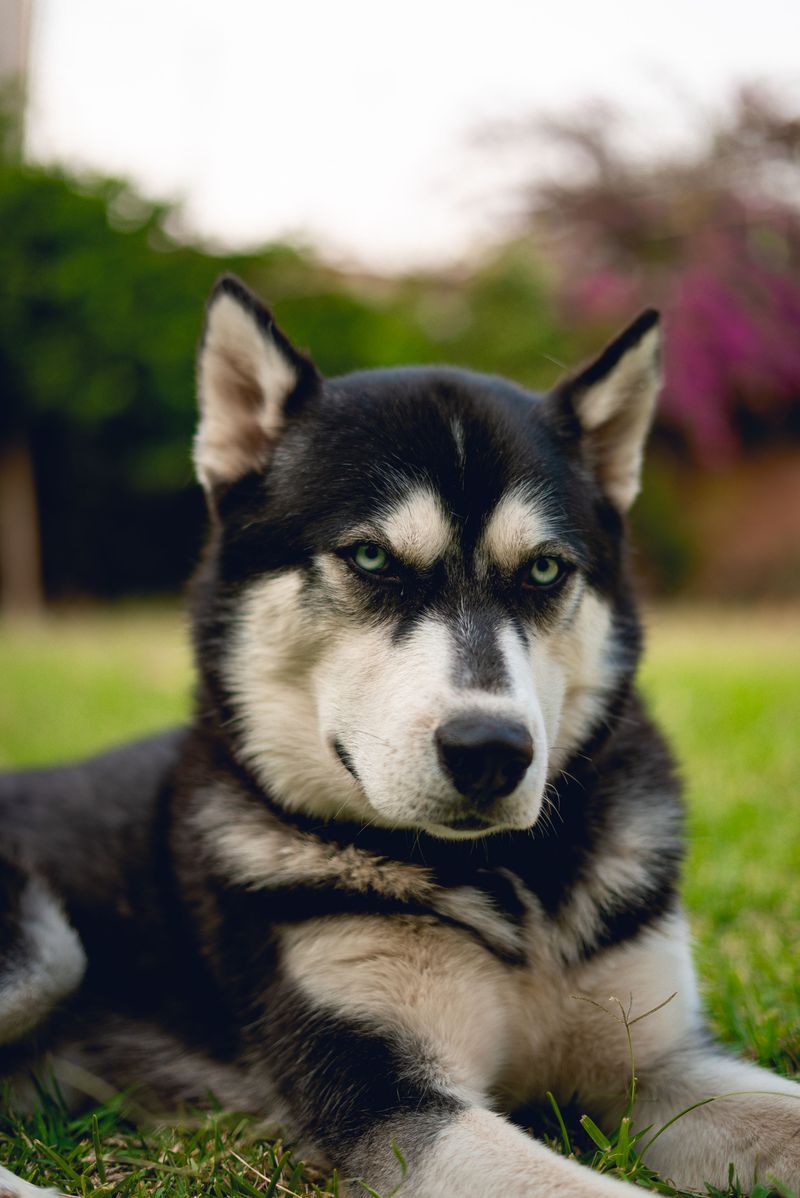
Those icy blue eyes could melt anyone. Huskies look like wolves from a fairy tale, and people fall hard for them.
Here is the catch. Huskies were bred to pull sleds for miles, so a short walk barely touches their energy.
Bored ones dig, howl, and escape over fences like furry magicians.
Fun fact: in 1925, Huskies helped carry medicine across Alaska to save a town. That stamina still lives inside your pet.
French Bulldog
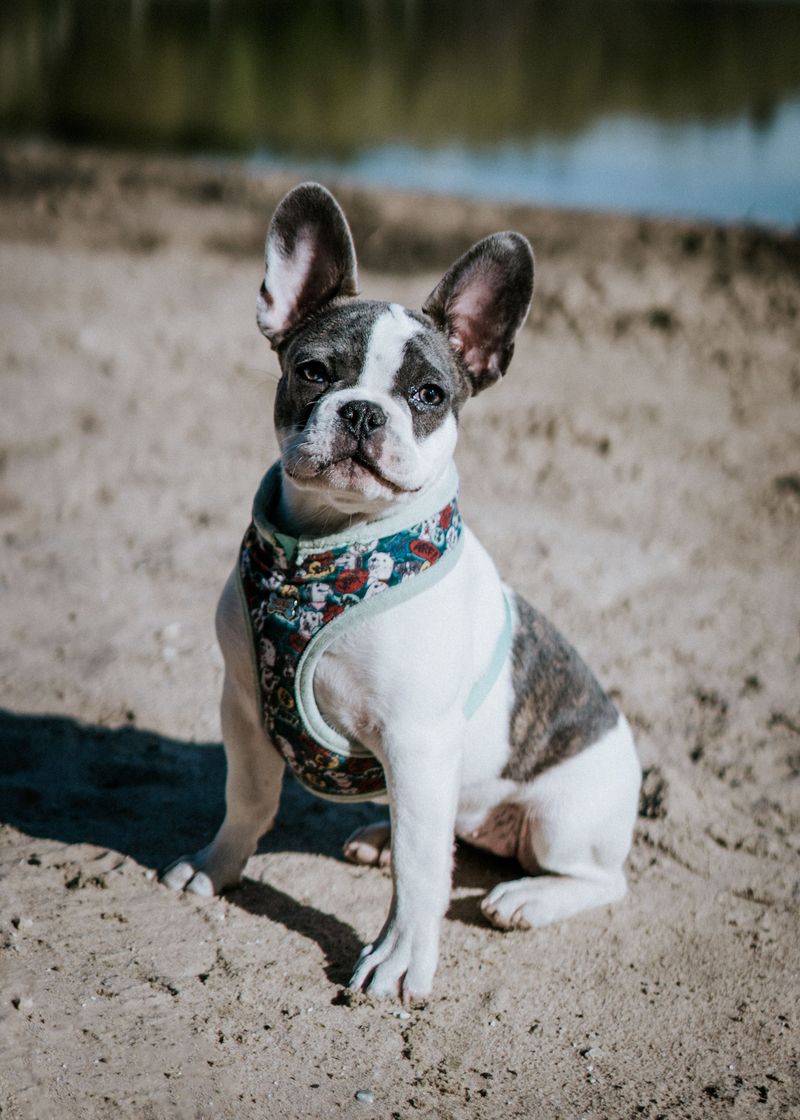
Bat ears, a squishy face, and a goofy strut make Frenchies the stars of social media. Their small size seems ideal for apartments.
Behind the cute snorts, though, lies a real struggle to breathe. That flat face can cause overheating, snoring, and costly surgeries.
Many Frenchies cannot swim or handle hot summer days.
Pet insurance is a smart move. Keep walks short and cool, and always watch for heavy panting.
Dalmatian
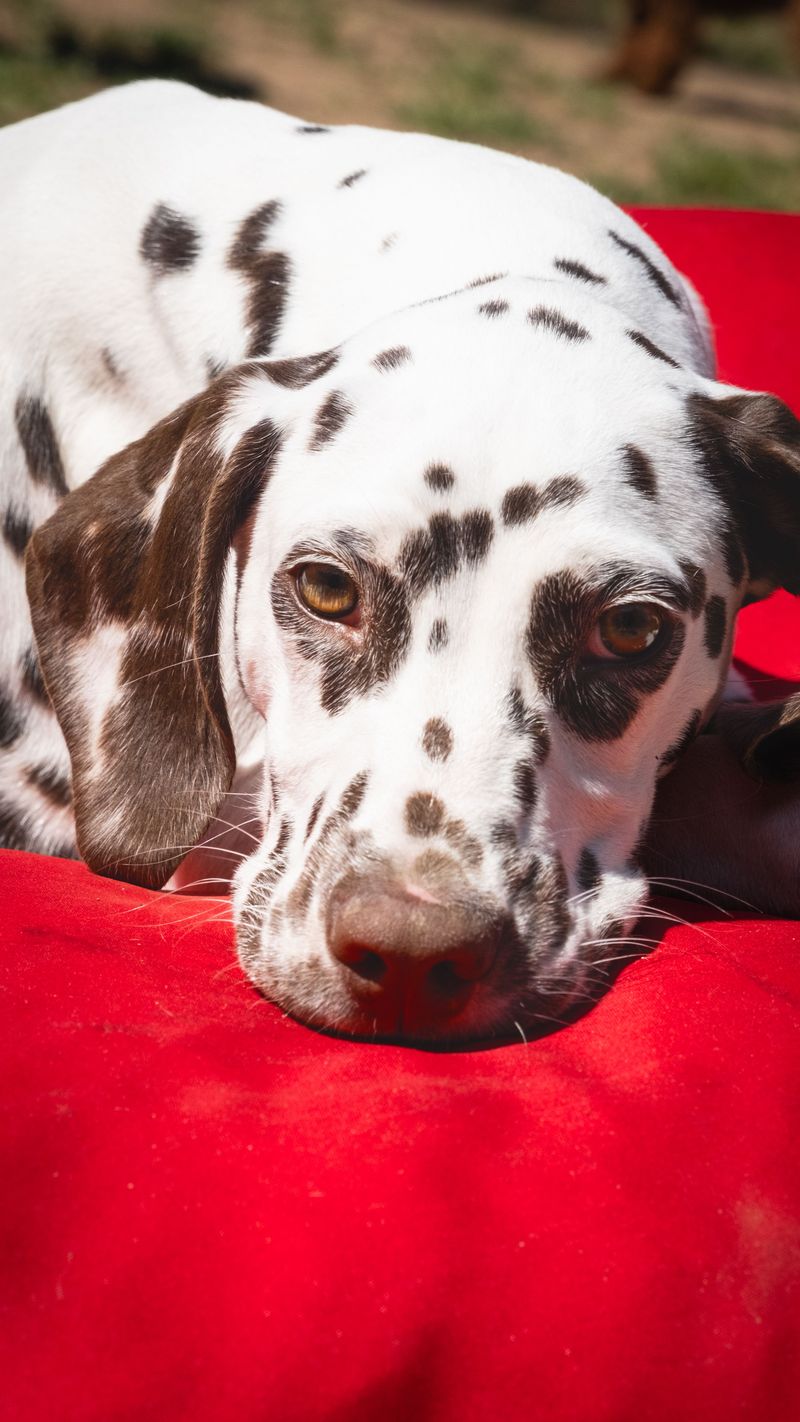
Thanks to a famous cartoon, lots of families dream of owning a spotted pup. Real Dalmatians, however, are not cartoon characters.
Originally, they ran beside horse carriages for hours, so they need tons of exercise. Their short white hairs weave stubbornly into fabric.
Some are born deaf, and many can be strong-willed with strangers.
Early training and daily runs make a huge difference. Without them, you may end up with a spotted tornado.
Border Collie
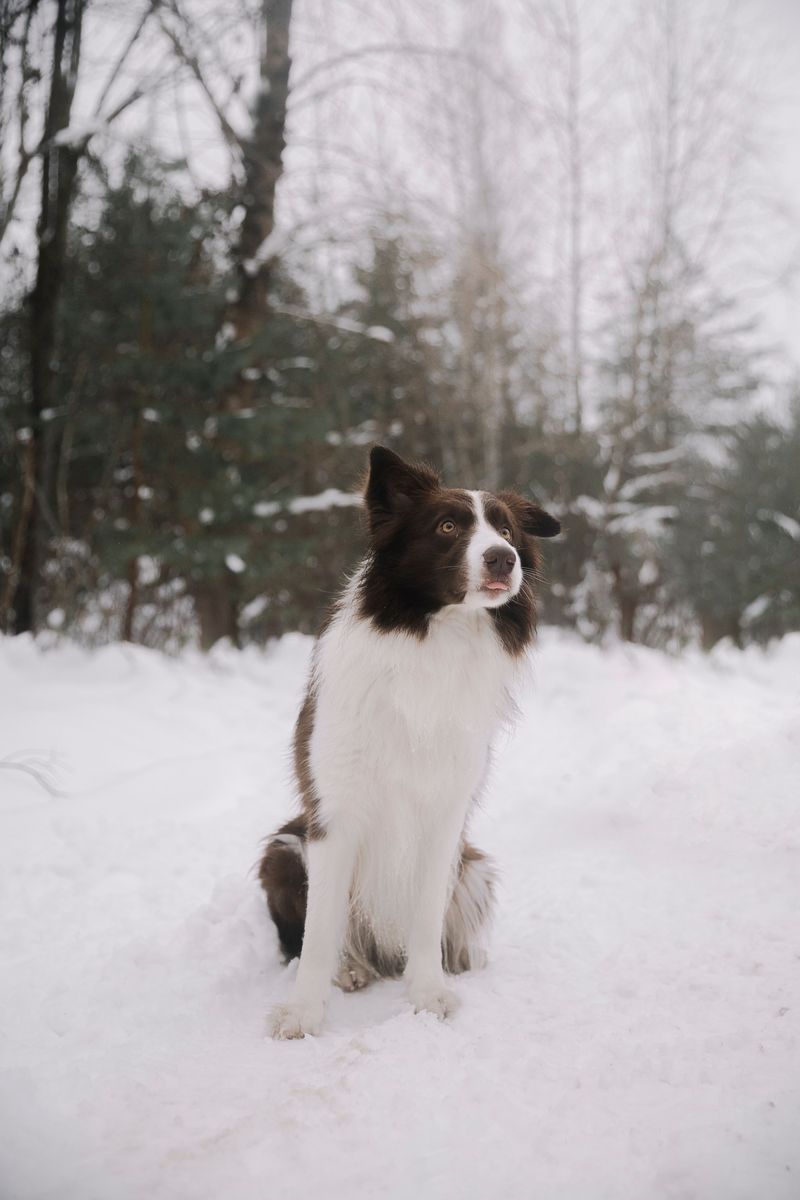
Ever met a dog smarter than some people? Border Collies often top lists of the most clever breeds on Earth.
Brains come with a price. Without jobs to do, these dogs invent their own, like herding kids, chasing cars, or staring at shadows for hours.
A tired owner and a bored Collie make a stressful pair.
Puzzle toys, agility classes, and long play sessions help keep that busy mind happy and calm.
Beagle

Floppy ears and pleading eyes give Beagles a charm that is hard to resist. Kids usually adore them instantly.
Neighbors may feel differently. Beagles bay, a loud howling bark, especially when left alone.
Their powerful noses also lead them to wander off, ignore your calls, and raid trash cans.
Keep a leash on during walks and food stored up high. A secure fence is a must, since one exciting smell can send them running.
Australian Shepherd
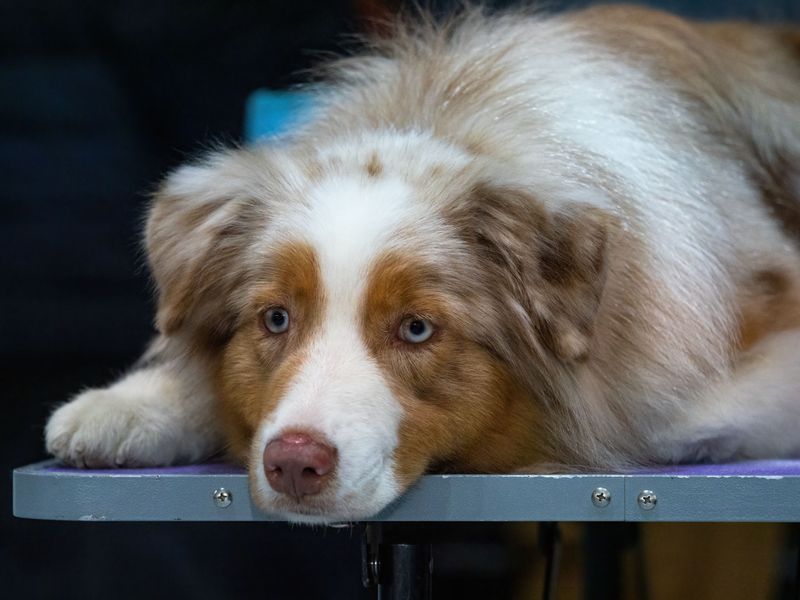
With swirly merle coats and eyes that sometimes don’t match, Aussies look like living works of art.
Strangely enough, they are not from Australia at all. American ranchers developed them to herd livestock.
That instinct means they may nip at ankles of running children. They also shed heavily and can become anxious when left out of family activities.
Plan for daily brushing, active hobbies, and plenty of together time to keep an Aussie content.
Chihuahua
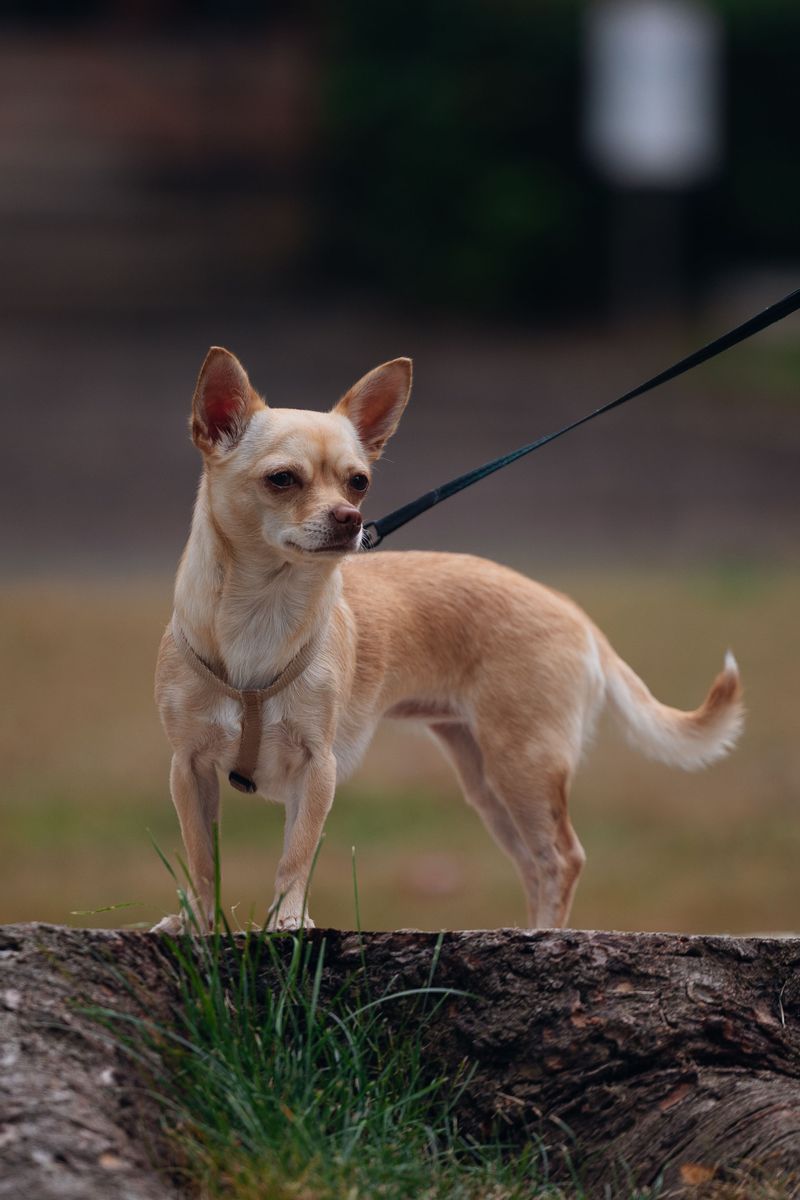
Tiny enough to fit in a purse, Chihuahuas seem like the easiest pets ever. Less food, less space, less work, right?
Not quite. Many have huge attitudes and bark at anything that moves.
They often bond with one person and may snap at others, including small kids. Dental problems are also very common in this breed.
Gentle socialization from puppyhood helps a lot. Regular tooth brushing can save you expensive vet bills later.
Cavalier King Charles Spaniel
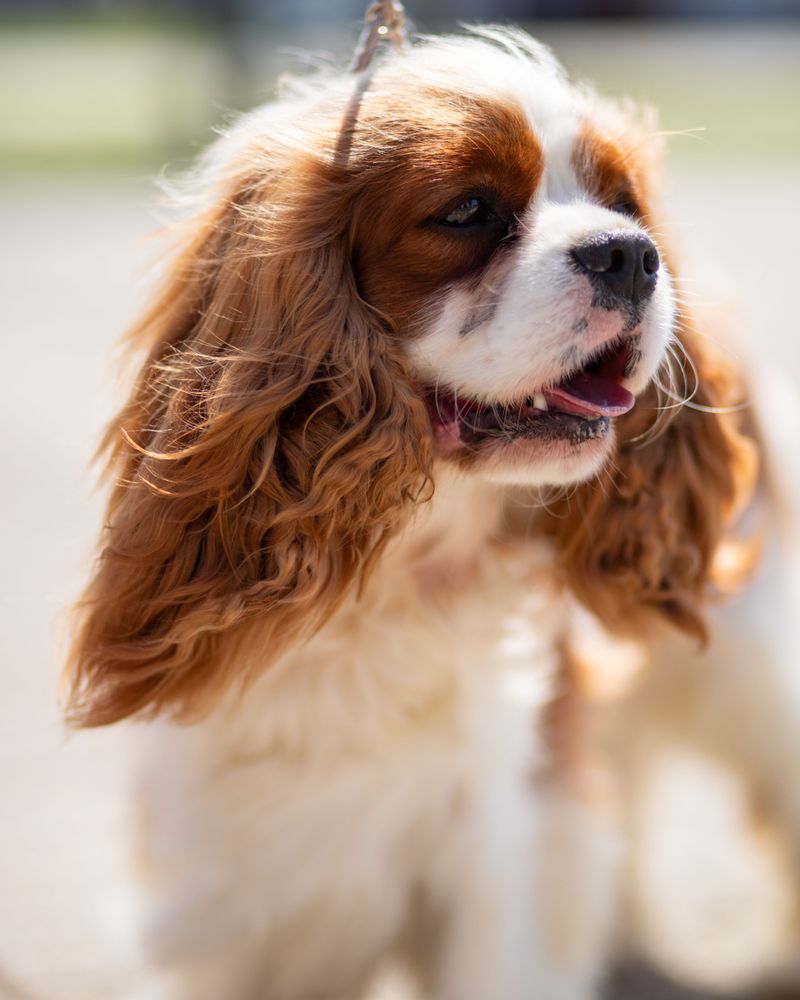
Royals in England once kept these silky lapdogs close, and it is easy to see why. Cavaliers are sweet, cuddly, and calm.
The heartbreaking secret is their health. Most Cavaliers develop a heart condition called mitral valve disease as they age.
Some also suffer from a painful brain and spine problem.
Choose a breeder who tests parent dogs carefully. Yearly heart checks can catch trouble early and add happy years.
Labrador Retriever
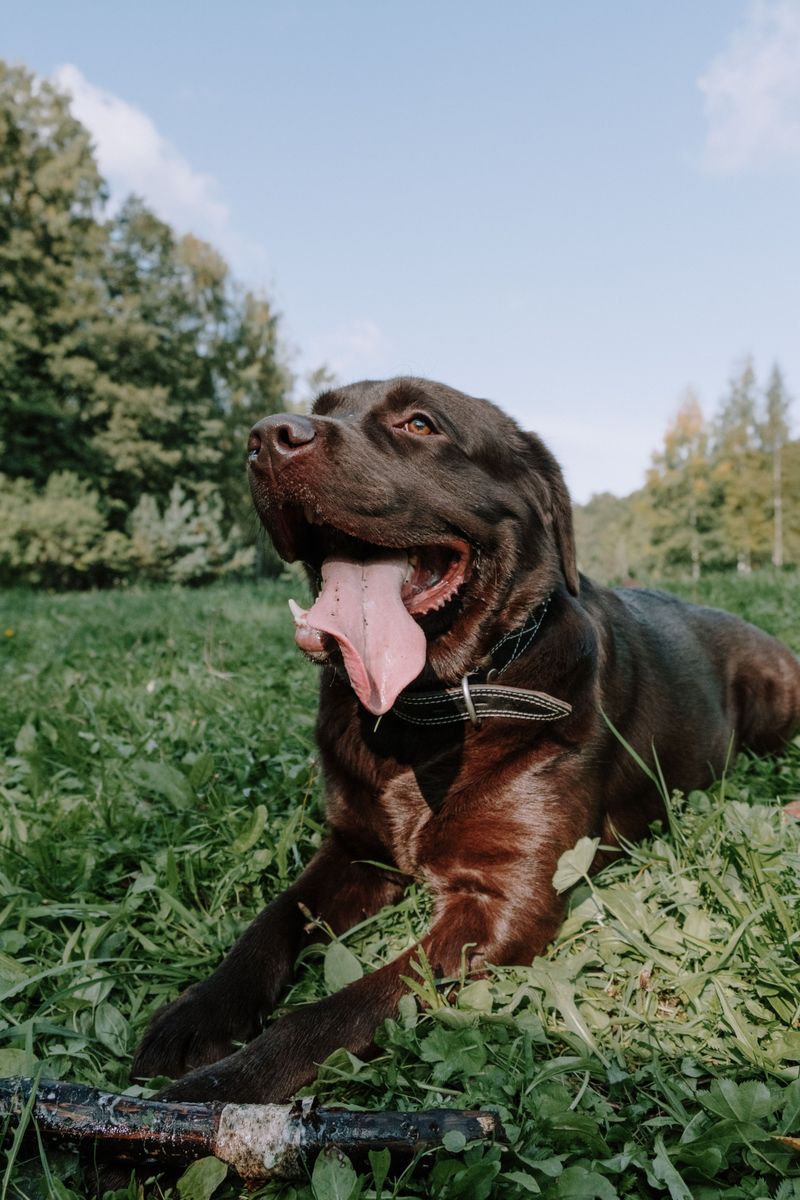
America’s favorite dog for decades, the Lab seems friendly, easy, and loyal. So what could possibly go wrong?
Food, mostly. Labs carry a gene that makes some of them feel hungry all the time.
They will steal sandwiches, eat socks, and gain weight quickly. As young dogs, they can also be wild and bouncy.
Measure meals carefully and skip extra treats. Lots of exercise keeps your Lab fit, happy, and out of the pantry.
Pomeranian
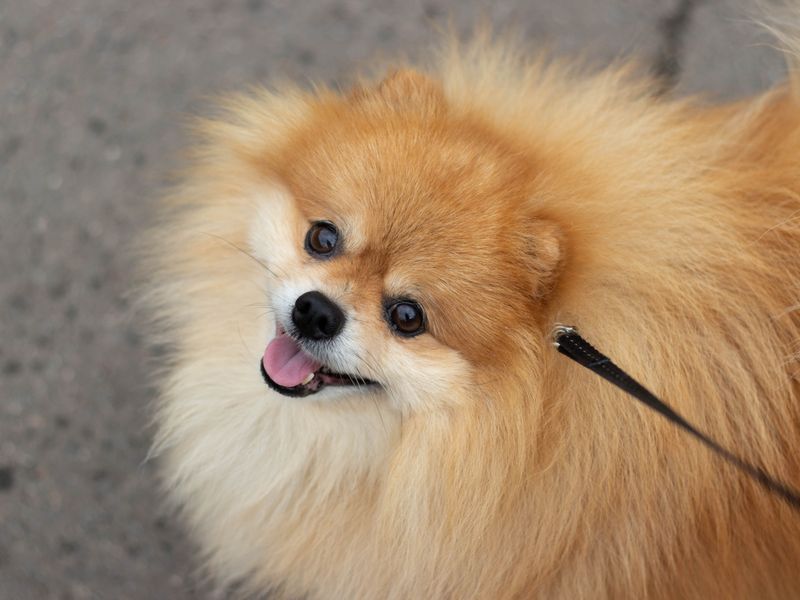
Imagine a walking cotton ball with a fox face. Pomeranians look like stuffed animals that came to life.
All that fluff needs serious upkeep, though. Without brushing several times a week, their coats tangle and mat.
Poms are also known for sharp, nonstop yapping and can be tricky to potty train.
Fun fact: Queen Victoria loved Pomeranians and helped shrink the breed to its tiny size. Grooming appointments, however, remain anything but tiny.
Bernese Mountain Dog
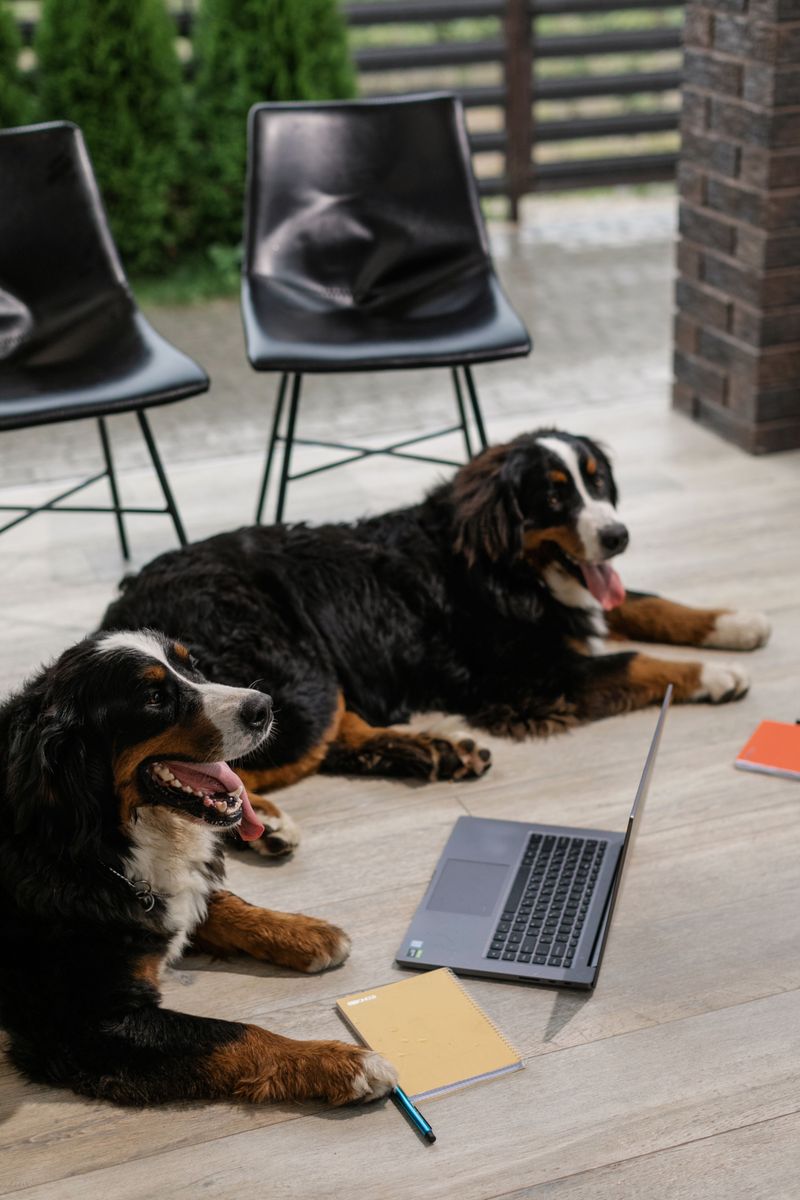
Giant, fluffy, and calm, Bernese Mountain Dogs feel like living teddy bears. Swiss farmers once used them to pull carts of milk and cheese.
Owners rarely mention the hardest part. Berners usually live only seven to ten years, much shorter than many breeds.
They also shed like crazy and struggle in hot weather.
Treasure every moment with one. Keep them cool in summer, and save money for joint and cancer care as they age.