
Dogs communicate discomfort in subtle ways. However, certain breeds have unique methods of expressing pain that often go unnoticed. Understanding these signals is crucial for timely intervention and care. Here are 12 dog breeds that might show their pain in ways you might miss.
Skye Terrier
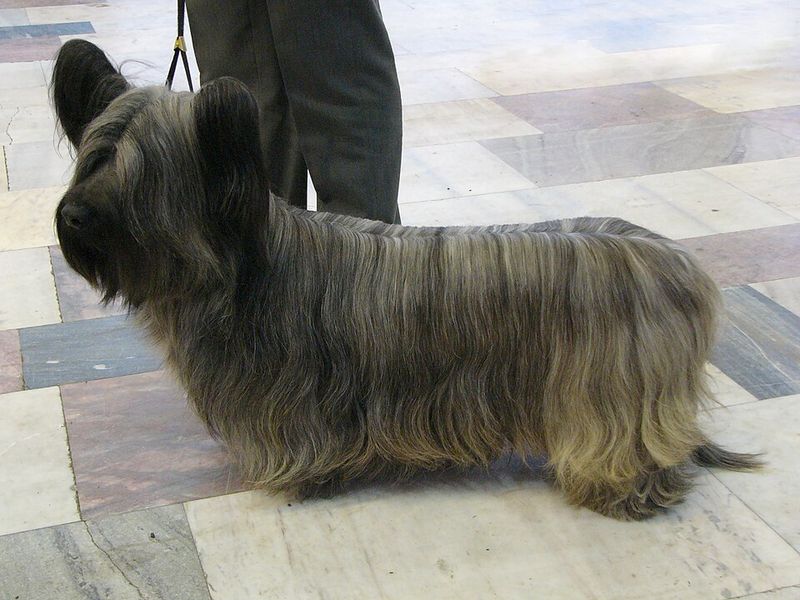
With its long, flowing coat and dignified demeanor, the Skye Terrier often hides discomfort behind a calm exterior. This breed may show pain through subtle signs like licking or chewing on paws.
Don’t be fooled by their stoic nature; even a slight change in behavior or appetite is worth noting. Owners should watch for any signs of limping or hesitation to jump.
Did you know? The Skye Terrier was once favored by Queen Victoria, adding a touch of royal charm to its character.
Sealyham Terrier
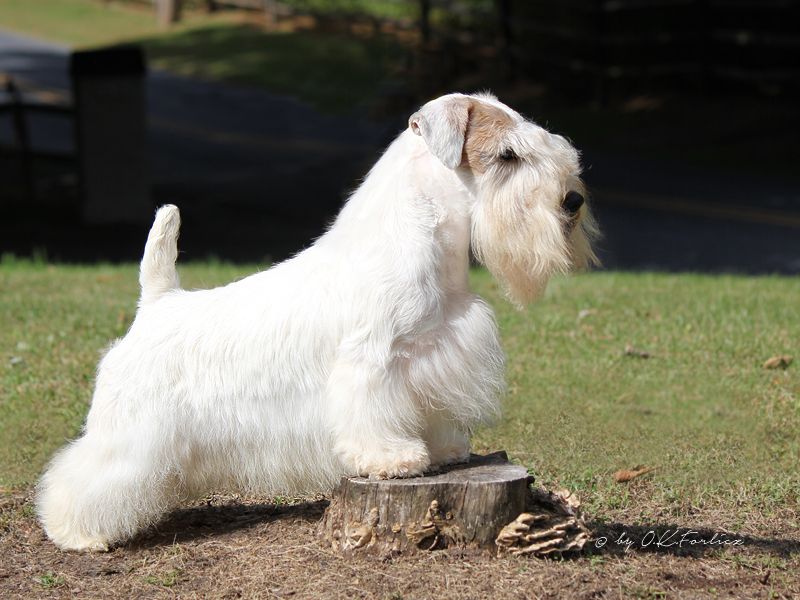
The Sealyham Terrier, with its distinctive long beard, might mask its discomfort with a playful spirit. If it’s suddenly less eager to play, it could be a sign of pain.
These terriers are known for their resilience, but even a subtle limp or reluctance to move should be carefully observed.
Originally bred for hunting, this breed’s strong-willed nature can sometimes disguise its discomfort.
Otterhound
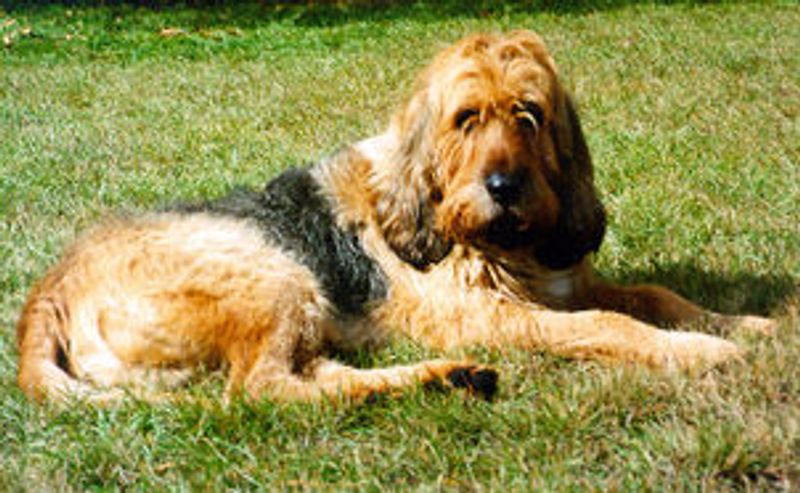
With its shaggy coat and webbed feet, the Otterhound is an adventurer. This breed might show pain through a change in its enthusiasm for water activities.
A usually lively Otterhound that becomes lethargic might be telling you something. Keep an eye on any shifts in their playful behavior.
Historically, Otterhounds were used in packs to hunt otters, showcasing their strong tracking instincts.
Glen of Imaal Terrier
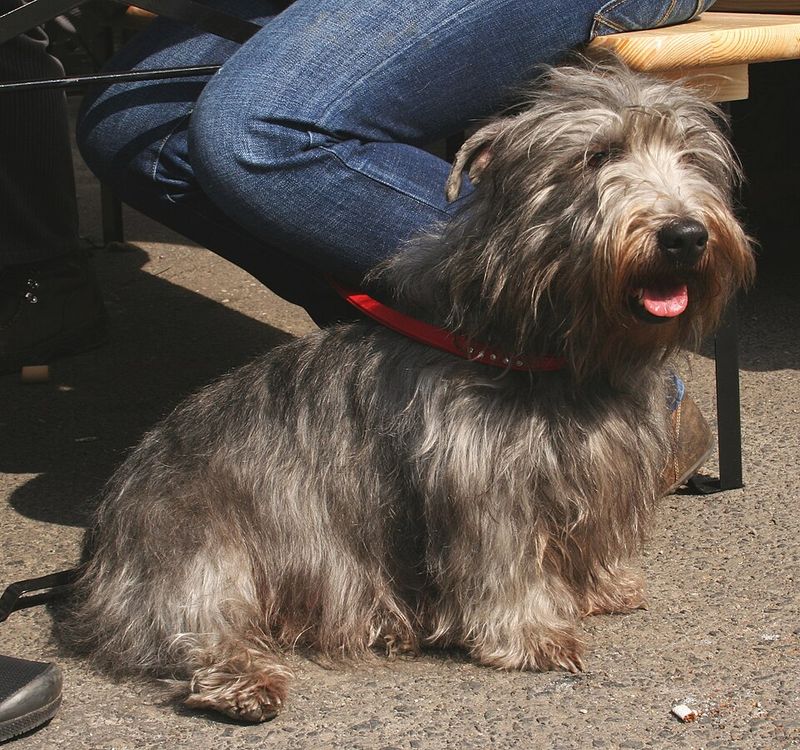
The Glen of Imaal Terrier, with its sturdy build and keen eyes, might express pain through less noticeable actions like avoiding stairs.
This breed’s typical enthusiasm for digging might decrease if discomfort arises. Pay attention to any changes in their normal activity levels.
Part of the terrier group, they were originally bred for their tenacity and courage in Ireland.
Lakeland Terrier
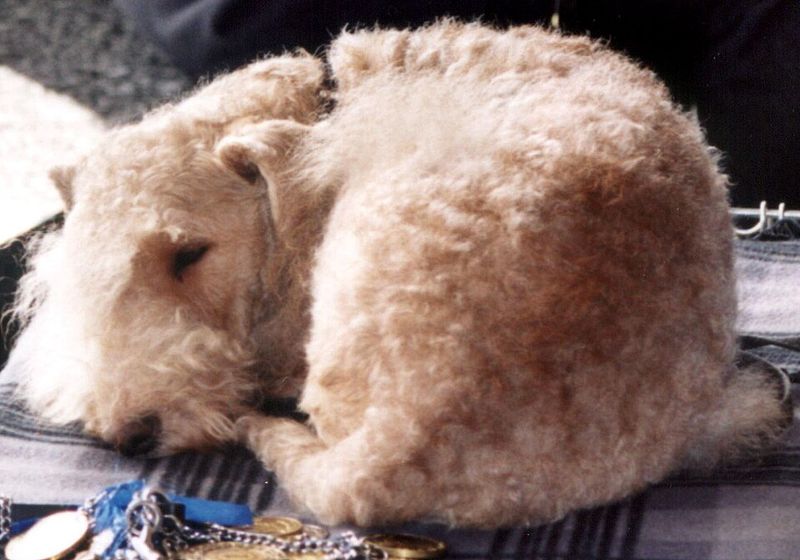
The spirited Lakeland Terrier may hide its pain behind a brave face. A telltale sign could be a lack of interest in exploring.
If you notice your Lakeland Terrier is less curious than usual, it’s time to observe more closely. Changes in their vibrant playfulness can be significant.
This breed was named after the Lake District in England, where they were used to hunt vermin.
Sussex Spaniel
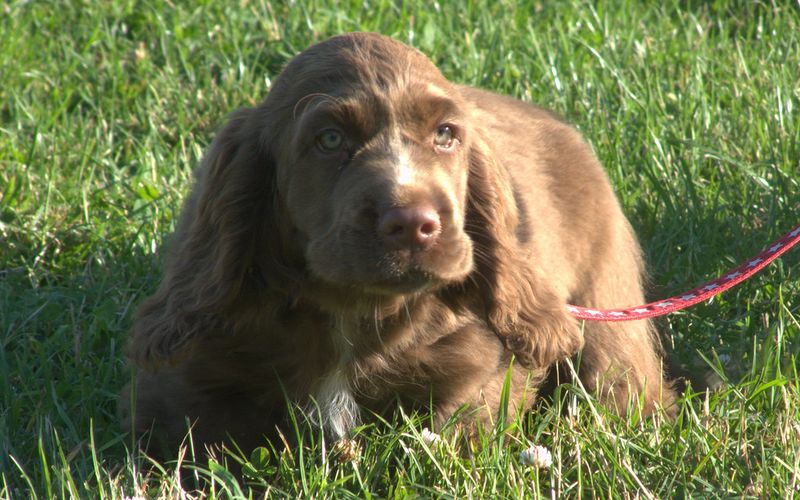
The Sussex Spaniel, known for its wagging tail, might show pain through a more subdued demeanor. If its famous tail stops wagging, it could be a red flag.
They’re not as vocal as other breeds, so changes in movement can be key indicators.
These spaniels have a rich history as hunting companions, valued for their strong scenting ability.
Clumber Spaniel

The Clumber Spaniel, with its gentle eyes, may express discomfort through reduced enthusiasm for its favorite activities.
A typically energetic Clumber refusing to fetch might need closer attention. Their calm nature can sometimes mask their pain.
Once favored by British nobility, Clumbers were used as gundogs on estates, known for their steady work ethic.
Belgian Griffon (Griffon Bruxellois)
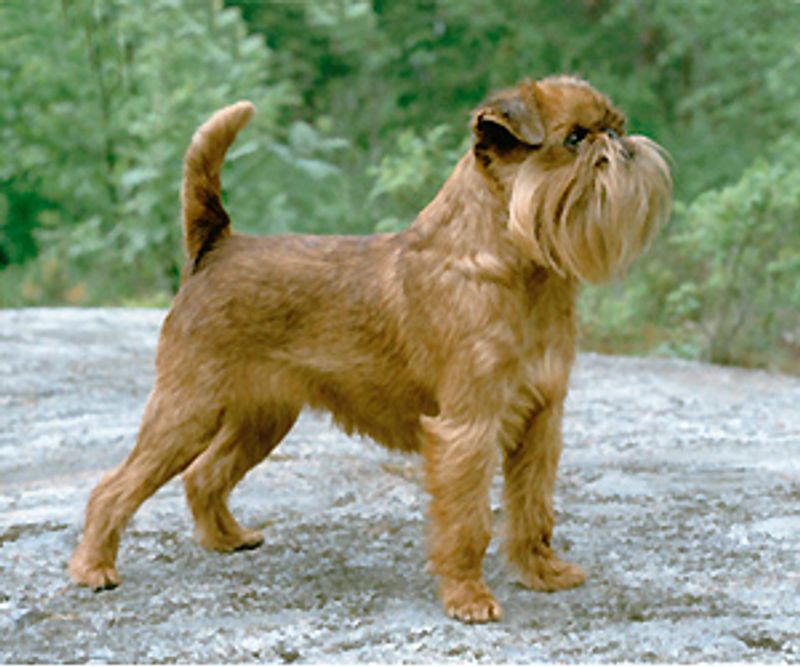
The expressive Belgian Griffon might hide pain through changes in its animated facial expressions. A lack of their usual charm can be a subtle sign.
Watch for differences in their typical inquisitive nature as these might indicate discomfort.
This breed shot to fame in Hollywood, thanks to its memorable roles in films like “As Good as It Gets.”
Swedish Vallhund
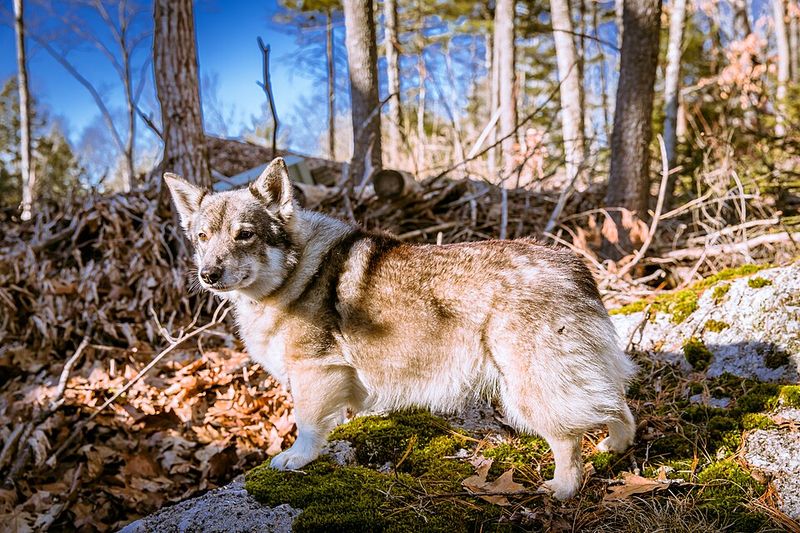
The Swedish Vallhund, with its striking resemblance to a wolf, might show discomfort by avoiding its usual herding activities.
Changes in their energetic behavior or hesitance to participate can be telling. Owners should look for any reluctance to engage with their environment.
These dogs have a history as versatile farm dogs in Sweden, adept at both herding and guarding.
Polish Hound (Ogar Polski)
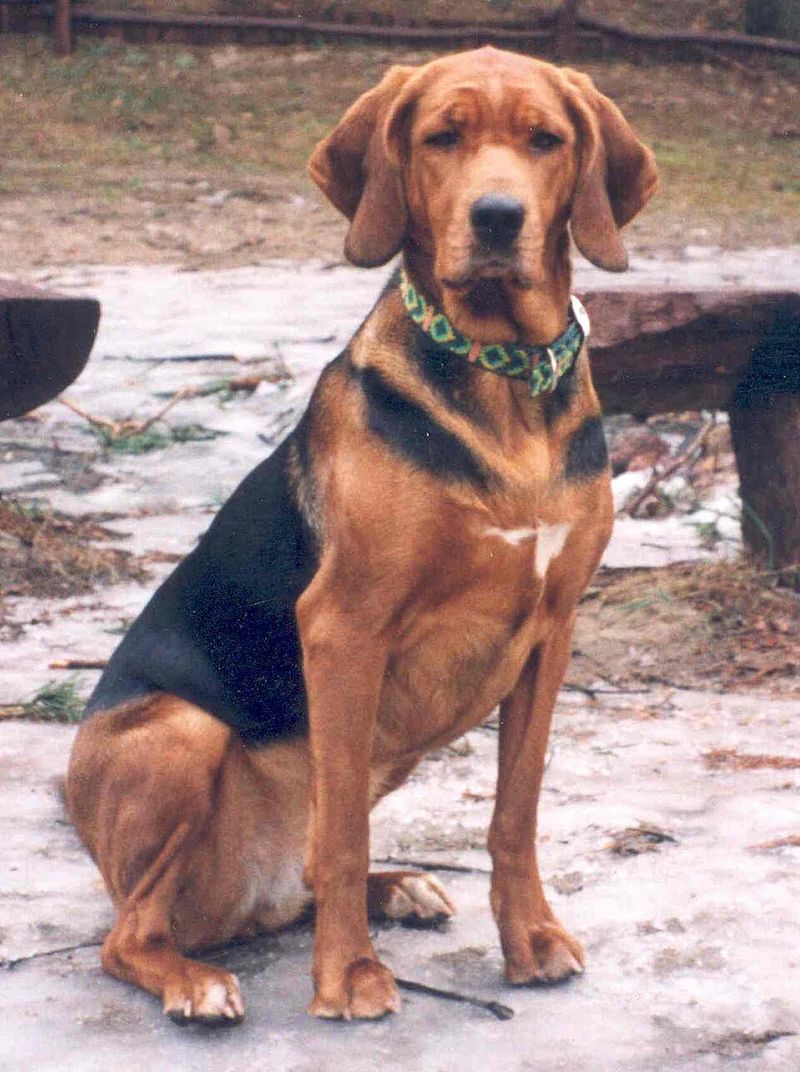
The Polish Hound, with its soulful eyes and deep bark, might show pain with unusual quietness. A lack of its typical vocalizations can signal discomfort.
Monitor any reluctance to engage in its beloved outdoor activities. These hounds express themselves through movement, so changes are critical.
Historically, they assisted in hunting across the varied terrains of Poland.
American Foxhound
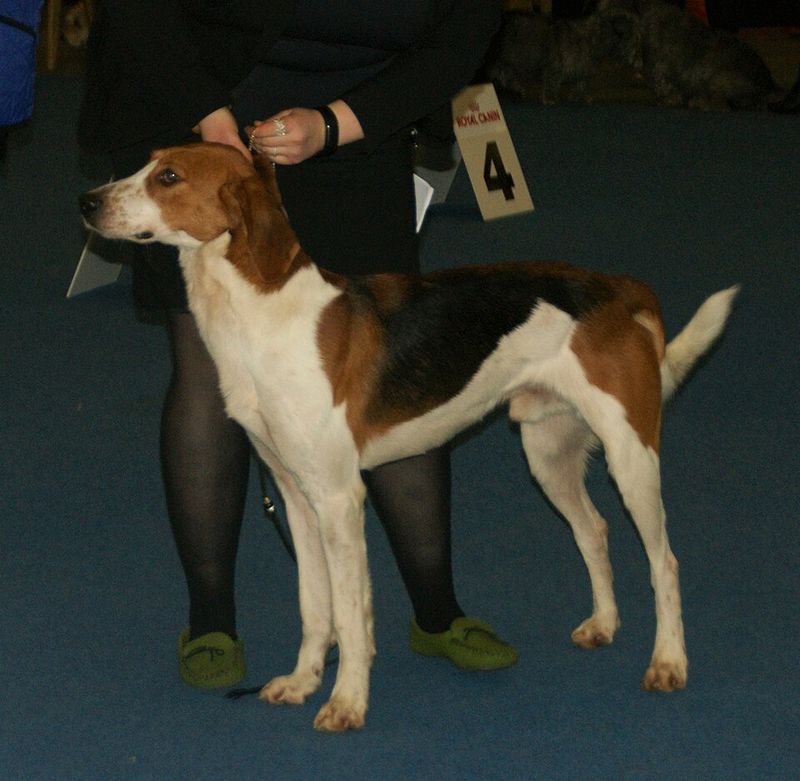
The American Foxhound, with its graceful build and keen sense of smell, may conceal pain by slowing down its usual lively runs.
If your Foxhound becomes less enthusiastic about chasing scents, consider it a potential warning. Any decrease in their robust energy levels is significant.
Known for its endurance, the American Foxhound has deep roots in colonial America.
Transylvanian Hound
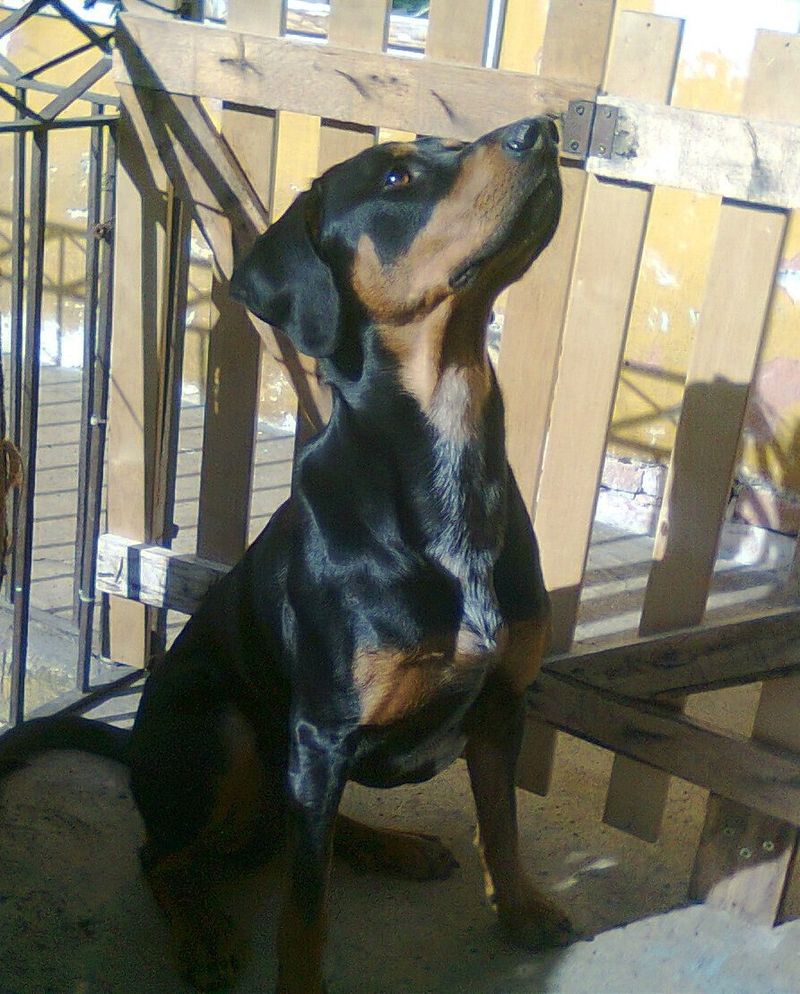
The Transylvanian Hound, with its regal posture, might show pain through subtle changes in its alertness. Look for any reluctance to follow scents or trails.
These hounds are usually very active; therefore, any drop in energy should not be ignored. Their keen senses make them direct communicators.
With a storied past in the Carpathians, they were once prized by Hungarian nobility for hunting.