
Some dogs will chase a squirrel straight into the next county, while others will stop mid-sprint because their person called their name. That difference is not magic, and it is not just training.
Many breeds were shaped over generations to work closely with a human partner, watching for cues and checking in instead of making every decision alone. The twelve breeds below are known for that people-focused streak, though every dog is still an individual with its own quirks.
Papillon
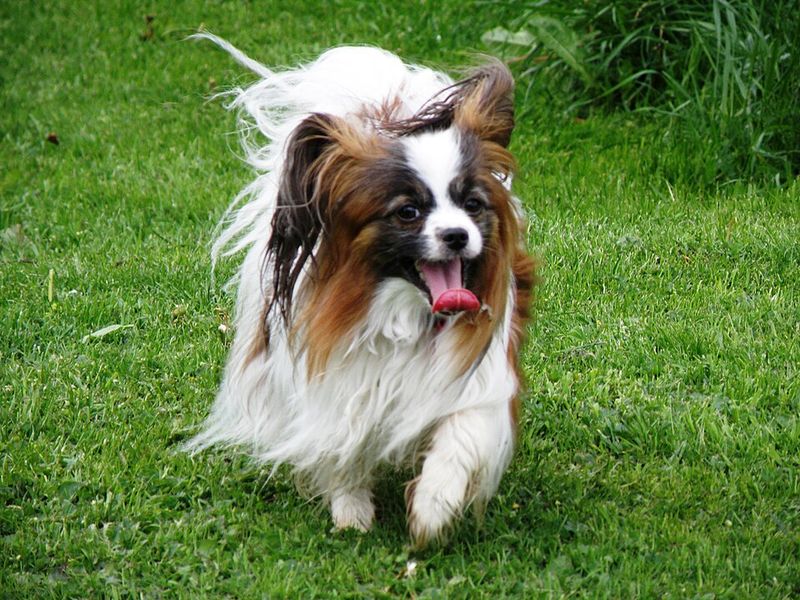
Those famous butterfly ears get most of the attention, but the more interesting trait is what sits between them. Papillons are small companion dogs with a surprisingly strong habit of tracking where their people are at all times.
Unlike many toy breeds, Papillons often excel in obedience and agility competitions, where focus on a handler matters more than size. That attention tends to follow them home, and many owners notice a tiny shadow trailing them from the kitchen to the laundry room.
The catch is that a dog this tuned in can struggle when left alone for long stretches. Gradual practice with short absences usually helps a Papillon learn that you always come back.
Shetland Sheepdog
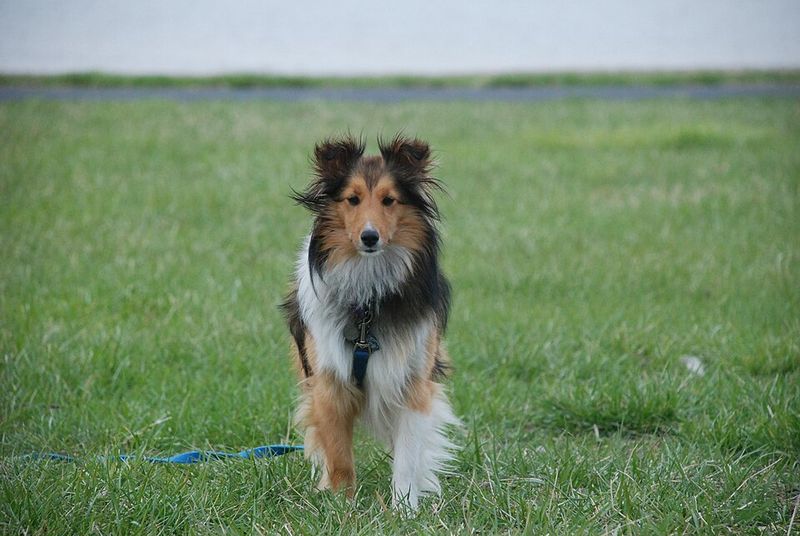
Picture a herding dog that would rather ask permission than act on its own. Shetland Sheepdogs, or Shelties, came from the Shetland Islands of Scotland, where they helped manage sheep and ponies on small farms.
Shelties are commonly described by the AKC as sensitive and highly responsive. Many will hesitate, glance at their owner, and wait for a signal before charging after something interesting.
That sensitivity has a flip side. Harsh corrections can shut a Sheltie down quickly, so calm, reward-based training tends to bring out its best.
Owners should also expect barking, since the breed can be quite vocal when it notices movement or sounds.
Vizsla
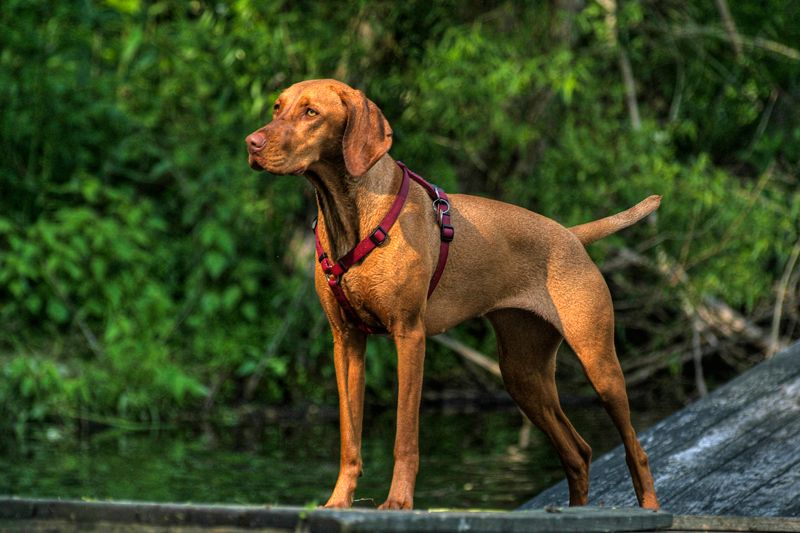
Hunters in Hungary wanted a pointing dog that would also curl up with the family at night, and the Vizsla was the result. The breed’s nickname, the Velcro dog, says plenty.
Here is the interesting tension. Vizslas have a real hunting nose and plenty of prey interest, yet they were developed to work close to the hunter rather than ranging far away.
In daily life, that shows up as a dog that leans against your legs, follows you into the bathroom, and gets restless without plenty of running time. A tired Vizsla is usually a far more relaxed housemate.
Cavalier King Charles Spaniel
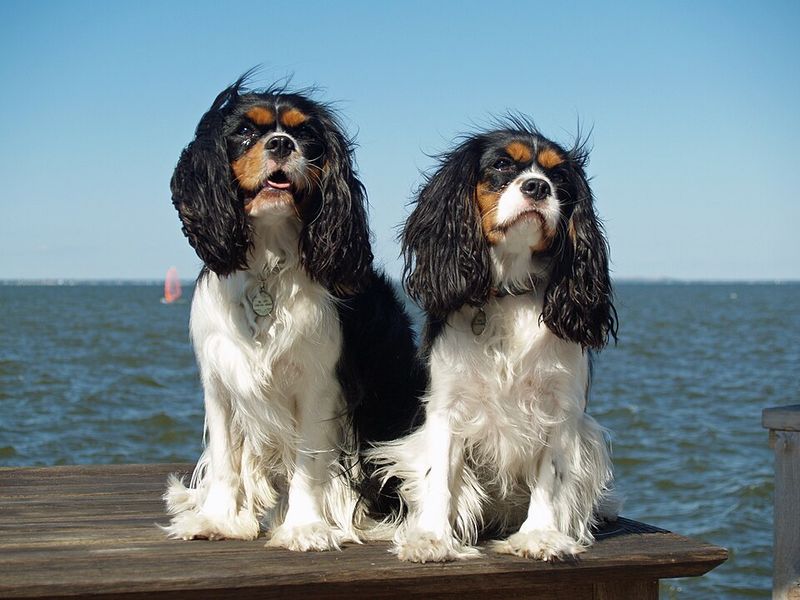
Ever notice how some spaniels will flush a bird yet trot right back to your lap? Cavaliers carry a bit of that sporting ancestry, and some individuals will still chase birds or butterflies with real enthusiasm.
Most of their history, though, was spent as companions to English nobility. That long stretch of lap duty seems to have left a deep preference for human company.
Because they rarely like being alone, Cavaliers often do best in homes where someone is around much of the day. Recall training still matters, since a fluttering bird can briefly win over even a devoted Cavalier.
Australian Shepherd
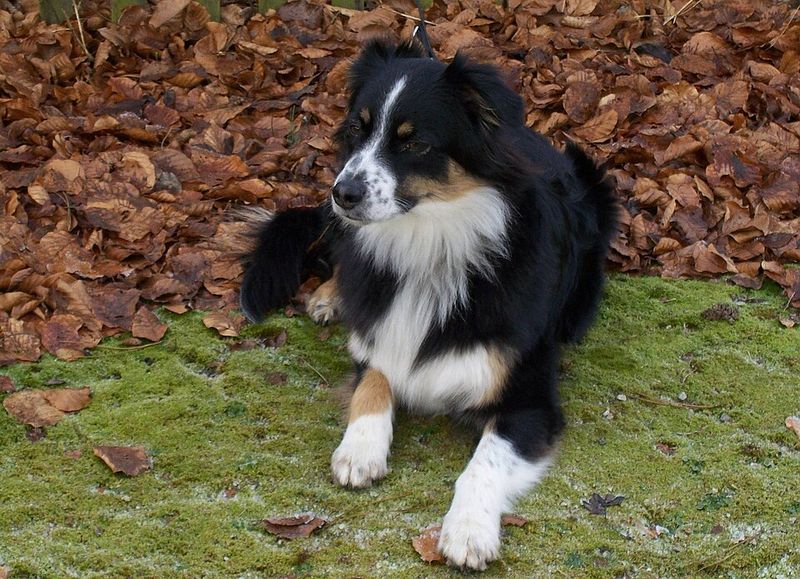
Despite the name, Aussies were developed largely in the western United States, working livestock on ranches. That job required a dog that could think fast but still take direction from a rancher across a pasture.
The result is a breed that can be intensely focused on its person. Many Aussies seem to want a task, and they often look to their owner to provide one.
Herding instincts do not vanish in the suburbs. Some Aussies may try to nip heels or circle children during play, which calls for redirecting that energy into games and training.
Without enough physical and mental work, that devotion can turn into pacing, chewing, or inventing their own jobs.
Doberman Pinscher
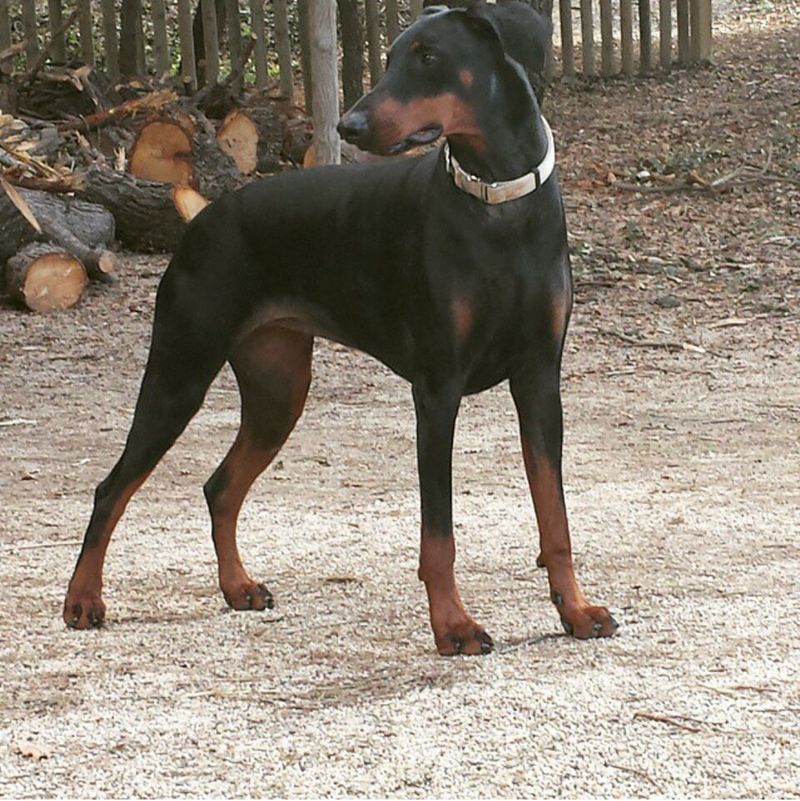
A tax collector named Karl Friedrich Louis Dobermann developed this breed in 19th-century Germany, reportedly wanting a dog to accompany him on his rounds. Companionship was built into the job from the beginning.
Modern Dobermans are often extremely attached to their families. Many will stay physically close, shifting rooms when their owner does.
Their alert, protective side means early socialization is valuable. A well-raised Doberman tends to be watchful rather than reactive, and it usually prefers being at your side to patrolling on its own.
Bichon Frise
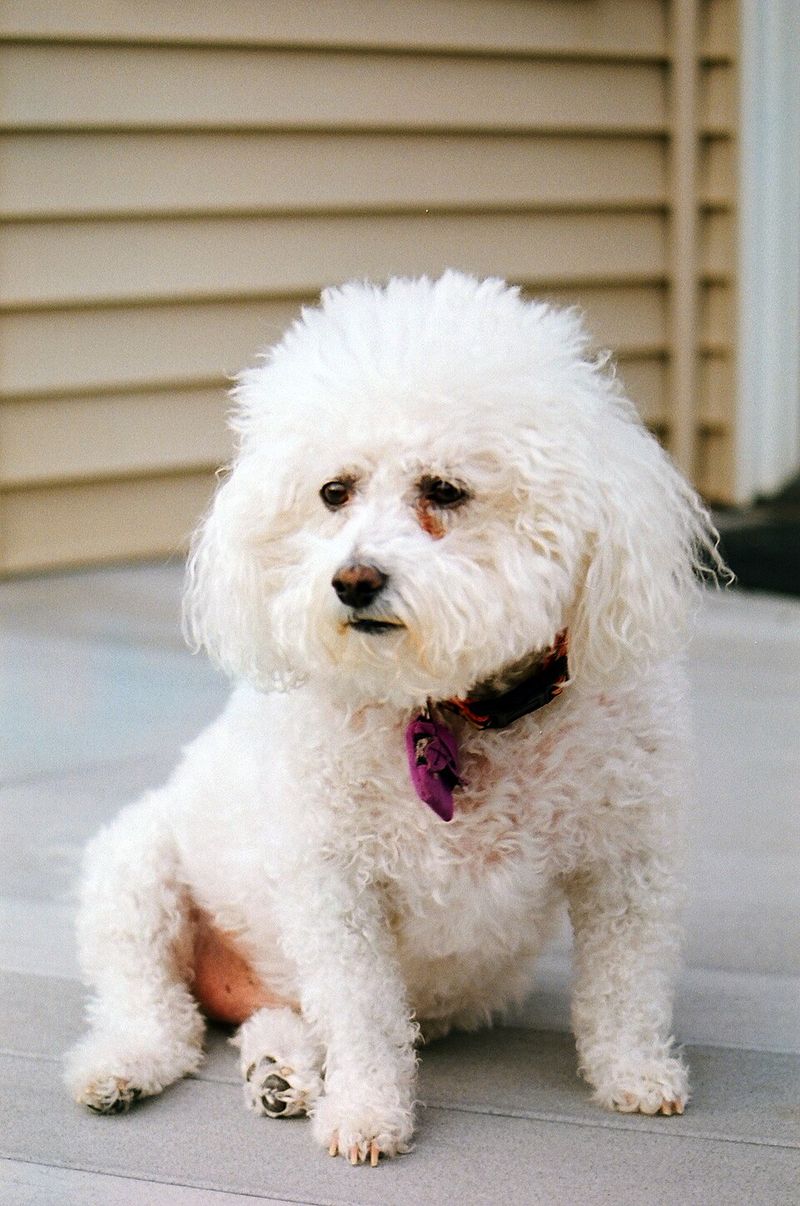
Sailors, royalty, and circus performers all played a part in the Bichon’s story. Few breeds have spent so much history simply being with people, traveling and performing alongside them.
That background shows. Bichons are generally cheerful and social, and many prefer following their household around to exploring a yard by themselves.
Owners sometimes underestimate the grooming. The curly coat needs regular brushing and professional trims, or it mats quickly.
Separation stress can also appear, so building alone-time skills early pays off.
Standard Poodle
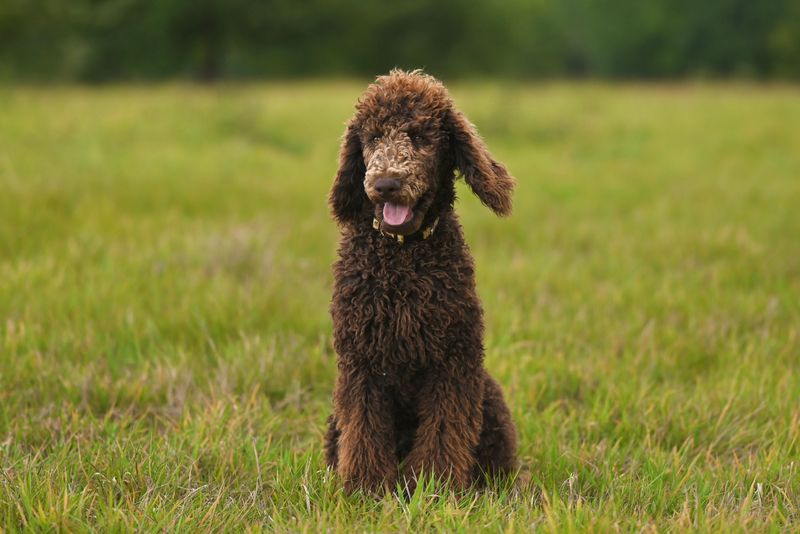
Forget the show clip for a moment. Standard Poodles started as water retrievers in Germany, fetching ducks for hunters, and that working partnership is still part of their makeup.
Retrieving required a dog that marked where the bird fell, then brought it back to the person rather than keeping it. Poodles tend to be highly trainable and responsive to their owner’s cues.
Many Standards still love water and will happily swim. Their bright minds also mean boredom can lead to mischief, so puzzle toys and training games go a long way.
Italian Greyhound
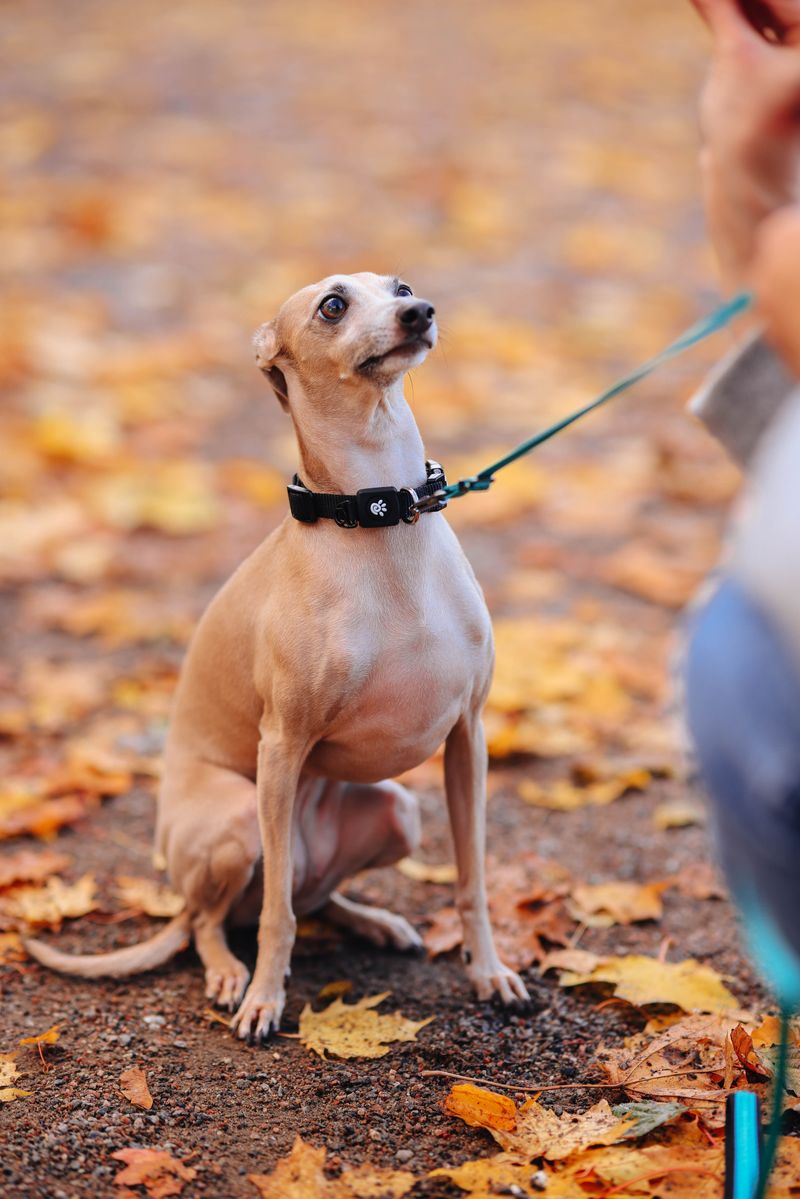
Here is a breed with a genuine split personality. Italian Greyhounds are sighthounds, so a fleeing squirrel can trigger a burst of speed before the dog even thinks.
Indoors, though, they are famously clingy. Many IGs want to be under blankets, on laps, or pressed against their owner’s side for warmth and comfort.
That mix makes them interesting for this list. They will follow you everywhere at home, but owners should keep them leashed or in secure fencing outdoors, since sighthound instinct can override even a strong bond.
Their slim legs also call for care around high jumps.
Boxer
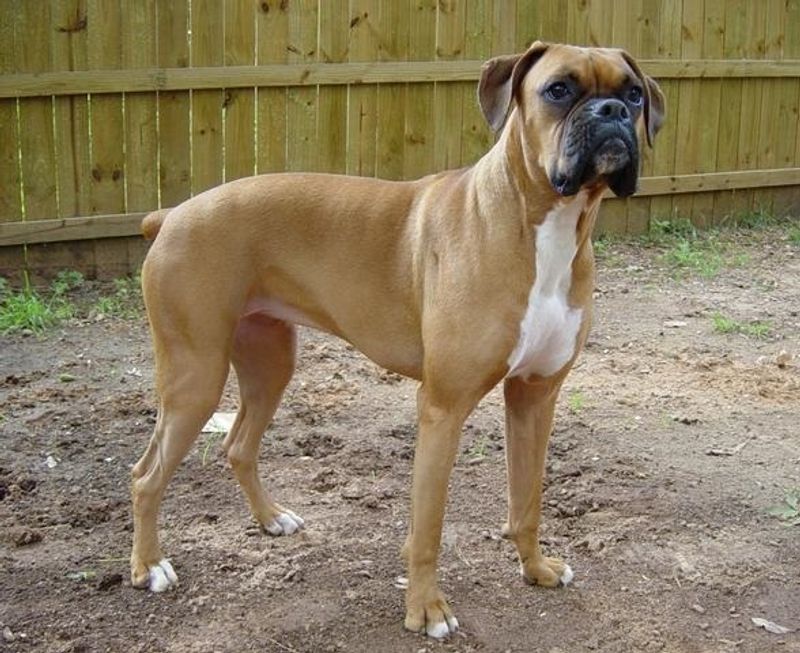
Goofy is the word many Boxer owners reach for first. Behind the clownish wiggles, though, is a German working breed with a strong attachment to its people.
Boxers often stay remarkably playful well into adulthood, and much of that play is directed at their humans. They tend to want to be involved in whatever the family is doing.
They are also strong and bouncy, which can overwhelm small children or older adults. Teaching calm greetings early helps.
Because their short muzzles make heat harder to handle, outings in hot weather should stay short.
Brittany
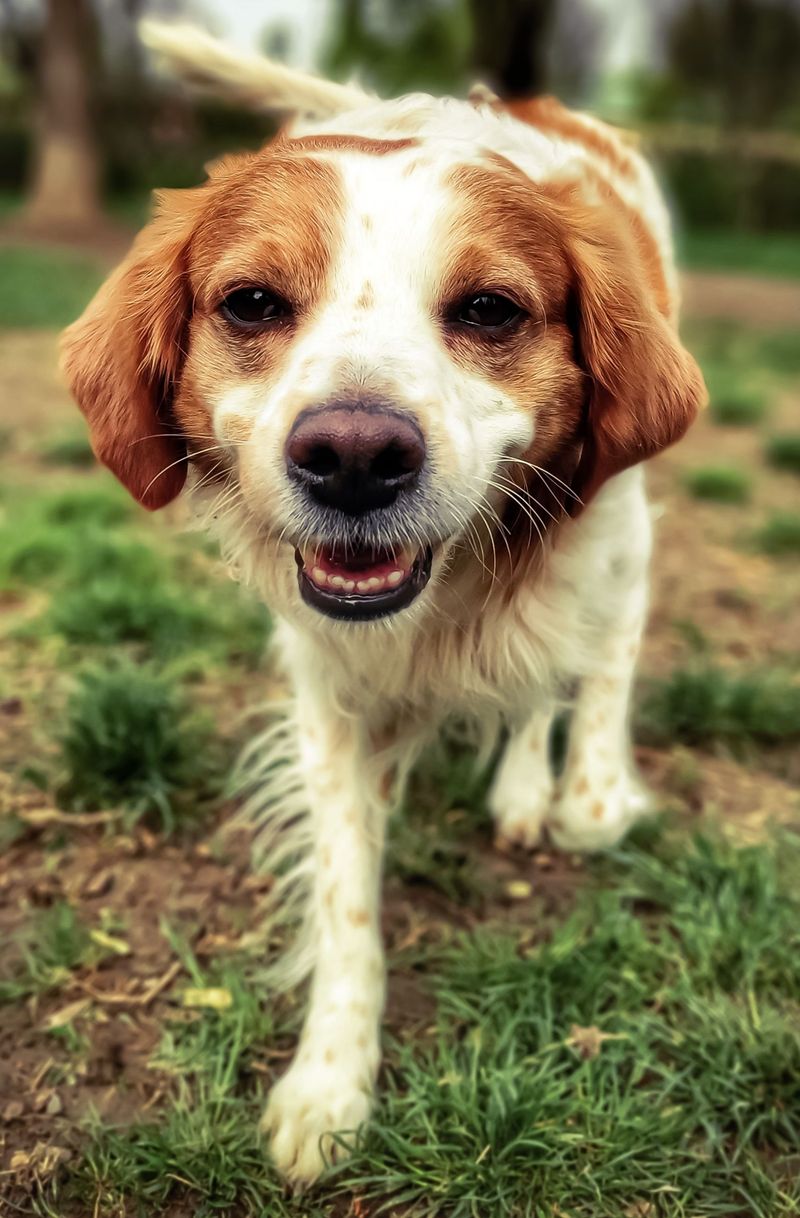
Bird dogs that range far can be hard to call off, but Brittanys were favored in France for working within gun range. Hunters valued a dog that kept checking back.
That habit of returning to the handler often carries into family life. Many Brittanys will investigate a scent, then circle back to see where you went.
Do not mistake that for a low-energy dog. Brittanys typically need serious daily exercise, and their bird interest stays strong.
The difference is that their nose usually comes with a built-in leash back to you.
Bernese Mountain Dog
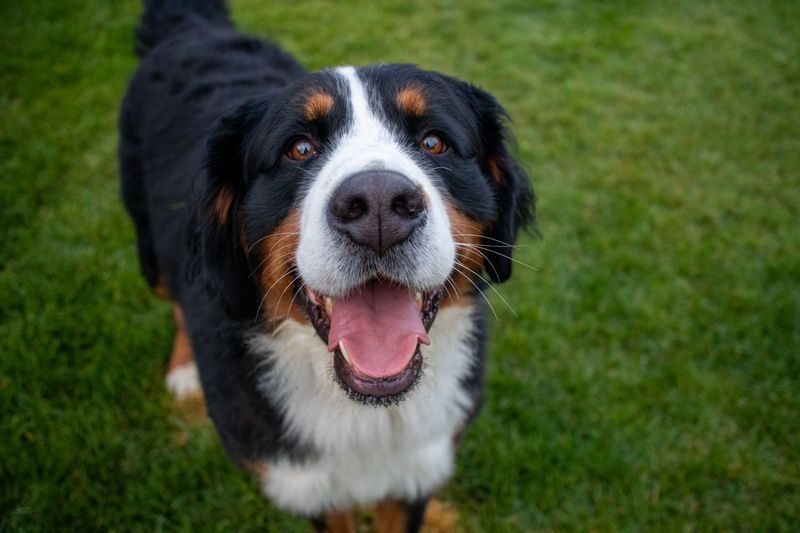
Swiss farmers once relied on Bernese Mountain Dogs to pull carts of milk and cheese to market. Draft work meant walking steadily beside a person for miles.
Berners today are often gentle giants who prefer staying near their families. Some even lean their full weight against their owners, a quirk many people find endearing.
Their size and thick coat make them better suited to cooler climates. Sadly, the breed has a shorter average lifespan than many dogs, which makes the time spent close to them feel even more precious.