
If your dog shakes their head or scratches nonstop, ear infections might be to blame. Some breeds are simply built to struggle more, and vets see them over and over with sore, smelly, painful ears.
The good news is you can prevent many flare ups with the right routine, gear, and timing. Here are the breeds most at risk and exactly what to watch for so you can act early.
Cocker Spaniel
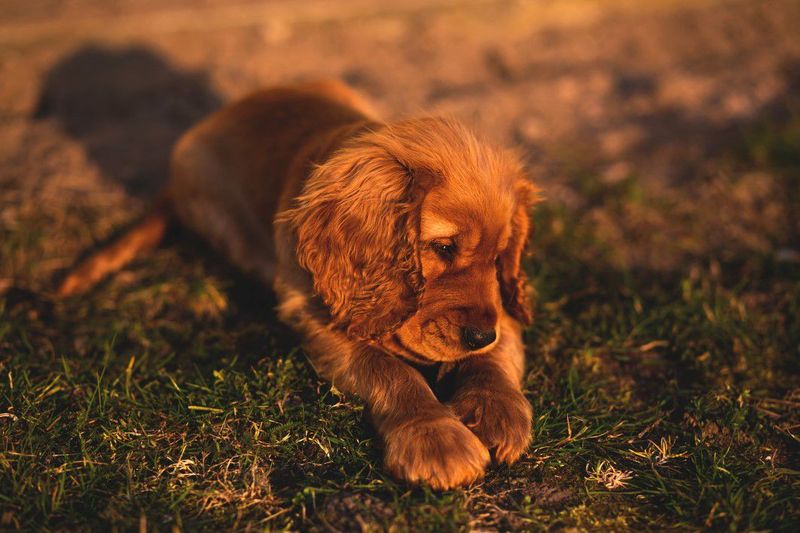
Cocker Spaniels have lush, floppy ears that trap warmth and humidity, creating a perfect place for yeast and bacteria. Add heavy feathering and narrow ear canals, and air circulation plummets.
If you notice head shaking, dark discharge, or a sour smell, it is time to act quickly before pain escalates.
Dry ears thoroughly after every bath or swim and schedule gentle cleanings with a vet-approved solution. Lift the ear flap daily to check for redness, debris, or tenderness.
Allergy control is huge for this breed, so discuss diet trials and seasonal meds with your vet. Training your dog to accept ear handling using treats can make maintenance calm and easy.
Basset Hound
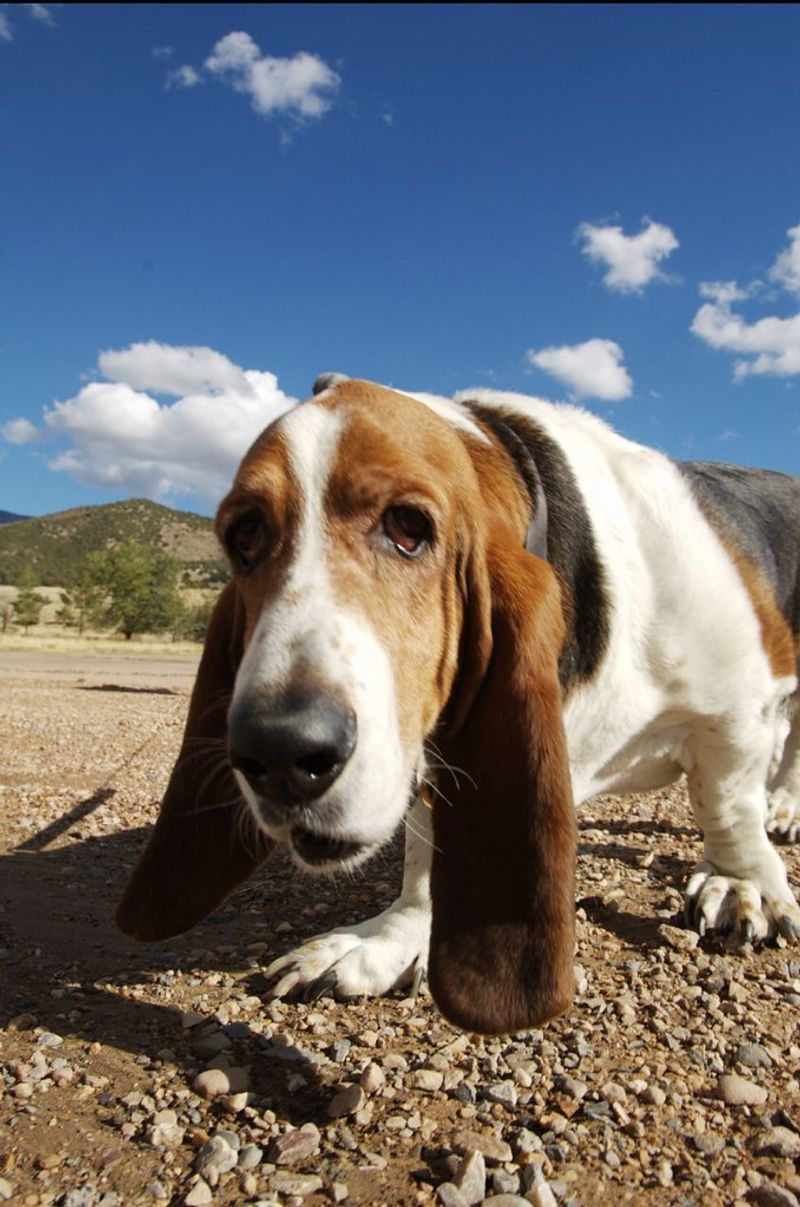
Basset Hounds carry heavy, pendulous ears that drape close to the ground, sweeping in dust, pollen, and moisture. Their skin folds and wax production can compound the problem, encouraging stubborn infections.
Look for pawing at the ears, flinching when touched, or a thick, brown buildup that appears suddenly.
Keep ears dry, and use a drying cleanser after outdoor adventures or rainy walks. Wipe gently along folds where debris hides, but do not dig deep.
Regular vet checks help catch polyps, mites, or resistant bacteria early. A lightweight snood during messy play can reduce contact with dirt.
If infections recur, ask about culture tests and targeted therapy so you are not chasing the wrong culprit.
Labrador Retriever
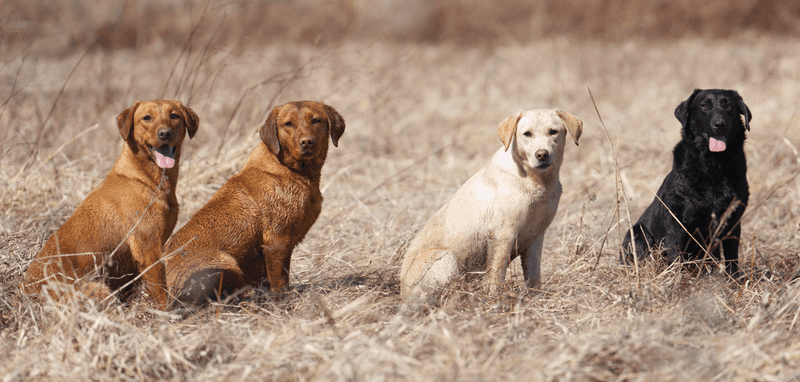
Labradors love water, but damp ears become infection central when not dried well. Their broad ear flaps and active lifestyles invite trapped moisture, pollen, and yeast.
Watch for recurrent head shaking after swims, a musty smell, or redness that creeps from the canal outward.
Keep a soft towel and vet-approved ear rinse in your swim bag. After water play, gently massage a drying solution, then let your Lab shake out excess.
Allergy management helps too, since Labs often have food or environmental triggers. Weekly checks catch trouble early, and grooming around the ear opening improves airflow.
When infections repeat, ask your vet about cytology to guide precise treatment instead of guessing.
Golden Retriever
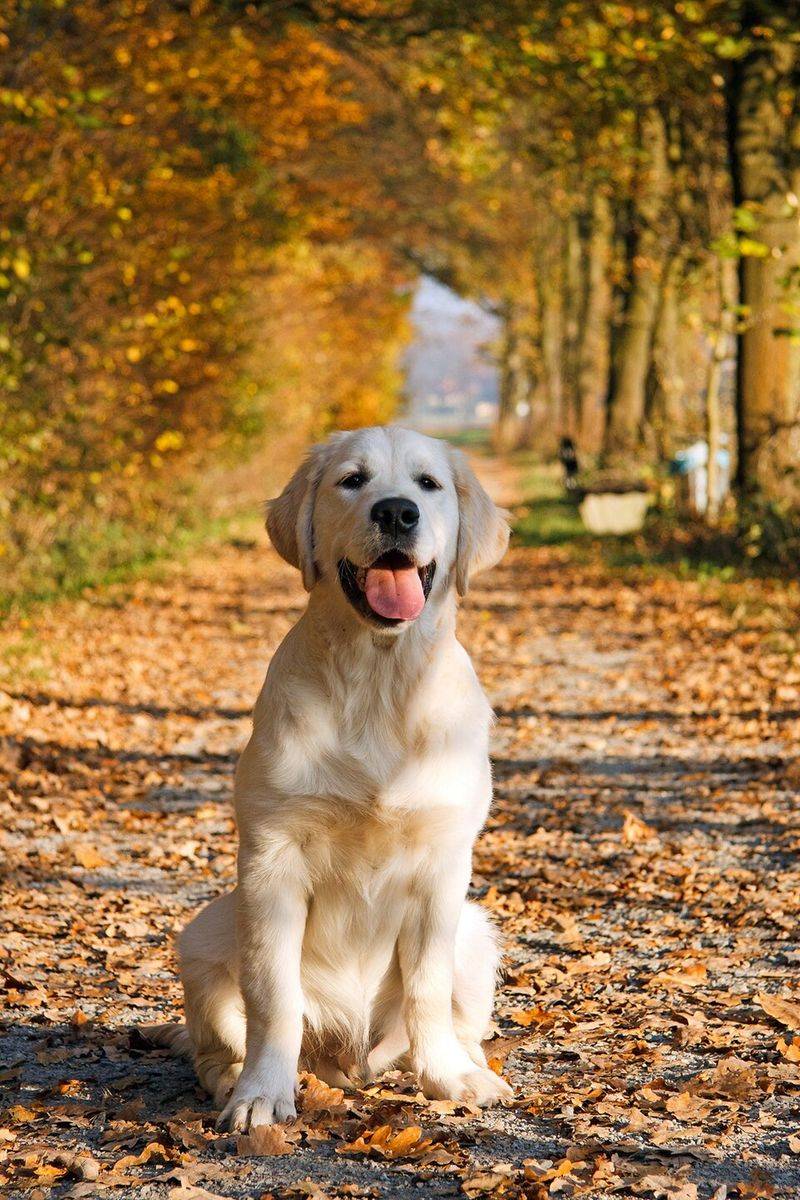
Golden Retrievers share many of the same risks as Labs, mixing love for water with floppy ear flaps. Their dense coat and seasonal shedding can hold moisture near the ear canal.
If you catch a sweet yet sour odor, sticky discharge, or repeated head tilts, an infection is brewing.
Dry thoroughly after baths and lake days, and trim excess fur near the ear opening to improve airflow. Gentle, routine cleanings make a huge difference, especially during allergy seasons.
Use treats to build a positive ear care ritual so your Golden relaxes. At the first hint of pain, see your vet for cytology and medication.
Unchecked infections can scar canals and make future flare ups more frequent.
Poodle
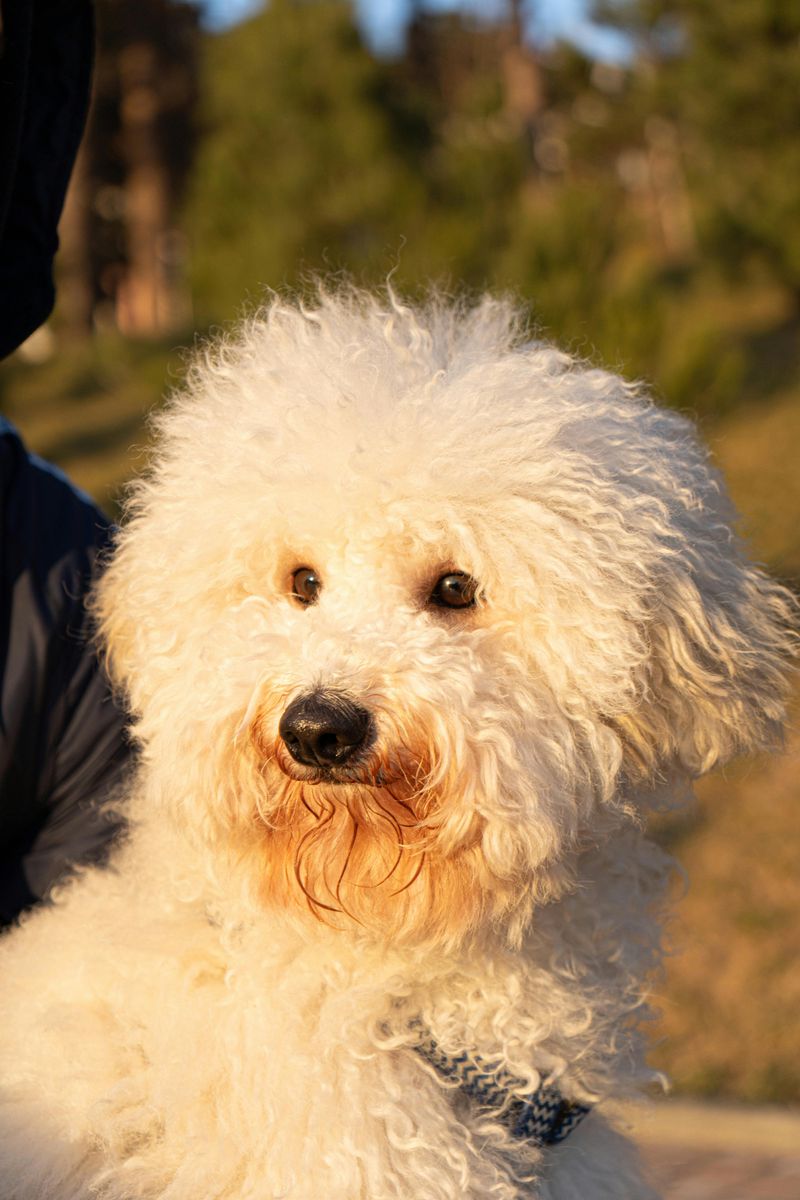
Poodles have hair that grows inside the ear canal, trapping wax and humidity. That cozy environment lets yeast and bacteria thrive, especially in active dogs.
You might notice a sweet, bready smell, dark debris, or your Poodle rubbing the ear on furniture for relief.
Work with your groomer and vet on safe ear hair management. Plucking can irritate skin, so many vets prefer careful trimming and routine drying cleansers.
After baths, massage a vet-recommended rinse and let your dog shake. Keep allergies in check, as Poodles often have sensitive skin.
If flare ups persist, ask about cultures and ear cytology to tailor treatment. Consistent, calm handling will make home ear care fast and stress free.
Beagle
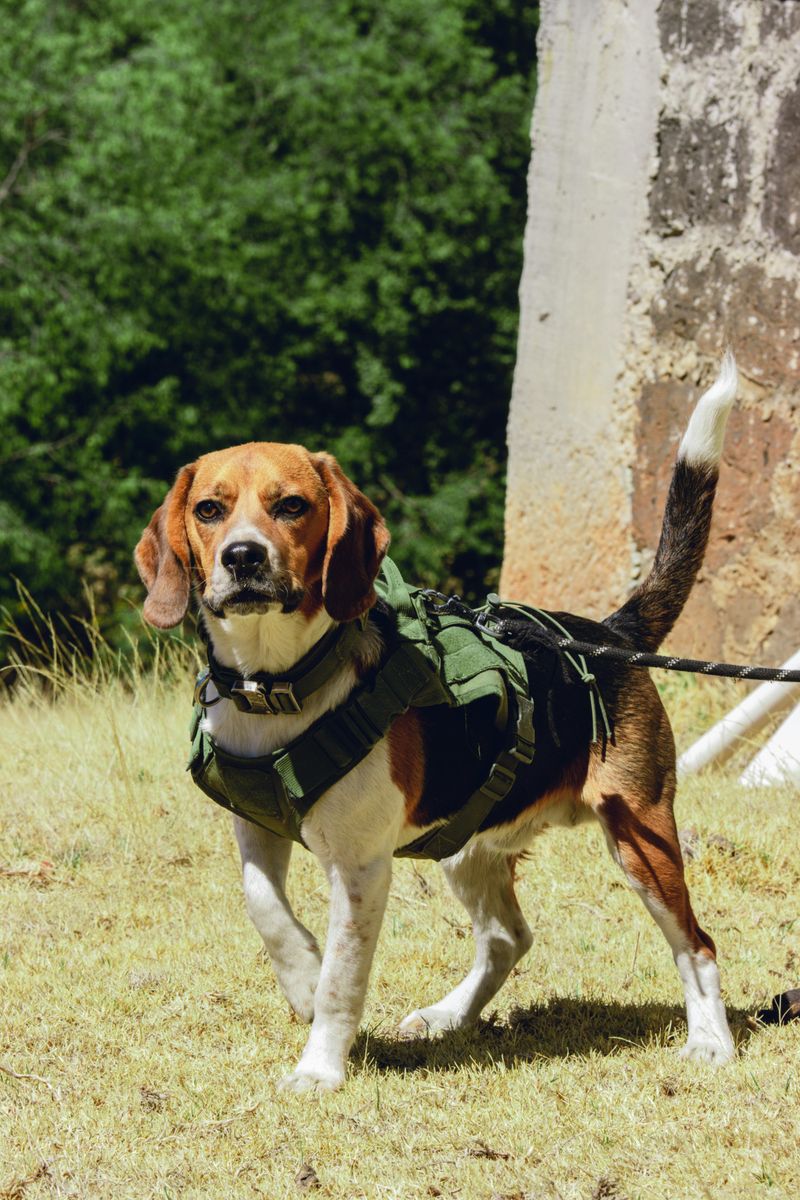
Beagles are scent hounds with floppy ears that seal in warmth after outdoor tracking. Their explorations kick up pollen, seeds, and dust that mix with wax.
If you notice persistent scratching, low head carriage, or a yeasty smell, there is likely inflammation inside.
Brush away field debris and inspect ears after hikes. Use a gentle cleanser weekly, and more often during allergy peaks.
Reinforce a quick ear check as part of your leash off routine with treats. If infections keep returning, ask your vet about allergy testing, diet tweaks, and medicated rinses.
Early treatment prevents painful secondary issues like hematomas. A breathable snood during rugged adventures can limit debris without ruining your Beagle’s fun.
Bulldog
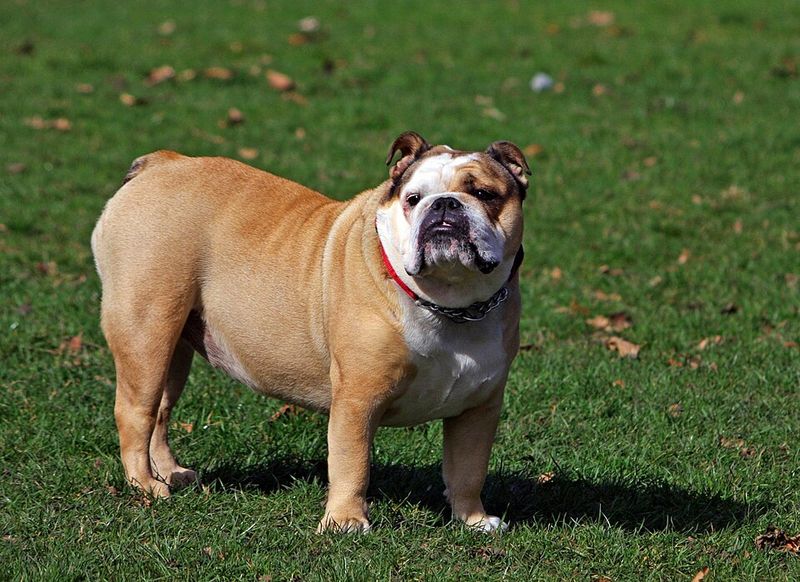
Bulldogs often battle skin and allergy problems that extend into the ears. Their narrow canals and heavy head structure can reduce airflow, letting moisture sit.
Look for redness, head shaking, or sudden sensitivity when you touch near the ear base.
Keep facial folds and ear margins clean and dry, especially in humid weather. Use vet-approved drying agents after baths and avoid harsh poking with cotton swabs.
Because Bulldogs frequently have underlying allergies, discuss a long term plan, including diet and medications. Quick vet visits at the earliest signs help prevent stubborn infections.
If stenosis is severe, your vet may consider procedures to open the canal and reduce chronic pain.
French Bulldog
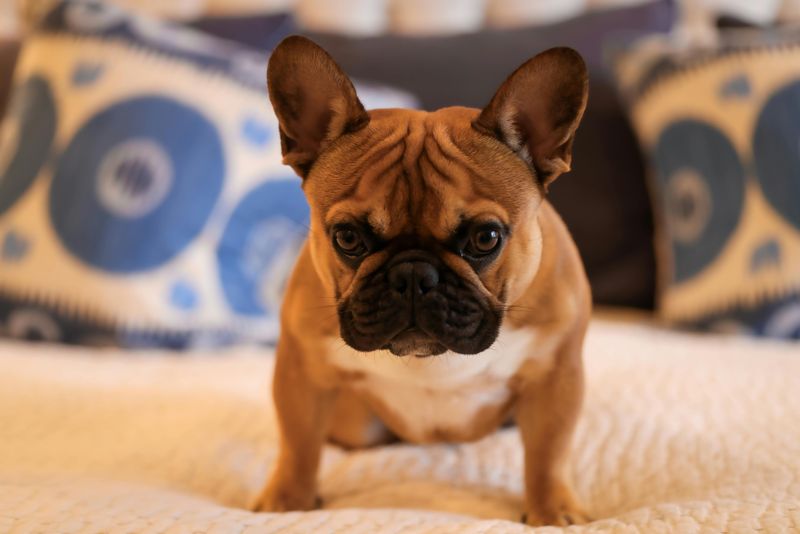
French Bulldogs have upright bat ears, but that does not mean they are safe from infections. Allergies and sensitive skin are common in the breed, priming the canal for yeast overgrowth.
Watch for redness, crusting at the entrance, or little cries when you handle the ear.
Adopt a steady cleaning routine using a gentle, drying solution recommended by your vet. Control environmental and food allergies to calm the underlying inflammation.
Keep baths brief, and dry ear edges thoroughly afterward. Seek veterinary guidance quickly if discharge changes color or odor.
Chronic cases may need culture testing and tailored drops. Good ear hygiene, breathable bedding, and consistent allergy care make a big difference for Frenchies.
Cavalier King Charles Spaniel
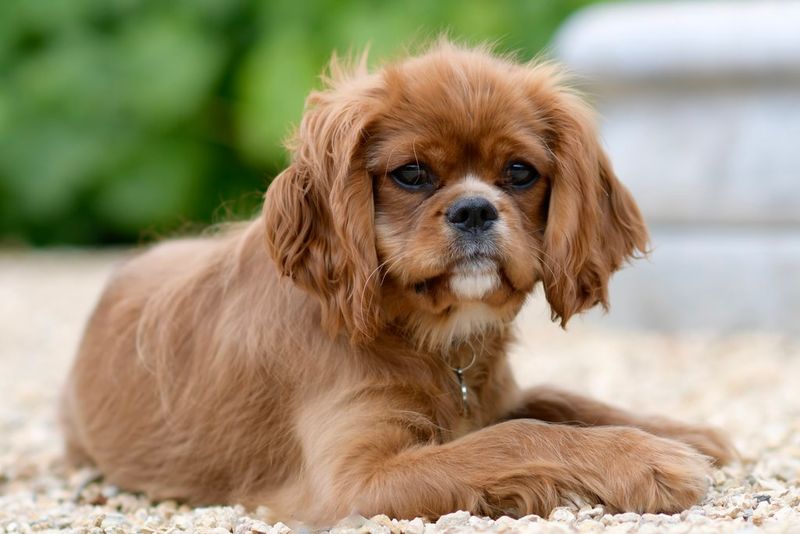
Cavaliers have long, silky ears that create a humid pocket over the canals. Combine that with potential allergies, and infections can become frequent and painful.
Signs include head shaking, pawing, or a sour smell that lingers even after a bath.
Brush and aerate the ear feathering to improve airflow. After any water exposure, use a drying cleanser and allow a good shake out.
Check for redness and residue at the entrance daily. Discuss allergy management, as many Cavaliers benefit from diet changes and antihistamines.
If infections recur, request cytology so treatment targets yeast, bacteria, or both. Calm, positive handling during cleanings helps your dog relax and keeps the routine sustainable.
Dachshund
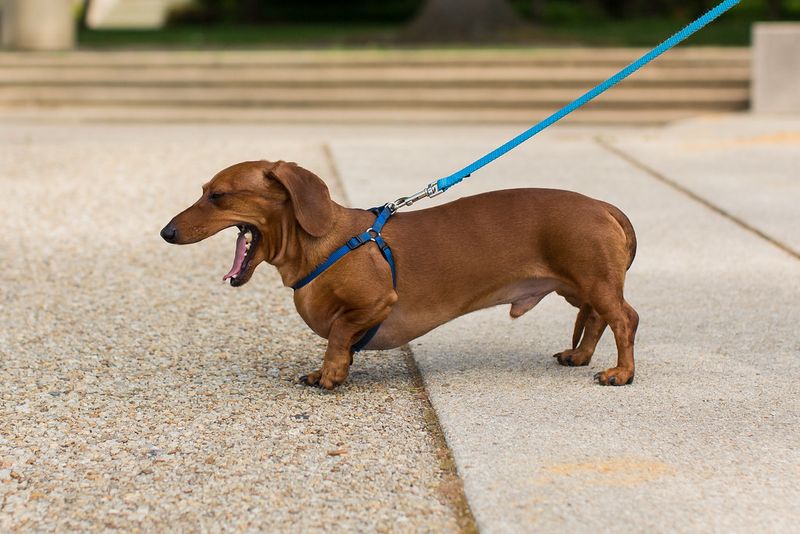
Dachshunds have floppy ears that trap heat close to their narrow canals, especially in humid climates. Their curious nature also leads them into grass, dust, and puddles that load the ears with debris.
If you see tilting, dark wax, or a stubborn smell, it is time to check in.
Keep a weekly cleaning schedule and increase frequency after wet outings. Trim hair around the opening to help air movement.
Use treats and calm handling so ear care becomes a quick, positive ritual. Persistent cases deserve a vet visit for cytology and tailored drops.
Prevent scratching injuries by filing nails and using a soft cone if needed during treatment.
Springer Spaniel
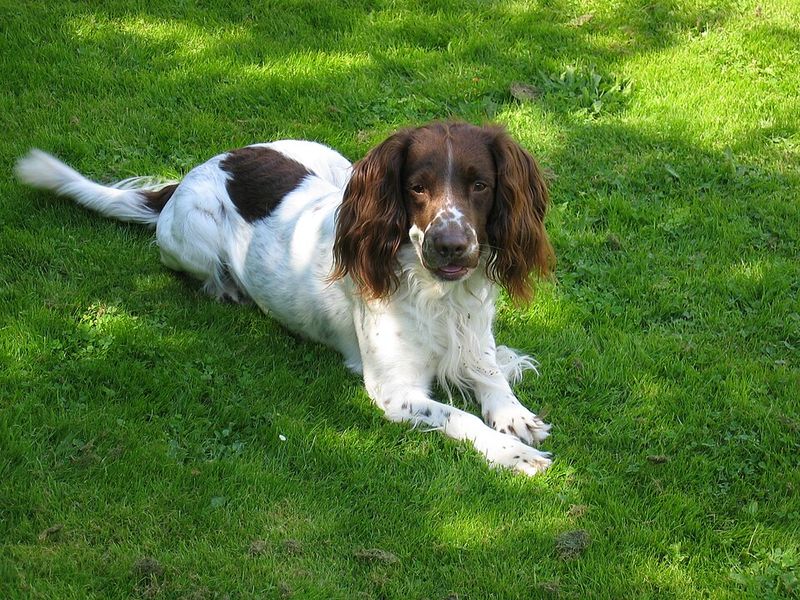
Springer Spaniels mix water love with heavy ear feathering, so moisture lingers where yeast thrives. Their active noses pick up field debris and pollen that irritate the lining.
Typical signs include head shaking after swims, redness at the canal entrance, and a bread-like odor.
Dry thoroughly after water work and use a drying cleanser post-adventure. Keep feathering tidy around the ear opening to boost airflow.
Incorporate quick ear checks into your training cool down. For repeat infections, ask about allergy plans, cytology, and targeted medication.
When untreated, inflammation can scar canals and set off chronic pain. Consistent maintenance keeps your Springer comfortable and ready for longer, happier retrieves.
Shar Pei
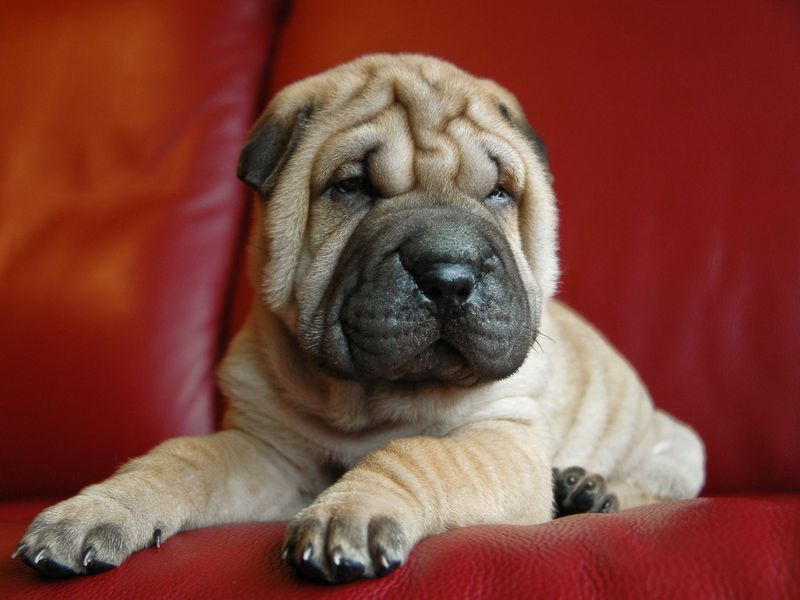
Shar Pei dogs have very small, tight ear canals that do not ventilate well. Their wrinkled skin and allergy tendencies add inflammation, creating a difficult environment to medicate.
You might notice grimacing, head shaking, or sudden aggression when ears are touched.
Gentle, regular cleanings and immediate drying after baths are essential. Work closely with your vet, since this breed often needs culture guided treatment and anti-inflammatory support.
Avoid aggressive swabbing that can worsen swelling. If canals are severely narrowed, surgical options to improve airflow may be discussed.
Early intervention prevents long term scarring and discomfort. Patience, consistent handling, and allergy control will help your Shar Pei feel better faster.