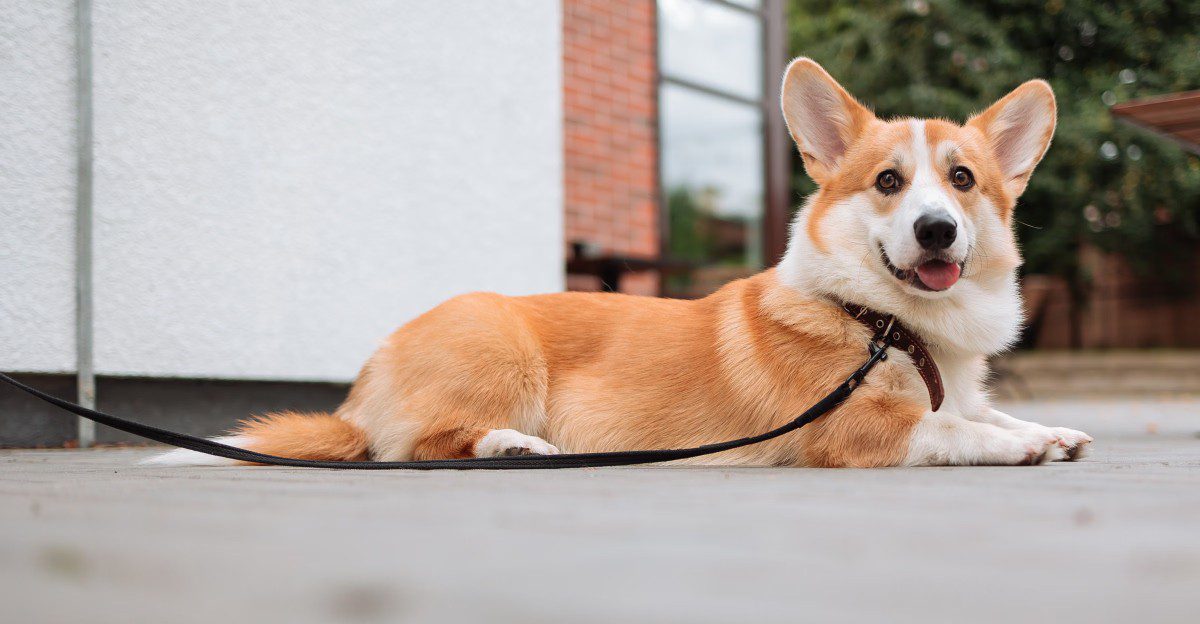
Some dogs can nap on the couch and still look like they are guarding the whole house. Their upright ears give them a watchful look, even when nothing has caught their attention.
Ear shape is part of their charm, but it does not tell you everything about their mood. Meet the breeds whose ears seem ready for action while the rest of the dog takes a break.
German Shepherd: The Off-Duty Lookout
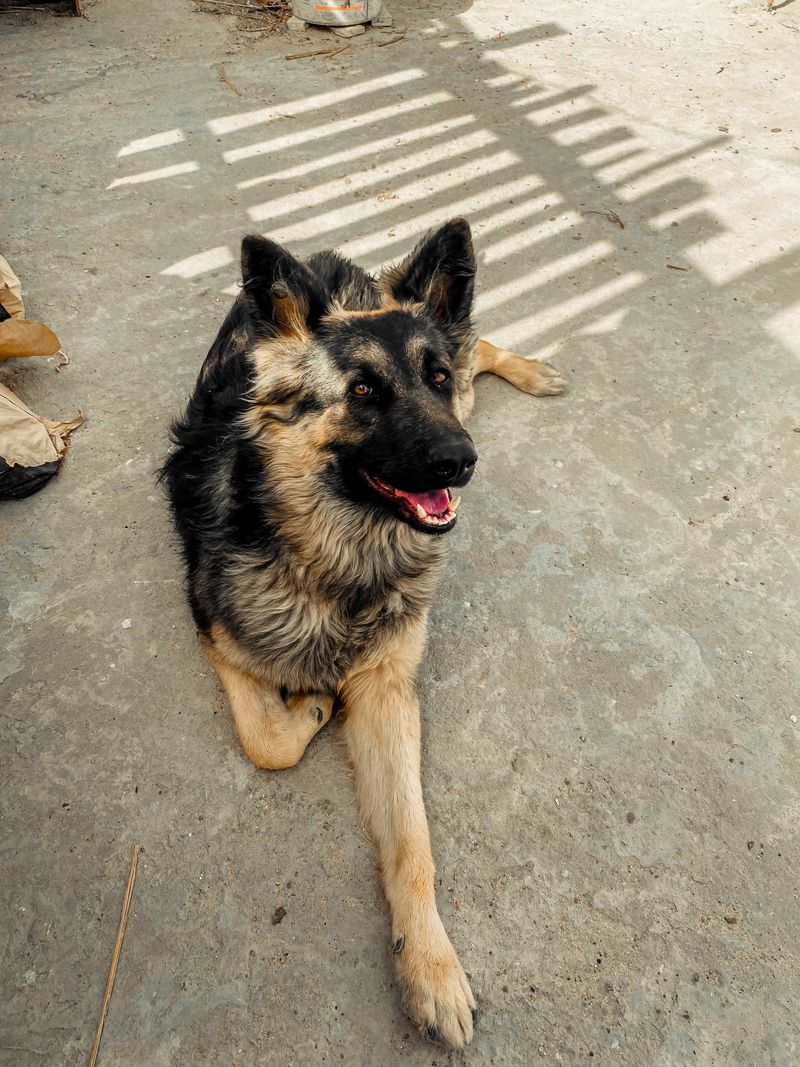
Even a lazy afternoon looks like a security shift when a German Shepherd is involved. Those tall, pointed ears create a watchful outline while the dog rests with its chin near the floor.
Originally developed for herding, the breed often enjoys learning and working alongside people. Offer daily exercise and short training games, not just a yard.
Read the whole body before judging mood: loose muscles and soft eyes can signal relaxation despite those impressive ears.
Belgian Malinois: Ready Without Moving
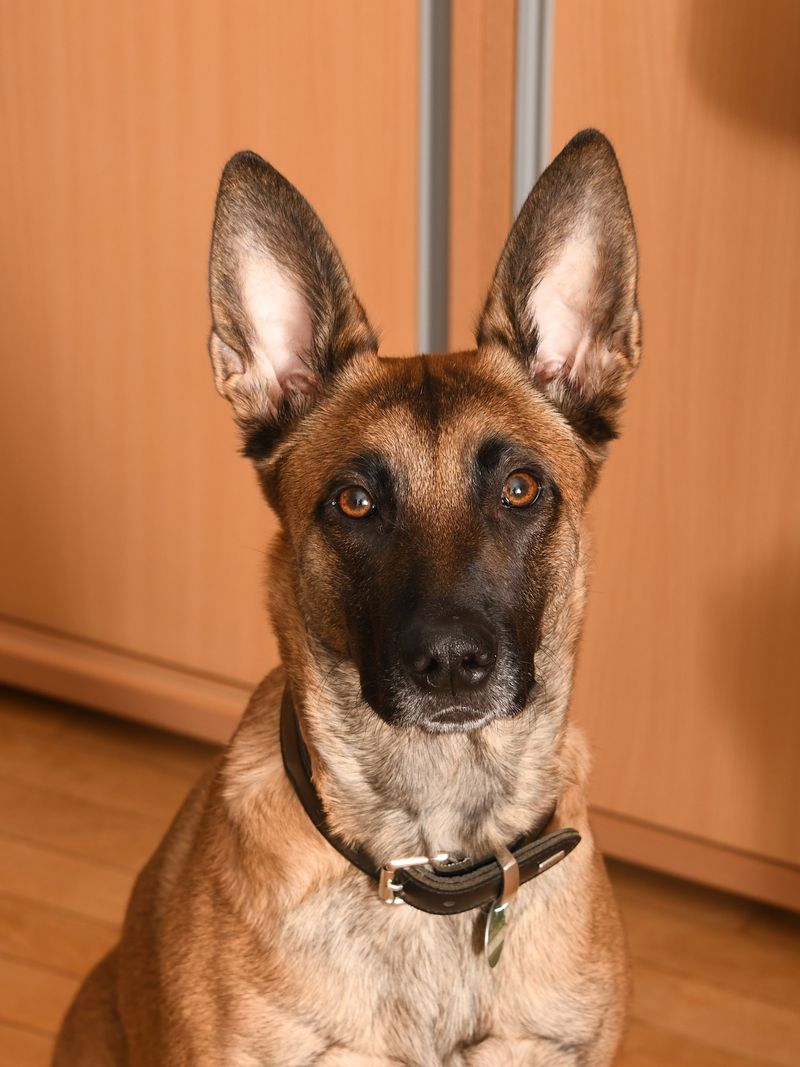
Nothing may be happening, but a Belgian Malinois can still look seconds away from an assignment. Its firm, triangular ears add to the sharp expression that makes this working breed so recognizable.
Behind that look is a dog that usually needs plenty of exercise, training, and mental challenges. A quiet pose does not mean low energy.
Prospective owners should plan structured activities and teach calm settling, rather than expecting walks alone to meet every daily need.
Siberian Husky: Snow Patrol on Pause
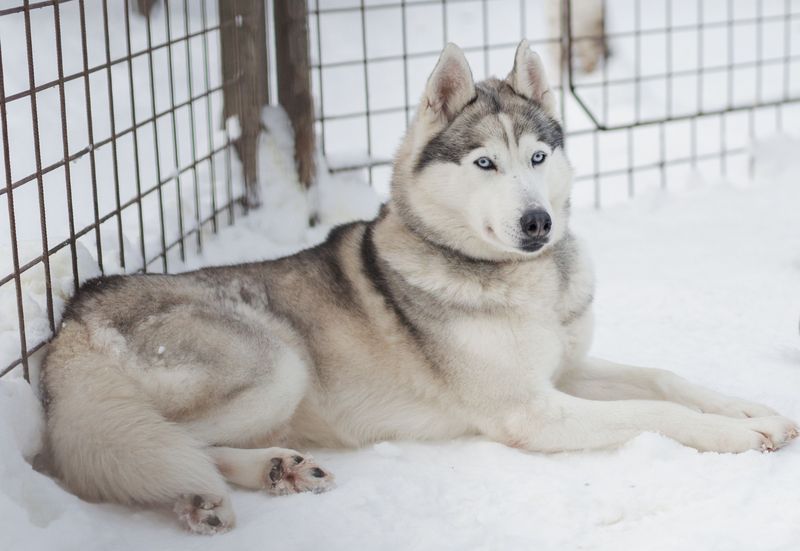
A husky sprawled across the porch can look ready to spot movement far beyond the fence. Compact, upright ears sit above a thick coat, giving this sled dog a bright expression even during downtime.
That handsome outline comes with practical needs. Brush regularly, provide exercise suited to the weather, and use secure fencing because many huskies enjoy roaming.
In warm conditions, choose cooler walking hours and offer shade and water instead of pushing through the heat.
Chihuahua: Tiny Dog, Giant Radar
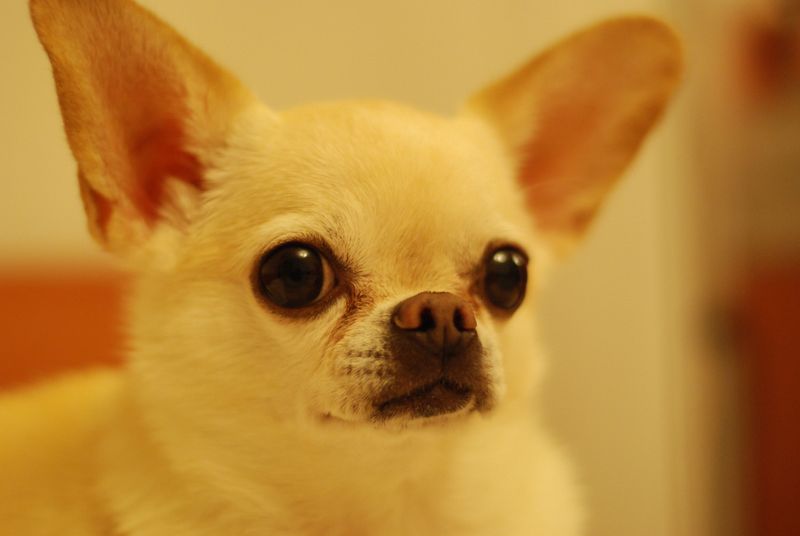
Small enough to share your cushion, a Chihuahua can have ears that seem to fill the room. Their large size compared with the head creates a listening look, even during a peaceful couch break.
Do not mistake that tiny body for a toy. Gentle handling, reward-based training, and safe introductions help build confidence.
Give your dog space when it retreats, and watch its posture along with its ears to understand whether it feels comfortable or worried.
Shiba Inu: The Quiet Little Fox
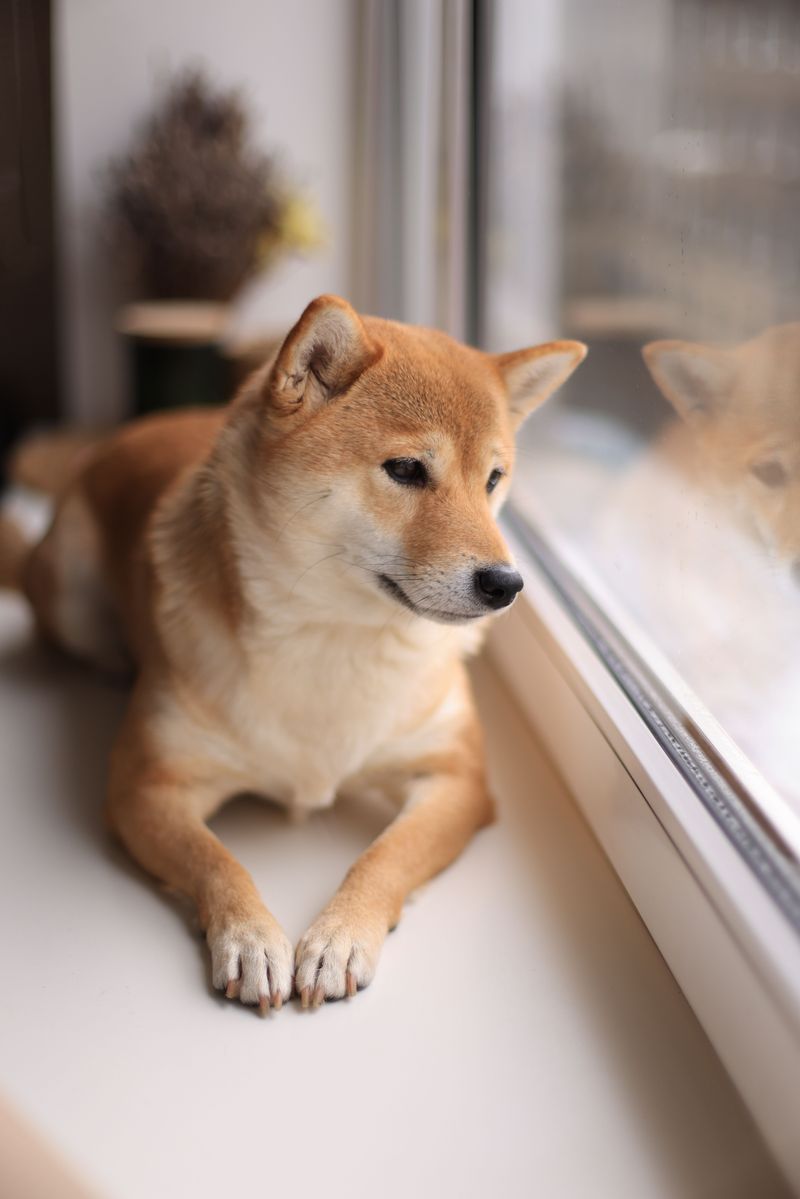
Picture a little fox sitting beside the window, calmly watching absolutely nothing. A Shiba Inu’s small, pointed ears and neat outline can make an ordinary rest look like a thoughtful observation session.
Many Shibas have an independent streak, so patience matters more than pressure during training. Use rewards, keep lessons brief, and practice recall in enclosed spaces.
Their thick double coat also sheds heavily at times, making regular brushing a useful part of your weekly routine.
Akita: A Still and Steady Presence
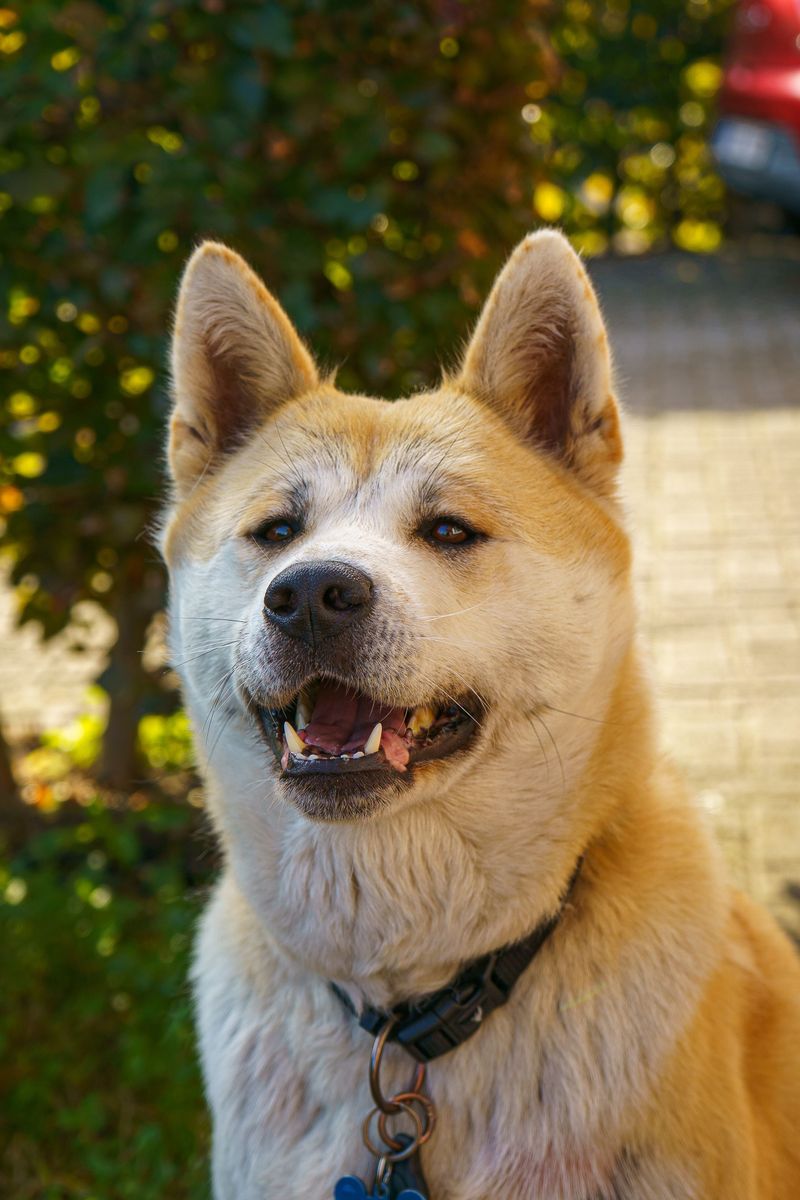
A broad head and small, thick ears give the Akita a serious face without any effort. Sitting quietly by the door, this large dog may look attentive while simply enjoying a comfortable spot.
The breed has roots in Japan and often forms strong bonds with family. Early socialization and thoughtful management around unfamiliar dogs are especially useful.
Choose kind, consistent training, and remember that an impressive appearance never replaces careful supervision or respect for individual comfort.
Australian Cattle Dog: The Break-Time Supervisor
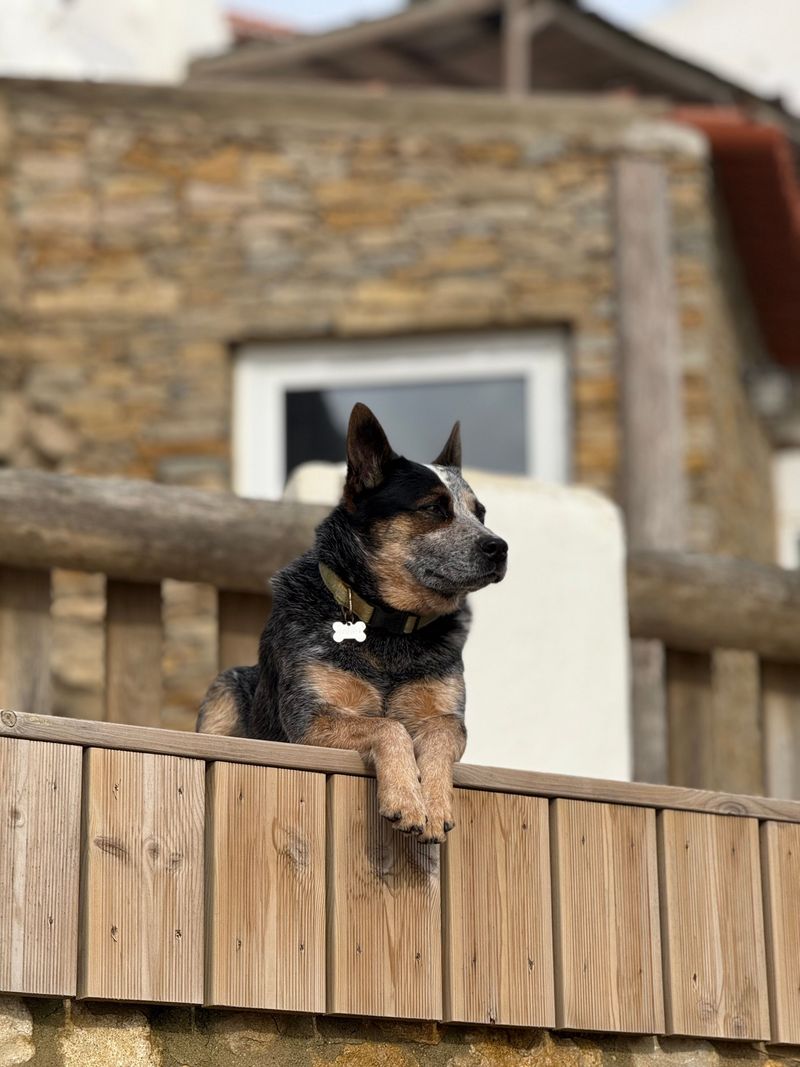
Who needs a clipboard when your ears already say you are supervising? An Australian Cattle Dog can lounge beside a garden bench and still look as though it is checking everyone’s progress.
Bred to move cattle, this sturdy dog often wants a job beyond basic walks. Try scent games, trick training, or suitable dog sports.
Teach rest as well as activity, since learning to switch off helps a busy mind enjoy quiet time with the family.
Pembroke Welsh Corgi: Big Ears, Short Legs
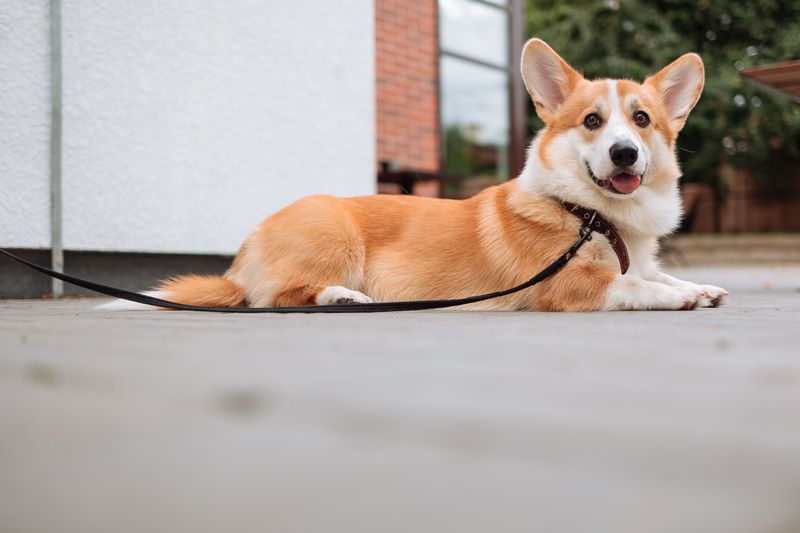
At floor level, a pair of big ears can announce a corgi before its little legs appear. The Pembroke Welsh Corgi’s upright ears have rounded tips, creating an eager look during even the slowest afternoon.
Do not let the short legs fool you: this is a herding breed that enjoys activity. Keep weight in a healthy range and provide regular walks.
Ask your veterinarian about suitable exercise, especially if your dog develops stiffness or trouble moving.
Miniature Pinscher: The Naturally Varied Look
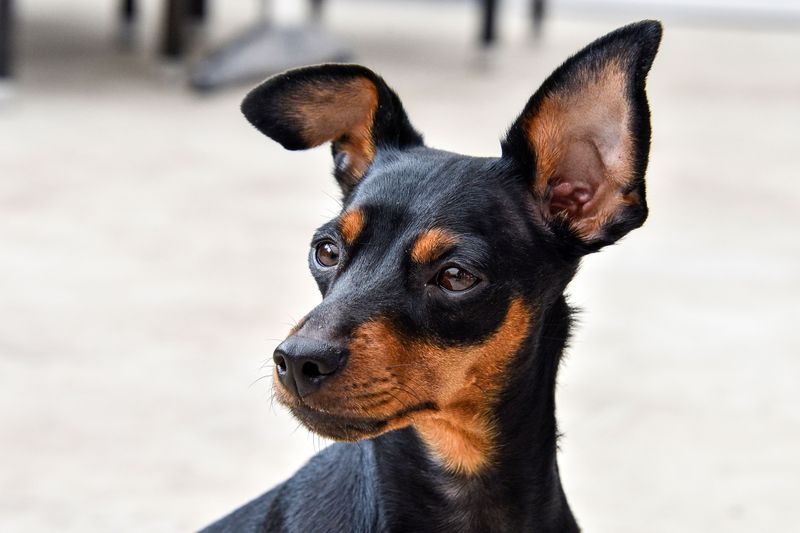
Resting on a blanket, a Miniature Pinscher may resemble a tiny guard taking a very short break. Some have naturally upright ears, while others have ears that fold, so the silhouette varies between dogs.
Ear cropping is not needed for health or an attentive appearance. Celebrate the natural shape instead.
Beneath the sleek coat is an energetic character that benefits from play, training, and secure boundaries. Warm bedding can make chilly afternoons much more comfortable indoors.
Samoyed: Smiling Through the Downtime
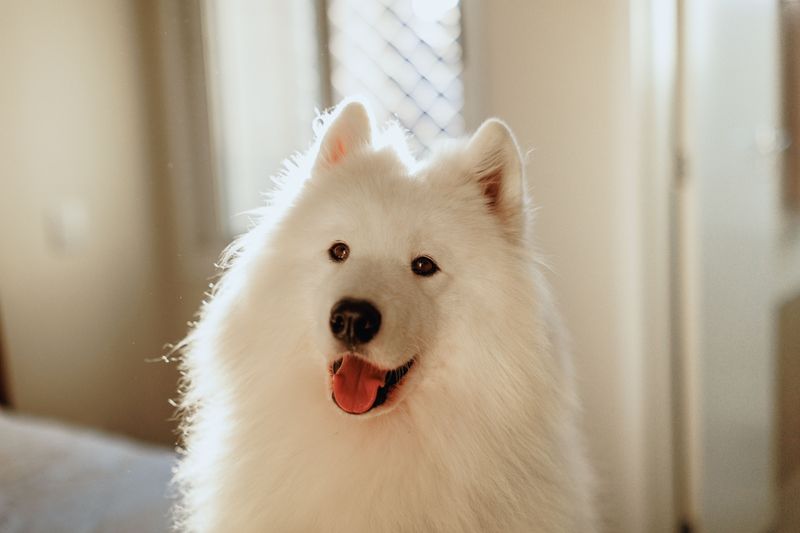
Fluffy cheeks and a smiling mouth might suggest pure silliness, but a Samoyed’s upright ears add a watchful touch. Even while lounging, this white dog can look cheerful and ready to join the conversation.
Those furry ears sit within a dense coat that needs steady grooming. Brush thoroughly and check for tangles behind the ears without pulling.
Provide daily activity and companionship, and be mindful of heat, since a thick coat makes hot weather especially challenging.
West Highland White Terrier: The Sofa Scout
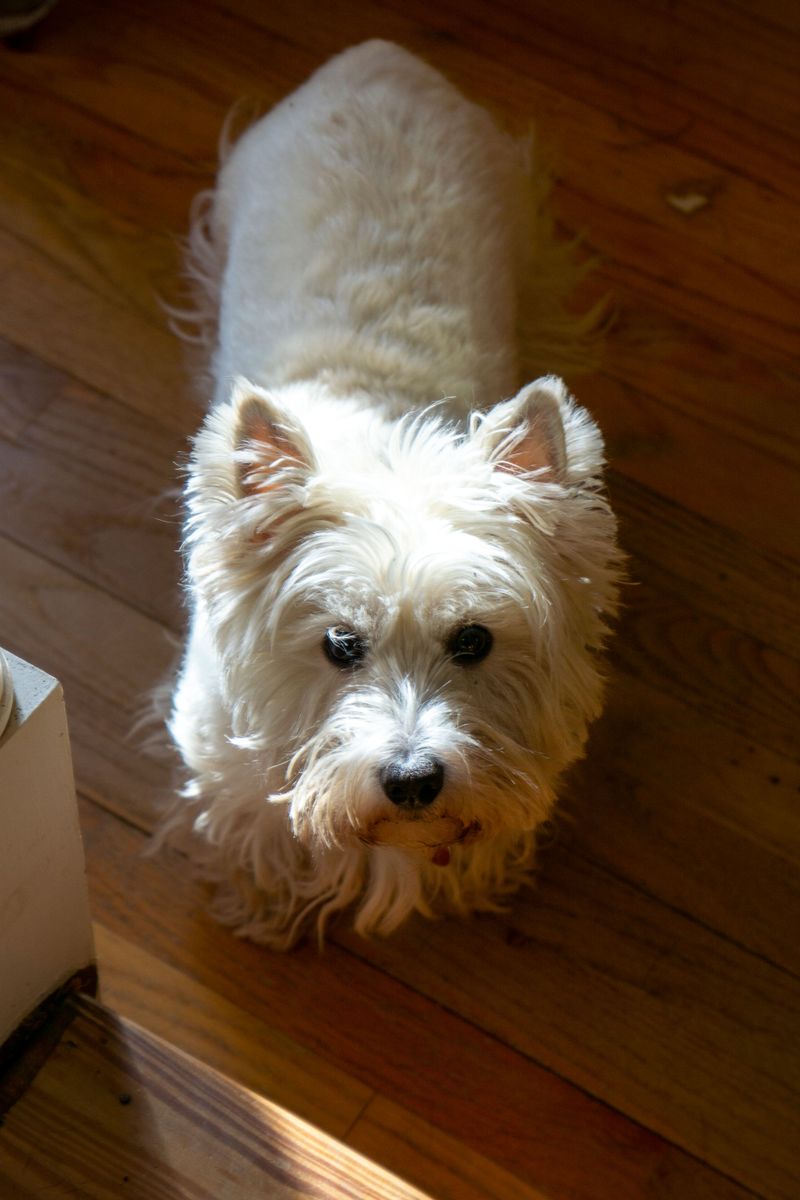
Two pointed ears peeking above a sofa cushion can turn a resting Westie into a household scout. Its white coat makes the ear outline easy to notice, even when the dog barely moves.
Originally bred to hunt small animals, this terrier may still find squirrels far more interesting than your plans. Practice leash manners and use fenced play areas.
Regular coat care helps maintain comfort, while itchy skin or repeated ear scratching deserves a veterinary check.
Schipperke: The Little Black Lookout
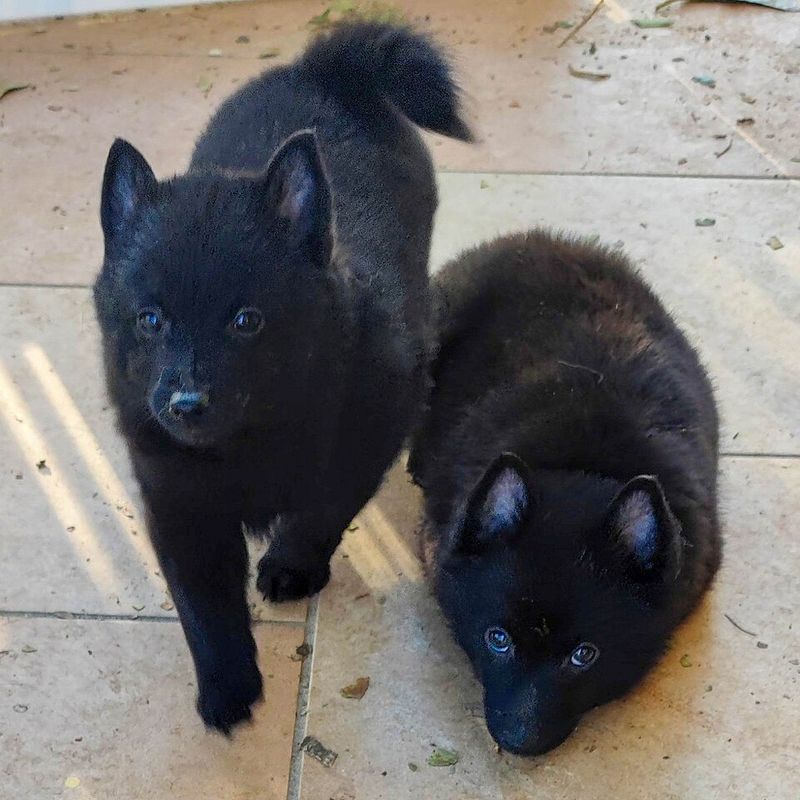
Like a small shadow with two sharp peaks, the Schipperke has an outline that is hard to miss. Pointed ears rise above its dark coat, making a quiet sit look like serious lookout duty.
This Belgian breed is curious and often quick to notice changes nearby. Channel that interest into sniffing walks and food puzzles rather than constant window watching.
Reward quiet behavior, secure doors and fences, and give its busy brain something useful to explore.