
Explore the fascinating world of dog breeds that come with unique physical traits. From webbed feet to extra toes and blue tongues, these breeds have developed special features that not only make them stand out but also require particular care. Let’s examine 12 extraordinary breeds and how you can best support their distinctive attributes.
Norwegian Lundehund
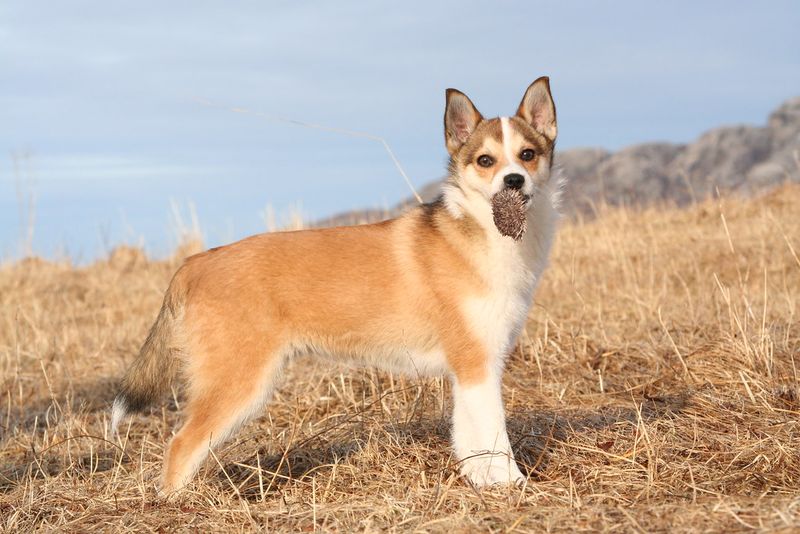
The Norwegian Lundehund is a breed like no other, with six toes on each foot. This unique feature was developed to help them climb rocky cliffs in Norway. The flexibility of their joints adds to their climbing prowess.
To keep their joints healthy, regular exercise is essential. Their diet may also need to be monitored to maintain their agile form. Did you know? Lundehunds were used to hunt puffins on steep cliffs.
Be mindful of their specific health needs, as they can be prone to digestive disorders. Early socialization ensures they grow into well-rounded dogs.
Beauceron
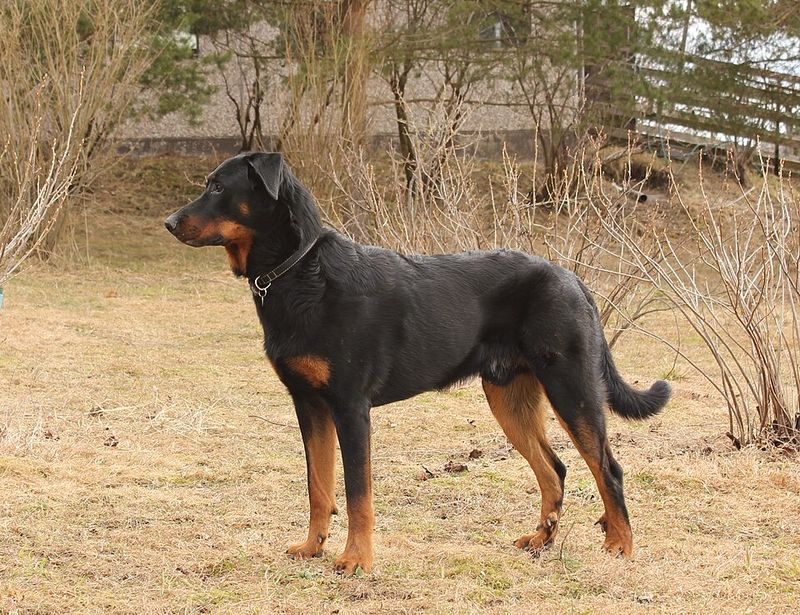
Known for their double dewclaws, Beaucerons are a robust and intelligent breed. These extra toes provide stability and were once crucial for herding livestock.
Their protective nature and intelligence make them excellent working dogs. Engaging their mind with obedience training and interactive toys prevents boredom.
This breed thrives on strong leadership and consistent training. Regular grooming helps manage their dense coat. Fun fact: Beaucerons are considered the ‘gentle giants’ of the herding group, known for their calm demeanor.
Briard
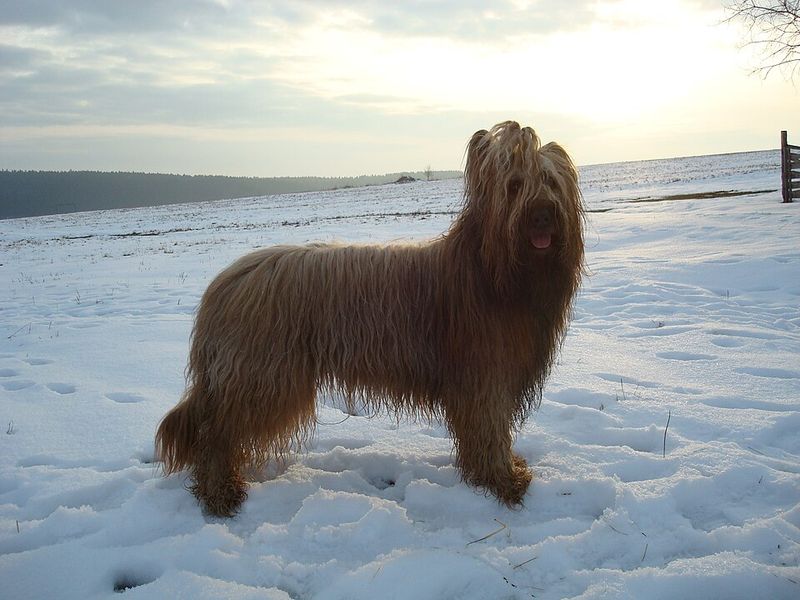
The Briard is distinguished by its double dewclaws and a long, luxurious coat. These features made them ideal herders in France, providing traction and protection.
Their coat requires regular grooming to prevent tangles and matting. A strong bond develops through consistent training and socialization.
Known for their loyalty, Briards enjoy being involved in family activities. A bit of history: they were once celebrated as Napoleon’s favorite breed, prized for their intelligence and workability.
Great Pyrenees
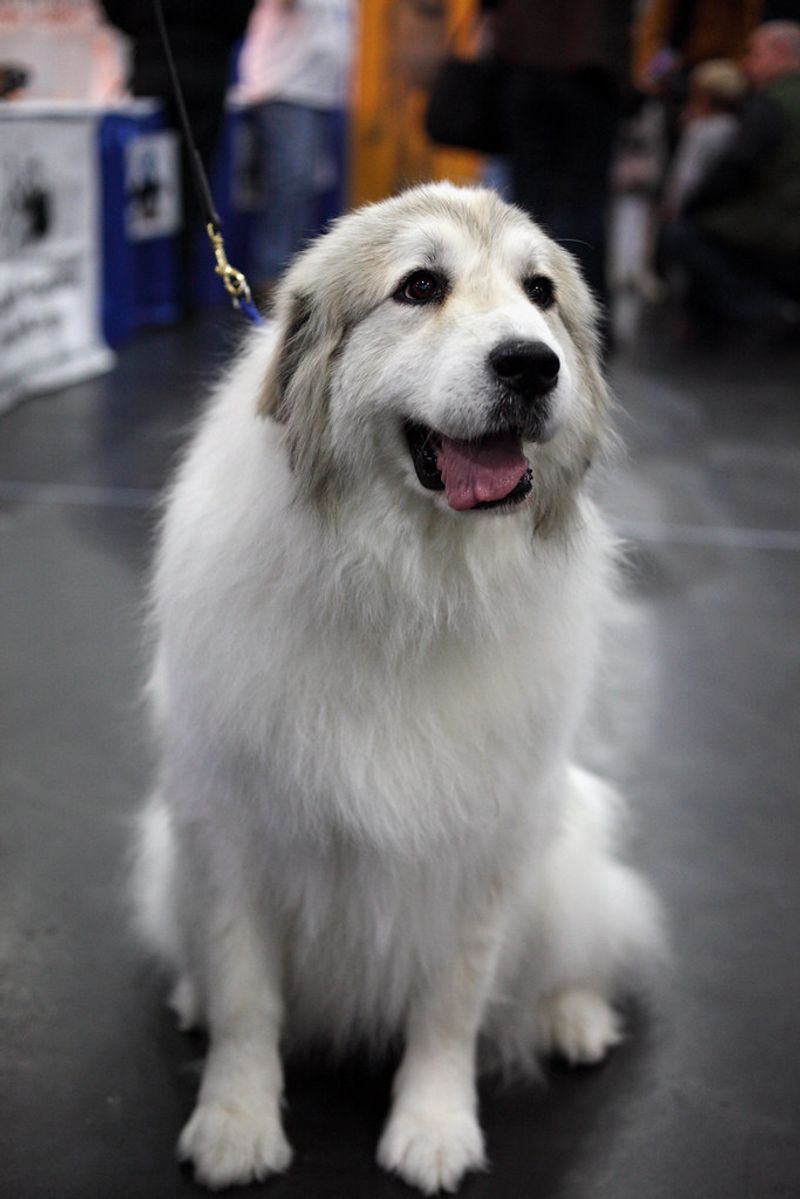
The majestic Great Pyrenees is known for its thick coat and double dewclaws on the hind legs. These features were essential for guarding sheep in mountainous regions.
Their calm demeanor and protective instincts make them great family companions. However, they require space and mental stimulation to thrive.
With a history of working independently, obedience training is crucial. Regular grooming helps manage their shedding. Did you know? Great Pyrenees have been guarding flocks for millennia, with fossils dating back to the Bronze Age.
Chow Chow
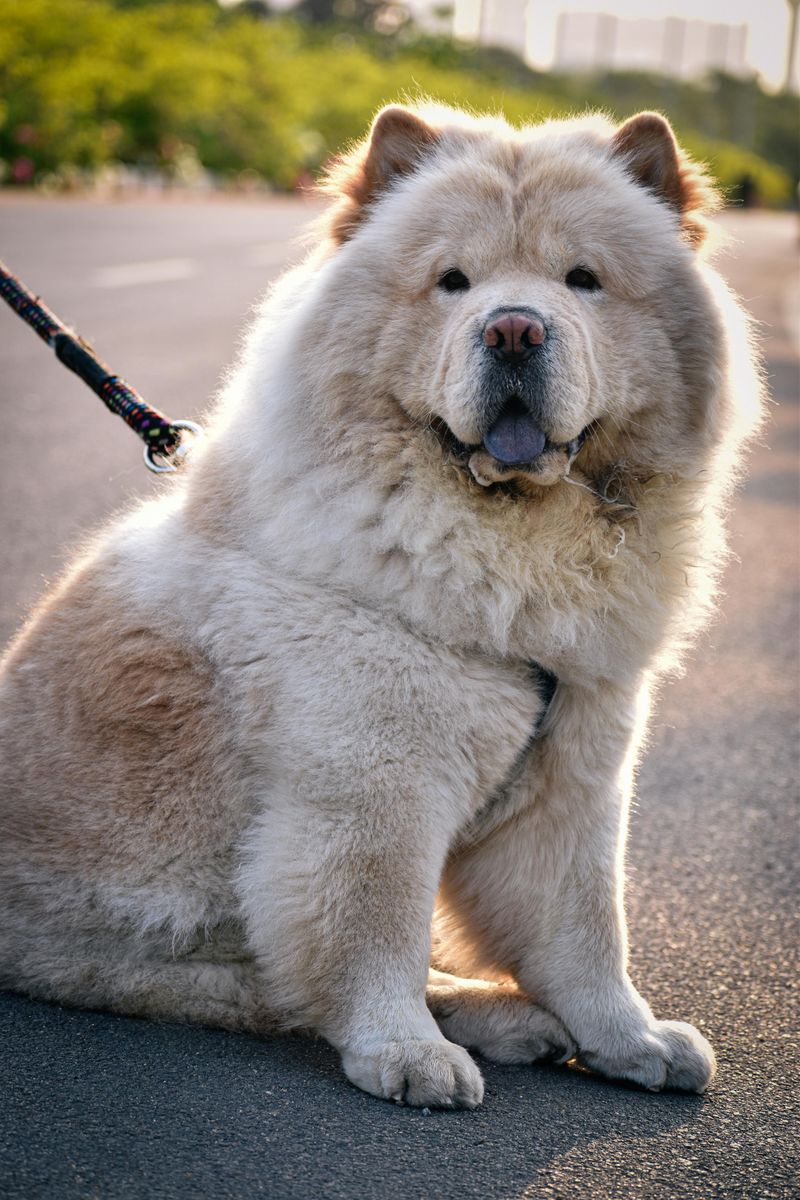
Chow Chows are famous for their blue-black tongues, a trait shared with only a few other breeds. This unique feature, along with their lion-like mane, gives them an exotic charm.
Regular grooming is necessary to maintain their signature coat. Socialization from a young age promotes a well-mannered companion.
Chow Chows are independent and aloof, often described as cat-like. A quirky fact: the origin of their blue tongue remains a mystery, adding to their enigmatic appeal.
Shar Pei
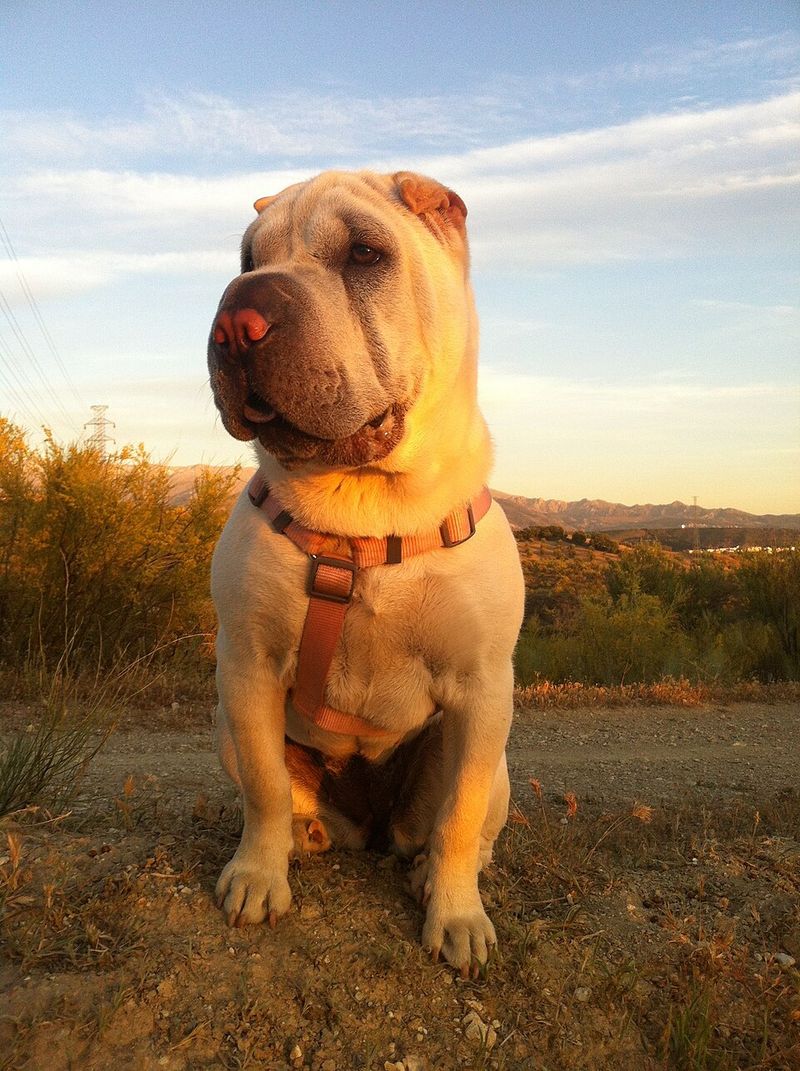
Shar Peis are recognizable by their wrinkled skin and blue-black tongues. These features were developed for protection in combat, as the loose skin provides an advantage.
Skin care is essential to prevent infections in their wrinkles. Their independent nature requires consistent training.
Known for their loyalty, Shar Peis bond closely with their families. Interestingly, their name translates to ‘sand skin,’ referring to their rough texture. Regular vet check-ups help maintain their unique health needs.
Newfoundland
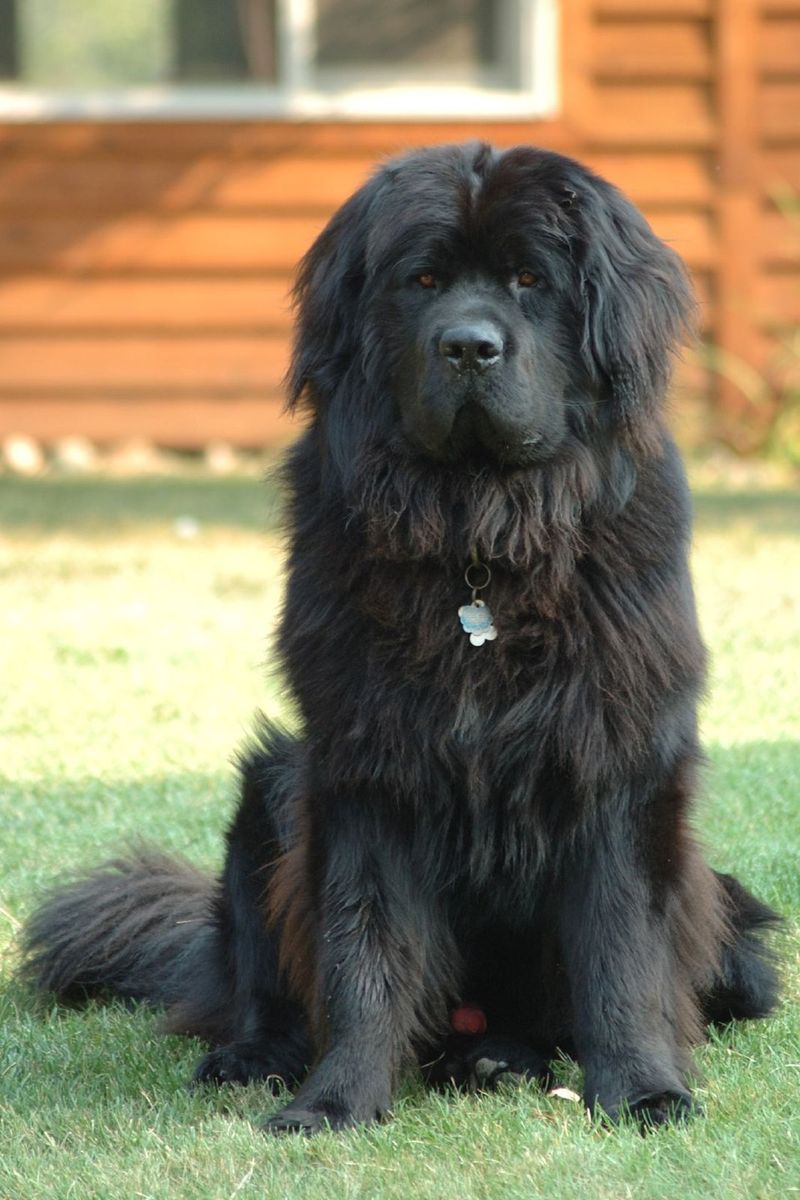
With a heart as big as its paws, the Newfoundland is every child’s gentle guardian. Their webbed feet make them exceptional swimmers, historically used in water rescues.
Their gentle demeanor and intelligence make them great therapy dogs. Regular swimming is a favorite activity, promoting fitness and joy.
These gentle giants require regular grooming to manage their dense coat. A fun tidbit: Newfoundlands have been known to save lives in dramatic water rescues.
Portuguese Water Dog
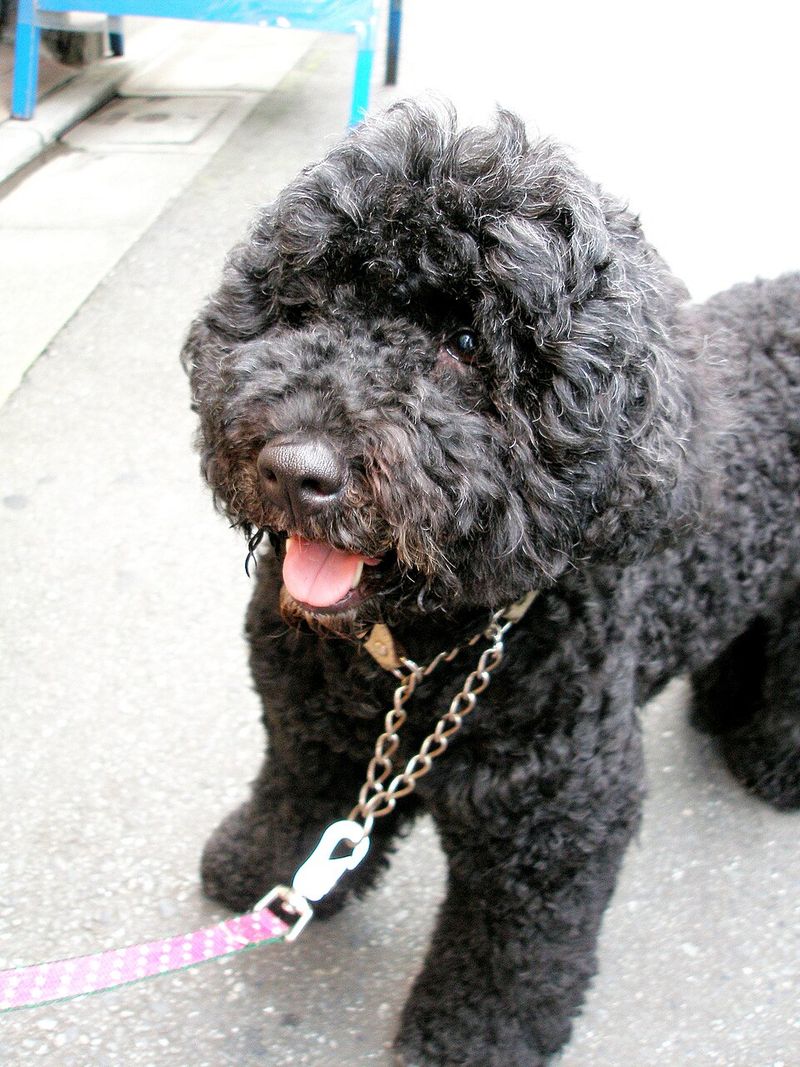
The Portuguese Water Dog’s webbed feet are a testament to its heritage as a fishing companion. These dogs once worked on fishing boats, retrieving nets and herding fish.
Their curly, water-resistant coat requires regular grooming to prevent matting. High intelligence means they thrive on mental stimulation and training.
These lively dogs enjoy swimming and playing fetch. Did you know? They were so valuable in their work that fishermen would often pay them in fish.
Otterhound
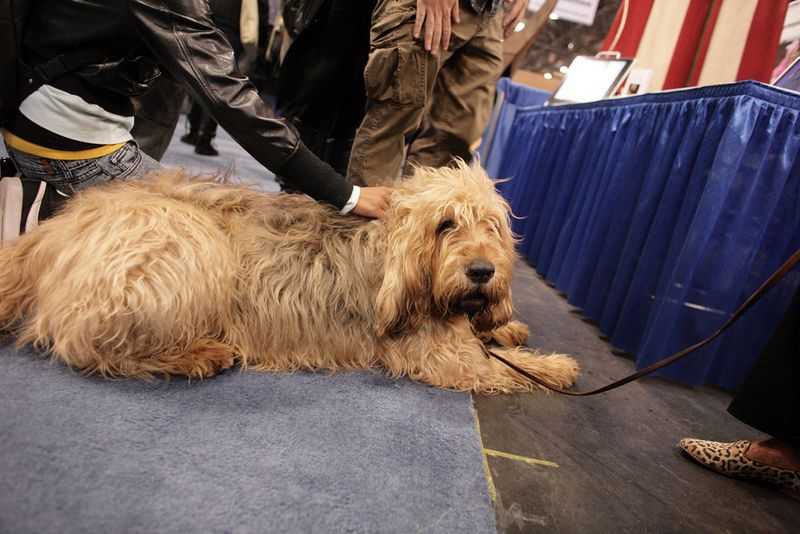
Otterhounds boast webbed feet and a waterproof coat, perfect for their original role in otter hunting. Their keen sense of smell and endurance made them specialists in tracking.
Regular exercise is crucial, as they are energetic and love to explore. Grooming helps manage their thick, oily coat.
Known for their cheerful nature, Otterhounds get along well with other dogs. A quirky fact: their nose can track a scent in water for miles, a true testament to their hunting prowess.
Anatolian Shepherd Dog
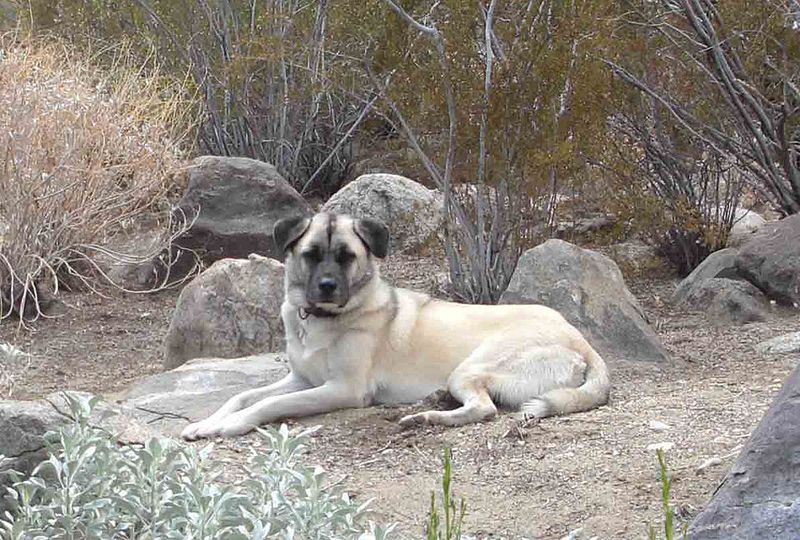
The Anatolian Shepherd Dog, with its double dewclaws, is a formidable guardian. Bred to protect livestock, these dogs are known for their independence and strength.
They require space to roam and regular physical activity. Early socialization helps manage their natural guarding instincts.
Their thick coat needs minimal grooming but regular brushing. Did you know? Anatolian Shepherds have been guarding flocks since ancient times, often working independently from their human counterparts.
Leonberger
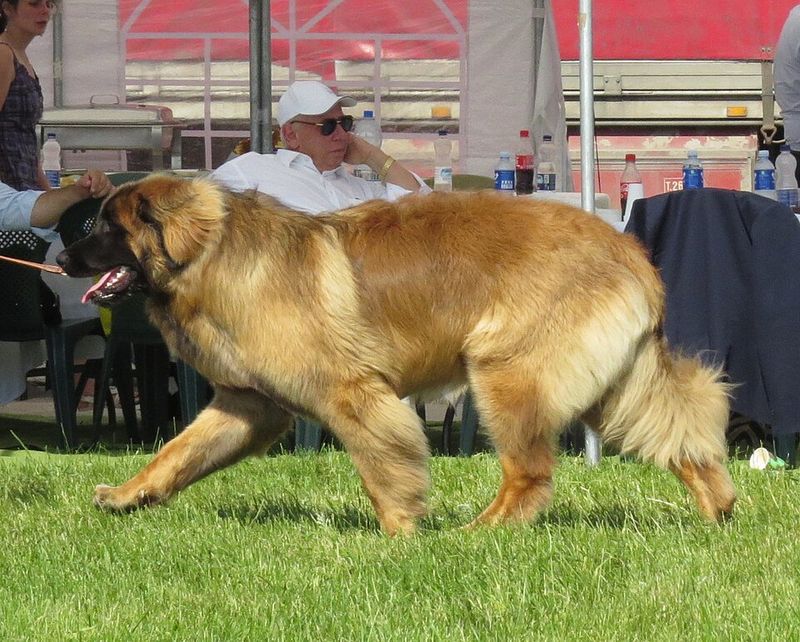
Leonbergers, known for their majestic lion-like mane, are a blend of several breeds, including Newfoundlands and Saint Bernards. This gives them their unique webbed feet.
Their friendly and sociable nature makes them great family pets. Regular grooming is vital to maintain their luxurious coat.
These gentle giants are known for their strength and grace. Fun fact: they were bred to resemble a lion, becoming a symbol of nobility.
Thai Ridgeback
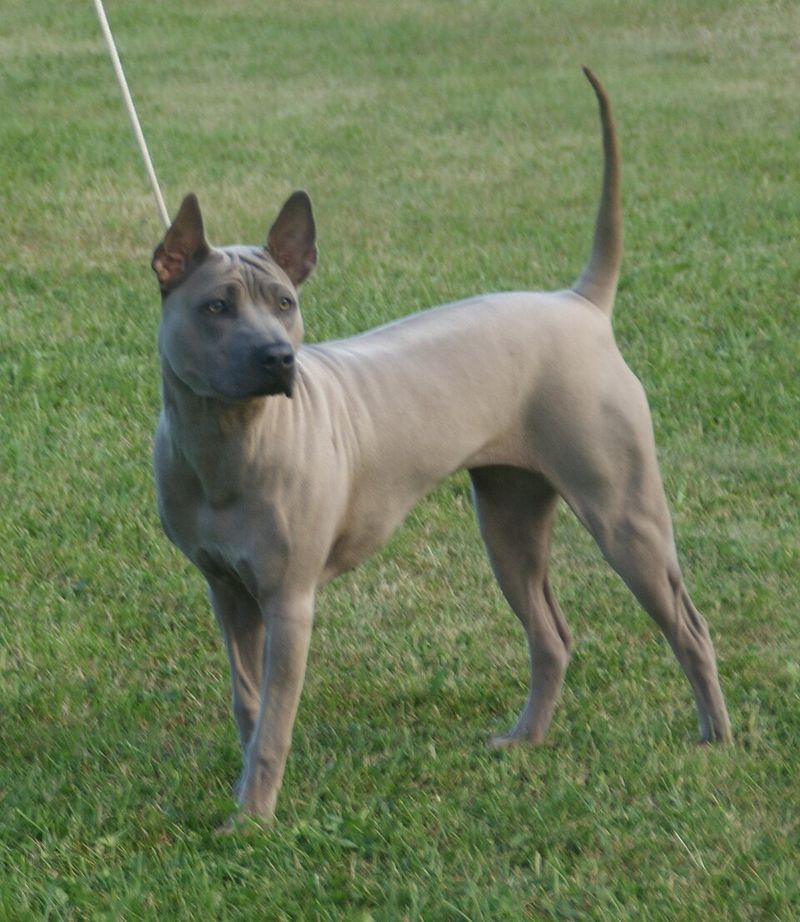
The Thai Ridgeback is notable for the ridge of hair along its back, growing in the opposite direction. This rare trait is shared with few other breeds.
Their sleek coat requires minimal grooming, but regular exercise is important to satisfy their energetic nature.
Thai Ridgebacks are known for their independence and agility. An interesting tidbit: they are one of the oldest breeds, historically used for hunting in Thailand’s dense jungles.