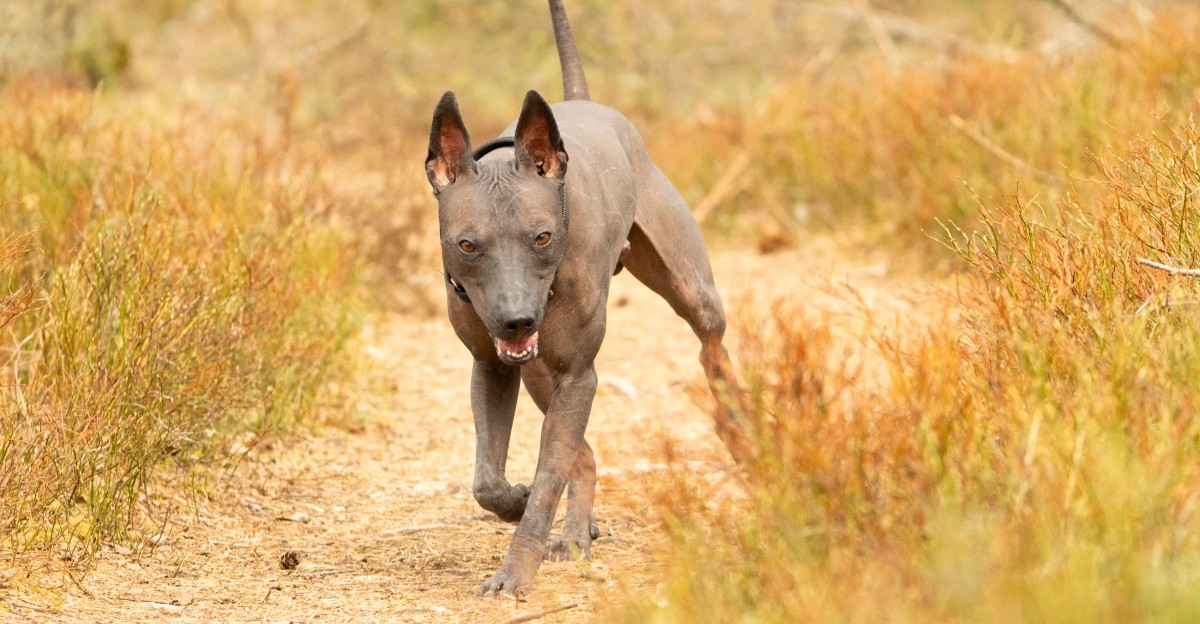
Some dogs are so uncommon that you might visit your local park for years and never see one. Rarity can happen because of small breeding numbers, special care needs, or a job that is not common anymore.
Learning about these unusual pups helps us appreciate dog history and purpose. You might even spot one someday and know exactly what makes it special.
Norwegian Lundehund
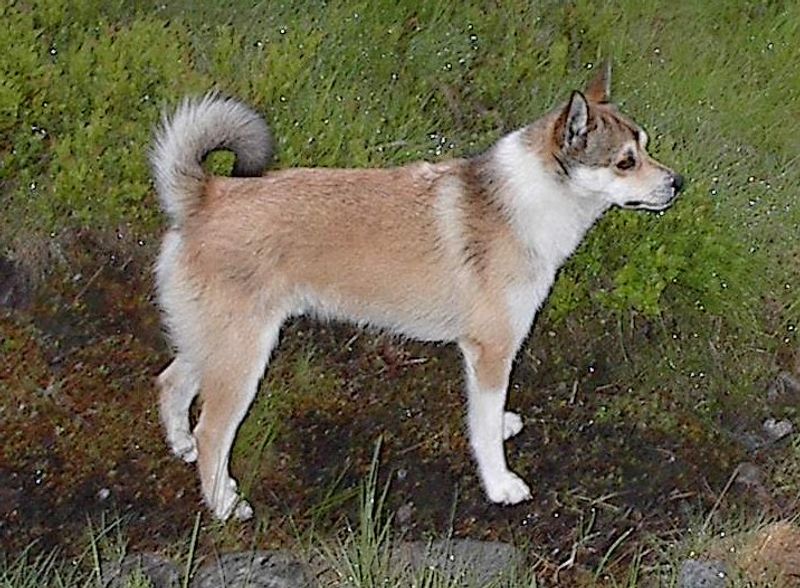
With six toes and a bendy neck, this foxlike climber once hunted puffins on steep cliffs. The body moves like a gymnast, and those extra toes grip rocks in ways most dogs cannot.
At the park, they are rare because only a few dedicated breeders keep the line going.
Curious and bright, they need puzzles, short climbs, and gentle training. Offer varied terrain walks, low fences, and plenty of mental games.
Azawakh
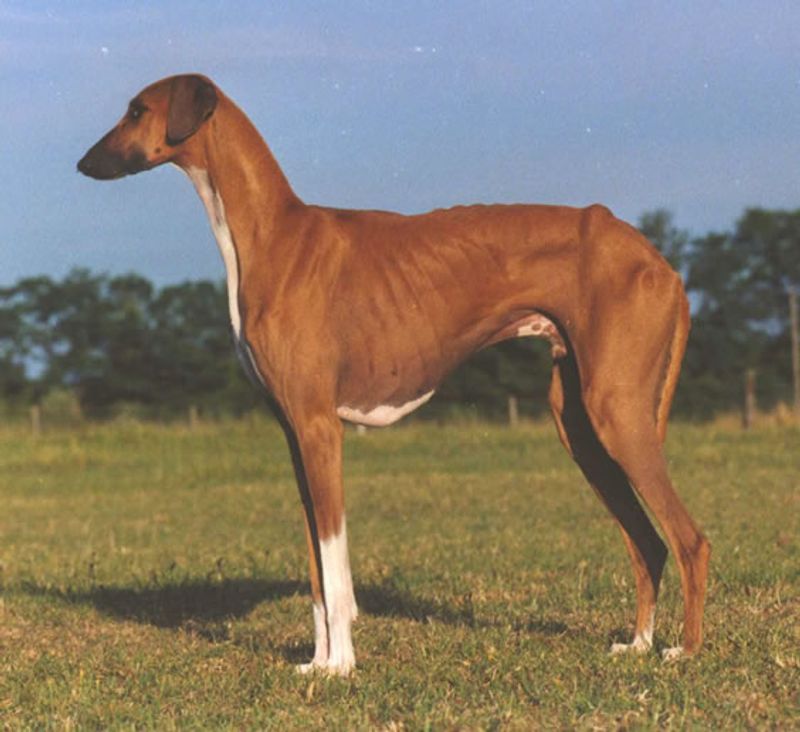
Tall, lean, and calm, this desert sighthound moves like poetry. Originally from the Sahel, it guarded camps and chased fast prey.
You seldom meet one at parks because the breed is scarce and often lives with enthusiasts who understand its quiet nature.
Socialization from puppyhood helps. Keep exercise purposeful with sprints in safe, fenced fields.
Respect their reserved attitude with strangers. A soft bed, a steady routine, and gentle handling build trust and confidence.
Sloughi
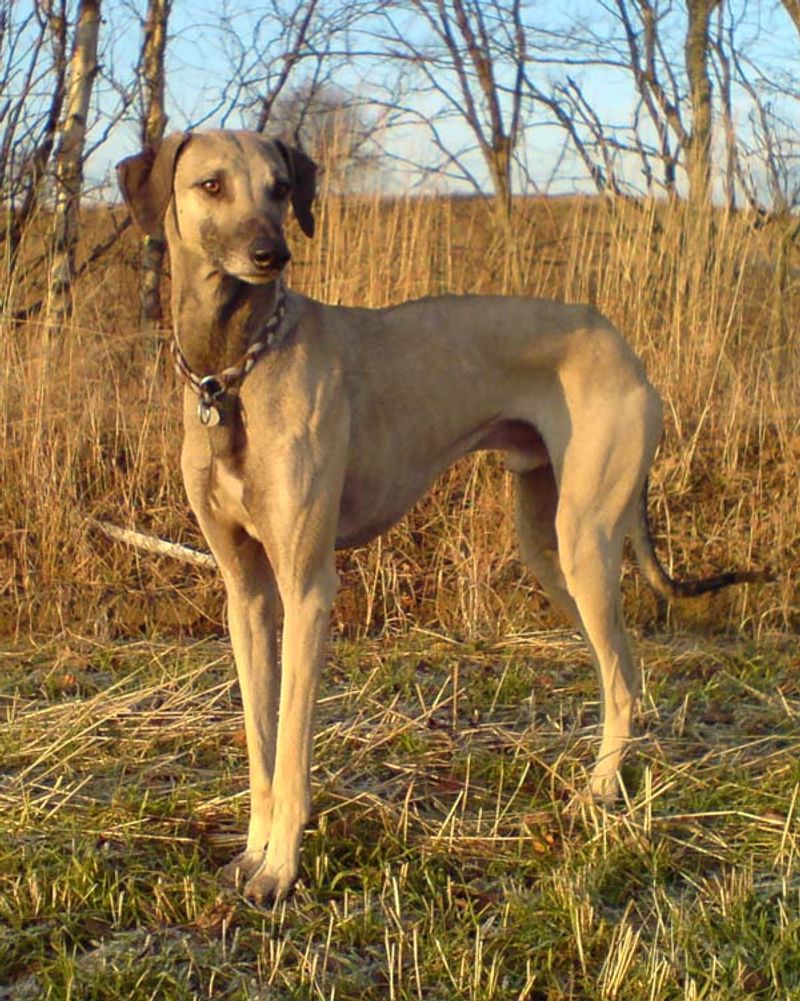
Quiet grace defines the Sloughi. Bred in North Africa, it hunted with speed and focus, then lounged with the family.
Low numbers outside its homeland mean your local park likely never sees one.
They enjoy long, even-paced runs and soft praise over loud excitement. A secure fence matters for sighthounds with a rapid chase instinct.
Keep training sessions brief and kind. A comfy resting spot after exercise makes this sensitive soul feel safe and content.
Otterhound
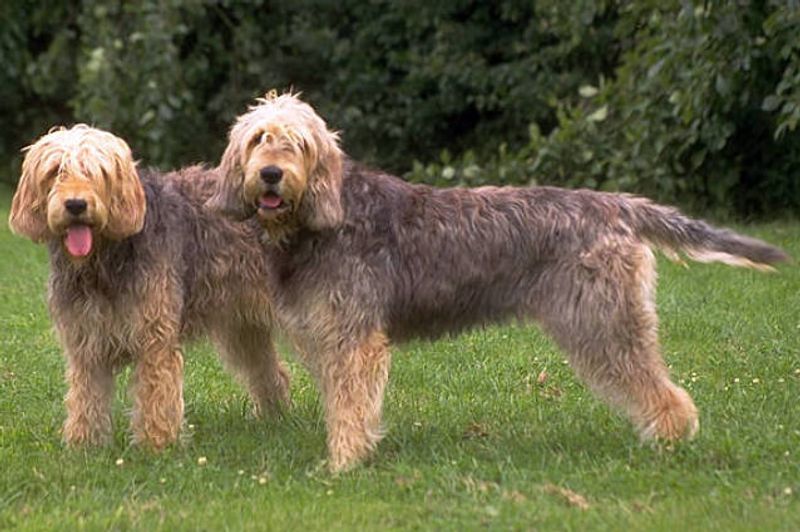
Big, shaggy, and made for water, the Otterhound carries a nose that can follow a trail for miles. Once used to track river pests, it almost vanished when that job ended.
Only a tiny global population exists, so park sightings are like winning a raffle.
Swimming days are the best treat. Keep ears clean and coat brushed to avoid tangles.
Gentle, steady activities suit their laid-back spirit and strong nose.
Dandie Dinmont Terrier
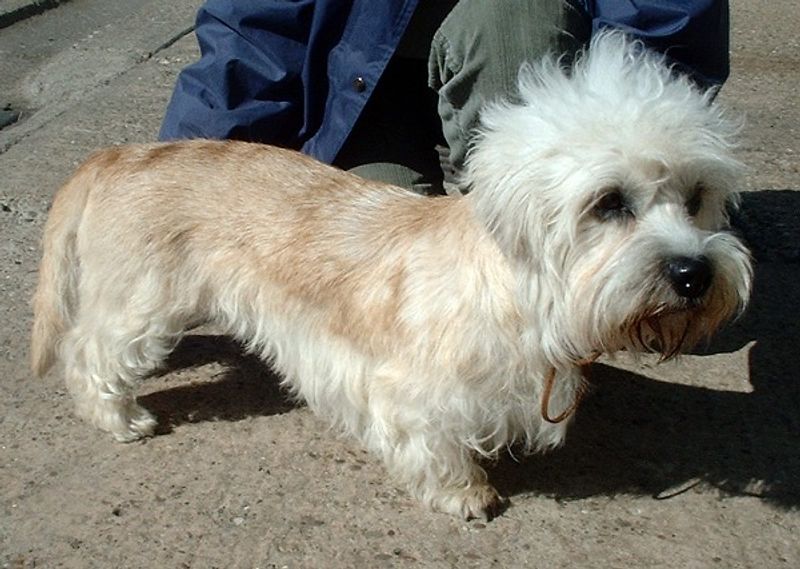
Short, long, and brimming with character, the Dandie looks like a storybook hero. Once prized by farmers for clever vermin work, it never became a common pet.
Small litters and careful breeders keep numbers low, so you rarely spot one near the swings and benches.
Weekly brushing and a tidy topknot help. Provide nose games and short, fun training bursts.
They adore cozy blankets, polite introductions, and a calm, cheerful routine.
Xoloitzcuintli
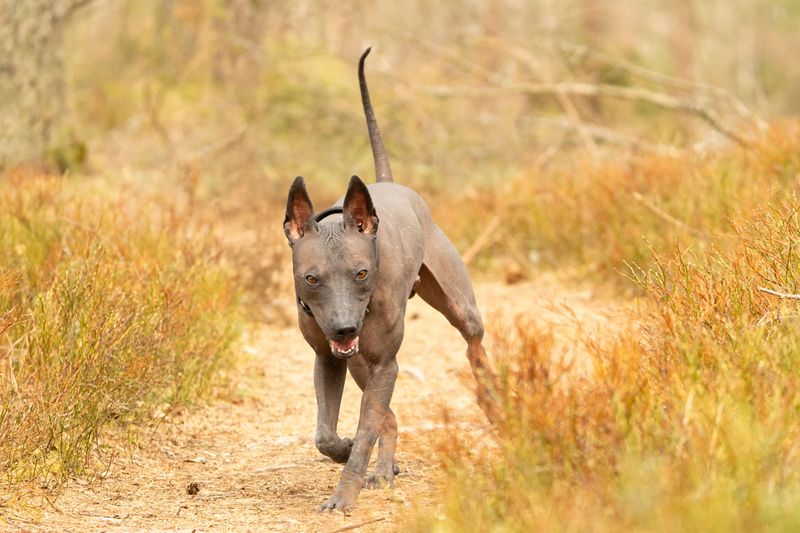
Ancient and dignified, the Xolo carries a history tied to Mexico. Some are hairless, which makes them striking on first glance.
You seldom see them at parks because numbers are modest and owners often choose careful social settings.
Sun protection and gentle skin care matter. Keep workouts steady with brisk walks and short training games.
Early, positive social time helps them stay relaxed around new people and sounds. Warm coats in winter make outings comfortable.
Bergamasco Sheepdog
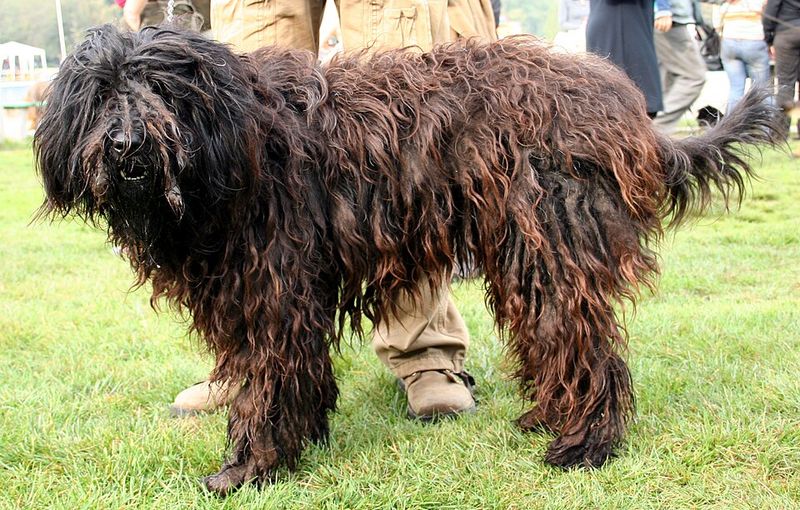
Those flat, felted mats are impossible to forget. The Bergamasco once guarded and guided flocks in the Italian Alps.
Careful breeding and unique coat needs keep it uncommon, so neighborhood parks rarely see those living blankets trotting by.
Coat care is hands-on but not daily once mats form. Provide herding-style games, slow hikes, and calm instructions.
They like clear jobs, steady routines, and kind praise. A shady spot helps on warm days due to the heavy coat.
Thai Ridgeback
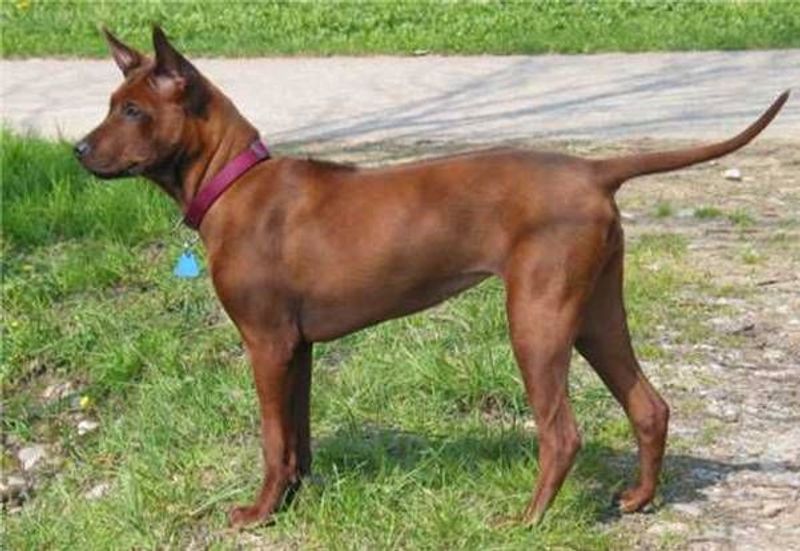
A bold ridge of hair running backward sets this athlete apart. Native to Thailand, it long lived as a village guardian and hunter.
Limited importation and strong, independent instincts mean you are unlikely to pass one on a casual park stroll.
Early training with clear rules keeps things smooth. Secure fences are essential for a chase-ready mind.
Short, energetic workouts followed by calm downtime work well. Consistent leadership and rewards build trust.
Stabyhoun
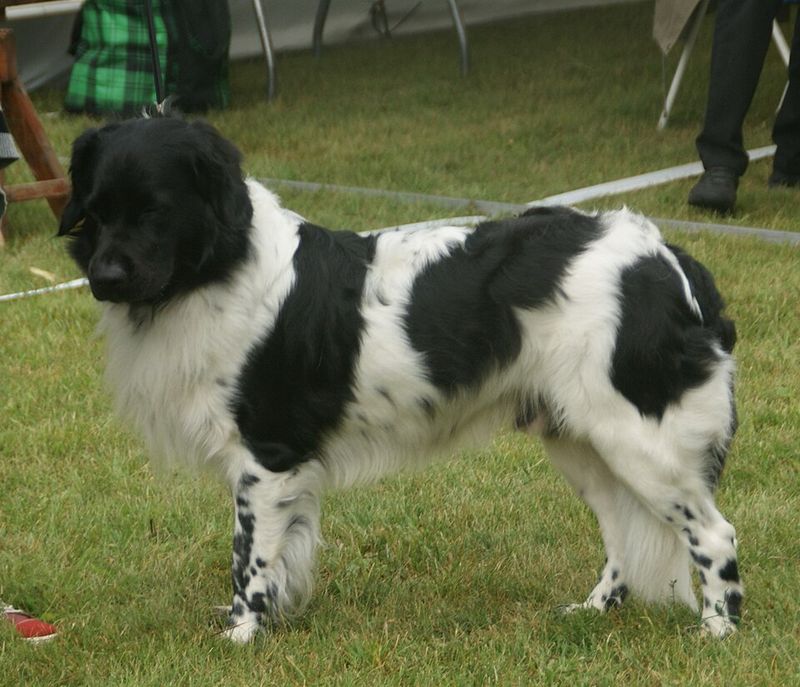
In the Netherlands, farmers treasured the Stabyhoun as a gentle hunter and helpful yard dog. Outside that region, it is like a secret shared among fans.
Careful breeding limits numbers, so your park probably will not host one anytime soon.
They enjoy nose work, soft retrieves, and kind coaching. Moderate daily exercise suits them fine.
Keep training upbeat and clear. A rotating set of simple tasks keeps this thoughtful dog engaged and happy.
Nederlandse Kooikerhondje
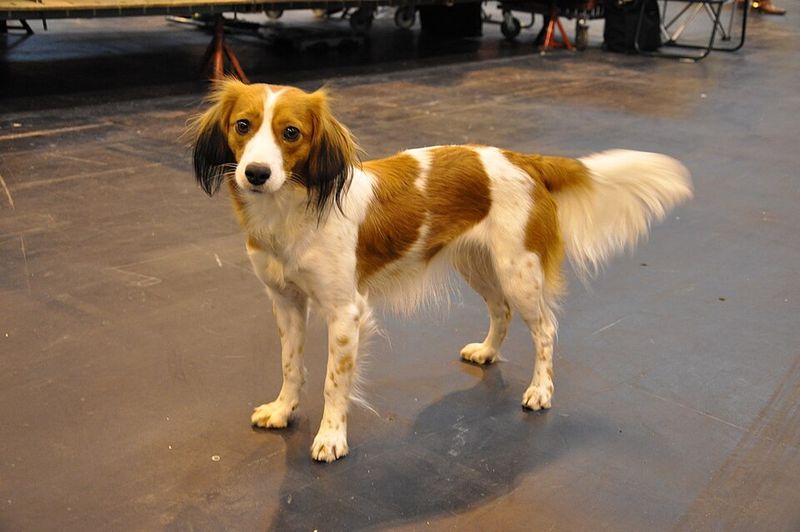
Bright eyes and little black ear tips make this duck decoy helper unforgettable. The Kooikerhondje once lured ducks into traps for farmers, a job almost gone today.
Low numbers and devoted hobby breeders keep the breed rare at parks.
Short training games with food rewards work wonders. Provide light fetch sessions and gentle social time.
Groom the feathered ears and tail weekly. A tidy routine and positive tone keep this cheerful worker focused and relaxed.
Cirneco dell’Etna
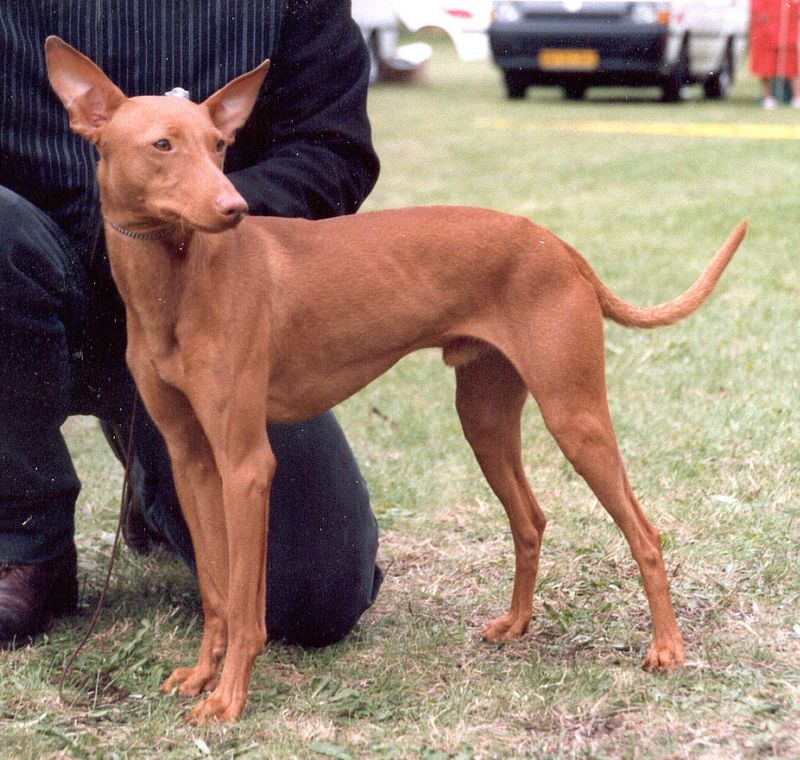
Light on its feet and keen-eared, the Cirneco hails from Sicily. Hunters valued its nimble steps on rough lava fields.
Outside specialty circles, you almost never see one racing across neighborhood grass.
Fenced sprints, gentle recall training, and quiet praise fit well. They thrive with warmth and dislike heavy cold, so pack a sweater on breezy days.
Simple grooming and regular dental care keep them shining. A soft bed recharges this little athlete.
Komondor
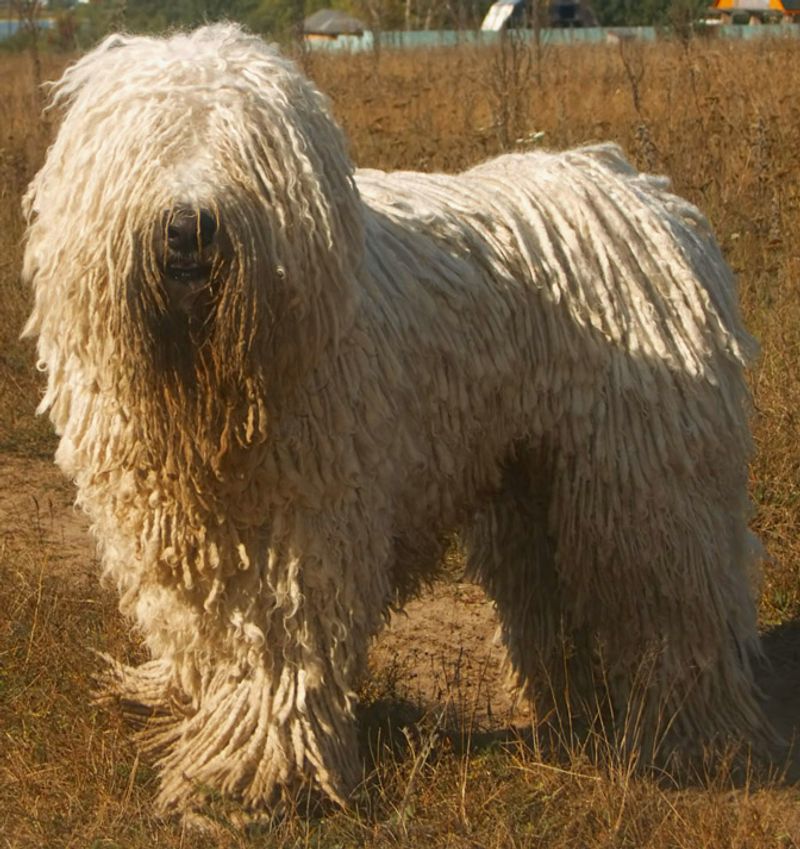
Those white cords look like a walking mop, but the Komondor is a serious livestock guardian from Hungary. City life is uncommon for them, and careful owners usually skip busy parks.
Seeing one is like spotting a cloud with paws.
Early, steady social lessons matter. Keep workouts controlled and purposeful, like calm walks and thoughtful obedience.
The coat needs patient separation of cords and regular drying after baths. Quiet leadership helps this watchful guardian feel secure.