
Explore the fascinating stories behind the tails of these 12 unique dog breeds. From signaling emotions to historic functionalities, each tail has a tale to tell. Dive into the quirks and characteristics that make these dogs’ tails as captivating as their personalities.
Alaskan Malamute
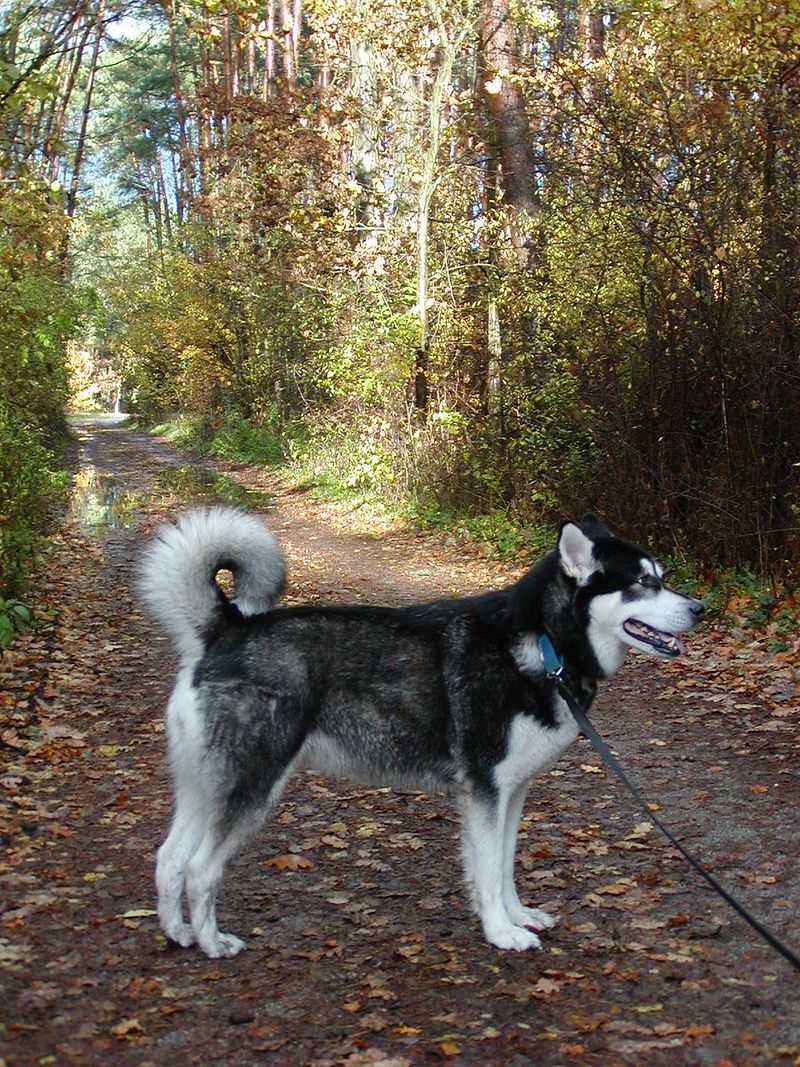
The Alaskan Malamute’s tail is as much a tool as it is a feature. Curled over its back, this thick, bushy tail acts like a warm scarf when the dog curls up to sleep in the snow.
Its tail is not just a blanket but a communication device, wagging differently to express emotions. Historically, these tails helped them survive harsh Arctic conditions.
A symbol of strength and resilience, the Malamute’s tail is an essential part of its survival toolkit.
Basenji
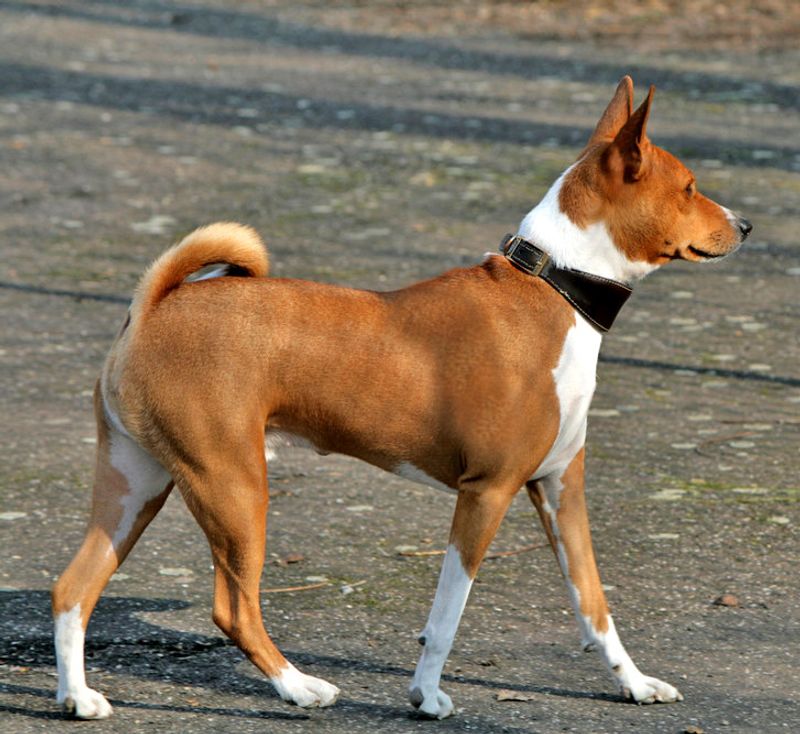
With a tail that curls tightly over its back, the Basenji’s tail is as elegant as its history is ancient. Known as the “barkless dog,” its tail played a part in its survival in the African wilderness.
This tightly coiled appendage communicates excitement and curiosity, unfurling slightly when relaxed. The Basenji’s tail is a testament to its unique blend of grace and mystery.
Did you know? The Basenji was once used by ancient Egyptians for hunting, a role that its tail helped it balance during swift pursuits.
Samoyed
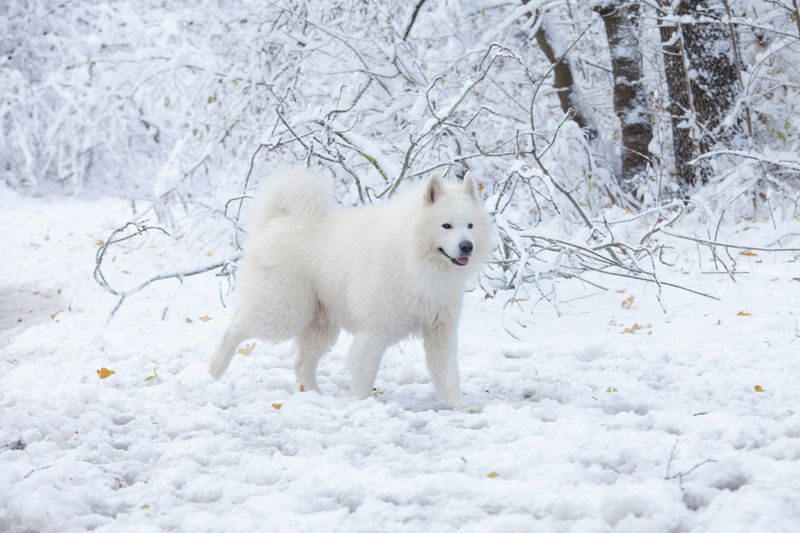
The Samoyed’s plume-like tail is more than decorative; it’s functional. This breed’s tail, resting over its back, provides warmth during frigid nights by covering its nose.
Their tails also help express their joyful dispositions, wagging enthusiastically in greeting. Historically, this tail helped the Samoyed survive Siberian winters.
The Samoyed’s tail, paired with its ever-present “Sammy smile,” makes it an endearing companion in even the coldest climates.
Beagle
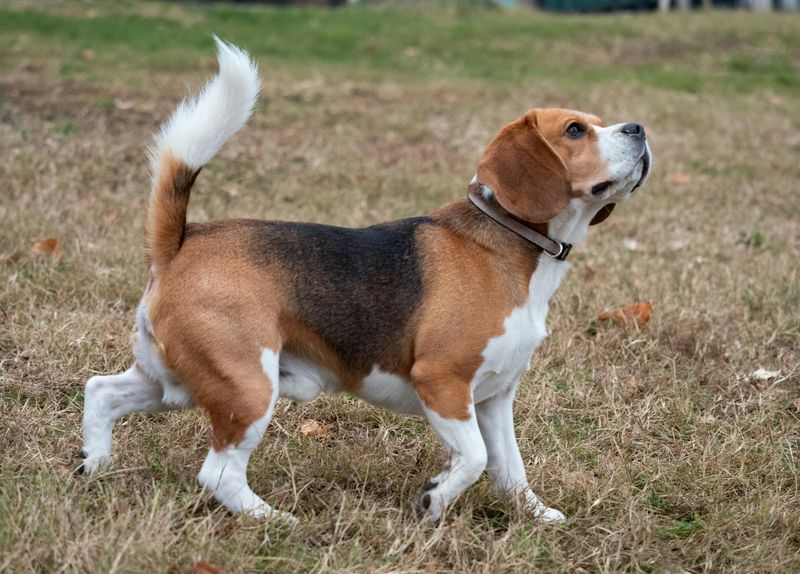
The Beagle’s tail is like a cheerful flag, held high to signal excitement and confidence. It’s said that hunters used to spot these white-tipped tails during hunts, ensuring no Beagle was left behind.
This tail is a beacon, waving energetically during explorations. It’s an integral part of their hunting heritage, always alert and in motion.
A fun fact: The Beagle’s tail never stops wagging, a reflection of its perpetually merry nature and boundless energy.
Akita
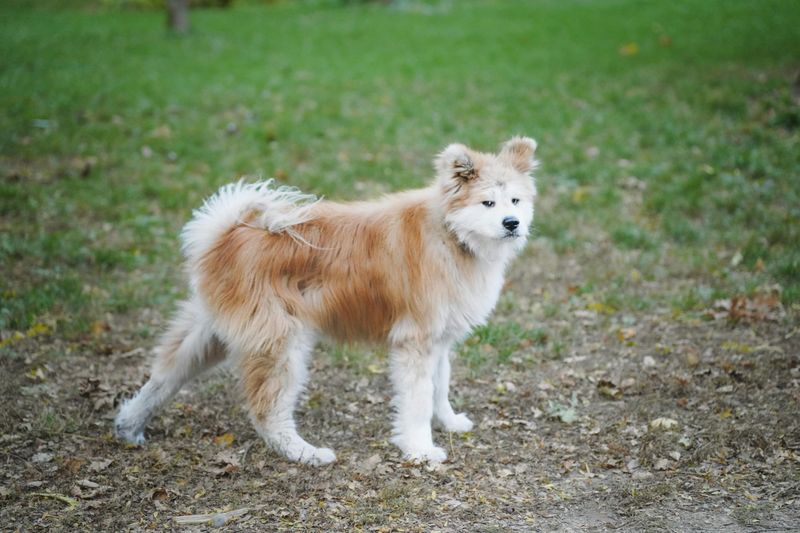
The Akita’s tail is as dignified as the breed itself, curling majestically over the back. This tail is not only a sign of its noble heritage but also a functional feature for warmth in its native Japan.
The tail’s position often mirrors the Akita’s mood, subtly communicating its state of mind. Historically, the Akita’s tail was a symbol of its role as a protector.
Did you know? The Akita was once a royal guard dog, its tail signaling strength and vigilance.
Chow Chow
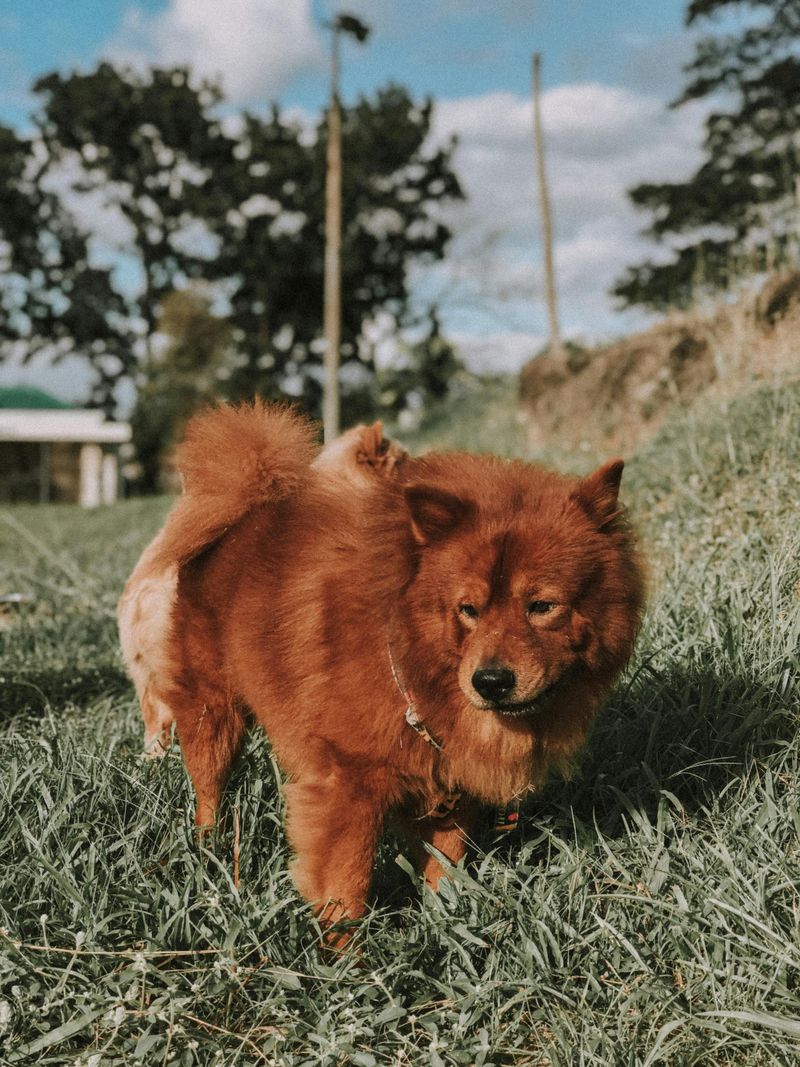
The Chow Chow’s tail is as fluffy and distinct as its iconic mane. Curled over its back, it complements the breed’s regal appearance.
Historically, this tail was a crucial part of its identity, showcasing its uniqueness. It provides warmth and adds to the Chow’s striking silhouette.
Chow Chows were cherished by Chinese emperors, with their tails symbolizing their noble status and dignified bearing.
Shiba Inu
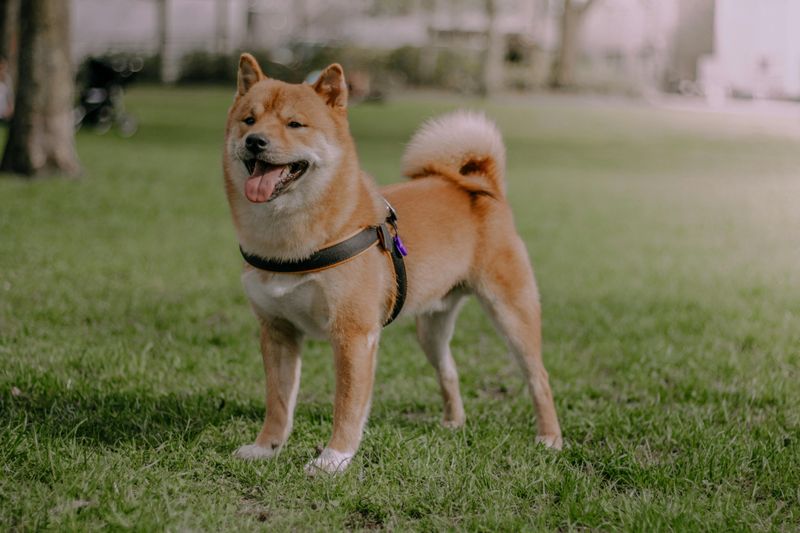
The Shiba Inu’s tail is a symbol of its spirited nature. Curled tightly over its back, it adds to the breed’s lively and alert demeanor.
This tail reflects its ancient heritage, often seen in Japanese art, symbolizing agility and focus. Its tail unfurls in moments of relaxation, showcasing its mood.
The Shiba Inu’s tail is not just a feature but a reflection of its heritage as a hunter in the rugged terrains of Japan.
Irish Wolfhound
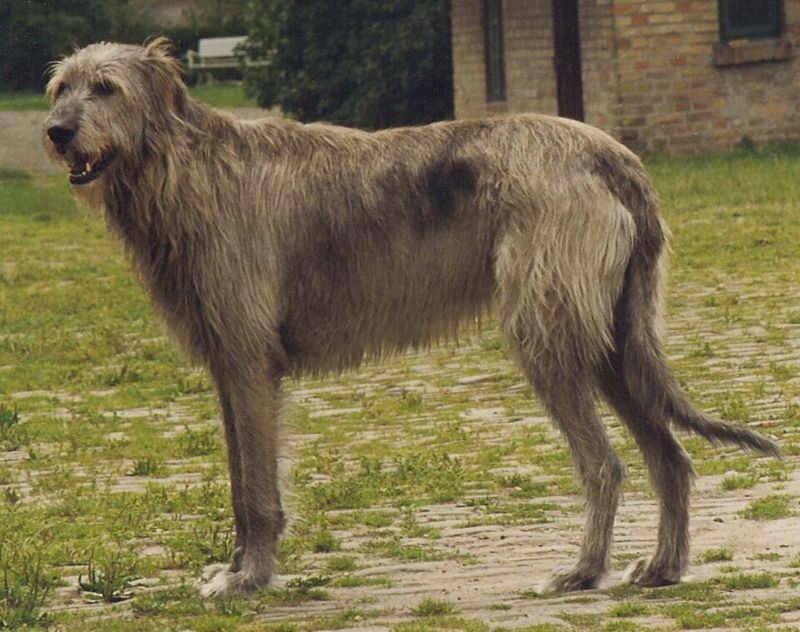
The Irish Wolfhound’s tail complements its majestic stature. Long and slightly curved, it guides the hound during its graceful movements.
Historically, this tail aided in balance and agility during hunts. It communicates subtle emotions, curling slightly when at ease.
Did you know? The Irish Wolfhound is one of the tallest breeds, and its tail is as much a part of its elegance as its towering height.
Pug
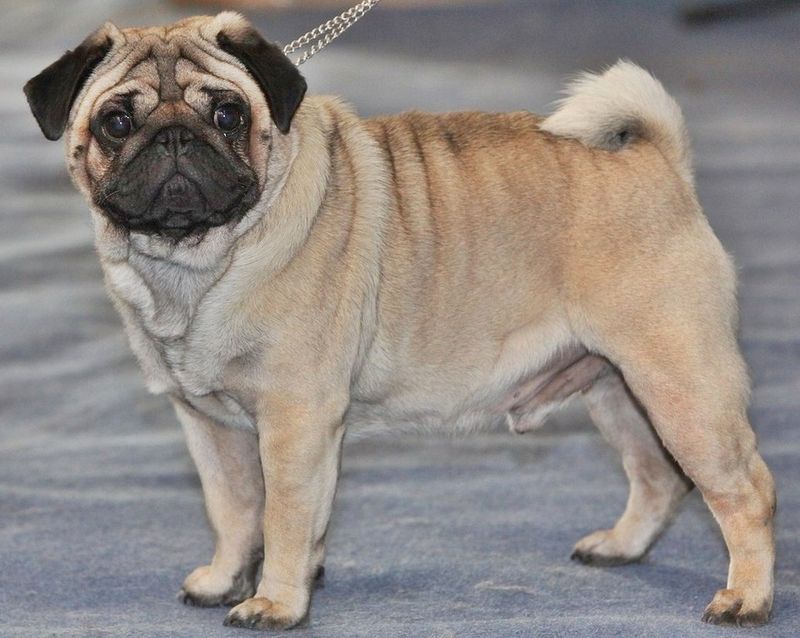
The Pug’s tail is a curly cue of joy, spiraled tightly over its back. This distinct tail adds to the Pug’s charmingly comical appearance.
Historically, this tail symbolized status, with tightly curled tails being highly prized in ancient Chinese courts. It wags enthusiastically, echoing the Pug’s playful spirit.
The Pug’s tail is not just a feature; it’s a reflection of its delightful personality and cherished history.
Whippet

A Whippet’s tail is a fine-tuned instrument for speed. Long and sleek, it helps balance and guide its rapid sprints.
This tail is crucial for agility, a hallmark of this racing breed. When relaxed, it hangs gently, a contrast to its dynamic function.
Fun fact: Known as the “poor man’s racehorse,” the Whippet’s tail is as much a part of its speed as its streamlined body.
Basset Hound
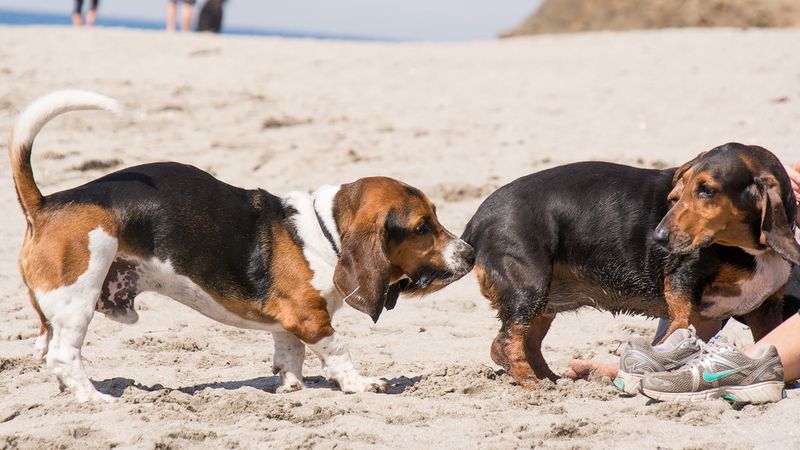
The Basset Hound’s tail stands tall, a signal flag during ground-level adventures. This tail helps hunters spot the hound in dense foliage.
It’s an animated guide, constantly in motion during scent work. Its distinct appearance is a blend of form and function.
Known for their scent-tracking prowess, the Basset’s tail is an essential part of its hunting legacy.
Old English Sheepdog
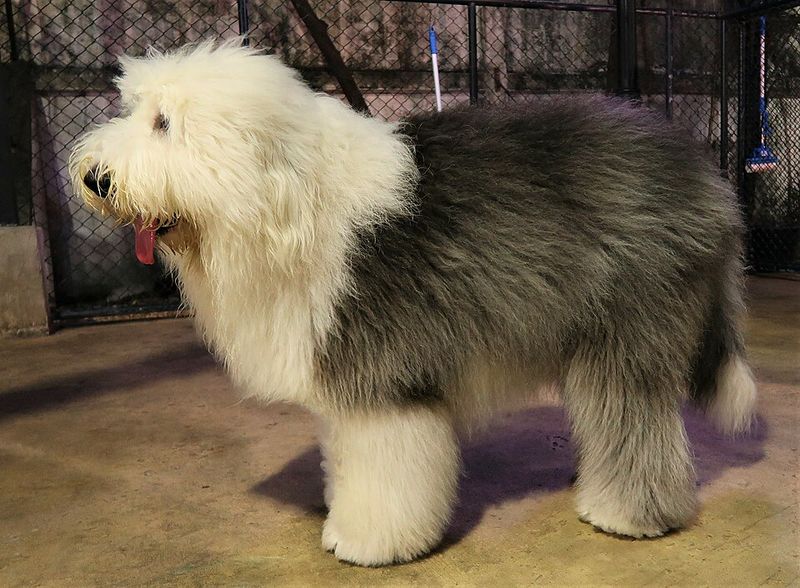
The Old English Sheepdog is known for its distinctive bobtail. Historically docked for practicality, this tail is now a hallmark of the breed’s look.
This short tail complements its herding background, minimizing injury risks. It’s a playful addition to its endearing shaggy appearance.
Known as “Bobtails,” these dogs’ tails are integral to their working heritage and charming visual appeal.