
Some dogs shine in active, prepared homes, but struggle when their needs are not met. The right match can bring joy, laughter, and great memories.
The wrong fit can lead to stress, noise, and chewed shoes. Knowing what each breed needs helps you choose wisely and set everyone up for success.
Border Collie
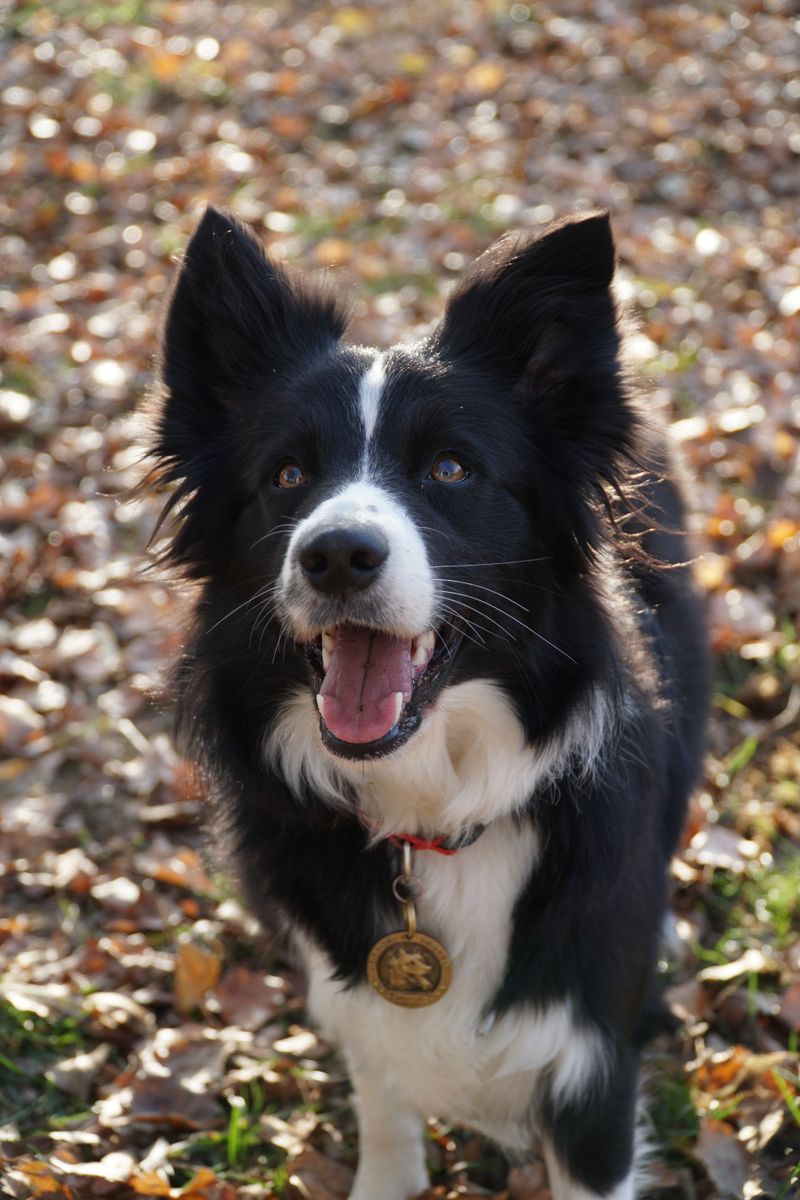
Farm kids tell stories about Border Collies outsmarting them at chores. That sharp mind needs daily jobs, tricky games, and long walks, or else boredom turns into mischief and nonstop herding of pets and people.
Active families who enjoy hiking, agility, or flyball will see a bright, affectionate partner. Apartment life with little structure can be rough.
Plan puzzle toys, off switch training, and calm handling to shape that amazing focus into friendly manners.
Belgian Malinois
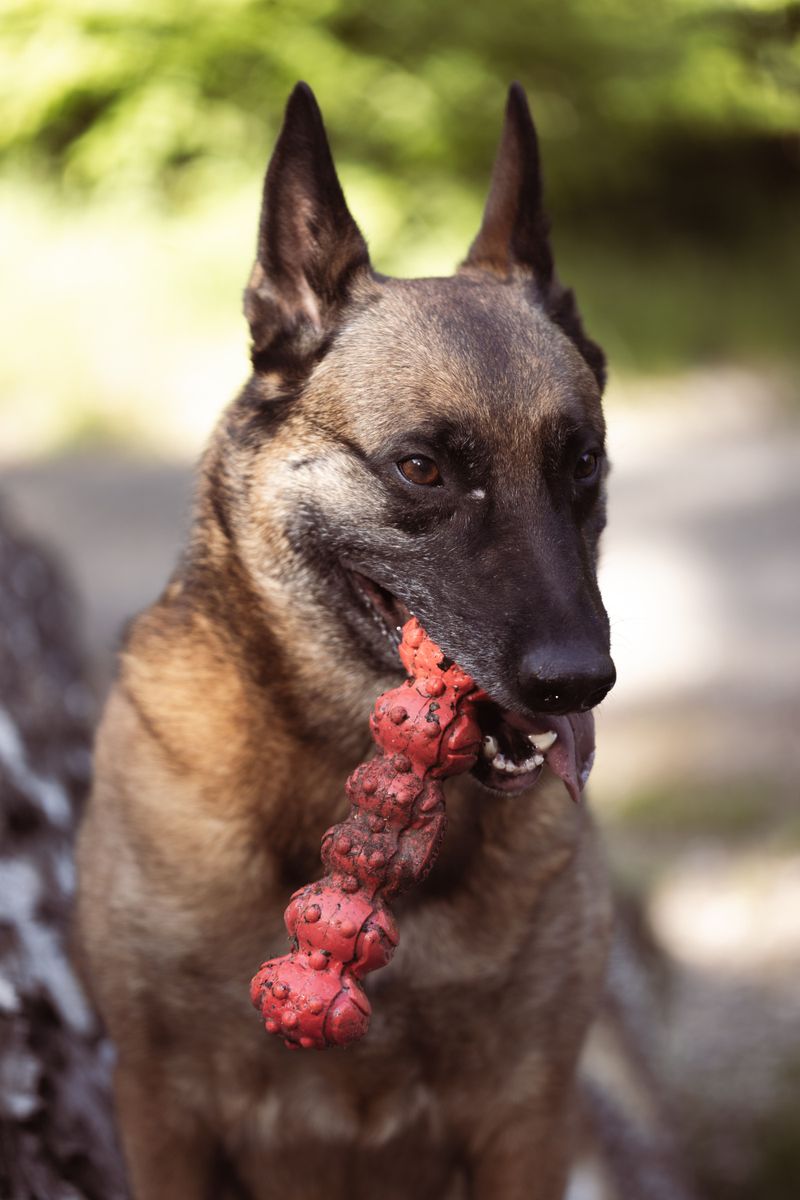
Police trainers praise the Malinois for speed and courage, but that intensity lives in pet homes too. Without structure and serious exercise, energy boils over into barking, chewing, and frantic pacing.
Sporty owners who love running, biking, or protection sports can unlock a loyal, confident teammate. First time families may feel overwhelmed.
Build routines, teach impulse control, and give clear jobs like scent games or tug sessions to keep that fire pointed in the right direction.
Australian Shepherd
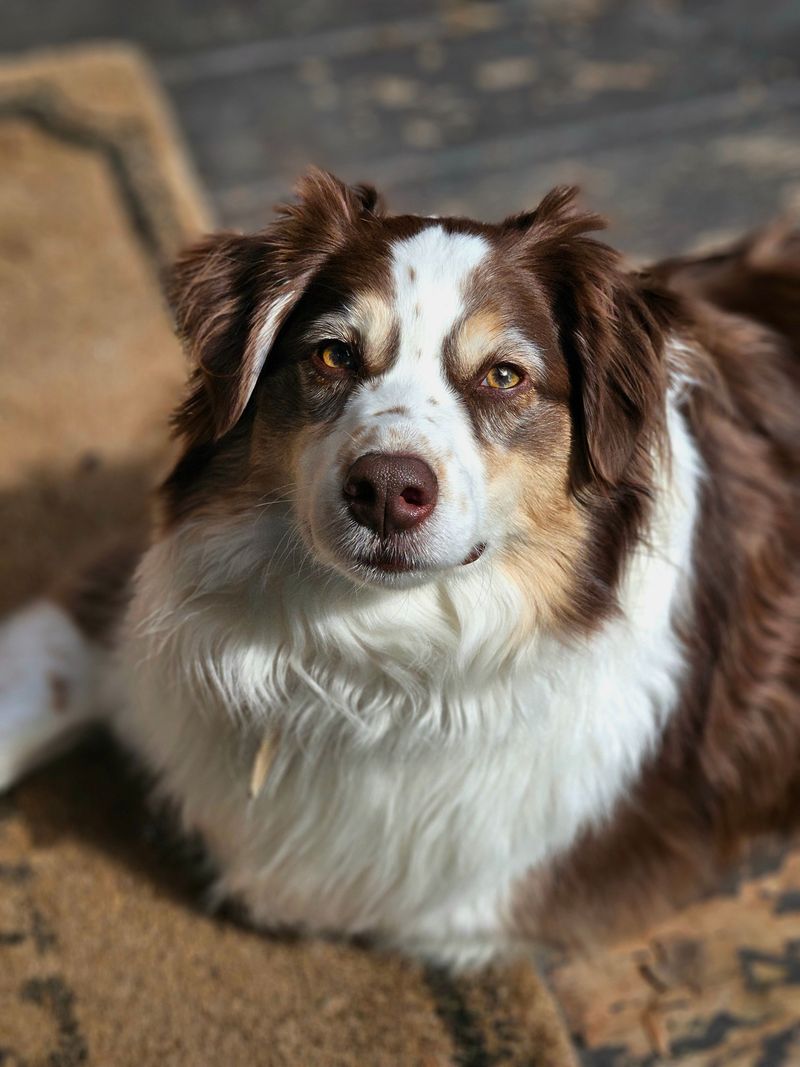
Aussies wear a smile that says ready for action. Behind that grin is a worker that craves tasks, patterns, and plenty of movement every single day.
Families who enjoy trail runs, obedience classes, and trick training will adore the clever, people focused attitude. Less active homes may see nipping at heels and restlessness.
Plan daily brain work, teach settle cues, and offer supervised play with sturdy toys so the busy mind relaxes and the friendly heart shines.
Siberian Husky
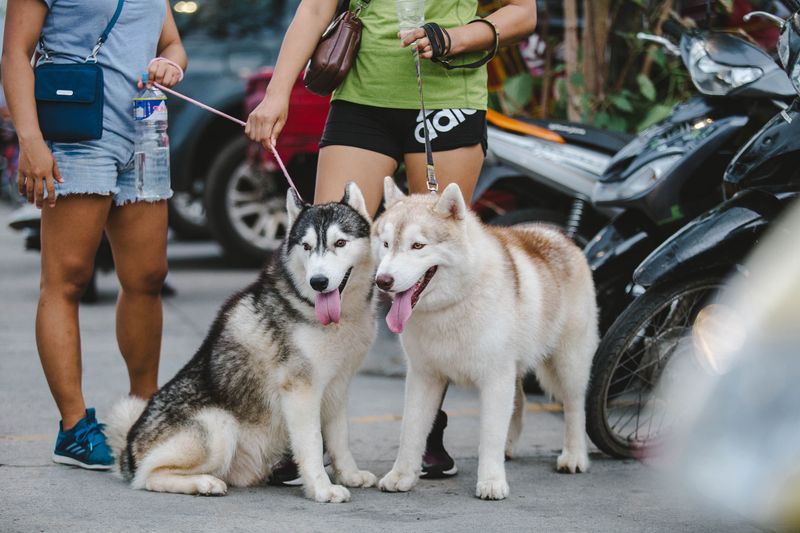
Neighborhood fences are just puzzles to a Husky. Bred to run for miles, they sing, explore, and look for adventure whenever a chance appears.
Outdoor lovers who enjoy skijoring, canicross, or long treks can guide that wanderlust into teamwork. Sedentary routines invite escapes and noisy complaints.
Secure yards, sled pull harnesses, and plenty of recall practice matter. Keep small pets safe, manage the shed heavy coat, and channel energy with group runs to enjoy their upbeat spirit.
German Shorthaired Pointer
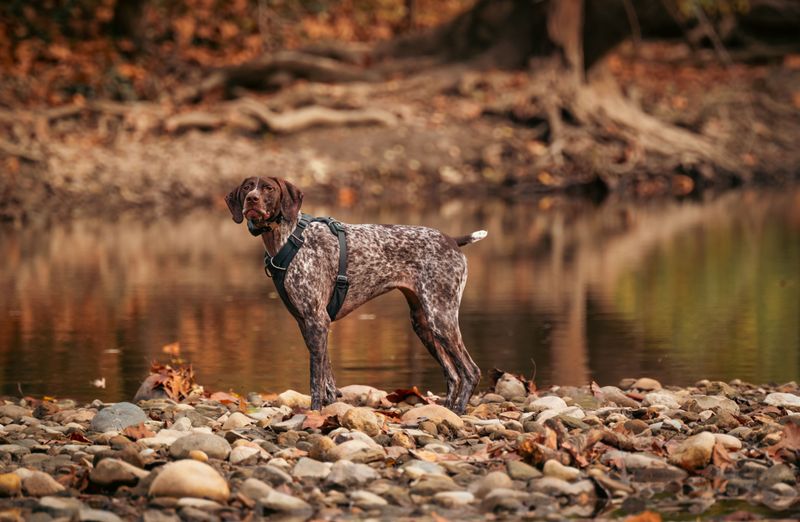
Pointing at birds one minute, cuddling the next, the GSP is full of bounce. Without a plan, that bounce becomes leaping on guests and racing through the house.
Hunters, joggers, and fetch fanatics can meet needs through field work, trail miles, and dock diving. Short hair means easy grooming but offers little warmth in winter.
Schedule training games, steady leash walks, and quiet place time to build patience so the affectionate nature stays fun, not chaotic.
Weimaraner
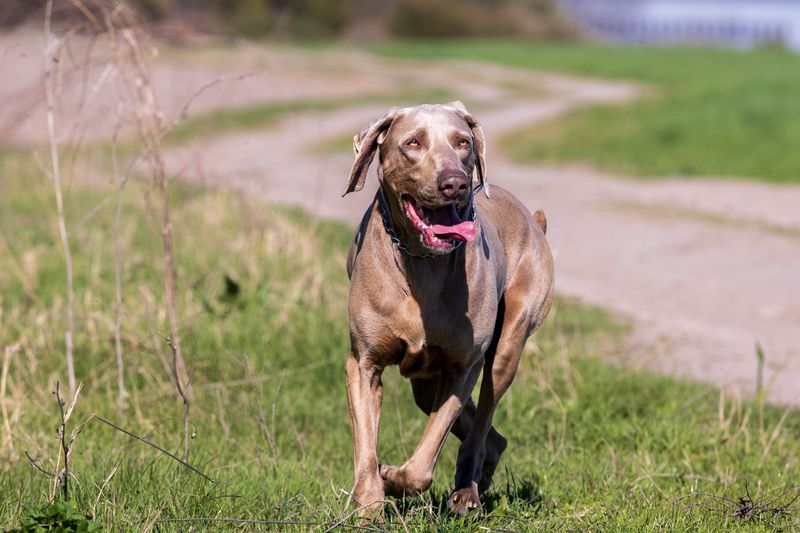
Those silver eyes follow you everywhere. A Velcro personality pairs with explosive athleticism, which can spell separation struggles and destructive chewing if needs are ignored.
Families who include the dog in daily life, car rides, and workouts often find a goofy, loyal sidekick. Leave one alone for long hours and trouble starts.
Crate training, slow independence practice, and long sniffy hikes help. Add nose work or tracking to satisfy the hunter brain and ease anxious energy.
Australian Cattle Dog
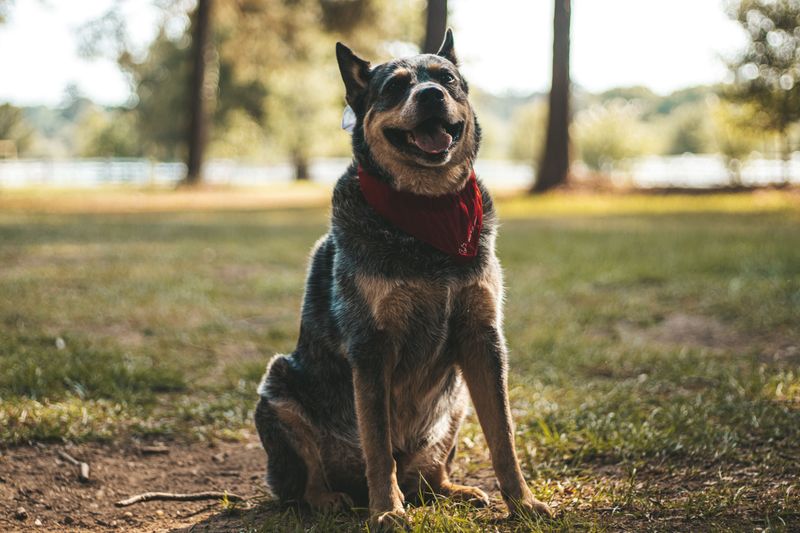
Heelers come with grit and a built in to do list. Many will try to organize kids, bikes, and even vacuum cleaners if left without real jobs.
Ranch chores or urban sports like frisbee and parkour keep minds busy and bodies satisfied. First timers may find stubborn streaks.
Use short, upbeat lessons, fair rules, and safe tug to channel that intensity. Provide sturdy chews, rotate tasks, and celebrate small wins to grow a focused, respectful partner.
Cane Corso
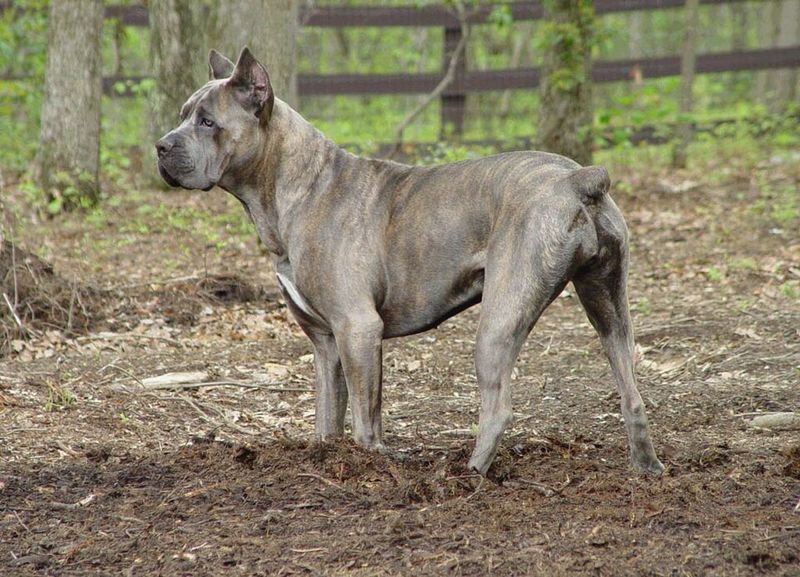
Neighbors feel the presence of a Corso before they see it. Big, calm, and powerful, the breed needs steady guidance and social time to avoid pushy habits.
Confident owners who train early and often can shape a gentle house guardian with clear boundaries. Novices might misread body language and allow rude behaviors.
Prioritize polite greetings, place work, and supervised play with known dogs. Keep minds busy with tracking or obedience drills to pair muscle with manners.
Great Pyrenees
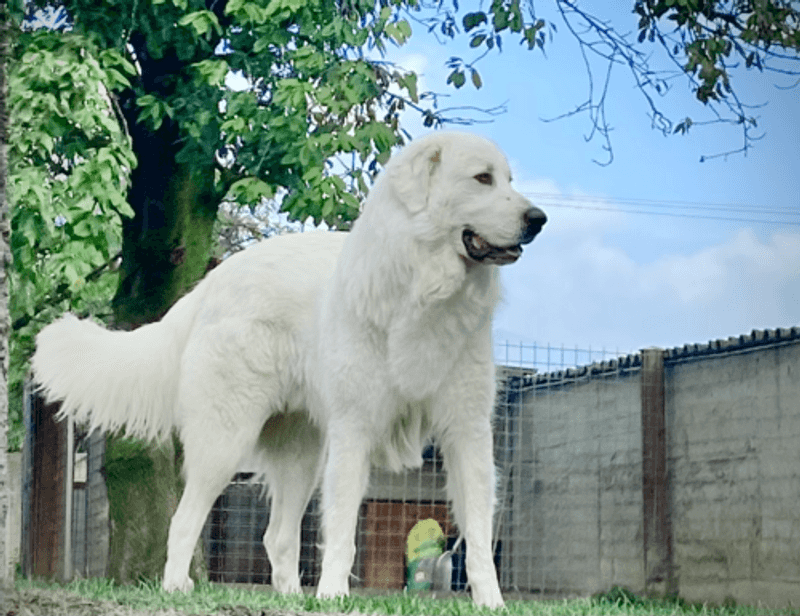
On quiet nights, a Pyr likes to patrol the yard and sing at passing breezes. Livestock guardian roots mean independence and night shift habits.
Country homes with secure fencing and neighbors who accept barking can appreciate the calm daytime snuggles. Small apartments often struggle.
Teach a cue for quiet, manage visitors thoughtfully, and protect from heat due to the heavy coat. Give steady walks and simple jobs like boundary checks to keep the watchful brain satisfied.
Akita
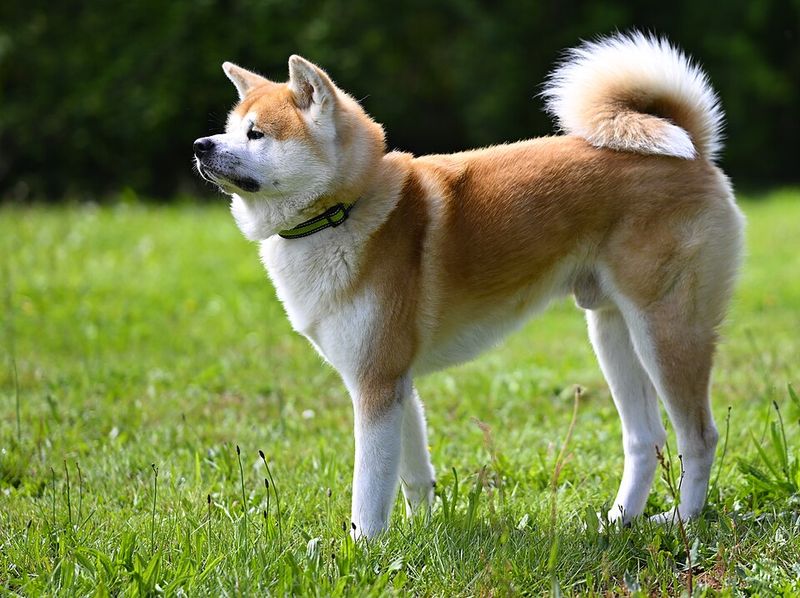
A raised eyebrow from an Akita speaks volumes. Dignified and reserved, many prefer a small circle of people and can be prickly with unknown dogs.
Owners who value calm routines, careful socialization, and respect for personal space will enjoy steady loyalty. Dog parks are a poor fit.
Focus on one to one training, polite leash skills, and enrichment that builds confidence, like scent games or scatter feeding. Keep sessions short and upbeat to match the thoughtful nature.
Jack Russell Terrier
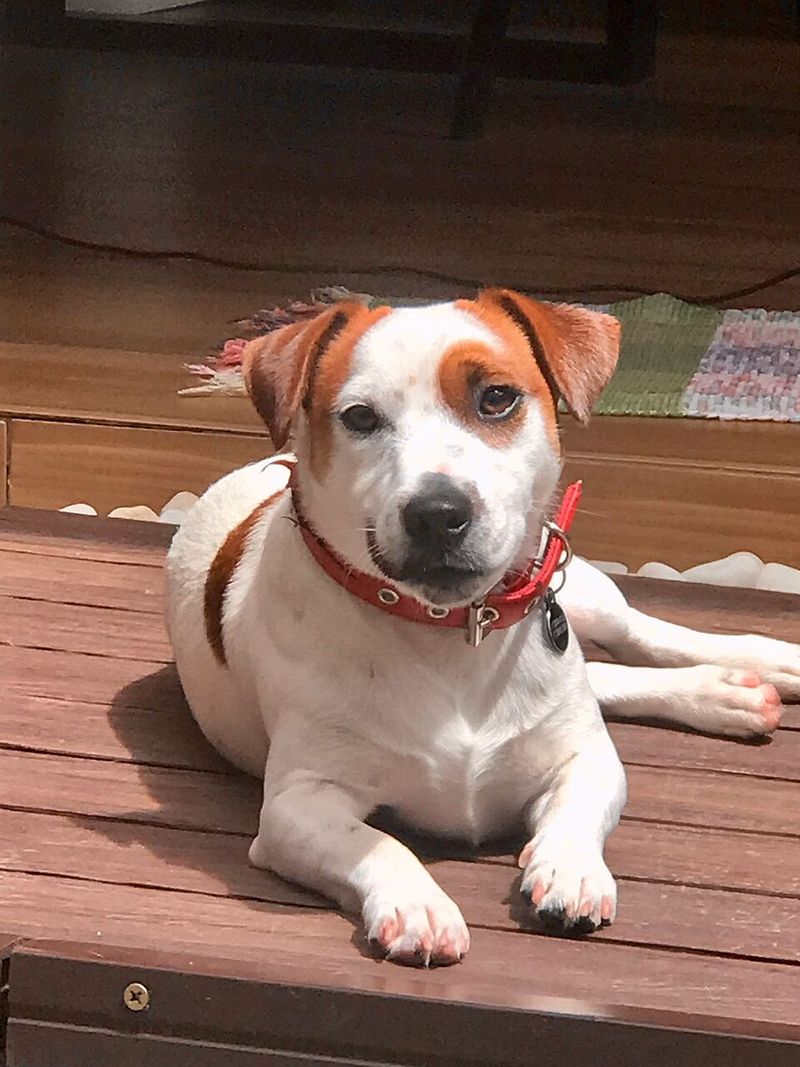
Small body, superhero battery. A Jack Russell can chase a ball for an hour, then hunt crumbs with the same determination.
Busy families who laugh at antics and offer daily outlets will be rewarded with charm and comic timing. Without guidance, digging and barking arrive fast.
Teach fetch with a finish, hide food in puzzle toys, and use short training bursts. Plan play dates with sturdy friends and keep the yard escape proof to protect curiosity.
Giant Schnauzer
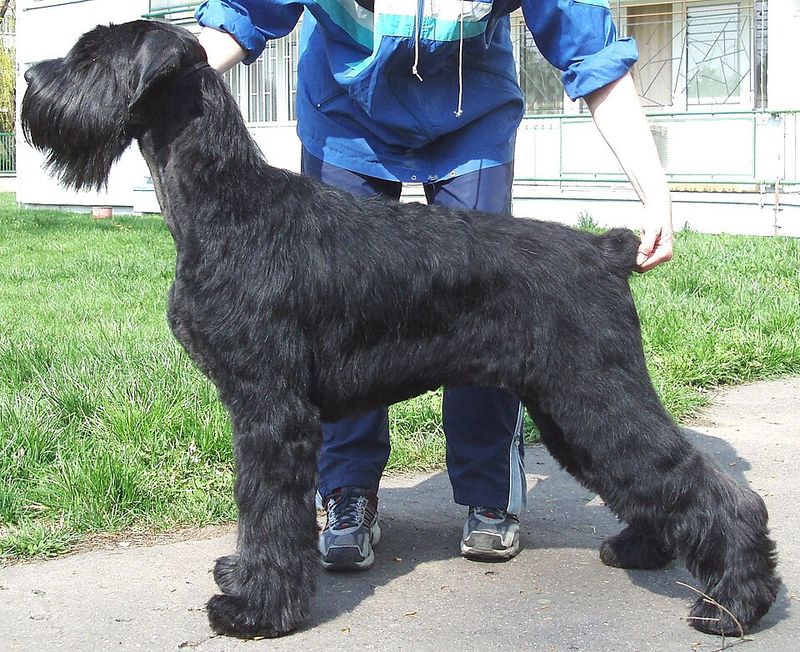
Imagine a bodyguard who loves jokes. The Giant Schnauzer combines serious presence with a prankster streak that needs outgoing training and strong leadership.
Experienced handlers who set rules and play smart games discover a sharp, versatile worker for obedience, herding, or scent work. Under exercised dogs may nip or push for attention.
Build clear routines, schedule professional classes, and teach settle on a mat. Grooming is significant, so plan regular hand stripping or clips to keep the coat healthy.