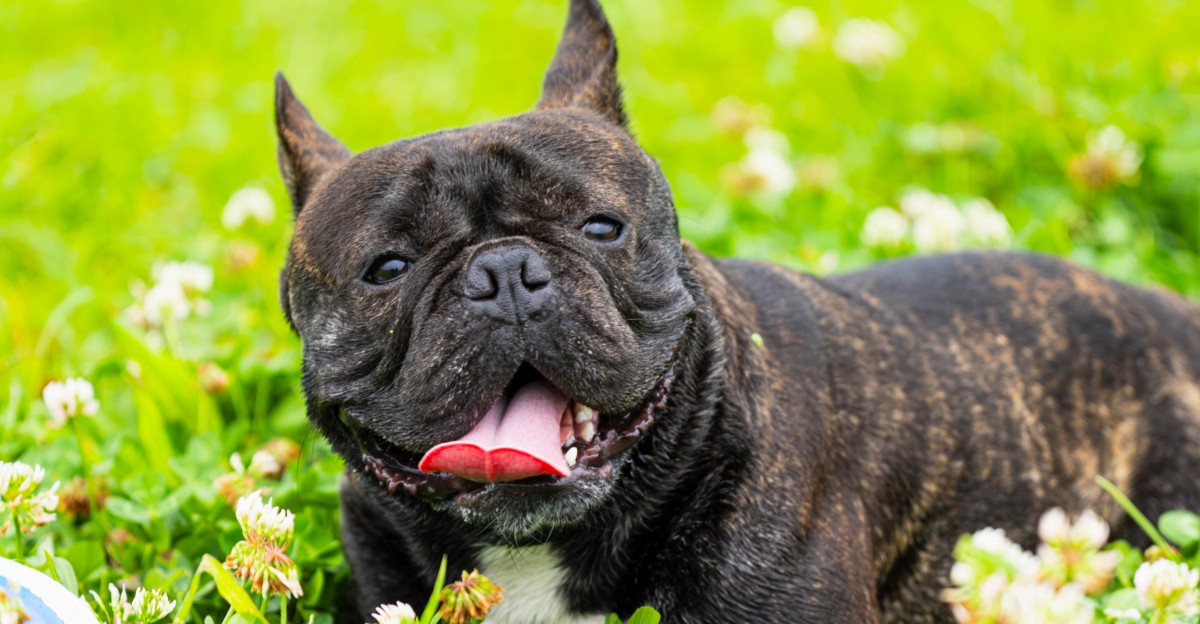
Some dogs seem perfectly happy to snooze all afternoon. That calm vibe is wonderful, but it can trick owners into forgetting daily walks and play.
Even relaxed pups need steady movement to stay healthy and behave well. Learn which easygoing breeds love quiet time, yet still depend on routine exercise to feel their best.
English Bulldog
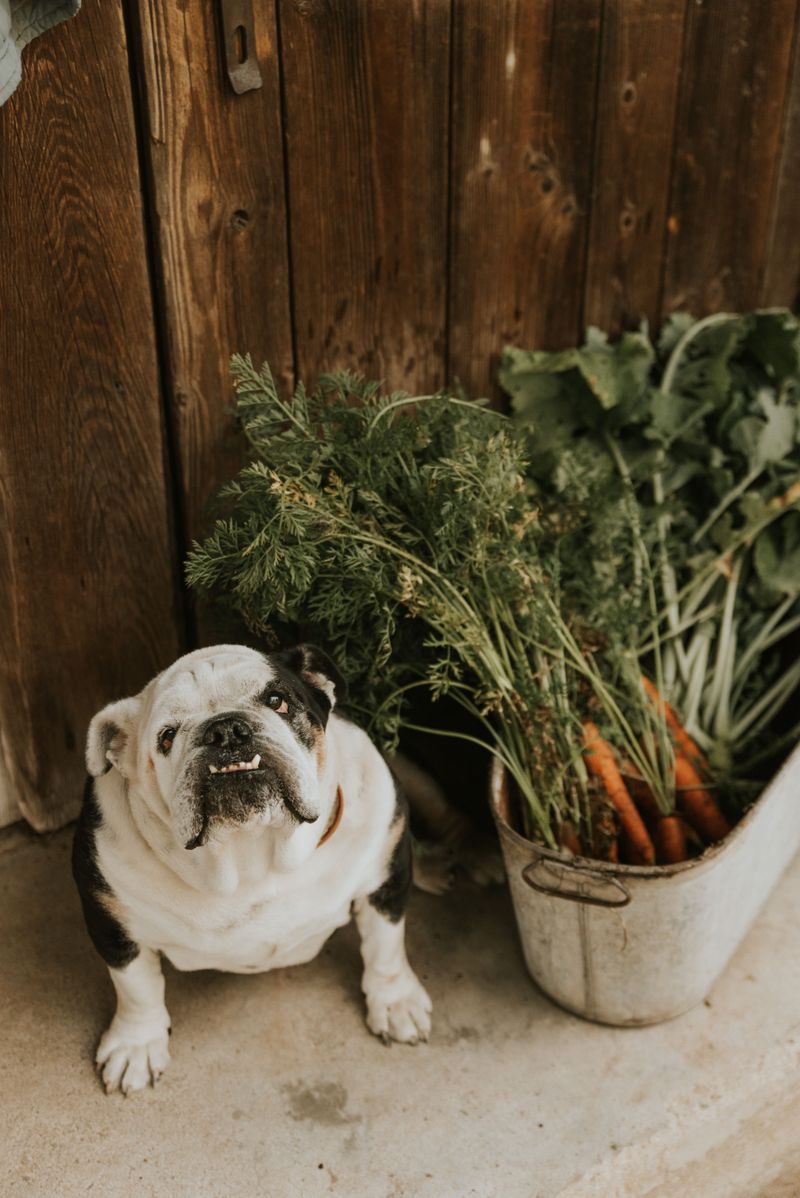
Snoring like a tiny freight train, the Bulldog wins at chill. Yet skipped walks often mean weight gain, stiff joints, and restless nights.
Short, steady strolls, plus brief indoor games, suit their chunky build. On hot days, pick cool hours and shady paths.
A puzzle toy before dinner helps their mind. Gentle strength training, like stepping over low poles, supports muscles.
Keep sessions short, watch breathing, and celebrate calm progress with praise instead of too many treats.
Basset Hound
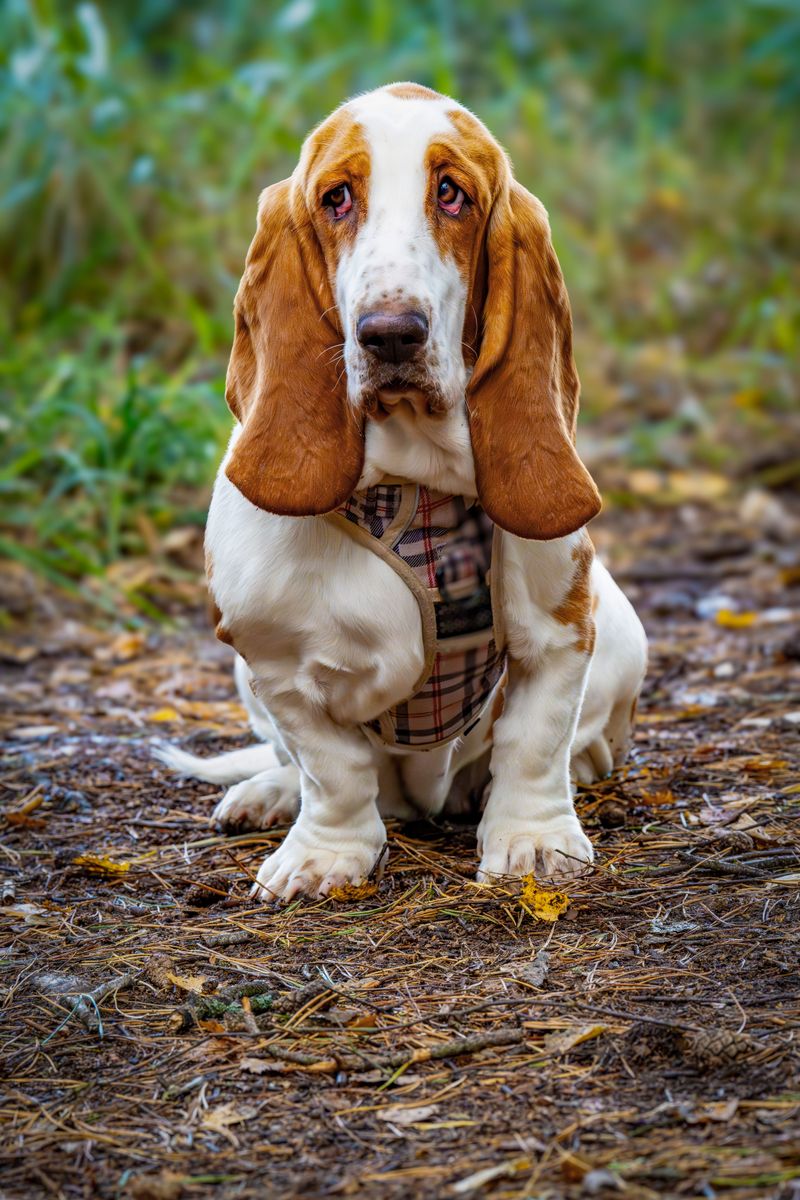
Ears to the floor and heart on the couch, the Basset loves slow living. But a bored nose finds trouble.
Daily sniffy walks, where you let them explore safe scents, melt stress and trim pounds. Keep pace easy to protect their long backs and short legs.
Indoor scent games shine. Hide tiny treats under cups and let that famous nose work.
A ramp for furniture saves joints. Consistency beats speed for this mellow tracker.
Pug
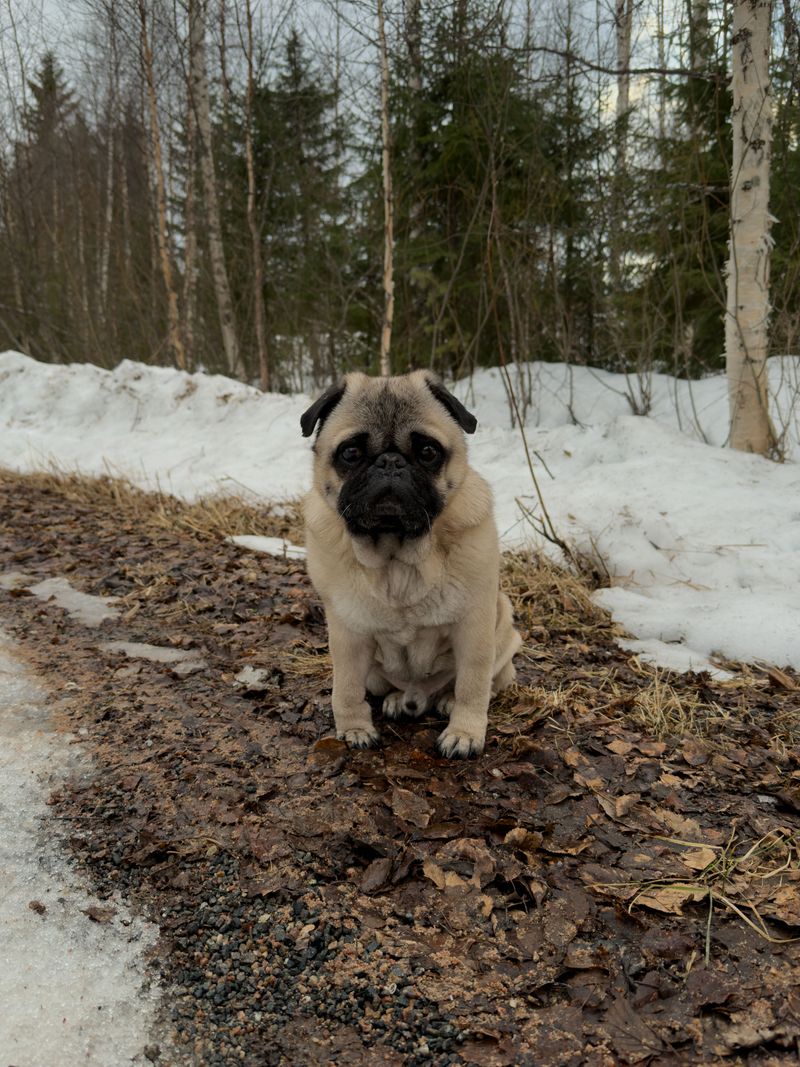
Big eyes, bigger personality, and a strong love for naps. Pugs thrive with short, playful bursts, then rest.
Skipping activity piles on pounds and can worsen breathing. Aim for two or three mini walks, five to ten minutes each, plus gentle hallway fetch.
On warm days, stay indoors and use cool mats. Teach simple tricks for mental spark.
Measuring meals and swapping treats for tug or praise helps keep that round belly in check.
French Bulldog
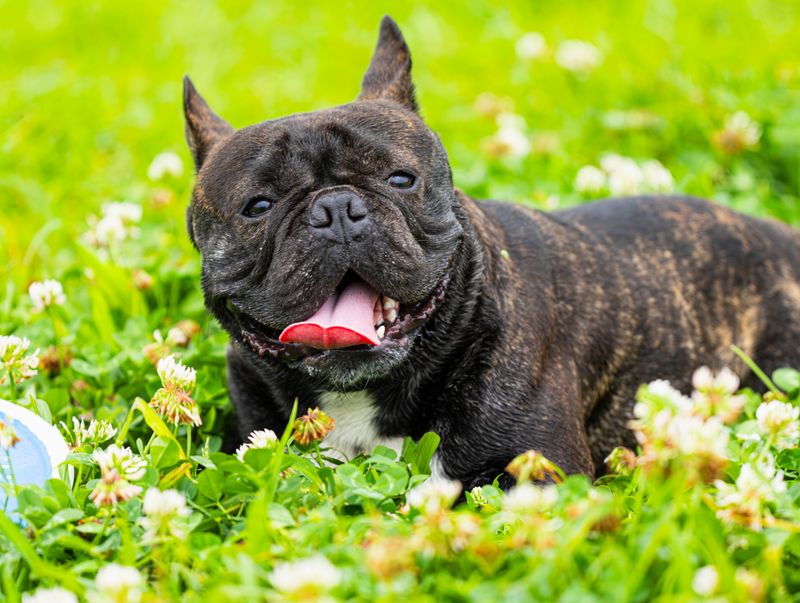
City living suits the Frenchie, who enjoys people-watching more than marathon runs. Still, restless chewing and zoomies show when exercise slips.
Think brief neighborhood loops, a couple of stair-free routes, and tug with lots of breaks. Monitor breathing and avoid hot pavement.
Brain games matter. Rotate two or three puzzle feeders a week.
Teach calm settle cues on a mat. Short training bursts keep them focused and content without overdoing it physically.
Chow Chow
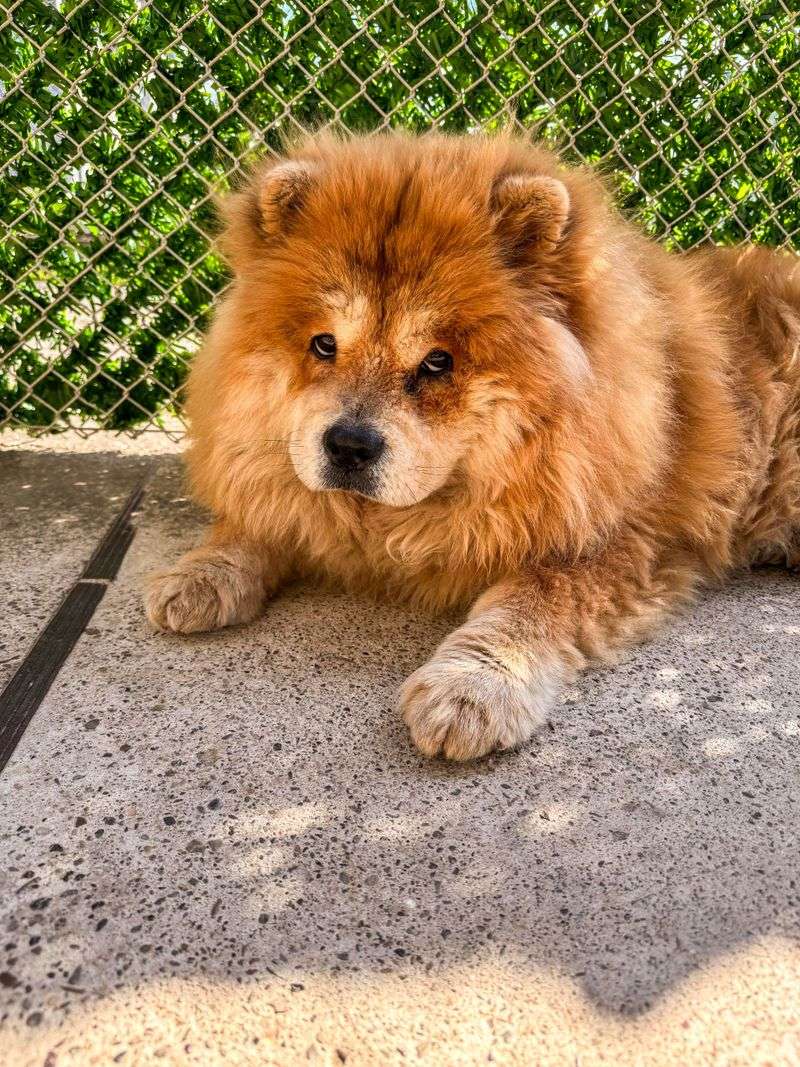
Regal and reserved, the Chow can appear satisfied with quiet corners. Yet lack of movement breeds stiffness and cranky manners.
Two calm walks with clear boundaries help, plus structured sniff breaks. Choose cooler times, since that coat holds heat.
Grooming sessions double as bonding and body checks. Add low-impact strength work like gentle hill walks or slow step-ups.
Clear, fair training keeps this independent thinker mentally engaged and less likely to ignore commands.
Shih Tzu
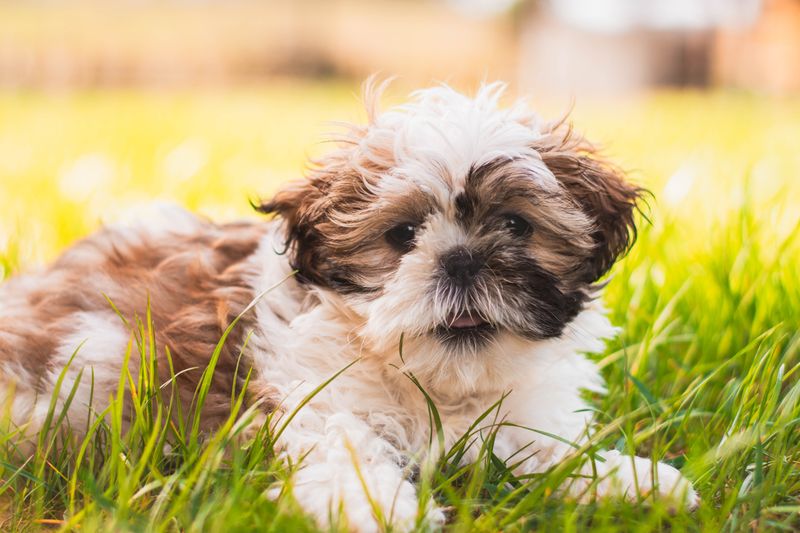
Silky coat, sunny grin, and a knack for lap time. Even so, skipped strolls can lead to matting troubles, extra weight, and pent-up yaps.
Two light walks and a few toy chases fit perfectly. Keep hair around eyes trimmed so the world looks friendly.
Mix in short trick sessions to build confidence. Use tiny food rewards or a favorite squeaky.
Gentle agility, like weaving around cushions, keeps joints nimble without tiring them out.
Cavalier King Charles Spaniel
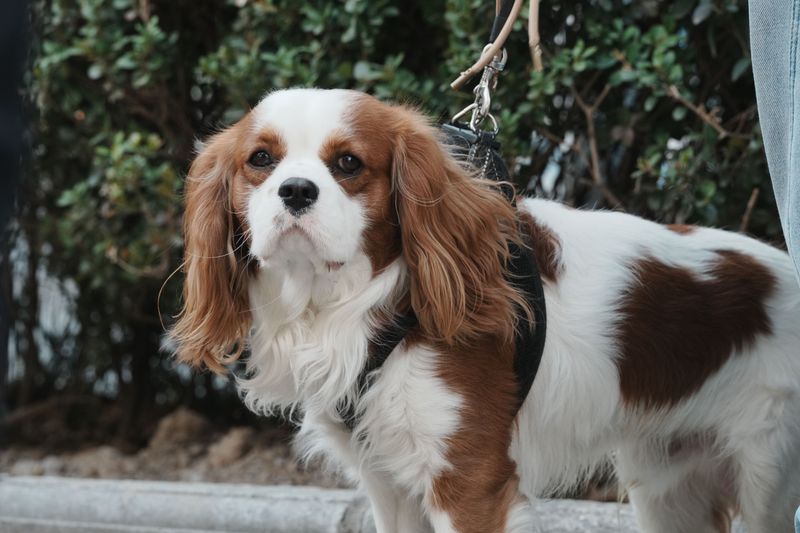
Affectionate and velvet-eared, the Cavalier adores cuddles but still needs regular movement. Without it, weight creeps up and boredom barking starts.
Plan one medium walk with a few sniff stops, then a shorter evening stroll. Watch heart health by keeping efforts steady and mild.
Interactive fetch down a hallway is great. Rotate soft toys to keep interest.
Calm social outings, like a slow park lap, give both exercise and gentle people time.
Great Dane
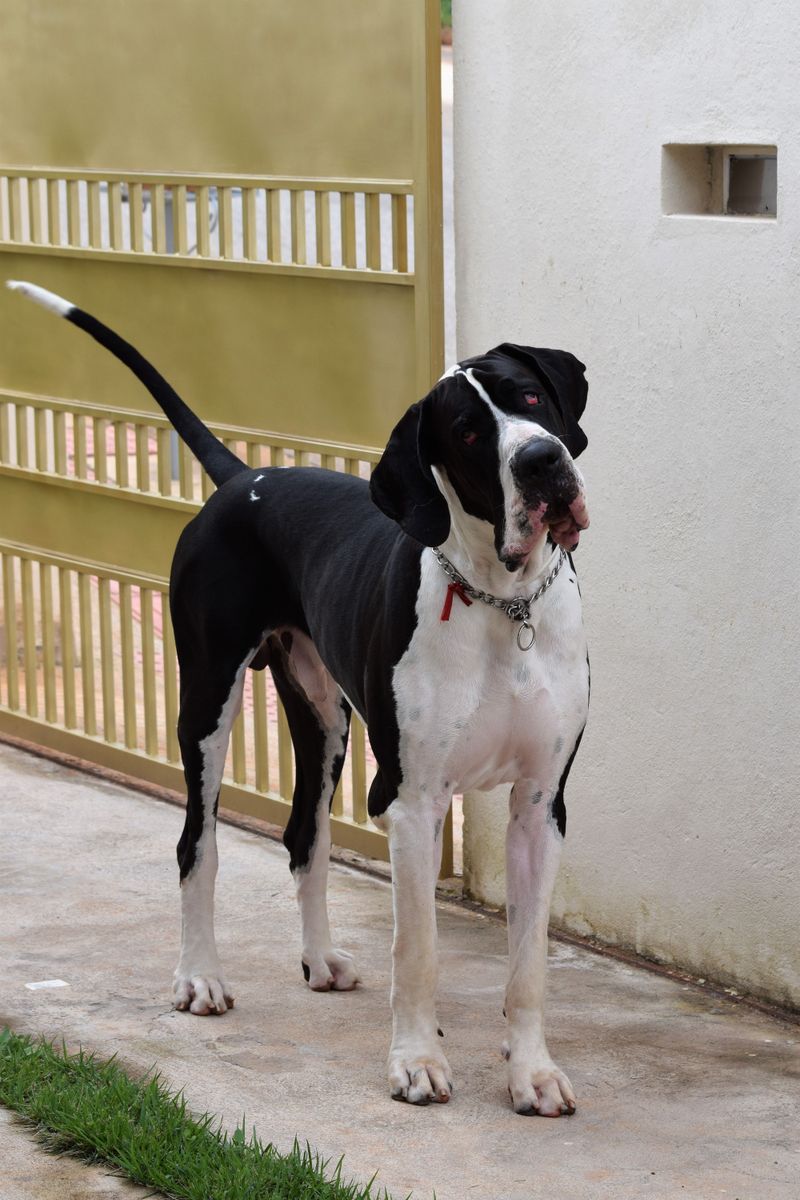
Despite their size, Danes are famous for couch sprawl. Skipping activity, though, can stiffen those long limbs and invite anxiety.
Choose several short walks instead of one long trek. Avoid hard running to protect growing joints, especially in young dogs.
Use soft surfaces for play. Teach calm leash skills with frequent breaks.
Food puzzles in a raised stand aid digestion. Gentle strength work, like controlled sit-to-stand reps, supports that skyscraper frame without overtaxing it.
Newfoundland
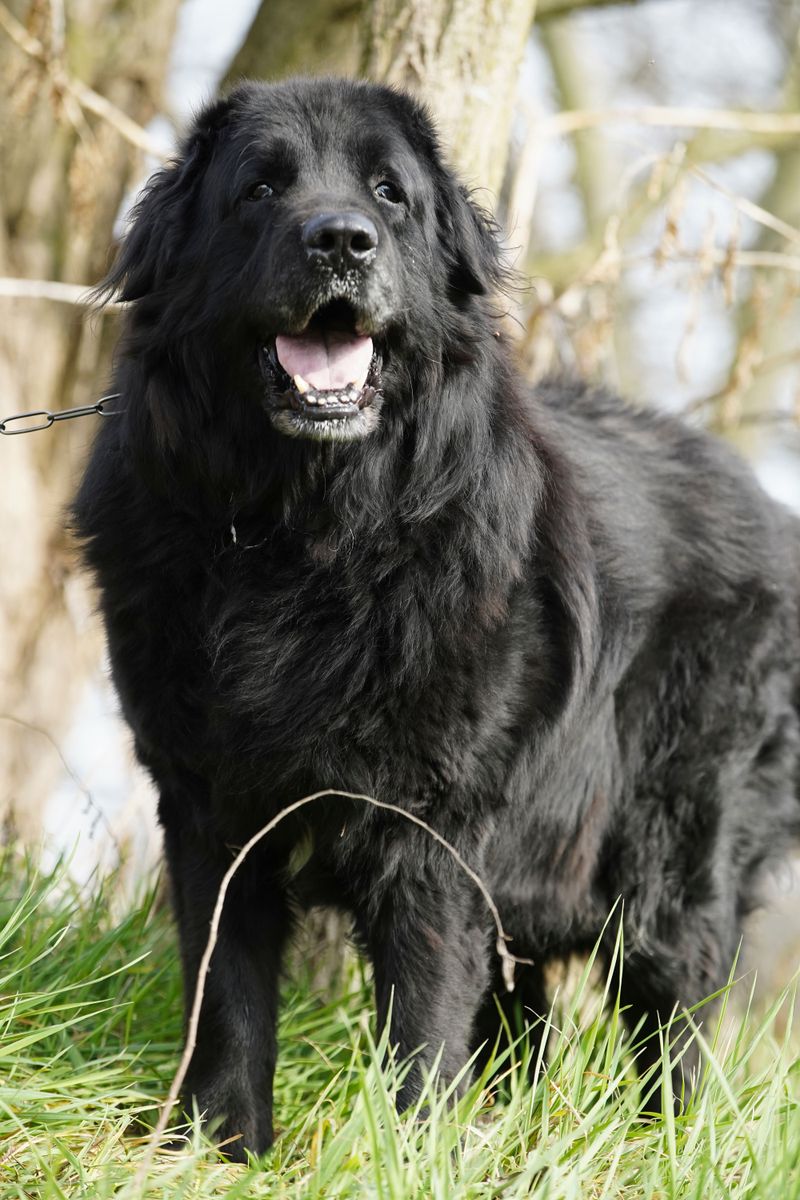
With a heart as big as its paws, the Newfie loves easy mornings. Still, daily movement keeps hips happy and minds soft.
Try brisk, short walks or safe swims in cool water. Heat is tough on that thick coat, so schedule wisely.
Short training games improve responsiveness. Gentle pull exercises with a harness build controlled strength.
Keep sessions calm, end on a win, and dry thoroughly after water time to protect skin under that dense fur.
English Mastiff
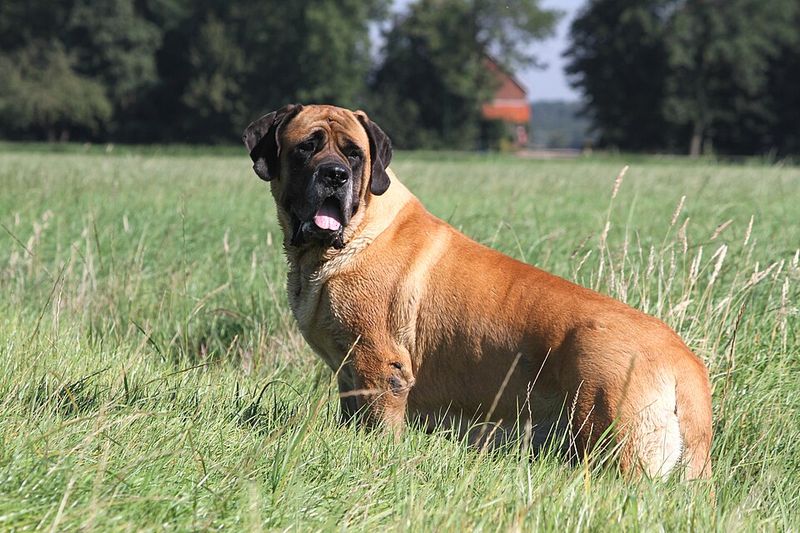
Massive and mellow, the Mastiff prefers short bursts of movement and long naps. When walks vanish, excess weight and joint stress follow.
Plan two gentle strolls on soft ground, plus brief training for manners. Keep excitement low to avoid clumsy pulling.
Strengthen with controlled step-ups and measured tug on a wide harness. Use slow feeders to pace meals.
Calm massage after activity eases recovery for this heavy, tender-hearted guardian.
Greyhound
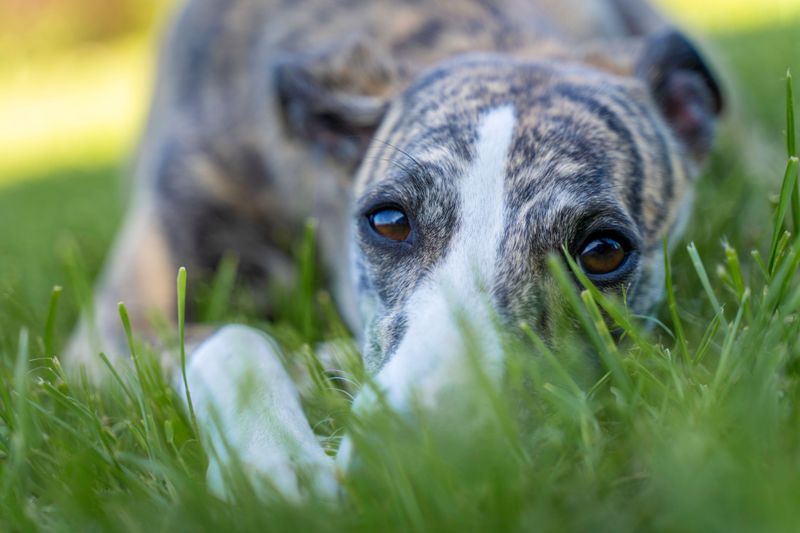
Sprinter by design, sleeper by choice. Retired racers can lounge all day, yet a skipped brisk walk means pent-up zooms at midnight.
Two steady outings and an occasional safe sprint in a fenced area meet needs. Keep coats warm in cold weather.
Mental work matters too. Teach touch, stay, and calm recall with soft treats.
Snuffle mats satisfy their curiosity. Thin skin benefits from cushioned beds after those quick, joyful dashes.
Saint Bernard
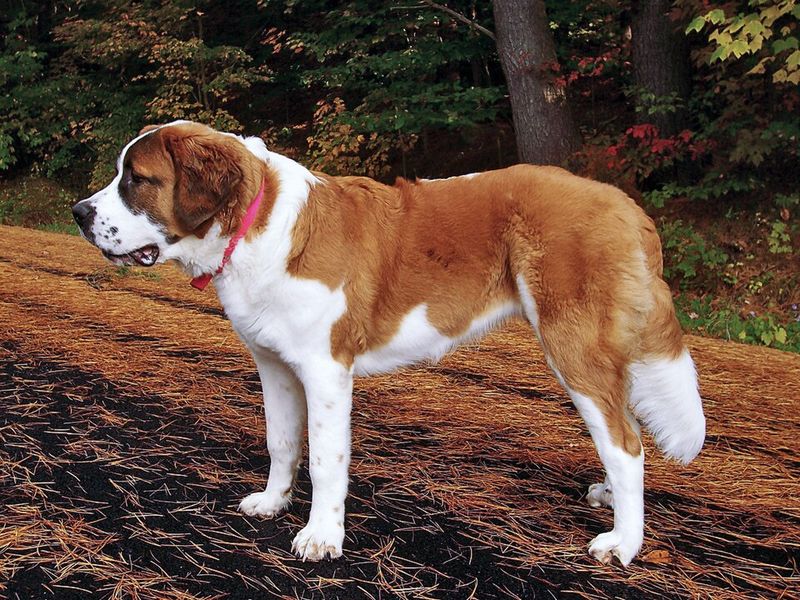
Friendly and lumbering, the Saint Bernard enjoys a slow pace. Without daily effort, joints protest and drool-filled boredom begins.
Choose two calm walks, avoid heat, and use soft paths. A wagon pull is cute in movies, but real life needs controlled, light work only.
Short obedience sessions teach patience. Gentle hill walking strengthens without pounding.
Keep coats clean and dry, especially around neck folds, to prevent skin issues after outdoor adventures.