
New places, loud noises, and strange people can rattle almost any dog. Some breeds, though, handle surprises with a calm and steady mind most of the time.
Even the bravest pup has a breaking point, and knowing where that line sits helps you keep your dog happy and safe. Here are twelve breeds known for keeping their cool, plus the signs that tell you they have had enough.
Labrador Retriever
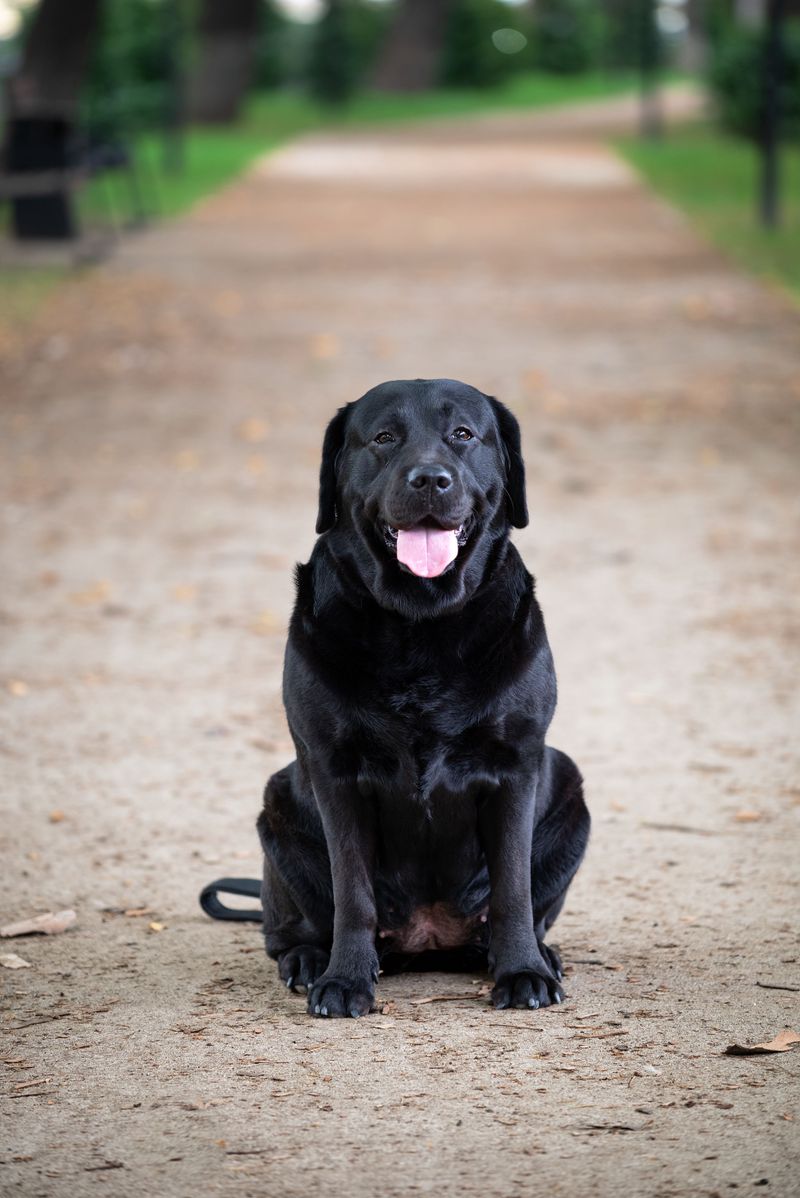
Drop a Lab into a crowded farmers market and it will probably just wag and sniff the nearest snack stand. Labs were bred to work beside fishermen in rough, cold waters, so steady nerves run in the family.
Still, too much chaos for too long can wear them down. Watch for heavy panting, yawning, or pulling away.
A quiet break and a cool drink usually reset that famously cheerful attitude.
Boxer
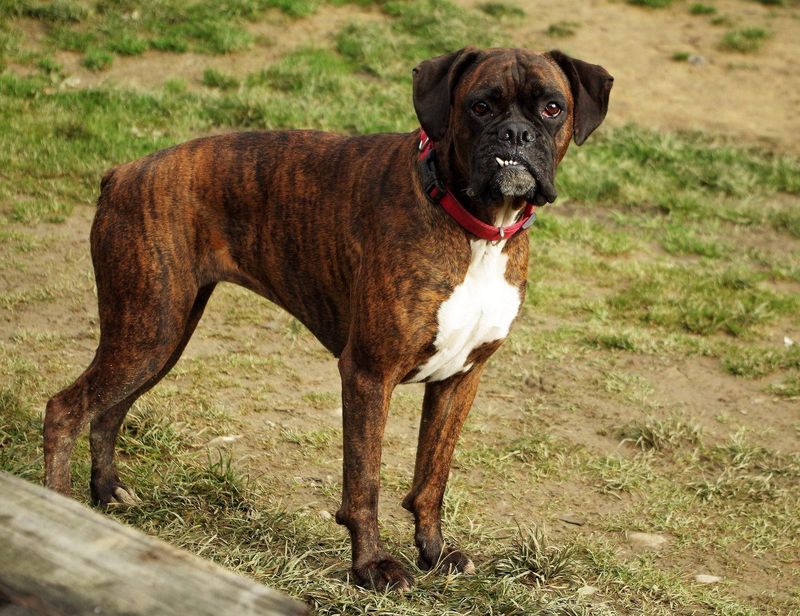
Goofy one minute and watchful the next, Boxers bounce through new places with real confidence. Fun fact: they were among the first breeds used as police dogs in Germany.
Their bold attitude has limits, though. Overly rough strangers or nonstop noise can push a Boxer into barking or guarding mode.
Give yours plenty of exercise before outings, because a tired Boxer stays far more relaxed when life gets unpredictable.
Rottweiler
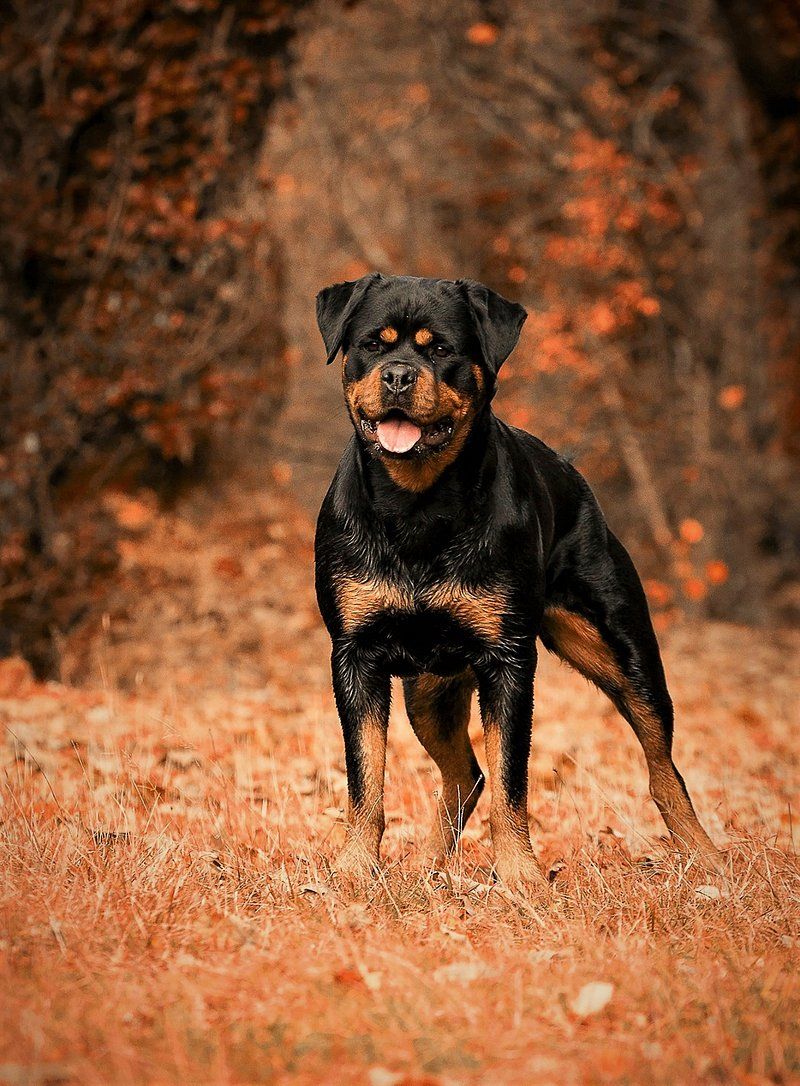
Picture a Roman army marching across Europe with cattle in tow. Rottweilers helped guide those herds, and that ancient job built a dog that stays composed under pressure.
A well-trained Rottie studies new situations quietly before reacting. Push too hard, like strangers crowding its family, and its protective side may rise fast.
Early socialization and clear rules help this loyal powerhouse feel secure instead of on edge.
Standard Poodle
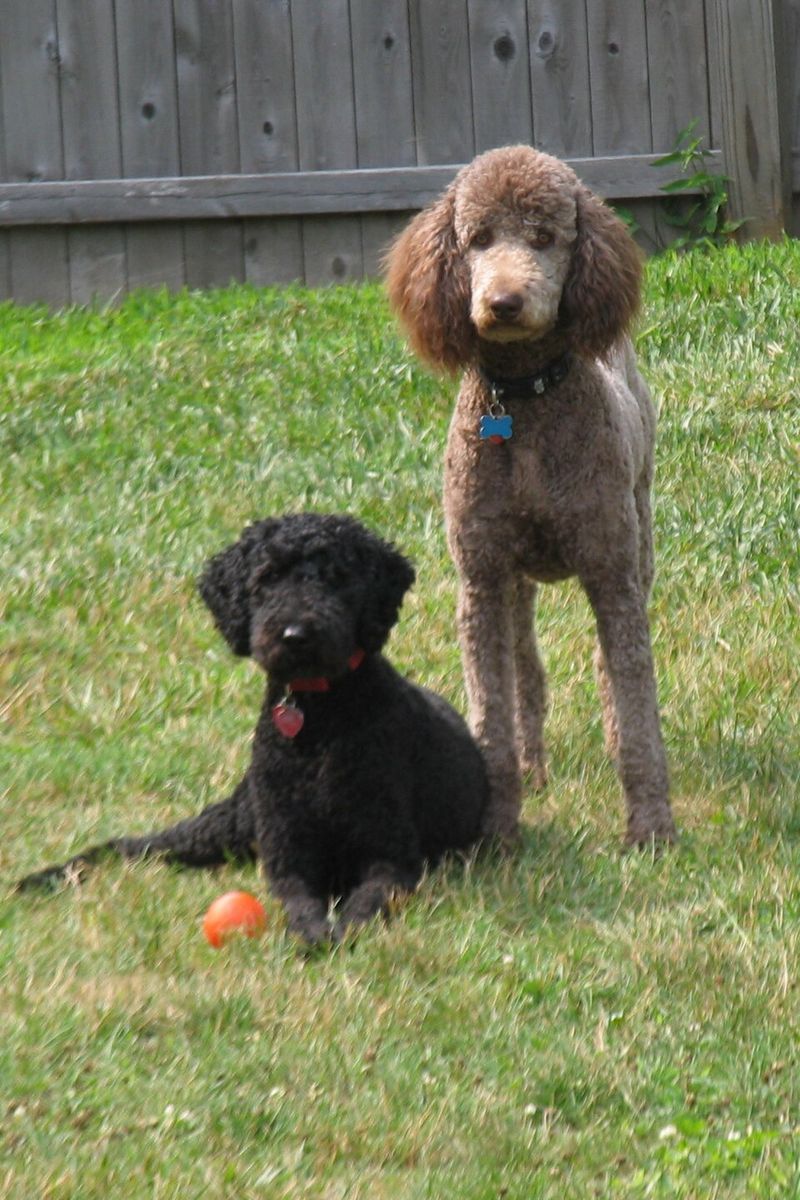
Forget the fancy haircuts for a second. Standard Poodles started as tough water retrievers in Germany, and their sharp brains help them read new places quickly.
Because they notice everything, too much stimulation can overload them. Signs include pacing, whining, or sticking to your legs.
Short training games in new spots build their confidence, and a calm voice from you goes a long way toward keeping them steady.
Golden Retriever
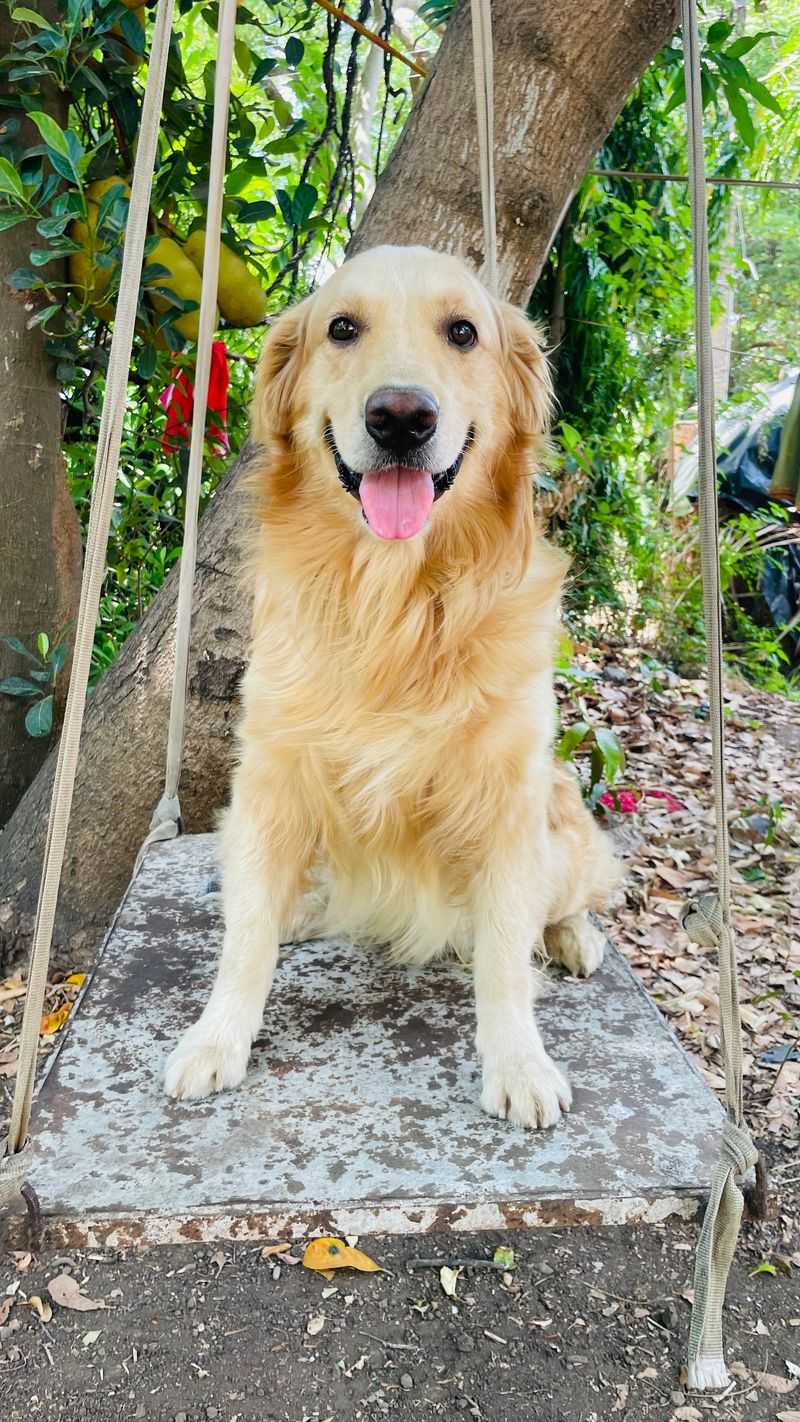
Ever notice how many therapy dogs are Goldens? Hospitals, schools, and disaster zones welcome them because they stay sweet and settled when others might panic.
Even so, these softhearted pups can get emotionally drained. After a long day of new faces, a Golden may lick its lips, turn its head, or flop down tiredly.
Respect those cues. Quiet time at home recharges their sunny spirit for the next adventure.
English Springer Spaniel
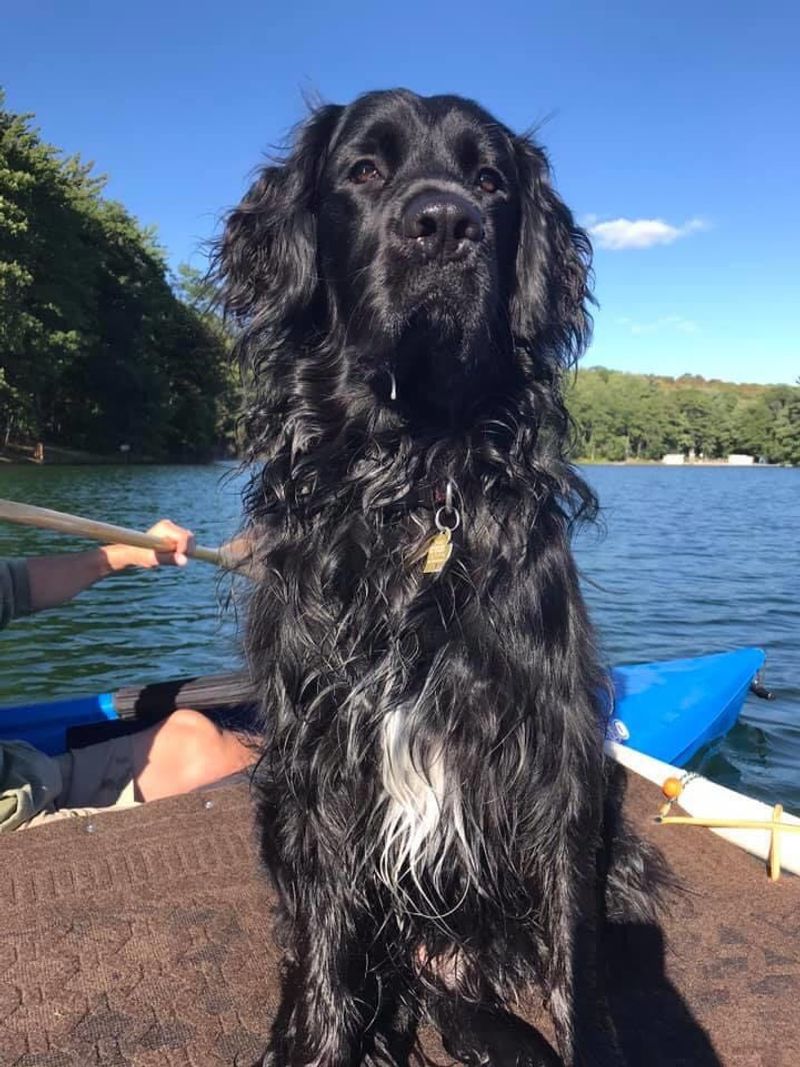
Nose down and tail whirling, a Springer treats every unfamiliar trail like a treasure hunt. Bred to flush birds for hunters, they handle new ground with eager focus.
That energy is both a gift and a warning sign. When a Springer gets bored or overwhelmed, it may zoom around or ignore commands.
Bring a favorite toy and practice recall often. Purposeful tasks keep this busy spaniel balanced.
Great Dane
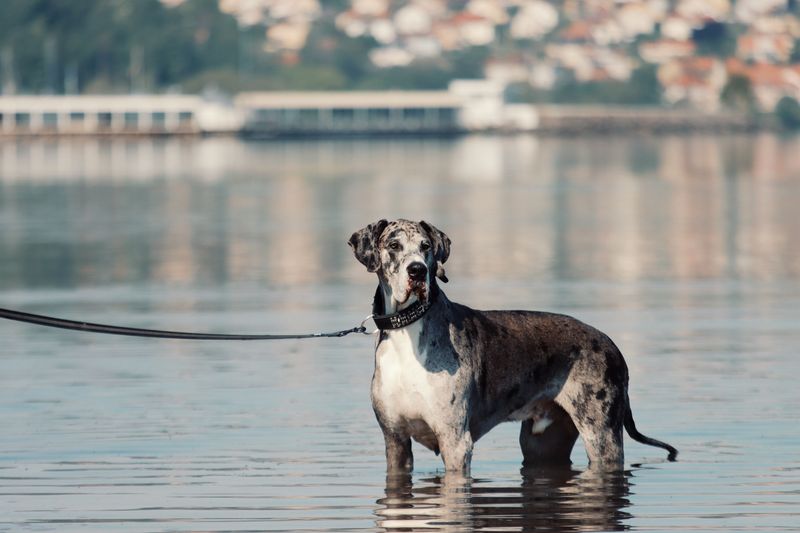
Here is a giant who would rather lean on you than make a fuss. Great Danes usually greet new places with a slow, dignified calm that matches their size.
Surprisingly, some Danes are sensitive souls. Slippery floors, sudden bangs, or crowded rooms can make them nervous, and a frightened giant is hard to move.
Introduce new spots gradually and reward brave moments with treats and praise.
American Staffordshire Terrier
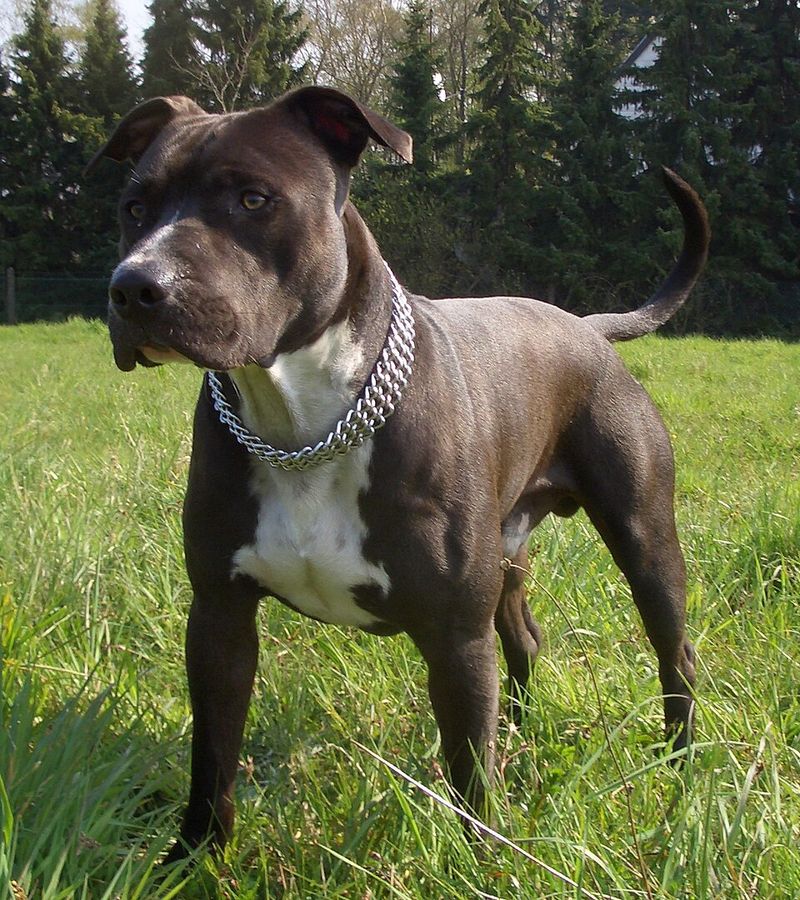
Strong muscles, big grin, and a surprisingly level head. AmStaffs often take busy streets and new people in stride, especially when they trust their owner.
Their limit tends to show around other dogs. Too much close contact or rude greetings may spark tension.
Keep meetings short, watch for stiff bodies, and step in early. With patient guidance, this muscular sweetheart proves how steady it can truly be.
Beagle
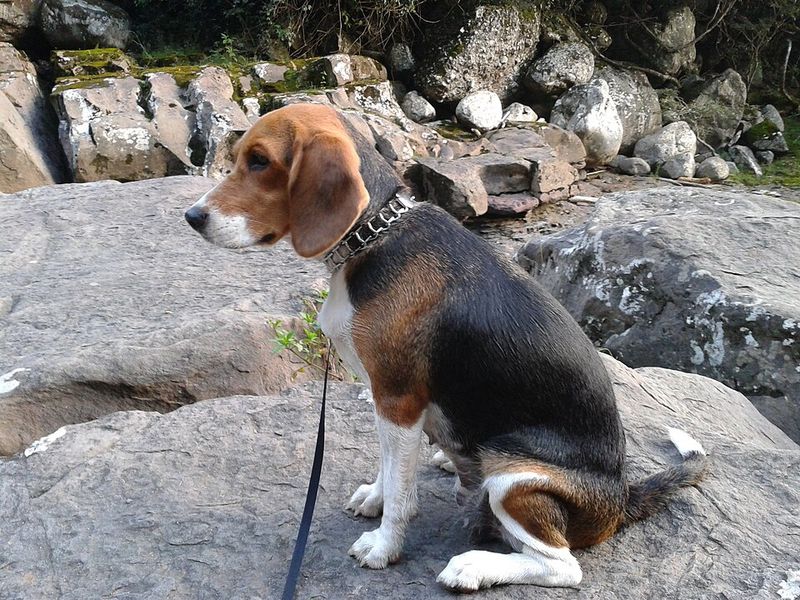
Did you know Beagles sniff luggage at airports for hidden food? That job proves how well these little hounds stay calm amid noise and crowds.
Their weak spot is their nose. One exciting scent and a Beagle may tune you out completely, howling or pulling hard.
Long boring waits can also frustrate them. Pack snacks, keep the leash secure, and let them sniff on purpose sometimes.
Rough Collie
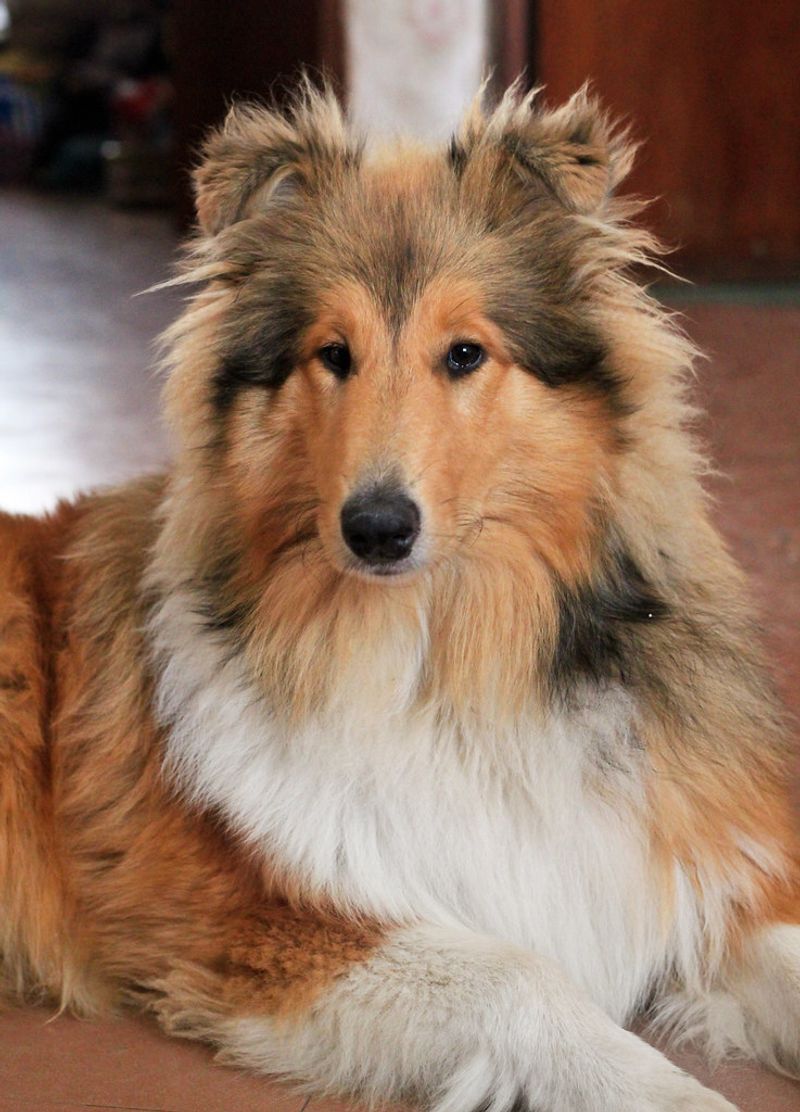
Thanks to Lassie, millions know the Rough Collie as the dog who stays clearheaded in a crisis. Real Collies earned that reputation herding sheep across Scottish hills.
They are thoughtful and gentle, yet loud environments can stress them. Harsh voices or rough handling make them shut down or bark nervously.
Speak softly, keep routines steady, and let them watch new situations from a safe distance first.
Brittany
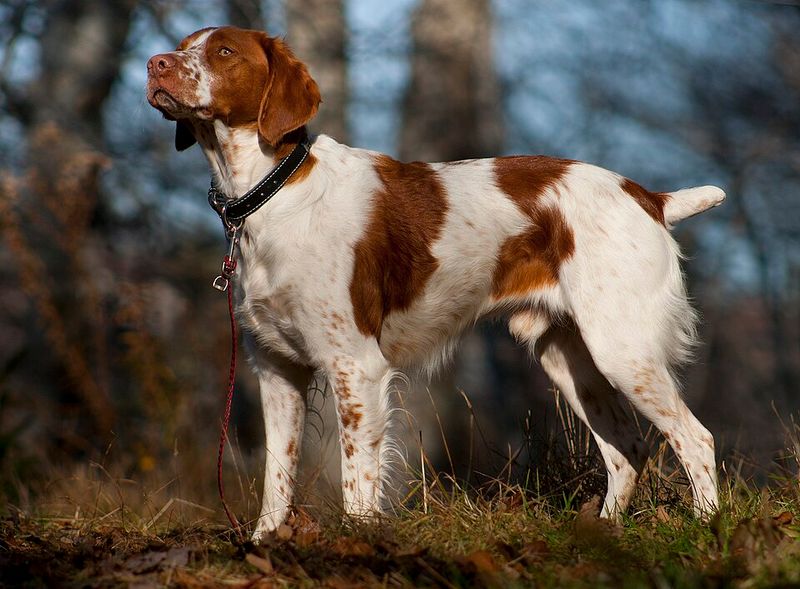
Small but mighty, the Brittany hops into new fields or campgrounds ready to work. French hunters prized this bird dog for its quick learning and cool focus.
Brittanys bond tightly with their people, so being left alone somewhere new can unsettle them. Too little exercise also leads to restless behavior.
Plan active outings, stay close during new experiences, and you will see a sharp, steady partner.
Boston Terrier
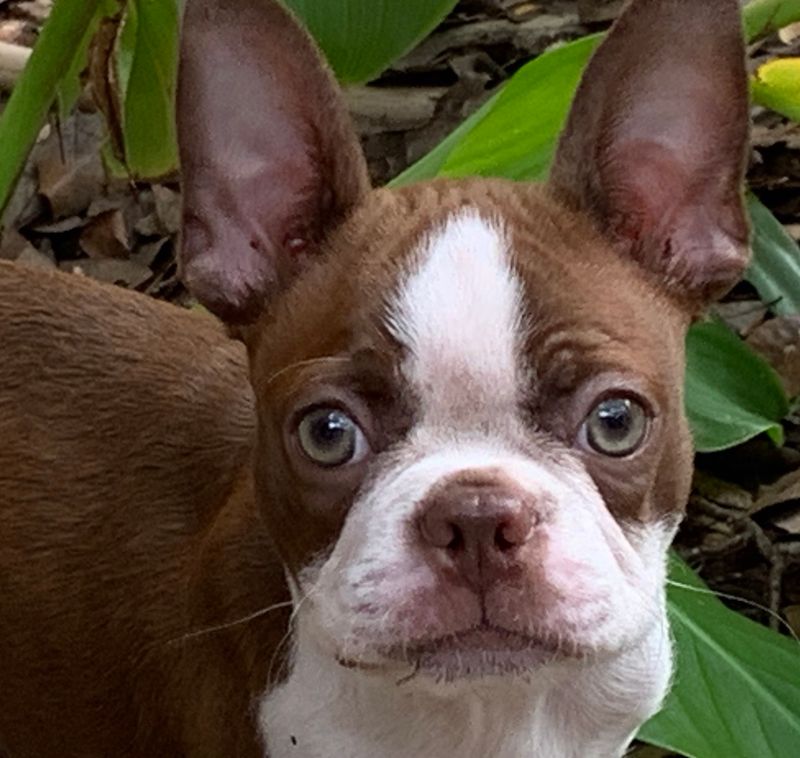
Nicknamed the American Gentleman, the Boston Terrier rides buses, visits cafes, and meets strangers with a friendly tuxedo-wearing charm.
Its short snout is the hidden limit. Hot weather, long walks, or exciting chaos can make breathing hard, and stress builds fast.
Watch for loud snorting or slowing down. Bring water, avoid midday heat, and offer cool shade so this dapper buddy stays comfortable and composed.