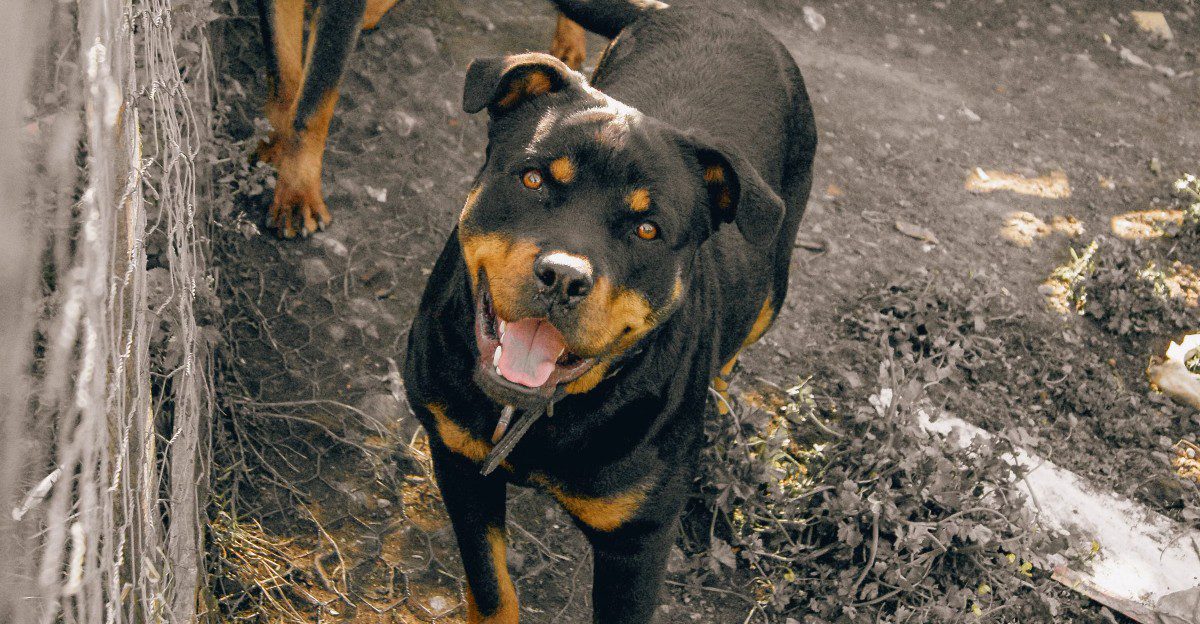
Some dogs can sleep through thunder but wake up the second a food bag crinkles in the kitchen. That tiny rustle is like a concert ticket to them, and they come running with wagging tails and hopeful eyes.
Knowing which breeds go wild for snacks can help you plan training, feeding, and even where you hide the treats. Here are the pups most likely to treat snack time like a parade.
Labrador Retriever
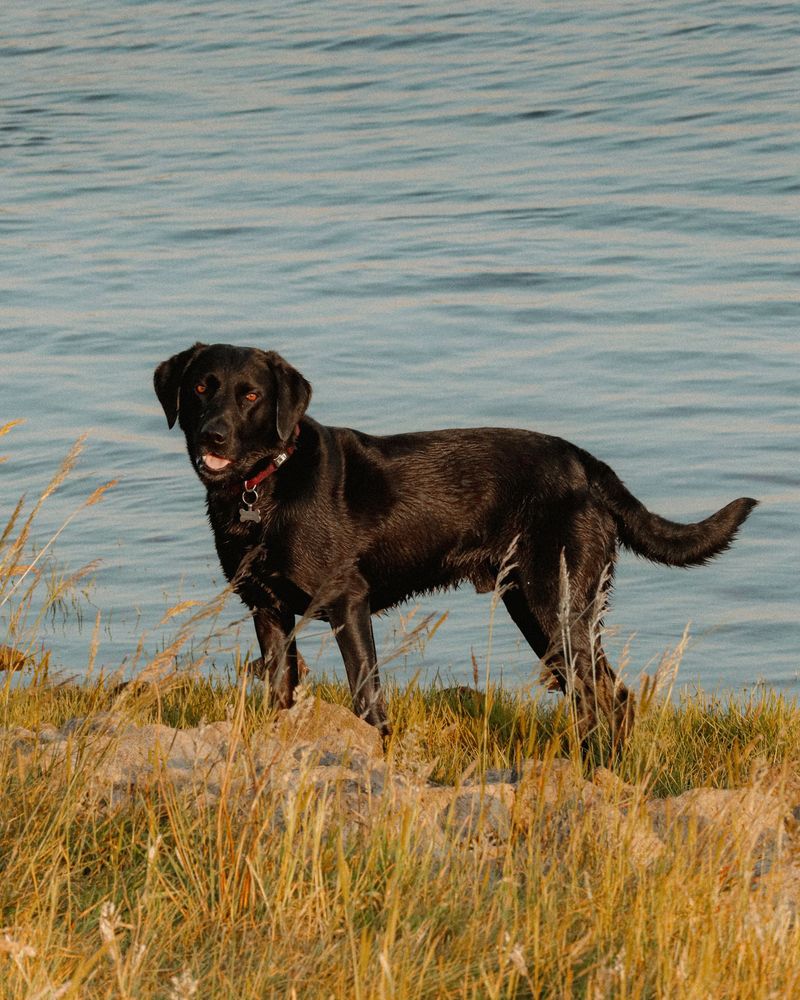
Ask any Lab owner and they will tell you the same story. One crinkle from the pantry and a 70-pound dog appears out of nowhere, drooling politely.
Scientists actually found that many Labs carry a gene change linked to constant hunger. That explains a lot!
Use that drive for training, since Labs learn fast for kibble rewards. Just measure meals carefully, because extra pounds sneak onto this breed very easily.
Beagle
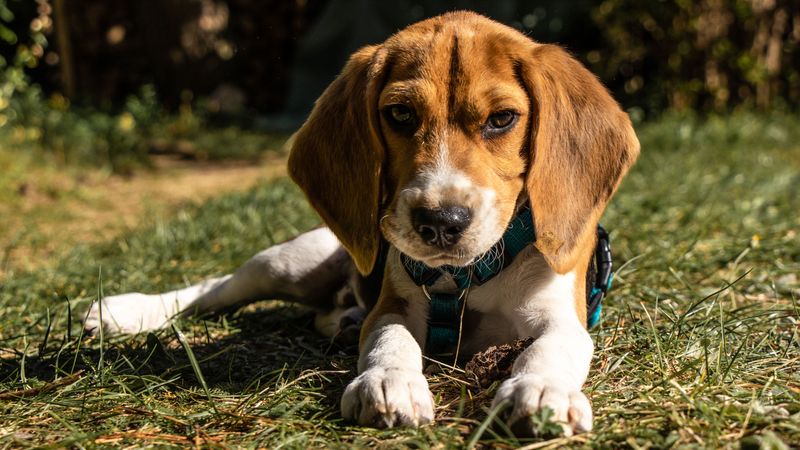
With a nose packing around 220 million scent receptors, the Beagle hears the bag and smells it before you even open it.
Hunters once used these little hounds to track rabbits for miles. Now they track granola bars hidden in backpacks.
Keep food in sealed bins with tight lids. A determined Beagle can nudge open cabinets and bags, so think like a sneaky detective and store snacks up high where noses cannot reach.
Pug
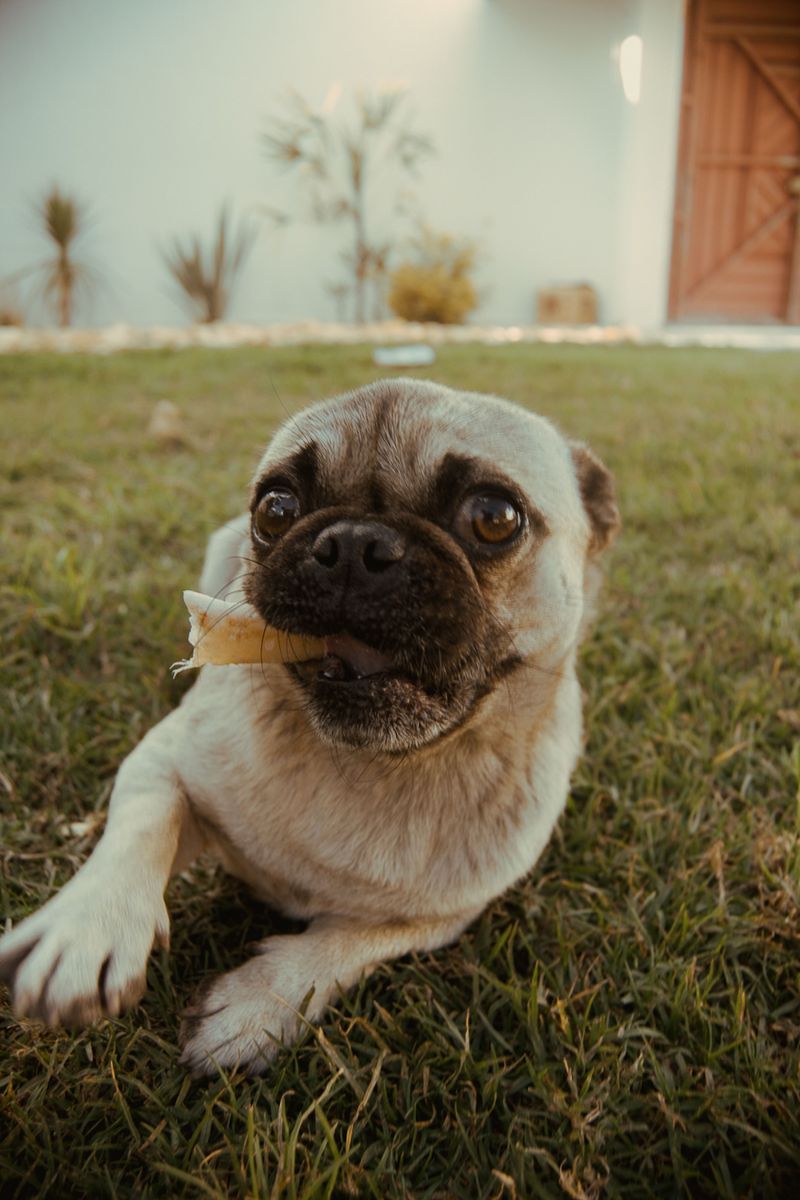
Picture a small, wrinkly potato doing a happy spin. That is a Pug the moment a treat bag rustles.
Bred to keep Chinese emperors company, Pugs have always enjoyed the finer things, like snacks and naps. Their excitement is loud, snorty, and totally adorable.
Because they gain weight quickly and have short snouts, too much food can make breathing harder. Try breaking treats into tiny pieces so every reward still feels like a party.
Basset Hound
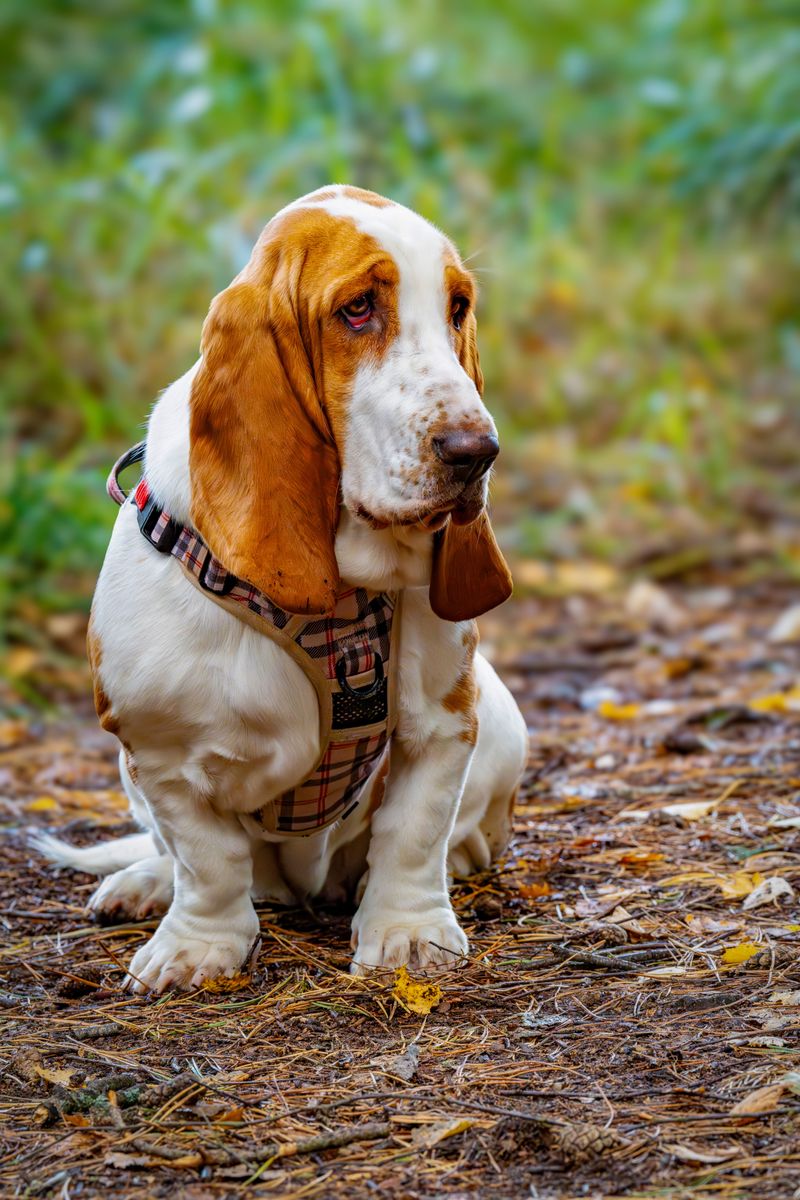
Slow on walks? Sure.
Slow when kibble hits the bowl? Never.
The Basset Hound might seem lazy most of the day, but the sound of food flips a switch. Those long ears even help sweep smells up toward the nose, an old trick from its French hunting days.
Bassets love food so much that gentle portion control matters. Puzzle feeders can stretch mealtime out and keep that clever hound brain busy for longer.
Dachshund
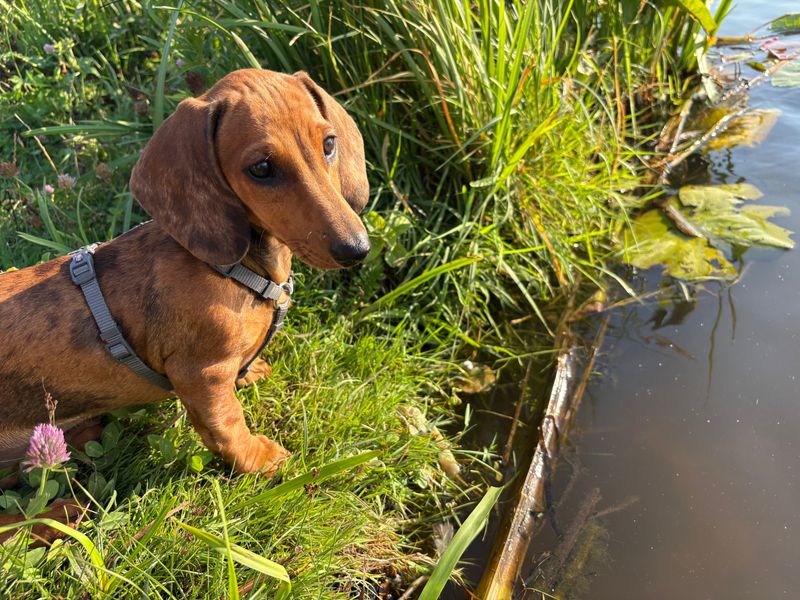
Tiny legs, giant opinions. A Dachshund will bark, beg, and stare like a little lawyer making its case for one more biscuit.
Fun fact: their name means badger dog in German, since they were bred to dig into burrows. That stubborn bravery now goes straight toward the snack drawer.
Protect that long back by avoiding extra weight. Teach a calm sit before treats so jumping on hind legs does not become a habit.
Golden Retriever
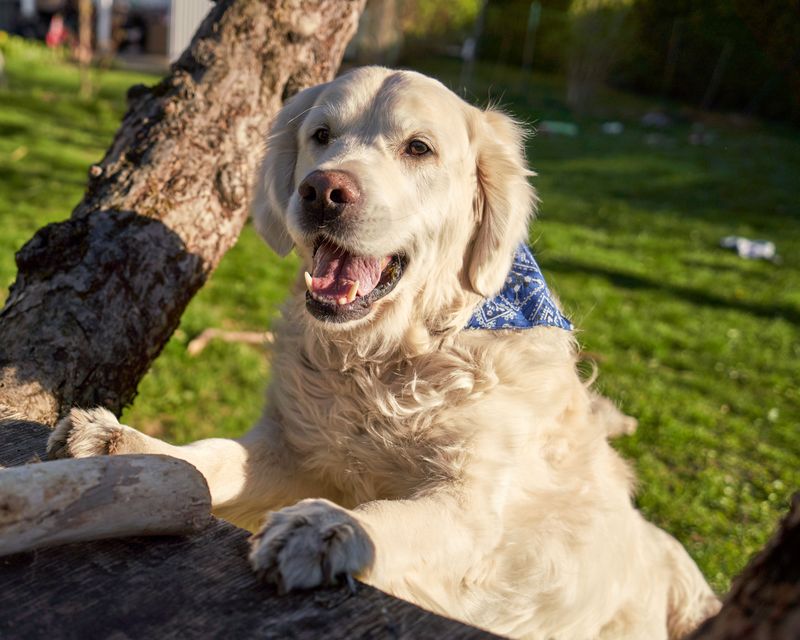
Sunshine in dog form gets even brighter when dinner is coming. Goldens greet the food bag with full-body wiggles and that famous goofy grin.
Originally bred in Scotland to fetch birds gently, they still carry things around proudly, sometimes even their own empty bowl as a hint.
Their eagerness to please makes treat training a joy. Mix in praise and toys as rewards too, so your Golden stays fit and happy.
Pembroke Welsh Corgi
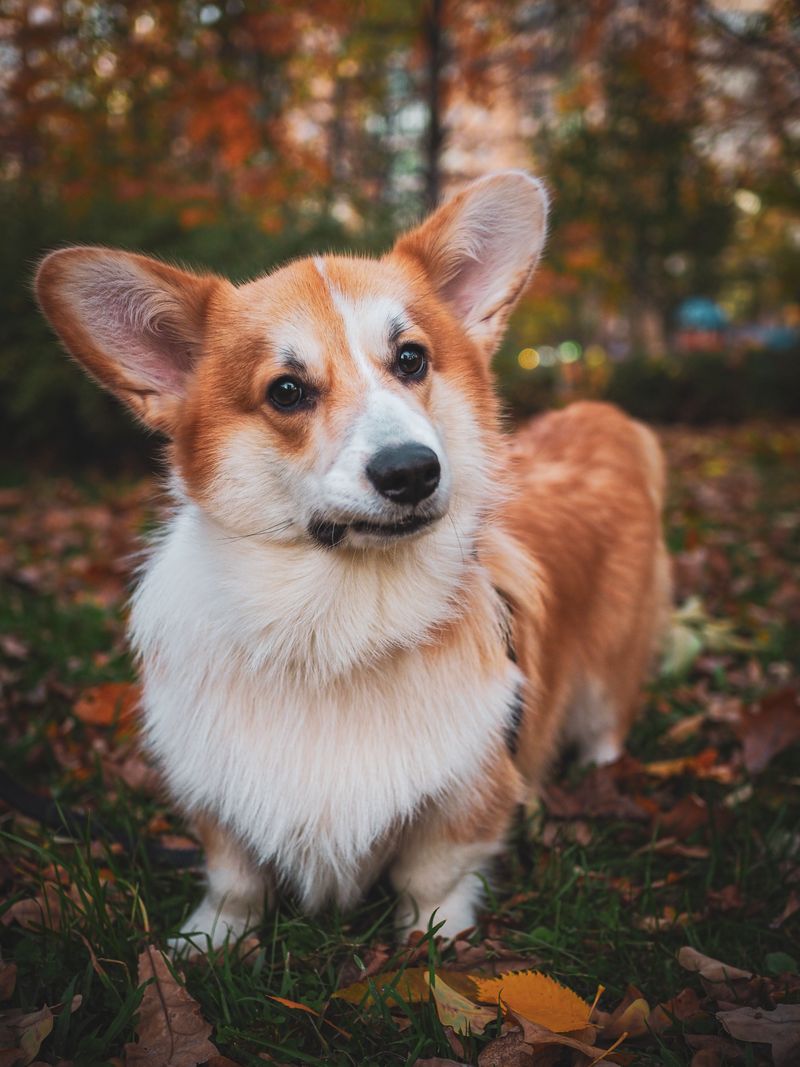
Herding cattle was the original job. Herding you toward the food bin is the new one.
Corgis are smart, bossy in the cutest way, and quick to learn exactly which cupboard holds the good stuff. Those big ears catch every crinkle from rooms away.
Short legs and a sturdy body mean extra snacks show up fast on the waistline. Daily walks and brain games help balance out their serious love of food.
Boxer
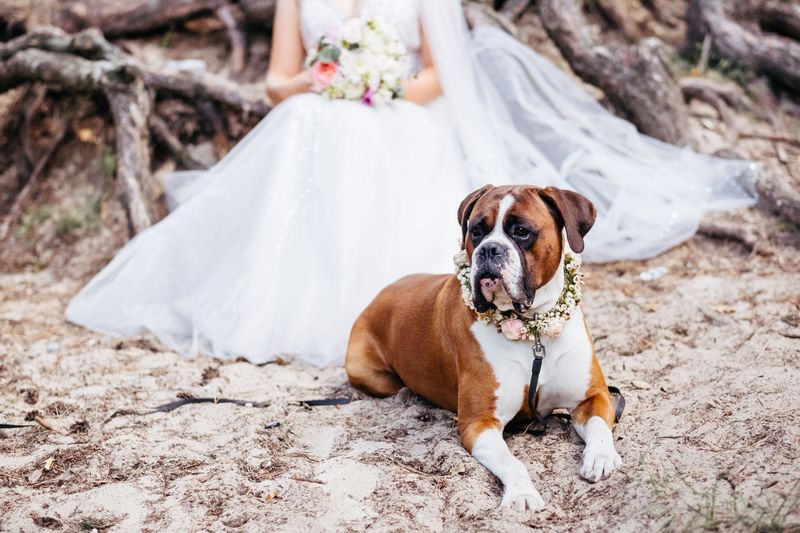
Some dogs walk to dinner. Boxers bounce!
Known for their springy kidney bean wiggle, Boxers turn a shaking treat bag into a full dance routine. Their name may even come from the way they swat with front paws during play.
All that energy needs an outlet, so pair food rewards with games like fetch or tug. A tired Boxer is a calmer Boxer, and much less likely to jump on the counter.
French Bulldog
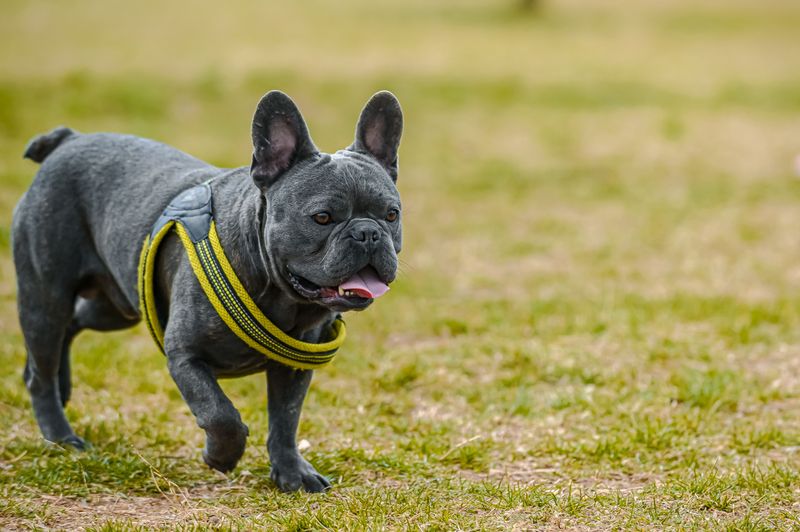
Head tilt, ears up, tiny snort. That is the Frenchie version of yelling dinner time!
These bat-eared city dogs adore snacks and their people in equal amounts. They are not big barkers, but they will follow the food bag like a shadow.
Like Pugs, Frenchies have flat faces, so keeping them slim helps them breathe and stay cool. Slow-feeder bowls can stop gulping and make meals last a bit longer.
Cocker Spaniel
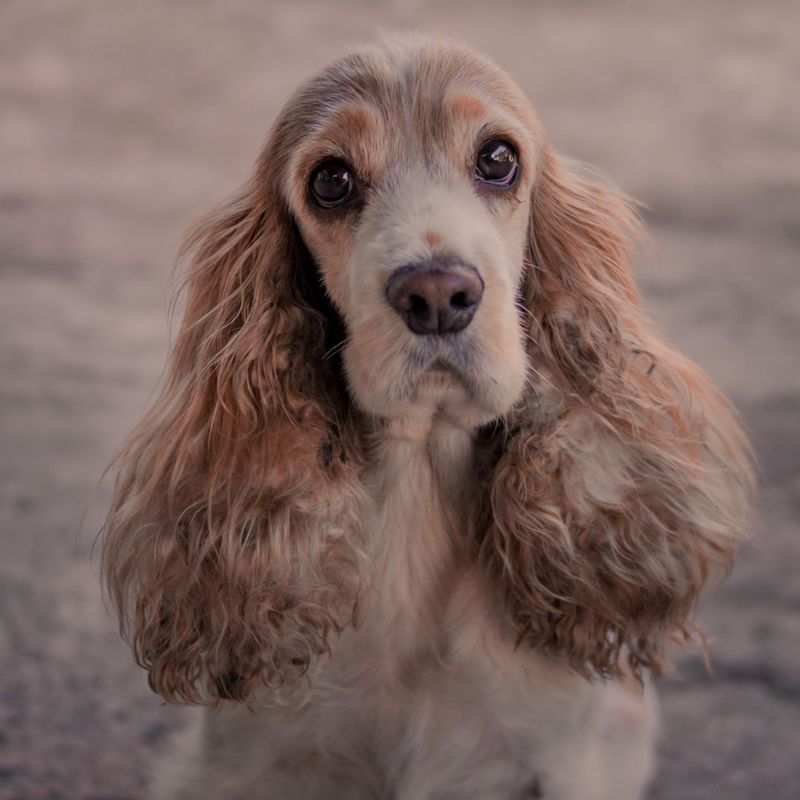
Those soulful eyes could convince anyone to share a sandwich. Cocker Spaniels are experts at the sweet, pleading look.
Once bred to flush woodcock birds, they still have sharp senses and quick feet. Hearing the treat bag sends them trotting over with silky ears swinging.
Food-loving Cockers do great with reward-based training. Keep their long ears out of the bowl, though, or you may find gravy where it does not belong.
Rottweiler
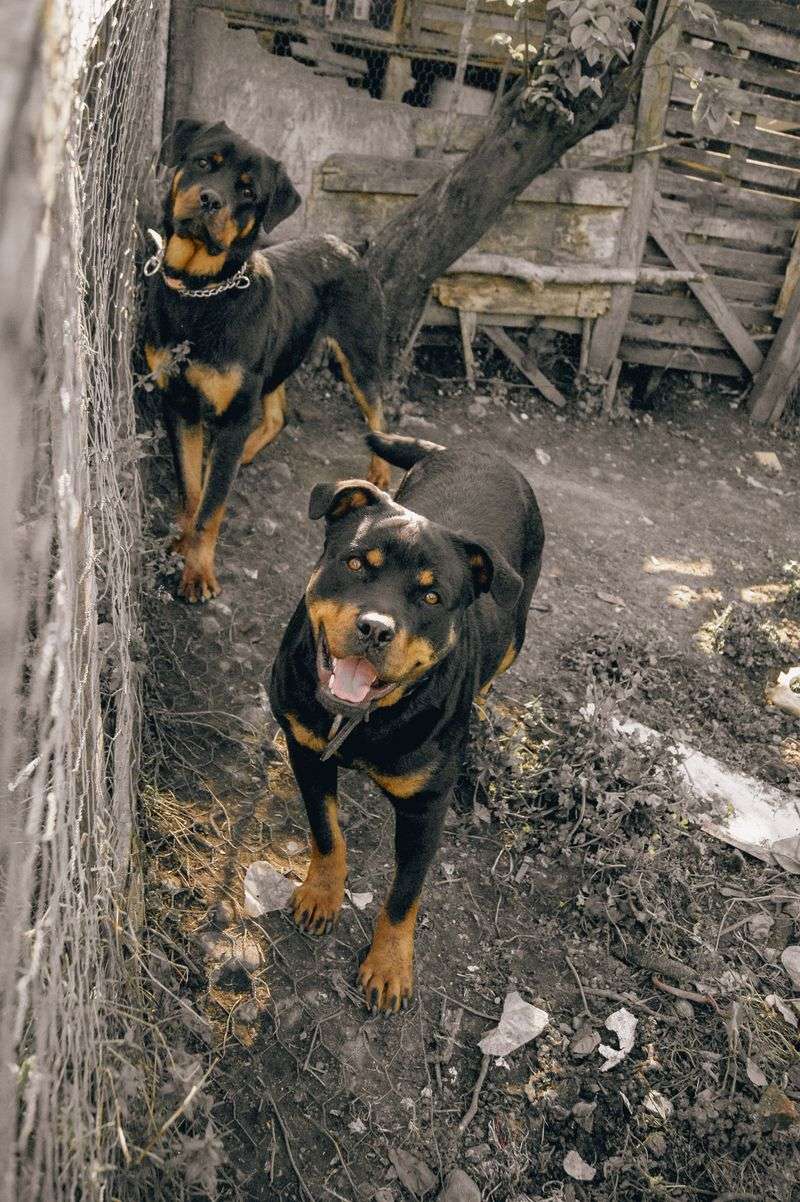
Big, tough, and secretly a softie when snacks appear. Many Rottweiler owners laugh at how this powerful guard dog melts at a crinkle.
Back in Roman times, their ancestors herded cattle and guarded supplies. Today they guard the treat jar with equal care.
Because they are so strong, teaching good food manners early is key. Practice wait and leave it commands so mealtime stays polite instead of turning into a wrestling match.
Boston Terrier
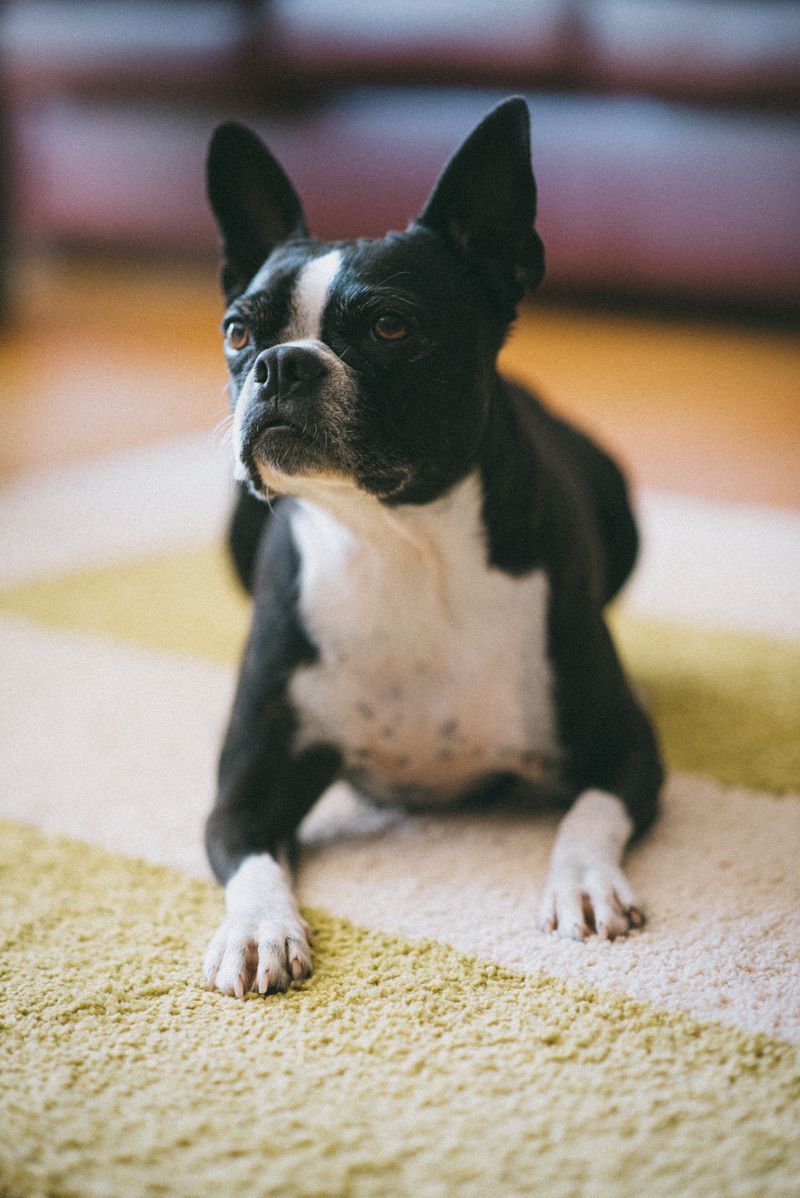
Dressed in a little tuxedo coat, the Boston Terrier treats every snack like a fancy dinner party.
Nicknamed the American Gentleman, this breed is polite most of the time. Rustle a bag of chews, though, and suddenly you have a spinning, snorting ball of joy.
Bostons can get gassy with rich treats, so stick to simple, healthy options. Your nose and your pup will both thank you later!