
Thinking about a family dog? Some breeds are stunning, smart, and lovable, yet their energy or intensity can overwhelm kids.
Before you fall for a cute face, learn which dogs demand major training, exercise, and structure. A little honesty now can save a lot of stress later.
Akita
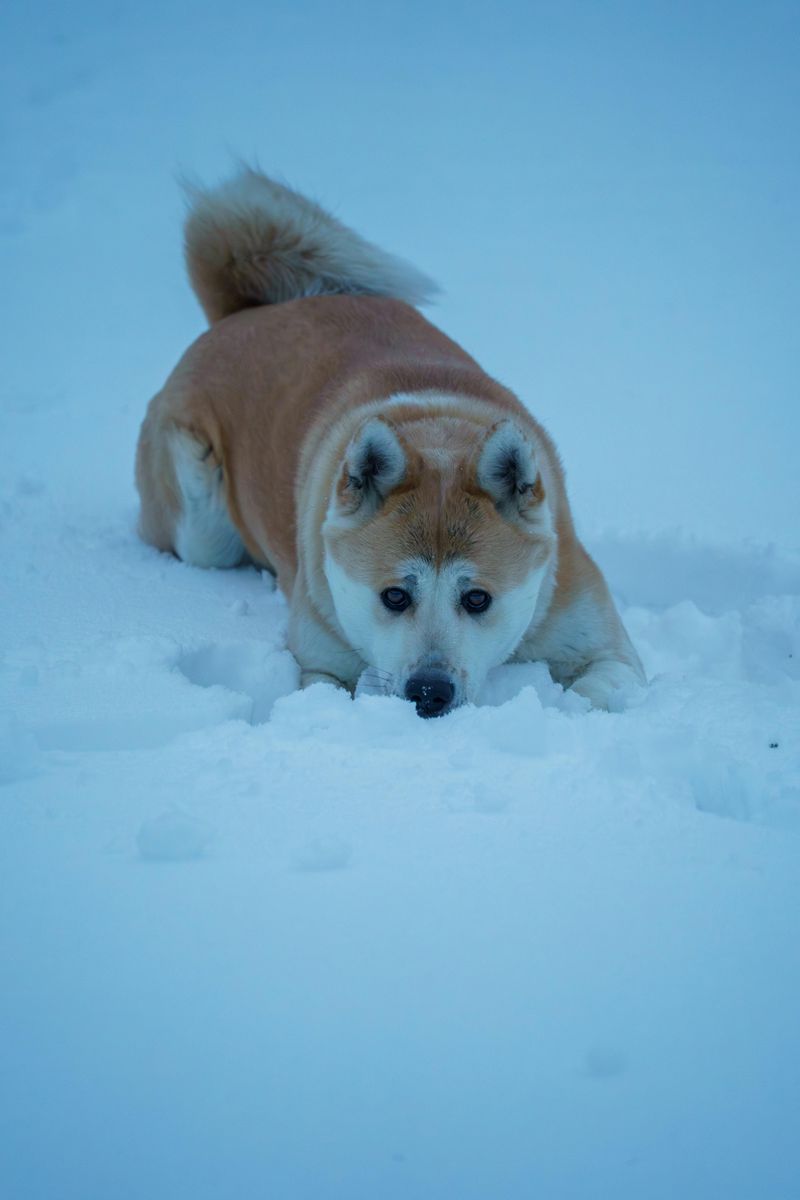
Akitas are majestic and loyal, but their intensity can overwhelm many families. Bred as powerful guardians, they tend to be suspicious of strangers and may not tolerate rough play from kids.
Their strong prey drive and same sex aggression require confident handling, structured training, and vigilant supervision.
Daily exercise is not optional, and mental work matters just as much. Without clear boundaries, an Akita can become pushy, mouthy, and stubborn, which is scary around small children.
If you love their look, be honest about time, training consistency, and the ability to manage a large dog safely. Respect and routine help, yet this is a breed that thrives with experienced owners, not busy households hoping for an easy companion.
Chow Chow
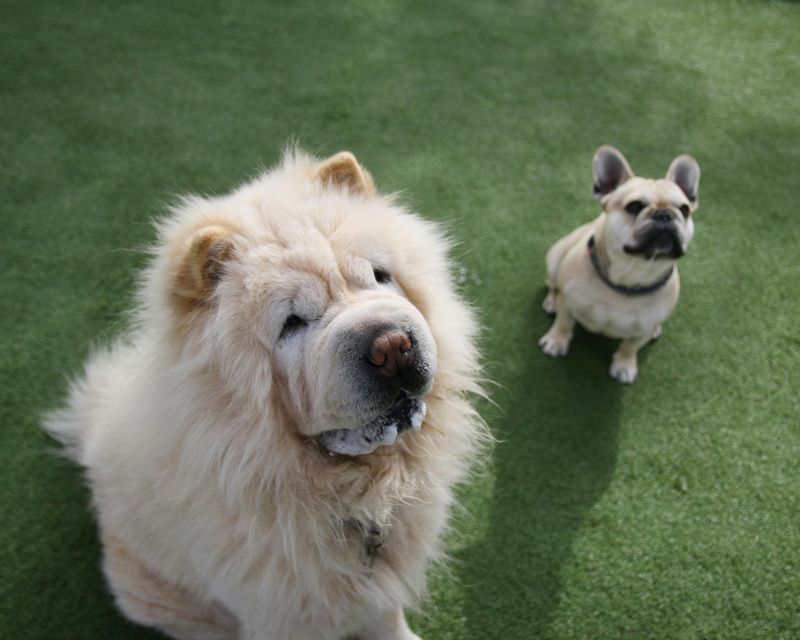
Chow Chows look like living teddy bears, yet their temperament is famously aloof. They are independent, catlike dogs that dislike chaotic environments and clingy handling.
Protective instincts can flare when kids run, shout, or hug, so clear rules and calm supervision are essential from day one.
This breed needs thorough socialization and firm, fair training to prevent resource guarding. Grooming demands are huge, with dense coats that mat quickly and shed heavily.
When boundaries slip, a Chow may ignore cues or escalate quickly, which is risky around children. If you appreciate quiet dignity over cuddly chaos, a Chow Chow fits best with adults who respect space, invest in training, and can keep daily life structured, predictable, and low stress.
Basenji
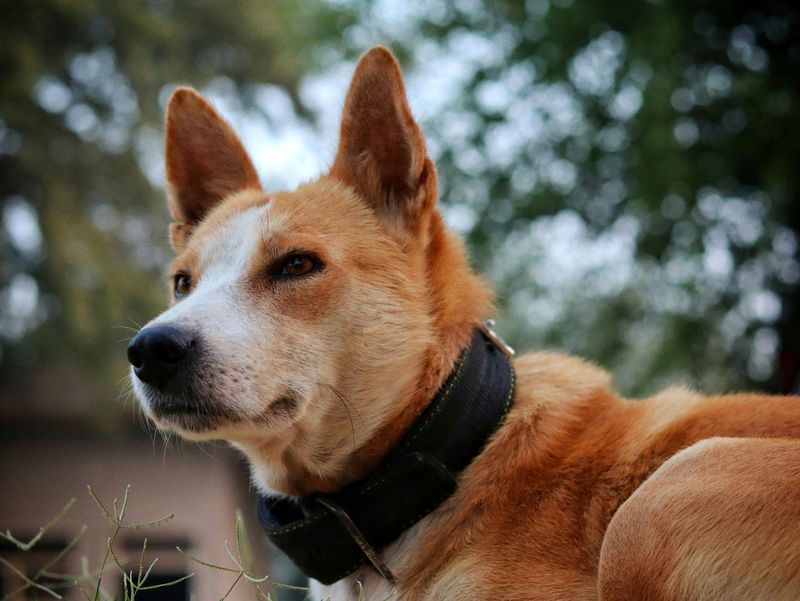
Basenjis are clever, athletic, and famously quiet, but that silence hides nonstop curiosity. They climb, squeeze, and chew with catlike agility, testing baby gates and patience.
Without daily outlets, a Basenji invents mischief, which can collide with toys, crayons, and half closed doors in a busy home.
Training requires creativity, because repetition bores them fast. They bond strongly yet prefer independence, so grabby affection from kids can backfire.
High prey drive means small pets may be chased, and fast backyard escapes are common. If you enjoy puzzle games, secure fencing, and brisk walks, you might redirect their spark.
Otherwise, expect a wily trickster that needs vigilant management, consistent structure, and plenty of mental challenges to stay sweet.
Afghan Hound
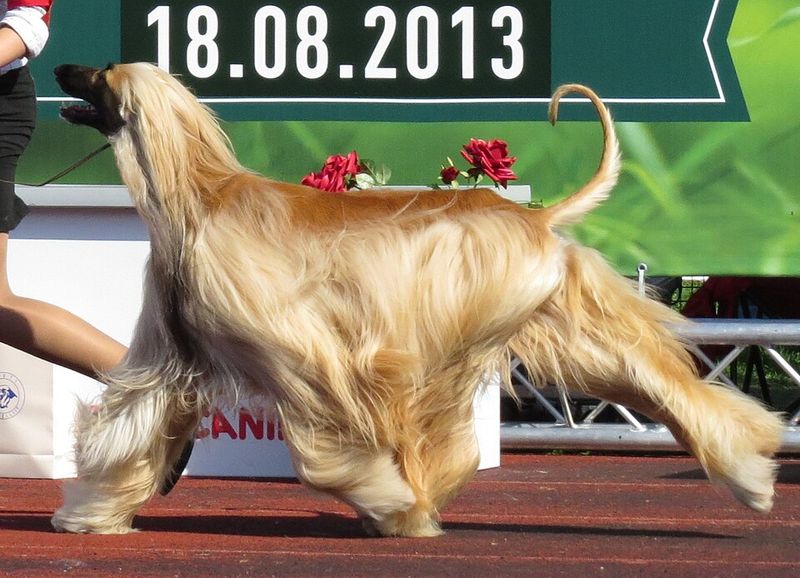
Afghan Hounds are graceful sprinters with aristocratic minds. They are sensitive, stylish, and stubborn, which frustrates households seeking instant obedience.
Their silky coat requires hours of careful grooming, and zoomy bursts outside can topple small children if manners are not trained consistently.
This breed values calm environments and respectful touch. Rough play or unpredictable noise can shut them down or make them bolt.
Recall is notoriously unreliable without long line practice and high value rewards. Families who love their beauty must commit to patient training, secure yards, and regular professional grooming.
If you want a glamorous companion, be ready to trade cuddly chaos for structure, gentle engagement, and distance when needed, so trust grows on their terms.
Shiba Inu
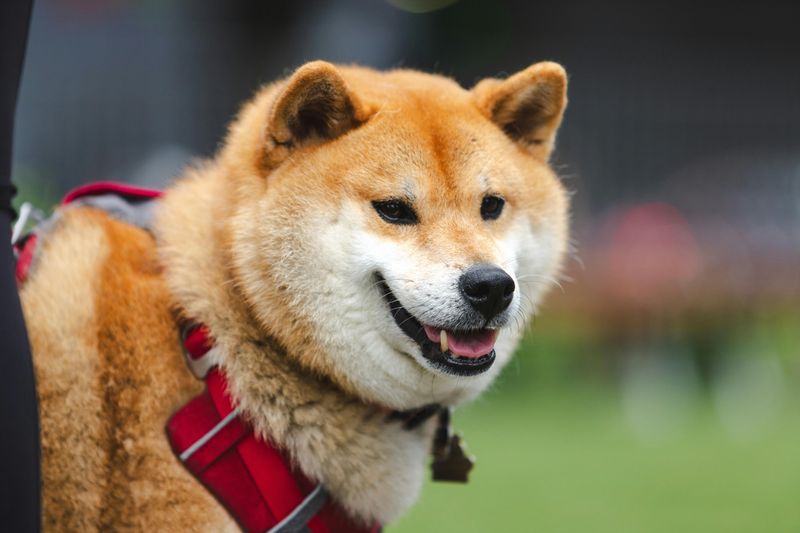
Shiba Inus are adorable and bold, packed with confidence that often spills into stubbornness. Many dislike being grabbed, dressed, or cuddled roughly, which children naturally try.
That famous Shiba scream can erupt during nail trims, vet visits, or surprise hugs, making careful desensitization a must from puppyhood.
They are clever escape artists and will bolt through doors if impulse control slides. Prey drive is strong, so cats and small pets may feel hunted.
Training must be upbeat, consistent, and brief to keep motivation high. A tired Shiba is delightful, but boredom breeds sass, resource guarding, and nippy protest.
Choose this breed if you can give structure, patient socialization, and secure management every single day without fail.
Dalmatian
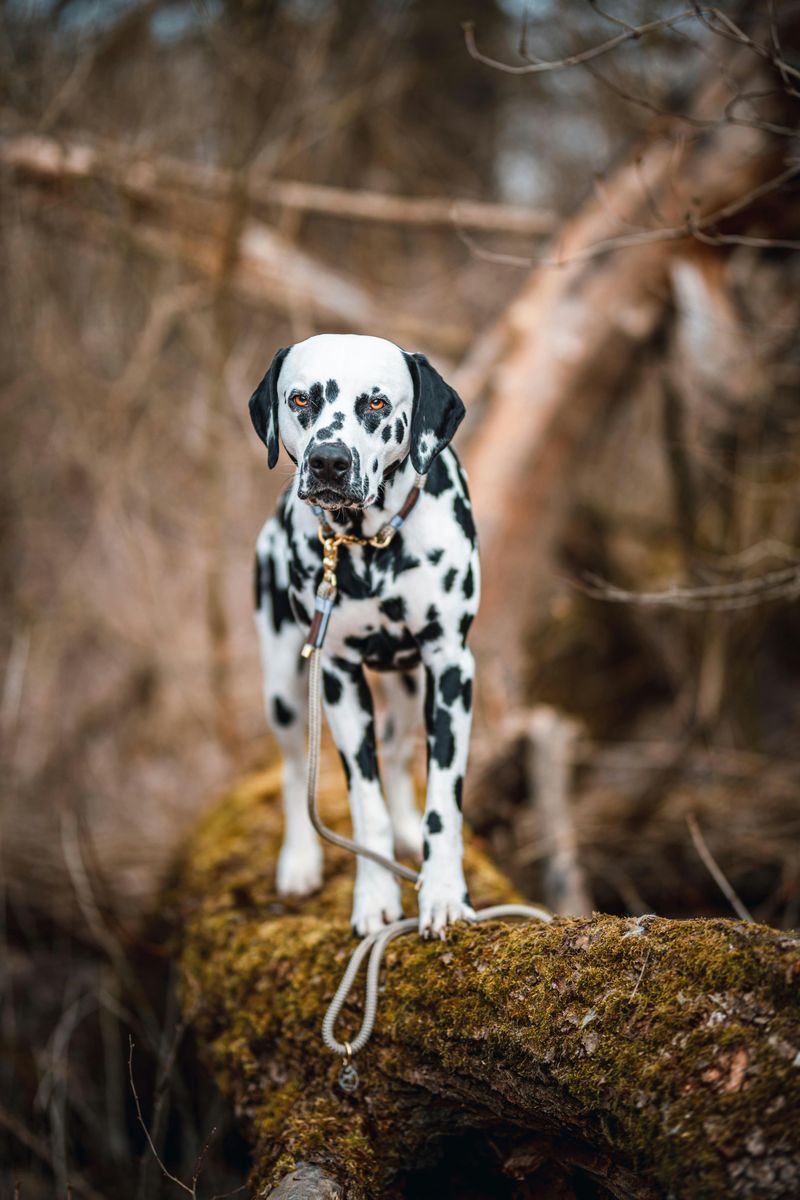
Dalmatians are eye catching athletes with stamina that rarely quits. Historically bred to trot with horses, they crave long runs, games, and jobs, not casual laps on the couch.
Without exercise and structure, they invent chaos, which can collide with scooters, snacks, and siblings sprinting through hallways.
They shed heavily year round and may be noise sensitive. Some lines can be aloof or reactive without broad socialization.
Training must channel energy into scent work, running, or agility to prevent jumping and nipping. Families pressed for time often struggle, and kids get bounced when play ramps up.
If you love the spots, plan daily workouts, patient training, hearing checks when needed, and clear rules to keep everyone safe.
Jack Russell Terrier
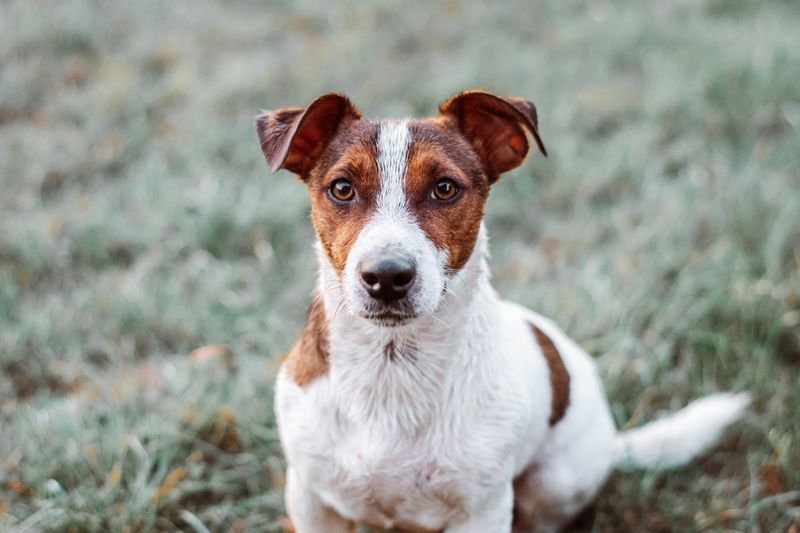
Jack Russell Terriers are pocket rockets with opinions. Originally bred to work all day, they drill into couch cushions, dig flower beds, and turn fetch into marathons.
That intensity paired with sharp minds means boredom leads to barking, nipping, and spring loaded leaps that can topple toddlers.
They excel with goals like agility or scent work, not lazy weekends. Firm, upbeat training with lots of reward rotation helps channel the spark.
Prey drive is substantial, so hamsters and backyard birds are at risk. Expect to supervise constantly, rotate toys, and gate off resting areas.
If your family truly loves high energy projects, this little dynamo can shine, but busy households wanting chill vibes will feel overwhelmed quickly.
Siberian Husky
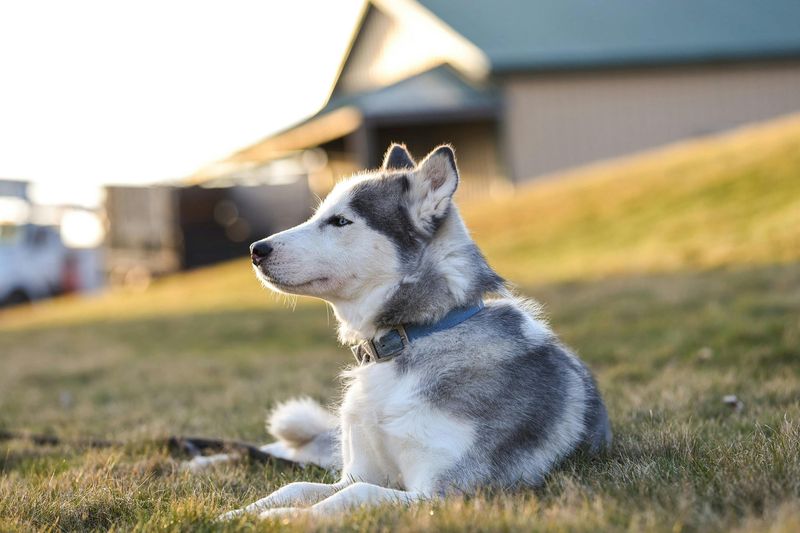
Siberian Huskies are gorgeous and goofy, but they are built for pulling sleds over miles. That translates to nonstop stamina, loud opinions, and creative escapes.
Many love everyone, which is sweet, yet it also means kids can get knocked over when play turns snow day frenzy.
They shed in blizzards and sing the song of their people when bored. Secure fencing is mandatory, and leashes matter because prey drive is real.
Training must make cooperation more fun than mischief. Give structured runs, flirt pole games, and puzzle feeders, or expect craters in the yard.
If you want a friendly clown, be ready to manage volume, fur, and motion every single day, especially with younger children.
Alaskan Malamute
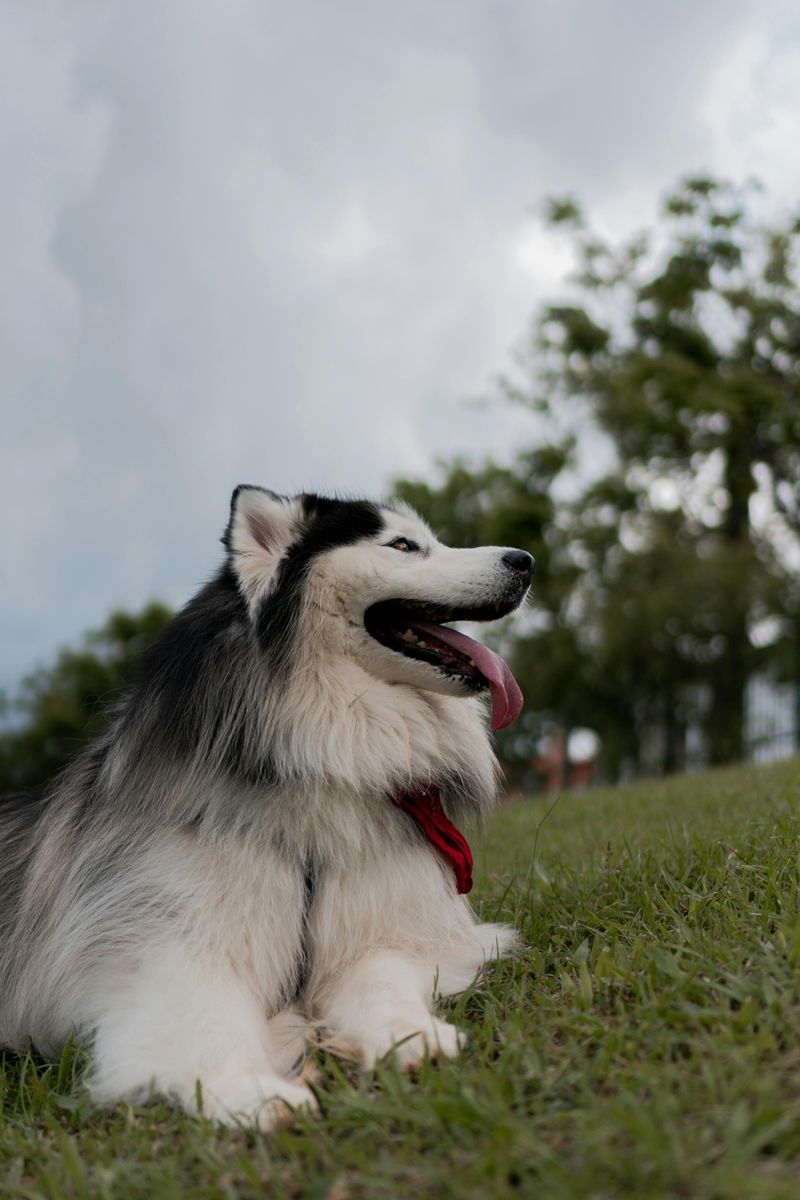
Alaskan Malamutes are powerful freight haulers with hearts of gold and bodies like bulldozers. They play big, pull hard, and dig cooling pits deep enough to lose flip flops.
Friendly with people, they still overwhelm kids when enthusiasm surges, and roughhousing can escalate without clear rules and supervision.
Coats blow like snowstorms, and strong prey drive makes off leash freedom risky. They need heavy exercise, sledding substitutes, and firm leash skills to curb pulling.
Without jobs, a Malamute remodels the yard and sings complaints. Families must commit to training, grooming, and secure fencing.
Choose this breed if you love outdoor adventures and can guide strength with structure, patience, and outlets, not if you want a casual couch buddy.
Belgian Malinois
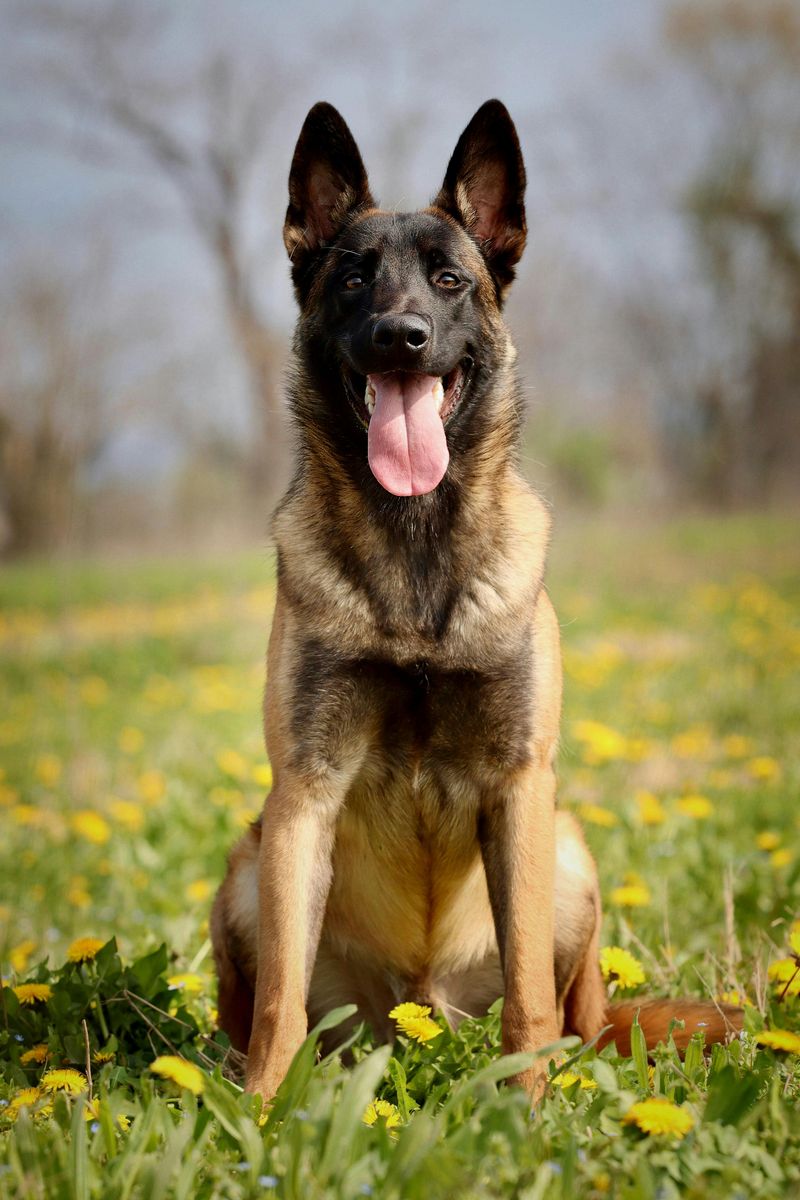
Belgian Malinois are elite working dogs wired for motion and focus. Police and sport handlers spend hours daily channeling that drive, which is beyond most families.
Without demanding training and bite safe games, a Malinois can target sleeves, heels, and toys in ways that frighten kids.
Mental work matters as much as sprints. They crave tasks like tracking, obedience, and protection sport, not sitcom marathons.
Sharp, sensitive, and vocal, they need structure from confident hands. Skipping exercise invites frantic pacing, destruction, and explosive frustration.
If you dream of this breed, budget serious time, expert guidance, and secure management. With the right program they shine, but busy homes with children usually benefit from calmer, lower maintenance companions.
Weimaraner
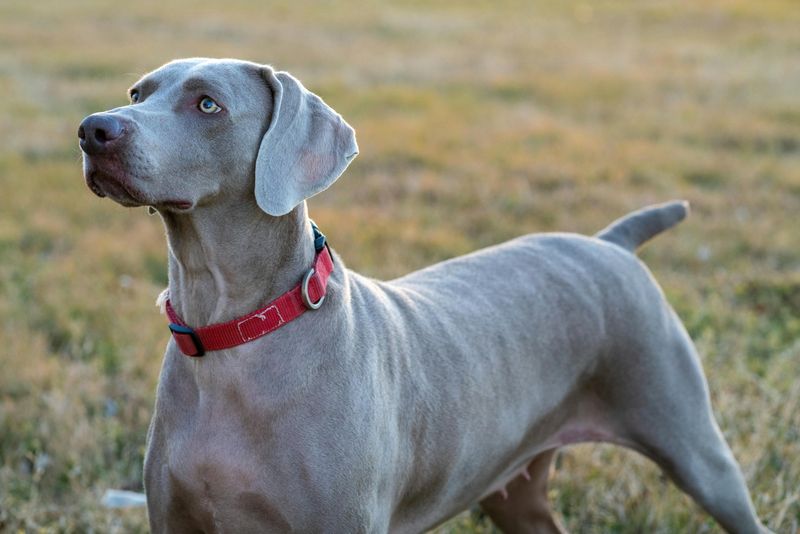
Weimaraners are sleek, sensitive athletes bred to run and hunt alongside humans. They bond intensely and hate being left out, which can turn into separation anxiety, chewing, and door scratching.
Their exuberant greetings, pogo jumps, and mouthy play can scare kids unless impulse control is trained patiently.
They need long daily exercise and brain games like tracking or retrieving. Harsh corrections backfire, while kind structure and routine build confidence.
Without outlets, a Weimaraner may counter surf, whine, and redecorate the yard. Expect crate training, leashed runs, and consistent boundaries.
If your family loves active adventures, this breed can be rewarding, but tired adults must lead the program. Otherwise, the gray ghost turns unruly, loud, and overwhelming fast.
Cane Corso
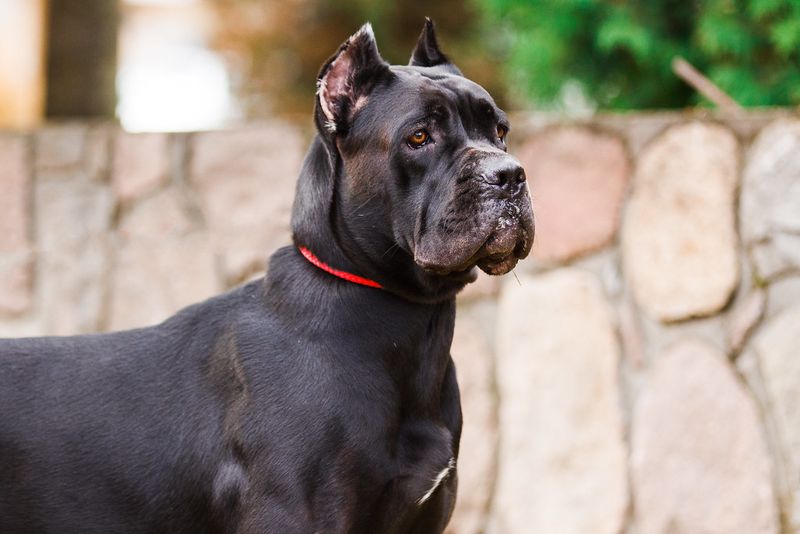
Cane Corsos are imposing guardians that crave confident leadership and steady routines. Their size, jaw strength, and protectiveness demand early socialization and ongoing training.
While many adore their families, they may not tolerate chaotic visitors or grabby playdates, which can be stressful in kid centered homes.
Daily exercise, impulse control games, and structured obedience are essential. Sloppy boundaries invite pushiness, body blocking, and resource guarding.
Because they mature slowly, adolescent power surges last months and require calm, consistent handling. Expect to manage introductions, supervise constantly, and invest in professional guidance.
Choose this breed only if adults can commit to training and safety. For most families, a smaller, softer tempered dog is the kinder, easier match.