
Ever wondered why some dogs seem to befriend every creature they meet, from skittish cats to backyard goats? The secret is in temperament, training, and a little choreography that turns curiosity into calm.
With the right cues, many breeds can become gentle ambassadors who help your whole household feel safer. Let’s explore the dogs that often forge surprisingly strong relationships with other animals and how you can support those bonds.
Golden Retriever
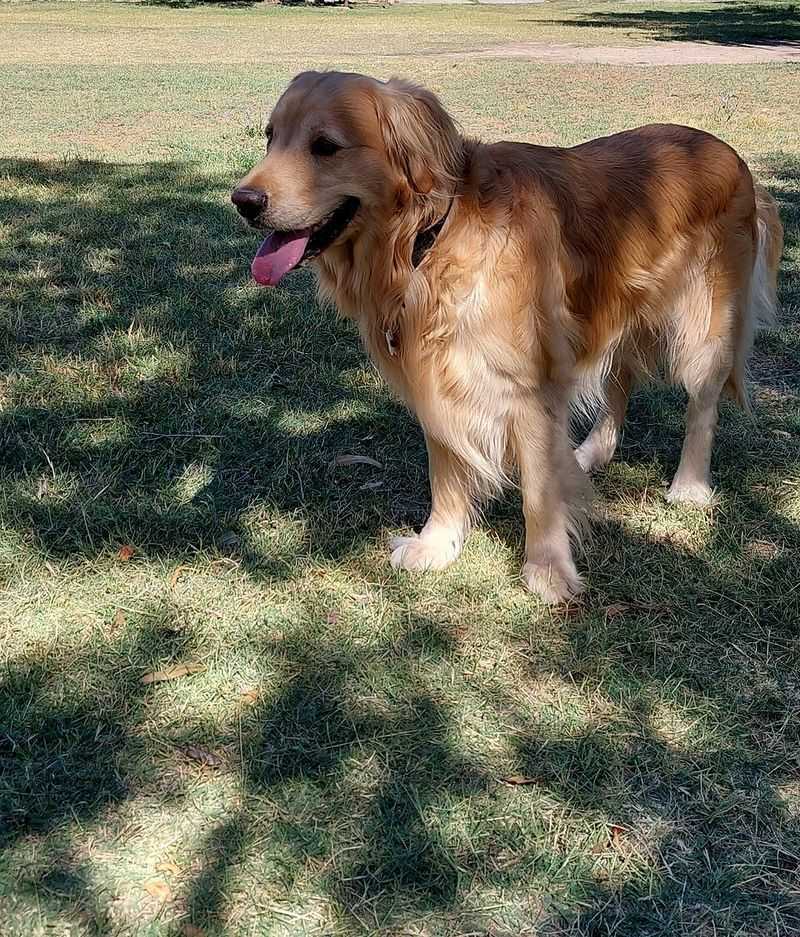
Golden Retrievers have a famously gentle approach that puts other animals at ease right away. Their patient mouths and soft eyes communicate calm, which helps skittish cats, rabbits, and even backyard chickens feel safe.
You will notice they prefer to watch and mirror rather than rush, building trust one small greeting at a time. Consistent routines make them shine because predictability reduces misunderstandings.
Introduce new friends with a barrier first, then reward relaxed sniffing and quiet curiosity. Goldens are toy sharers, so a gentle game across a gate helps everyone succeed.
If you manage energy with walks and brain games, they offer steady, friendly focus. With livestock, they do best supervising calmly.
Your guidance turns their big heart into dependable interspecies harmony.
Labrador Retriever
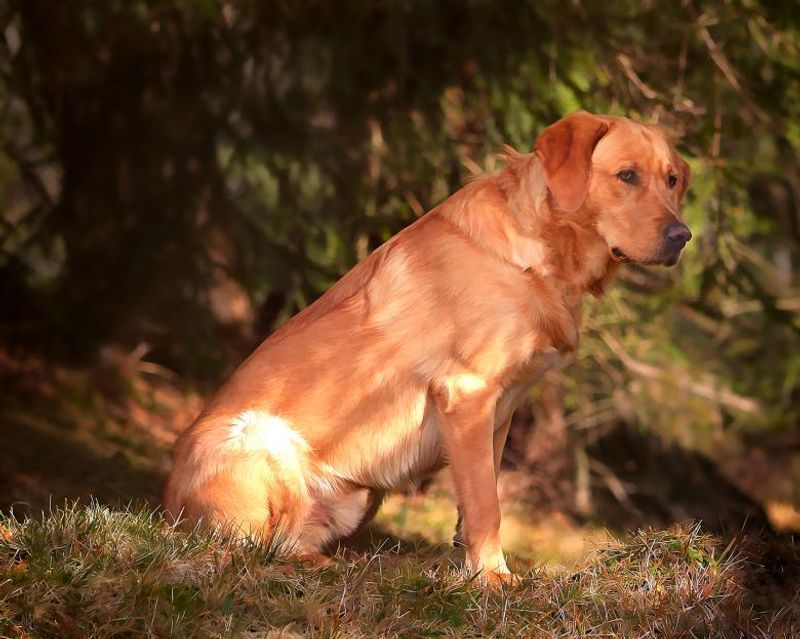
Labrador Retrievers greet life like a friendly neighbor, which helps them connect across species quickly. Their food motivation can be your secret tool for building calm, positive first meetings with cats, goats, or ducks.
Because they read body language well, they often adjust pressure by taking a step back or lowering their head. That self control creates room for curiosity instead of conflict.
Start with parallel walking near a fence to bleed off excitement, then let gentle sniff exchanges happen. Keep treats tiny and frequent to reward stillness and soft eyes.
If your Lab gets bouncy, reset with a sit and a breath. With smaller animals, use place mats to define space.
Their good nature blossoms when structure and kindness show up together.
Beagle
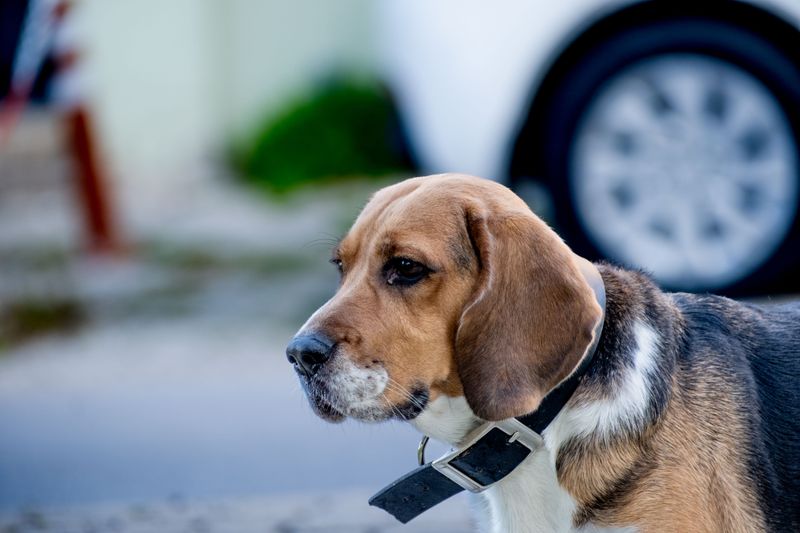
Beagles are nose led diplomats that collect information before they decide how to interact. That investigative style can comfort shy species, because sniffing feels less intense than direct staring.
You will see them circle slowly, tails loose, comparing scents like a friendly detective. Their musical voices are part of the package, so teaching quiet on cue keeps introductions peaceful.
Give them scent based jobs, like searching for a cat’s blanket or a goat’s brush, before meeting the animal. That way the big mystery is smaller.
Reward nose taps and brief check ins, then encourage breaks. If excitement spikes, walk a few laps together.
Beagles thrive when their curiosity is honored and guided, turning potential chaos into trust.
Cavalier King Charles Spaniel
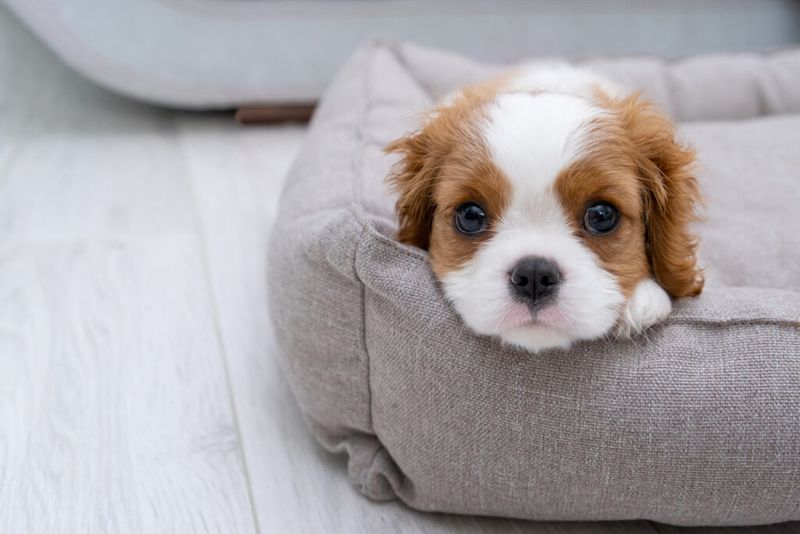
Cavaliers bring soft energy and warm eye contact that many animals find reassuring. Their small size and graceful movements keep pressure low, perfect for sensitive cats or nervous rescues.
You will notice gentle pauses and head tilts that invite a calmer conversation. Because they bond closely with people, your relaxed presence becomes a bridge that helps other species relax too.
Set up cozy, elevated perches for cats and safe zones for tiny animals so choices feel easy. Use slow blinking and quiet praise to reward calm interest.
Short sessions beat marathons, especially with sensitive buddies. Light play with a feather wand across a gate can build confidence.
Their tender nature flourishes when you keep things simple, patient, and kind.
Newfoundland
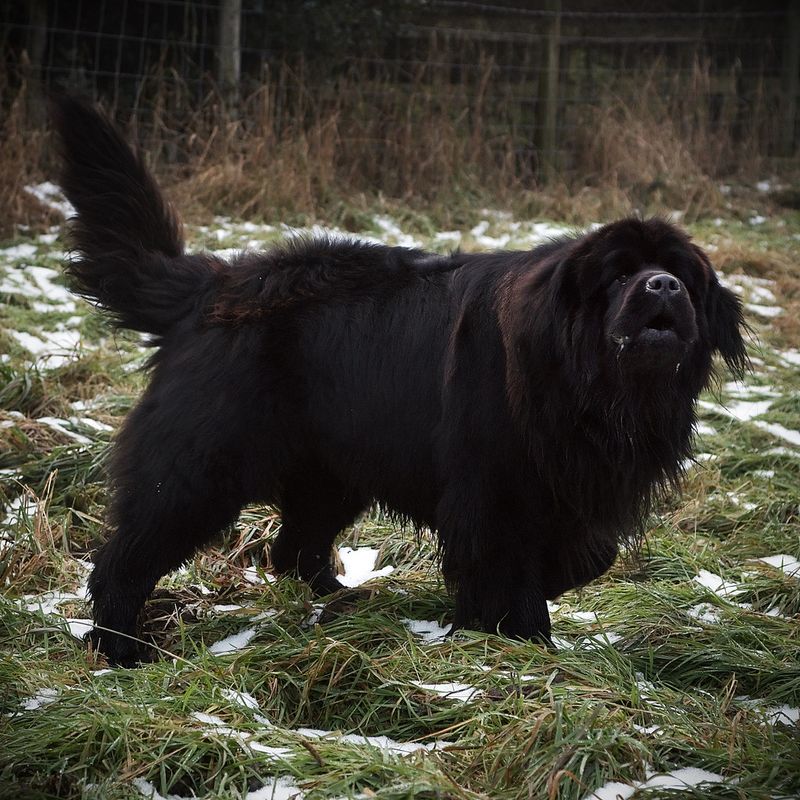
Newfoundlands meet the world like gentle giants, broadcasting safety with their slow tempo and deep calm. That presence steadies skittish barn animals and gives wary cats time to observe without panic.
You might see them lie down to shrink their silhouette, inviting curious approaches. Their water rescue heritage shows up as steady problem solving, which helps during awkward first impressions.
Use sturdy boundaries and a relaxed leash, then let smaller animals make the first move. Reward tiny moments, like a goat sniffing a paw or a cat settling nearby.
Keep sessions short to protect joints and attention. With poultry, supervise calmly and redirect any chasing to a retrieve toy.
Their bigness becomes comforting when you choreograph quiet, predictable rituals.
Havanese
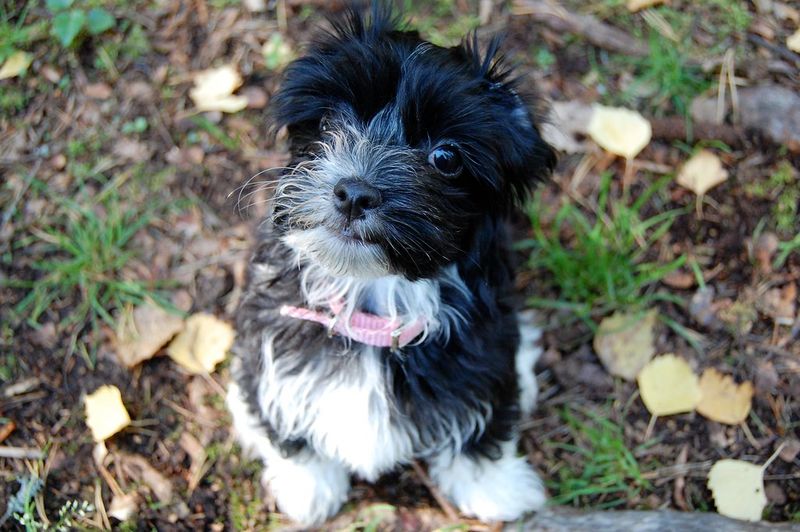
Havanese bring cheerful, springy manners that feel playful rather than pushy. Their velvety social skills translate across species because they check in often and respond to feedback quickly.
You will see loose tail wags and sideways approaches that reduce pressure. Many are natural mimics, so if you stay calm and curious, they copy the vibe and help nervous animals settle.
Pair introductions with trick games like touch, spin, or down, building focus while another animal watches from comfort. Reward eye contact breaks and easy sighs.
Short flirt pole play can drain energy before a meeting. For tiny friends, set ground rules with mats and tunnels.
Their sunny charm becomes a bridge when you coach gentle choices and celebrate micro wins.
Boxer
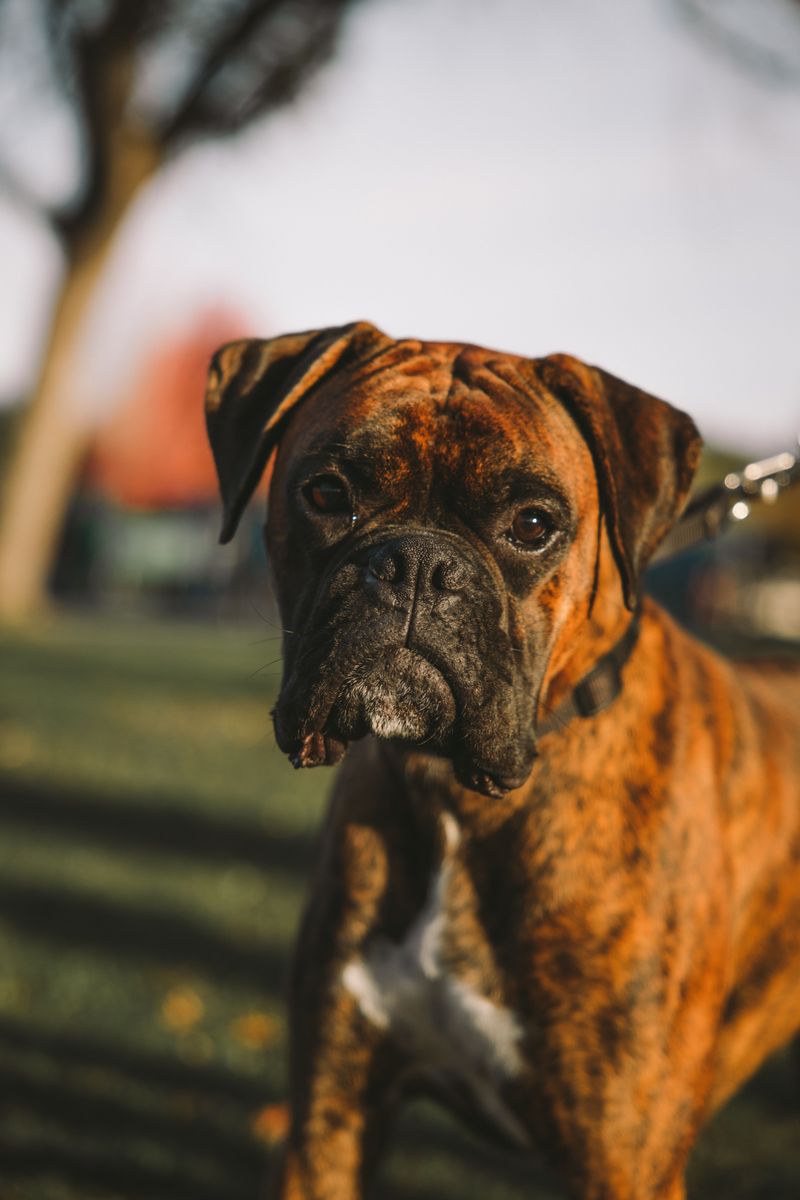
Boxers are big hearted clowns with expressive faces and bouncy greetings, which can read as a lot to sensitive animals. The good news is they learn impulse control quickly when you make it a game.
You will see gorgeous play bows and side wiggles that, channeled well, invite friendship. Their protective streak softens when clear jobs and routines give purpose.
Start with structured play separated by a barrier, like tug on one side while a goat snacks nearby. Reward four paws on the floor and quiet breaths.
If arousal spikes, switch to sniffing games. With cats, use slow motion fetch to keep arcs wide.
Boxers bloom when you praise thoughtful pauses, turning raw enthusiasm into safe, goofy companionship.
Cocker Spaniel
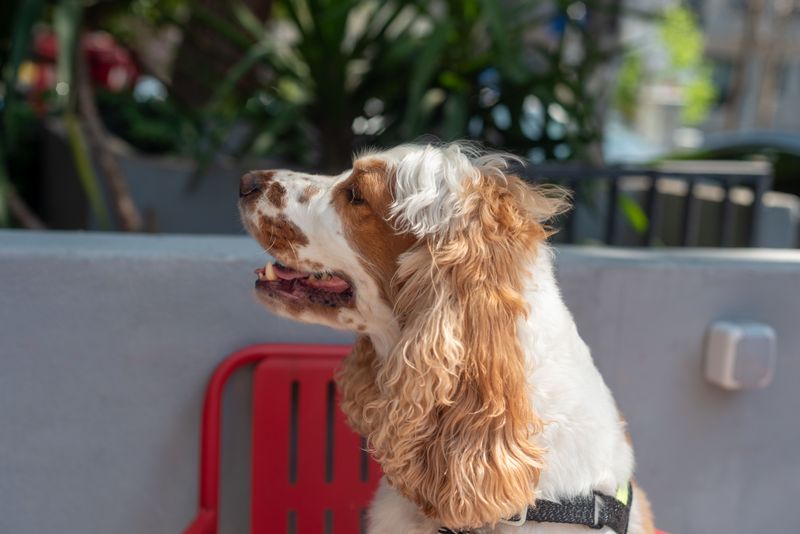
Cocker Spaniels are sensitive feelers with soft expressions and a desire to please, which can smooth tricky meetings. Their bird dog heritage gives them focus, yet their affection tempers intensity when you coach it.
You will notice tentative steps, ears forward, then melting into calm when reassurance lands. Because they love routines, consistent cues quickly translate to respectful cross species manners.
Use quiet sniffing games around covered cages or crates, paying for disengagement and soft eyes. Keep fur trimmed around eyes and ears so signals stay clear.
If prey drive peeks out, redirect to a retrieve or heel. With tiny pets, use low platforms and set stay.
Gentle structure lets their sweetness become a welcoming, dependable friendship.
Bichon Frise
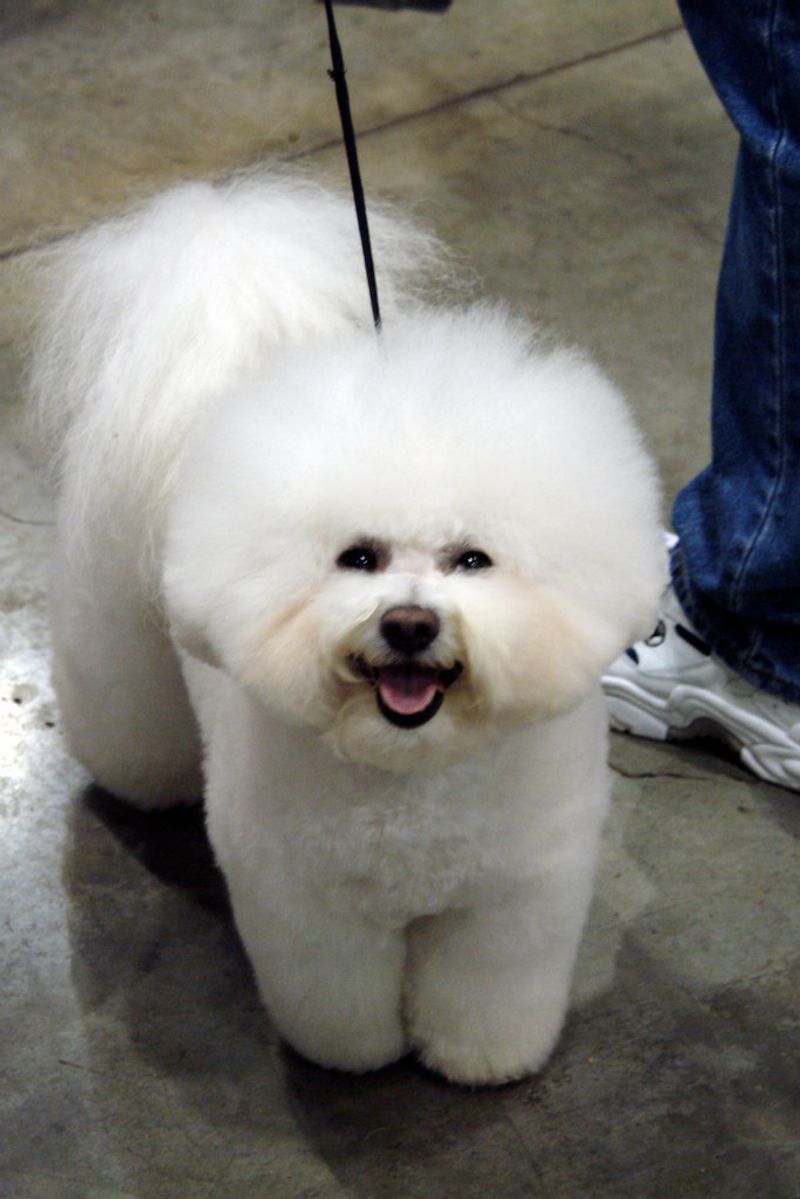
Bichon Frise charm with buoyant spirits and social curiosity, making them natural connectors in mixed animal homes. Their light step and playful wiggle read as friendly, not threatening.
You will see them offer brief sniffs, then bounce away to relieve pressure, which helps cautious animals follow. Regular grooming keeps eyes visible, so communication stays open and reassuring.
Stage meetings in bright, uncluttered spaces where escape routes are obvious. Reward quick check ins and calm retreating, not just engagement.
Use nosework boxes to take the edge off energy. With birds or small mammals, keep leashes light and timing gentle.
Their bubbly outlook turns into real trust when you celebrate tiny wins and let friendships grow slowly.
Bernese Mountain Dog
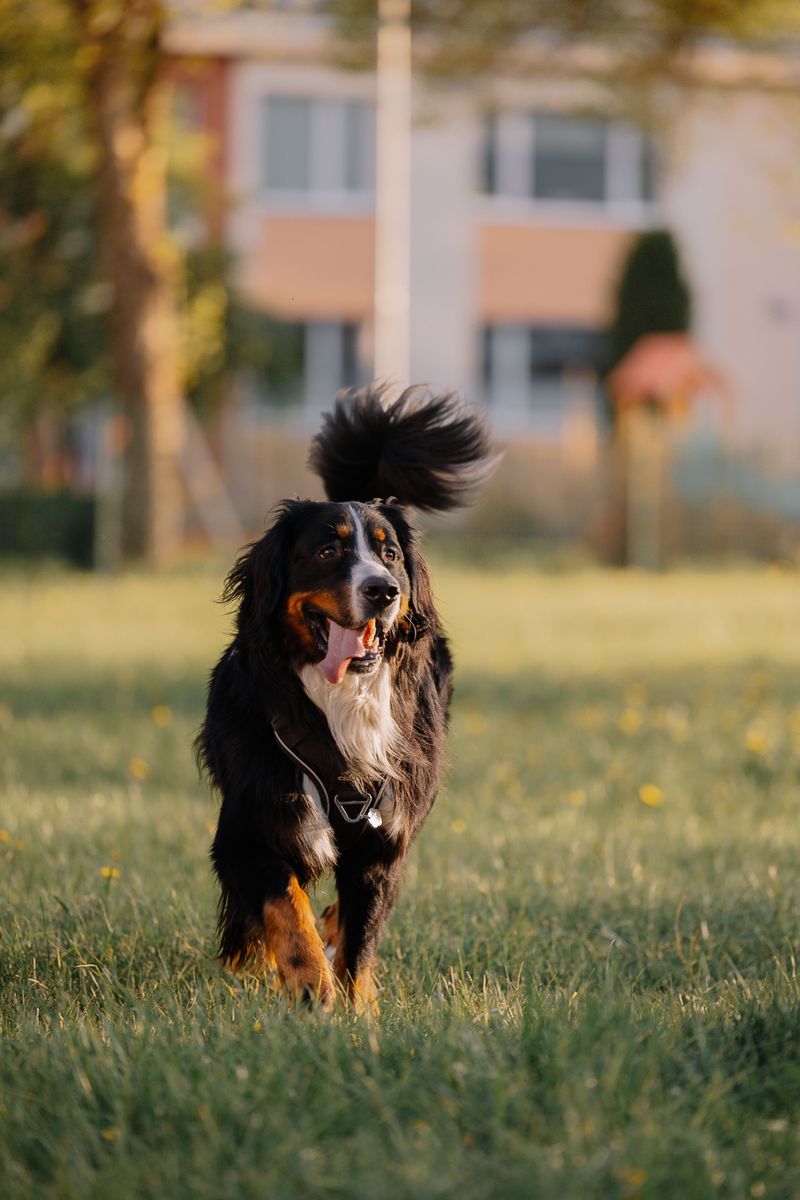
Bernese Mountain Dogs project steady kindness and patient eyes, which lowers the temperature in any introduction. Their large frames move thoughtfully when guided, helping wary animals read safety.
You may see them sit or lie down to look smaller, then offer a slow sniff. Their working heritage means they love a job, so give structure and watch confidence bloom.
Begin near a fence, letting other animals observe from control. Reward relaxed ears, soft blinks, and steady breathing.
Keep arousal low with heel patterns and hand targets. With livestock, supervise politely and prevent herding with clear cues.
When you pair their kindness with predictable routines, they become gentle anchors that other species trust and choose to approach.
Standard Poodle
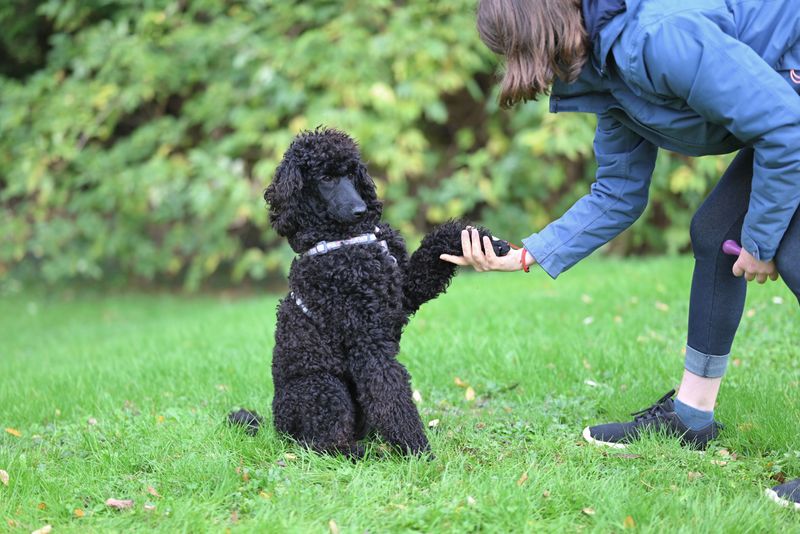
Standard Poodles are quick studies with elegant movement that rarely startles other animals. Their social intelligence shows in measured approaches, curious but polite.
You will notice them check back with you often, which keeps momentum slow and safe. Because they enjoy learning, shaping calm behaviors like chin rest or sustained down builds impressive interspecies confidence.
Practice cooperative care games near other animals, pairing touch with rewards and breaks. Use pattern games to regulate arousal.
For small pets, set a down stay on a mat and reinforce stillness. Introduce novelty items so surprises feel normal.
When you honor their brains and beauty with structure, Poodles become gracious ambassadors who help new friendships feel effortless. You will see calm melt into connection.
Collie
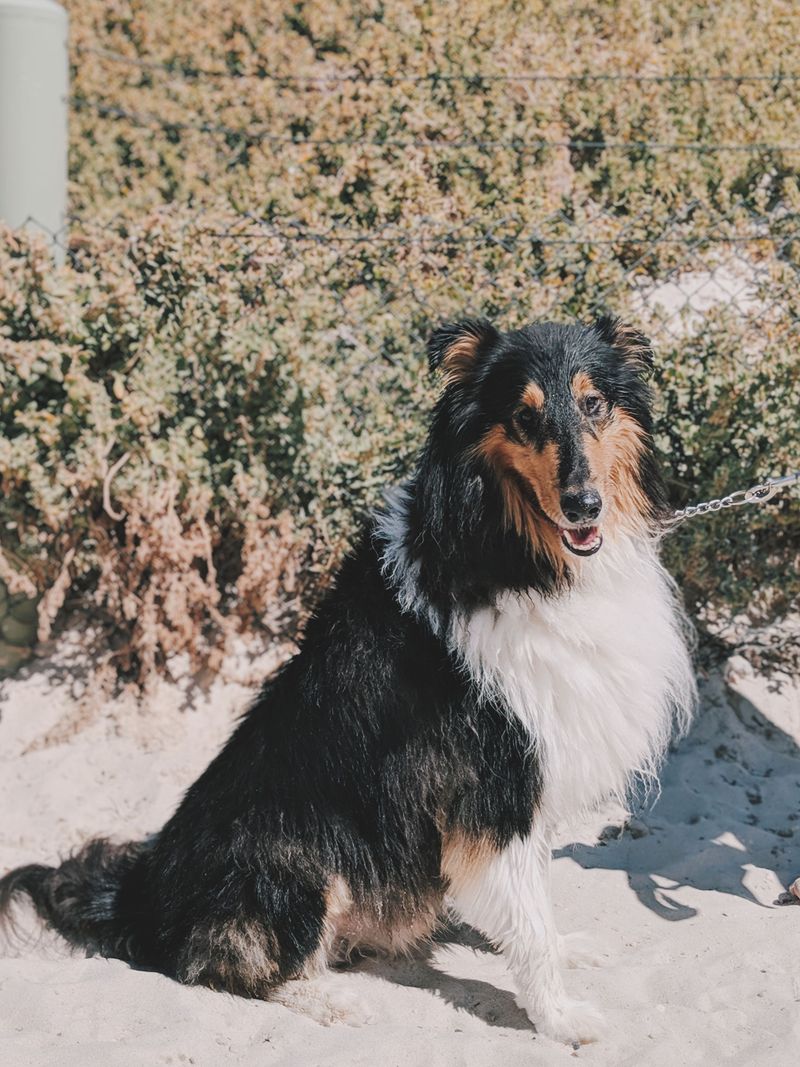
Collies are thoughtful observers with a natural tendency to manage space, which can soothe mixed species groups. Their flowing movement and vigilant eyes read the room and choose gentle angles.
You will notice them arc rather than charge, creating options for cautious animals. With guidance, that herding heritage becomes calm escorting, not chasing, and trust grows steadily.
Teach on off switches with place cues and easy downs before meetings. Reward pausing and looking to you.
For smaller animals, use long lines and wide arcs so everyone feels safe. If fixation appears, interrupt with pattern work and sniffing.
Collies shine when you give clear jobs, turning thoughtful sensitivity into peaceful, respectful cross species friendship. Gentle routines help curiosity replace worry.