
Some dogs handle quiet afternoons like champions, while others spiral the moment the door clicks shut. If your pup paces, whines, or chews when you leave, you are not alone.
Certain breeds feel absence deeply because they were bred to work closely with people. Here are the dogs that often struggle most, plus simple ways you can make solo time easier.
Labrador Retriever
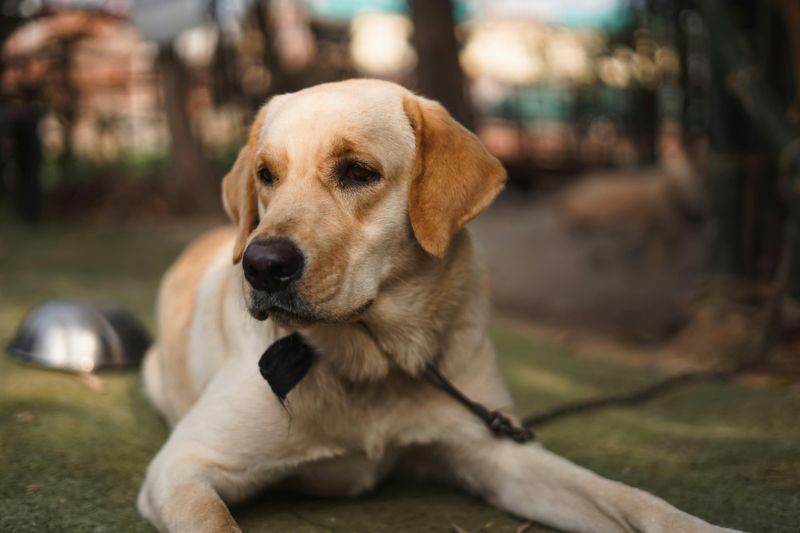
Labrador Retrievers are famously friendly, which is why solo time can feel tough. They crave companionship, routine, and jobs that work minds and bodies.
When bored or lonely, a Lab might bark, chew, or dig, not because they are bad, but because they are stressed and understimulated. You will notice shadow behavior at home and worried pacing when you prepare to leave.
Prevent problems with exercise, sniff walks, and short training games before departures. Food puzzles, frozen stuffed Kongs, and safe chew options give Labs a constructive outlet.
Gradually teach independence using baby gates, mat training, and calm exits that do not flood them. If your schedule is busy, consider a midday walker or daycare a few days each week to meet social needs.
Golden Retriever
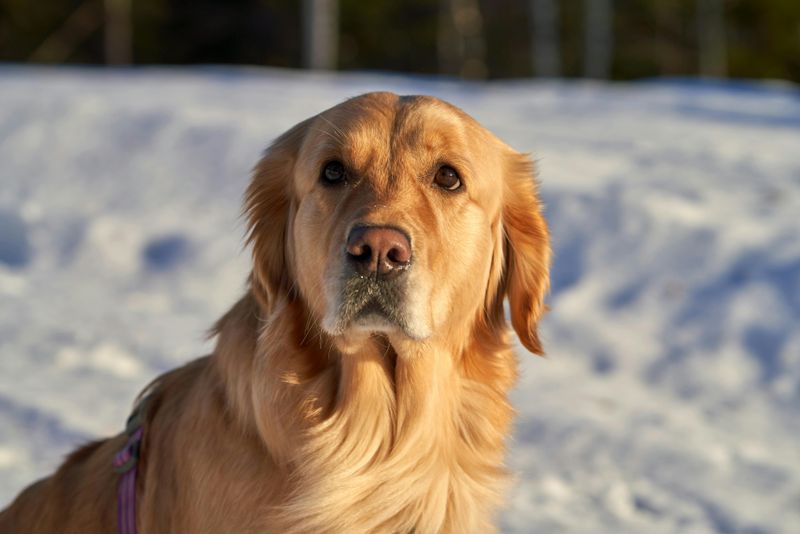
Golden Retrievers are gentle, people-focused companions that read your routines like a book. Because they bond deeply, long stretches alone can spark whining, door watching, and destructive chewing.
Many Goldens anticipate departures and become clingy when you grab keys or shoes. Sensitive by nature, they do best with predictable schedules and regular outlets for energy and affection.
Support your Golden with morning cardio, a sniffy walk, and ten minutes of training before leaving. Rotate food puzzles, snuffle mats, and safe chews to keep their mind busy.
Practice calm, brief separations while you remain at home, then slowly increase distance. If needed, recruit a trusted sitter, neighbor, or daycare a couple days per week, so your dog gets steady social contact and structured play.
Border Collie
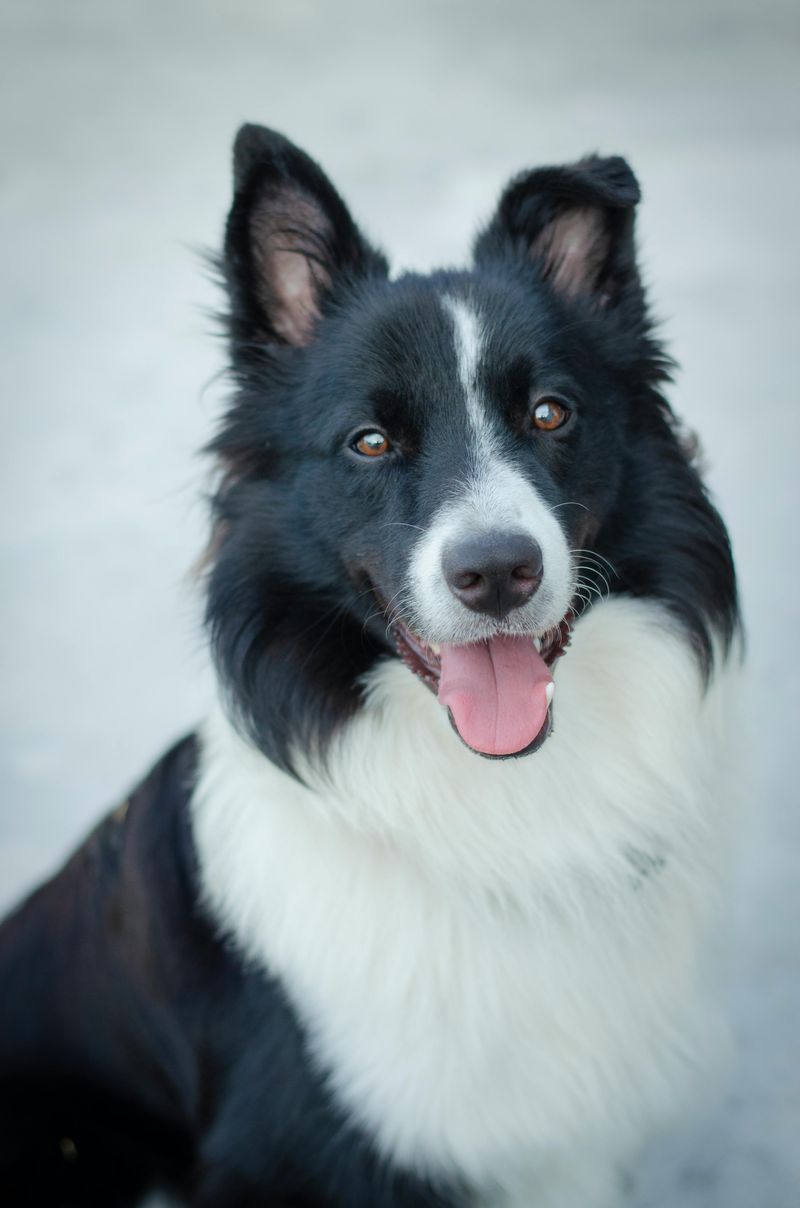
Border Collies are brilliant problem solvers designed to work all day with humans. When left idle and alone, that sharp mind can invent mischief or spiral into stress.
Signs include obsessive window watching, herding family members before you go, and vocal frustration. They thrive with structure, complex tasks, and chances to move their body with purpose, not just quick walks.
Before departures, schedule interval fetch, flirt pole play, or agility-style drills to burn energy cleanly. Offer a layered enrichment plan: scatter feeding, puzzle toys, and scent games that last.
Teach a relaxed place cue and reward calm on a bed while you step out briefly. Consider dog sports, a walker, or playdates, so your Collie regularly channels intensity into constructive, confidence-building work.
German Shepherd
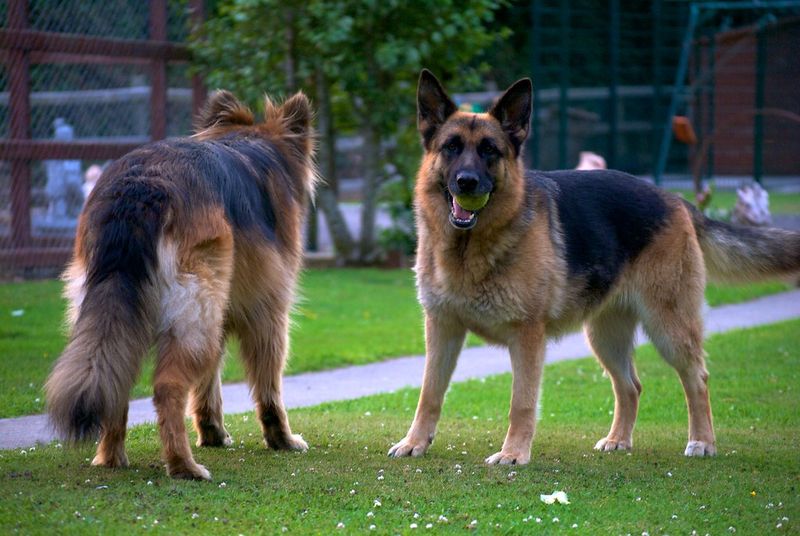
German Shepherds form strong attachments and naturally watch over their people. When separated, that protective instinct can turn into restlessness, pacing, and vocalizing.
Some shepherds shadow closely, then struggle to settle once you are gone. Without a job, their active minds seek outlets, sometimes choosing door scratching, howling, or escape attempts when stress spikes.
Give your shepherd a pre-departure routine that includes structured heel work, obedience reps, and sniffy decompression. Use long-lasting food puzzles and chews to pair alone time with good feelings.
Train a reliable place command and reward calm while you move between rooms. If long days are unavoidable, line up a walker, professional daycare, or a friend for midday breaks, keeping confidence high and anxiety manageable.
Australian Shepherd
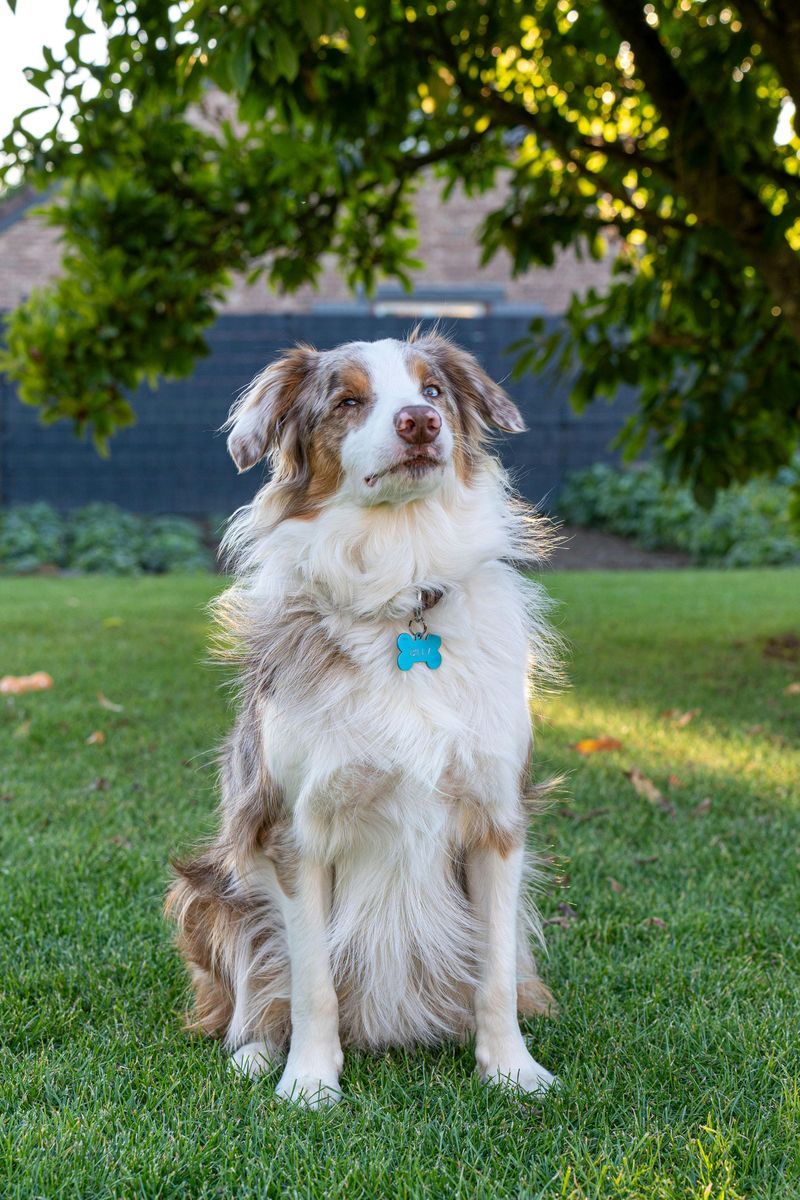
Australian Shepherds are energetic herders built to collaborate with people. When left alone without a plan, they can turn that drive into barking, chewing, and frantic door hovering.
Many anticipate your routine and start worrying at the first sign of departure. They are happiest when brains and bodies get meaningful work, not just a quick lap around the block.
Channel energy before leaving with short herding games, tug with rules, or trick training. Prepare layered enrichment like snuffle boxes, frozen Kongs, and safe chews to extend calm time.
Teach independence using gates, brief out-of-sight sessions, and relaxed returns. If your schedule is demanding, arrange a walker or playgroup a few times weekly, so your Aussie gets social engagement, novelty, and structured outlets.
Vizsla

Vizslas are famously velcro-like, bred to hunt close to their humans. Time apart can feel overwhelming, leading to pacing, whining, or frantic greetings.
Many seek constant contact and struggle to settle if the routine changes suddenly. They are sensitive, athletic, and affectionate, so they need thoughtful structure and plenty of outlets to maintain confidence when you step out.
Prioritize exercise, sniffing, and brief training games before departures. Offer multiple food puzzles, chew options, and a cozy resting spot that smells like you.
Practice tiny separations around the house, gradually increasing duration and distance. Keep exits and entries calm, and consider a dog sitter or daycare for longer days.
With consistency, your Vizsla will learn that alone time predicts comfort, not worry.
Cavalier King Charles Spaniel
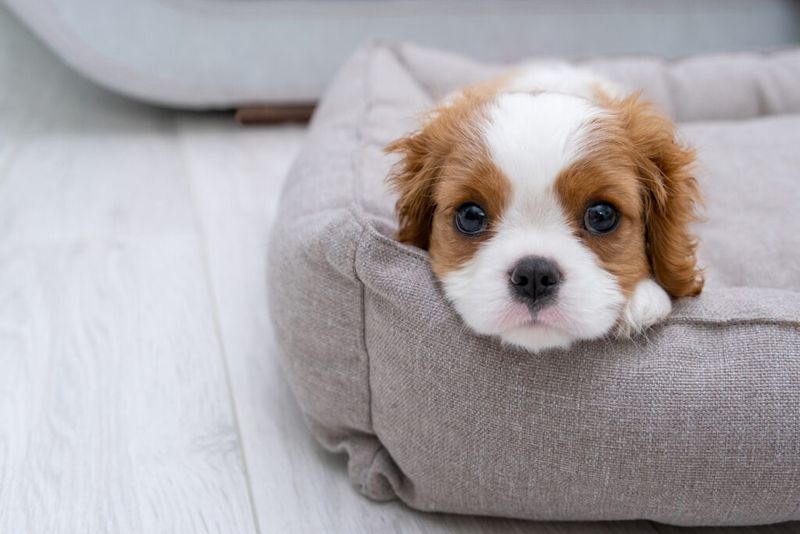
Cavaliers adore being near their people and often follow from room to room. When left alone, this sweet companion might whine, scratch, or wait by the door for hours.
Sensitive and affectionate, they can become unsettled if routines change quickly. They do best with calm structure, gentle training, and steady reassurance that you always return.
Help your Cavalier by pairing departures with cozy comforts like a warm bed and a safe chew. Rotate puzzle feeders and sprinkle treats in a snuffle mat to prolong relaxation.
Teach a settle cue and reward quiet on a mat as you move around. If time away is long, enlist a neighbor or walker.
Small, consistent steps build independence without overwhelming this tenderhearted breed.
Bichon Frise
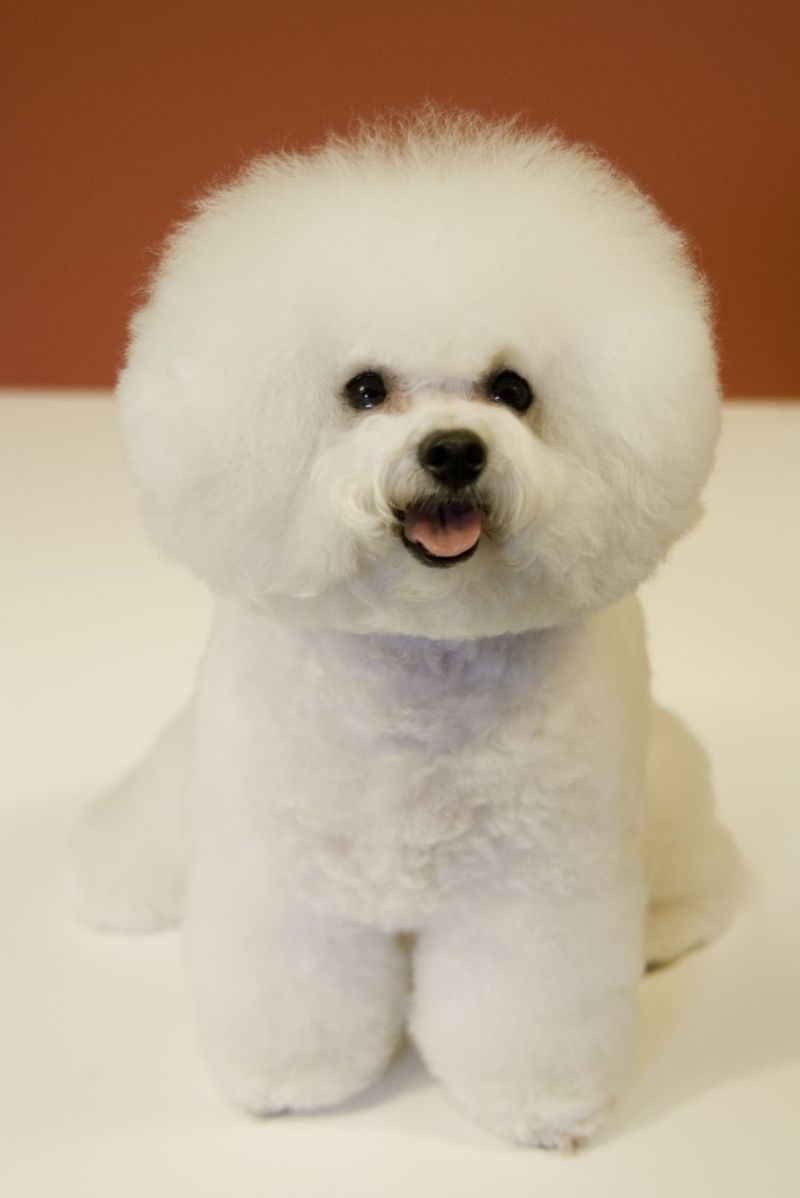
Bichon Frises are social butterflies that love conversation, cuddles, and routine. Left alone too long, they may bark at hallway noises or scratch doors out of worry.
Their clownish energy needs regular outlets, or stress can bubble over into mischief. With gentle guidance, they can learn to relax when the apartment gets quiet and still.
Set up a comfort zone with a cozy crate or pen, water, and a couple of safe chews. Use scatter feeding and food puzzles so alone time reliably brings rewards.
Practice short, boring exits and returns to reduce drama. Include daily walks, training games, and occasional playdates.
If days are long, plan a midday check-in. Predictability helps this sunny breed handle solitude gracefully.
Havanese
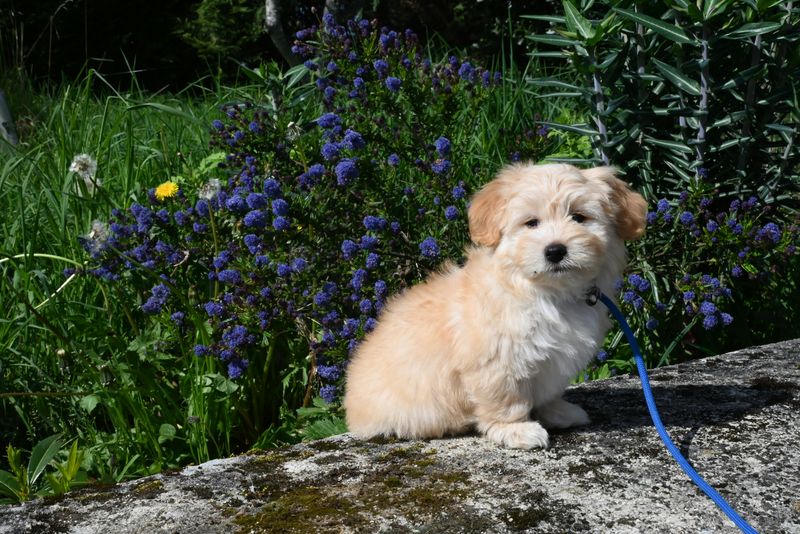
Havanese thrive on togetherness and adapt well to city life, but they dislike being left behind. You might see pacing, door waiting, or vocalizing when the routine shifts.
They are clever, people-oriented, and happiest with gentle structure. With practice, they can build confidence, learning that quiet time brings comfort and tasty challenges.
Offer pre-departure exercise, brief training, and sniffy exploration. Create a safe zone with a comfy bed, water, and a rotation of puzzle feeders.
Reinforce independence through mat training and tiny out-of-sight intervals. Keep exits calm, skip long goodbyes, and reward relaxed behavior on your return.
If needed, arrange a walker or trusted sitter part-time. Consistency helps your Havanese feel secure even when you are out.
Italian Greyhound
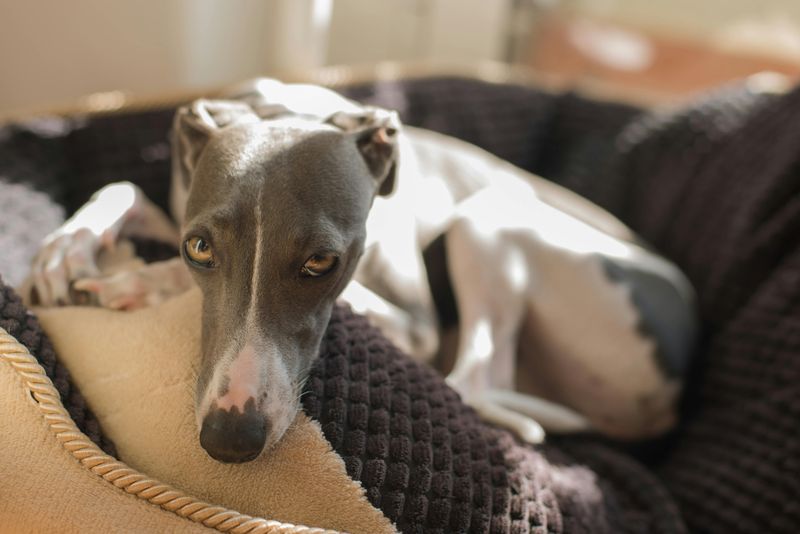
Italian Greyhounds are sensitive, elegant companions that bond intensely. Alone time can feel chilly and unsettling, especially for dogs who love warmth and touch.
Signs include trembling, restlessness, and door-focused waiting. They do best with gentle routines, cozy nests, and predictable rituals that build security over time.
Warmth matters, so provide a hooded bed or layered blankets, plus a safe chew or food puzzle. Keep pre-departure activities low key with a short walk and calm handling.
Train a relaxed settle cue and practice tiny separations while you are still home. Consider a midday visitor if hours run long.
With patience and consistency, your Iggy will associate quiet time with comfort and safe, soothing routines.
Cocker Spaniel
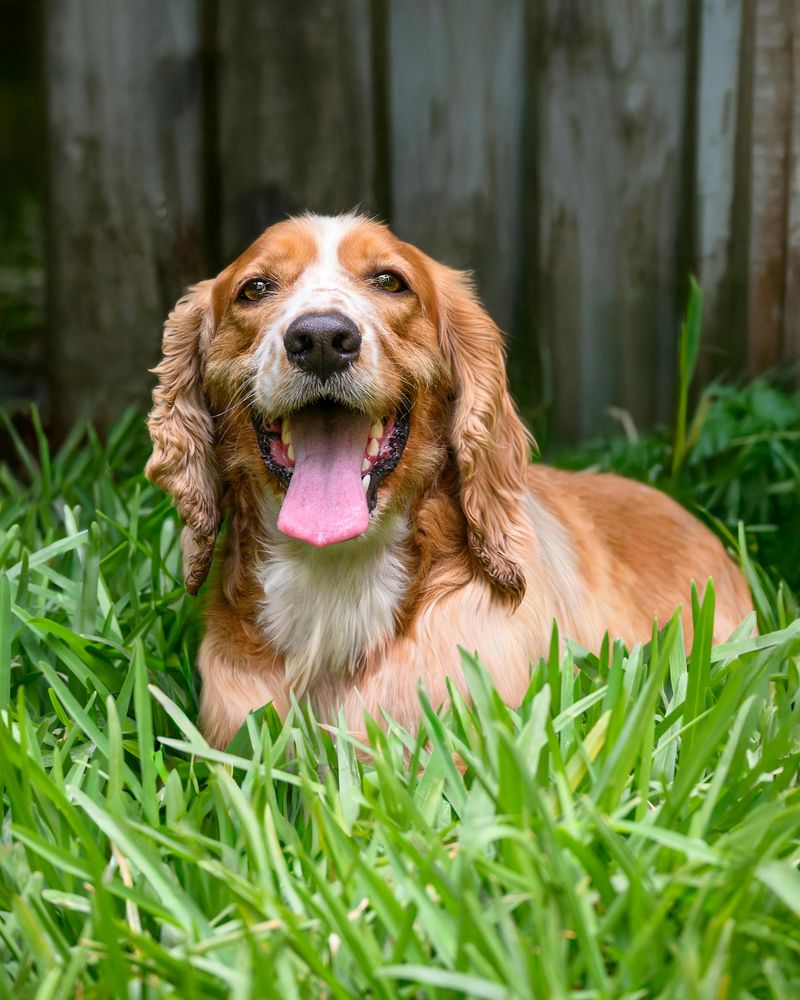
Cocker Spaniels are affectionate, sensitive dogs that read emotions closely. Changes in schedule or sudden departures can leave them uneasy, leading to whining, door scratching, or restless pacing.
They appreciate gentle structure, regular grooming comfort, and calm handling. With patience, they can build independence and feel safe when the house quiets down.
Set a predictable routine with morning exercise and a few training reps. Provide snuffle mats, frozen Kongs, and soft chews to help them settle.
Teach a place cue and practice stepping out briefly while rewarding calm. Keep entrances and exits low key.
If time away stretches, hire a walker or ask a friend for breaks. Consistent, kind habits show your Cocker that alone time is manageable.
Poodle
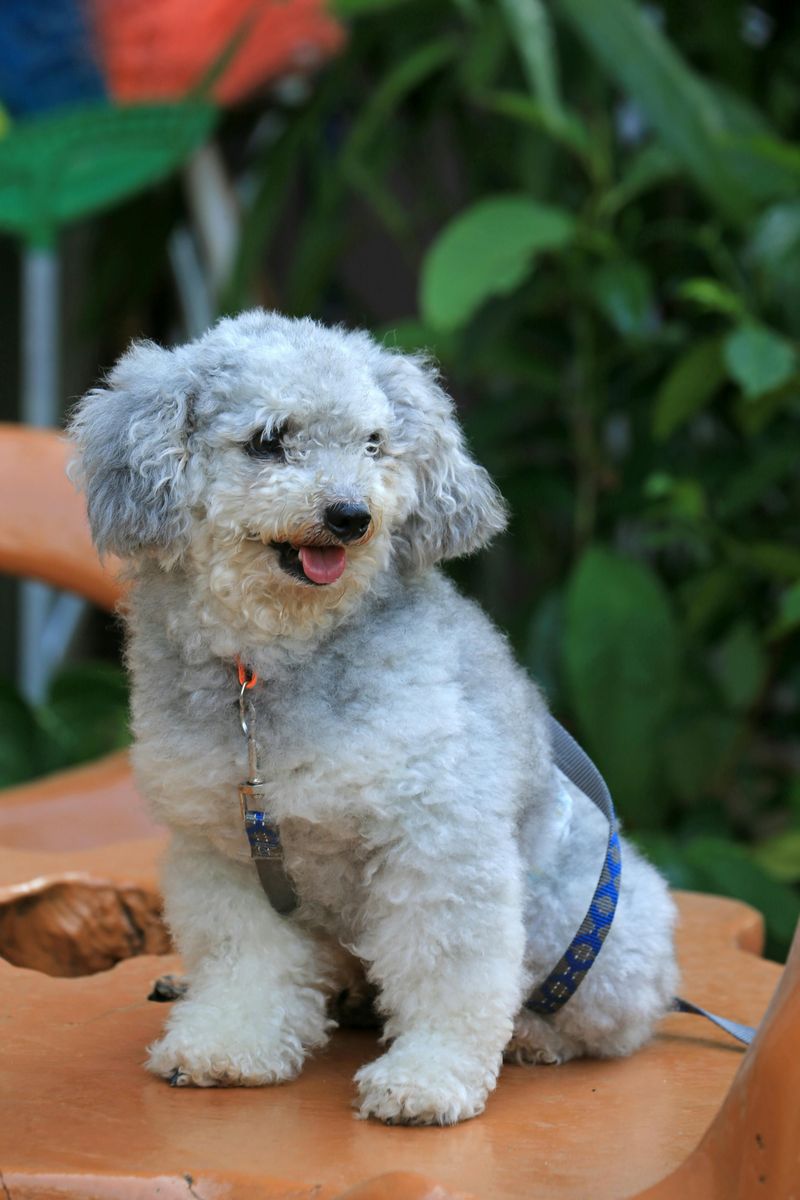
Poodles of all sizes are whip smart and highly social, which can make solitude challenging. Their busy minds need puzzles and projects, or stress may appear as barking, chewing, or restlessness.
Many anticipate your leaving ritual and hover anxiously during departures. They shine when given structure, brain work, and regular movement.
Build a routine: brisk walk, training bursts, then a calm chew before you go. Rotate puzzle feeders, lick mats, and safe bones to stretch relaxation time.
Practice stationing on a mat and quietly stepping out for brief intervals. Return without fanfare and reward settled behavior.
When schedules are tight, book a walker or daycare day. Your Poodle will grow confidence as predictability turns alone time into something comfortable.