Some dog breeds once filled castles, farms, and hunting fields, yet many kids rarely meet them today. Their stories stretch across empires, oceans, and old jobs that faded away.
Learning about them helps us protect living history and respect how people and dogs worked together. Meet twelve standouts that deserve fresh attention.
Irish Setter
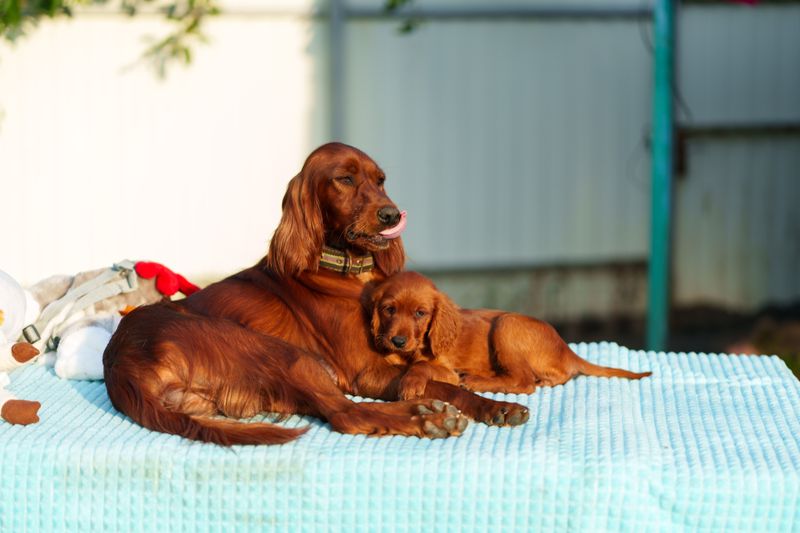
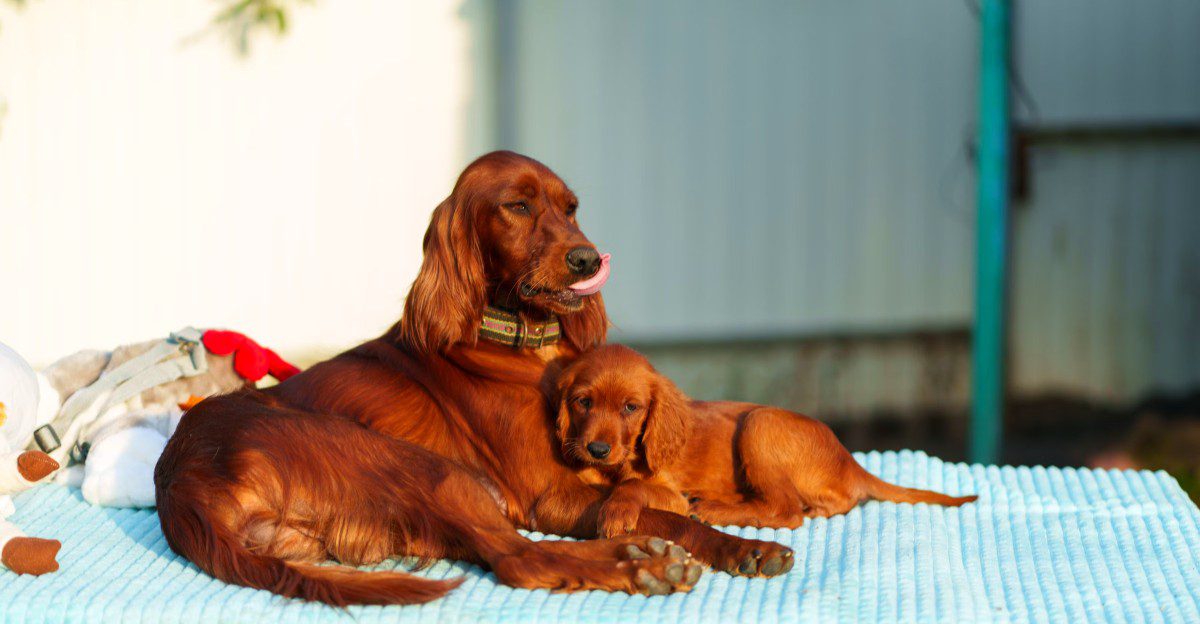
With a coat that glows like autumn leaves, the Irish Setter once ruled hunting fields with speed and style. Families loved their merry spirit, but farms and wingshooting declined, so you see fewer today.
Daily runs, brain games, and gentle guidance turn their energy into magic. Teach recall early, then celebrate small wins with praise.
History tip: early Irish Setters were sometimes white and red, bred for visibility in tall grass.
Airedale Terrier
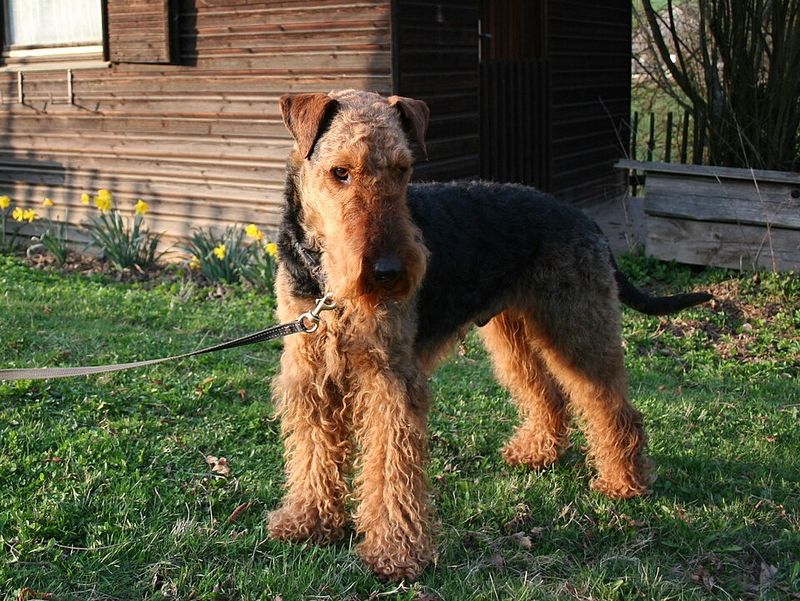
Nicknamed the King of Terriers, the Airedale once ran messages in wartime and guarded homesteads. That brave heart is still there, even if city life has replaced patrol duty.
Keep training upbeat, short, and clever to match their sharp mind. Provide scent puzzles and tug toys to channel drive.
A cool fact: river otter hunters in England prized Airedales for grit and swim skill, which explains the breed’s bold, ready-for-anything attitude.
Scottish Terrier
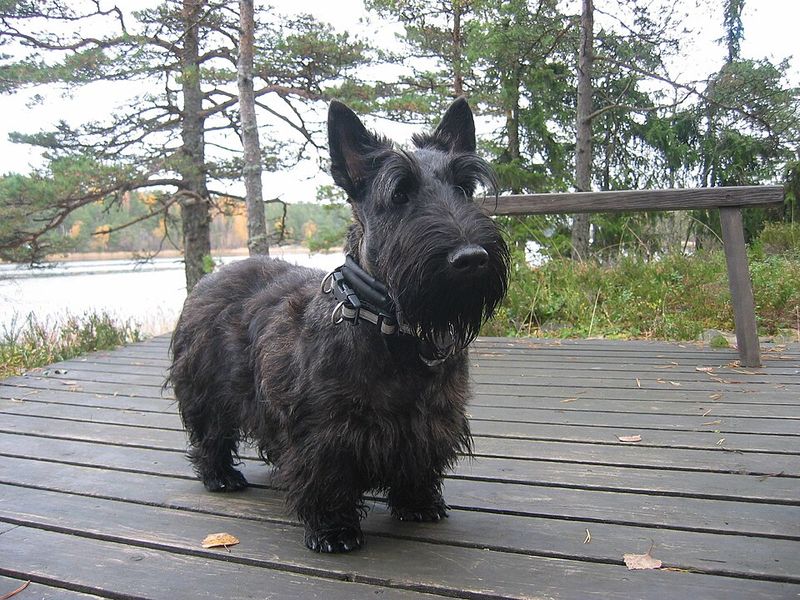
A big spirit in a small frame, the Scottie patrolled barns and shops long before social media made short legs famous. Popularity shifted, but their independent streak and loyalty never left.
Train with patience and humor, not force. Short walks plus backyard scent games keep them content.
Fun history bit: early fanciers prized a hard, weather-proof coat for windy moors, which is why that smart jacket still sheds rain like a tiny raincoat.
English Setter
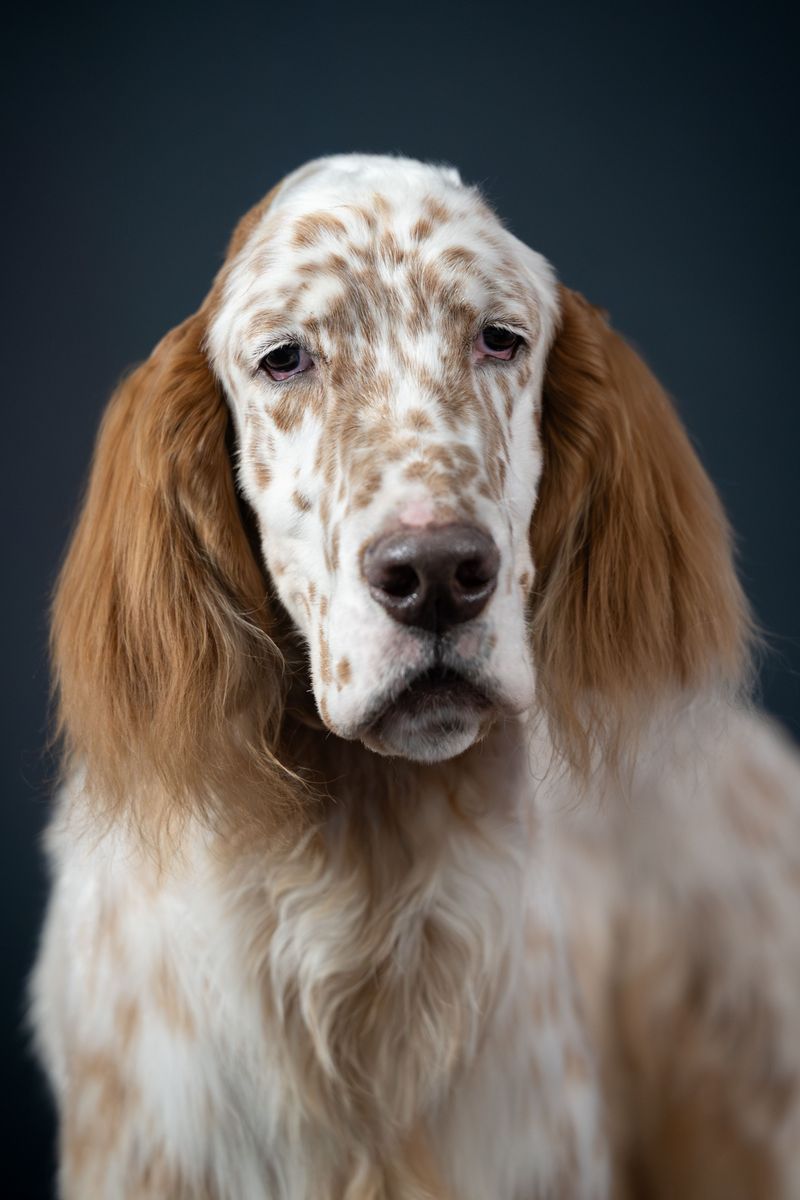
Grace in motion defines the English Setter, developed to gently point birds before nets or shotguns came along. Field work changed, and so did demand, yet their calm style still turns heads.
Socialize kindly, then mix quiet couch time with measured exercise. Nosework classes bring out natural talents.
Did you know early setters were trained to lie flat so hunters could throw nets? That low crouch still shows in a classic, careful point.
Bloodhound
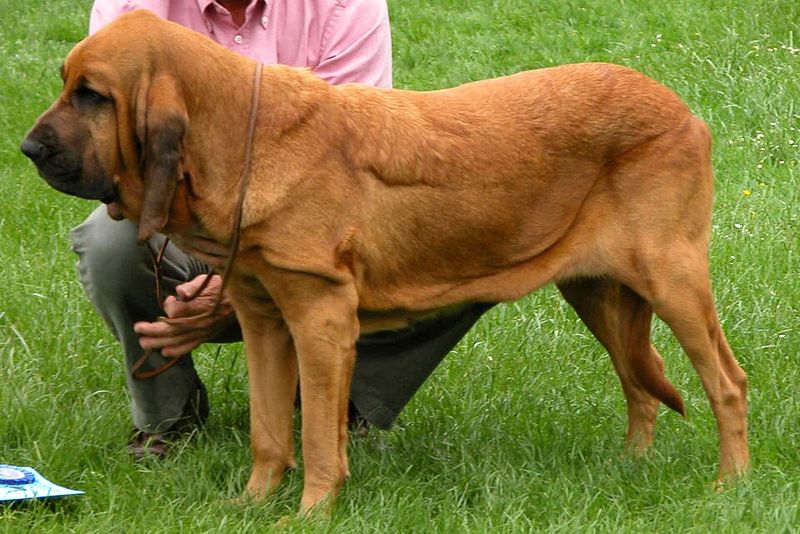
If noses gave trophies, the Bloodhound would own the shelf. Monks and later police units relied on their legendary scent work to find people over miles and days.
Today, fewer families choose them, often due to size and drool. Provide patient training, sturdy leashes, and scent games that let them lead.
Trivia: a Bloodhound’s nose has about 300 million scent receptors, which makes a sidewalk smell like a library of stories.
Old English Sheepdog
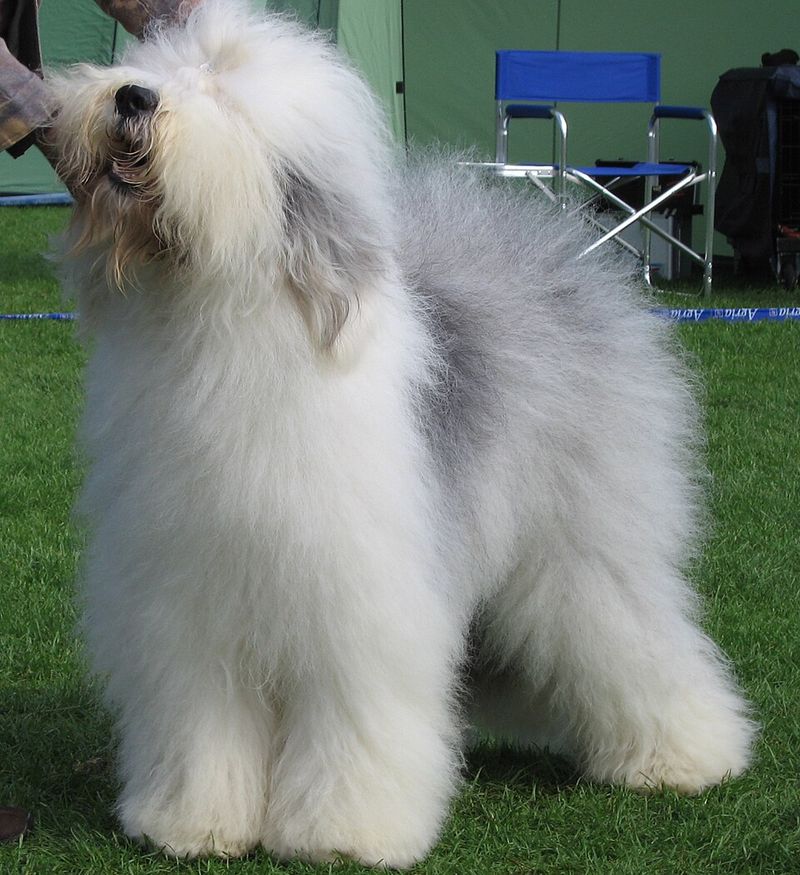
That cloud of fur once pushed cattle to market and guarded flocks from the edge of town. As small farms faded, the Old English Sheepdog lost its daily job but kept its cheerful spark.
Regular brushing, short games of fetch, and basic herding drills keep minds busy. Teach calm greetings to avoid bouncy hellos.
Neat note: drovers sometimes bobbed tails for taxes, which is why the nickname bobtail still follows the breed.
Borzoi
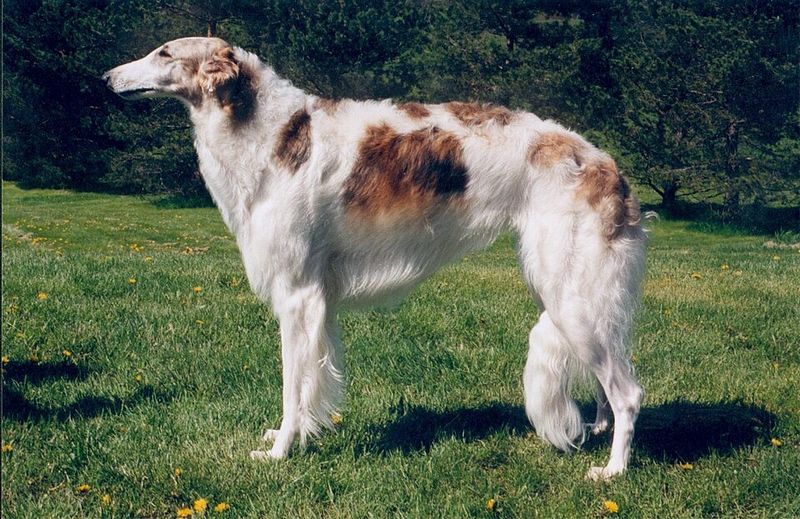
Once a favorite in Russian courts, the Borzoi ran like poetry after swift game across wide estates. Revolutions and war scattered kennels, and numbers dropped far from their royal past.
Gentle handling works best, along with secure fencing and calm walks. Lure coursing offers a thrill without chasing wildlife.
Fun fact: Borzoi means fast in Russian roots, which fits their floating stride that seems to carry them a step above the snow.
Pekingese
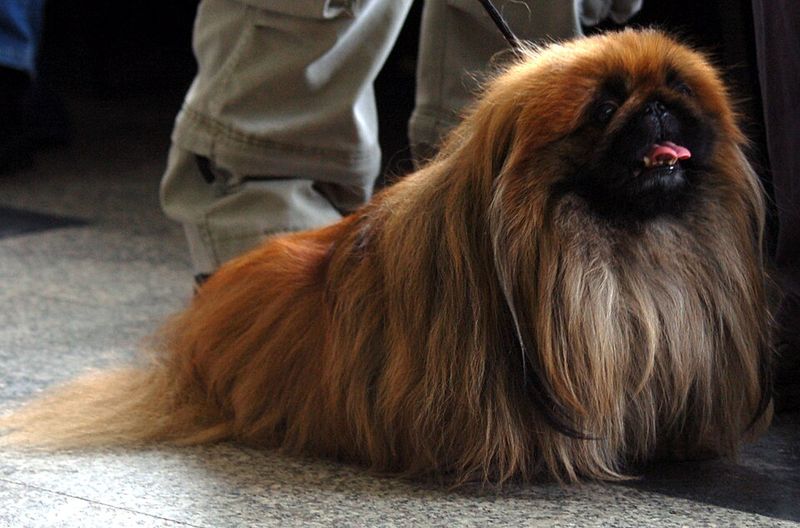
Legend says these lap-sized lions guarded emperors by sounding the alarm and soothing royal hearts. When palaces changed, the Pekingese left the spotlight, yet the confident gaze remains.
Short walks, careful coat care, and cool rooms help them thrive. Train with soft praise and tiny treats, never rush.
Story nugget: during a famous rescue at the Summer Palace, several Pekingese were saved and later gifted to nobles abroad, shaping modern lines.
Saluki
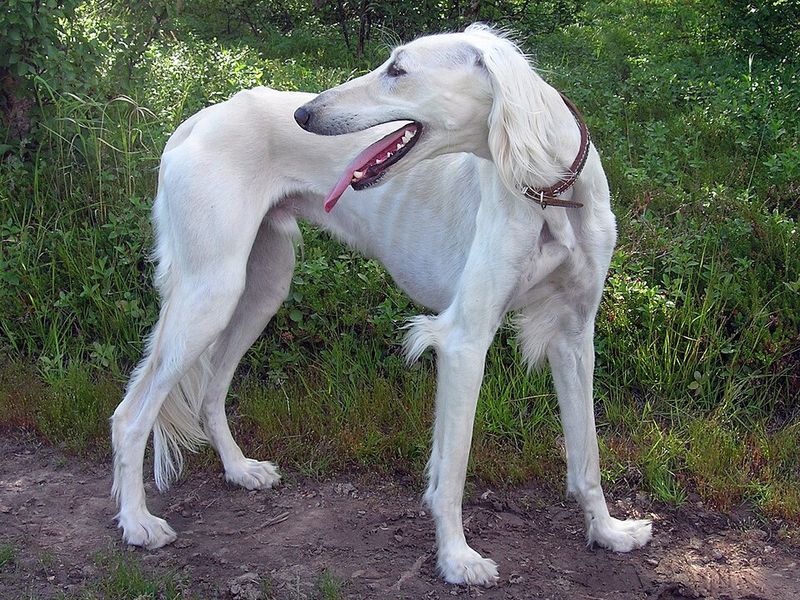
Desert winds seem to live in the Saluki’s legs. Bedouin hunters trusted them to chase game across harsh sands, pairing speed with quiet loyalty at camp.
Modern life suits them when yards are secure and runs are regular. Kind, steady training and soft bedding keep them happy.
Cultural gem: some regions honored Salukis as treasured guests, not just dogs, which explains their calm dignity around people they trust.
Otterhound
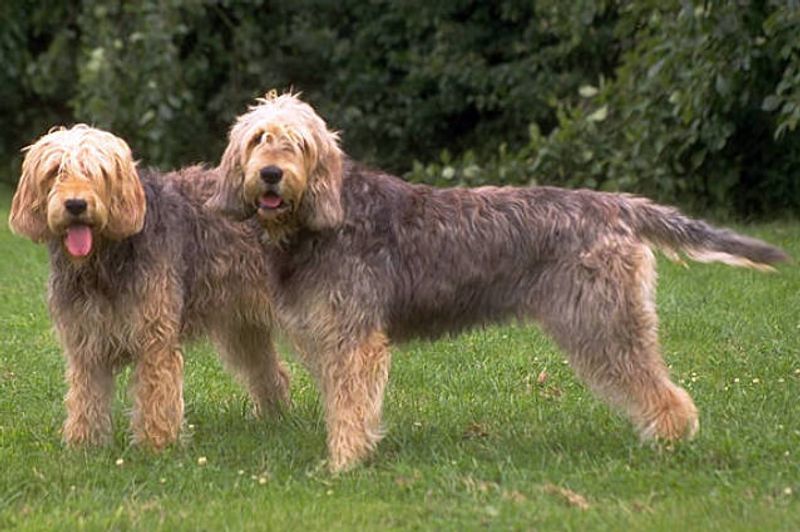
River lore follows the Otterhound, a rare scent hound built for swimming, once used to track otters that troubled fisheries. Laws changed, and their job vanished, leaving only a handful worldwide.
They thrive with big walks, water play, and nosework. Keep grooming simple but regular to manage that waterproof coat.
Conservation twist: many owners now channel the breed’s love of water into fun dock diving and trail searches that help communities.
Skye Terrier
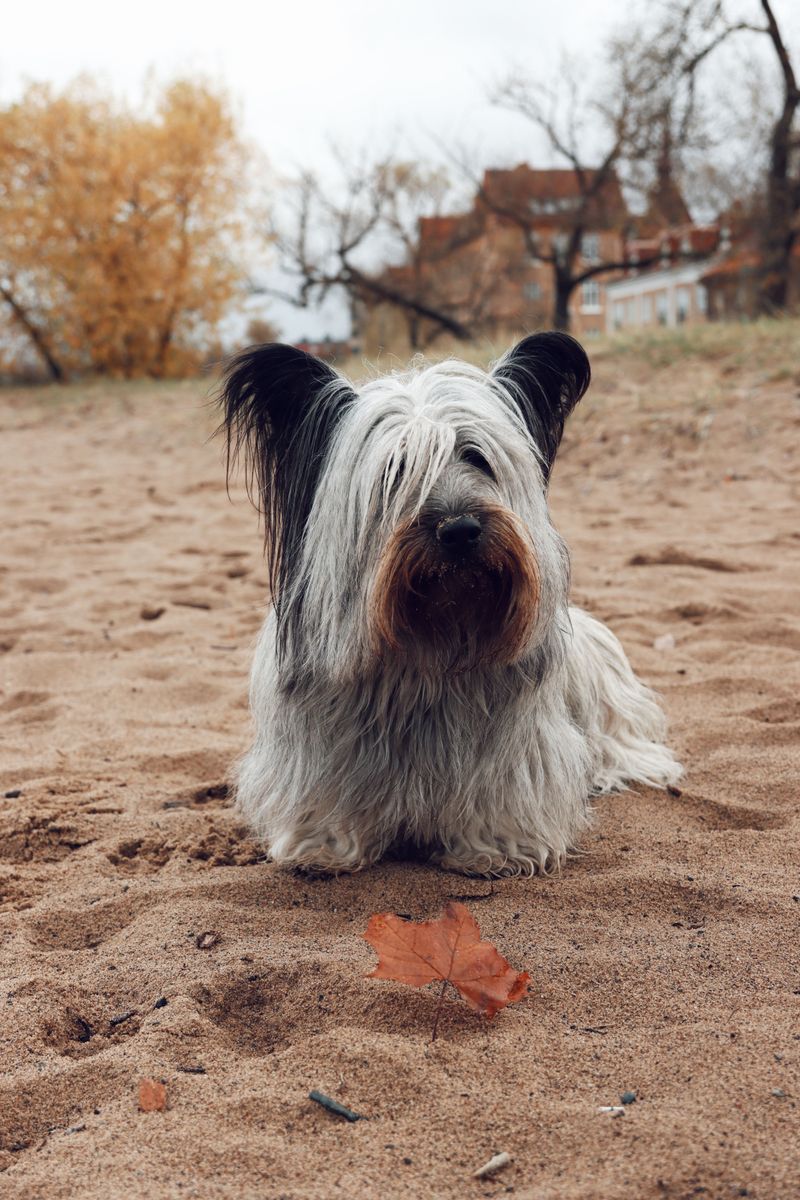
Island tough and loyal, the Skye Terrier once guarded farms and followed crofters across rough ground. Fashion shifted, and big-city life made their long coat seem tricky, so numbers slid.
Short, focused training with kind boundaries suits them best. A weekly grooming routine and engaging walks keep spirits bright.
History bite: Queen Victoria adored the breed, which once made it wildly popular in London drawing rooms far from its rugged birthplace.
Clumber Spaniel
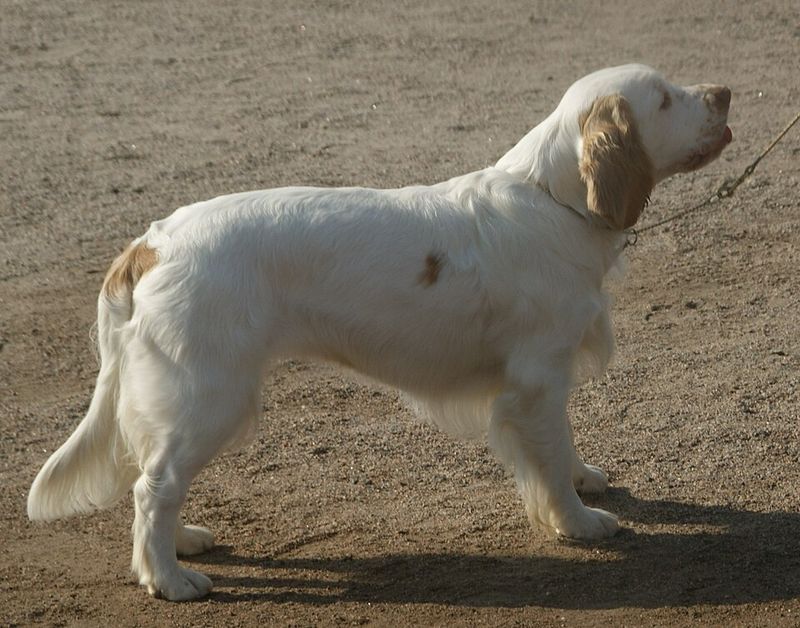
Quiet strength defines the Clumber, bred to push through dense cover while hunters walked behind. As shooting styles changed, lighter breeds took the stage and Clumbers became uncommon.
Steady exercise, scent games, and polite manners practice bring out their best. Keep treats small and watch joints with ramps or rugs.
Curious note: the breed likely grew in noble kennels, which explains their calm pace and patient work ethic in thickets.