
Loving a dog through their final chapter is both tender and tough. When you know what changes to expect, you can respond with calm choices that protect comfort and dignity.
This guide walks you through common end-of-life shifts and simple ways to help. You will feel more prepared, and your dog will feel more understood.
Loss of appetite or reduced interest in food

You might notice your dog sniffing the bowl and walking away, or taking just a few bites before stopping. As bodies wind down, digestion slows and food may feel uncomfortable, even favorite treats.
Illness, pain, nausea, or medications can also dull appetite, so the change is not your fault.
Offer small, fragrant meals and warm them slightly to boost aroma. Try soft textures, hand feeding, or vet approved appetite stimulants, and prioritize hydration with broths or ice chips.
If vomiting, weight loss, or refusal lasts more than a day, call your veterinarian to discuss supportive care and comfort focused goals.
Track intake in a simple notebook to spot trends. Celebrate tiny wins, and release pressure around perfect meals so time together feels gentler.
Increased sleeping and low energy levels
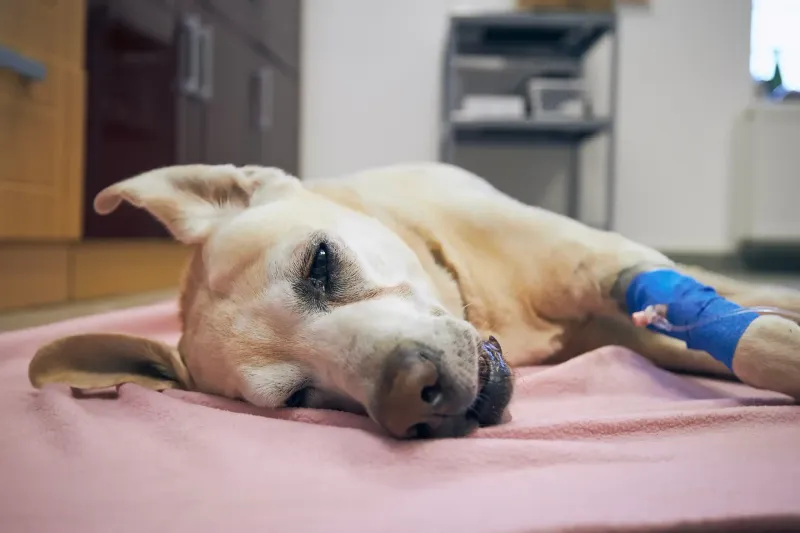
Near the end, dogs often sleep longer and wake feeling tired. Their bodies conserve energy for essential functions, leaving less for play or walks.
Pain, anemia, heart or kidney disease, and medications can all contribute to heavier sleep and slower movement.
Create a cozy, quiet rest space with supportive bedding and easy access to water. Short, gentle potty breaks help stiffness without exhausting them.
Ask your vet about pain control, anti anxiety options, or adjusting exercise to match their current capacity.
Track sleep patterns and energy in a daily log to notice changes. Protect their dignity by moving slowly, speaking softly, and prioritizing comfort over routines you used before.
Let them set the pace, and cherish unhurried moments together.
Difficulty standing, walking, or moving around

Hind end weakness, arthritis, or neurologic decline can make standing feel hard. You may see slipping on floors, shaky steps, or hesitation at stairs.
Pain, muscle loss, and reduced coordination often stack together, turning simple movements into daunting tasks.
Add traction with rugs and socks, and use ramps instead of jumps. A harness with handles or a sling supports safe transitions.
Discuss anti inflammatory therapy, gabapentin, joint supplements, or physical therapy with your veterinarian to reduce discomfort and protect mobility.
Keep walks short, flat, and purposeful, focusing on sniff time over distance. Celebrate effort, offer rests, and never rush their body beyond its present limits.
Consider massage, warm compresses, and gentle range of motion stretches daily.
Changes in breathing patterns
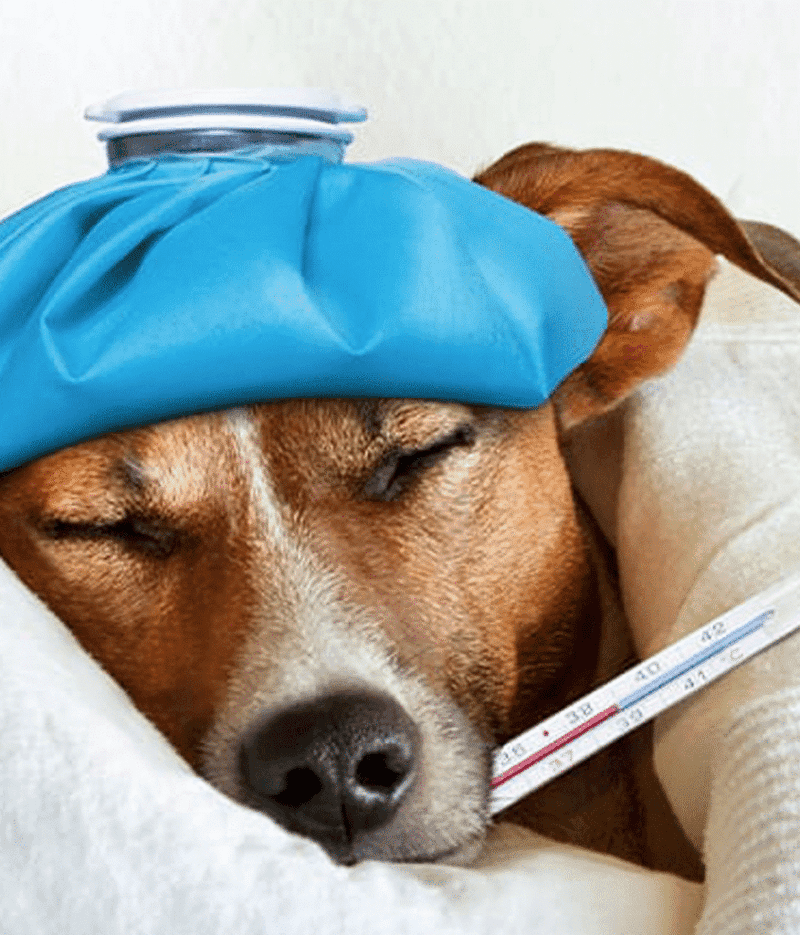
You may notice panting at rest, shallow breaths, or pauses between inhalations. Heart and lung disease, pain, fever, or anxiety can alter breathing and make rest less restorative.
In late stages, the body sometimes switches patterns as oxygen needs shift.
Keep rooms cool, reduce stress, and position your dog on their side or chest with the neck extended. A fan near but not directly on them can help.
Speak with your vet about oxygen support, diuretics, antianxiety therapies, or hospice focused options.
Track resting respiratory rate during sleep to spot escalation early. If breathing looks labored or distressed, seek urgent veterinary guidance for comfort and safety.
Avoid smoke, strong fragrances, and high heat that can worsen symptoms.
Withdrawal from people or less social interaction

Some dogs step back from family bustle, choosing distance over cuddles. Fatigue, pain, or sensory decline can make touch and noise feel overwhelming.
It is not rejection, but a quiet coping strategy when energy is scarce.
Offer presence without pressure. Sit nearby, read softly, or place a hand close so they can approach on their terms.
Keep visits brief and predictable, and coach children to use calm voices and gentle movements.
Balance solitude with check ins for pain, thirst, or toileting needs. Your steady kindness reminds them they are safe, loved, and never alone.
Create a sanctuary corner with soft light, familiar scents, and a favorite blanket, allowing gentle retreat while keeping you within comfortable, reassuring eyesight.
Loss of bladder or bowel control

As muscles weaken and signaling fades, accidents can happen without warning. Your dog may leak urine during sleep or struggle to reach the yard in time.
Medications, spinal issues, or advanced disease often contribute, and embarrassment is common.
Protect skin with frequent cleaning, barrier creams approved by your vet, and absorbent bedding or diapers sized correctly. Keep pathways clear and close, and schedule predictable potty trips.
Praise calm attempts, avoiding scolding that can add stress.
Ask your veterinarian about urinary support, constipation relief, or hospice strategies that emphasize comfort. Dignity matters, and your gentle routine helps them feel cared for.
Use washable mats, quick change covers, and a laundry plan so cleanups stay manageable and your home remains welcoming.
Confusion or disorientation
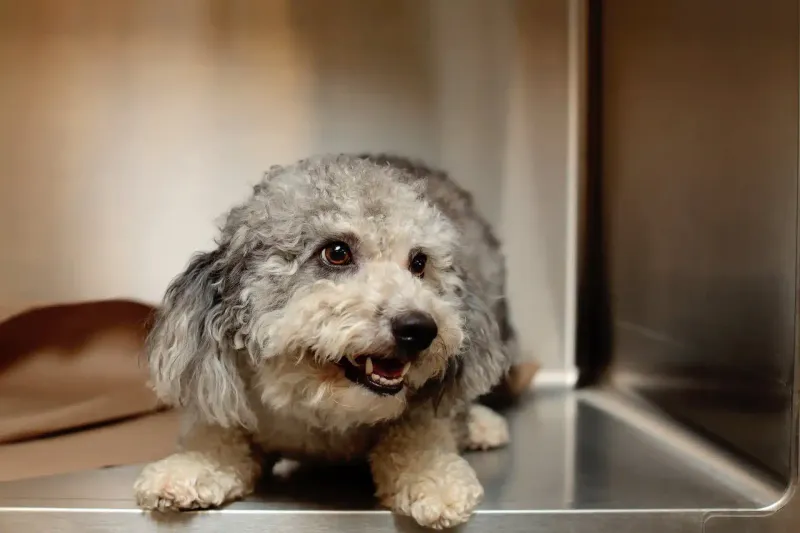
Cognitive decline can show up as aimless pacing, staring, or getting stuck in corners. Nights may be restless, with barking or wandering that feels unlike your dog.
Hearing or vision loss can compound confusion, raising anxiety and accidents.
Create a predictable routine with simple cues for meals, meds, and potty breaks. Night lights, white noise, and blocking unsafe areas reduce worry.
Talk to your vet about pain control, anxiety relief, melatonin, or cognitive supportive diets and supplements.
Offer calm reassurance and gentle touch when invited. Keep ID tags on, and supervise outdoor time to prevent getting lost or frightened.
Use scent markers on doorways and food bowls, helping them navigate by nose when memory and vision feel unreliable.
Decreased interest in favorite activities

Fetch sessions fade, greeting dances shorten, and car rides lose their sparkle. Energy must be budgeted carefully, so fun gets trimmed first.
Pain, shortness of breath, or nausea can make once joyful outings feel burdensome.
Shift expectations to meet the moment. Trade distance for sniff walks, agility for sunbathing, and high arousal games for puzzle feeders.
Ask your vet about comfort plans that preserve small daily pleasures.
Photograph tiny sparks of joy, like gentle head tilts or relaxed naps outdoors. Celebrate presence over performance, and let love set the schedule.
Invite choice by offering low impact options, then follow their lead without pushing, so trust deepens and each day keeps at least one moment that feels unmistakably theirs.
Weight loss or muscle weakness
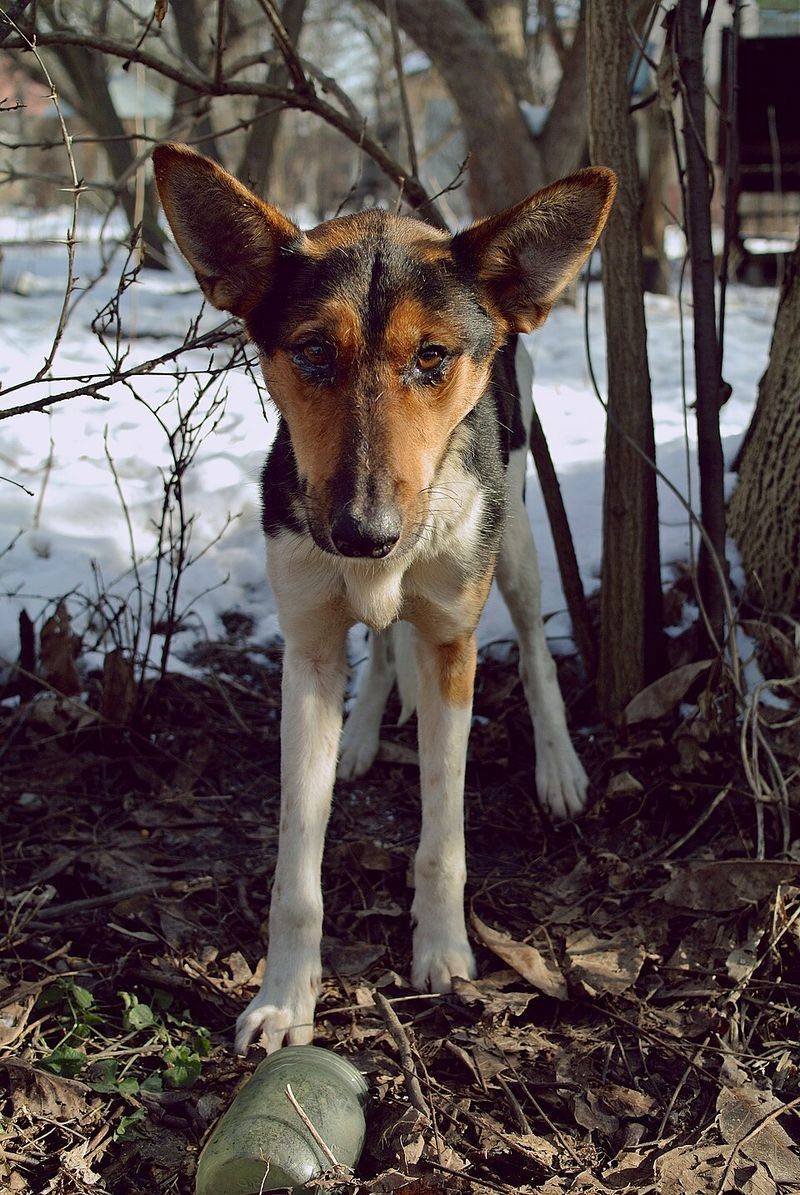
Even with steady feeding, the body may burn muscle for fuel as diseases progress. You might feel bony hips or a thinning spine when petting.
Reduced activity and inflammation further erode strength.
Ask your vet about pain relief, nausea control, or renal safe protein adjustments to support condition and comfort. Add omega 3s, soft high value foods, and small, frequent meals if appropriate.
Gentle exercises and assisted standing help maintain circulation and joint range.
Use non slip surfaces and padded bedding to prevent pressure sores. Celebrate small gains, like steadier posture, while remaining realistic about changing bodies.
Track body condition scores monthly, and photograph progress, so you and your vet can adjust plans before declines accelerate.
Changes in grooming habits or appearance
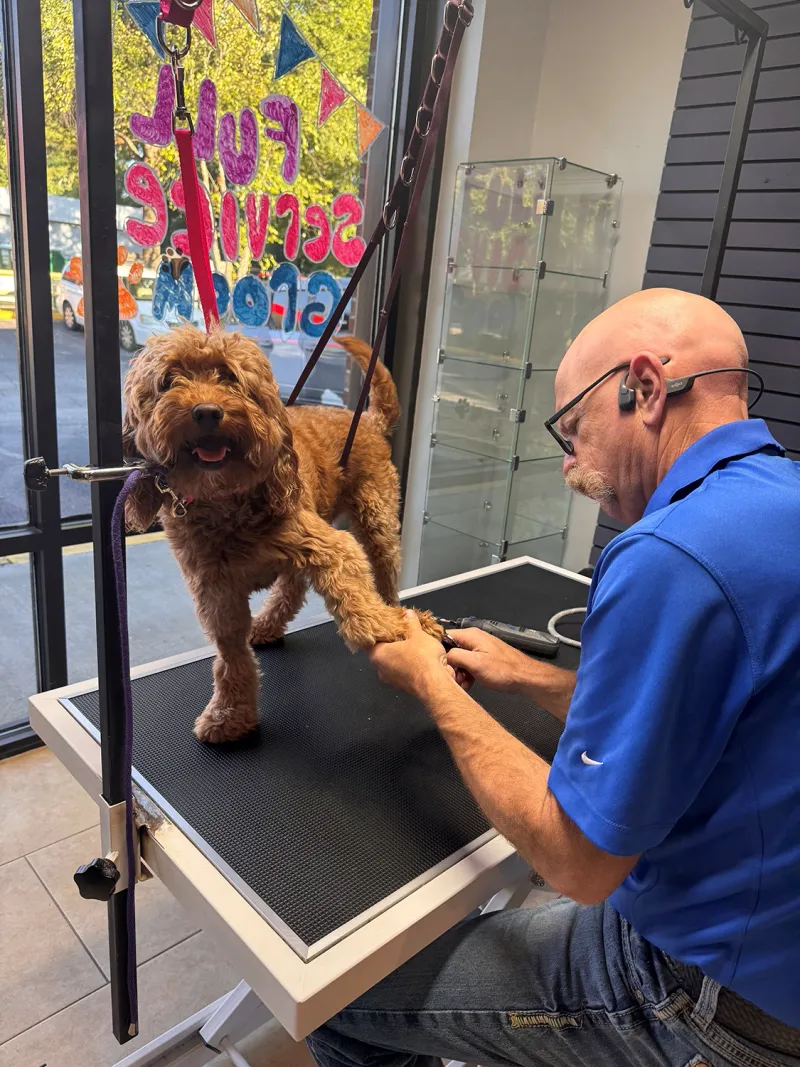
Coats can look dull, mats form faster, and nails overgrow when grooming gets tiring. Dogs may skip self cleaning because joints ache or balance feels shaky.
Skin may dry, flake, or develop pressure spots.
Brush gently in short sessions, using a soft slicker and detangling spray. Trim nails gradually, and ask your groomer or vet for handling help.
Add omega 3s, humidifiers, and cushioned beds to protect skin and coat.
Wipe eyes and mouths with warm cloths to prevent buildup and odor. Keep a calm routine so grooming feels like comfort, not a chore.
Schedule shorter, more frequent appointments, and let breaks happen often, prioritizing safety and trust over perfection as appearance naturally changes near the end.
Seeking quiet, isolated places
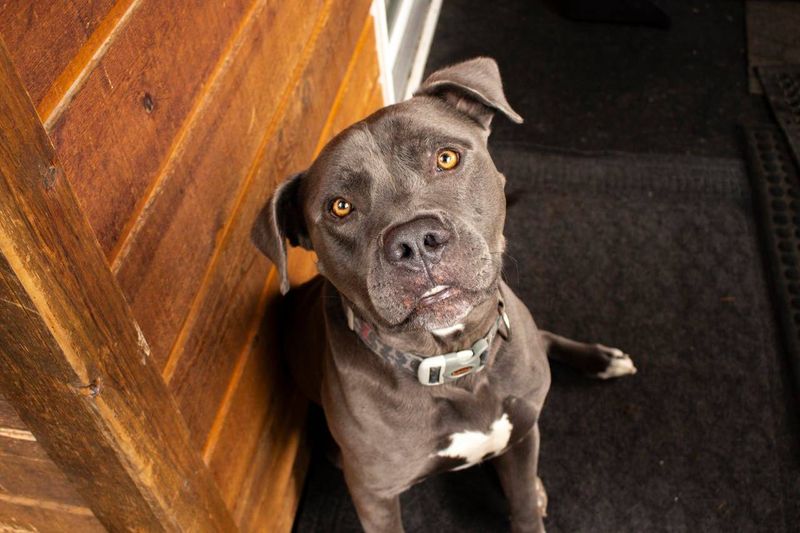
Many dogs choose tucked away corners, closets, or under beds when they feel fragile. Quiet reduces stimulation, pain, and startle responses.
It is a natural instinct to protect limited energy.
Honor the retreat by making safe nooks with orthotic beds, water nearby, and dim light. Keep pathways clear, and announce your approach with your voice.
Avoid forced cuddles, and let them decide how close to be.
Check on comfort, temperature, and breathing regularly without disturbing rest. Your gentle watchfulness offers security while respecting their changing needs.
Place familiar scents, like your unwashed T shirt or their favorite toy, to anchor them, and keep the door open so they can rejoin when they are ready. Offer water bowls on both sides.
Increased need for comfort or reassurance
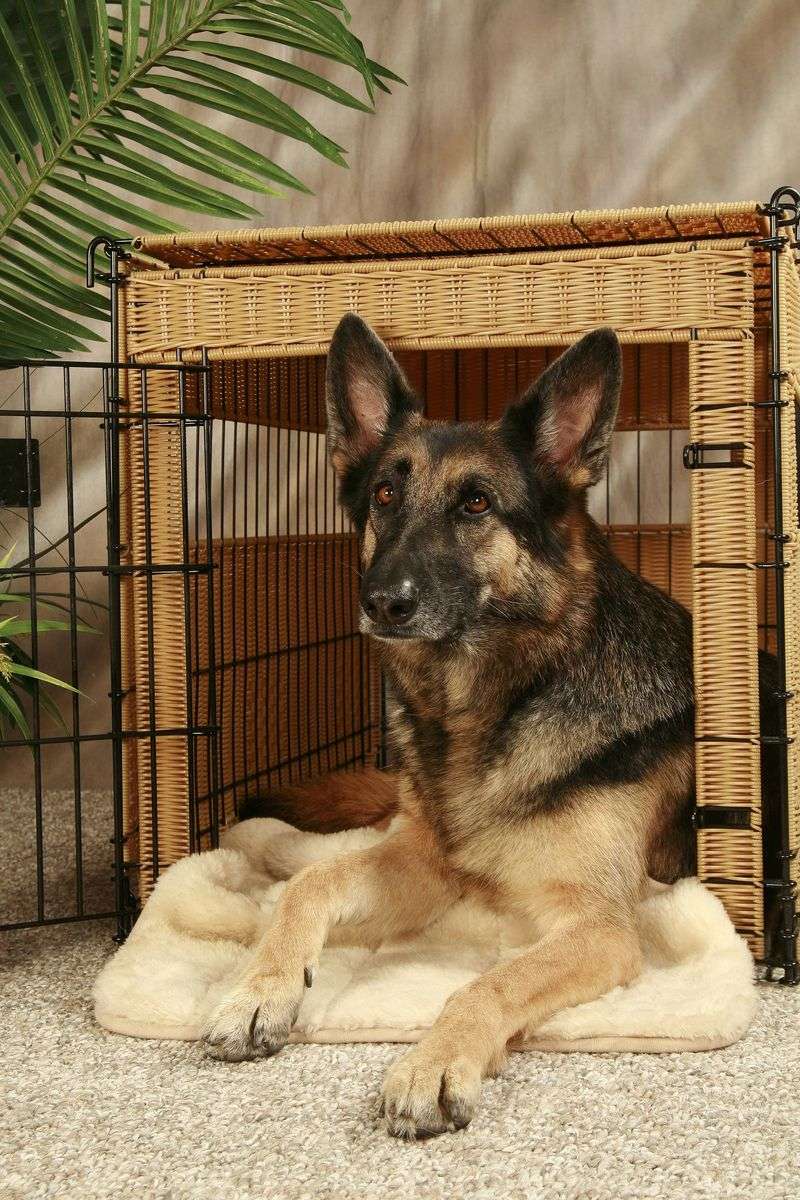
Clinginess can rise as senses fade and bodies hurt more. Your dog may follow closely, ask to be held, or cry at night.
They are seeking safety in the relationship you have built together.
Answer with calm touch, predictable routines, and gentle words. Try a comfort shirt, pheromone diffuser, or soothing music.
Discuss anxiety medications, pain plans, and nighttime strategies with your veterinarian to reduce distress.
Offer safe closeness without trapping them, watching for signs they need space. Your presence is medicine, reminding them they are cherished every moment you are near.
Set up a bedside nest with ramps, night lights, and water, so reassurance stays available even when moving is hard. Breathe slowly together to share calm and steady rhythms.