
Some beloved dog breeds come with quirks that surprise even prepared owners. You see the cute face or heroic reputation, then discover the energy, intensity, or stubborn streak that demands real planning.
With the right expectations, these dogs thrive and reward you with loyalty and laughs. Here is what owners wish they had known sooner, so you can set both of you up for success.
Siberian Husky
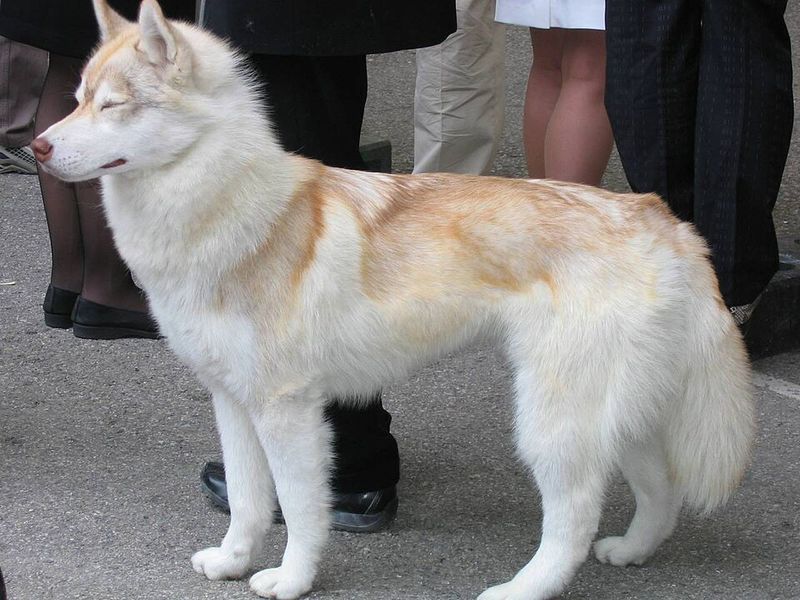
Huskies look like snow angels, but you quickly learn they test limits. They are escape artists with surprising stamina, turning fences into suggestions.
Without enough exercise and structure, they channel energy into digging, chewing, and howling symphonies. You need a plan before the leash comes out.
They thrive when given jobs, like canicross or backpacking, and clear rules. Heat management matters, so schedule workouts early and keep water handy.
Socialize consistently, since prey drive can surprise small pets and squirrels. With patience, secure containment, and daily brain games, a Husky becomes a hilarious, loving partner who keeps you moving.
Dalmatian
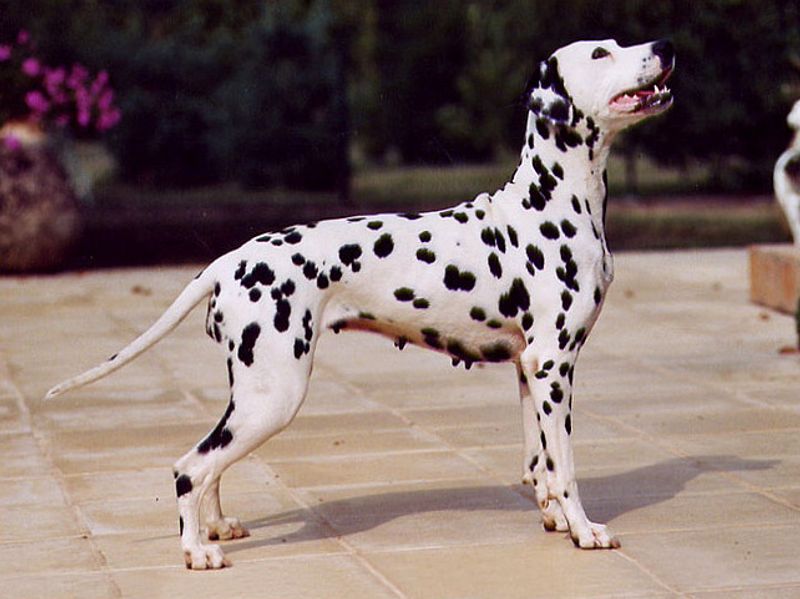
Dalmatians look elegant and friendly, but their energy runs hot. You will meet an athlete disguised as a polka dot icon.
Without daily mileage and training, they invent sports like counter surfing and zoomies through furniture. Protective instincts can appear unexpectedly, so manners around guests matter.
Hearing and skin sensitivities are common, so gentle handling and careful diet help. Positive reinforcement keeps their smart, independent mind engaged.
Roadwork, scent games, and structured fetch tame the fidgets better than backyard wandering. With consistent boundaries and a job to do, your Dalmatian becomes a witty, affectionate partner who shines brightest when brain and body work together.
Akita
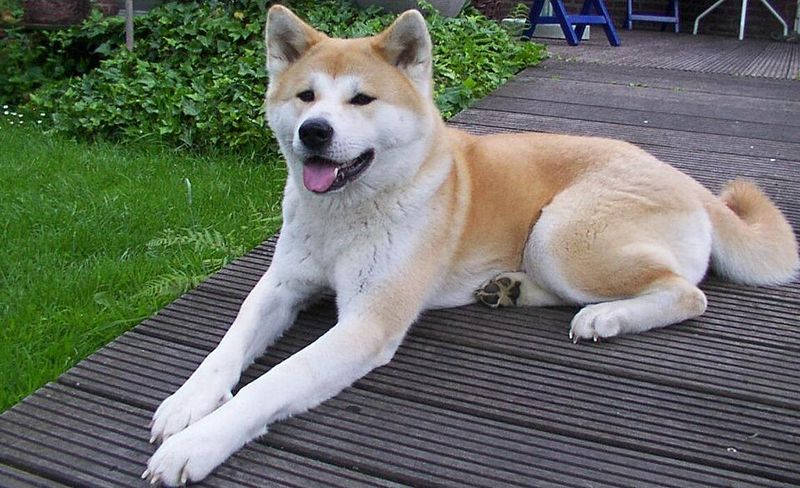
Akitas radiate dignity, and that calm presence can fool you. Behind the teddy bear coat sits a guardian with strong opinions.
They bond deeply yet often prefer a small circle, making early socialization crucial. Dog selective tendencies are common, so controlled introductions and management matter.
Training must be fair, consistent, and low drama. Harsh methods backfire, while clear rules earn respect.
Expect serious shedding, space needs, and careful supervision with other pets. Give them purposeful work like obedience, tracking, or structured hikes.
If you advocate confidently and maintain routine, your Akita becomes a steady, noble companion who watches over home and heart with unwavering loyalty.
Chow Chow
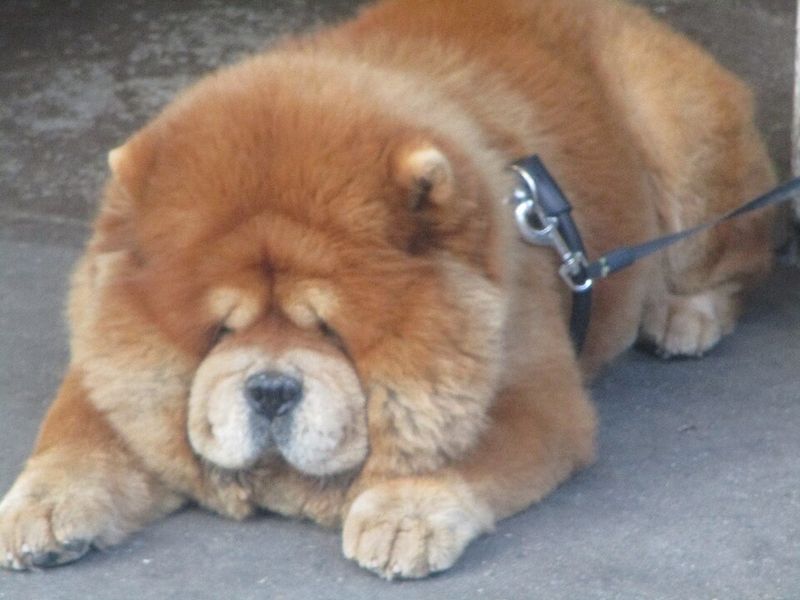
Chow Chows are living plush toys until you realize they are independent thinkers. Aloofness is normal, not rudeness.
They can be wary with strangers and prickly about handling, so cooperative care training is nonnegotiable. Think muzzle conditioning, grooming desensitization, and polite greeting practice early and often.
The coat needs serious maintenance to prevent mats and hot spots. Respect boundaries, reward calm choices, and avoid forcing interactions.
Brief, focused training suits their style better than long drills. Mindful socialization, controlled exposures, and consistent routines help them relax.
With patient leadership and regular brushing sessions, your Chow becomes a poised, dignified friend who chooses connection on their terms.
Belgian Malinois
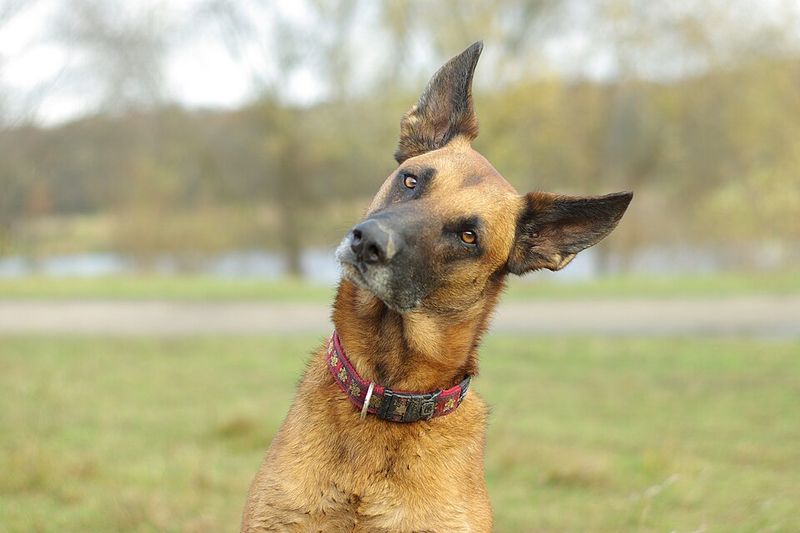
The Malinois is breathtaking to watch and relentless to live with. This is a working rocket that needs structured outlets, not casual fetch.
Without daily training and jobs, they invent projects like remodeling your drywall. Think bite sports, detection games, or rigorous obedience, not just long walks.
Impulse control and clarity matter every moment. Teach off switches, settle mats, and solid recalls from day one.
Socialize carefully to avoid hypervigilance and reactivity. Mental work tires them faster than miles alone, so puzzles and task training are gold.
With commitment and coaching, a Malinois becomes a laser focused teammate who excels when you provide purpose and boundaries every day.
Border Collie
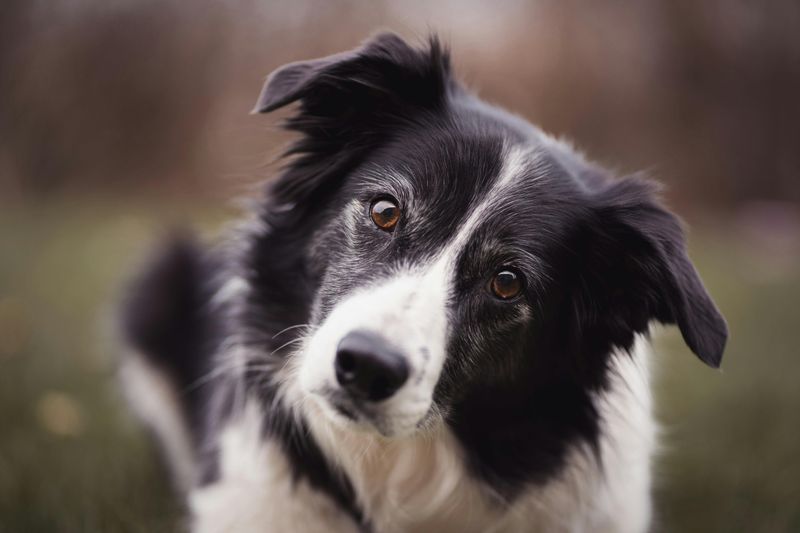
Border Collies collect jobs like you collect apps. They read your posture, predict your next move, and then invent a chore chart.
Without serious mental work, they herd kids, cats, and vacuum cords. Staring, pacing, and nipping can appear when boredom wins, so structure is everything.
Daily training, trick routines, and sports like agility or herding lessons keep that turbo brain satisfied. Build calm behaviors alongside speed so they can switch gears.
Reward quiet moments and teach relax on a mat. If you give direction and enrichment, a Border Collie transforms from control enthusiast into the most attentive coworker you will ever meet.
Cane Corso
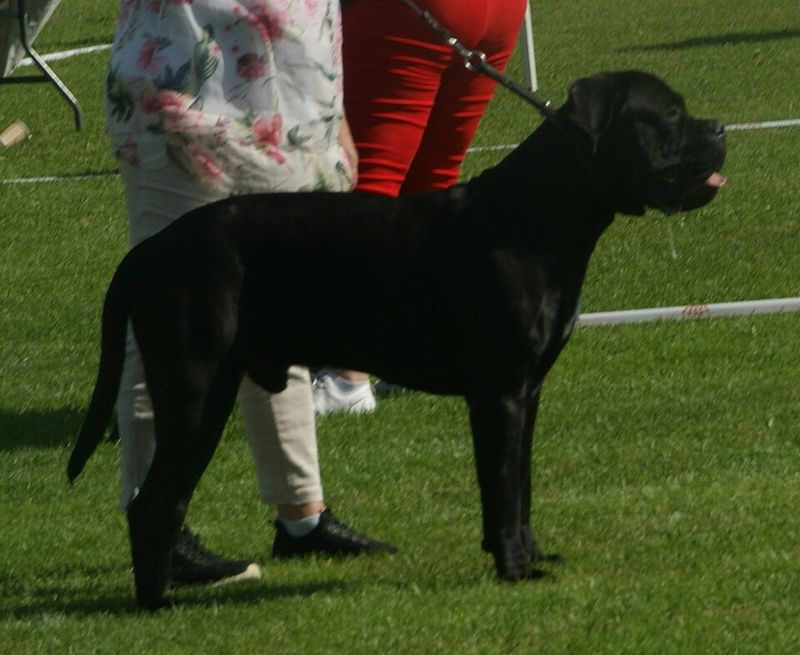
The Cane Corso looks intimidating, yet the real weight is responsibility. This guardian breed matures slowly and needs consistent leadership to shape confidence, not suspicion.
Early socialization should be strategic and steady. You are managing power, so teach reliable obedience, neutrality in public, and calm house manners.
They can be protective, mouthy, and pushy without guidance. Invest in cooperative care, leash skills, and impulse control.
Fenced yards, sturdy equipment, and boundaries with visitors are essential. Keep workouts joint friendly as they grow.
With thoughtful training and routines, a Corso becomes a devoted, stable protector who relaxes because you run the playbook.
Weimaraner
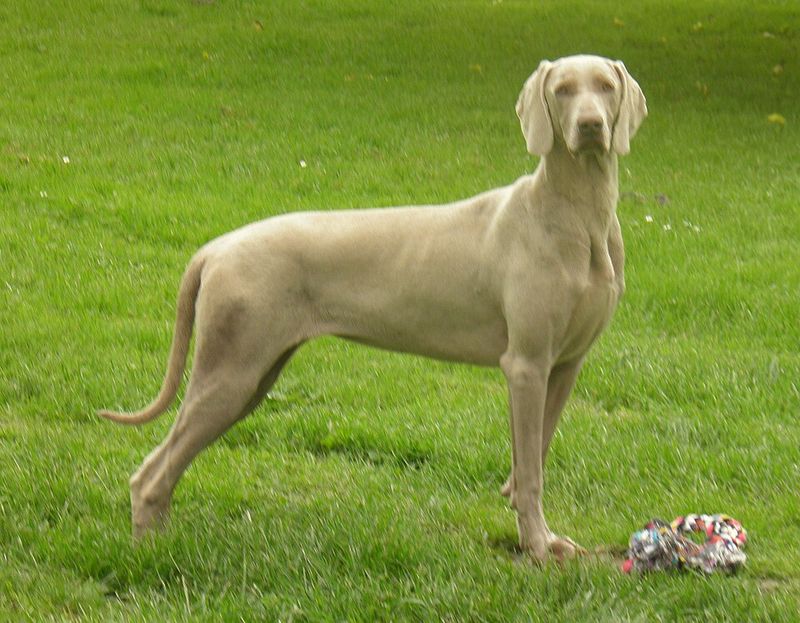
Weimaraners are gorgeous, needy, and nose driven. Separation issues can show up fast if you skip independence training.
They want adventure and your company, preferably both. Without outlets, they redecorate with teeth and paws, then sprint laps through feelings.
Channel that energy into tracking, long hikes, and recall games. Use long lines to build reliability without freedom disasters.
Gentle consistency beats confrontation with this sensitive athlete. Crate training, enrichment feeders, and calm decompression walks help them settle.
When you pair exercise with clear routines, your Weimaraner becomes a velcro buddy who thrives on partnership and purposeful exploration.
Jack Russell Terrier

Jack Russells are fun sized chaos coordinators. Bred for vermin control, they treat your yard like a mission zone.
Digging, barking, and vertical jumping are features, not bugs. Without structure, they evict flowerbeds and outwit baby gates before breakfast.
Give them targets for that drive: terrier sports, scent games, and trick training. Secure fences are mandatory, and small pet introductions need caution.
Keep sessions short, fast, and rewarding to match their spark. Teach a rock solid recall and a settle mat early.
With outlets and rules, your Jack Russell becomes a tiny athlete who turns mischief into medals.
Dachshund
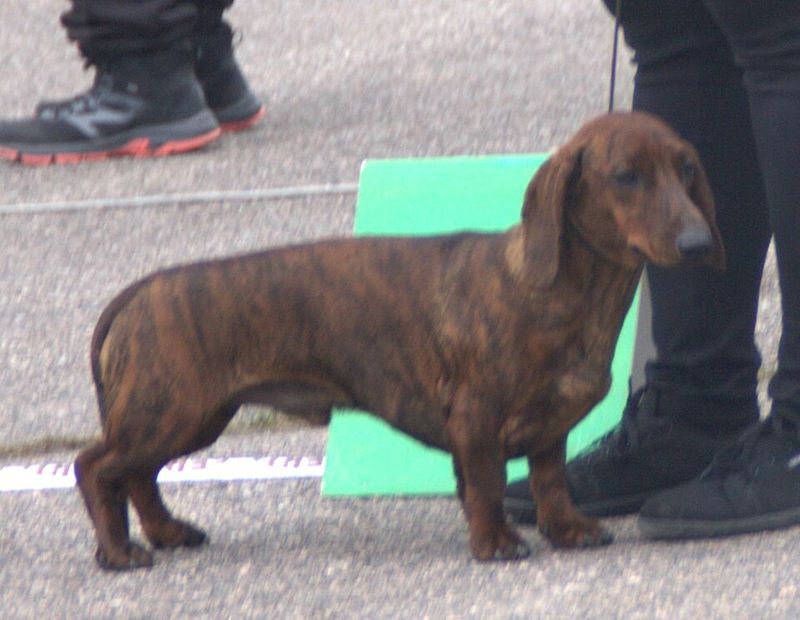
Dachshunds are adorable hot dogs with hunter hearts. The back is long, the prey drive is longer.
They tunnel under fences and opinions. Jumping off furniture risks injury, so ramps and conditioning are smart.
Barking happens when they patrol their kingdom and find everything suspicious.
Short legs do not mean short workouts. Nose work, snuffle mats, and controlled digging boxes satisfy instincts safely.
Keep introductions to small pets cautious. Positive training builds cooperation without squashing their bold spirit.
With spine friendly setups, puzzle time, and clear boundaries, your Dachshund becomes a confident, hilarious companion who proves bravery does not require height.
Shiba Inu
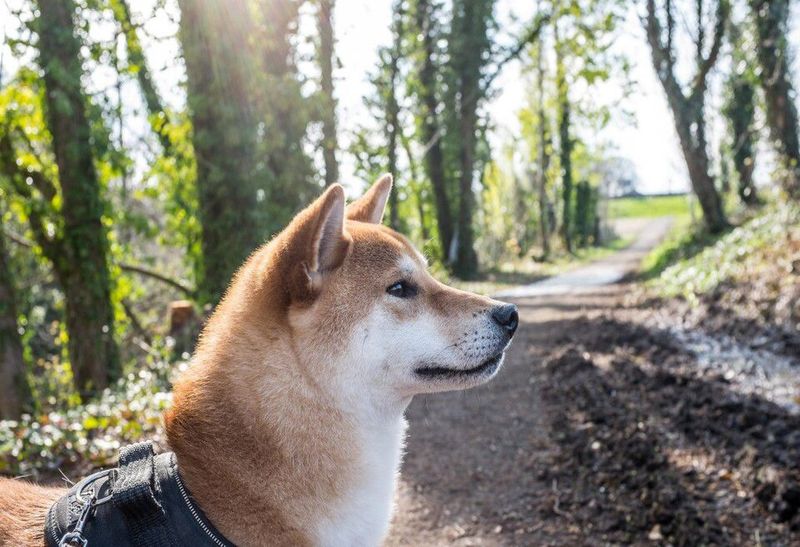
Shibas are charming minimalists with maximum opinions. They look tidy but contain a comedian, a ninja, and a lawyer.
The famous scream is real during nail trims, so teach cooperative care early. Recall is optional to them, so double leashes and secure harnesses prevent sudden independence.
They are clean, catlike, and often aloof with strangers. Use high value rewards and short sessions to win buy in.
Socialize thoughtfully without overwhelming them. Puzzle toys and scent games satisfy brains indoors.
With patience, boundaries, and humor, your Shiba becomes a witty roommate who negotiates everything yet still curls up like a cinnamon roll beside you.
French Bulldog
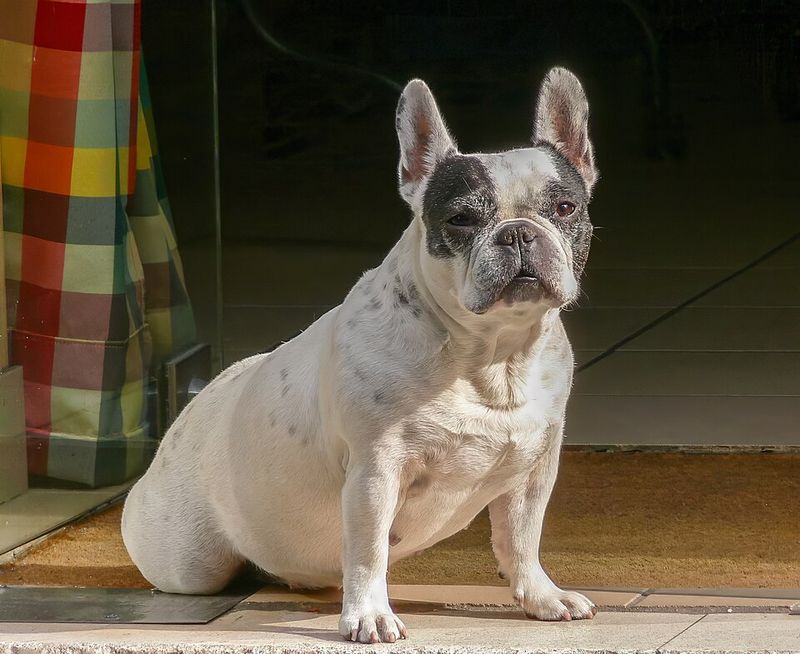
Frenchies are lovable clowns with maintenance needs. Breathing challenges mean heat and overexertion are risks, so plan gentle exercise and cool spaces.
Spinal and skin issues pop up, demanding proactive vet care and insurance consideration. Snorts are cute until they signal discomfort.
They thrive on companionship and clear routines. Keep walks short, harnesses comfy, and play sessions calm.
Training should be upbeat and bite sized to match attention spans. Watch weight, nails, and wrinkle hygiene.
With airflow awareness, vet partnerships, and steady boundaries, your French Bulldog becomes a snuggly comedian who turns everyday moments into a giggle reel without sacrificing health or safety.