Some dog breeds capture hearts the moment you see them, but behind the cuteness are health and lifestyle challenges vets see every day. If you are choosing a new companion, it pays to look past the highlight reel and consider long term realities.
This guide breaks down what veterinarians worry about most, so you can decide with open eyes and a smart plan. Read on to match your expectations, budget, and daily routine with the right fit for you and your dog.
French Bulldog
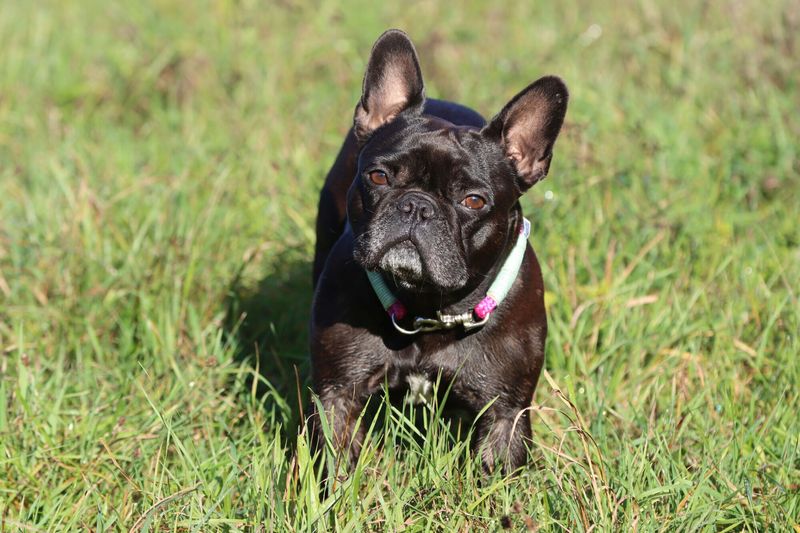
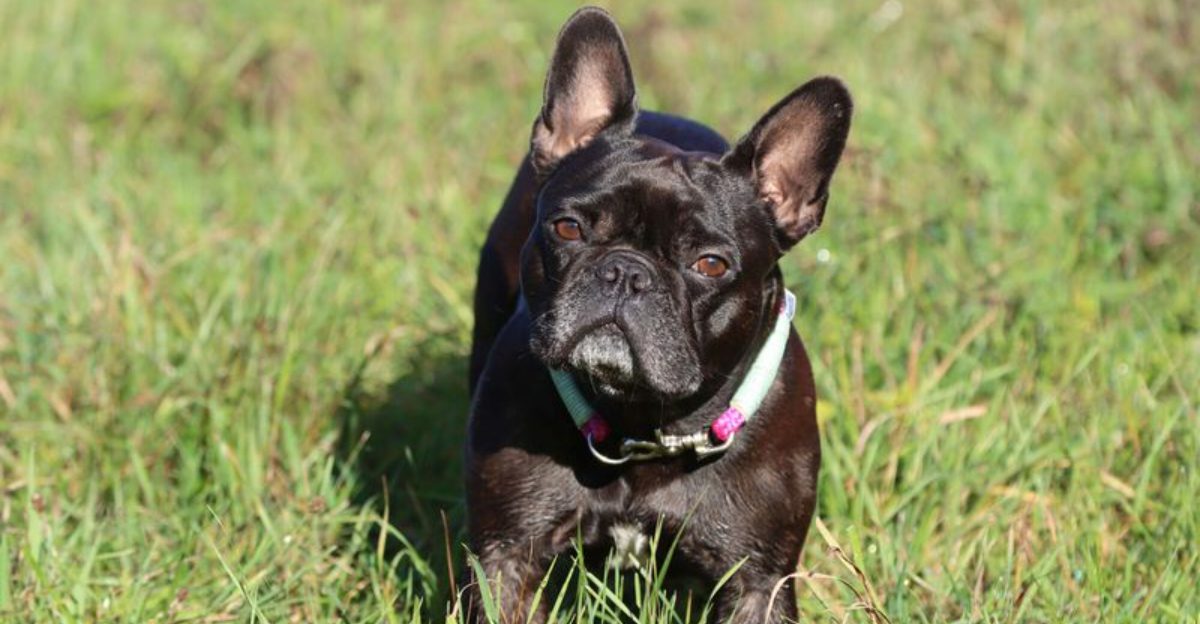
French Bulldogs are adorable, clownish companions, yet many vets caution prospective owners. Their flat faces can mean chronic breathing trouble, heat sensitivity, and noisy sleep that is not just snoring but airway obstruction.
You might face recurring vet visits for ear infections, skin folds, and eye ulcers caused by bulging eyes.
Training can be fun, but exercise must be gentle and cool to avoid overheating. Insurance costs and surgical bills for airway correction can surprise families who only expected couch cuddles.
If the look steals your heart, meet several adults first, ask breeders for health testing proof, and talk honestly with your veterinarian. Budget for preventive care, allergy management, quality food, and possible specialized anesthesia protocols.
Bulldog

Bulldogs look sweet and sturdy, but vets often see hidden fragility behind those wrinkles. Like other brachycephalic breeds, they struggle with narrow airways, heat intolerance, and exercise limitations that affect daily life.
Skin fold infections, tail pocket issues, and chronic ear problems can demand frequent cleaning, medication, and patience.
Reproductive complications, joint pain, and spinal anomalies can further raise costs and reduce comfort. Some dogs need surgical help to breathe or move more freely, which can be emotionally tough to navigate.
If you love the look, commit to weight control, short shaded walks, reputable breeders who health test, and honest conversations with your vet. Plan for cooling strategies at home, pet insurance, and an emergency plan during hot weather.
Pug
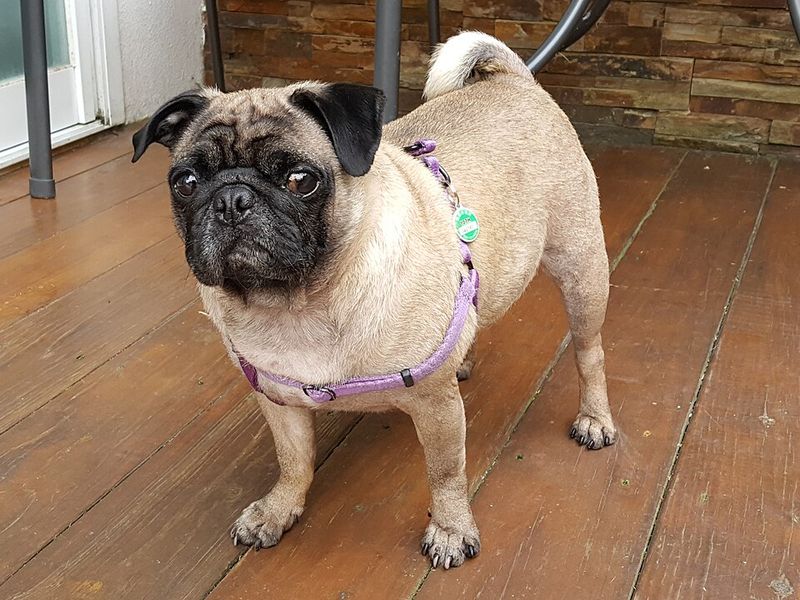
Pugs charm almost everyone, but their squished noses can make breathing a daily challenge. Snorting, reverse sneezing, and overheating are common, and long flights or summer hikes are risky.
Their prominent eyes can be injured easily, while skin folds and allergies often spark itchiness and infections that circle back again.
Weight control is crucial, since extra pounds further strain airways and joints. You will need gentle exercise, cool rooms, and a trusted vet comfortable with airway exams and anesthesia.
If you adore that expressive face, be ready for lifelong maintenance, possible surgery, and a budget that includes eye protection, tear stain wipes, and regular checkups. Consider pet insurance and choose breeders who screen for PDE and hemivertebrae risks.
Cavalier King Charles Spaniel
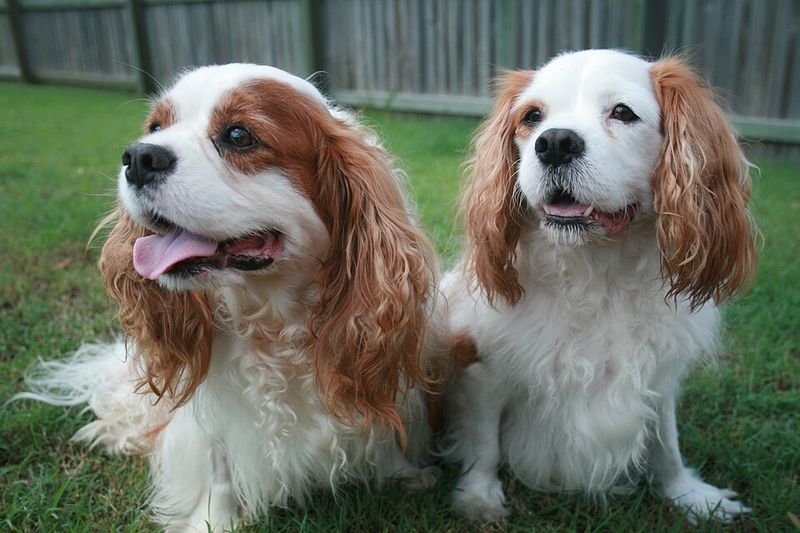
Cavaliers melt hearts, yet veterinarians worry about serious inherited conditions. Mitral valve disease often appears early, bringing coughing, exercise intolerance, and costly lifelong medications.
Syringomyelia and chiari like malformation can cause pain, scratching, or sensitivity around the neck, which may require neurologist care and careful monitoring.
Ear infections, dental issues, and luxating patellas can pile on additional vet visits. These dogs are sweet and sensitive, so stress reduction and gentle training matter just as much as medical planning.
If that silky coat calls to you, prioritize breeders who do heart and MRI screenings, maintain ideal weight, schedule echocardiograms, and budget for medications. Early detection can extend good years, but it requires diligence, patience, and honest expectations from day one.
Dachshund

Dachshunds are lively and loyal, yet their long backs create real vulnerability. Intervertebral disc disease is common, sometimes striking suddenly with pain or paralysis that demands urgent care.
Jumping off furniture or racing stairs can increase risks, so you will need ramps, supervision, and a plan for crate rest if injured.
Obesity worsens spinal stress and can shorten comfortable years dramatically. You will want controlled exercise, core strengthening games, and thoughtful handling for baths or grooming.
If that comical personality wins you over, set aside savings for imaging, pain relief, and possibly surgery, and work with a vet who understands neurologic red flags. Prevent jumping with baby gates, teach safe furniture rules, and consider pet insurance early.
German Shepherd
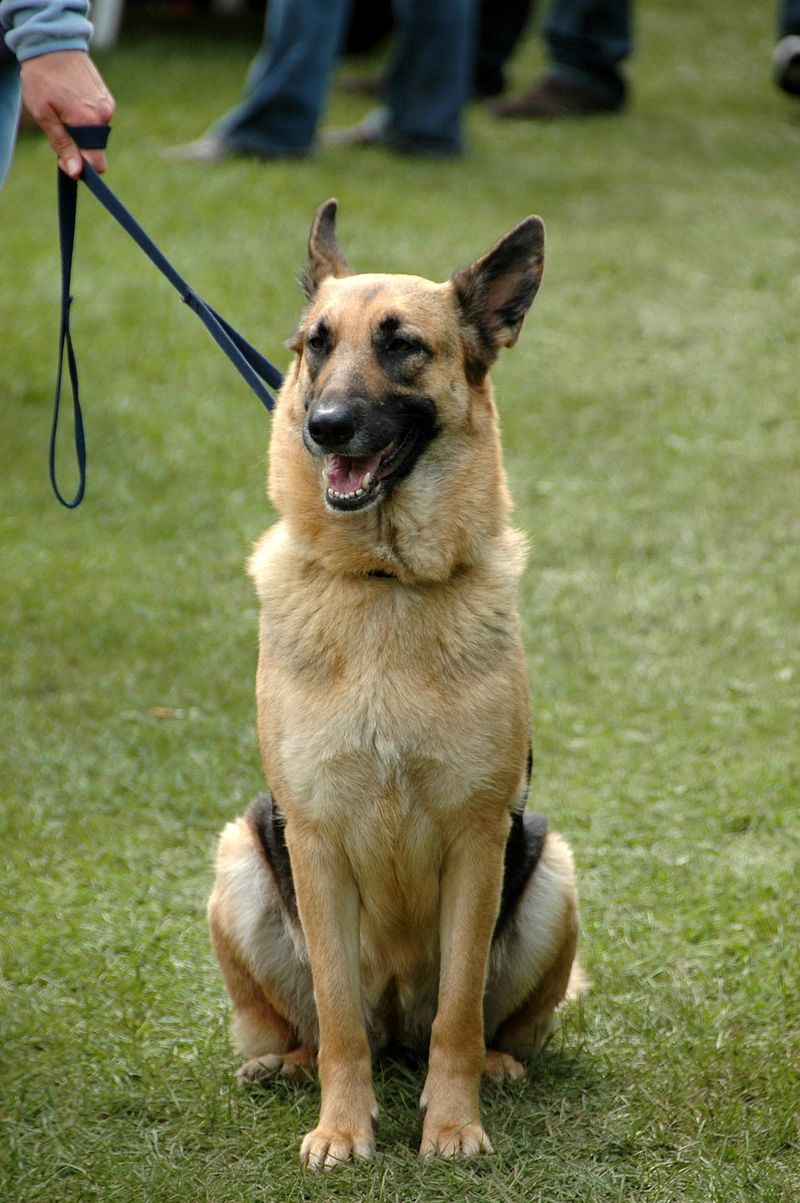
German Shepherds are brilliant workers, but their bodies can be high maintenance. Hip and elbow dysplasia remain widespread, often requiring imaging, supplements, rehab, or surgery to preserve mobility.
Degenerative myelopathy brings progressive weakness in older dogs, which can be heartbreaking and financially demanding to manage compassionately.
Skin issues, sensitive stomachs, and anxiety driven behaviors may add to the list. These dogs thrive on structured training and mental work, yet also need careful breeding to balance drives and health.
If you want that iconic loyalty, partner with reputable breeders, plan for joint screening, invest in enrichment, and build a long term relationship with your vet. Consider preventive sports conditioning, high quality diets, and insurance to buffer unpredictable orthopedic expenses.
Golden Retriever
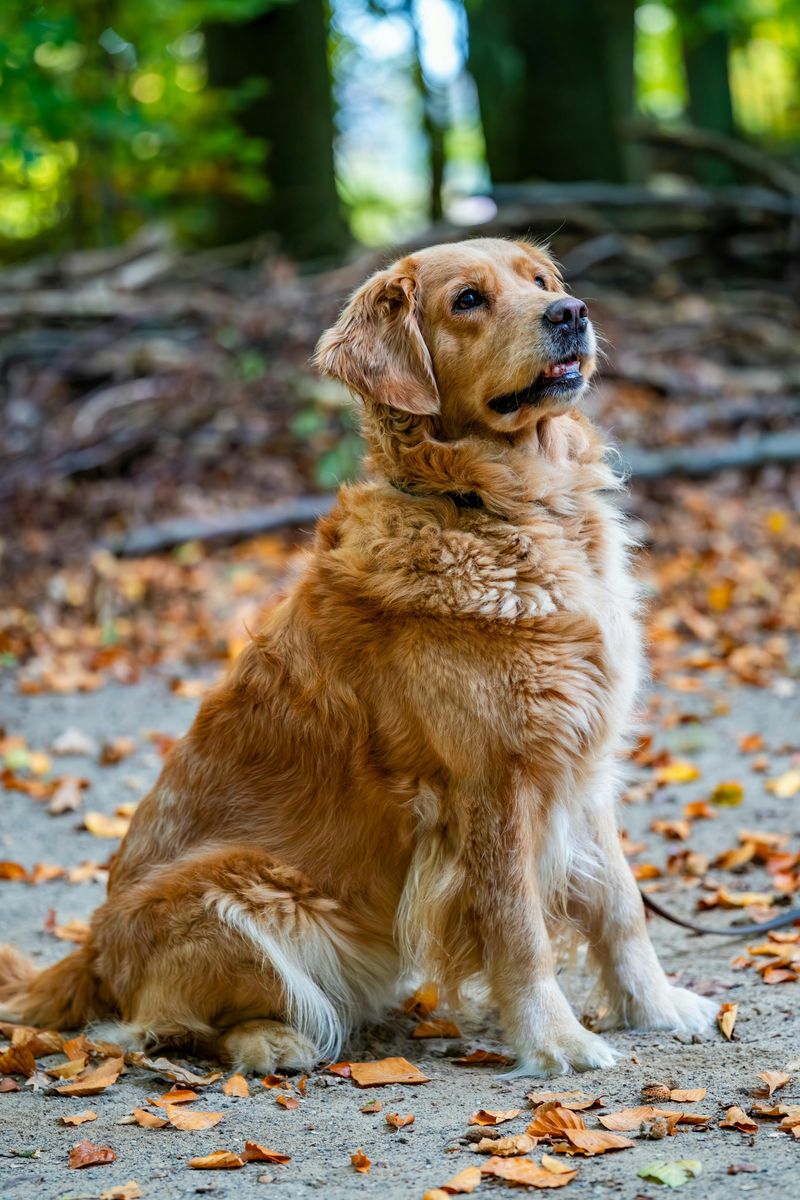
Golden Retrievers are friendly and trainable, yet cancer rates concern many veterinarians. Hemangiosarcoma and lymphoma are heartbreakingly common, making wellness screenings and prompt testing essential.
Ear infections, skin allergies, and hypothyroidism can also show up, nudging you toward ongoing baths, medications, and diet adjustments to keep them comfortable.
These sunny dogs crave companionship and meaningful activity, which helps manage weight and stress. You will want reputable breeders who perform cardiac, eye, and hip certifications, plus a vet ready to discuss early detection strategies.
If you love their smile, plan for pet insurance, budget for grooming, and learn to spot subtle signs like pale gums or decreased stamina. Regular bloodwork, ultrasound when indicated, and prompt ER visits can genuinely change outcomes.
Labrador Retriever

Labradors are lovable athletes, but their appetites and joints can collide in unhealthy ways. Obesity is a frequent problem, fueling cruciate ligament tears and arthritis that curtail adventure time.
Ear infections from swimming, skin allergies, and tail injuries can also lead to repeat vet visits and daily management.
These dogs need structured exercise, calorie awareness, and puzzle feeders that slow snacking urges. Responsible breeders check hips, elbows, and eyes, while your vet can guide nutrition and joint supplements early.
If you picture endless fetch, schedule rest days, cross train with swimming, and stash funds for potential surgery, rehab sessions, and high quality preventive care. Watch for bloat signs after heavy meals, and teach polite leash manners to protect aging joints.
Boxer

Boxers are goofy and affectionate, but health issues can be significant. Cardiomyopathy and certain cancers are concerns, demanding screenings and swift attention to fainting, coughing, or lumps.
Allergies and skin tumors appear frequently, while short muzzles bring heat sensitivity that limits summertime exercise and can complicate anesthesia.
These energetic clowns still need boundaries, mental work, and a cool environment. Choose breeders performing heart evaluations and genetic testing, and partner closely with your vet for regular monitoring.
If you want that wiggle butt welcome every day, plan for insurance, consistent training, careful sun exposure, and quick workups whenever behavior or stamina seems off. Keep a log of coughing episodes, appetite changes, and exercise tolerance to spot patterns early.
Doberman Pinscher
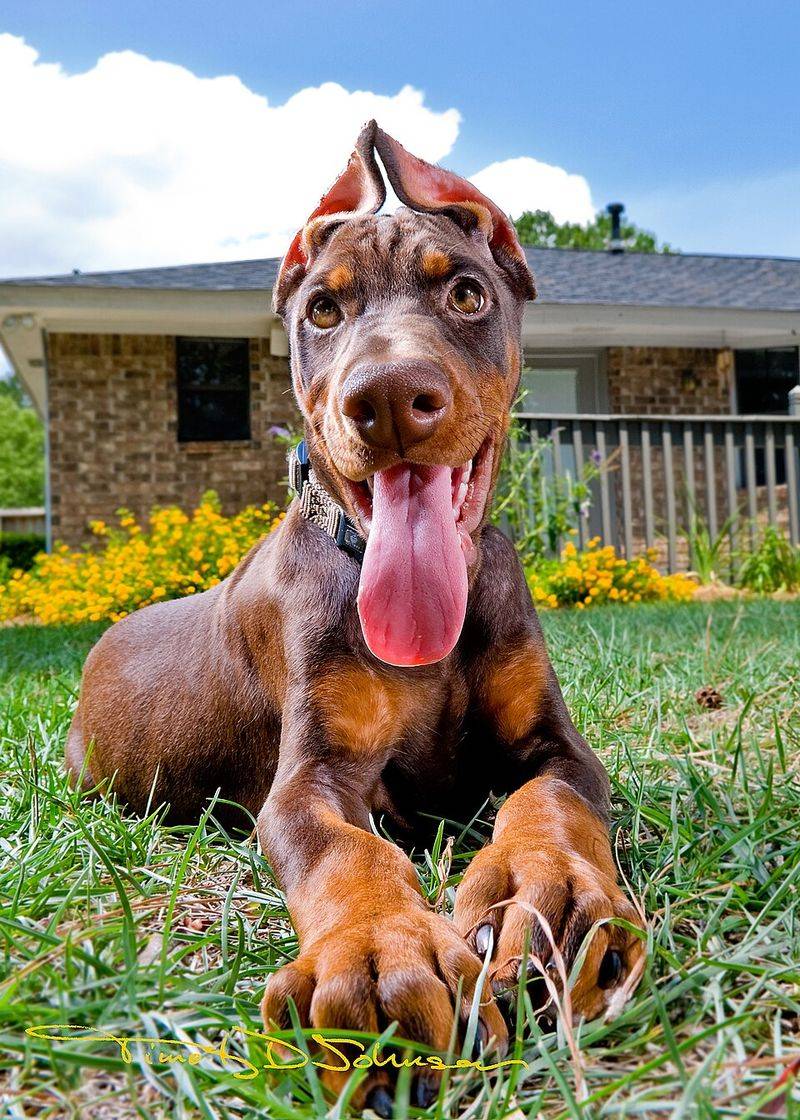
Dobermans are sleek guardians with big hearts, and that heart needs vigilant care. Dilated cardiomyopathy is a serious risk, so Holter monitoring and echocardiograms are common recommendations.
Von Willebrand disease, hypothyroidism, and cervical spine instability can also surface, creating a patchwork of screening and potential long term medications.
These dogs are intelligent and intense, thriving on structure and fair leadership. You will want breeders who health test, a vet comfortable interpreting cardiac results, and a plan for insurance.
If you admire their focus, commit to lifelong training, muscle conditioning, and regular labs, and learn CPR so you feel prepared in emergencies. Monitor for bloat signs, keep teeth clean, and watch nails because quicks can grow long quickly.
Shar Pei
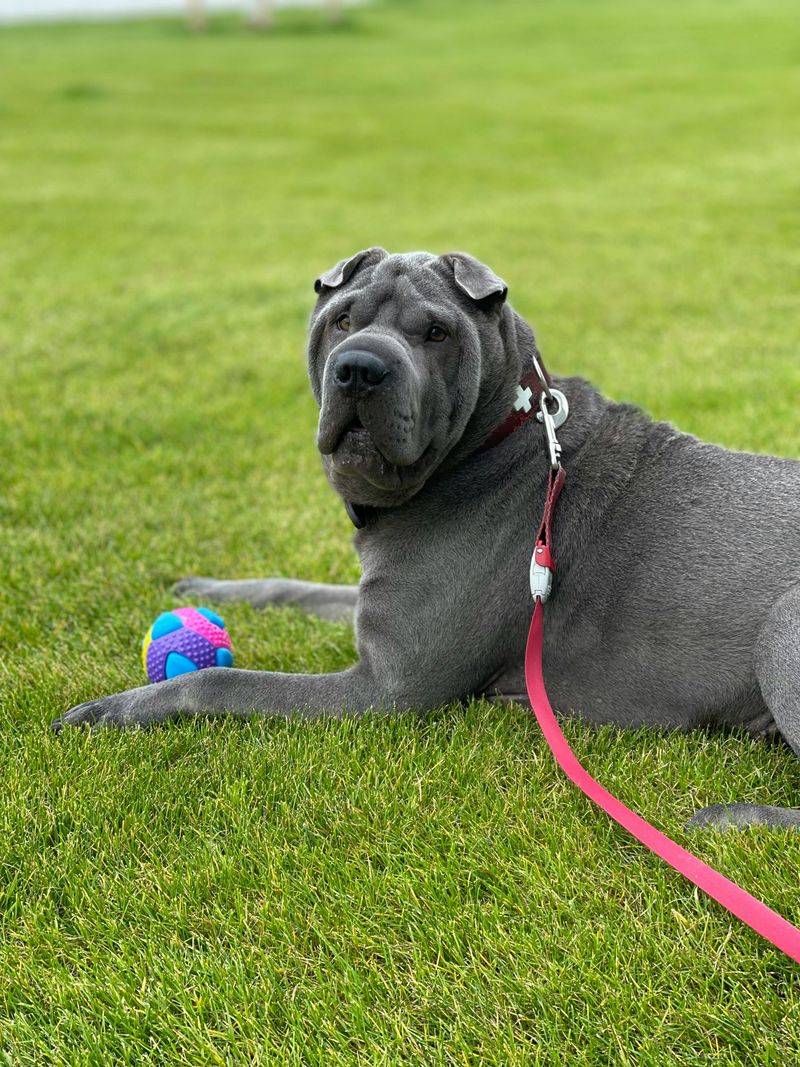
Shar Pei dogs look distinctive, but those wrinkles can hide medical challenges. Shar Pei fever brings episodic swelling, high temperatures, and risk of kidney complications that require urgent attention.
Skin infections, entropion, and ear problems are common, and some dogs need surgery to prevent lashes from scratching eyes.
Allergies and immune quirks may demand ongoing medication and careful food trials. Gentle, consistent training helps them feel secure, while air conditioned spaces protect comfort in warm months.
If you are drawn to the look, choose experienced breeders, confirm health histories, budget for ophthalmology visits, and keep a thermometer handy to catch fevers fast. Daily wipe downs between folds and scheduled rechecks can prevent small problems from snowballing.
Great Dane
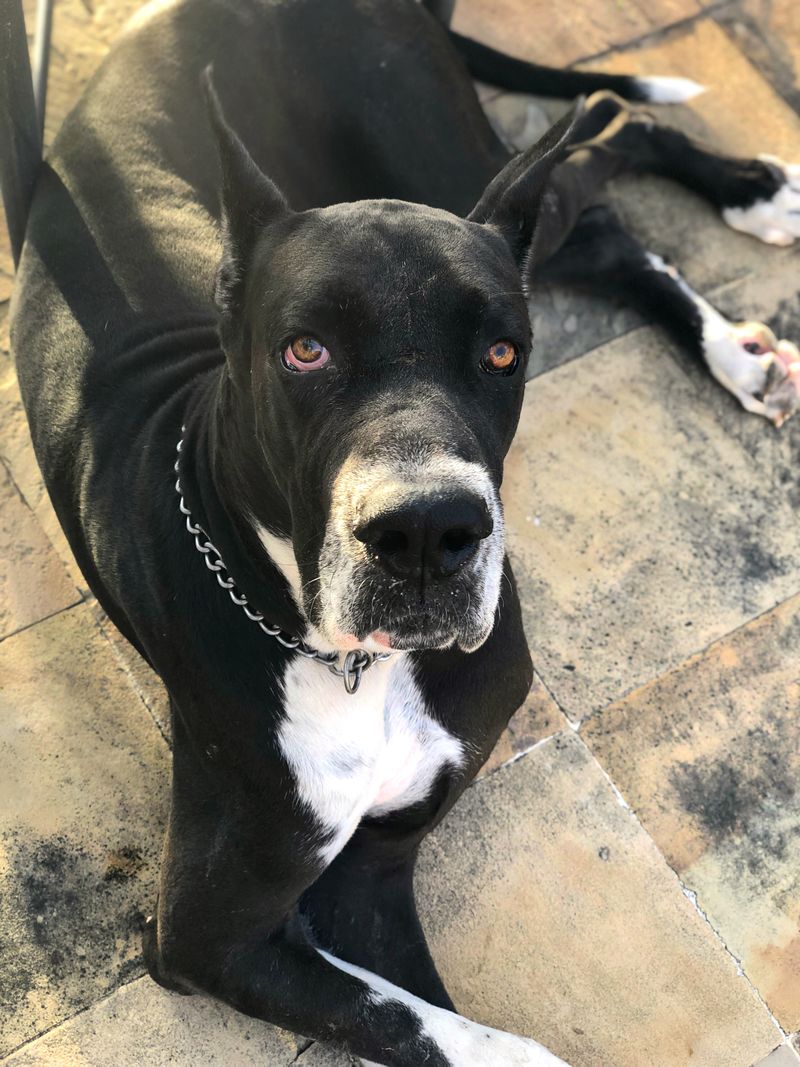
Great Danes are gentle giants with very short lifespans and very big bills. Their size magnifies orthopedic strains, and bloat with torsion is a constant emergency worry requiring rapid action.
Heart disease, hypothyroidism, and wobbler syndrome may also appear, and medications scale up with body weight.
Daily routines must include slow feeding, raised bowls debated with your vet, and restricted roughhousing during growth. Housing, vehicles, and travel plans all change when your dog weighs as much as you.
If the majestic vibe wins you over, save aggressively, consider prophylactic gastropexy, and build a healthcare team comfortable handling giants safely. Invest in supportive bedding, traction rugs, and a ramp for cars to protect joints and confidence.