
Some dogs were bred to face the unthinkable, holding the line when a massive bear tests every nerve. These breeds mix courage, control, and hard earned judgment with the endurance to work brutal terrain.
You will discover what makes each partner valuable, from baying specialists to guardians that steady chaotic moments. If you respect grit backed by brains, keep reading.
Karelian Bear Dog
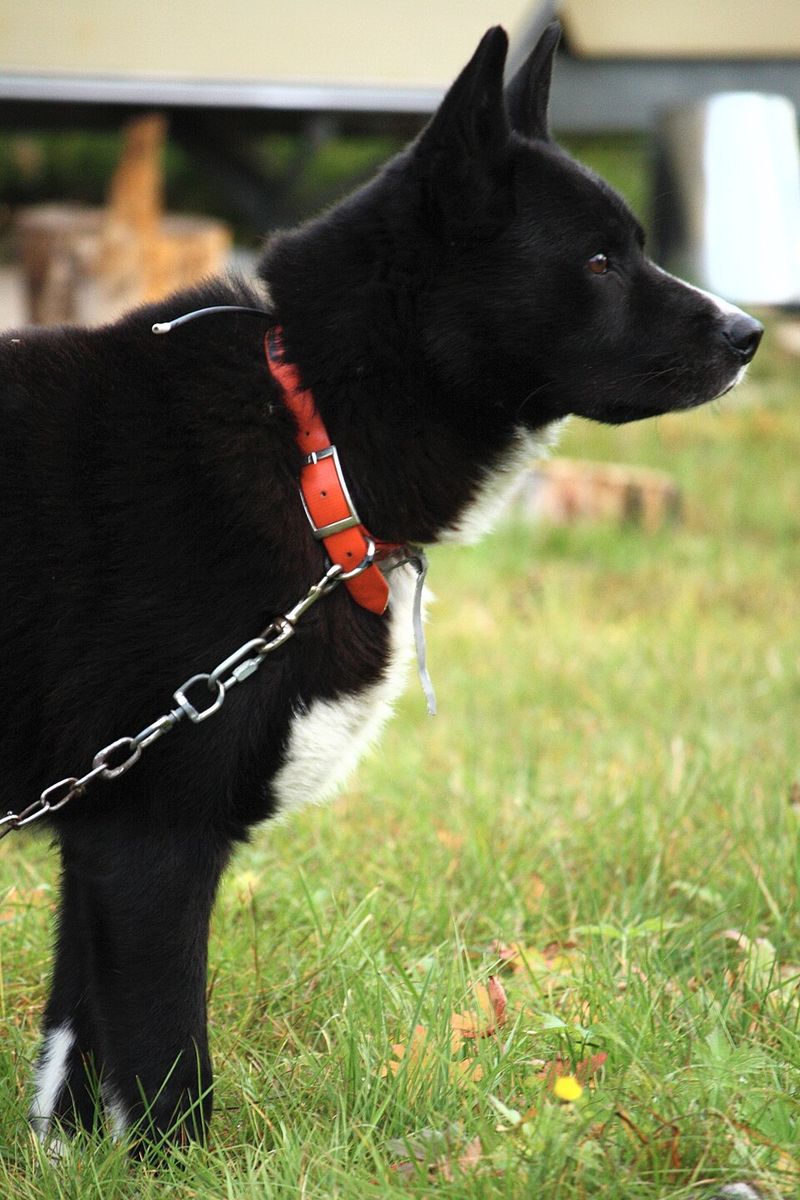
The Karelian Bear Dog thrives on danger, showcasing explosive courage, quick reflexes, and tireless stamina across dense, unforgiving forests worldwide. Bred in Finland for large game, it trails silently, then erupts into piercing barks to hold and harass bears effectively.
You get a compact, athletic partner with keen senses, ice cold nerves, and a mind that learns complex tasks quickly.
Expect intense prey drive, strong independence, and a discriminating nose that separates fresh scent from stale tracks under pressure consistently. Training works best with fairness, absolute clarity, and steady consistency, supported by challenging work that channels energy and confidence daily.
If you value gritty loyalty, ice tempered bravery, and reliable bear baying, this breed delivers heart, control, and grit repeatedly.
Plott Hound
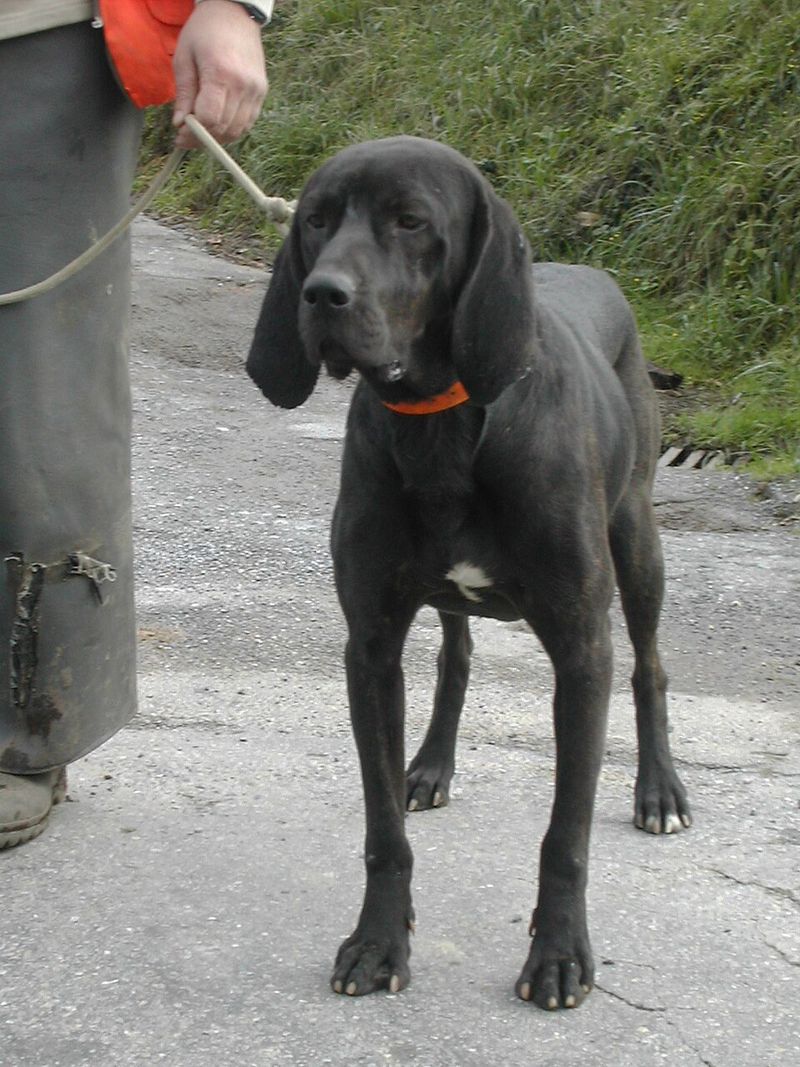
The Plott Hound is a relentless scenthound, built for mountains, rain, and thickets, driving fearless pursuits on dangerous game daily. Its cold nose follows aged tracks, then tightens the loop, turning scattered sign into decisive movement toward a decisive bay.
You get music like thunder, controlled aggression, and stamina that makes steep climbs feel shorter with every determined stride forward.
Expect pack cooperation, a gritty attitude, and handler awareness that keeps pressure balanced and mistakes from spiraling into chaos afield. Training thrives on repetition, fair corrections, and rewarding track work that builds confidence without dulling initiative or necessary independence anywhere.
For hunters needing drive, control, and musical grit on bears, the Plott remains a proven teammate and spirited finisher today.
American Black and Tan Coonhound
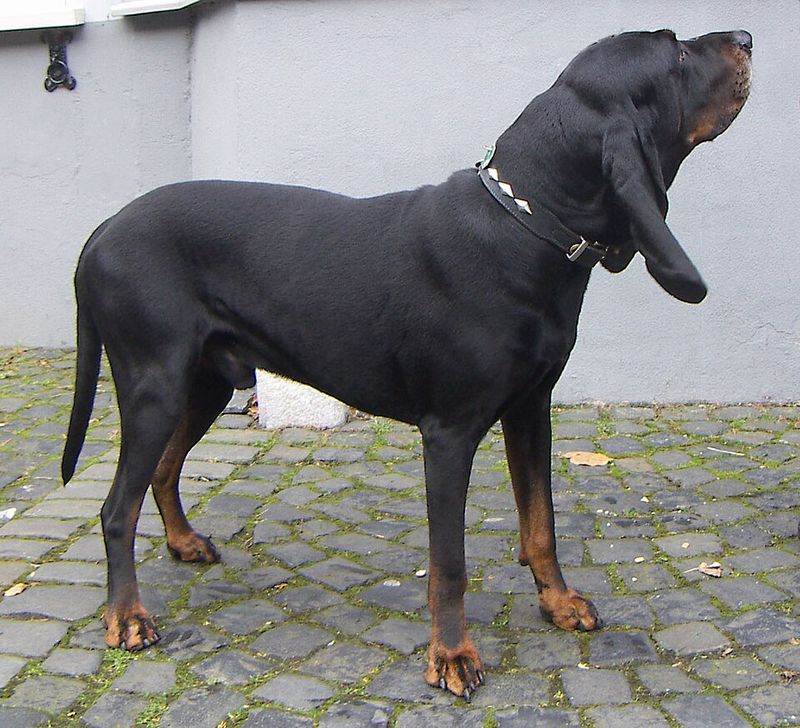
The American Black and Tan Coonhound brings booming voice, impressive legs, and a disciplined nose to brutal, tangled bear country. It can cold trail patiently, unraveling overnight scent until wind, terrain, and sunlight converge, turning whispers into clear direction forward.
You get determination, musical bawls for tracking feedback, and enough grit to stay engaged without tipping into reckless chaos behavior.
Expect a social worker that cooperates in packs, balances independence, and reads handler energy during tense, noisy bear action wisely. Training should prioritize recall, line handling, and pressure control, layered over generous track time that refines judgment and timing reliably.
When you need voice, reach, and composure on challenging bears, this classic hound offers purpose, persistence, and steady communication constantly.
Russian Laika
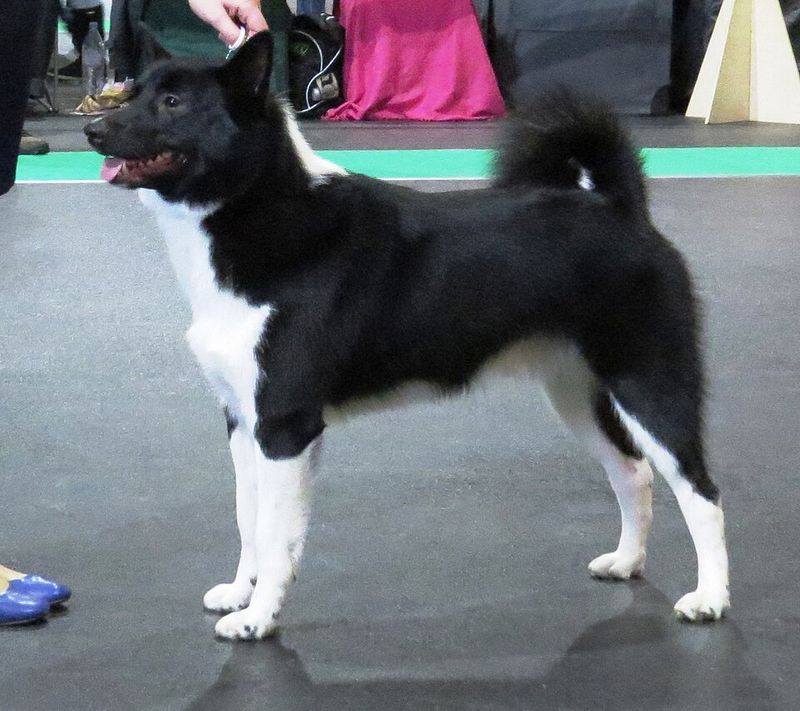
Russian Laikas are versatile northern spitz dogs, tuned for silent tracking, explosive baying, and vigilant perimeter control around danger zones. They glide through taiga quietly, glassing with ears and eyes, then pin large game while maintaining safe, strategic spacing intelligently.
You get keen observation, problem solving, and stamina that shrugs at snow crusts, bogs, and biting crosswinds during long chases.
Expect independence, quick learning, and a mind that avoids needless risks while keeping pressure steady and escape routes blocked effectively. Training rewards fair boundaries, varied terrain work, and mental puzzles that strengthen judgment without dulling natural initiative or balance outdoors.
When you need stealth, grit, and intelligent spacing on bears, Laikas deliver composed pressure and reliable communication under stress repeatedly.
Norwegian Elkhound
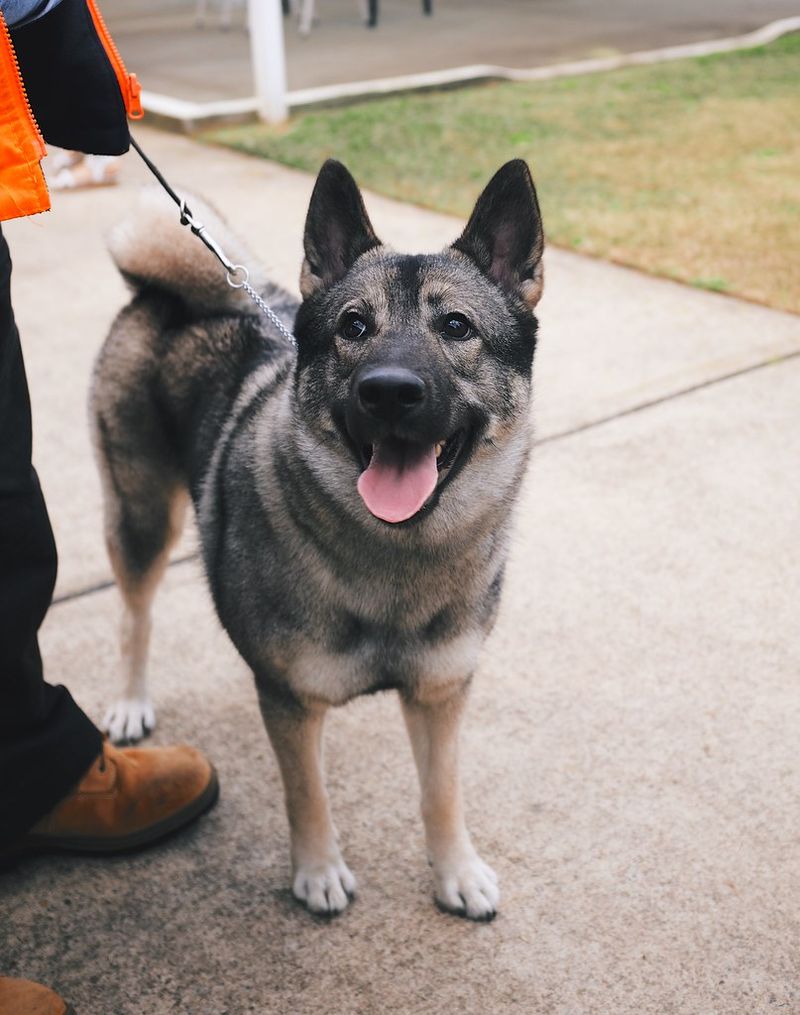
The Norwegian Elkhound is compact, hardy, and confident, born for mountainous forests where elk and bears test every weakness daily. It tracks quietly, then barks rhythmically, circling and feinting to hold position while safeguarding handler approach paths with awareness constantly.
You get athletic balance, dense coat protection, and a fearless attitude that respects pressure without wasting energy on theatrics anywhere.
Expect independent thinking, a steady voice, and durable feet that handle shale, ice, and swampy ground during prolonged encounters effortlessly. Training benefits from patient repetition, clear rules, and rewarding games that channel drive into focus, distance control, and composure reliably.
For tough weather, tall cover, and stubborn bears, this stalwart companion brings grit, intelligence, and honest working enthusiasm delivered.
Siberian Husky
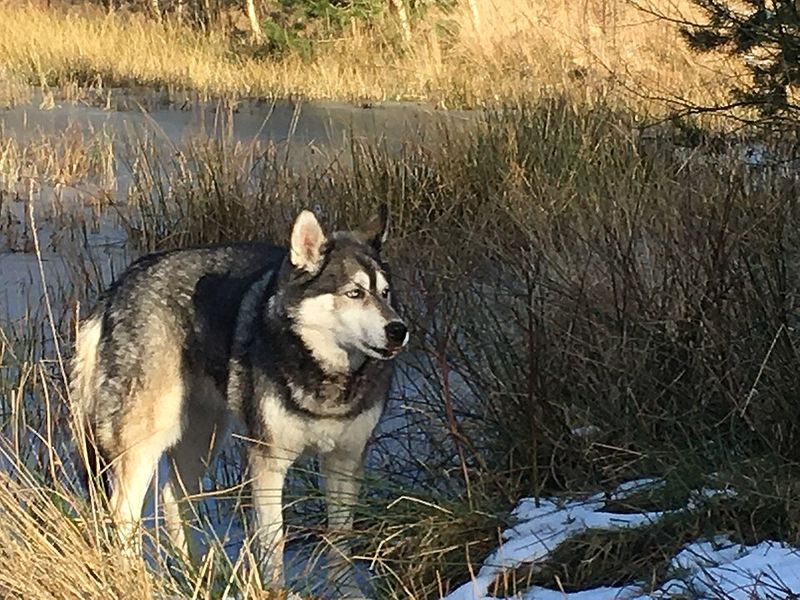
The Siberian Husky offers endurance, weather tolerance, and coordinated teamwork that supports long pursuits and rapid repositioning in arctic terrain. While not a traditional bear dog everywhere, its speed and voice can help manage space and momentum during chaotic moments.
You get athletic efficiency, bright eyes reading wind shifts, and a cooperative spirit that keeps morale steady over punishing distances.
Expect sensitivity, independence, and a high energy ceiling that demands structured jobs, consistent boundaries, and generous recovery opportunities between efforts. Training thrives with variety, clear cues, and fair reinforcement, focusing on recall, line manners, and pressure control under excitement reliably.
For teams needing speed, resilience, and smart spacing around bears, Huskies contribute useful support alongside specialized bay dogs in teams.
Alaskan Malamute
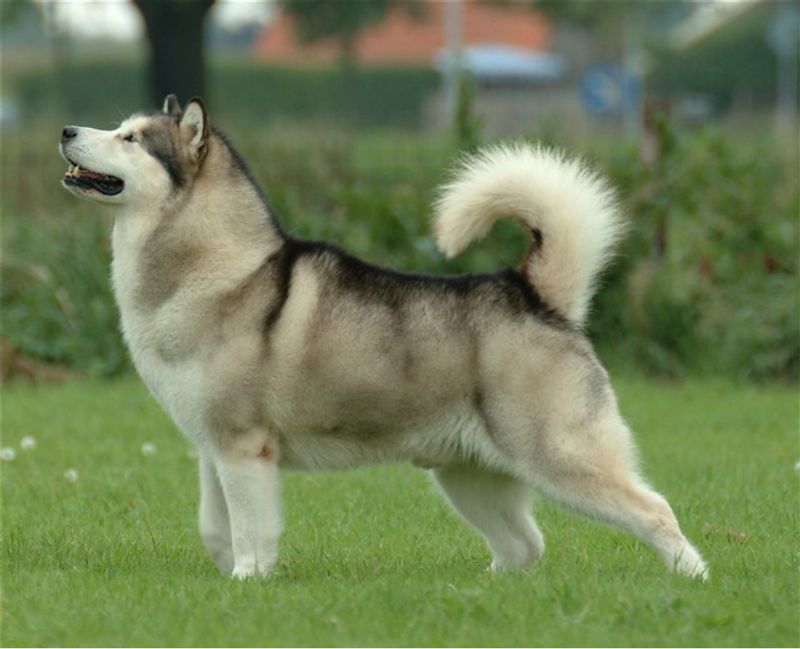
The Alaskan Malamute brings hulking strength, unflinching endurance, and weatherproof grit that sustains difficult approaches across brutal snowfields and tundra. Not always a specialist bay dog, it manages pressure, spacing, and movement, helping stabilize chaotic scenarios with calm intent nearby.
You get imposing presence, confident traction, and a patient mind that resists panic when terrain, wind, or noise becomes overwhelming.
Expect independence, protective instincts, and strong willpower that require consistent leadership, purposeful jobs, and respectful, fair communication during every outing. Training benefits from boundaries, impulse control games, and conditioning that supports sustained focus during long, weather beaten operations and recoveries.
When heavy hauling, challenging terrain, and bear pressure combine, Malamutes supply steadiness, muscle, and heart that teams appreciate out there.
Caucasian Shepherd
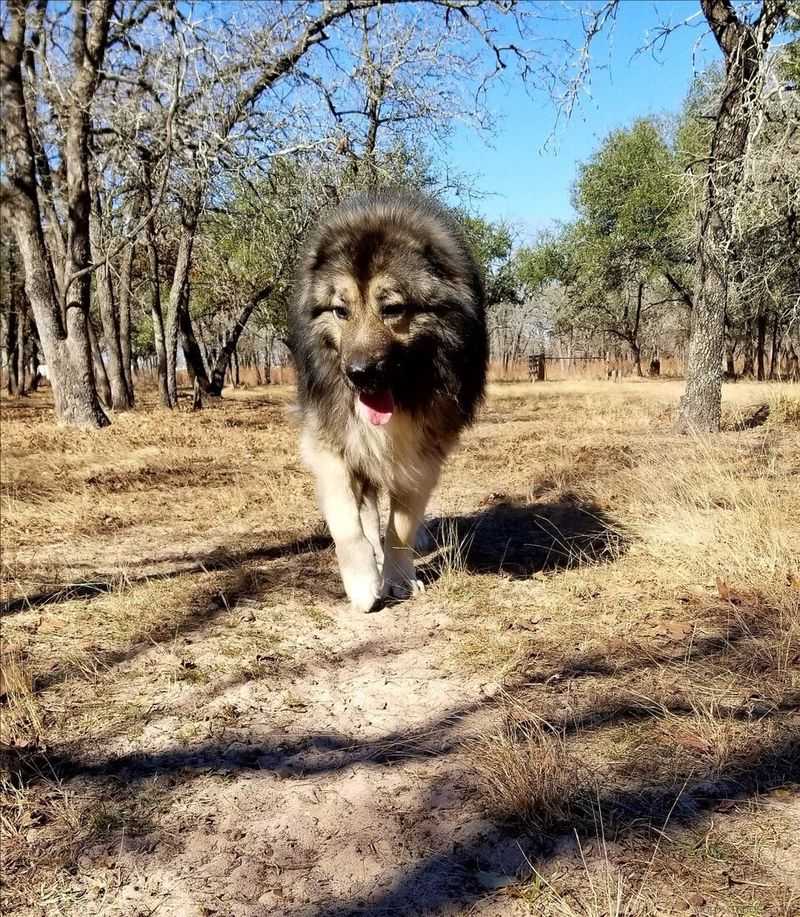
The Caucasian Shepherd is massive, territorial, and fearless, developed to confront predators and guard flocks across rugged Caucasus ranges historically. In bear situations, it projects intimidating presence, manages distance, and holds ground so handlers and bay dogs work safely together.
You get bone, bite inhibition with judgment, and a guardian brain that measures threats rather than chasing needless chaos impulsively.
Expect strong territorial instincts, independent decision making, and loyalty that can complicate introductions without careful, deliberate handling in high stakes. Training must emphasize neutrality, reliable recall, and pressure modulation, with structured scenarios that build judgment under realistic distractions and threats.
For teams needing deterrence, control, and courage on bears, this guardian supplies presence and steadfast partnership when stakes escalate rapidly.
Central Asian Shepherd
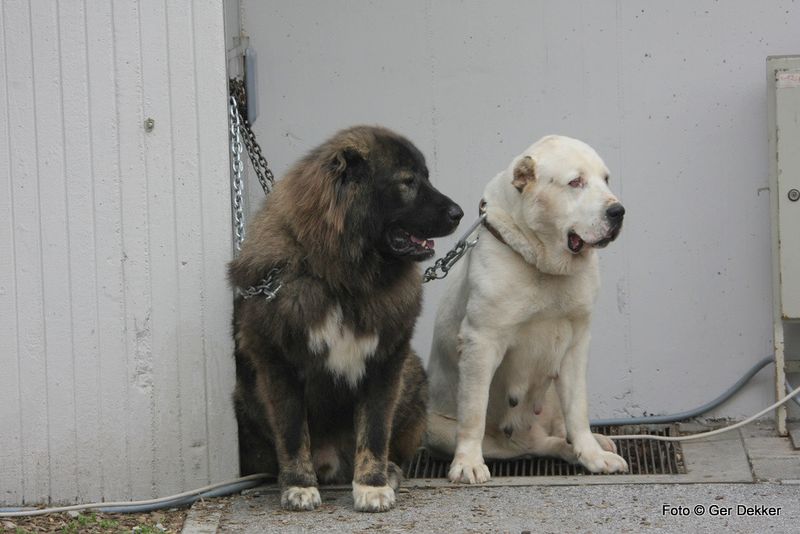
The Central Asian Shepherd brings ancient guardian instincts, heavy bone, and measured aggression suited for predator confrontation and deterrence roles. Against bears, it steadies the line, anchors movement, and protects flanks so bay dogs and handlers maintain safe options consistently.
You get a calculating temperament, weatherproof coat, and a presence that discourages escalation while allowing tactical repositioning under stress repeatedly.
Expect independence, protective suspicion, and deep loyalty that demand early socialization, firm boundaries, and fair, predictable leadership during all work. Training should center on neutrality, pressure control, and confident exposure to terrain, equipment, and noise without flooding during early sessions.
When bears test resolve and lines stretch thin, this breed offers ballast, grit, and unwavering protection beside skilled teammates everywhere.
Dogo Argentino
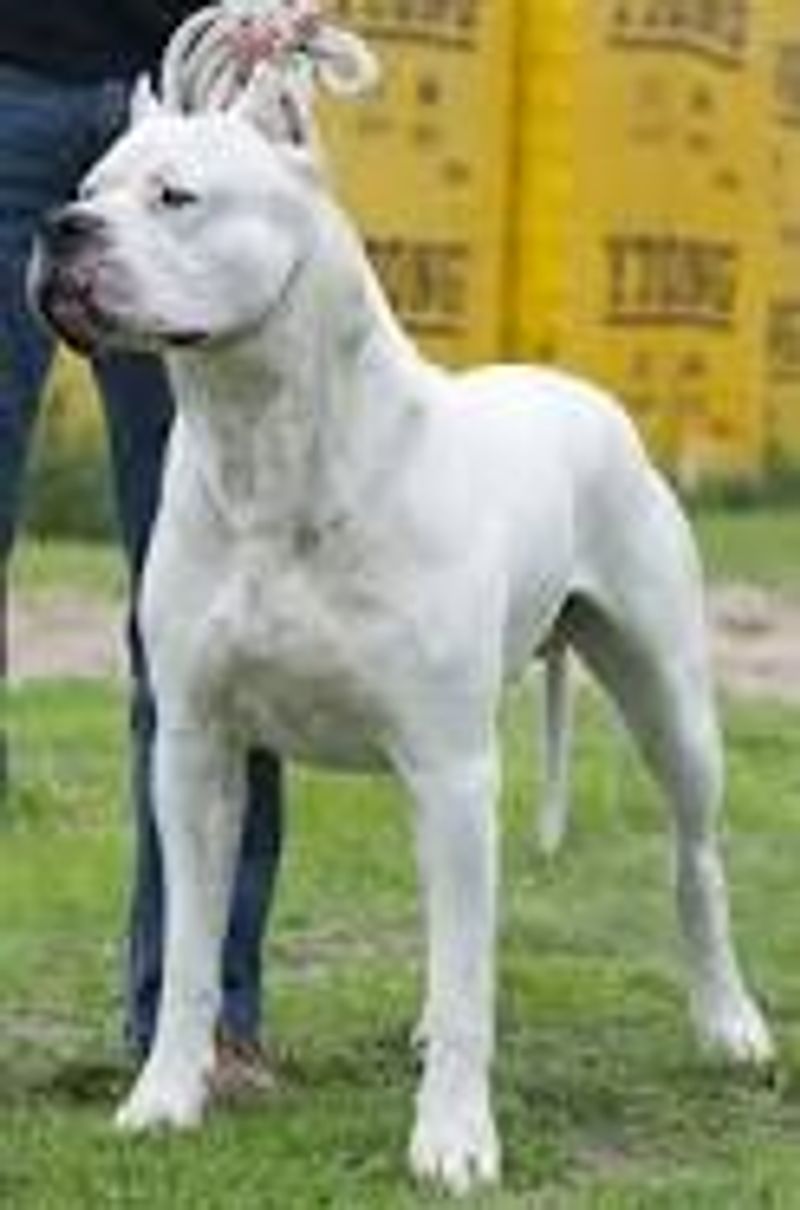
The Dogo Argentino was engineered for big game, combining athletic power, composure, and relentless drive in brutal, hot environments worldwide. It moves with quiet confidence, then commits decisively, maintaining control and spacing while coordinating tightly with trusted handlers and dogs.
You get explosive acceleration, strong nerves, and a clear head that stays useful when adrenaline spikes and choices narrow fast.
Expect high prey drive, muscular endurance, and serious determination that require structure, conditioning, and careful pressure management through every phase. Training should emphasize control under arousal, grip discipline, and reliable out cues, built through progressive, fair scenarios in field work.
For hunters demanding authority, courage, and athletic control on bears, the Dogo brings purpose and unwavering commitment to difficult tasks.
Akita
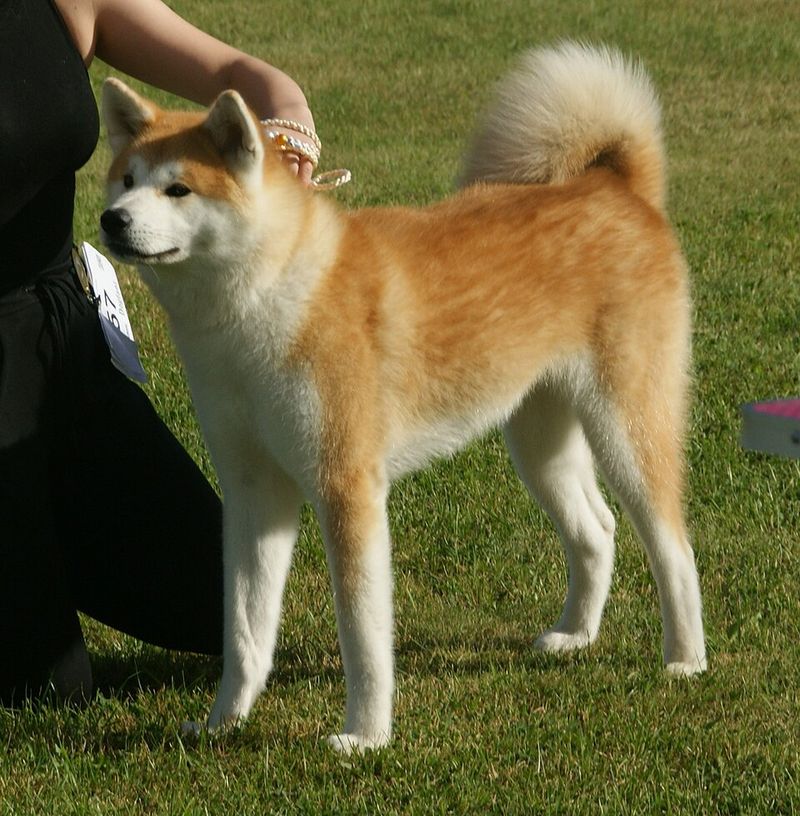
The Akita is dignified, powerful, and calm, an aloof guardian with weatherproof coat and balanced movement over broken ground everywhere. In bear contexts, it projects presence, manages spacing, and steadies approaches while reading energy and avoiding needless escalation under pressure.
You get patient resolve, deep loyalty, and a focused brain that thinks before exploding into motion when situations truly demand.
Expect strong will, protective suspicion, and independence that call for steady leadership, fairness, and careful introductions to partners and terrain. Training should polish neutrality, impulse control, and recall, mixing scent games with obedience that withstands noise and movement during chaos.
When composure, presence, and confident action matter around bears, Akitas offer steadiness and smart restraint alongside courageous allies in field.
German Shepherd
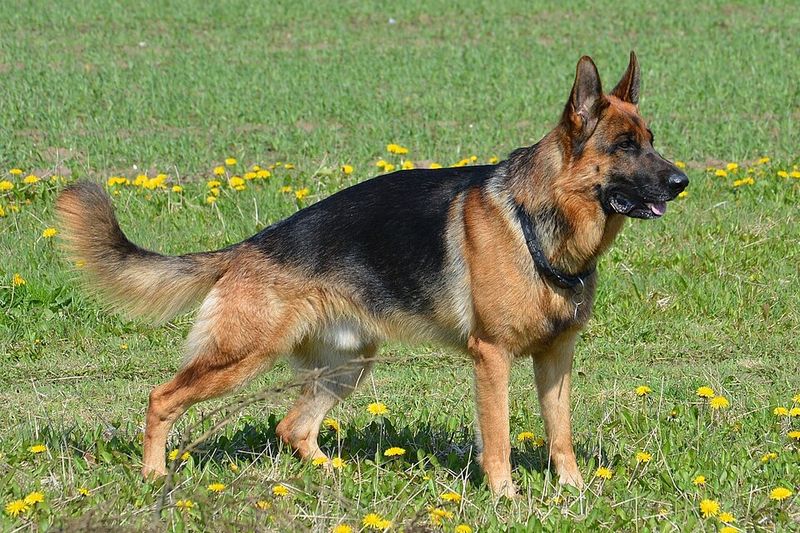
The German Shepherd combines intelligence, athletic versatility, and trainability, adapting quickly to roles that support bear pursuit logistics and safety. It excels at tracking, communication, and coordination, reinforcing control, managing lines, and directing movement under difficult conditions during dynamic hunts.
You get steady nerves, strong obedience, and problem solving that protects teammates and preserves options when pressure rises abruptly nearby.
Expect biddability, confidence, and resilience that shine with consistent routines, varied terrain work, and realistic, well structured scenarios during training. Training emphasizes neutrality around chaos, precise cues, and reliable outs, strengthening decision making under fatigue and high arousal in field.
For teams needing organization, courage, and balanced control near bears, German Shepherds contribute brains, communication, and calm strength every day.