
As devoted pet parents, we often enjoy sharing our favorite foods with our furry companions. However, some foods that are safe for humans can be dangerous, even toxic, for dogs. Here’s a list of 12 common foods that could quietly harm your beloved pet.
Chocolate

Chocolate is a beloved treat for many, but it’s a hidden danger for dogs. It contains theobromine, a compound toxic to canines. Even small amounts can be harmful.
Symptoms of chocolate poisoning include vomiting, diarrhea, and increased heart rate. Dark chocolate, being richer in theobromine, poses a higher risk.
Always keep chocolate out of reach and educate your household on its dangers. A seemingly innocent chocolate bar can be lethal.
Grapes
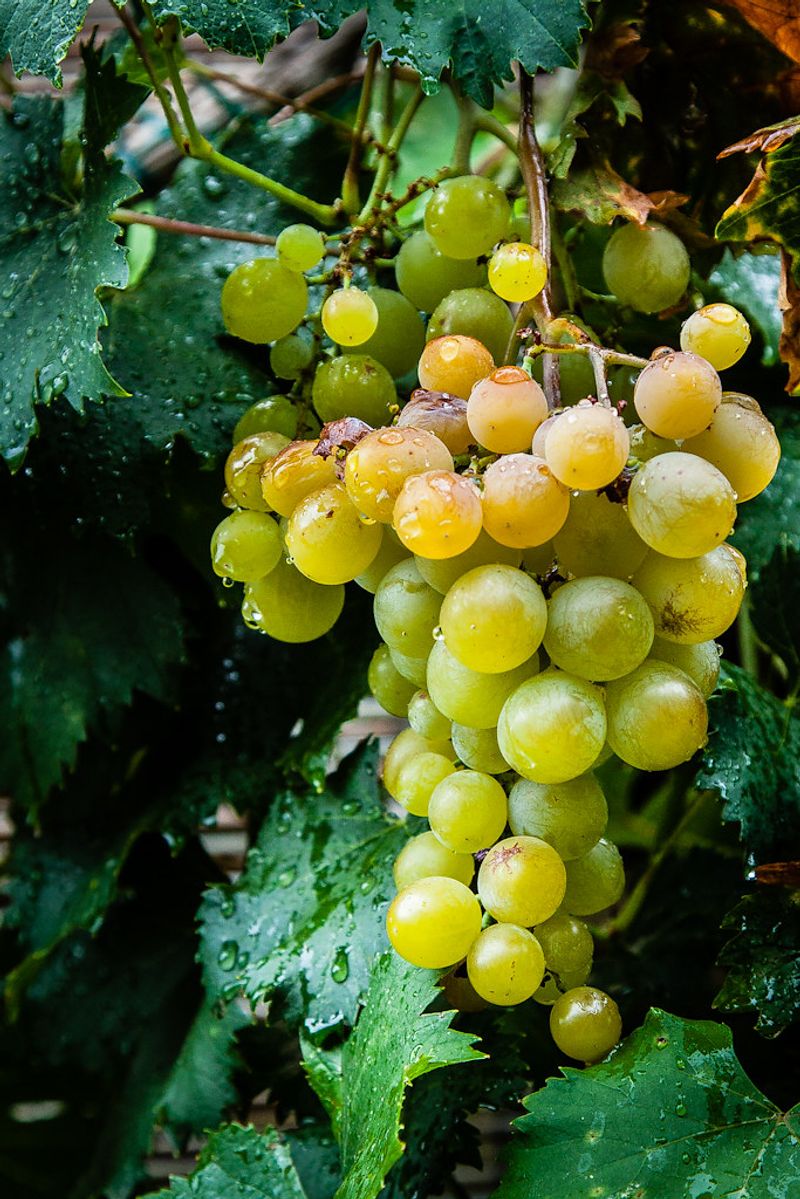
Grapes may seem harmless, but they can lead to acute kidney failure in dogs. Even a small grape or raisin can trigger severe reactions.
The exact toxic substance in grapes is unknown, making them even more mysterious. Symptoms include vomiting and lethargy.
Prompt veterinary attention is crucial if ingestion occurs. Keep grapes and raisins out of reach. Protect your pup by preventing access to these fruits.
Onions
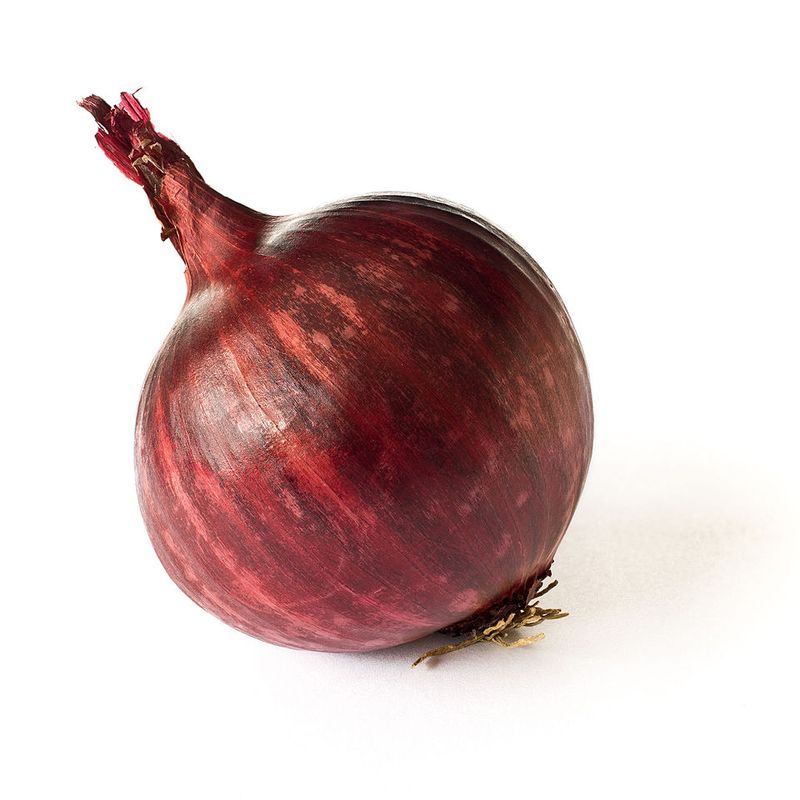
Onions, whether raw or cooked, are harmful to dogs. They contain compounds that can damage red blood cells, leading to anemia.
Even a small amount can be detrimental. Dogs may exhibit symptoms like weakness and pale gums.
Different forms, including garlic and chives, are equally dangerous. Keeping these away from your pet ensures their safety.
Coffee

That aromatic cup of coffee can spell trouble for your furry friend. Caffeine is as harmful to dogs as chocolate. It can cause restlessness, rapid breathing, and heart palpitations.
Some dogs may experience seizures. The effects can be severe, depending on the amount ingested.
Ensure your dog doesn’t have access to coffee grounds, beans, or brewed coffee. It’s best to savor this beverage away from your pup.
Avocado
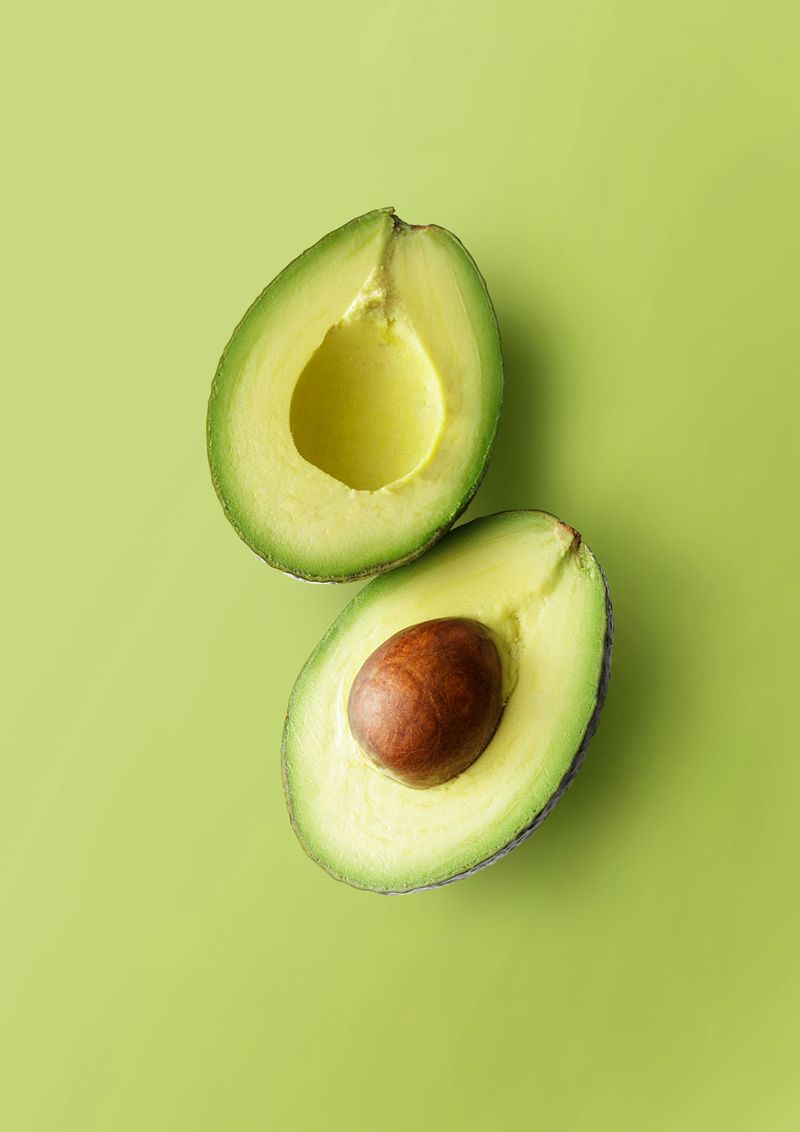
Avocados are nutritious for humans but not for dogs. They contain persin, a toxin that can cause vomiting and diarrhea in dogs.
While the fruit’s flesh is less toxic, the pit poses a choking hazard. Ingesting the pit can lead to intestinal blockage.
Keep avocados and guacamole away from your dog to avoid these risks. Enjoy your avocado toast without sharing.
Macadamia Nuts
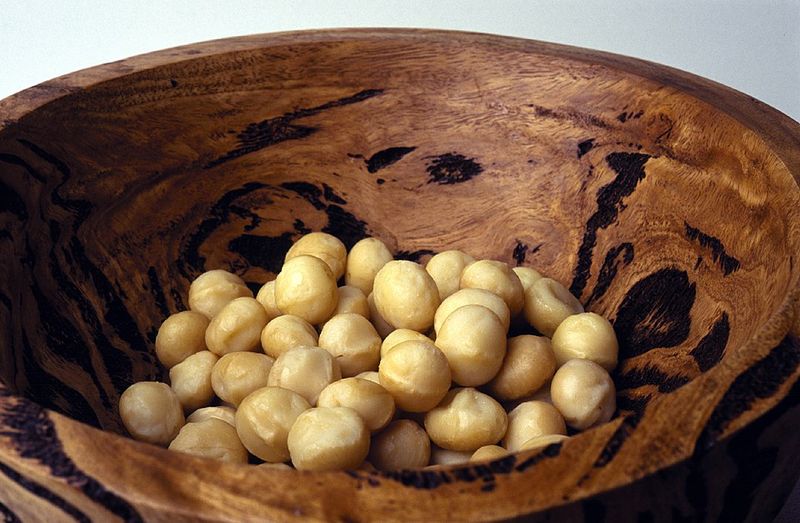
Macadamia nuts are a curious threat to dogs. Even a small amount can cause serious symptoms like weakness, vomiting, and hyperthermia.
The exact reason for their toxicity remains a mystery. Symptoms typically appear within 12 hours and can last up to 48 hours.
Always keep these nuts out of reach. While they are a delightful snack for humans, they can be perilous for pets.
Alcohol

Alcohol, even in small amounts, is dangerous for dogs. Unlike humans, dogs metabolize alcohol much slower, leading to toxic effects.
Symptoms can include vomiting, coordination loss, and even coma. Alcohol poisoning can occur quickly and requires immediate veterinary care.
Keep alcoholic beverages and food containing alcohol away from your dog. Their well-being is worth the precaution.
Xylitol

Xylitol, a sugar substitute in many sugar-free products, poses a grave risk to dogs. It triggers a rapid insulin release, leading to hypoglycemia.
Symptoms like weakness and seizures can occur rapidly. Even small amounts can be life-threatening.
Check labels on products like gum and candy, and keep them out of reach. Prioritizing your pet’s safety is essential.
Salt

Excessive salt intake can be harmful to dogs, leading to salt poisoning. Symptoms include vomiting, diarrhea, and excessive thirst.
Dogs may also experience tremors or seizures. While salt is a common ingredient in human foods, high quantities can be toxic.
Avoid sharing salty snacks like chips and pretzels with your pet. Their diet should remain low in salt for optimal health.
Raw Eggs

Raw eggs can pose a risk to dogs due to potential Salmonella exposure. Additionally, raw egg whites contain avidin, which can interfere with biotin absorption.
This can lead to skin and coat problems over time. Cooking eggs eliminates these risks, providing a safe protein source.
Opt for cooked eggs as a treat instead, keeping your dog’s health in mind.
Milk
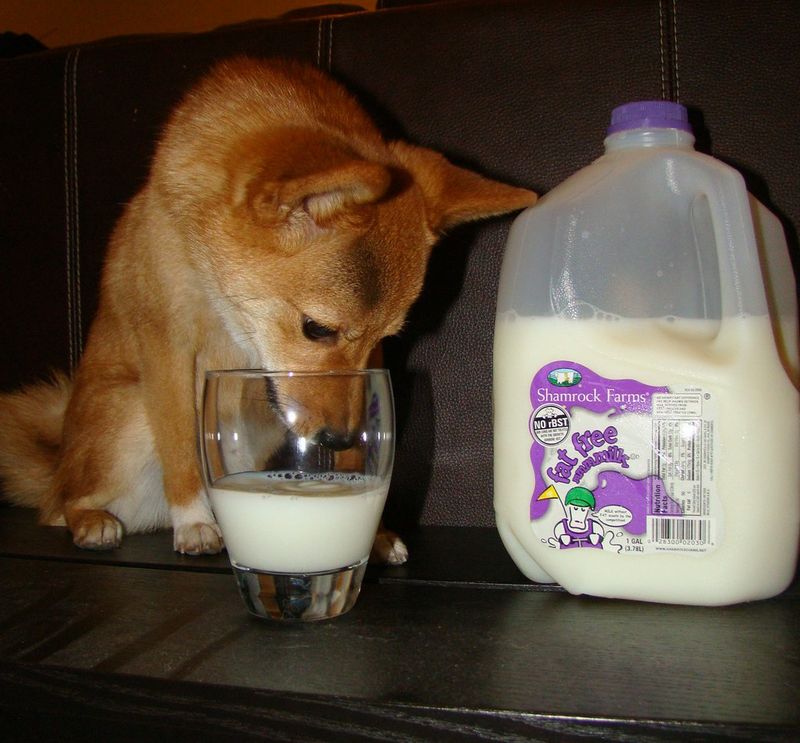
While puppies drink their mother’s milk, many dogs become lactose intolerant as they grow. Consuming milk can lead to digestive upset, including gas and diarrhea.
Some dogs may tolerate dairy in small amounts, but caution is advisable. Offering lactose-free options can be a safer alternative.
Monitor your dog’s reaction to milk and consult your vet for advice.
Yeast Dough
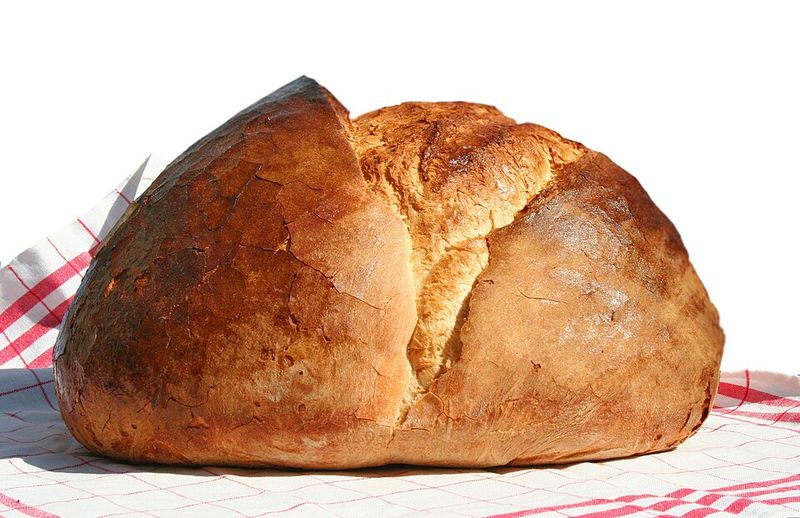
Unbaked yeast dough can expand in a dog’s stomach, causing pain and bloating. As the dough rises, it releases alcohol, leading to potential alcohol poisoning.
The risks increase as the dough continues to rise within the stomach. Baking the dough eliminates these hazards.
Always keep raw dough out of reach, ensuring a safe baking environment for both you and your pet.