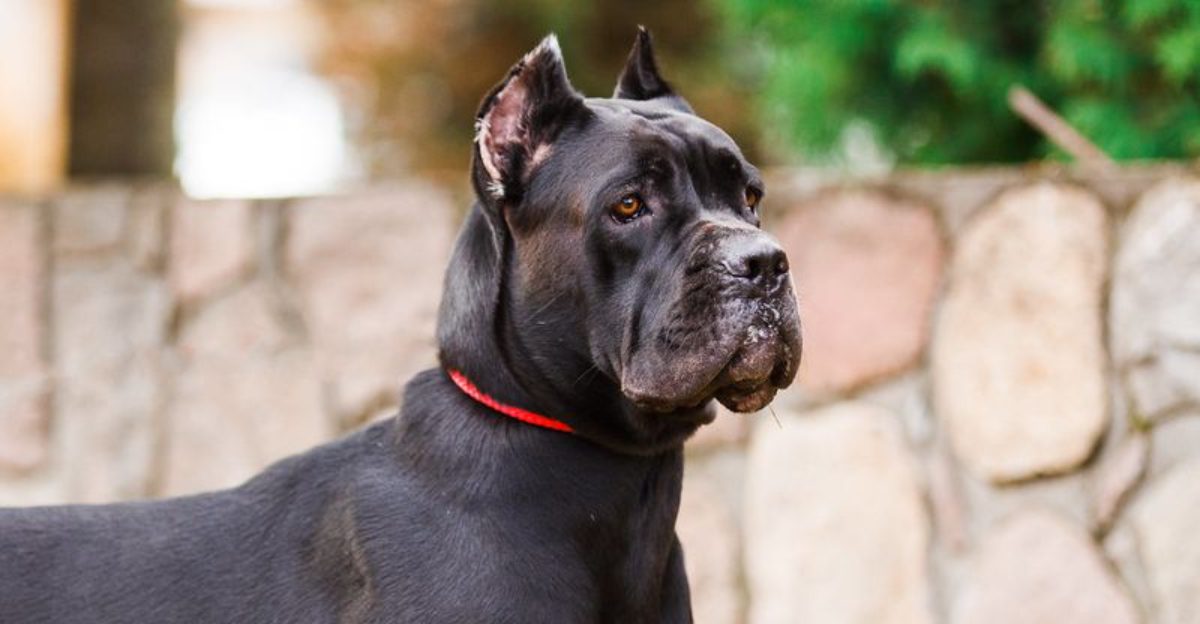
Some dogs size up the room before offering a single tail wag, while others are making friends before your coffee cools. Knowing which is which helps you set expectations, train smarter, and avoid stressful first meetings.
Here are twelve thoughtful guardians that warm up on their own timeline, plus three effortless greeters who rarely hesitate. Use these notes to guide socialization, manage introductions, and build real trust without rushing it.
Akita
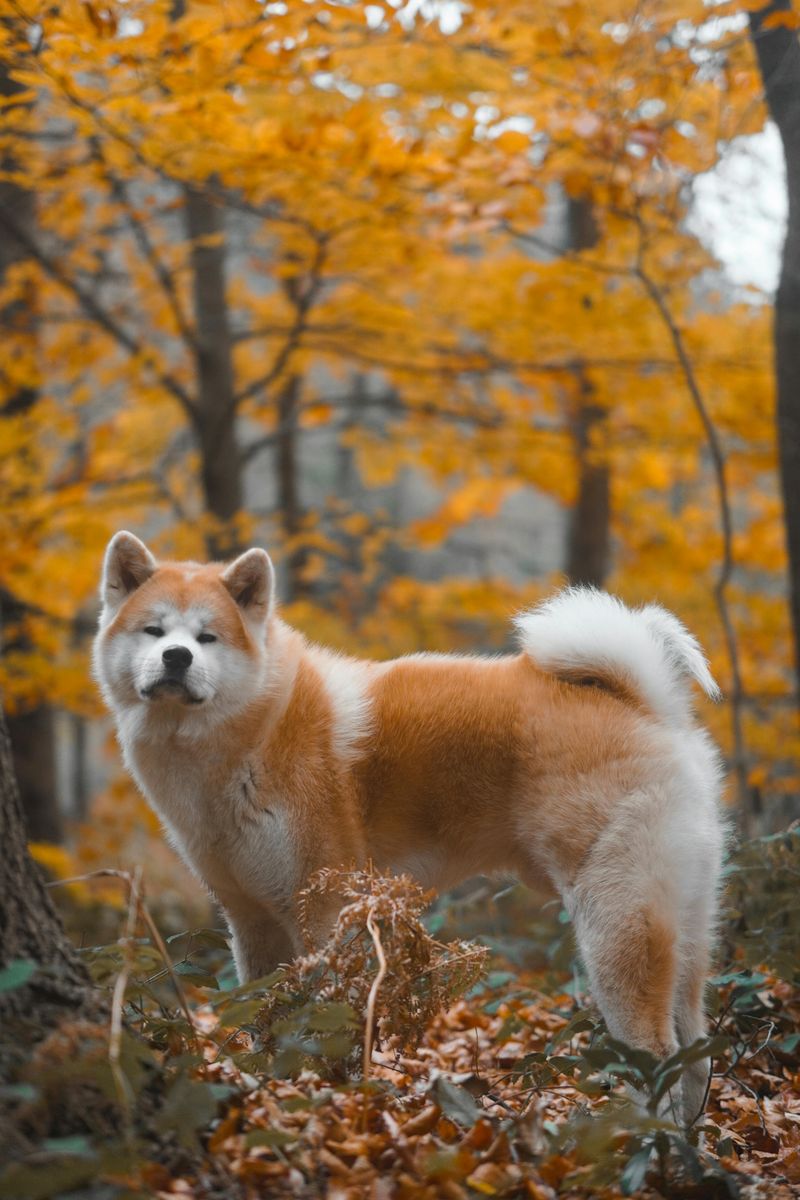
Akitas wear their loyalty like armor, watching quietly before letting someone into their circle. Bred for guarding and hunting, they read rooms and body language before deciding you are safe.
Early, patient socialization helps, but they still prefer a tight family unit.
You will earn trust through calm routines, clear boundaries, and zero pushy introductions. Give them space with strangers, reinforce obedience, and reward neutrality more than exuberance.
A fenced yard, sturdy leash work, and respectful handling keep everyone comfortable. Expect occasional stubbornness, because independence runs deep in this breed.
Structured play, puzzle feeders, and short, focused training snapshots engage their minds without flooding them. If you honor their dignity, an Akita becomes a steady guardian, affectionate yet discerning companionship.
Chow Chow
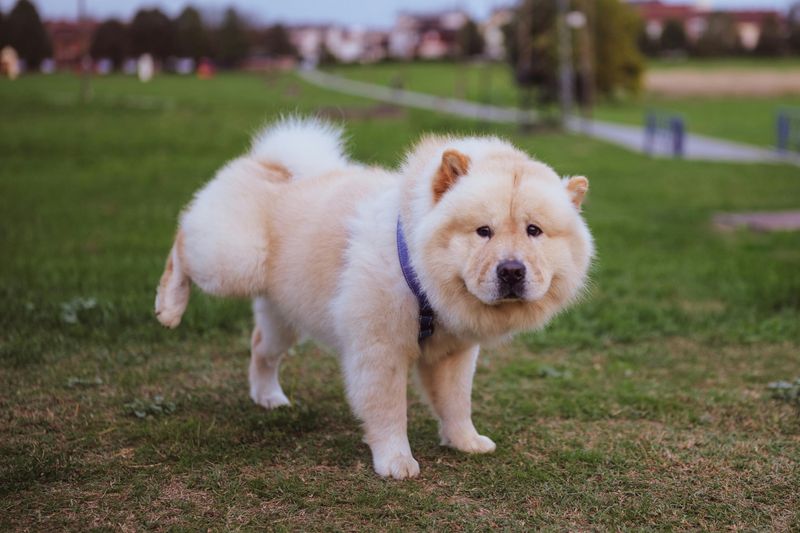
Chow Chows keep their feelings close, surveying visitors with quiet consideration before engaging. Historically bred as multipurpose guardians, they value personal space and predictable routines over nonstop attention.
Their aloofness is not rudeness, just selective trust and a strong independent streak.
You will help them thrive by introducing people slowly, pairing encounters with calm rewards, and avoiding crowding. Grooming sessions become bonding moments when kept gentle and consistent.
Obedience should be brief, fair, and clear, since repetition can bore them. They respond well to confident handling, stable schedules, and low-drama households.
When their boundaries are respected, a Chow shows understated affection that feels hard-won and precious. Think of it as a quiet promise kept, not a constant performance.
Shiba Inu
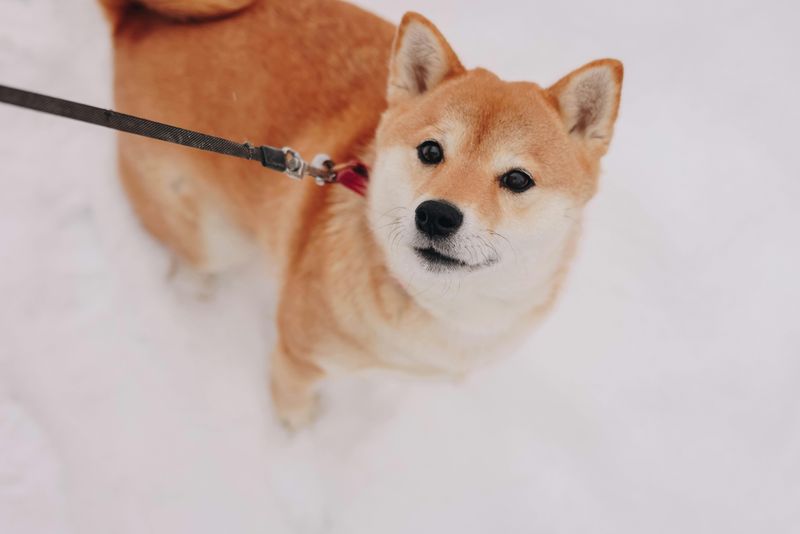
Shiba Inus are witty, independent companions who weigh new people carefully before offering closeness. They read your tone and timing, preferring polite introductions to energetic advances.
Their confidence can look stubborn, yet it is really a strong sense of self and boundaries.
Use food puzzles, scent games, and short training bursts to keep them engaged without pressure. Reinforce neutrality around guests and keep leashes secure during greetings.
A Shiba appreciates structure, predictable walks, and respectful touch. They are sensitive to overhandling, so let them choose when to approach.
With consistency and patience, you will see flashes of playful charm. Earned trust reveals affectionate loyalty, delivered on their terms, and it is wonderfully worth the wait.
Cane Corso
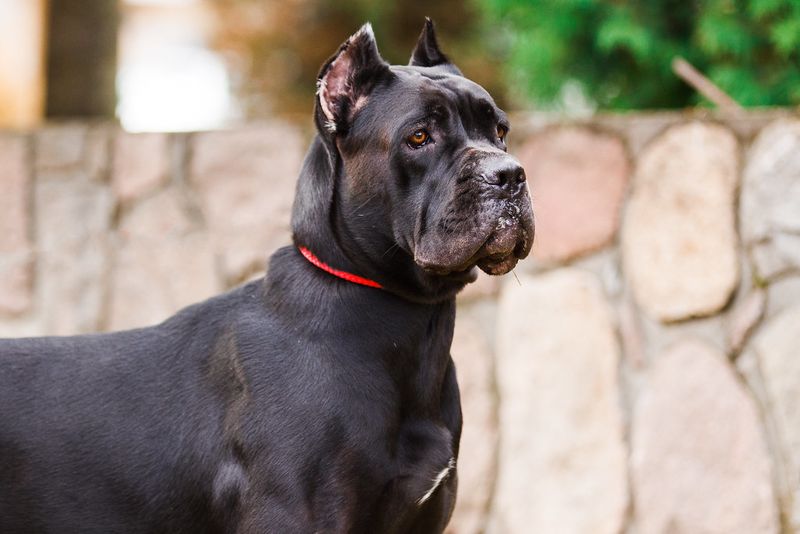
Cane Corsos project calm authority, scanning their environment and reserving judgment until behavior proves safe. Bred as estate guardians, they prefer a stable family core and straightforward communication.
Pushy strangers or chaotic settings can overload them, so measured exposure is essential.
You will build trust with steady routines, clear obedience, and confident leash handling. Reward quiet, relaxed choices rather than hype.
Teach place, settle, and structured heel to give them jobs during company. Supervise introductions and advocate for respectful space.
Mental work like tracking, platform training, and impulse control games channels their power productively. When leadership is fair and consistent, a Corso becomes a devoted protector, leaning into you with gentle weight, steady eyes, and unmistakable loyalty.
Belgian Malinois
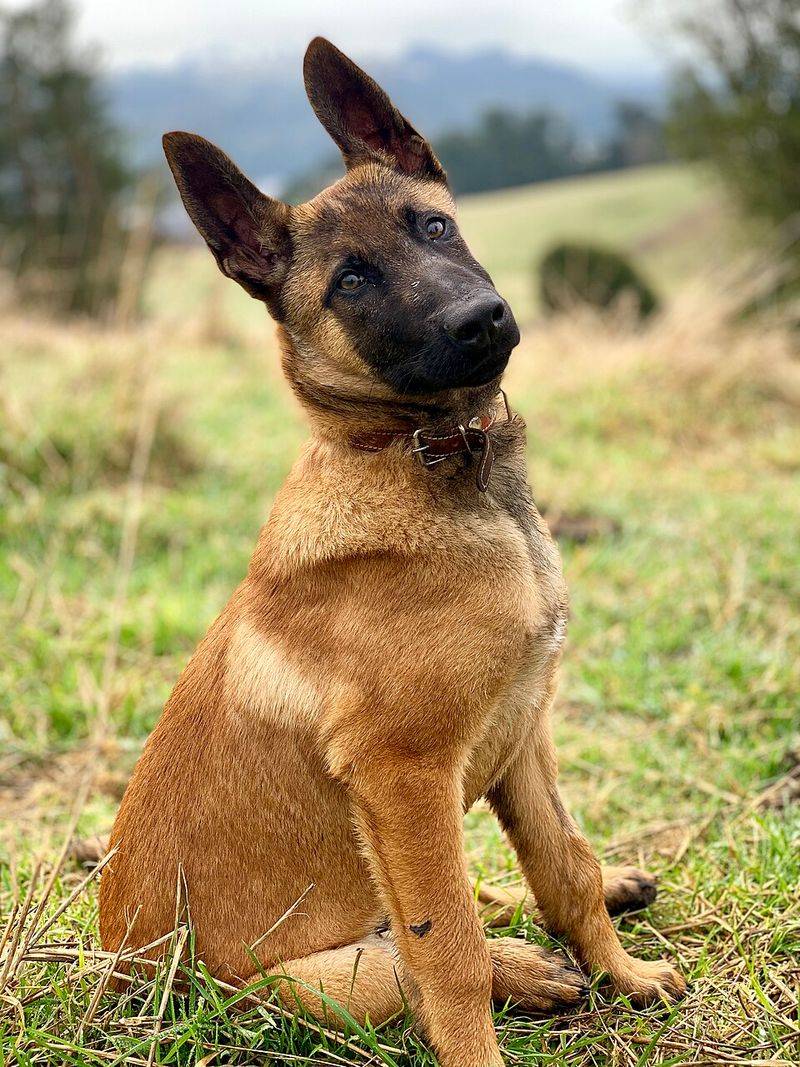
Belgian Malinois evaluate fast, but they do not hand out trust casually. Their working drive is immense, so arousal must be channeled or it spikes around strangers.
They excel with structure, clarity, and purposeful jobs that satisfy their busy brains.
You will keep them balanced with daily training, impulse control, and decompression time. Teach calm markers, neutrality drills, and rewarding disengagement in public.
Avoid chaotic dog parks, and stage thoughtful greetings instead. Use tug, scent work, and agility to meet needs without flooding.
Consistency plus fair corrections produce remarkable reliability. When boundaries hold, the Malinois shows affectionate steadiness at home and laser focus on tasks, giving you a partner who is discerning, courageous, and astonishingly capable.
Rottweiler
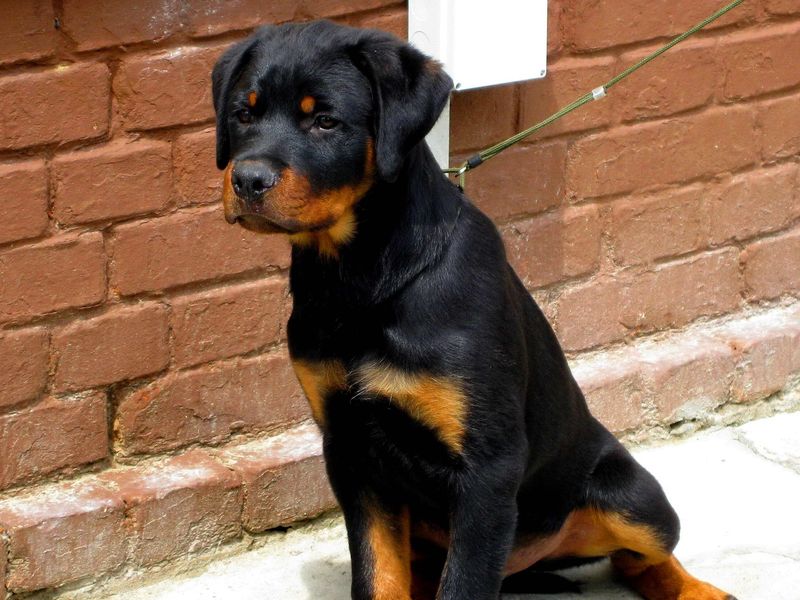
Rottweilers are thoughtful guardians who prefer to verify intentions before relaxing. Their calm presence can flip into action if boundaries are crossed, which makes early neutrality training vital.
They bond deeply yet stay discerning, especially in busy environments or with pushy strangers.
You will earn trust by leading with fairness, clarity, and patience. Reinforce sit, stay, and place during visits, rewarding calm over excitement.
Structured walks, carting basics, or nose work keep minds and bodies satisfied. Introduce new people with distance, then close the gap as behavior stays soft.
When treated responsibly, a Rottie becomes affectionate, steady, and deeply connected. Expect leaning hugs, soulful eye contact, and a home that feels watched over with quiet confidence.
Doberman Pinscher
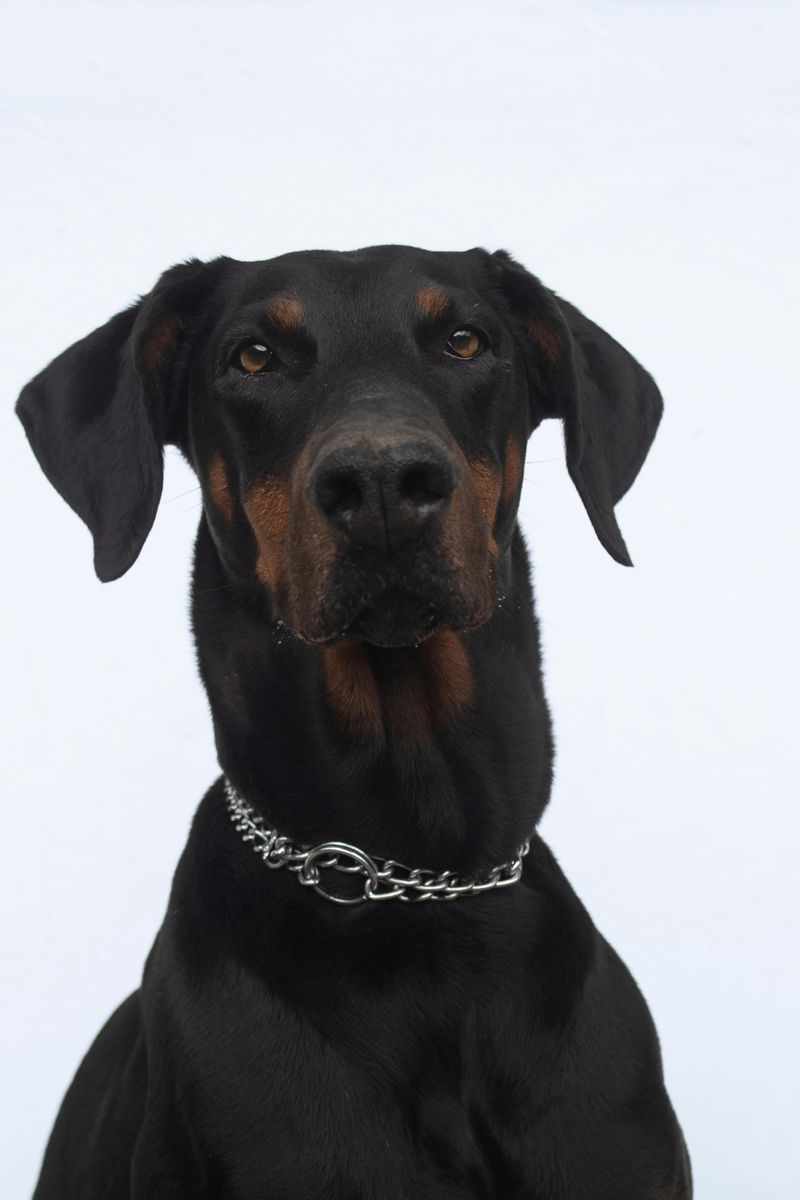
Dobermans read you like a headline, picking up micro-signals to decide whether someone is safe. They bond intensely with family and may hold back with newcomers until behavior proves predictable.
Mental engagement matters as much as exercise, reducing reactivity and building confident neutrality.
You will set the tone with crisp obedience, impulse control, and clear door manners. Teach place and out, then reward calm choices during greetings.
Keep sessions short, upbeat, and frequent. Use heeling patterns, recall games, and scent work to create balance.
Protect their space when needed, and they will relax. When trust lands, a Doberman becomes a velvety shadow, affectionate, vigilant, and eager to partner with you through every room.
Anatolian Shepherd
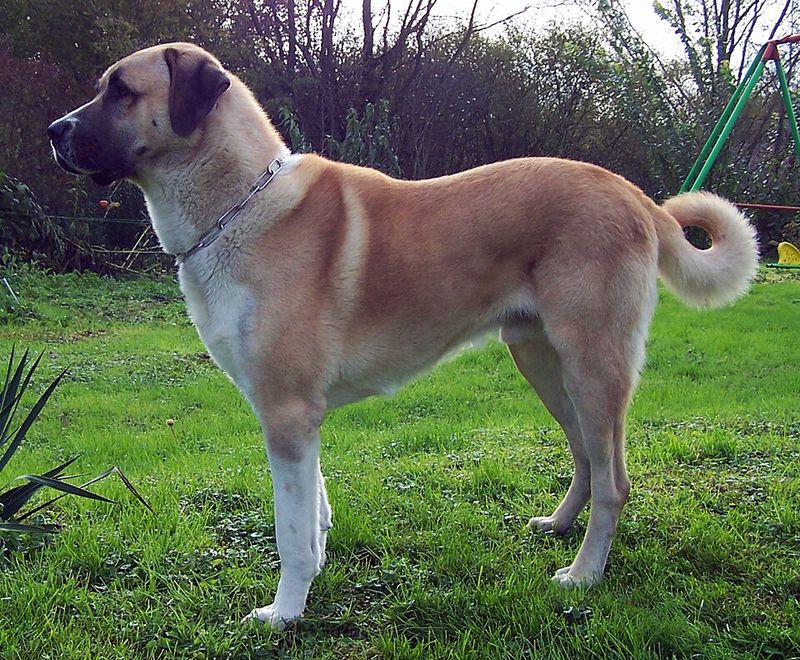
Anatolian Shepherds were bred to make independent decisions while guarding flocks, so they take time to trust. They value territory, routine, and calm leadership over constant handling.
Strangers should be introduced deliberately, with distance first and purposefully closing space as behavior stays loose.
You will support success with reliable structure, long-line work, and rock-solid recalls. Reinforce settle, boundary respect, and neutrality near property lines.
Enrichment like scent trails, obstacle walks, and thoughtful patrols satisfy instincts without chaos. Expect a steady, observant presence rather than nonstop cuddles.
When respected, an Anatolian bonds deeply, offering quiet companionship and determined protection. It feels like living beside a wise neighbor who notices everything and moves only when it truly matters.
Tibetan Mastiff
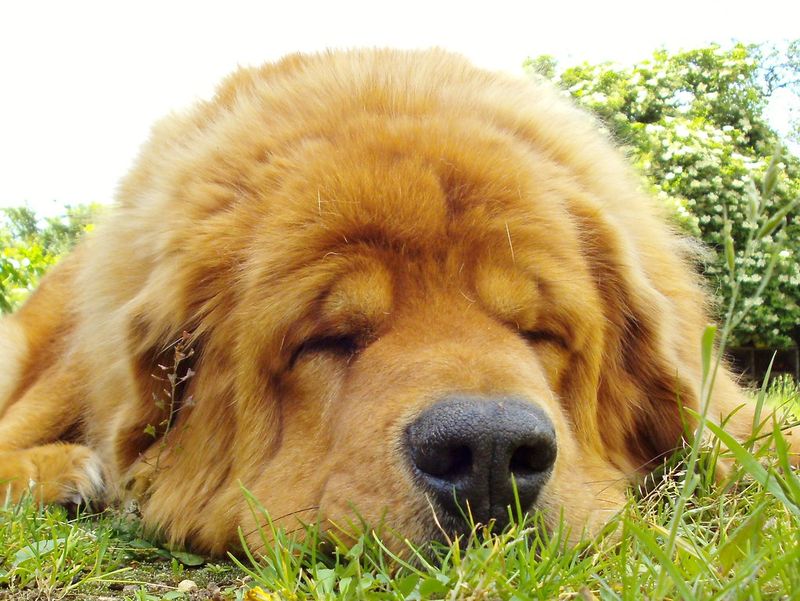
Tibetan Mastiffs are nighttime sentinels by heritage, preferring to evaluate from a distance before inviting closeness. They cherish independence, quiet schedules, and low-pressure introductions.
Pushing contact usually backfires, while patient exposure and consistent routines pave the way to trust.
You will thrive with secure fencing, reliable obedience, and supervised greetings. Reward relaxed body language and soft eyes, not exuberant lunges.
Keep training brief, meaningful, and respectful, letting them choose to engage. Mental outlets like scent games and boundary walks help maintain composure.
When trust blooms, affection arrives in measured, weighty doses. The result is a dignified protector who drapes calm across your home and treats friendship as a solemn, beautiful agreement.
Caucasian Shepherd
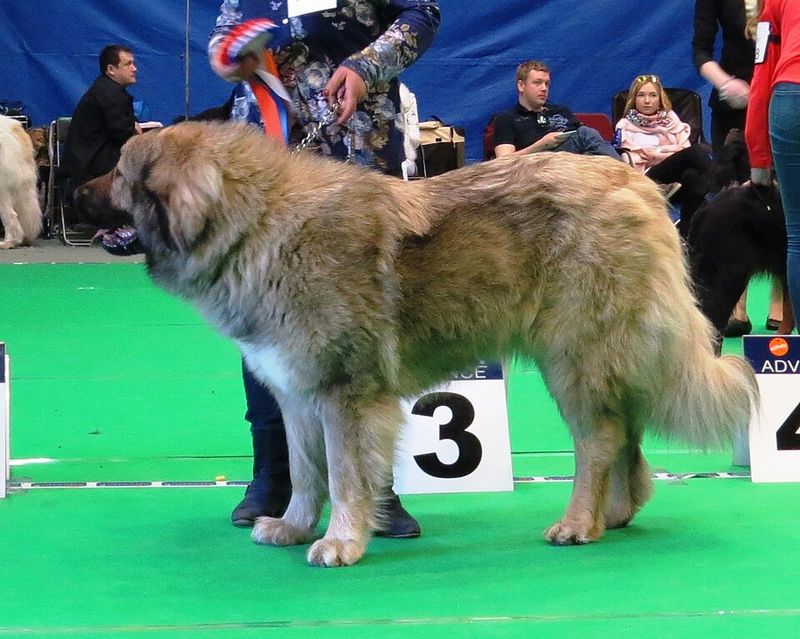
Caucasian Shepherds are formidable guardians with a slow-to-trust outlook shaped by harsh working origins. They prioritize territory and family safety over casual friendliness, making management and training nonnegotiable.
Calm leadership, not force, builds credibility and reduces unnecessary confrontations.
You will focus on structured neutrality, rock-solid recalls, and reliable boundaries around guests. Introduce people gradually, maintain distance, and reward relaxed choices.
Daily decompression and thoughtful exercise keep arousal in check. Use obedience that matters in real life, like place, leave it, and heel.
When you advocate for their space, they soften. Earned trust produces a devoted, grounded companion who thinks before acting and guards with measured resolve rather than constant intensity.
Shar Pei
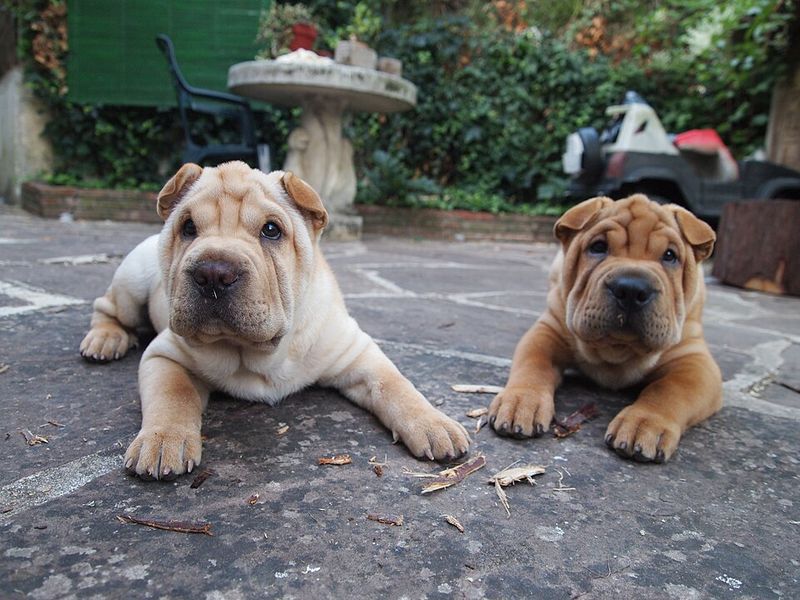
Shar Pei tend to be reserved observers, taking in new people with quiet skepticism before warming up. Their history as multipurpose workers shows up as independence and a preference for predictable routines.
They respond best to fair, consistent training and gentle, respectful handling.
You will help them trust by staging slow introductions, using food calmly, and keeping greetings brief. Reward neutrality more than excitement, and let them approach on their timeline.
Keep training short and purposeful to avoid frustration. Enrichment like scent games and slow walks supports confidence.
When boundaries are honored, a Shar Pei offers subtle affection, leaning closer, relaxing eyes, and choosing proximity. It feels like being invited into a private club you earned.
Basenji
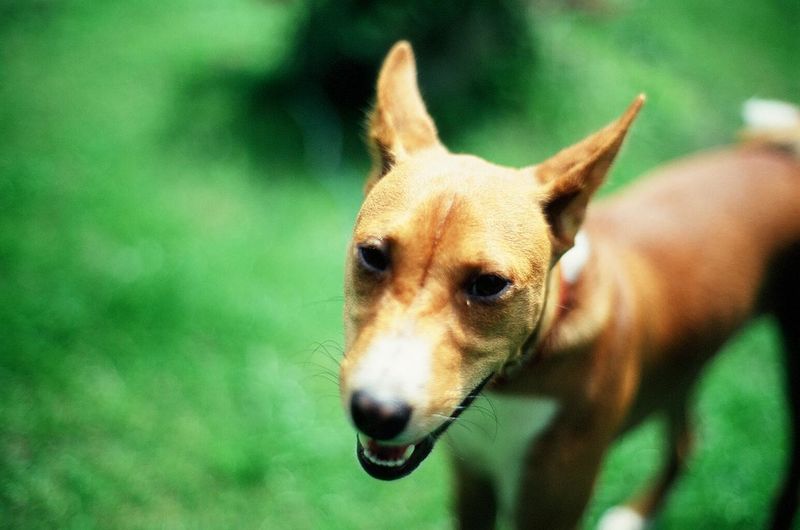
Basenjis are curious yet discerning, often hanging back to evaluate before engaging. Their catlike independence shows in selective affection and a dislike for chaotic greetings.
Because they are sensitive and clever, training must be upbeat, varied, and never heavy-handed.
You will win trust by letting them initiate contact and rewarding calm curiosity. Use scent games, lure courses, and novel textures to channel energy without overwhelm.
Teach neutrality with visitors through distance, settle, and quiet rewards. Keep sessions short and fresh to avoid boredom.
When understood, a Basenji becomes delightfully expressive, sharing playful bursts, gentle nudges, and contented closeness. It is a relationship built on mutual respect, patience, and a steady rhythm that never feels forced.
Labrador Retriever
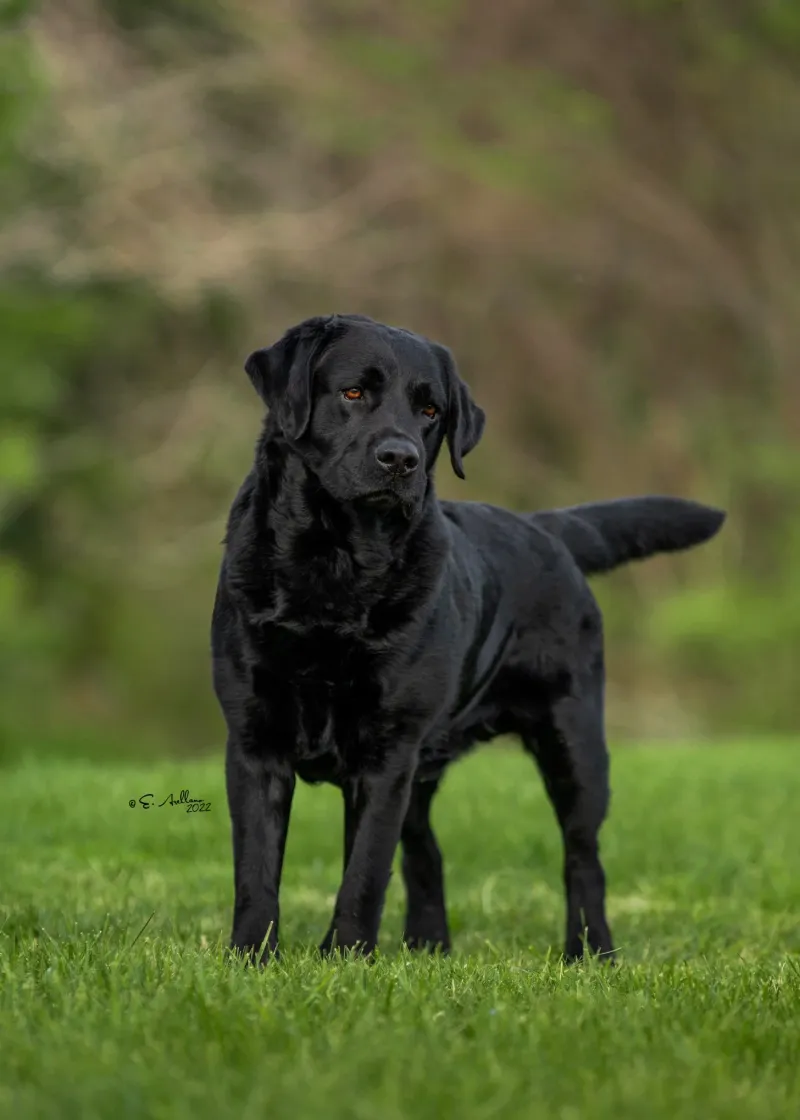
Labrador Retrievers are social butterflies who greet the world with open hearts and wiggly enthusiasm. They often assume strangers are future friends, which can be charming and a little chaotic.
Channeling that joy into polite manners turns their friendliness into effortless everyday grace.
You will get fast results with consistent sit-for-greets, loose-leash walking, and reward timing that favors calm. Use fetch, scent games, and food puzzles to satisfy energy and brains.
Their eagerness to please makes training smooth when you keep it fun. Reinforce settle cues in busy spaces, and you will see reliable composure.
With thoughtful guidance, Labs share sunshine everywhere they go, brightening rooms, lifting moods, and making friendships look easy.
Golden Retriever

Golden Retrievers seem to believe every stranger might be a new best friend. Their easy warmth and patient nature make first meetings smooth, especially when paired with basic manners.
They love participating in everything, turning ordinary days into cheerful, shared routines.
You will polish their charm by reinforcing sit, stay, and leave it around guests. Reward soft eyes, loose bodies, and quiet tails instead of jumping.
Mix in retrieve games, trick training, and therapy-style exposures to build confidence and composure. Goldens thrive on connection and predictability, so your consistency pays off quickly.
The result is a friendly ambassador who brings calm joy to doorways, sidewalks, and living rooms alike.
Cavalier King Charles Spaniel
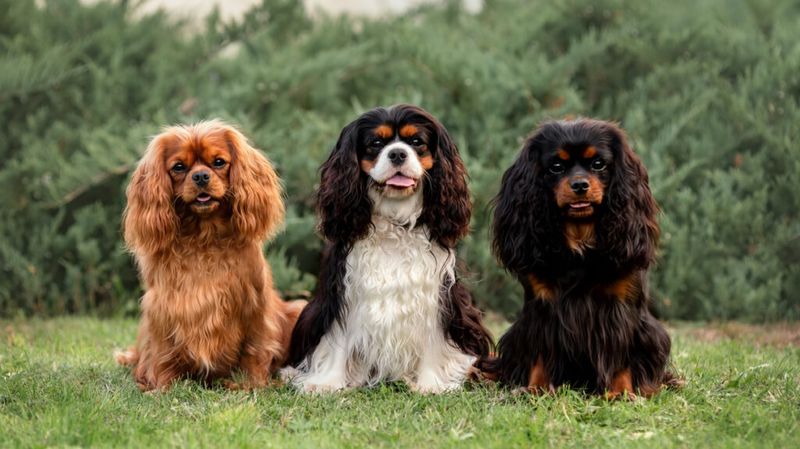
Cavalier King Charles Spaniels float through introductions with soft eyes and an eager, welcoming spirit. They are affectionate companions who read your mood and offer comfort without hesitation.
Their sociable nature makes public outings, guests, and vet visits feel smoother than average.
You will shape perfect manners with gentle, reward-based training and calm, predictable routines. Practice sit-for-petting, brief stays, and loose-leash walking near distractions.
Short play breaks and sniffing walks keep stress low and curiosity high. Encourage rest between social bursts to prevent overarousal.
With steady guidance, Cavaliers become sweet greeters who charm everyone gracefully, spreading calm happiness in small packages and reminding you how simple kindness can be.