
Ever wonder how your dog seems to know what you are feeling before you do? Their nose reads a world of invisible signals drifting off your skin, breath, and clothes.
Once you see the clues, everyday moments suddenly feel richer and more connected. Ready to discover what your dog has been smelling all along?
Hormonal changes
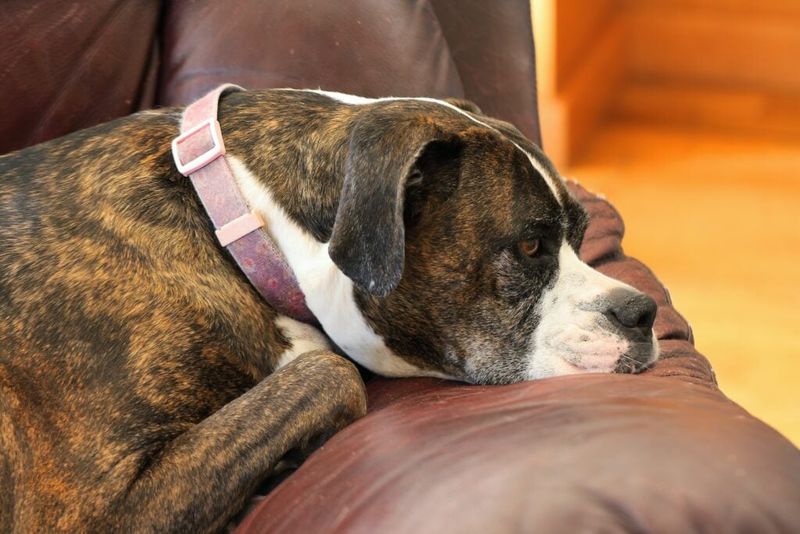
Dogs read your hormones like a living lab instrument. Subtle shifts in cortisol, adrenaline, and thyroid hormones release tiny scent changes through skin and breath.
Your pup may lean in, sniff insistently, or shadow you closely when your body chemistry drifts.
You might notice earlier wake ups, attentive stares, or gentle nudges during cycle changes or after hard workouts. Dogs catalog your baseline aroma and flag anything off pattern, almost like a personalized health alert.
This sensitivity helps service dogs anticipate fainting, track endocrine shifts, and support emotional regulation. When your scent normalizes, behavior often relaxes again.
If your dog acts unusually focused without clear reason, consider sleep, exercise, supplements, and medication changes. Their nose may be telling you something important first.
Stress and anxiety signals
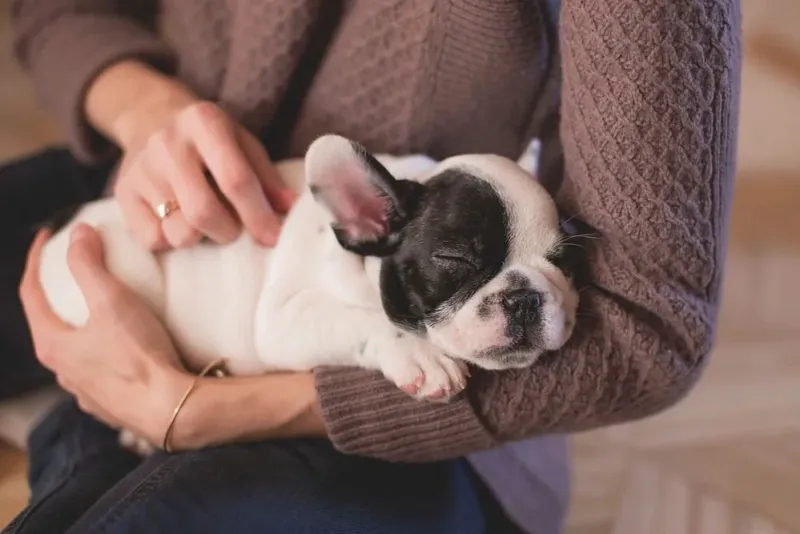
Stress smells different to dogs, and they catch it before you admit feeling tense. Rising cortisol and sweat chemistry shift your natural odor, even if you smile.
Your dog may yawn, lick lips, avoid eye contact, or press against you like a weighted blanket.
Use that cue as a nudge to breathe, hydrate, and take a short walk. Teaching a calm settle or mat routine gives your dog a job while grounding you.
Many handlers pair scent of stress with trained alerts, then reward relaxation. Over time, both of you learn a quicker off ramp.
When the room feels heavy for no clear reason, check your pace and posture. Your dog is already mapping a path back to balance.
Illness-related body odors
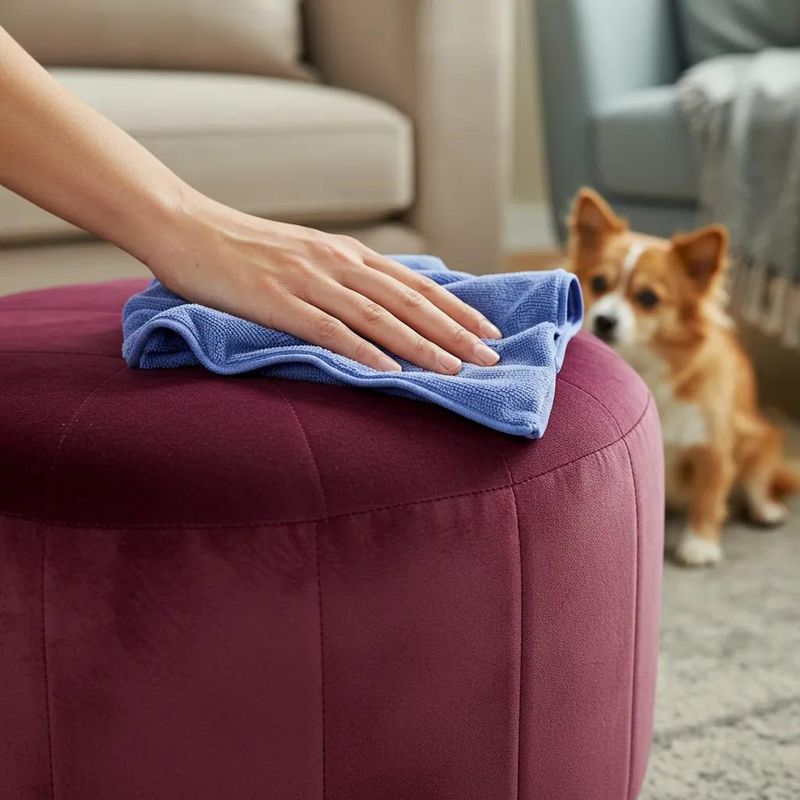
Illness changes the microscopic chemicals your body releases, and dogs follow that trail. Fever, inflammation, and altered metabolism produce volatile compounds that drift through breath, sweat, and urine.
A dog that suddenly sniffs specific spots, hovers near your mouth, or refuses distance might be noticing something.
Do not panic, but pay attention to persistent patterns. Track appetite, sleep, bathroom changes, and energy, then speak with a professional if the behavior continues.
Medical scent detection programs build on this natural skill, showing dogs can differentiate infections, gastrointestinal issues, and even neurological shifts. Your pet is not a doctor, yet their nose can be an early flag.
When curiosity turns to focused concern, it is time to check in.
Changes in blood sugar levels
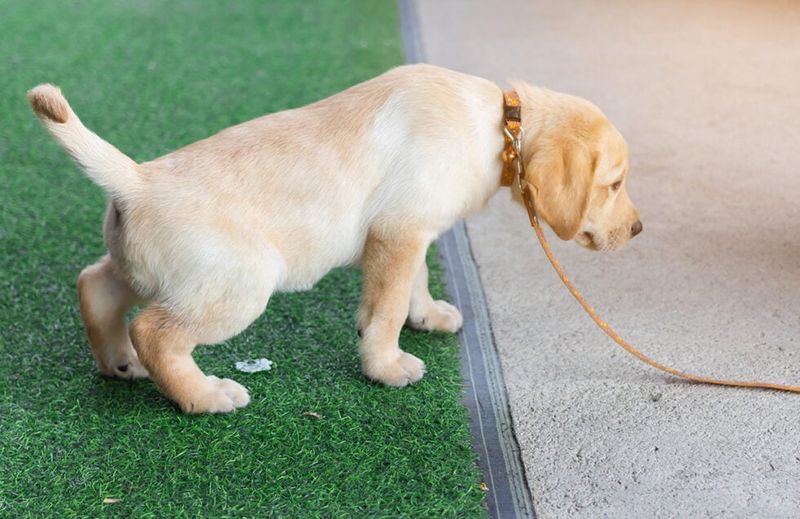
When blood sugar swings, breath and sweat chemistry change, and dogs catch the shift. Low glucose can smell fruity or metallic to them, while highs carry different volatile markers.
Many dogs naturally rouse sleeping people, paw, or stare intensely during these fluctuations.
Diabetes alert teams refine this instinct with structured sampling and rewards. If your dog fixates on your face, breath, or hands at odd times, consider checking levels.
Pair calm alerts with treats, then confirm with a meter to reinforce accuracy. Keep consistent routines, since diet, stress, and exercise also shape scent baselines.
Your dog does not replace testing, but they can buy you precious minutes to act. Share data with your care team regularly.
Fear responses
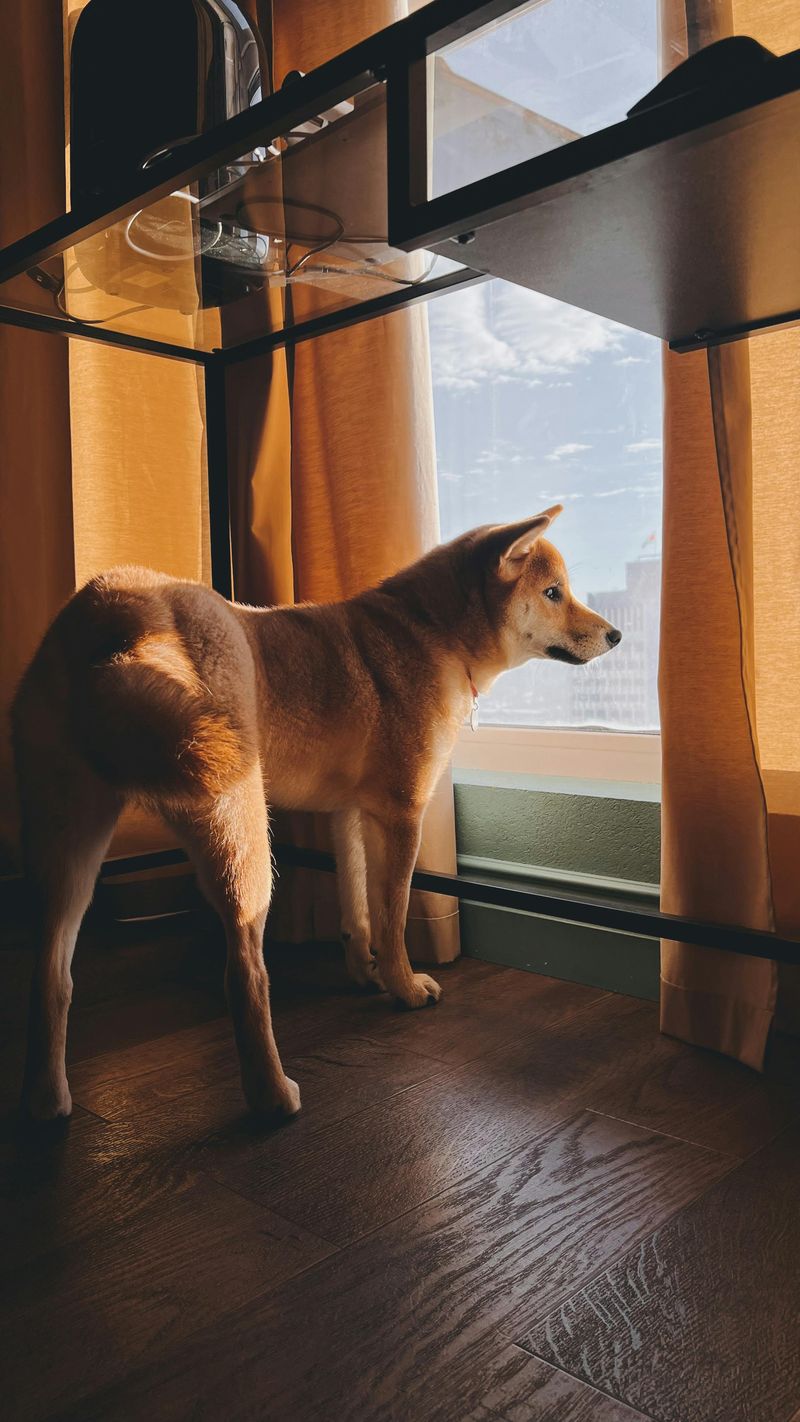
Fear reshapes your scent profile within seconds, and dogs treat it like a signal flare. Adrenaline and sweat glands collaborate, pushing sharp compounds across skin and breath.
Your dog may freeze, scan exits, or glue to your side when that message hits.
Use their awareness as a grounding tool. Slow your breathing, soften shoulders, and ask for simple cues like touch or sit.
Reward calm behavior so your dog does not mirror panic. If fear is common, build a predictable routine and safe place, then practice with small, manageable challenges.
Over time, both of you build resilience, and the fear scent fades faster. Consider professional help to desensitize triggers together.
Your partnership can rewrite reactions.
Pregnancy-related scents
Early pregnancy quietly alters body odor, and dogs often notice before tests turn positive. Hormones like progesterone and human chorionic gonadotropin shift skin chemistry and breath.
Some dogs become ultra gentle, vigilant, or clingy, shadowing bathroom trips and bedtime routines.
While sweet, this shift can feel intense. Offer predictable structure, exercise, and calming enrichment so affection does not tip into guarding.
Teach baby gear desensitization early, pairing new smells with treats and rest. If your dog fixates on your belly or breath, it may simply confirm what your body already knows.
Share concerns with your provider and a trainer to support a smooth transition. Invite gentle sniffing sessions to channel curiosity.
Keep interactions short and positive.
Cancer-related compounds
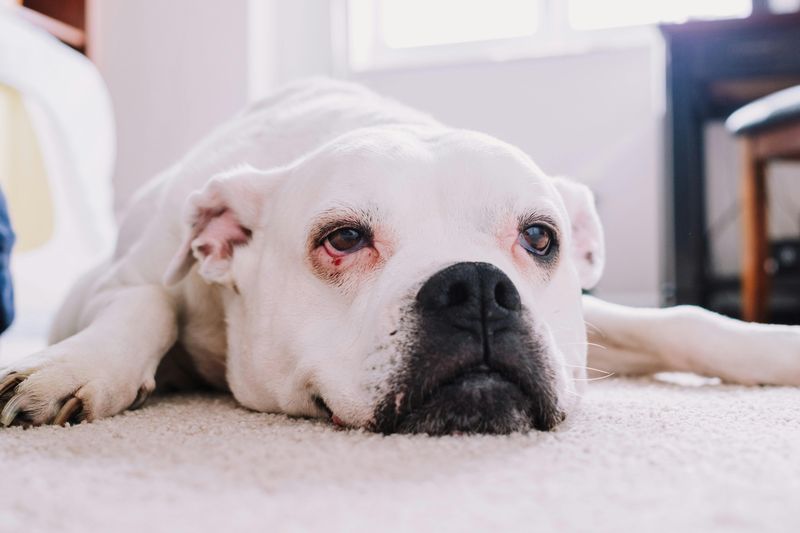
Certain cancers release distinctive volatile organic compounds that dogs can detect at astonishingly low levels. Breath, urine, and skin carry these markers long before symptoms feel obvious.
Some pets persistently nose a mole, paw at a spot, or fixate on breath during quiet evenings.
Research dogs trained for detection show impressive sensitivity, yet household dogs sometimes notice too. Treat such attention as a prompt to schedule a check, particularly when it is targeted and repeated.
Keep perspective while staying proactive. Most alerts lead nowhere serious, but occasional early catches save lives.
Your dog’s curiosity could be a compassionate nudge toward timely care. Write observations in a simple scent and behavior journal.
Bring it to appointments.
Infections
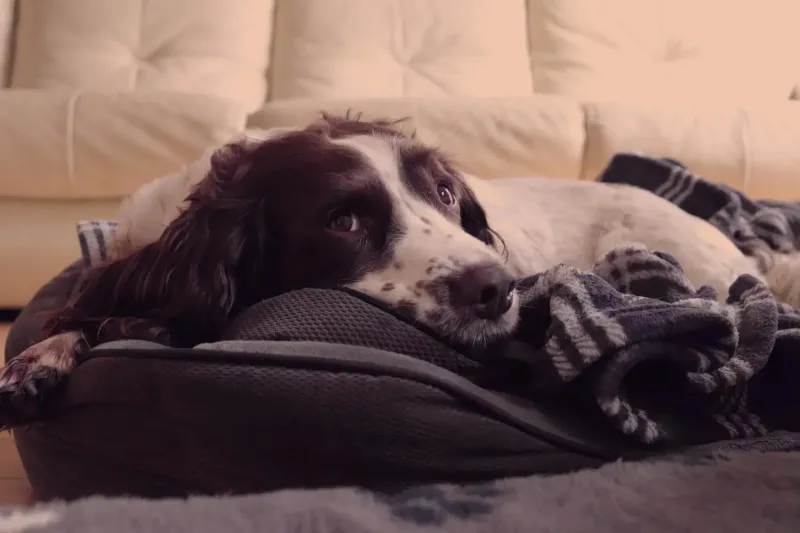
Infections change odor rapidly as bacteria and immune responses reshape your scent cloud. Dogs notice sour, sweet, or acrid notes coming from ears, wounds, or breath.
A sudden obsession with licking, sniffing, or hovering near one spot often means something is brewing.
Check for redness, heat, discharge, unusual fatigue, or fever. Clean gently, avoid harsh fragrances, and call your clinician when signs persist.
Dogs trained for medical alerts can differentiate pathogen types via samples, highlighting how specific these cues can be. Your household companion is not diagnosing, but they are flagging a change.
Reward the alert, then follow up with care so the pattern stays helpful and clear. Document timing to spot trends.
Share updates.
Weather changes
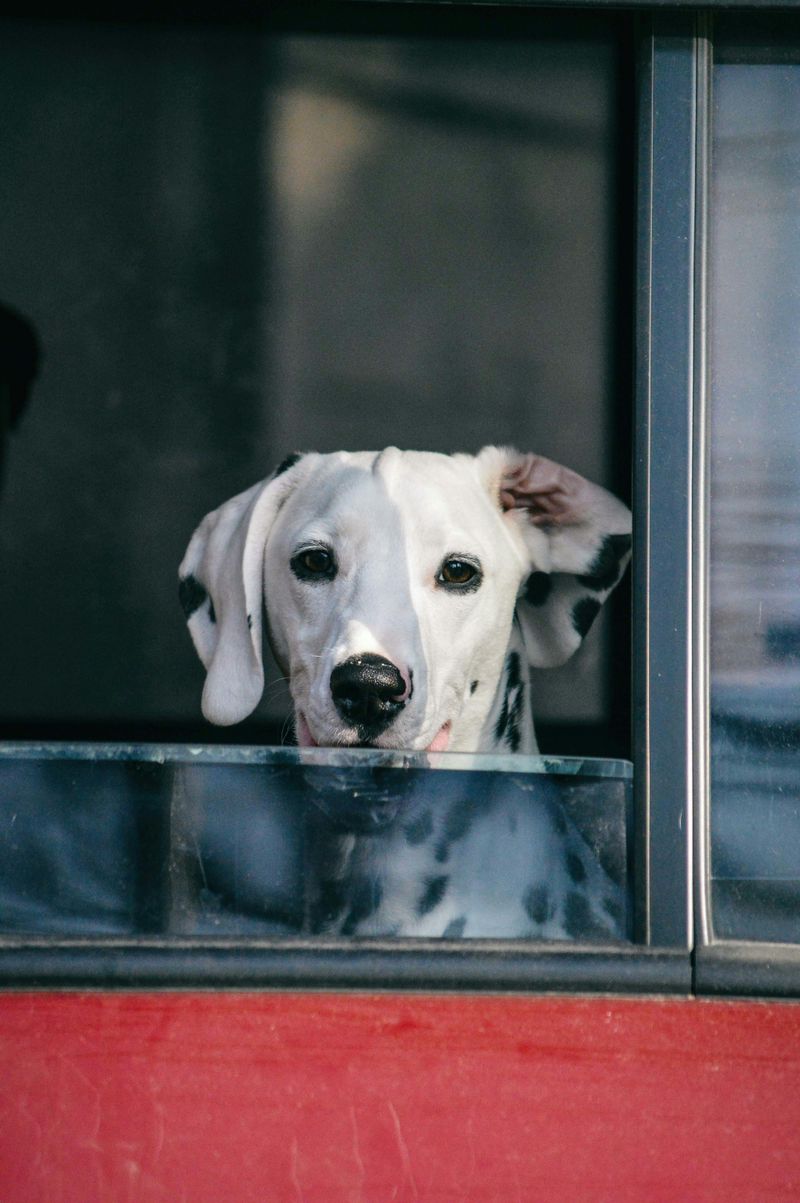
Before a storm, barometric pressure, ozone, and humidity nudge environmental odors in ways dogs sense immediately. Their noses register damp earth, static tinges, and metal like rain signatures long before clouds darken.
You might see restlessness, pacing, or a drive to corral the family indoors.
Lean into preparedness when your dog cues the forecast. Close windows, secure outdoor items, and ready flashlights, water, and calming enrichment.
Some dogs benefit from snug garments, crate cover practice, or white noise to soften thunder. Reward calm behavior and model steadiness.
When the air smells strange to you, it is likely already loud to them. Plan a potty break before the worst arrives.
Offer chews and scatter treats. Breathe.
Other animals nearby
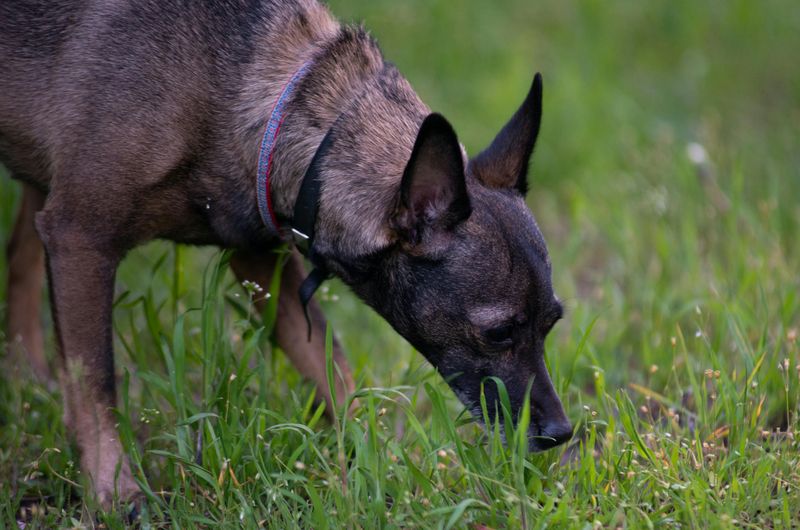
Your dog smells neighborhood life as a living map layered on every breeze. Cats, deer, raccoons, and coyotes leave complex signatures in fur oils, urine, and paw tracks.
Sudden alertness at windows or interest in fence lines often reflects fresh arrivals.
Let that information guide safer walks. Shift routes, tighten management, and avoid dusk hotspots if wildlife is active.
If a new dog moved in nearby, expect extra sniffing and territorial notes for a while. Provide decompression sniff walks and brain games at home to meet curiosity needs.
Your dog is not being dramatic, they are reading a busy bulletin board you cannot see. Give space and keep greetings brief.
Safety comes before socializing today.
Emotional shifts
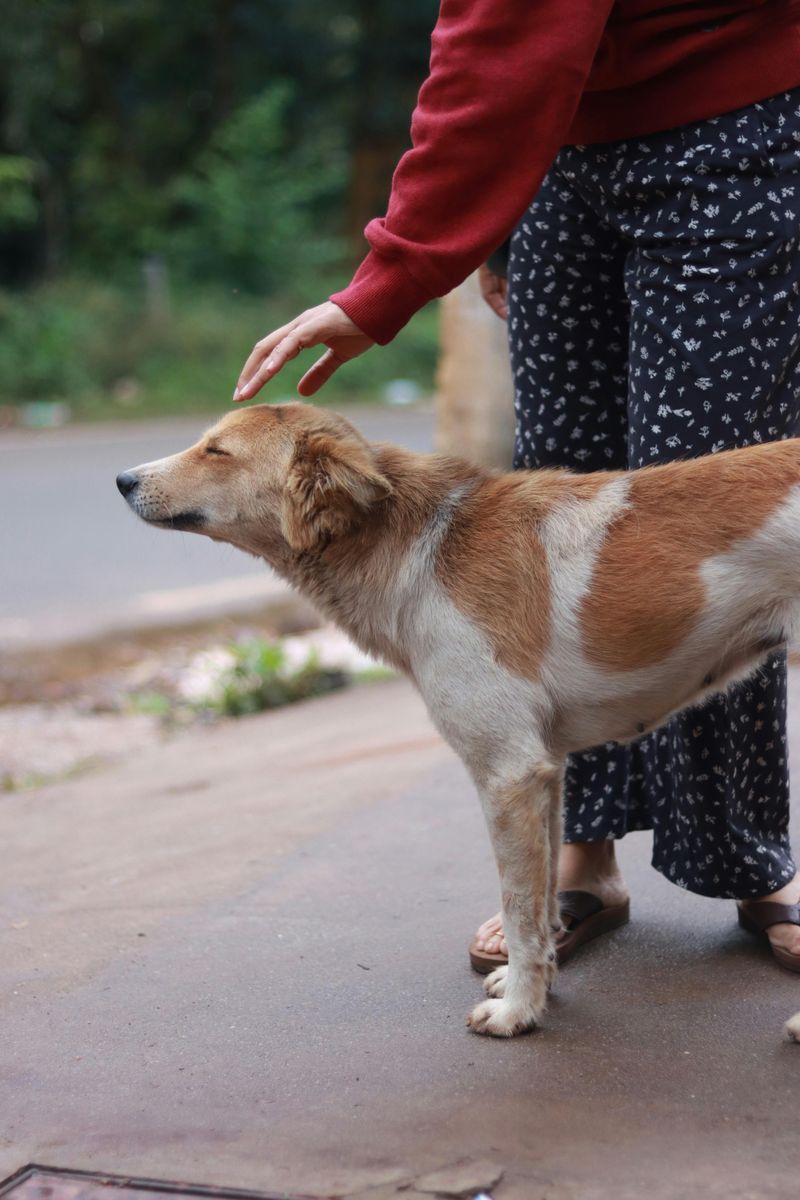
Even before words form, emotions color your scent, and dogs pick up the mix. Joy, sadness, and frustration each tweak sweat and breath in unique ratios.
Your dog might bounce happily, offer a toy, or slide close for quiet support the moment it changes.
Use this as an invitation to check in with yourself. Label the feeling, lengthen exhale, and take one small action that helps.
Practice a simple cue sequence so your dog can participate without absorbing stress. The more predictable your rituals, the faster both of you settle.
Emotions will keep changing, yet your shared language grows clearer every day. Celebrate tiny wins to reinforce calm.
Curiosity beats rumination every single time.
Familiar human scent patterns
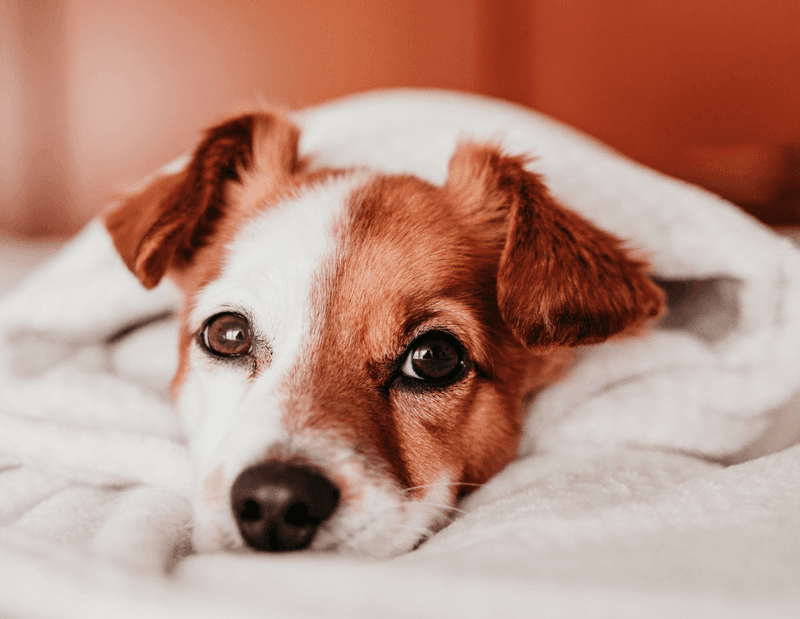
To your dog, you are a constellation of daily scents, from shampoo to diet to environment. They memorize the baseline and notice the tiniest edits like a librarian catching a missing page.
That is why luggage searches, door sniffs, and joyful reunions look so precise.
Leverage this by creating consistent cues for comings and goings. A stable goodbye routine reduces distress, and a calm return teaches patience.
Rotate enrichment scents at home so novelty feels safe without scrambling your identity. If you change soaps or jobs, expect a brief reboot as your dog rebuilds the catalog.
Their nose is the scrapbook holding your shared story together. Protect that bond with mindful rhythms.
Consistency builds trust.