
Think labs are the gold standard in the blind and the uplands? You might be surprised by how many other breeds bring equal heart, sharper noses, or more versatility to your hunts.
From marsh-savvy retrievers to relentless upland sweepers, these dogs can elevate your success and keep days efficient. Let’s explore twelve standouts that could suit your terrain, game, and style even better.
German Shorthaired Pointer
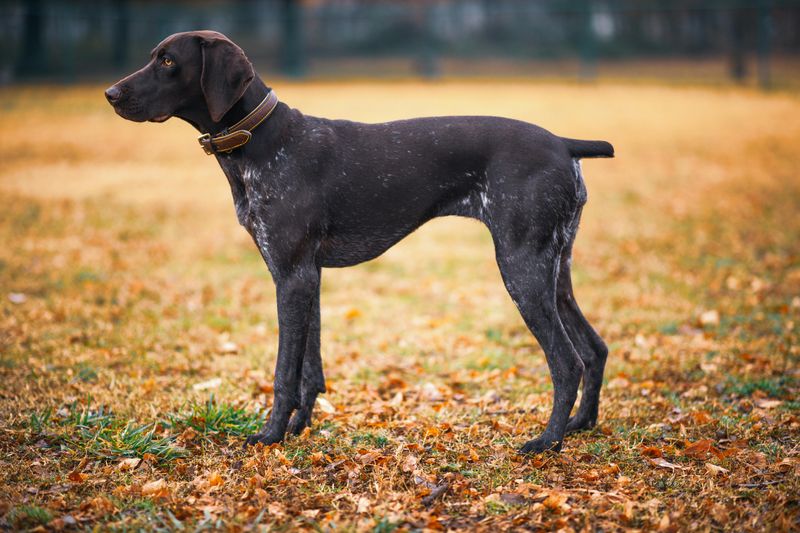
The German Shorthaired Pointer brings athletic drive, sharp nose, and effortless versatility to the field. You get a tireless partner that quarters naturally, marks birds confidently, and switches from upland to marsh without drama.
With lighter build than many retrievers, they cover ground quickly and keep your day moving.
Training stays fun because they crave challenges and praise, yet they still settle nicely at home. Their short coat sheds, but maintenance is easy, and cold days are manageable with a vest.
If you want a single dog for ducks, doves, pheasants, and even blood trailing, this breed often outshines labs. Heat tolerance is strong, but always carry water and rest them during scorching afternoons safely.
Vizsla
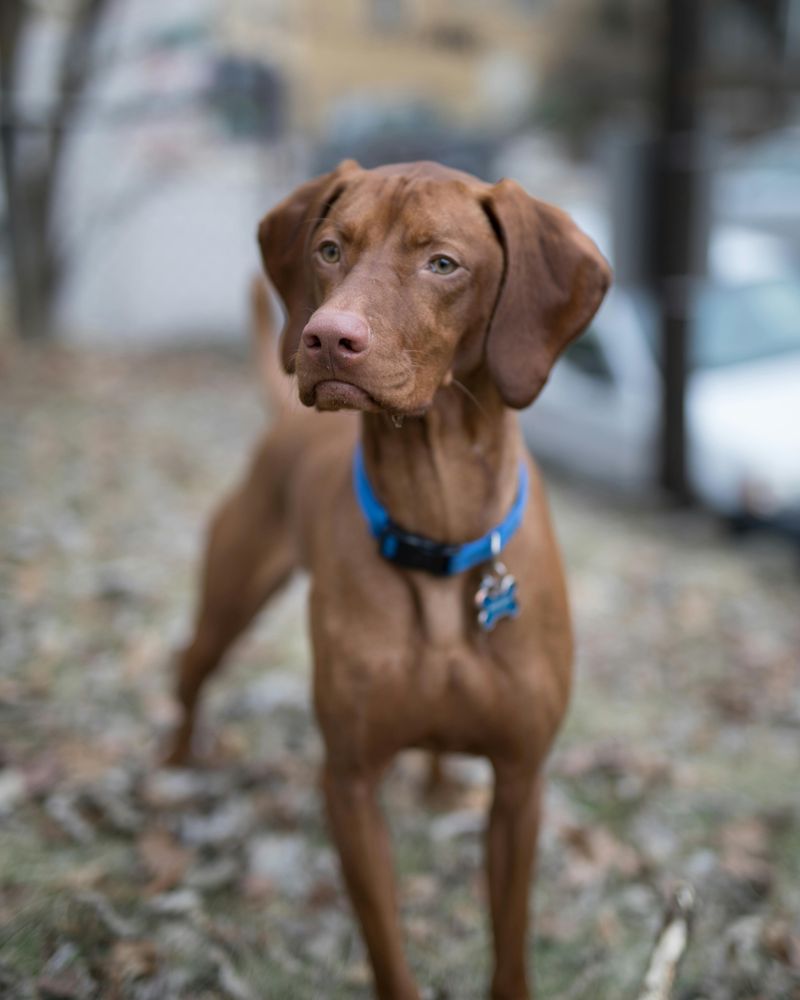
The Vizsla blends elegance with eager bird sense, giving you a nimble hunter that reads wind like a map. They are sensitive, people oriented, and thrive on close teamwork, which helps you handle them with a whisper instead of a shout.
In light cover, they float, then pin birds with stylish points you will never forget.
Expect a quick learner that loves repetition and short, upbeat sessions. Their short coat suits warmer seasons, though a vest and smart pacing help during colder hunts.
If you want a dog that lives to please and keeps pace in chukar hills or quail country, a Vizsla may edge a lab. Keep them mentally engaged daily, and they blossom beautifully.
Weimaraner
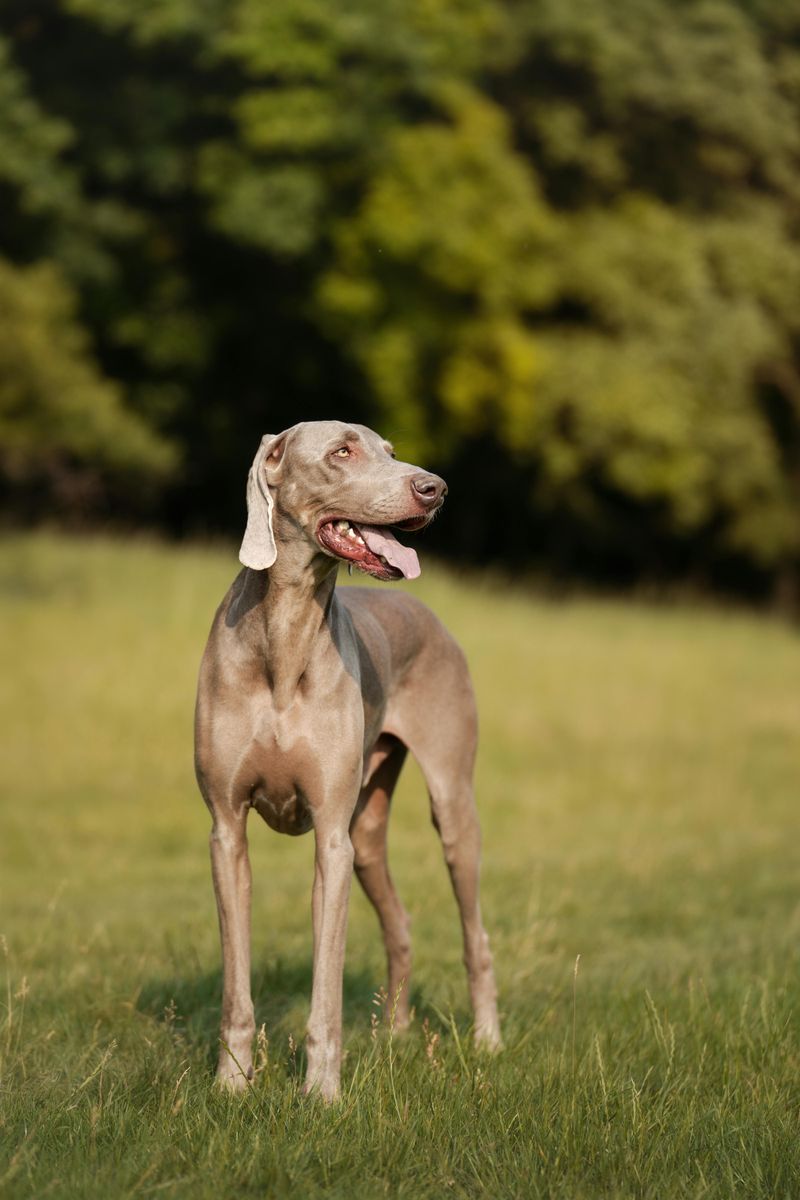
The Weimaraner delivers power, stamina, and a wide search that eats country fast. You get a devoted companion that bonds hard and thrives when you include them in everyday life.
Their long legs and aerobic engine excel in sprawling uplands where birds run and coveys flush wild.
Training should balance structure with variety, since they are smart and sometimes independent. With proper conditioning, they handle big days and rugged terrain impressively.
Add a neoprene vest for cold water retrieves, and you have a versatile hunter that can rival labs in open spaces. Keep sessions positive, enforce clear boundaries, and watch their confidence soar as they master steadiness, recall, and reliable retrieves across changing cover.
English Springer Spaniel
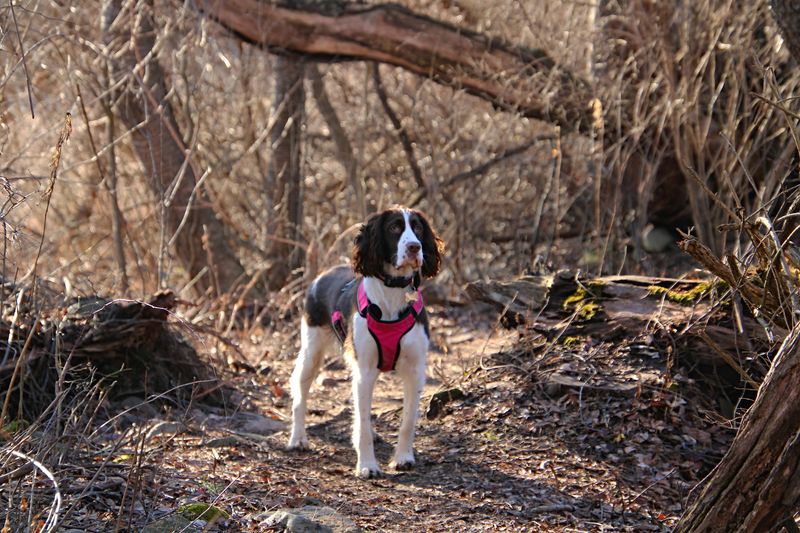
English Springer Spaniels bring explosive flushes and joyous drive that make heavy cover feel lighter. If you want a dog that hunts close, checks in naturally, and pushes birds airborne, this spaniel shines.
Their biddability keeps communication smooth, so you spend more time hunting and less time correcting.
They retrieve willingly and love water, especially in small ponds or creeks. Regular brushing keeps the feathering neat and burrs under control.
For tight cover, grouse woods, or pheasant hedgerows, a Springer can outperform a lab with tighter footing and faster, snappy flushes. Work on steadiness to wing and shot, and you will have a polished teammate that leaves you grinning after every tidy, textbook rise.
Chesapeake Bay Retriever
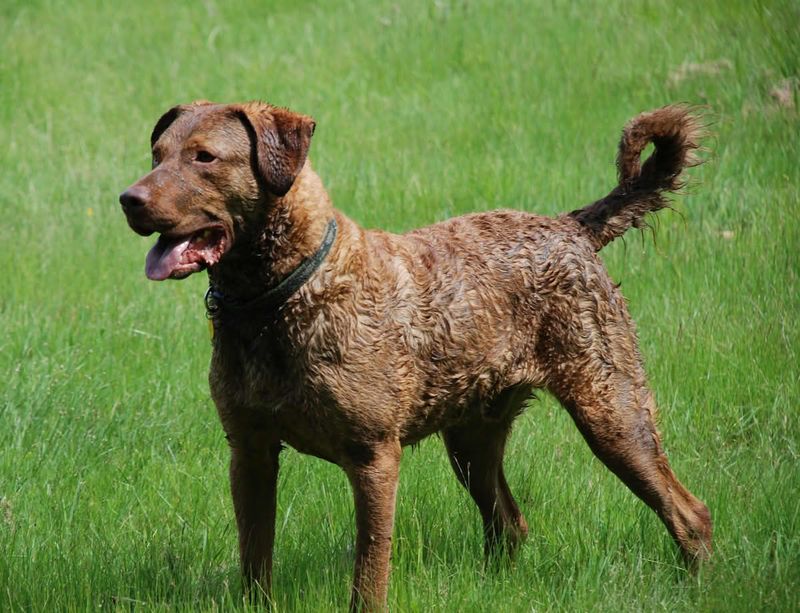
For brutal water, ice edges, and relentless wind, the Chesapeake Bay Retriever is a tank with a heart. That dense, oily coat shrugs off cold, while their muscle and grit punch through chop you would rather avoid.
If your season runs on big water, this breed can outwork most dogs all morning.
They are intelligent, protective, and benefit from firm, fair training with clear standards. Socialize early, maintain consistency, and you will channel their intensity into polished steadiness and dependable blinds.
You also get a loyal house companion that watches over the family. When the forecast turns nasty, a Chessie’s confidence and stamina keep birds coming to hand long after others tap out.
Nova Scotia Duck Tolling Retriever
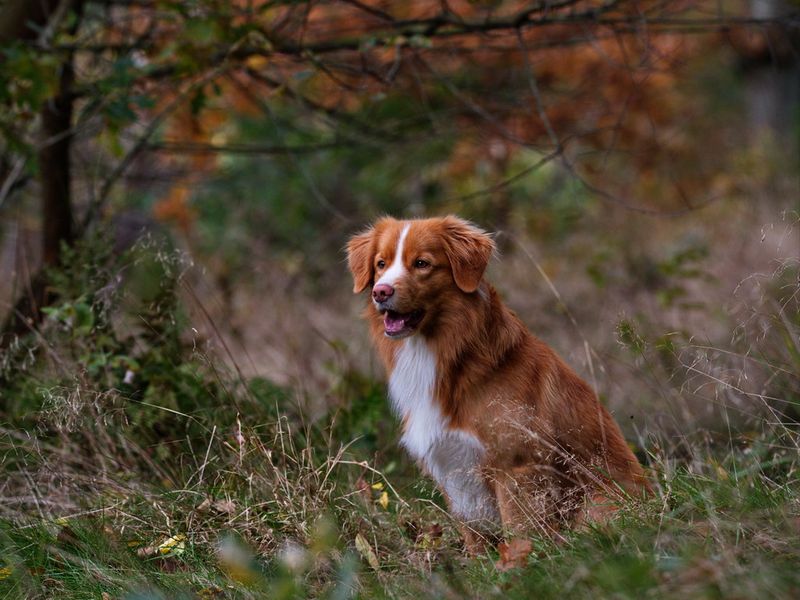
The Nova Scotia Duck Tolling Retriever brings a unique trick to the blind by luring curious ducks with playful motion. Between tolling and excellent marking, you get a compact retriever that handles cold water better than its size suggests.
Their cheerful attitude keeps long sits enjoyable, and they snap into work the second birds fall.
Training responds best to positivity and variety, since Tollers are smart and sometimes cheeky. Their double coat needs routine care to stay weather ready.
In small water, coastal inlets, or timber holes, they can outperform labs with nimble maneuvering and quick acceleration. Keep them mentally busy in the offseason, and your fall mornings will feel smoother, lighter, and surprisingly productive.
Irish Setter
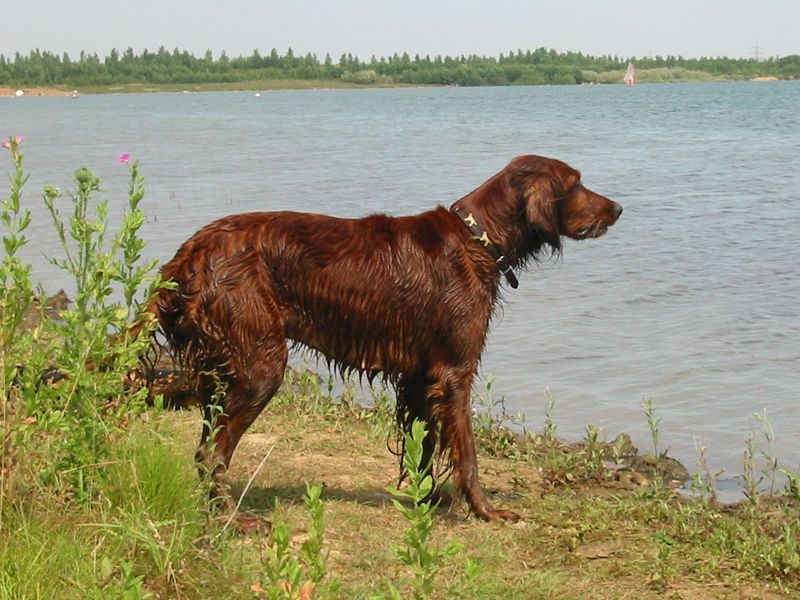
Irish Setters combine breathtaking style with a ground-consuming gait that makes big country feel smaller. You get a bird finder that flags scent from distance, then freezes in a high, elegant point.
Their enthusiasm is infectious, turning long walks into unforgettable hunts across prairie or moor.
They thrive with patient, consistent training and generous exercise. Coat care matters, so plan for brushing and burr checks after every run.
In open uplands with scattered coveys, they may outpace labs by covering more ground and locating birds others miss. Keep obedience crisp, emphasize recall, and balance conditioning with calm house rules.
The payoff is a polished partner that hunts hard and lives easy when the guns are cased.
Brittany
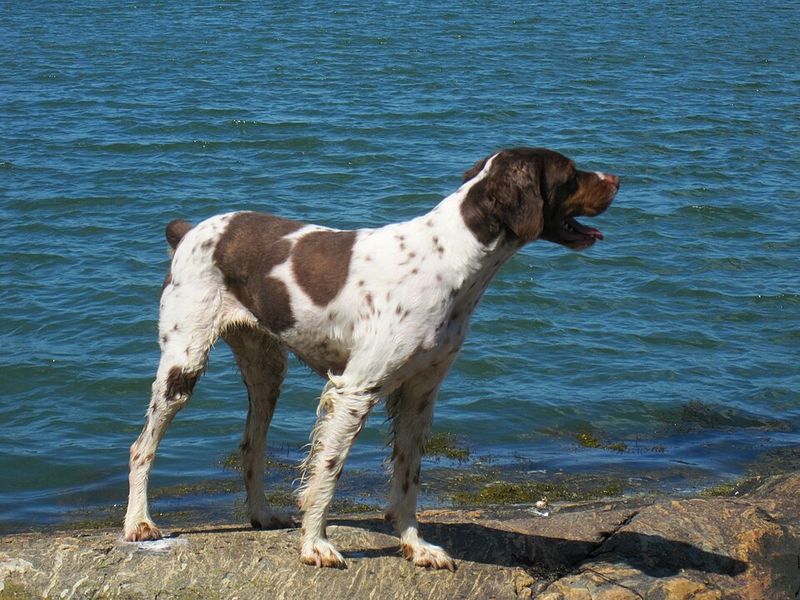
The Brittany squeezes big-dog performance into a light, agile package that loves bird work. They run with purpose, slam stylish points, and naturally check in, making handling a breeze for newer hunters.
You will appreciate how quickly they learn patterns and read cover edges.
They are affectionate, energetic, and thrive with daily mental games and cardio. Grooming stays simple, but plan for burrs in feathering after thick cover.
For quail, woodcock, or pheasants in mixed terrain, a Brittany can outmaneuver labs with tighter turns and efficient quartering. Steadiness and retrieve work round out the program, giving you a complete upland teammate that still cuddles on the couch afterward, content and quietly dreaming of tomorrow’s coveys.
Pointer
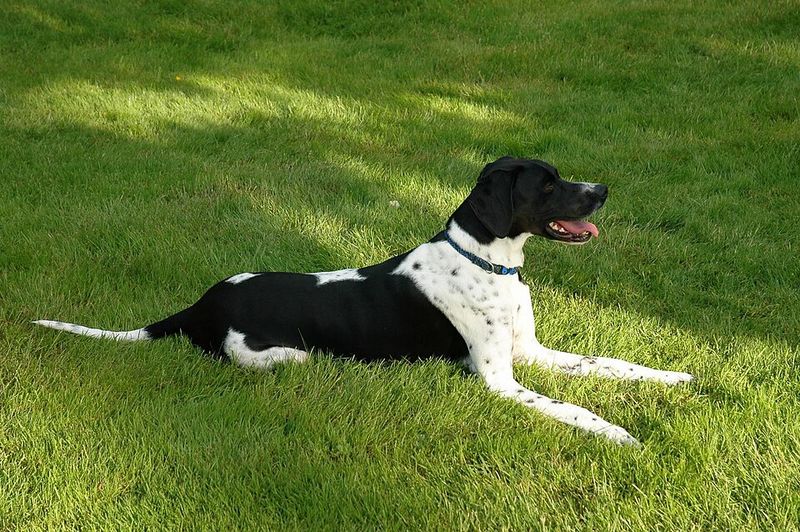
If your priority is finding birds fast, the Pointer is a legend for a reason. They cast wide, snap into arrow-straight points, and hold with electric intensity that lets you close the distance cleanly.
In vast prairies or rolling sage, their efficiency can leave labs a step behind.
They need conditioning, structure, and clarity, but their work ethic makes results come quickly. Keep sessions short and sharp to maintain style and enthusiasm.
With appropriate range management and a reliable recall, you will enjoy a high-octane hunter that paints the sky with iconic silhouettes. For the bird-obsessed hunter who loves miles, a Pointer’s nose and stamina deliver dividends all season long.
Spinone Italiano
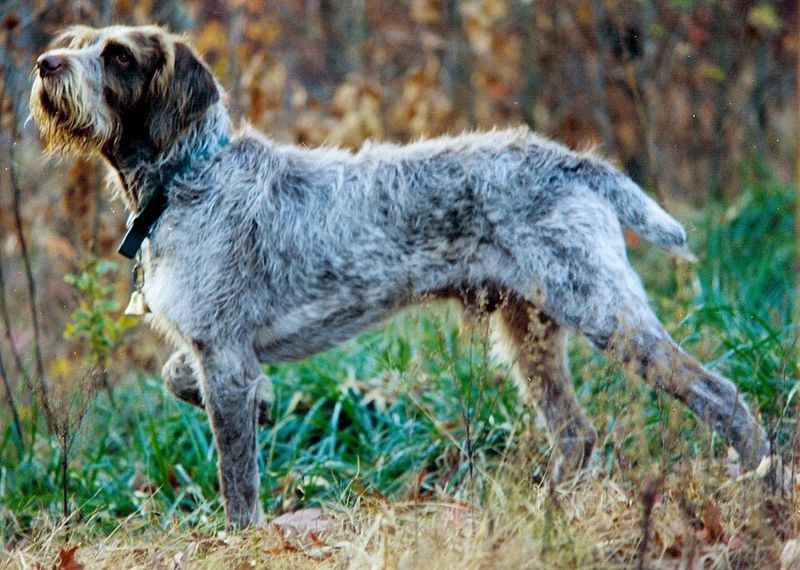
The Spinone Italiano is a thoughtful, methodical hunter that shines when conditions get tough. That wiry coat handles cold drizzle, while their steady pace keeps noses in scent longer.
If you prefer deliberate searching and calm manners, this breed fits beautifully into mixed upland and marsh edges.
Training benefits from patience and consistent, low-pressure repetition. They retrieve willingly, swim well, and bring birds back with a soft mouth.
In tricky scenting days or tangled cover, a Spinone can outperform labs by slowing down and solving problems carefully. Their gentle nature makes for a lovely family companion, too.
Keep conditioning and coat care steady, and you will enjoy a rugged teammate that thrives in real-world conditions.
Lagotto Romagnolo
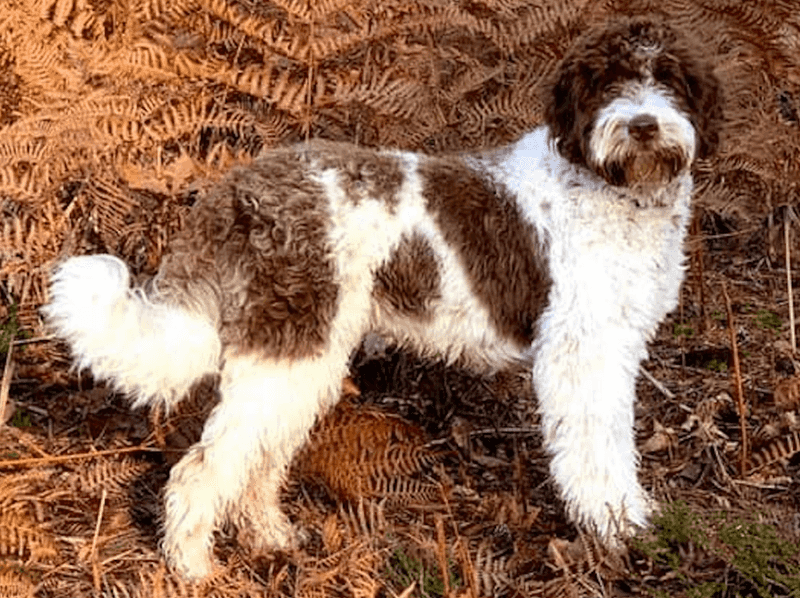
The Lagotto Romagnolo is famous for truffles, but its roots as a water retriever still matter. You get a small, eager worker that loves marsh edges, dense reeds, and tricky retrieves in tight spaces.
Their curly, waterproof coat helps in cool weather and shrugs off light rain.
They are intelligent, food motivated, and enjoy puzzle-like training that channels focus. While not a heavyweight, they can excel on teal, wood ducks, and marsh hens where agility beats brute force.
With good steadiness and blinds, a Lagotto can surprise you by outperforming labs on compact, technical water. Keep their coat maintained and their minds busy, and you will have a cheerful partner that makes short work of intricate setups.
Plott Hound
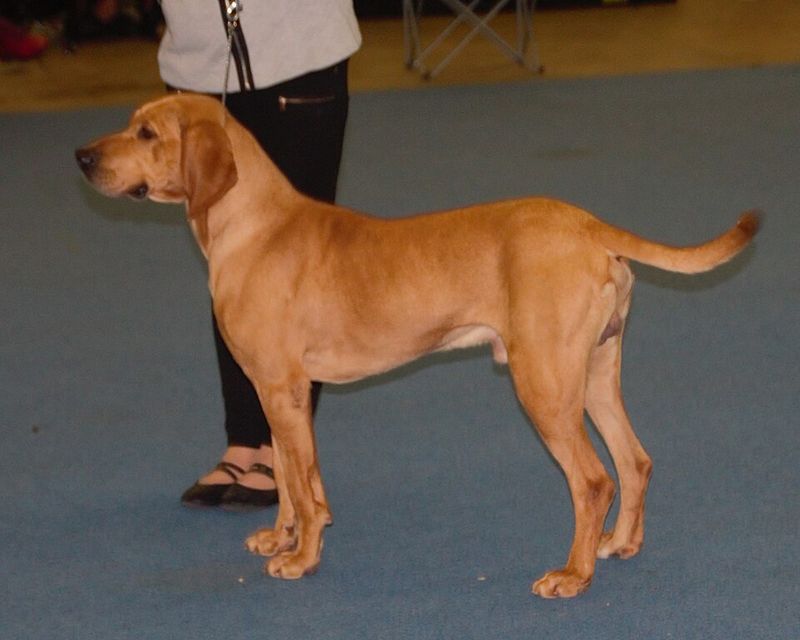
The Plott Hound is a gritty big game tracker built for mountains, rain, and long, winding trails. If you chase bears or hogs, their nose, voice, and courage stack the odds in your favor.
They move with purpose and solve scent puzzles that leave other breeds guessing.
Training emphasizes handling, recall, and controlled drive, because their determination can run hot. With a balanced program, you get a steady partner that cold-trails, bays with authority, and stays committed until you arrive.
For tracking wounded deer after a marginal hit, a Plott can excel where labs may falter. Keep them fit, praised, and purpose driven, and you will trust that nose when the stakes feel highest.