
Some of the most lovable dogs also carry quiet worries you might miss. If your best friend seems restless, vocal, or extra clingy, there could be more going on than just high energy.
Understanding breed tendencies can help you support calmer, happier days. Let’s decode their stress signals and turn nervous habits into confident routines together.
Siberian Husky
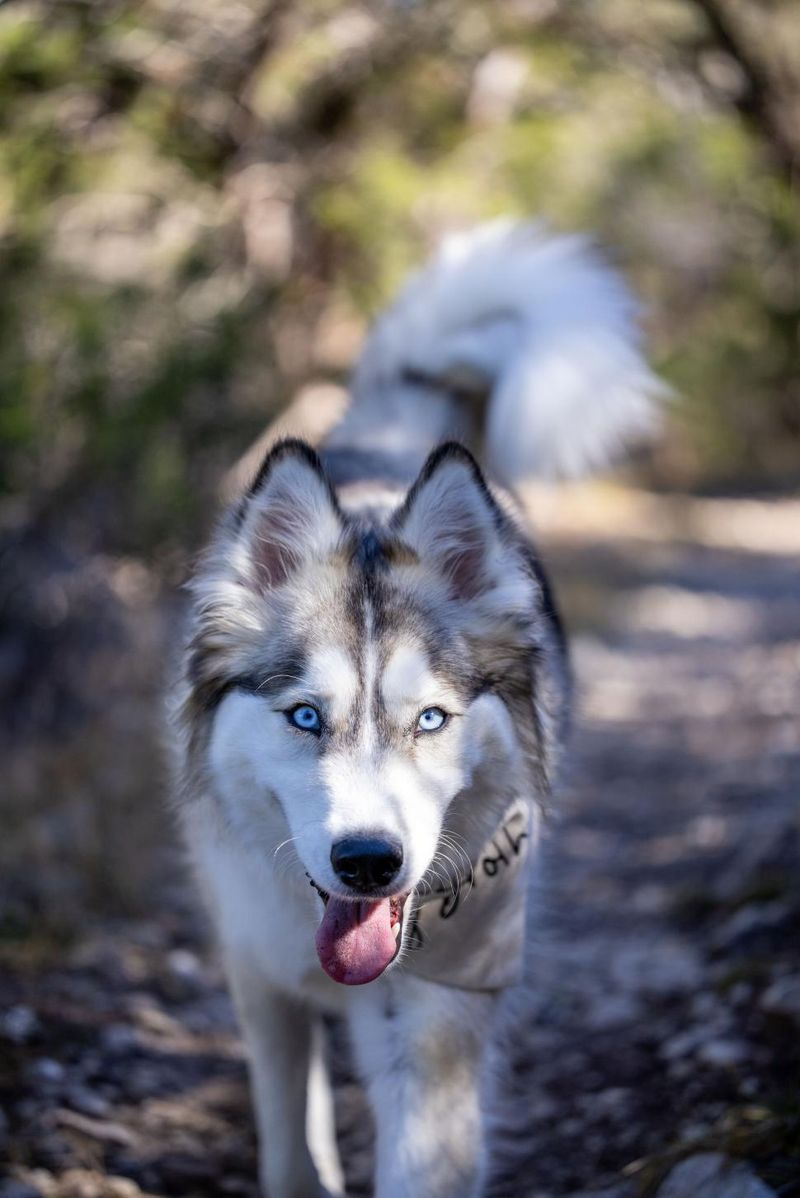
Those glacier-blue eyes look confident, yet Huskies often carry secret jitters. Bred to run and read subtle cues, they notice everything, which can tip into anxious energy.
Without structure and outlets, that vigilance becomes pacing, escape attempts, or nonstop howling.
You can ease it with predictable routines, sniffy walks, and brainy games like scent puzzles. Crates feel safe when introduced kindly, and steady cardio jogs melt nervous tension.
Social time matters, but keep greetings calm, rewarding soft eyes and loose bodies.
Watch for stress signals like whale eye, prickly hackles, and sudden aloofness. If storms or separation spike worry, try white noise, a snug vest, or short departures that gradually lengthen.
Patient leadership turns that electric spirit into balanced confidence.
Dalmatian
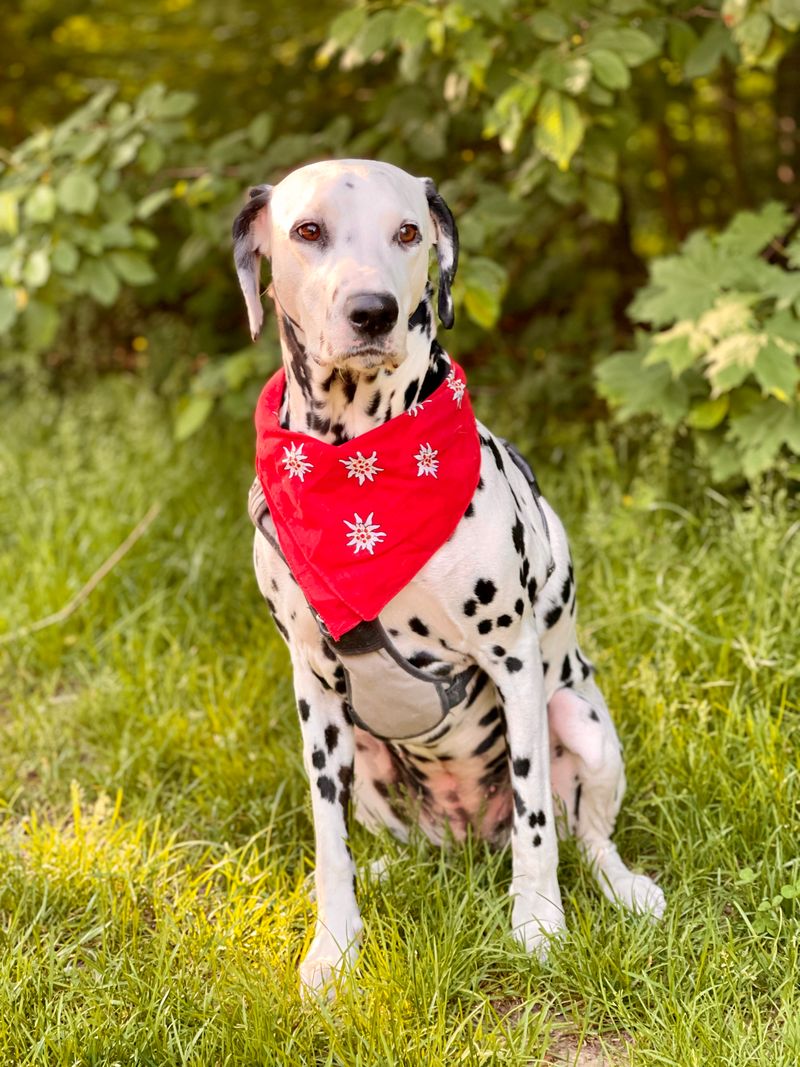
Spots grab attention, but Dalmatians can feel overwhelmed by chaos and inconsistency. Historically coach dogs, they scanned environments for threats, a habit that morphs into restlessness today.
Too little exercise or muddled rules shows up as barking, shadowing, or shredding.
Help them decompress with long trotting walks, trick training, and scent work that channels vigilance into purpose. Keep routines steady and expectations clear, praising quiet choices.
Offer rest spots away from doorways so they can relax without feeling on duty.
Watch for tension flickers like lip licking, glassy staring, or obsessive grooming. For noise sensitivity, introduce soft recordings and reward calm at barely audible levels.
With fair guidance and plenty of outlets, their spark turns from anxious chatter to friendly glow.
Jack Russell Terrier
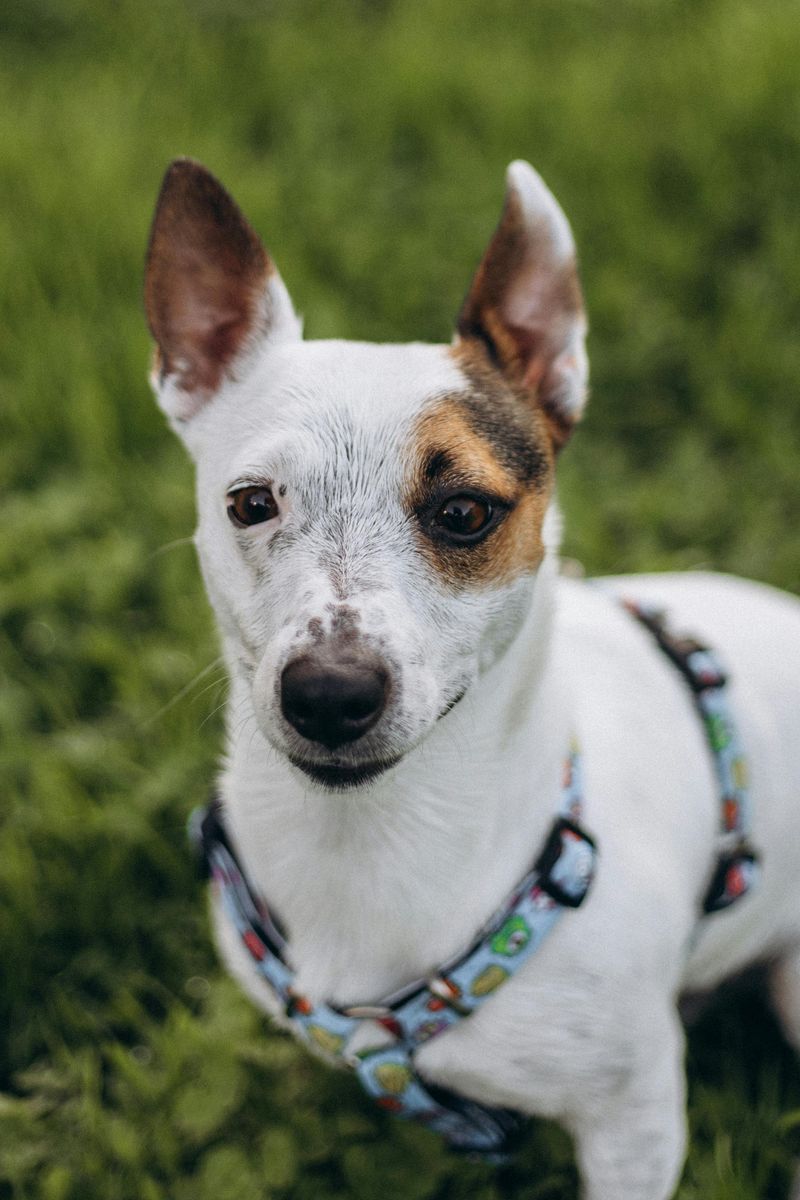
That turbocharged grin hides a nervous system wired for action. Jack Russells were bred to explode after quarry, which means idle time bubbles into fidgeting and yips.
Without jobs, their brilliant brains invent chaos, from fence acrobatics to relentless door surveillance.
Turn anxiety into focus with short scent searches, impulse-control games, and clicker tricks that pay for calm. Multiple mini workouts beat marathon sessions, protecting joints and sanity.
Give chewing projects and snuffle mats to drain steam while you answer emails.
Look for stress tells like stiff tails, hard blinking, and sudden tunnel hearing. Socialization helps, yet keep greetings slow, rewarding sniffs and detours.
When you advocate and structure days kindly, their spark settles into charming mischief instead of anxious havoc.
Beagle

Those pleading eyes belong to a nose-driven detective who can worry when cut off from scenting. Beagles were built to follow trails with teammates, so isolation feels extra loud.
Boredom and loneliness often appear as baying, counter surfing, or frantic yard digging.
Feed the sniffer with hide-and-seek kibble hunts, tracking lines, and neighborhood sniffaris. Short training bursts that reward quiet check-ins teach them how to pause the nose.
Rotate food puzzles, and invite calm canine friends for socially satisfying wanders.
Watch for anxiety hints like drooling, yawning, or glued-on following. If separation is tough, practice micro exits and return before worry escalates.
With patient structure and plenty of scent work, their melody shifts from anxious chorus to contented hum.
Border Collie
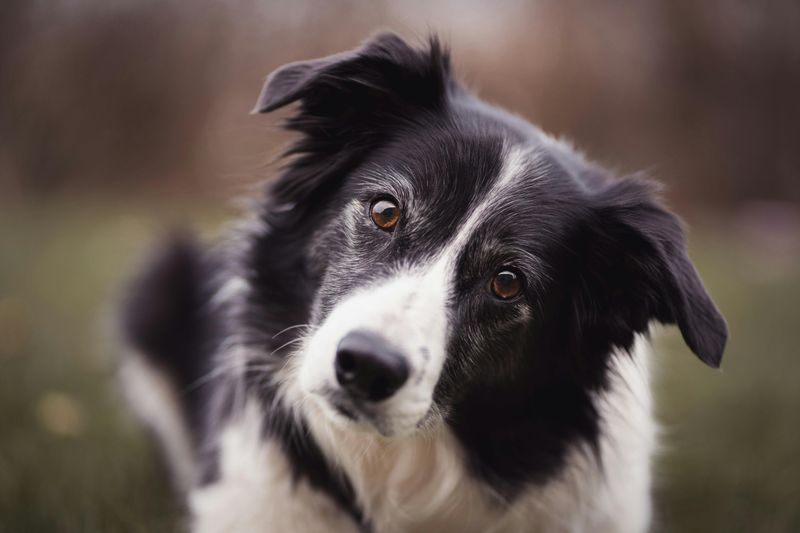
Border Collies read your micro-movements like subtitles, which can create worry when messages conflict. Their herding heritage amplifies sensitivity, so door chaos, kids sprinting, or erratic training feels overwhelming.
Anxiety often surfaces as eye-stalking, nipping heels, circling, or obsessive toy fixation.
Give their minds jobs: pattern games, target work, and trick chains that reward stillness between bursts. Replace relentless fetch with scent puzzles plus down-stay breaks.
Provide visual barriers near windows so they get off duty and actually unwind.
Scan for stress cues like frozen stares, tight corners of the mouth, or sudden zoomies. Teach a mat settle, then pay heavily for sighs and soft blinks.
When expectations are clear, these geniuses relax, trading static buzz for thoughtful partnership.
Australian Shepherd
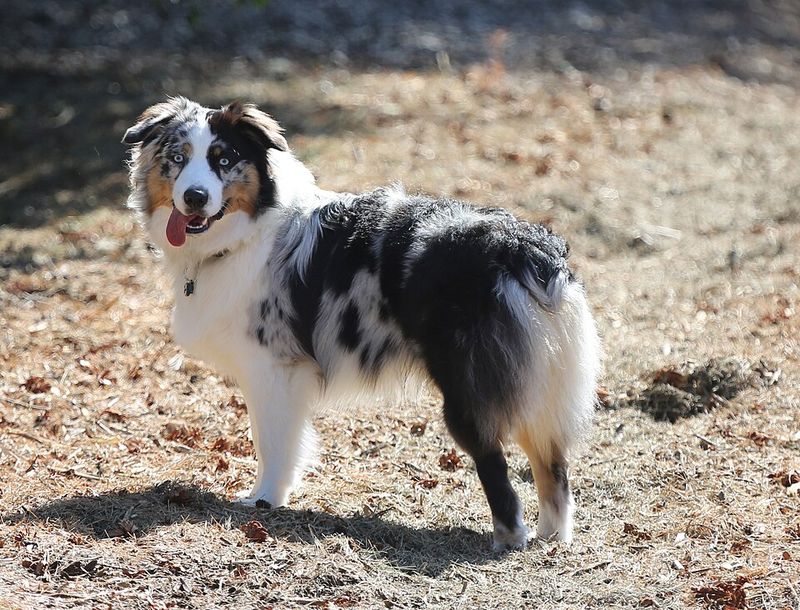
Aussies are velcro-smart, shadowing you with intensity that can tilt anxious without guidance. Bred to manage motion, they notice every squirrel, skateboard, and dropped spoon.
Without clear jobs, that vigilance spirals into barking, heel herding, or patrolling window perches all afternoon.
Anchor their day with predictable exercise, clicker games, and off-switch training between arousal and calm. Teach a rock-solid place cue and reinforce it generously.
Swap mindless fetch for nosework, platform work, and cooperative care routines that build confidence.
Look for anxiety sparks like paw lifting, startle responses, or sticky following. Manage triggers with distance, rewarding oriented glances instead of fixation.
With kind leadership and real mental work, that supercomputer energy softens into steady, joyful partnership.
Chow Chow
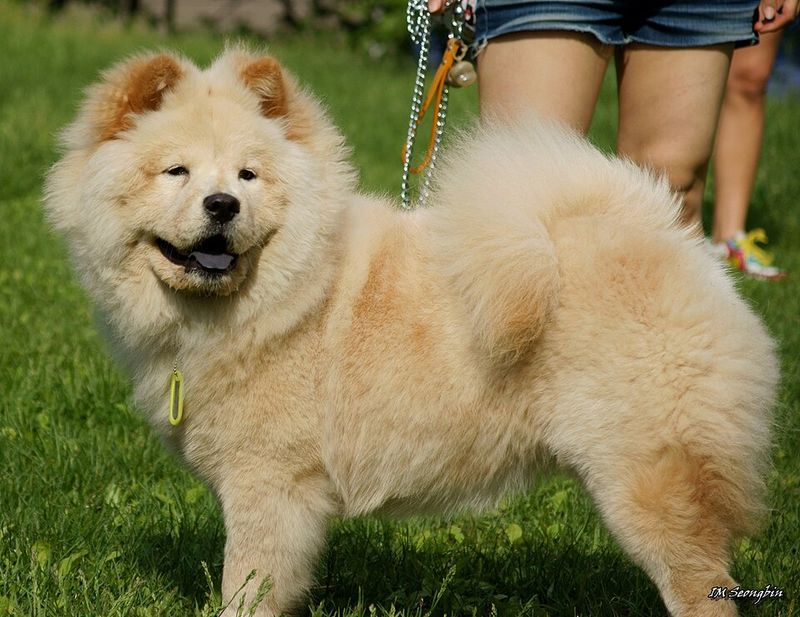
Chows wear a lion suit, yet many are sensitive souls who dislike unpredictability and rough handling. Aloof by design, they can grow anxious when pressured into busy socials.
Anxiety may read as stiffness, growling, or silently avoiding doorways and narrow halls.
Support them with consent-based care, predictable routines, and calm decompression walks. Teach hand-targets so they can choose contact, not endure it.
Reinforce quiet choices, and provide cozy, low-traffic rest zones where they truly exhale.
Watch for worry flags like pinned ears, lip tension, or freezing mid-step. Advocate during greetings, giving space and rewarding soft eyes.
With steady respect and slow exposure, their dignity blossoms, and that wary edge relaxes into comfortable confidence.
Akita
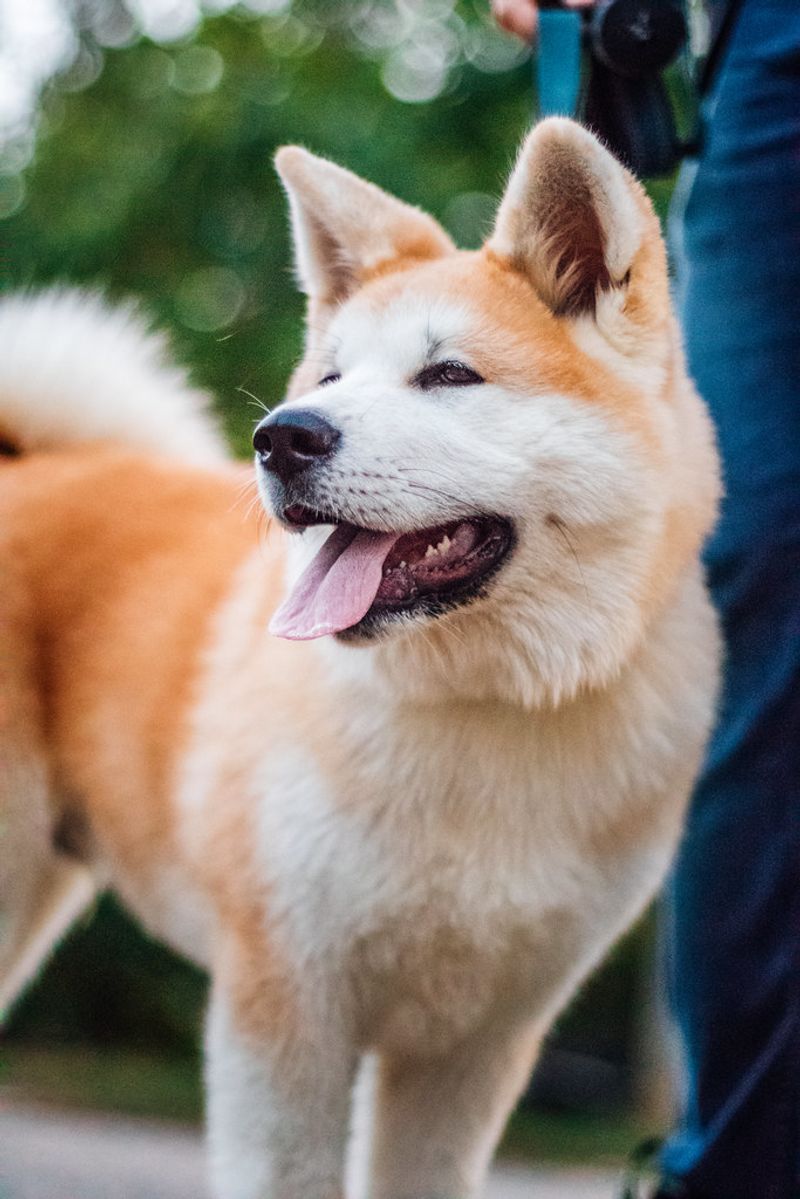
Akitas are stoic, but that composure can mask brewing anxiety, especially in cluttered, noisy homes. Bred as guardians and hunters, they analyze everything, then decide.
Without clear communication, ambiguity fuels tension, leading to rigid posture, refusal to move, or sudden reactivity.
Set fair boundaries, teach choice-based handling, and practice calm pattern games that predict safety. Gentle muzzle training and cooperative grooming build trust.
Keep walk routes spacious, rewarding check-ins and soft body language far from pressure.
Monitor for subtle stress like slow blinking, halted breaths, or ears swiveling toward distant sounds. Introduce strangers methodically, letting curiosity lead.
With respectful partnership and boredom-busting jobs, their confidence rises and the anxious static fades into quiet strength.
Shiba Inu
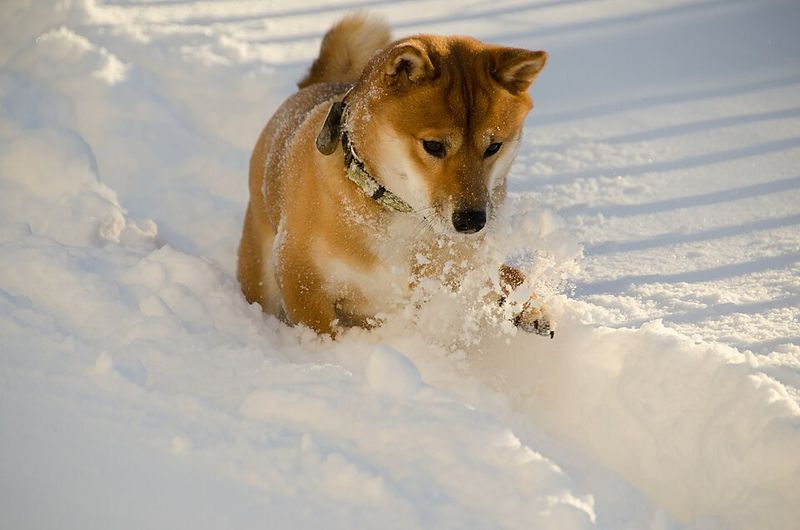
Shibas project independence, yet they feel uneasy when control disappears or surprises stack up. Sensitive to handling and restraint, they may tense, scream, or rabbit-kick when overwhelmed.
Anxiety can also look like statue-still avoidance, sudden zoomies, or escape artistry worthy of cartoons.
Build trust with predictable choices, cooperative care, and rewards for voluntary participation. Teach collar grabs slowly, pairing touch with treats until muscles soften.
Provide safe retreat zones and quiet decompression walks where sniffing takes the lead.
Keep play low friction, favoring parallel movement over face-to-face wrestling. Watch for stress chirps, tail scythes, or hard eyes.
With steady advocacy and humor, that spicy independence transforms into calm confidence you can genuinely live alongside.
Weimaraner
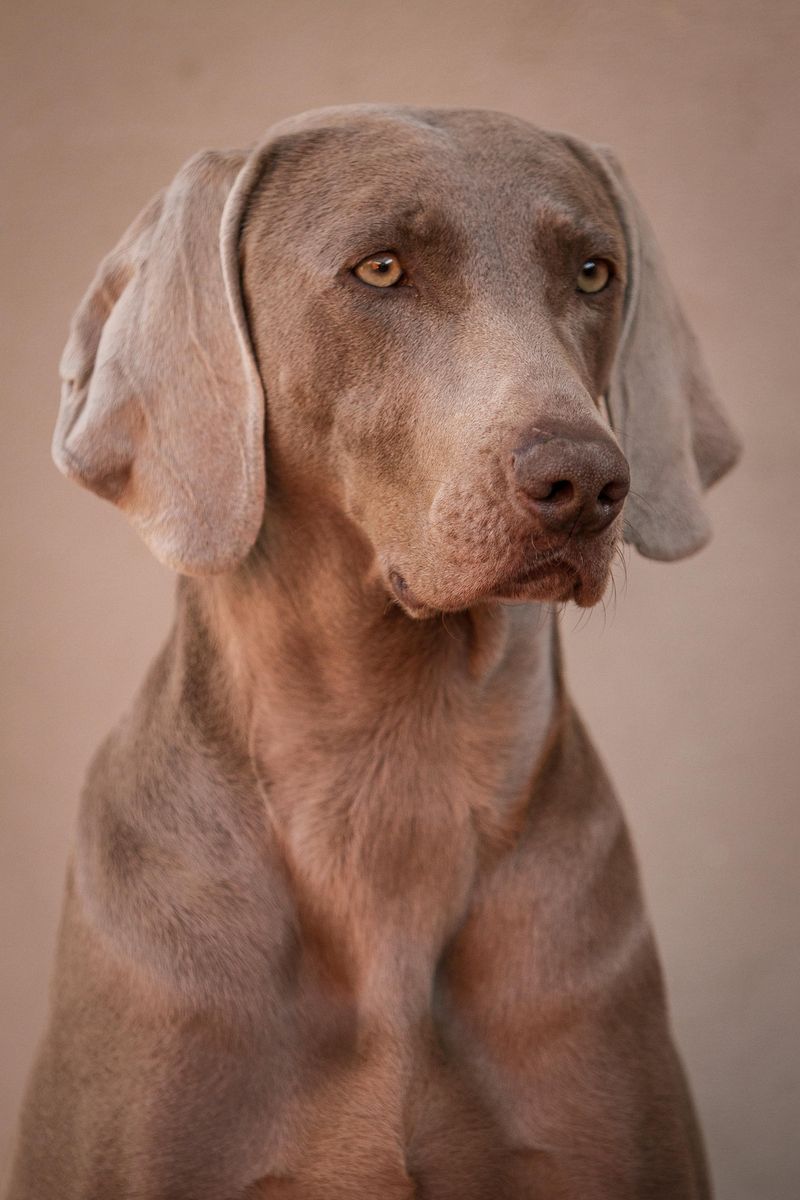
Silver ghosts adore closeness, and when that closeness vanishes, anxiety swells quickly. Weimaraners crave partnership and purpose, so empty hours brew pacing, whining, and door scratching.
Their athletic minds require structure, or they will invent watchdog duties and redecorate the sofa.
Shape independence kindly with station training, gradual departures, and food-stuffed chews saved for alone time. Morning cardio followed by brain games builds a satisfying arc.
Teach calm greetings, rewarding soft bodies instead of pogo-stick leaps.
Spot worry markers like scanning, tucked tails, and refusal to settle in new rooms. Use curtains or window film to turn off neighborhood TV.
With practice and patience, that velcro heart steadies, trading anxious churn for affectionate ease.
Belgian Malinois
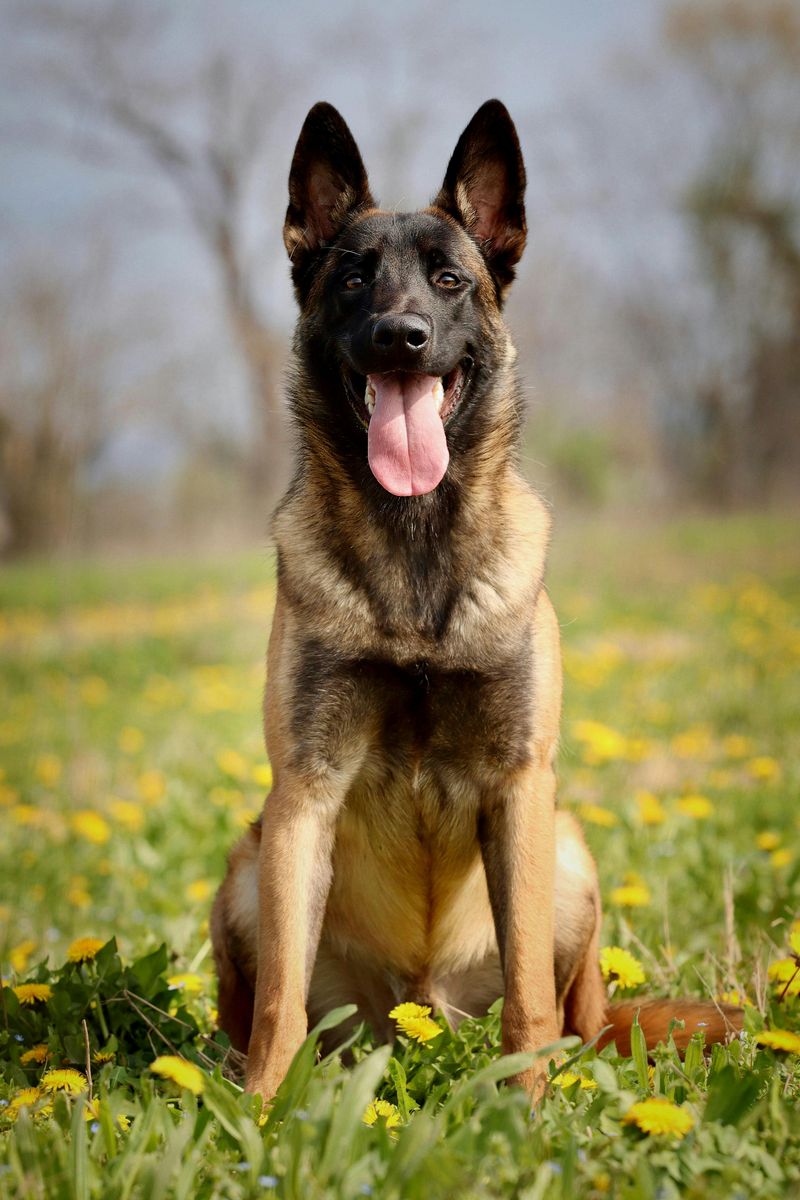
Malinois are Formula-1 brains in fur, and idle time can feel like a stalled engine. Bred for relentless work, they over-notice patterns, which easily slides into anxious fixation.
Without expert guidance, that energy pops as spinning, vocalizing, or nipping at movement.
Channel with precision heeling, nosework, and structured bite pillows under professional coaching. Insert decompression: forest walks, scatter feeding, and mat settles.
Work short, clear sessions, ending on success before arousal tips into chaos.
Scan for early whispers like pupils blowing wide, clawed grips, and choppy panting. Reward orientation away from triggers, not full-throttle engagement.
With rigorous fairness and real jobs, their volcanic drive settles into confident, thoughtful devotion.
French Bulldog
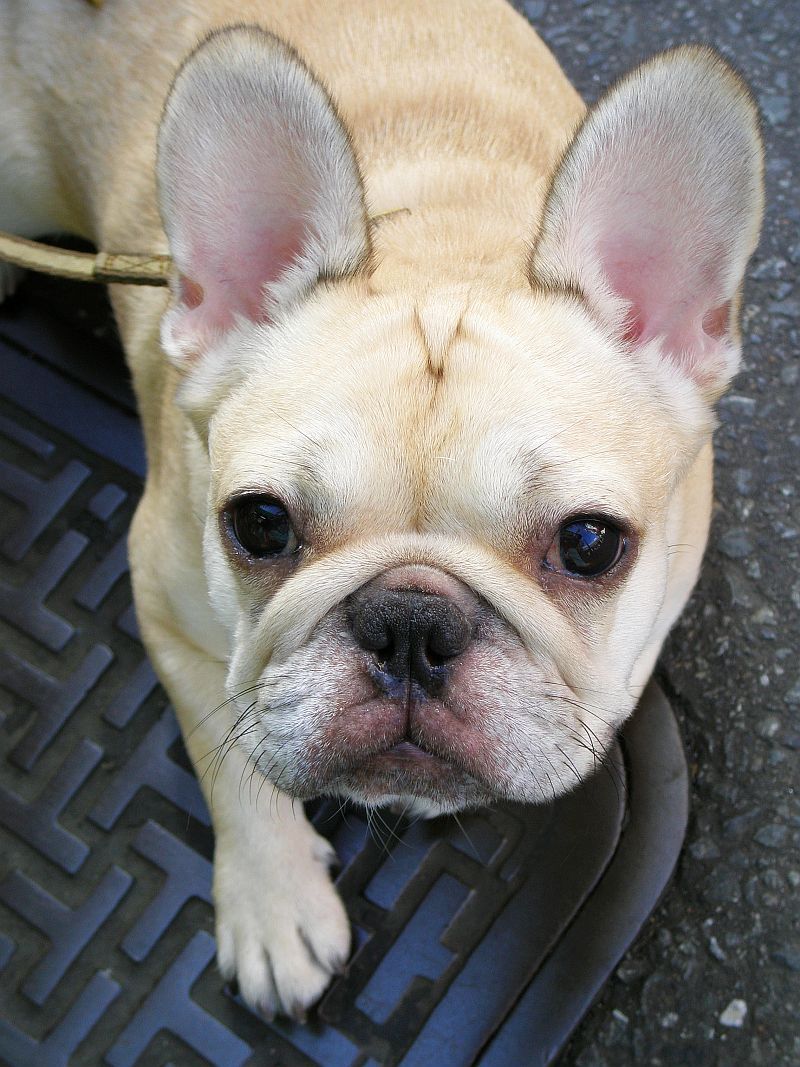
Clownish charm hides a sensitive streak, and brachy breathing can heighten stress under heat or excitement. Frenchies love closeness and predictability, so sudden changes prompt clinginess, barking, or potty backslides.
Over-coddling can accidentally teach helplessness, which then spirals into noisy worry.
Support calm with short sniffy walks, cool environments, and cooperative care around harnesses and nails. Teach independence gradually with stuffed Kongs during brief separations.
Keep play low impact, choosing wobble puzzles over endless fetch.
Watch for blue tongues, thick snoring, or refusal to walk in heat, and slow down immediately. Reinforce quiet breaths and loose bodies indoors.
With gentle structure and health-aware choices, their sunny spirits shine without anxious static.