
Sticker shock is real when you discover how much certain dog breeds can cost. Beyond fluffy faces and majestic frames, there are hidden reasons these prices keep climbing, from ultra-rare bloodlines to meticulous health testing.
You will also find costs wrapped up in training, grooming, and even import rules that push figures higher. If you have ever wondered why some pups rival luxury cars, this list breaks it down clearly.
Tibetan Mastiff
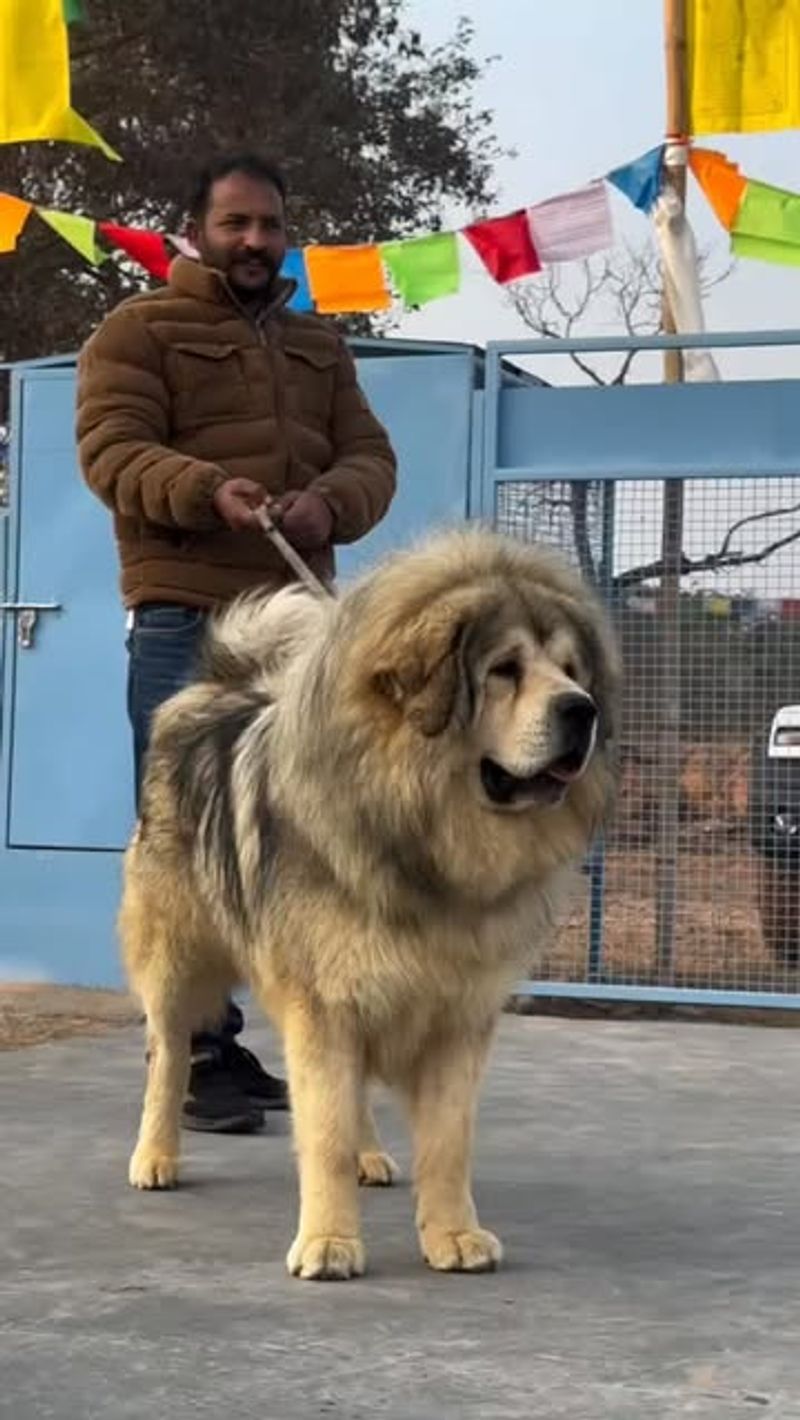
The Tibetan Mastiff looks like royalty for a reason, and the price follows suit. Rare bloodlines, limited litters, and careful breeding in harsh climates add layers of cost you feel immediately.
You also pay for extensive health testing, giant-breed nutrition, and early socialization that prevents stubborn behavior.
Importing from reputable Himalayan or European kennels can jump the price fast. You also face premium insurance, heavy-duty fencing, and heavy grooming tools that keep this coat healthy.
If you want show-quality temperament, training with specialists often gets booked months out, and that time equals money. In short, you are paying for legend, logistics, and long-term commitments that keep this guardian breed in a league of its own.
Samoyed
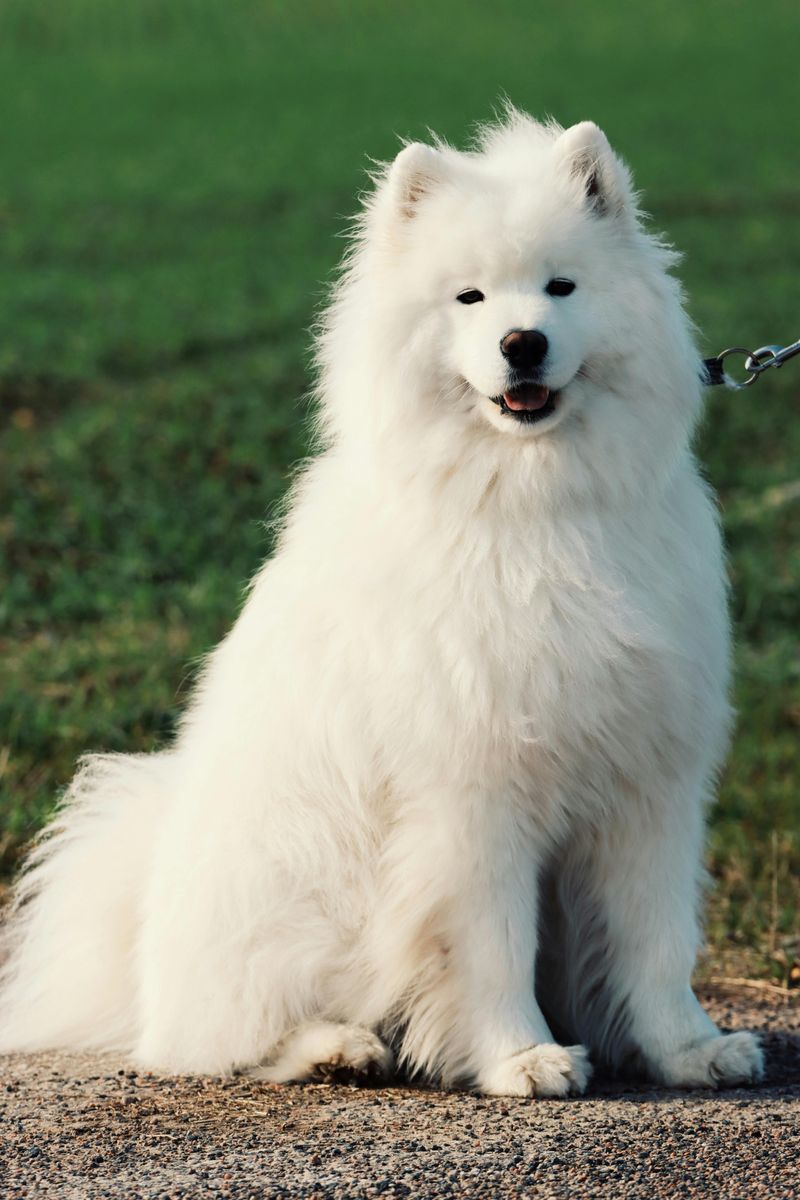
That famous Sammie smile comes with serious upkeep and serious prices. Reputable breeders invest in genetic screening for hips, eyes, and hereditary issues, which boosts initial cost but protects you later.
Show-winning lines and well-socialized puppies also command more because demand outpaces responsible supply.
Now add professional grooming, which you will rely on to manage that cloud-like double coat. Quality diet, deshedding tools, and seasonal coat maintenance are ongoing expenses you will feel in your wallet.
Many families also book puppy classes to harness the breed’s friendly energy. Travel for breeding pairs, limited litter sizes, and export fees nudge numbers higher.
When you choose a Samoyed, you are investing in sparkle, health, and steady, meticulous care.
Chow Chow
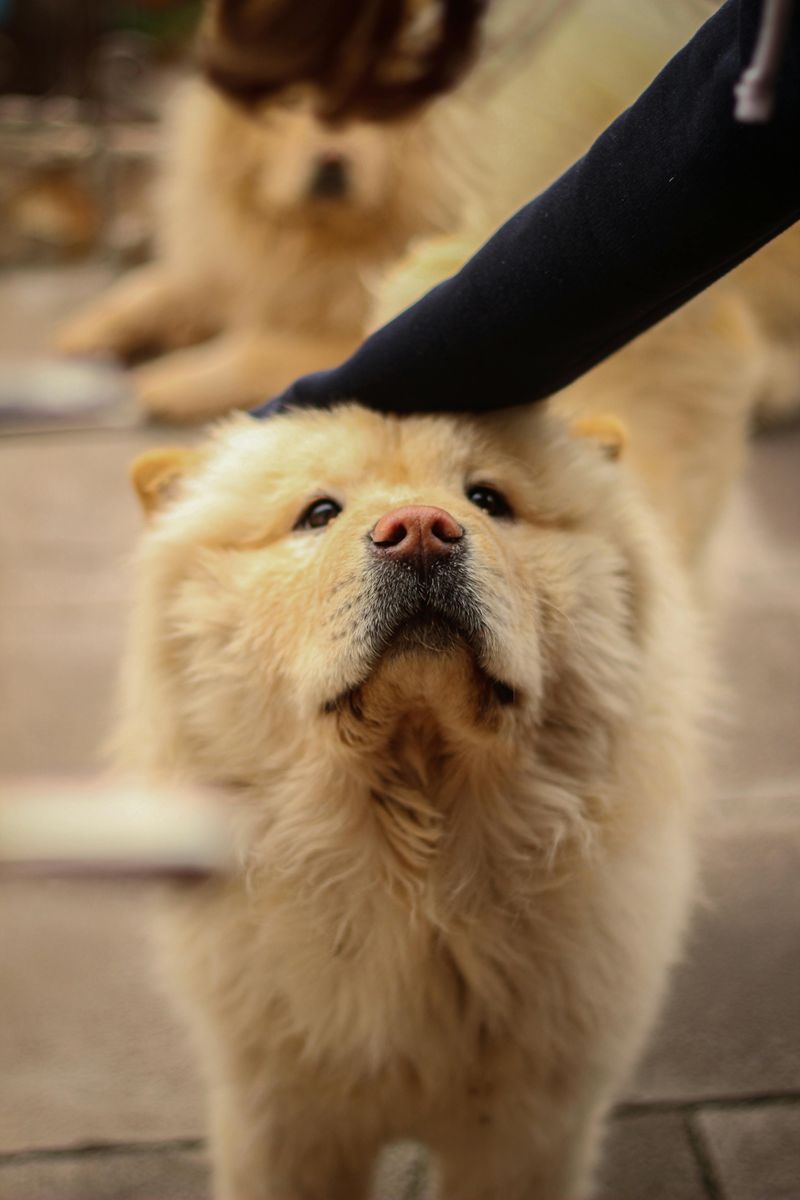
Chow Chows look like living teddy bears, but maintaining that plush nobility costs real money. Ethical breeders spend on health screens for elbows, hips, eyes, and autoimmune concerns, raising initial prices.
Puppies from champion lines with predictable temperaments are scarce, so the market bids up quickly.
Grooming is non-negotiable, and even with your brush, professional sessions keep the coat from matting. Training matters too, because this independent mind needs consistent boundaries you will respect.
Insurance, premium food, and climate-appropriate care all stack onto the bill. Transport from trusted kennels and import paperwork often add another tier.
If you love that signature scowl and blue tongue, be ready to fund careful breeding, consistent training, and a lifetime grooming plan.
Löwchen
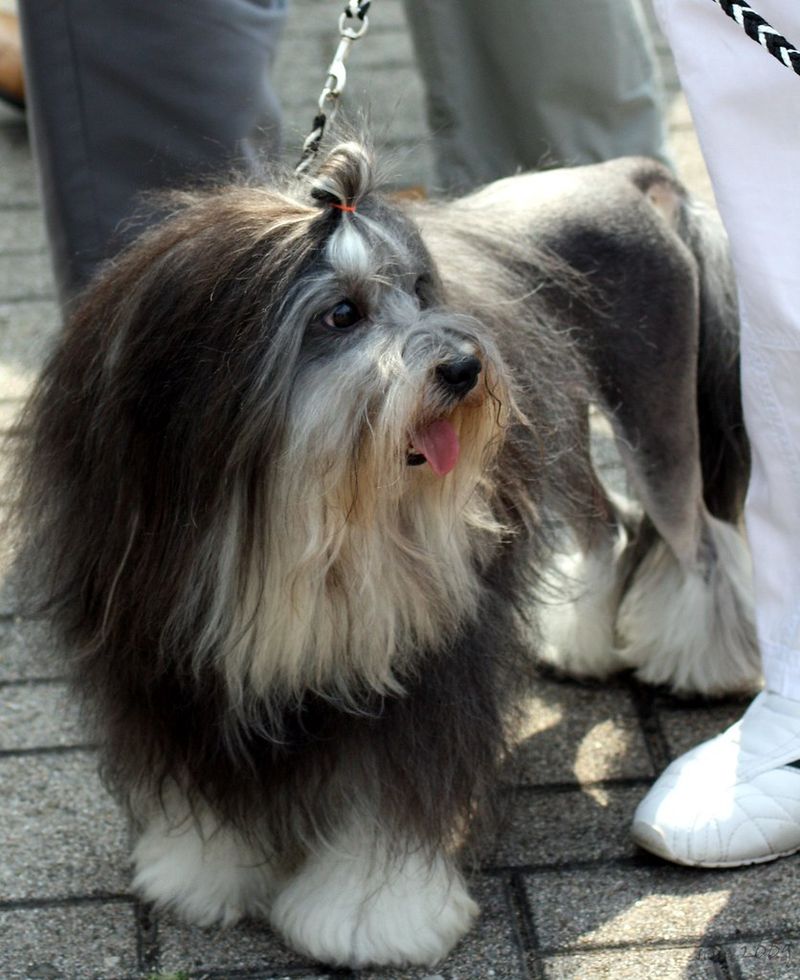
The Löwchen earns a premium because it is genuinely rare, with limited breeders preserving an old European lineage. Low supply and careful selection push puppy prices higher than many toys.
Responsible programs test for genetic issues, invest in socialization, and sometimes collaborate internationally, adding travel and coordination costs.
Grooming is central, especially the classic lion clip that defines the breed’s charm. You will likely budget for frequent salon visits and quality tools at home.
Training tends to be smooth, but early classes keep manners polished for city life. Insurance and high-quality nutrition remain ongoing.
If you are drawn to small size with big personality, the Löwchen offers delightful companionship, but rarity, grooming standards, and preservation-minded breeding keep the price lofty.
Azawakh
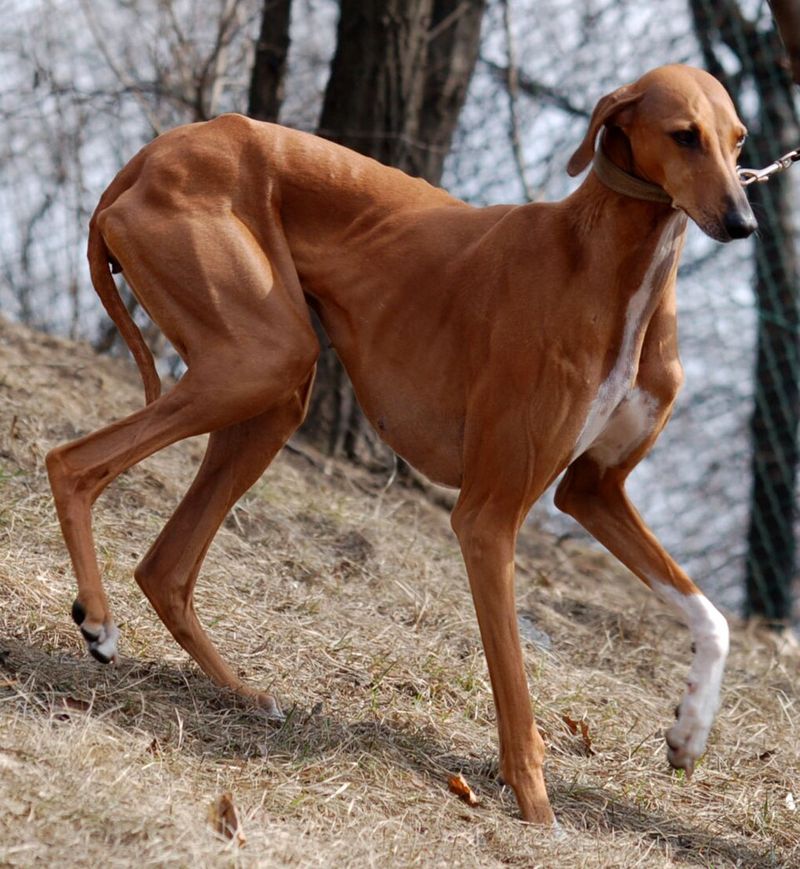
The Azawakh, a desert-born sighthound, is prized for grace, speed, and scarcity. Ethical breeders guard a narrow gene pool, which means thoughtful pairings and international cooperation that cost time and money.
Health testing for cardiac and orthopedic soundness makes responsible litters even more selective.
These dogs thrive with active owners, so many invest in lure coursing or structured running plans, along with performance training. Travel and import expenses from European or African lines often raise the sticker price.
Insurance and specialized nutrition for a lean physique add to the long-term budget. If you want beauty and athleticism wrapped in a sensitive companion, the Azawakh delivers.
Just be ready for rare-breed economics and performance-centered care.
Pharaoh Hound
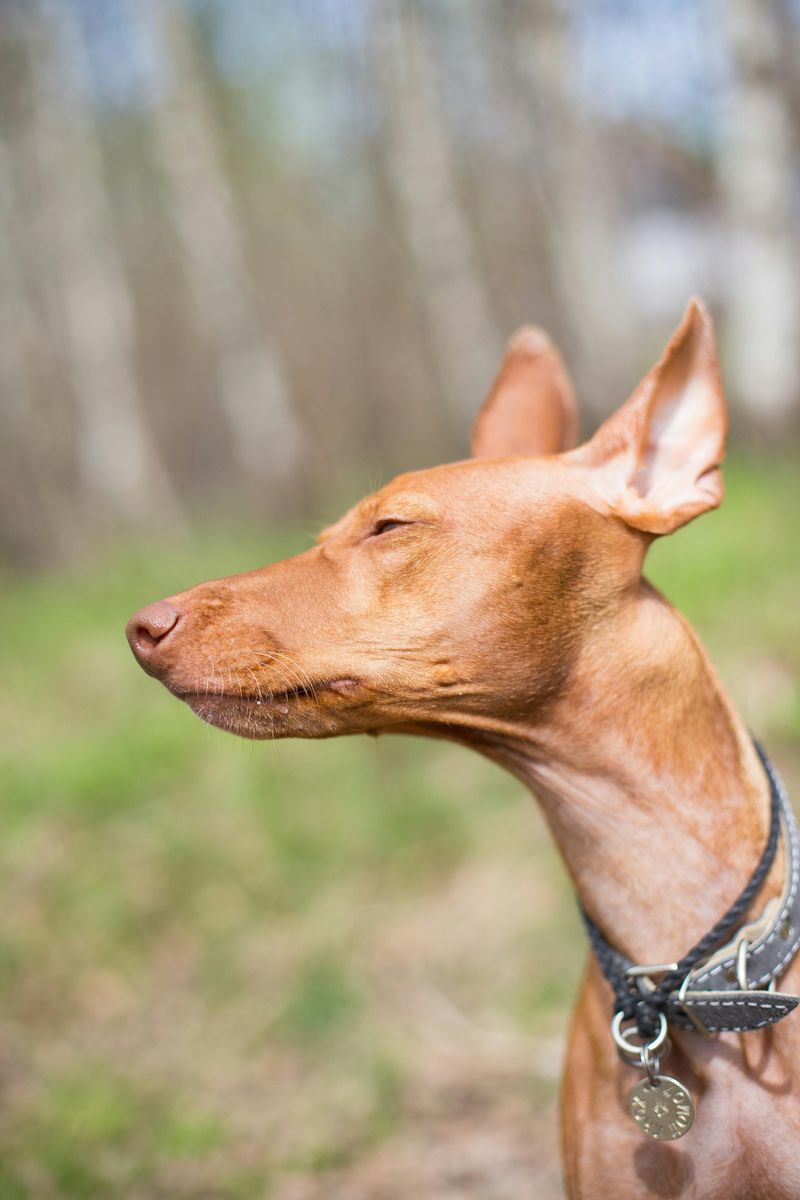
Pharaoh Hounds look like living sculptures, and rarity keeps prices high. Breeders invest in health screenings, careful temperament evaluations, and selective matchmaking to preserve athletic elegance.
Limited litters and strong demand from sport and show communities push costs steadily upward.
You will likely budget for specialized training to channel prey drive and keep recall sharp. Travel to reputable kennels and import fees add to the tab, especially for show prospects.
Their short coat is easy, but performance gear, coursing entries, and quality diet are recurring expenses. Insurance can be pricier for athletic breeds.
If that amber coat and luminous expression have your heart, expect to pay for preserved lineage, performance potential, and the logistics of a rare breed.
Akita

The Akita carries quiet strength, and responsible breeding reflects that seriousness. Health testing for hips, eyes, thyroid, and autoimmune conditions increases breeder costs but saves you heartbreak.
Puppies from stable, even-tempered lines are highly sought, and limited litters mean elevated prices.
Grooming the dense double coat requires regular sessions, plus seasonal blowouts that most owners outsource. Early socialization and disciplined training keep this guardian balanced, so you will likely book professional trainers.
Insurance can lean higher due to size and regional policies. Importing from Japanese or European show kennels can raise costs dramatically.
If you love stoic loyalty with a dignified presence, the Akita rewards your commitment. Just be ready to invest in structure, health, and consistent care.
Rottweiler
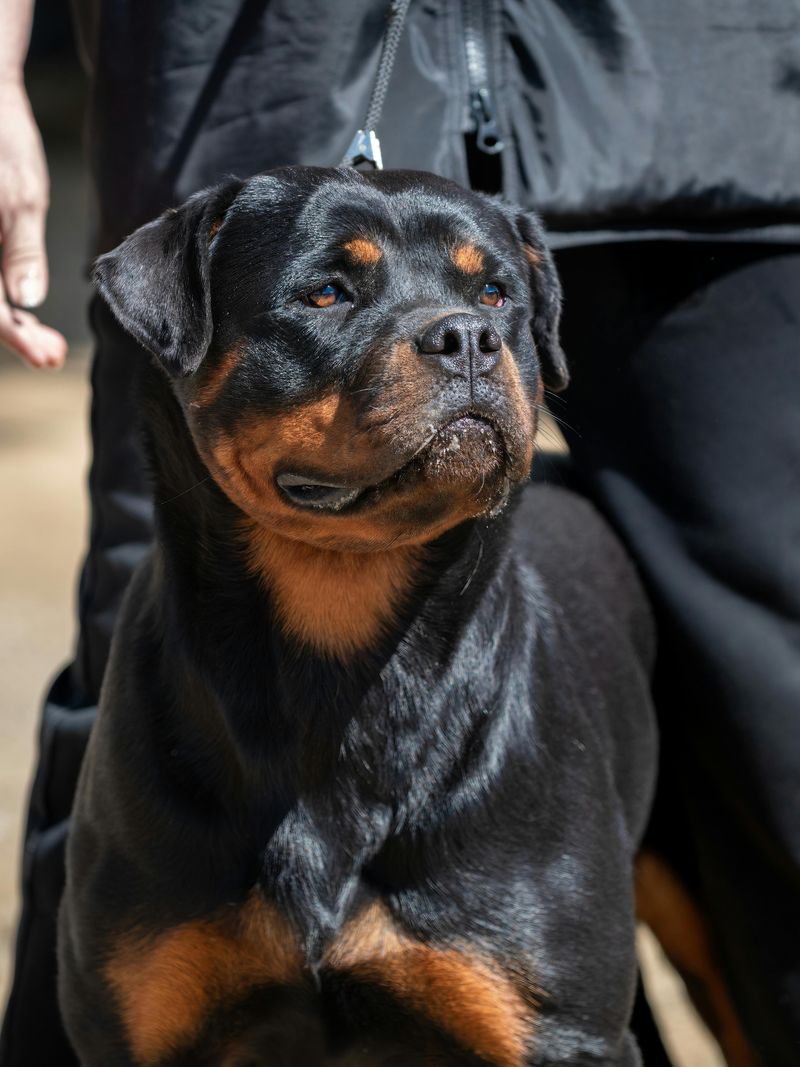
Rottweilers combine power and intelligence, and that combination requires careful breeding. Ethical programs screen for hips, elbows, heart, and temperament, increasing costs but protecting you from big vet bills later.
Puppies from titled working lines fetch premiums because predictability and nerve strength matter.
Training is not optional if you want a confident, steady companion people trust. Many owners invest in obedience, protection sports, or therapy certifications, and that education adds up.
Insurance and top-tier nutrition for a muscular frame also raise ongoing costs. If you import from European working kennels, expect travel, paperwork, and long waitlists.
With a Rottie, you pay for health, training, and a reliable mind. The result is a partner that works as hard as you do.
Canadian Eskimo Dog
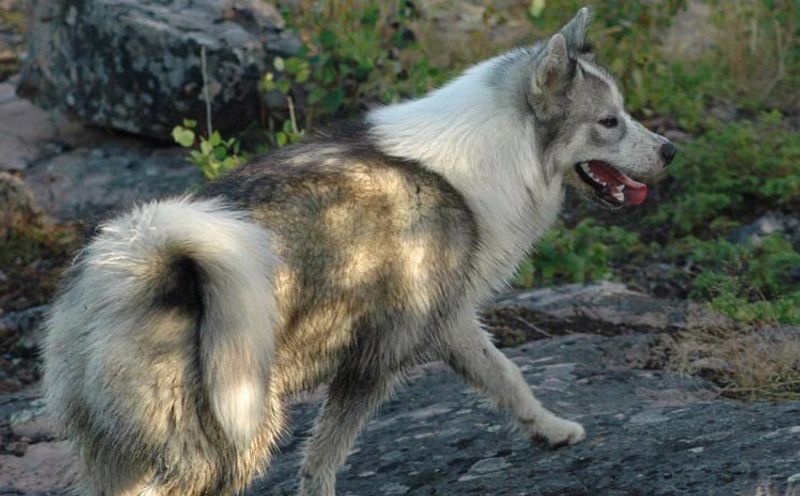
The Canadian Eskimo Dog is a living piece of Arctic history, and scarcity drives cost. Preservation breeders maintain working ability and health, which means small, carefully planned litters.
Transportation to remote regions, veterinary screening, and performance assessments stack expenses even before puppies are reserved.
Owners often budget for heavy-duty gear, from sledding harnesses to rugged boots and conditioners for that dense coat. Training focuses on channeling drive while keeping family manners reliable, which usually means professional help.
Insurance and high-calorie diets add recurring costs. Importing or coordinating with northern programs introduces logistics and wait times.
If you want authentic working heritage, be ready to fund preservation, equipment, and thoughtful management that honor a remarkable northern companion.
Dogo Argentino
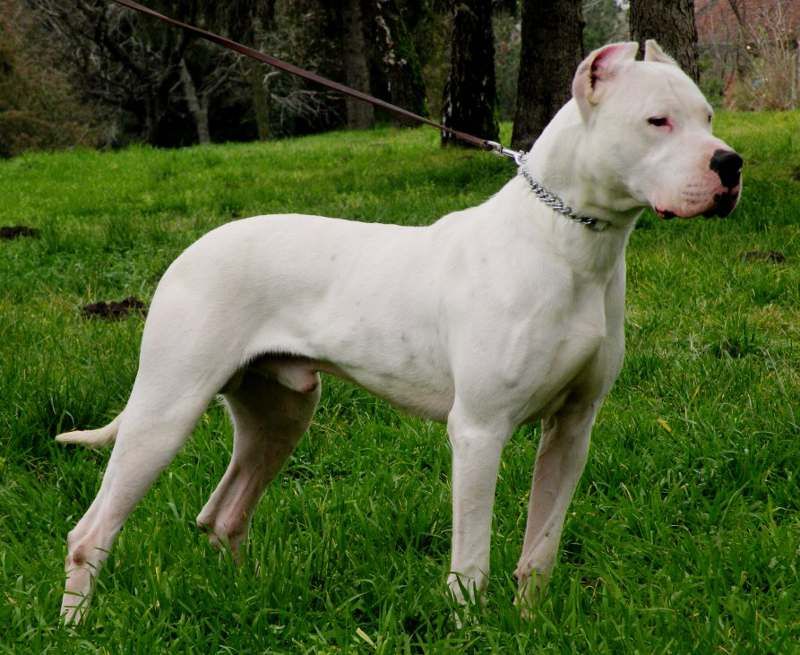
The Dogo Argentino is bred for power, stability, and fearless work, and that level of purpose raises prices. Responsible breeders invest in BAER hearing tests, cardiac checks, hips, elbows, and temperament evaluations.
Limited, well-planned litters ensure predictability, pushing demand and cost higher.
Training is essential, often with experienced professionals who understand drive and impulse control. Owners usually commit to structured exercise, protection sports, or service roles, each carrying equipment and coaching fees.
Insurance can be higher depending on your region. Importing from renowned working kennels adds travel, export papers, and waitlists.
If you want a capable, affectionate guardian, you are paying for health, training, and careful selection that delivers a confident, stable dog ready to thrive beside you.
Cavalier King Charles Spaniel
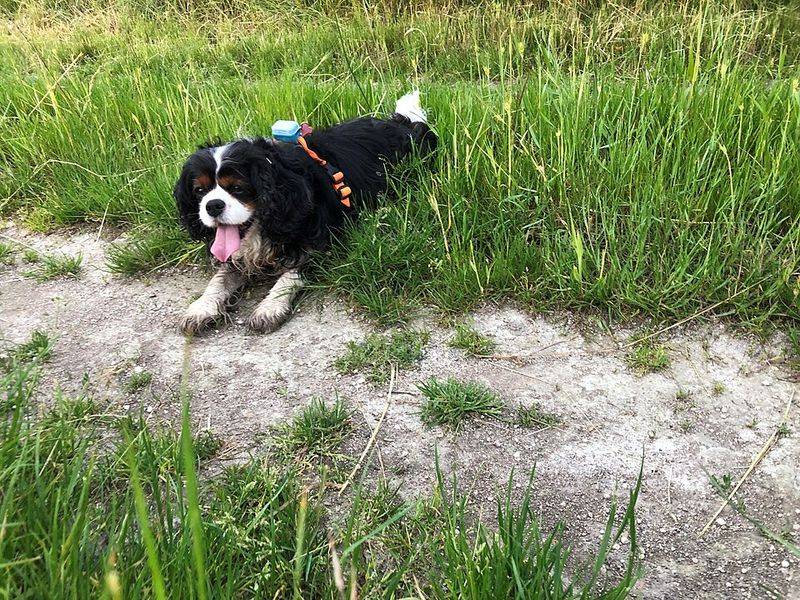
Cavaliers melt hearts, but ethical breeding for heart health, especially mitral valve disease, is costly. Reputable programs test parents across generations, which limits breeding options and lowers litter frequency.
Show lines with classic heads and stable temperaments draw long waitlists and elevated prices.
Grooming the silky coat is manageable, but many owners still schedule regular trims and ear care. Insurance and ongoing cardiac checkups can add to lifetime spending you should expect.
Gentle training keeps manners polished for city life and travel. Importing from respected European lines can boost the initial bill.
If those soulful eyes win you over, be prepared to invest in health-focused breeding, routine vet screenings, and steady care that keeps this affectionate companion thriving.
Bernese Mountain Dog
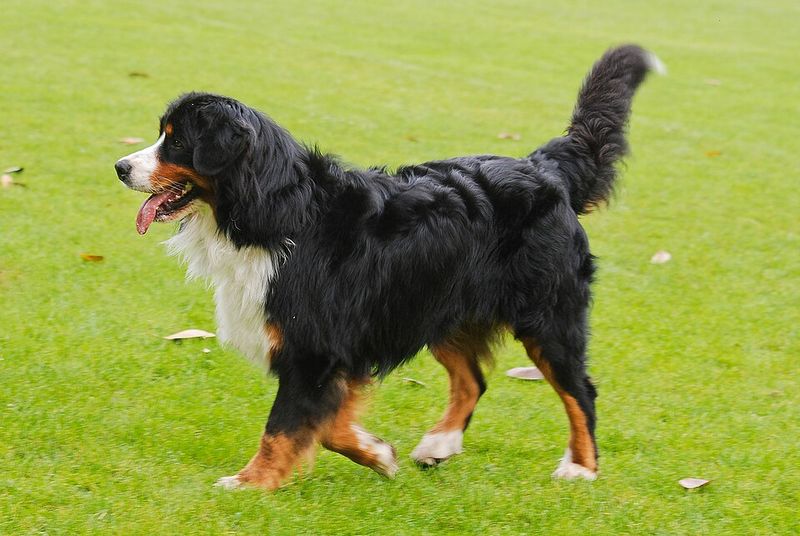
The Bernese Mountain Dog is beloved, but responsible breeding is expensive and selective. Programs emphasize hips, elbows, cancer awareness, and longevity tracking, which reduces breeding pairs and increases costs.
Families pay more for predictable, gentle temperaments and solid structure that support a giant frame.
Grooming that lush tricolor coat requires consistent maintenance, often with professional blowouts during shedding seasons. Training and socialization are key, because strong, friendly giants still need excellent manners.
Insurance and premium diets add recurring expenses you should plan for. Transport from European lines and limited litter availability can extend wait times and raise prices.
If you love a cuddly mountain companion, the high sticker price reflects health priorities, careful selection, and the realities of raising big, beautiful dogs.