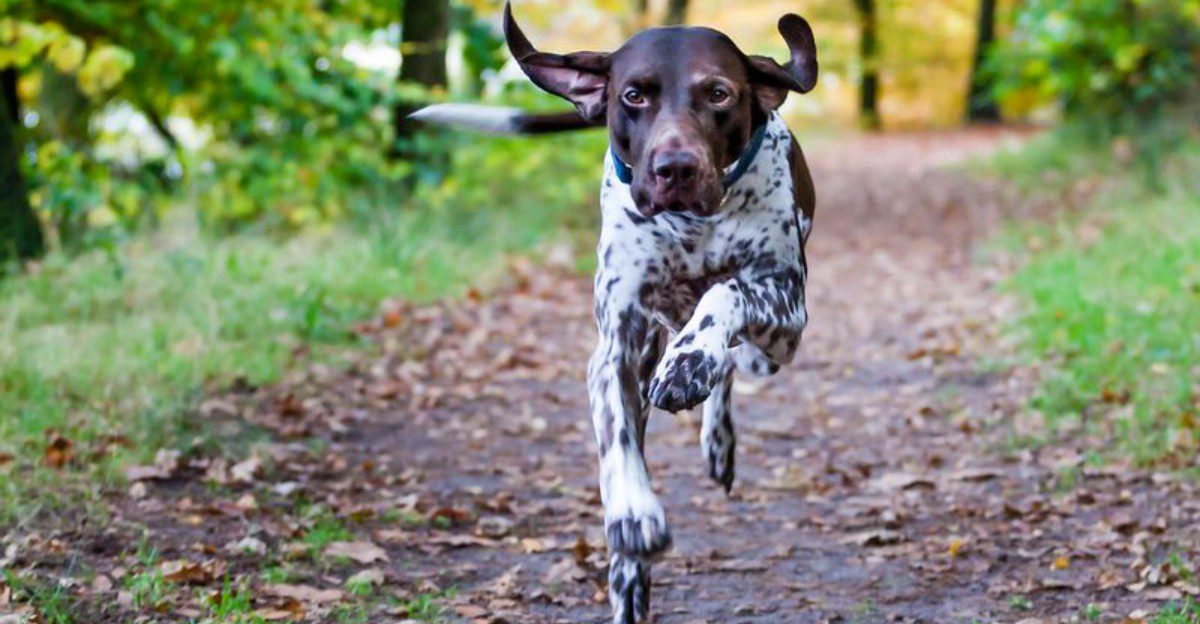
A short, sleek coat might make a dog look like an easy pet to own. But less brushing does not always mean less work.
Many smooth-coated breeds need tons of exercise, steady training, or extra health care. Knowing what each breed really needs can help you pick a dog that fits your life and keeps everyone happy.
Dalmatian
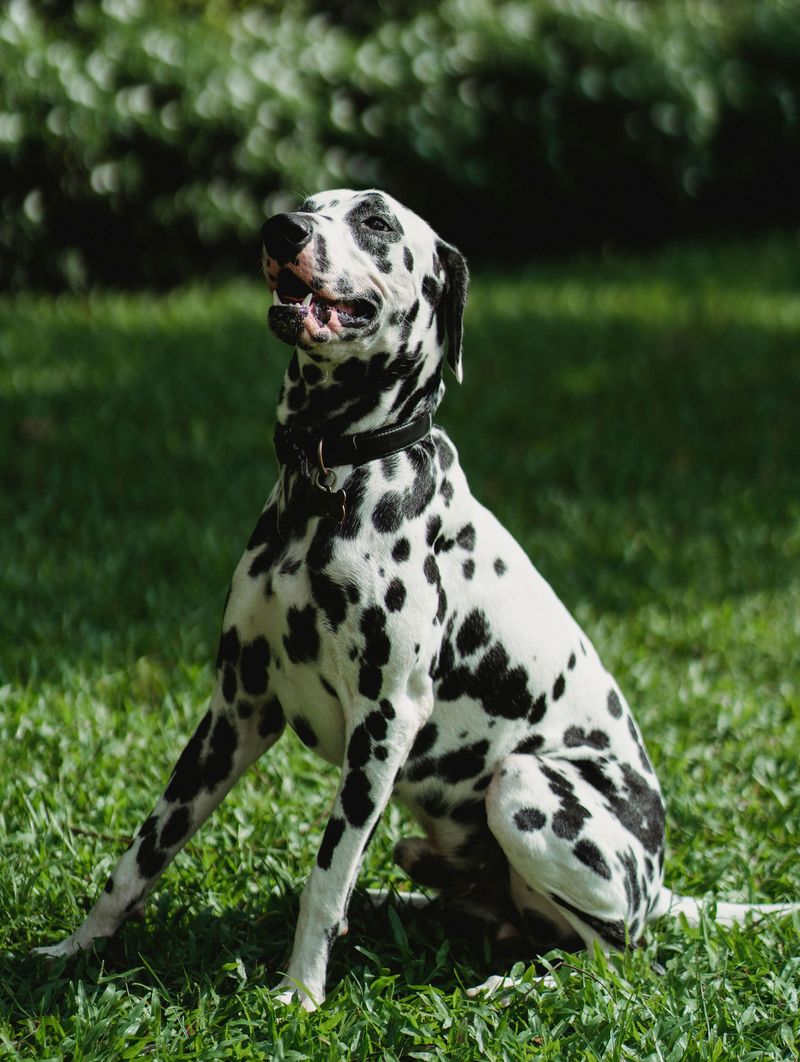
Long ago, Dalmatians trotted beside fire wagons for miles every single day. That endurance never left them.
A quick walk around the block will barely warm one up.
Those spots also hide a surprise: Dalmatians shed constantly, and the tiny hairs weave into couches and clothes. Many also carry a risk of urinary stones, so fresh water and a vet-approved diet matter.
Plan for long runs and a good lint roller.
Boxer
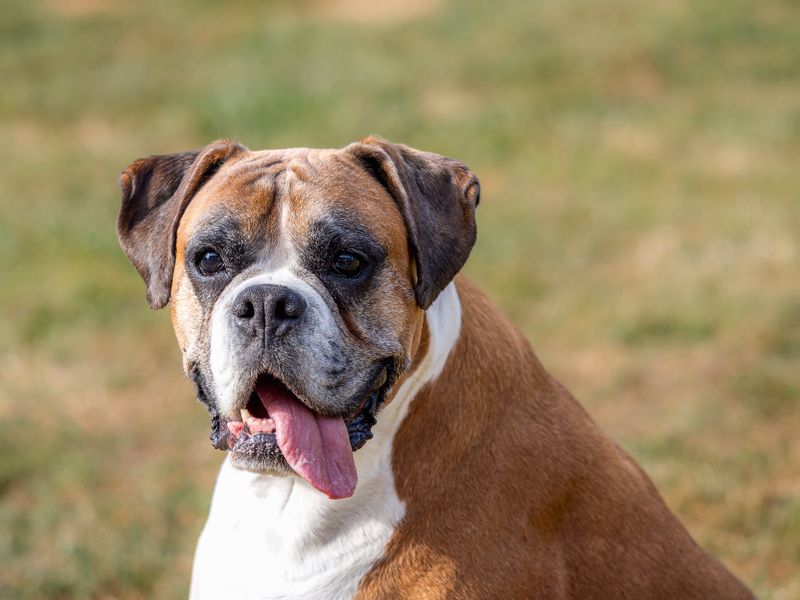
Picture a toddler with springs in its legs, and you have a Boxer. These clowns stay puppy-like until age three or later, bouncing off walls and people alike.
Without daily play and firm, patient training, that silliness can turn into chewed shoes and knocked-over guests. Boxers also hate being alone for long.
Their short noses mean they overheat fast, so keep summer workouts in the cool morning hours.
Jack Russell Terrier
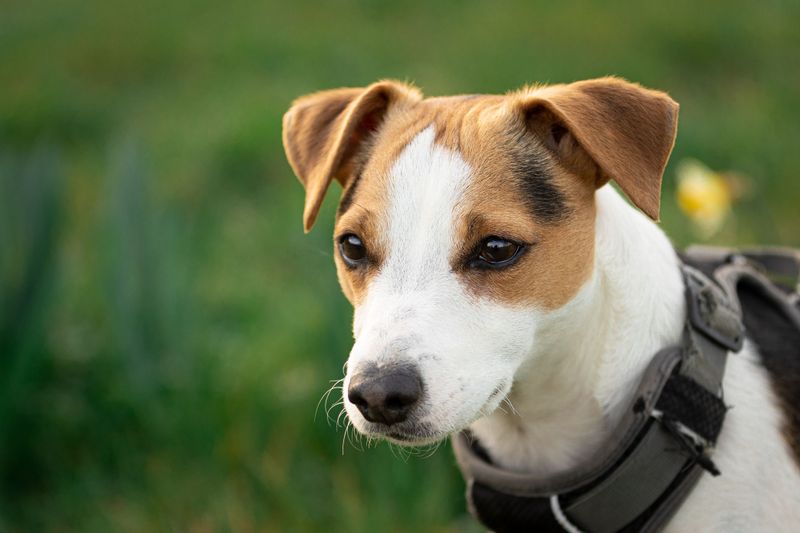
Small body, giant brain, endless battery. Jack Russells were bred to chase foxes underground, and they still treat every hole and squirrel like a mission.
A bored Jack will dig up your garden, bark at leaves, and test every rule you set. Puzzle toys, fetch games, and short training sessions help burn off that fire.
Fun fact: many of these tiny dogs can leap five feet straight up. Fences need to be tall!
Doberman Pinscher
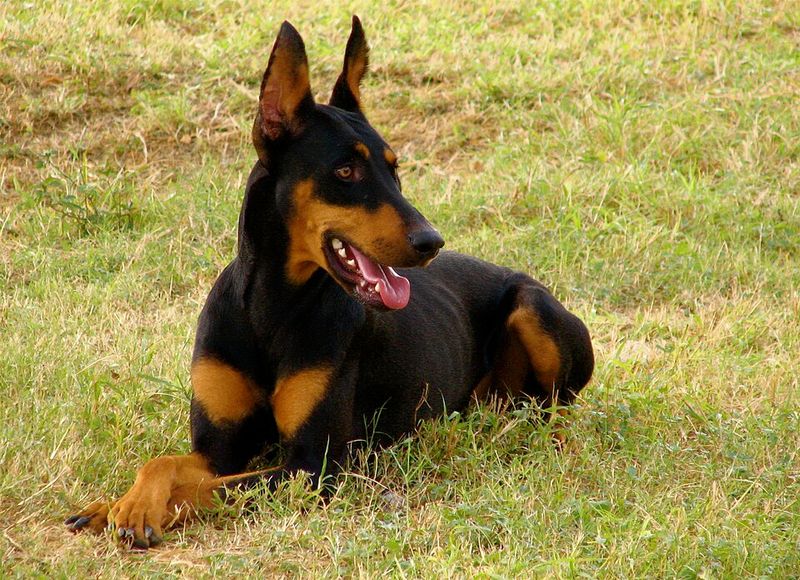
A tax collector named Louis Dobermann created this breed in Germany to keep him safe on his rounds. Smart move, because Dobermans are sharp, loyal, and quick learners.
That intelligence comes with a price. They crave mental challenges and close contact with their family, and they can get anxious when ignored.
Obedience classes, scent games, and lots of together time keep a Doberman calm, confident, and well-mannered.
Great Dane
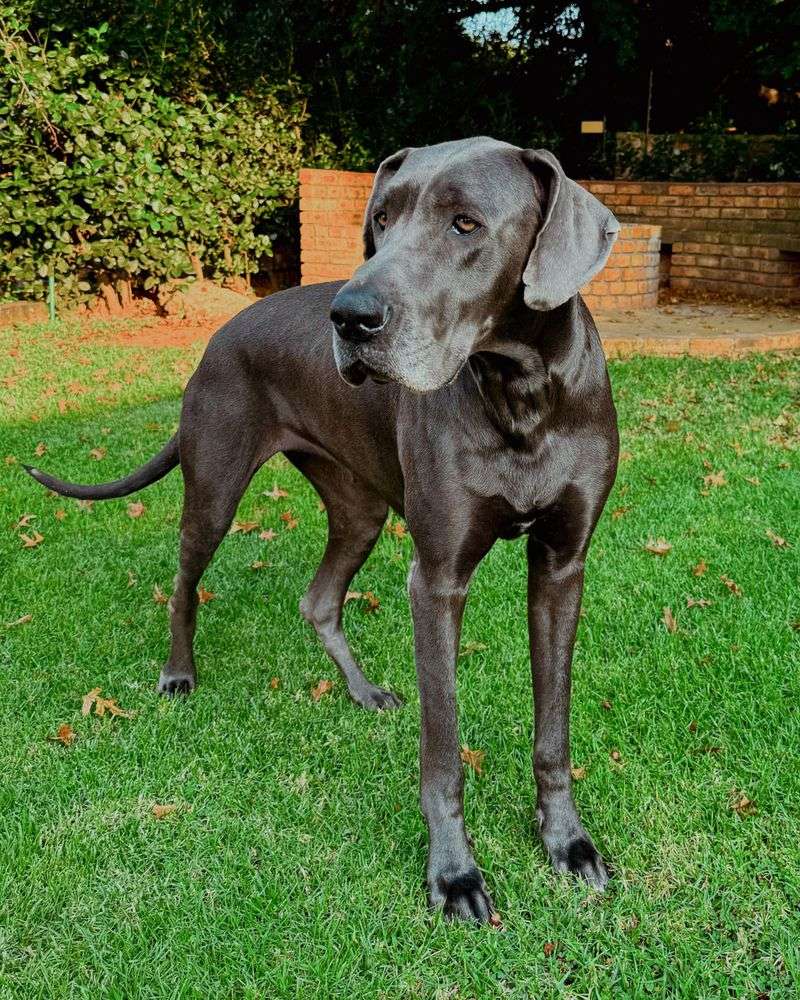
Ever tried sharing a couch with a dog who weighs more than you? Great Dane owners do it daily.
These gentle giants can top 150 pounds.
Everything costs more: food, beds, crates, and vet bills. Puppies need careful feeding so their bones grow slowly and safely.
Adults face a serious stomach problem called bloat, so smaller meals help.
Sadly, Danes often live only seven to ten years, so treasure every moment.
Cane Corso
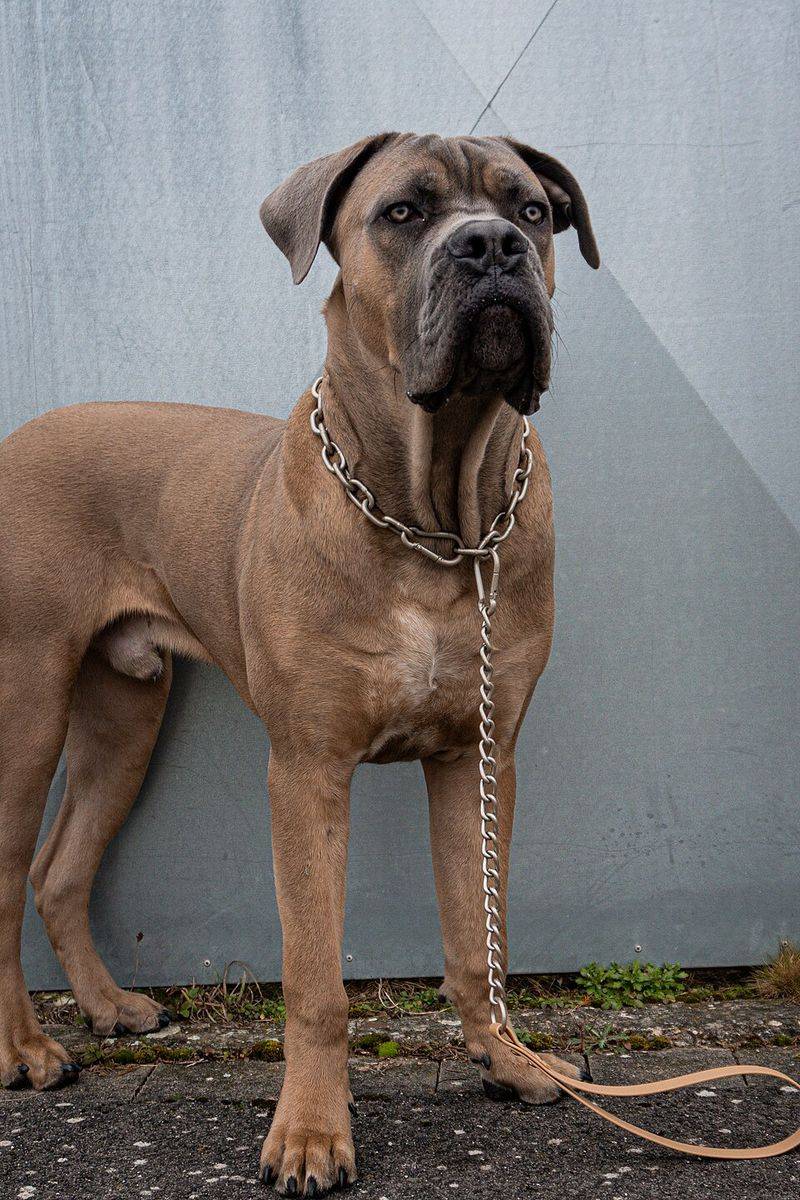
Ancient Romans used dogs like the Cane Corso to guard property, and this Italian mastiff still takes the job seriously. Strangers get a long, hard stare.
That protective streak means early socialization is a must. Meet new people, sounds, and places from puppyhood on.
A strong, steady leader works best, not a first-time owner who feels unsure.
With clear rules and respect, a Corso becomes a devoted, affectionate shadow at home.
Dachshund
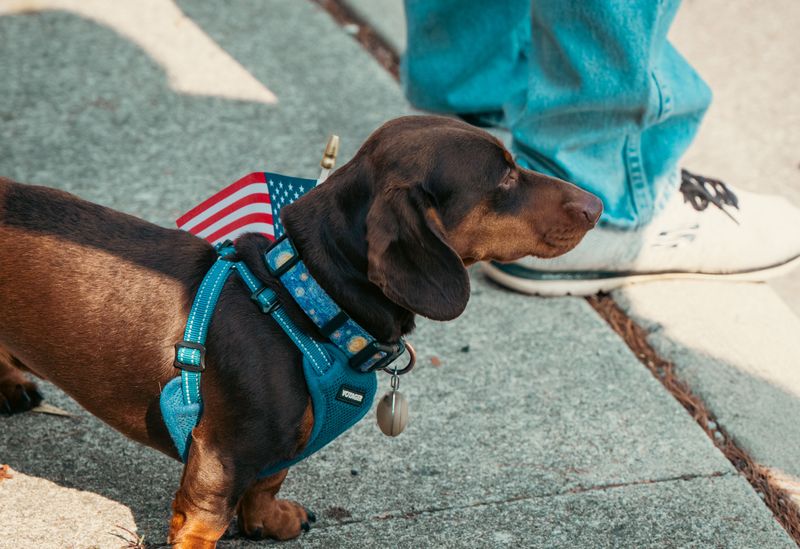
Don’t let those stubby legs fool you. Dachshunds were built to hunt badgers, and they have the bossy attitude to match.
Housetraining can take extra patience, and many love to bark at anything that moves. Their long backs are the bigger worry.
Jumping off beds or gaining weight can cause painful spine injuries.
Pet ramps, healthy portions, and gentle handling keep your little hot dog trotting happily for years.
American Staffordshire Terrier
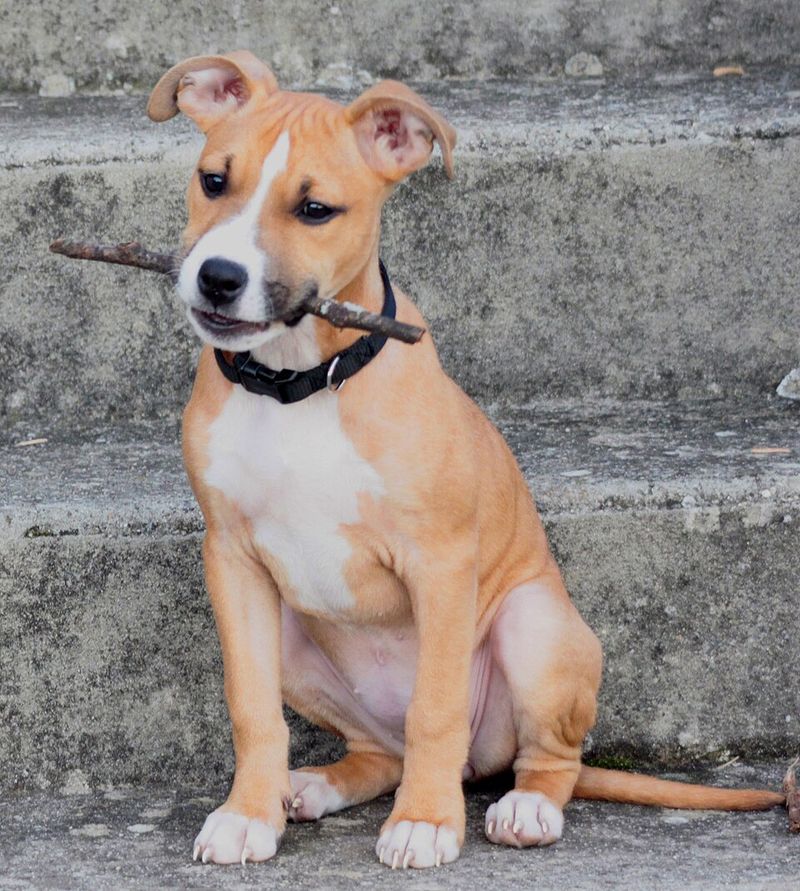
Muscles plus a wiggly, people-loving heart. AmStaffs adore their humans and want to be part of every activity, from hikes to couch naps.
Their strength surprises many owners, so leash manners should start early. Some can be picky about other dogs, which makes careful introductions important.
Give them tug games, agility, or long walks. A tired AmStaff is a sweet AmStaff, while a bored one may remodel your furniture.
Weimaraner
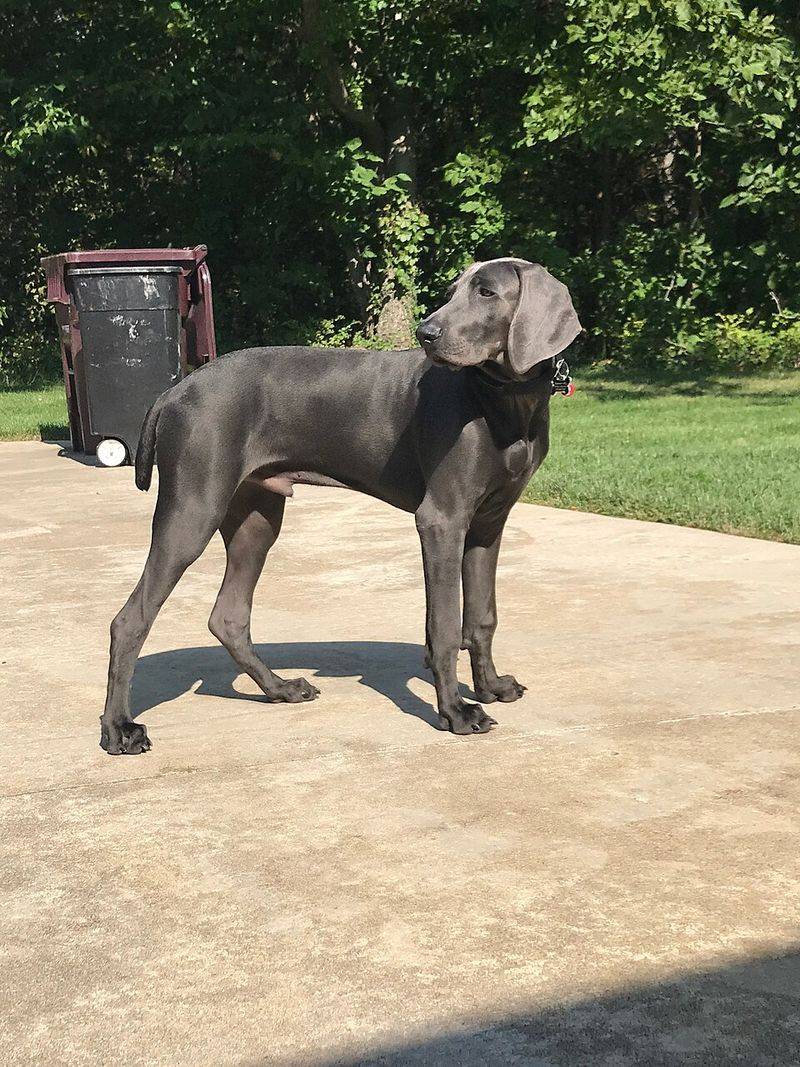
Nicknamed the Gray Ghost, the Weimaraner might as well be called the Velcro dog. It follows you from room to room, every single time.
Leave one alone too long and separation anxiety can show up as howling or destroyed doors. These hunting dogs also need at least an hour or two of hard exercise daily.
Families who jog, hike, or work from home often make the best match for this sleek silver shadow.
German Shorthaired Pointer
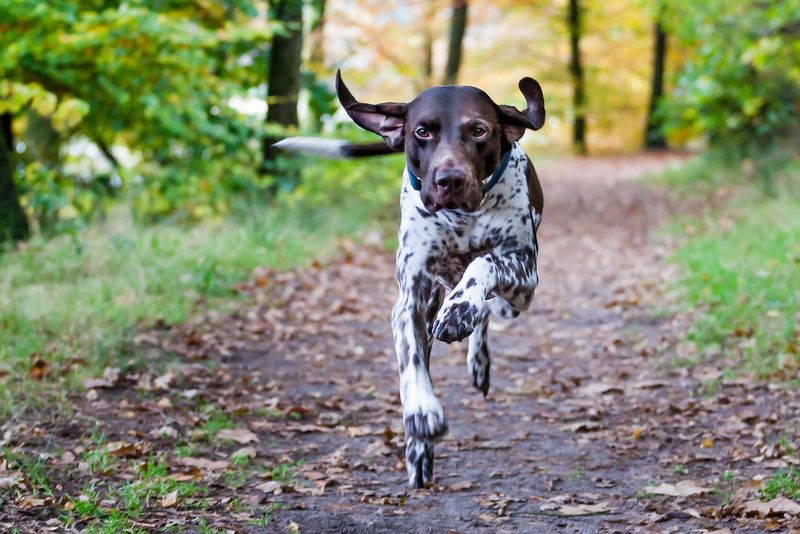
Bred to hunt all day in fields and water, the German Shorthaired Pointer seems to run on rocket fuel. Morning, noon, and night, it is ready to go.
Owners who skip exercise often find holes in the yard and scratches on the doors. Swimming, running, and fetch are perfect outlets.
Bonus tip: GSPs have a strong nose and prey drive, so a secure fence and solid recall training are essential.
French Bulldog
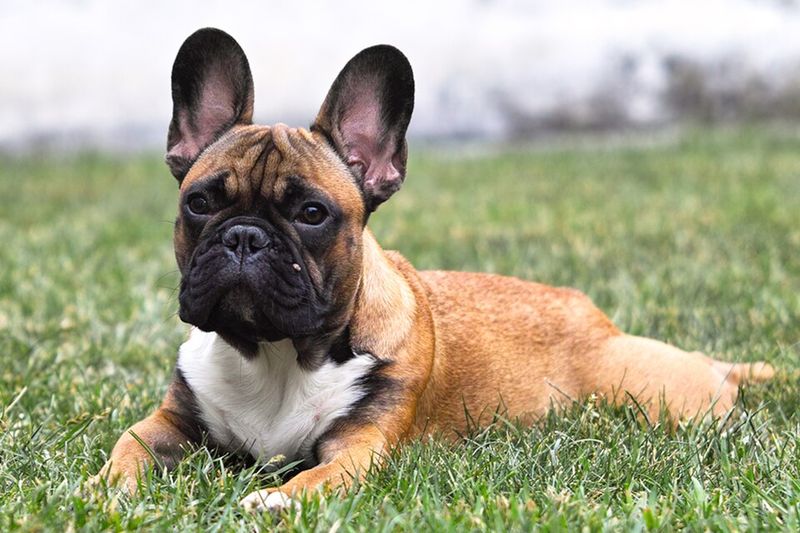
Frenchies are charming little comedians, and they are now among the most popular dogs in America. Still, their cute flat faces bring real challenges.
Many snore, struggle to breathe, and overheat quickly, so hot days call for air conditioning. Skin folds need regular cleaning to prevent infections.
Vet bills can climb high, too. Pet insurance and a careful breeder are smart choices before bringing one home.
Rottweiler
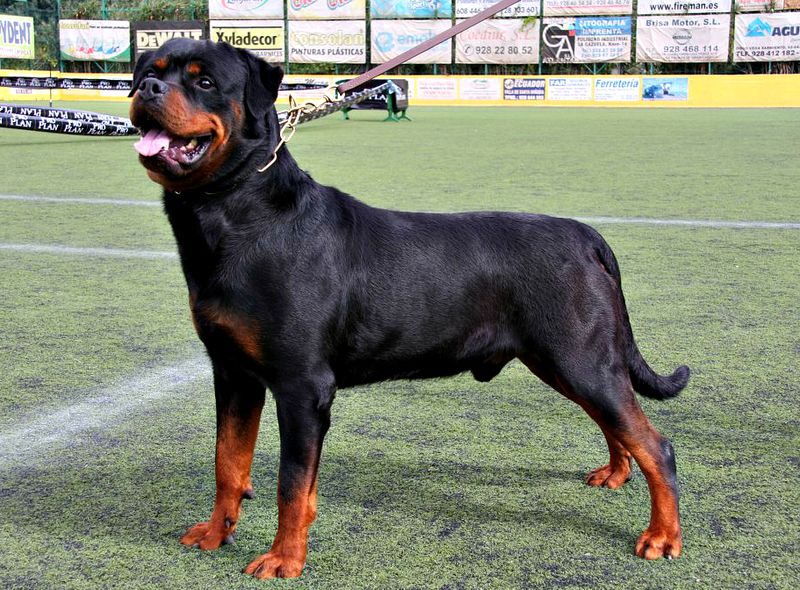
Once upon a time, Rottweilers herded cattle and pulled carts for German butchers. Today, they bring that same work ethic to family life.
A Rottie needs a job, whether that is obedience training, carrying a backpack, or learning tricks. Early socialization helps their guarding instincts stay balanced.
Expect plenty of drool and a 100-pound dog who thinks it belongs on your lap. Loyal doesn’t begin to describe them.