
If you’ve always loved big dogs, a smaller breed might seem like a poor fit. But size doesn’t tell you how brave, playful, or ready for adventure a dog can be.
Some compact breeds bring the sturdy build and bold spirit you already enjoy, with different care needs to consider. One of these dogs might change your mind about going small.
Miniature Schnauzer
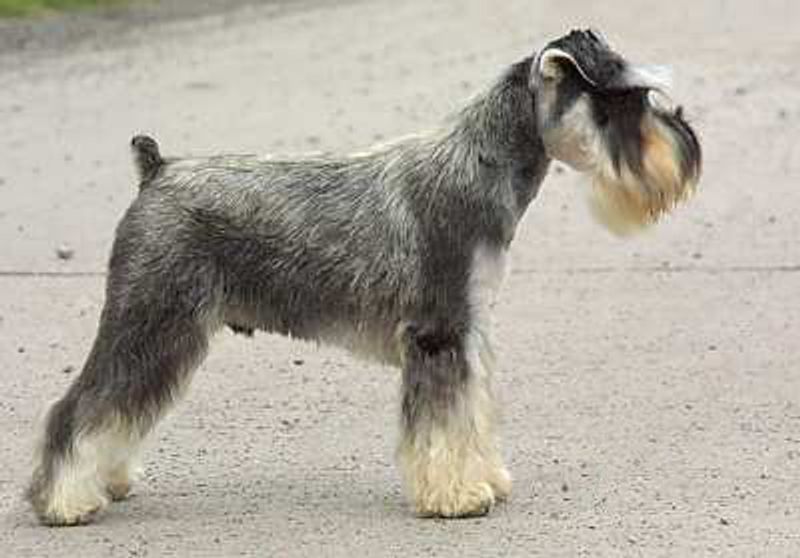
That bushy beard comes with a surprisingly bold personality. Originally bred to catch rats on farms, the Miniature Schnauzer often enjoys busy walks, training games, and keeping track of household activity.
Owners who like an alert, sturdy dog may appreciate its confident attitude. Plan for regular coat care and teach a quiet cue early, since barking can become a habit.
Reward calm behavior, offer daily exercise, and remember that confidence still needs patient guidance from you.
Dachshund
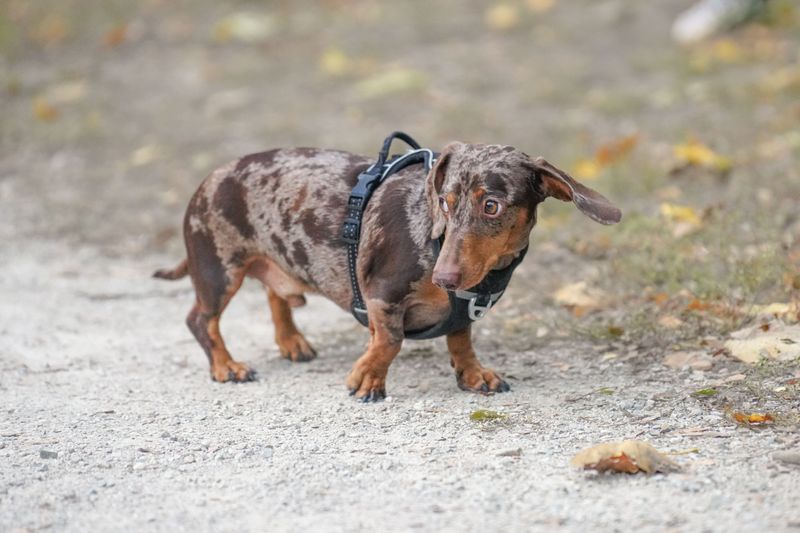
Behind those short legs is a dog built to tackle tough jobs. Dachshunds were developed to hunt badgers, which helps explain their determination and strong interest in interesting smells.
A longtime big-dog owner might enjoy that fearless streak, but protect the long back. Keep weight healthy, discourage jumping from furniture, and ask your veterinarian about safe exercise.
Use a harness for walks and patient rewards for training; pushing harder rarely makes this independent thinker cooperate faster.
Border Terrier
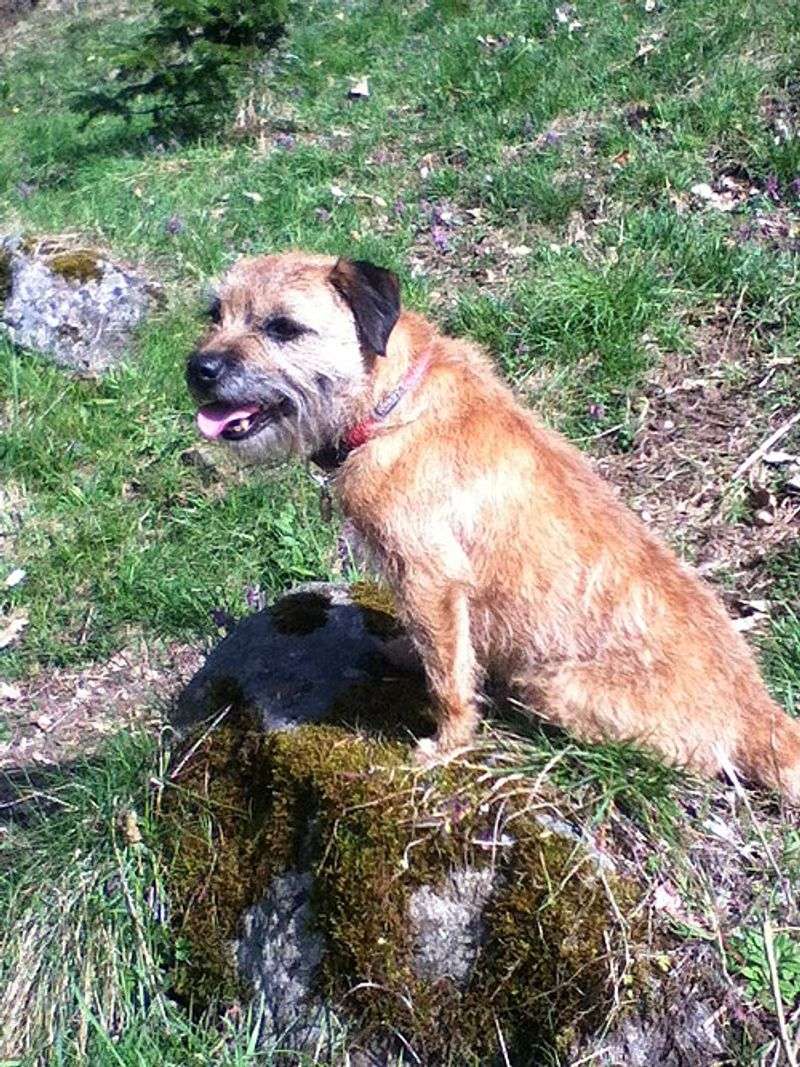
Muddy trails can suit this scruffy explorer better than a fancy cushion. Border Terriers have working roots and often bring the outdoor enthusiasm that larger sporting dogs are known for.
Give yours sniffing walks, simple training challenges, and chances to explore safely. A secure fence matters because small wildlife can trigger chasing.
Their wiry coats need proper grooming, often including hand stripping. Expect an affectionate housemate, but judge compatibility with cats and other pets individually before adoption.
Staffordshire Bull Terrier
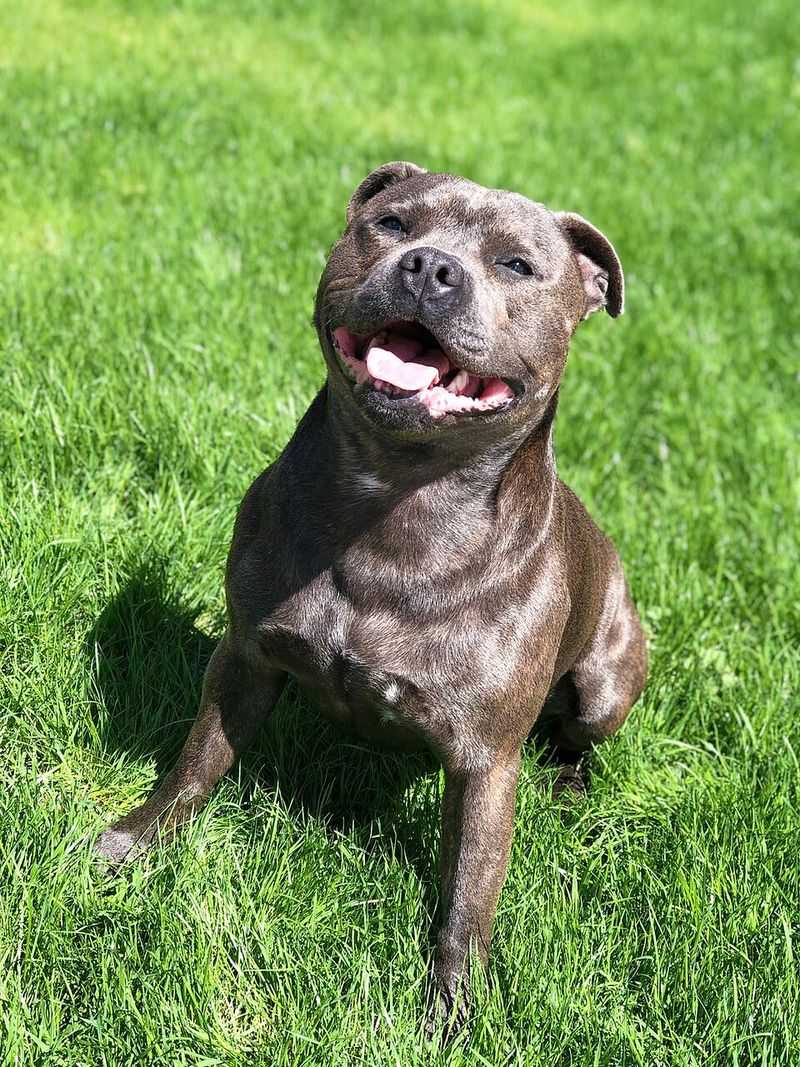
A solid build and a fondness for people make this breed stand out. The Staffordshire Bull Terrier sits near the upper edge of small, and many owners would call it medium-sized instead.
If you want a compact, powerful dog, it deserves consideration. Provide daily exercise, reward polite greetings, and supervise interactions with children.
Dog friendships vary, so introductions should be careful. Check local rules and housing policies before committing, and choose health-tested breeding or responsible adoption support.
Boston Terrier
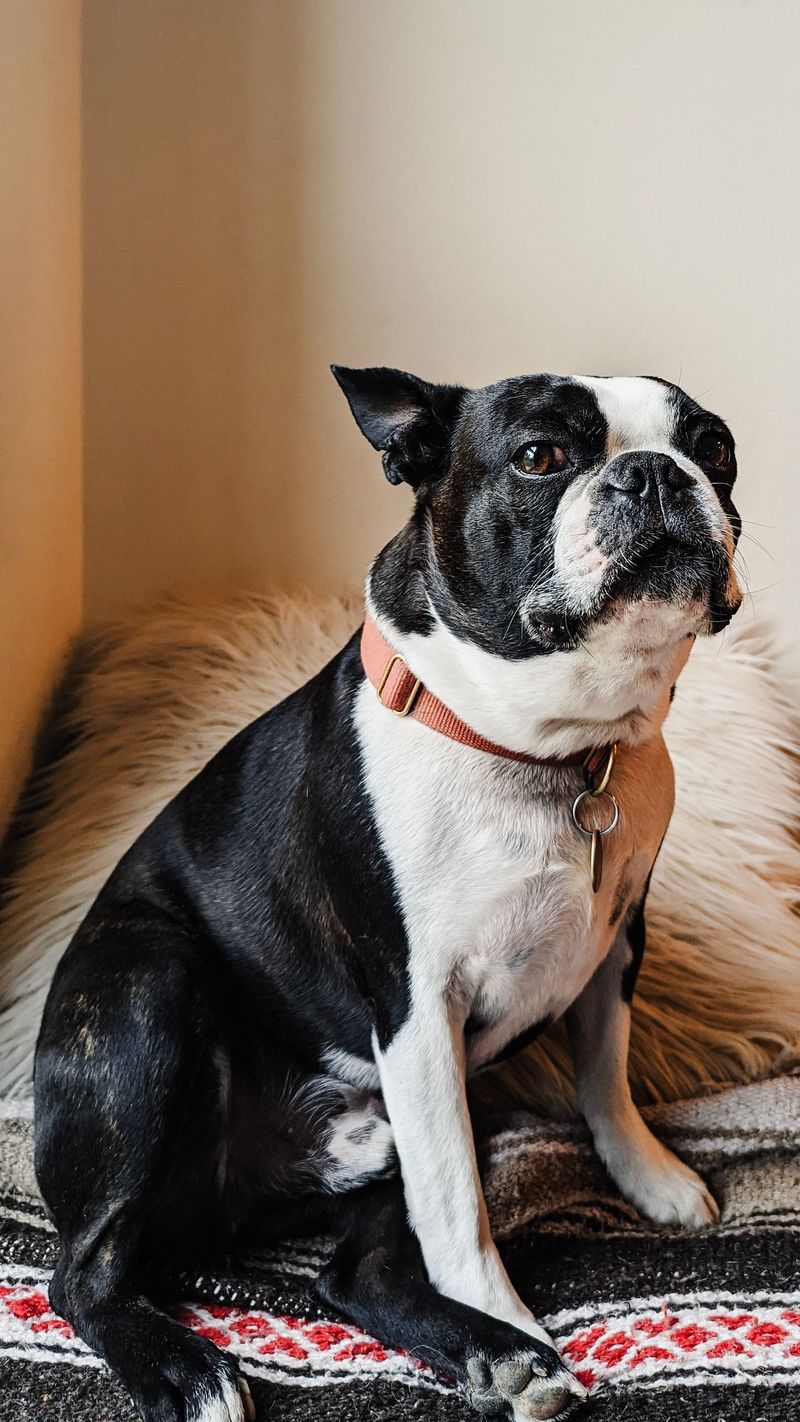
Picture a cheerful roommate who treats a squeaky toy like the day’s biggest event. Boston Terriers often mix lively play with a strong desire to stay close to their people.
That balance can appeal to owners who want personality without a large frame. Their short faces make heat and hard exercise risky, so favor cooler walks and indoor games.
Watch breathing closely, maintain a healthy weight, and ask about eye checks when choosing your next dog.
Papillon
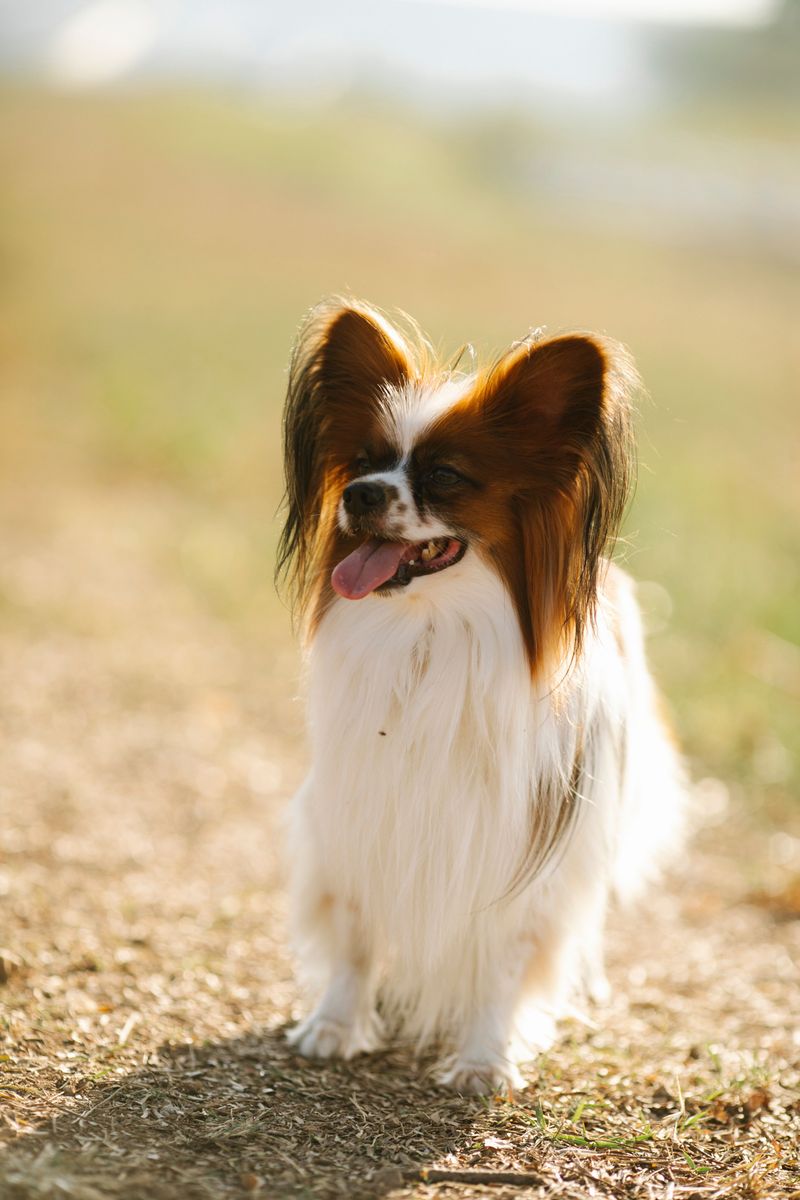
Don’t let the delicate ears fool you: plenty of Papillons love having a job. This bright toy breed can shine at trick training and agility when activities suit its size.
For someone used to teaching a larger dog, that eagerness may feel familiar. Keep lessons upbeat and brief, and provide walks alongside mental games.
Small bodies still need protection from rough play and falls. Brush the silky coat regularly, and make dental care part of daily life.
Cairn Terrier
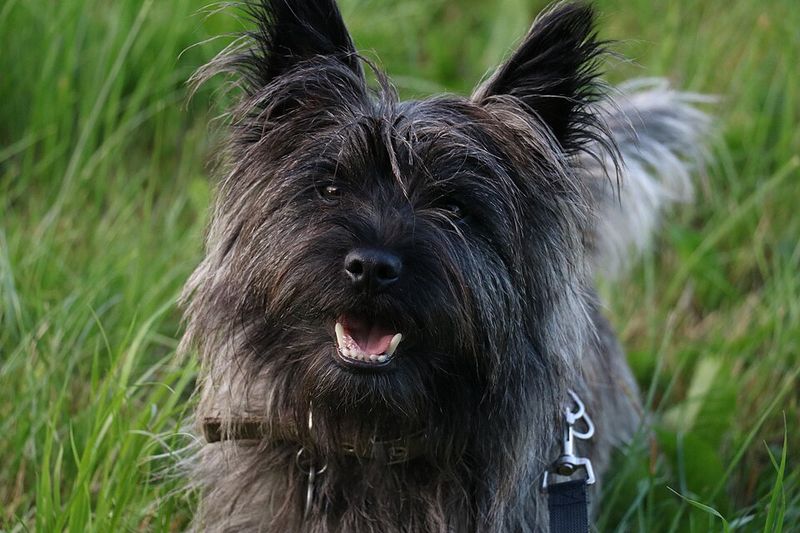
Life rarely feels dull when a scruffy little investigator is checking every corner. Cairn Terriers were bred to hunt vermin, and many still approach the world with curiosity and determination.
You’ll likely appreciate their sturdy feel if fragile-looking dogs have never appealed to you. Offer scent games and a designated digging spot rather than expecting every natural urge to disappear.
Secure the yard, reward coming when called, and arrange coat care that preserves the rough outer coat.
Jack Russell Terrier
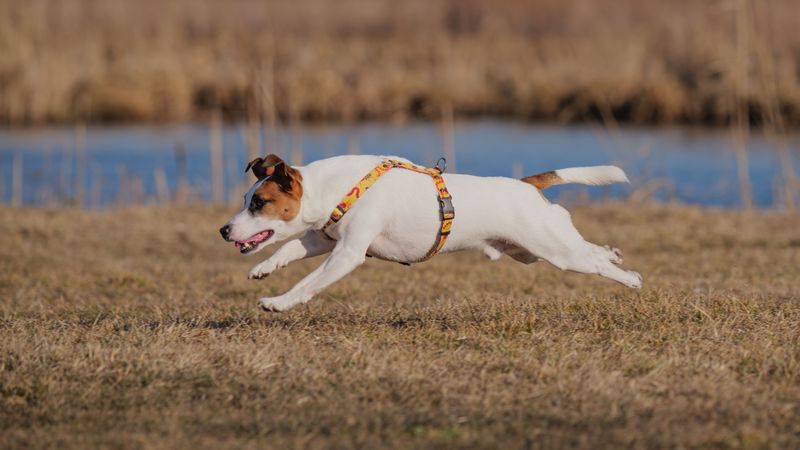
Some dogs hear the word walk and practically launch into action. A Jack Russell Terrier often brings enough drive to surprise people who assume smaller dogs need less exercise.
Choose this breed for an active routine, not simply for easy lifting. Daily movement, puzzle tasks, and consistent training help channel its busy mind.
Strong hunting instincts mean secure fencing and leashed outings matter. Quiet afternoons are easier after suitable activity, but exercise alone won’t replace teaching calm.
Miniature Poodle
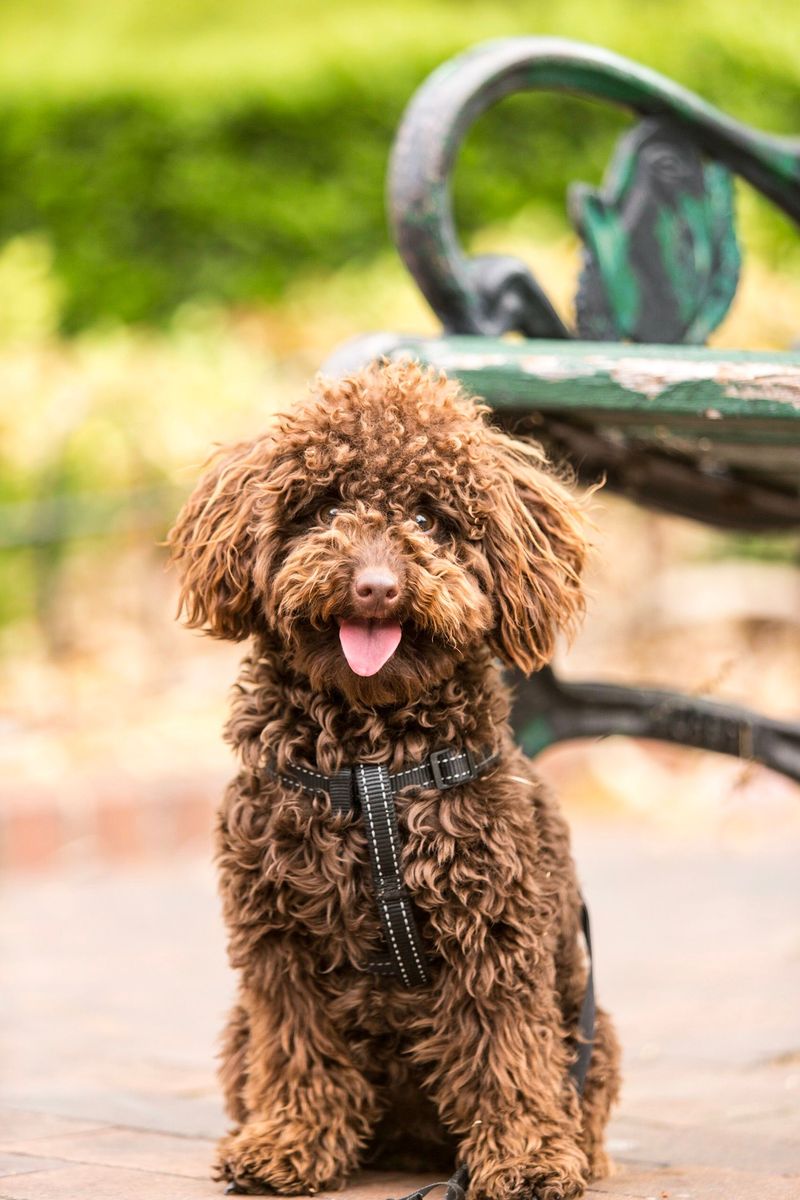
Under a practical haircut is an athletic dog that enjoys learning. Miniature Poodles can offer the cleverness and engagement many owners love in larger working breeds, without taking up as much space.
Try retrieving games, scent puzzles, or reward-based lessons to keep daily life interesting. Their coats require regular brushing and professional grooming, even when clipped short.
Low shedding does not mean allergy-proof. Meet dogs beforehand if allergies matter, and budget for ongoing coat maintenance before adoption.
Schipperke
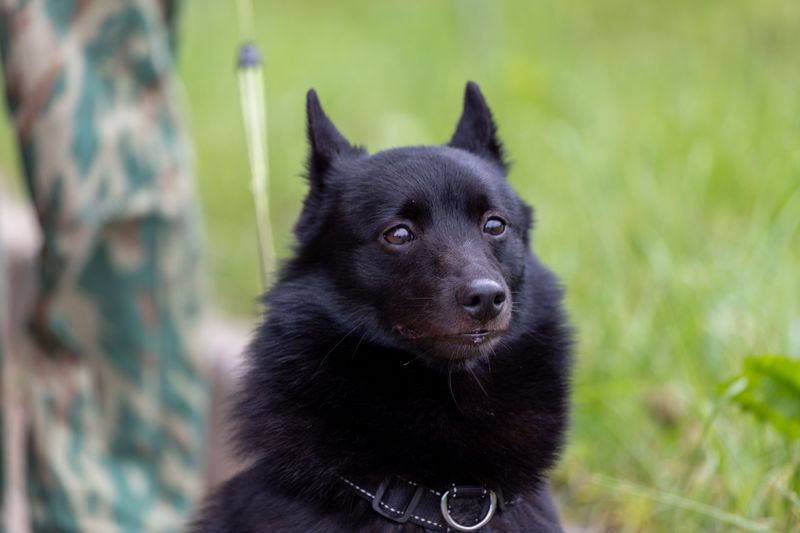
Every sound deserves inspection when this little lookout is on duty. The Schipperke is a lively Belgian breed with a thick black coat and a reputation for being curious and alert.
Its bold approach may win over someone who usually prefers bigger watchdogs. Teach calm responses to visitors rather than encouraging suspicion.
Provide daily walks, food puzzles, and secure boundaries, because exploration can lead to escapes. Brush through the dense coat regularly, especially during seasonal shedding at home.
Pembroke Welsh Corgi
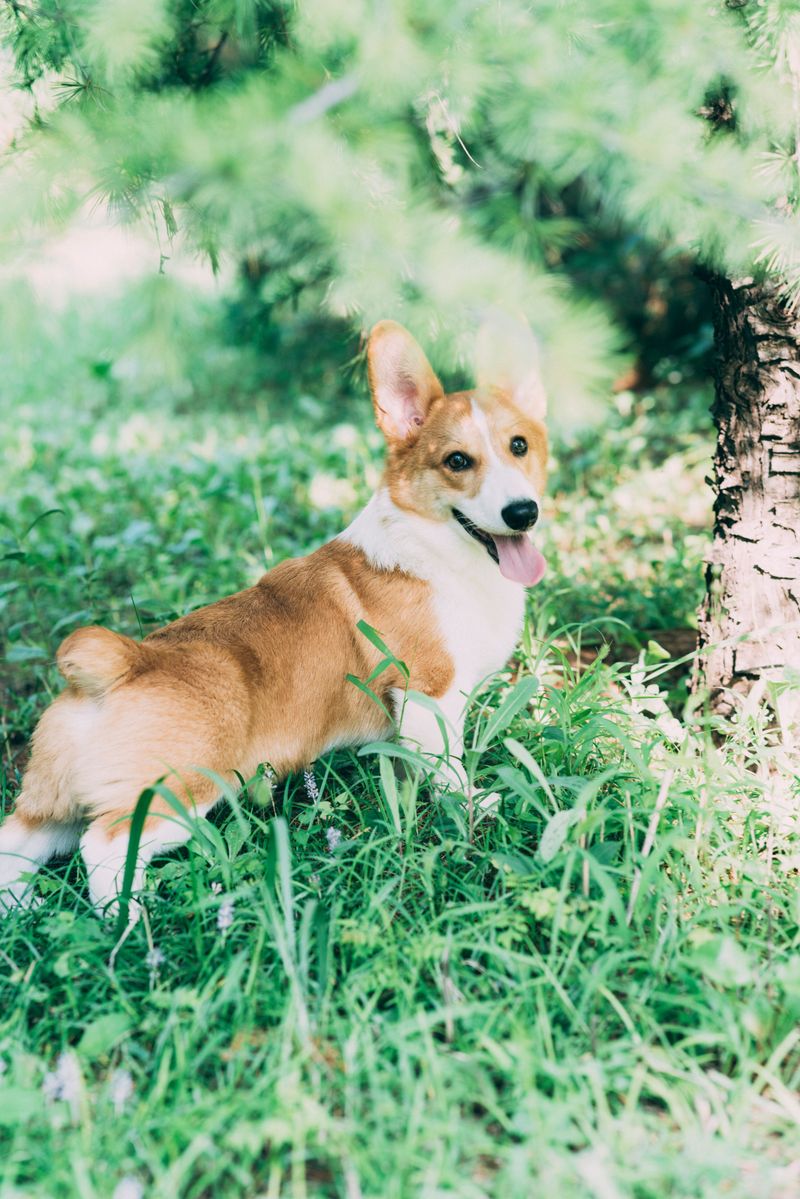
Those low legs once helped move cattle, not just collect compliments. Pembroke Welsh Corgis carry herding instincts in a sturdy body, placing them toward the larger end of the small-dog range.
Owners who enjoy purposeful training may love their quick thinking. Watch for heel nipping, and redirect it into games instead of allowing it around children.
Keep meals measured to protect weight and joints. Regular walks and brushing are essential; the thick coat sheds more than expected.
Beagle
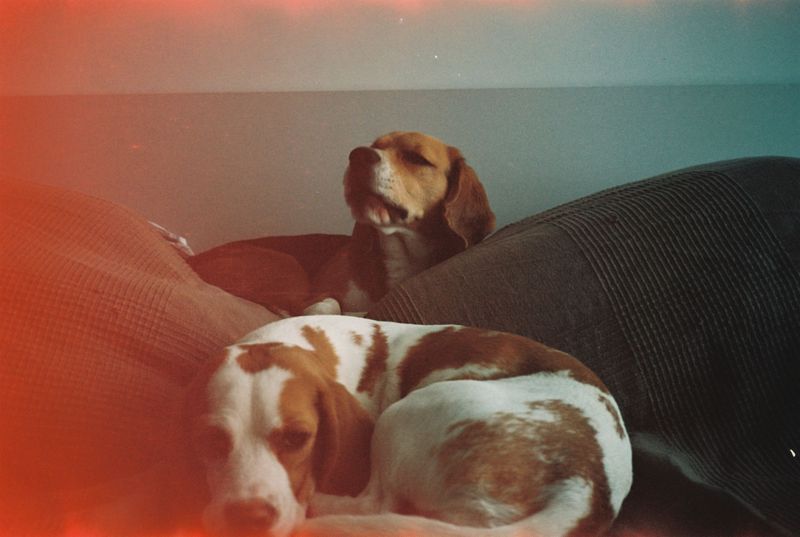
Follow the nose, and you’ll understand much of this dog’s world. Beagles are scent hounds with cheerful energy and a sturdy build, though larger individuals may fit better in the medium category.
A big-dog fan may enjoy their outdoorsy outlook and social style. Use secure fencing and a leash, since an interesting trail can outweigh your call.
Plan sniffing walks, watch food portions, and consider nearby neighbors: those musical howls can carry farther than you might expect.