Small dogs often pack a lot of teeth into very tiny mouths. That crowding can trap food and plaque, which leads to bad breath, sore gums, and even lost teeth.
Many new owners do not realize how early dental problems can start in little breeds. Knowing which dogs need extra mouth care can save your pet from pain and save you from big vet bills.
Yorkshire Terrier
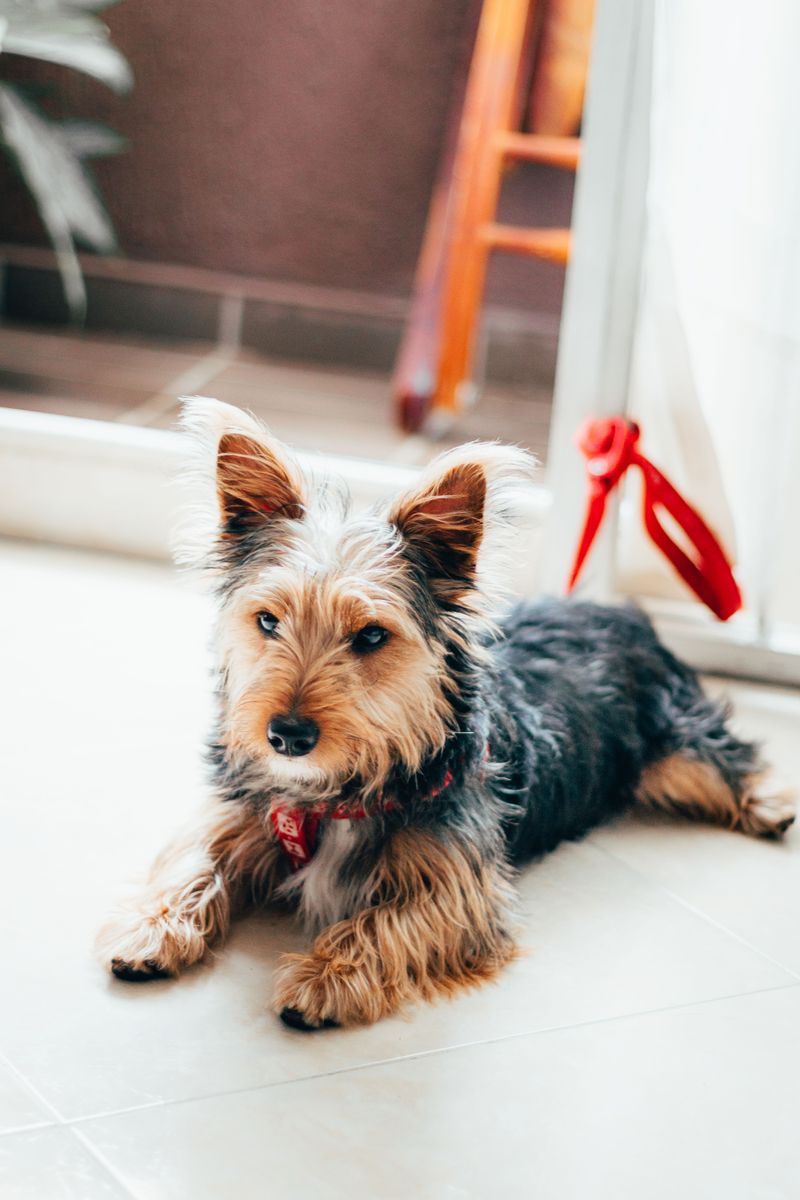
Big attitude, tiny jaw. Yorkies are famous for spunk, but their mouths are crowded with teeth that barely fit.
Many keep baby teeth that refuse to fall out, which traps food and bacteria.
Ask your vet to check for retained puppy teeth around six months old. Brushing a few times a week helps a lot.
Fun fact: Yorkies were once rat catchers in English mills, so they are tougher than they look.
Chihuahua
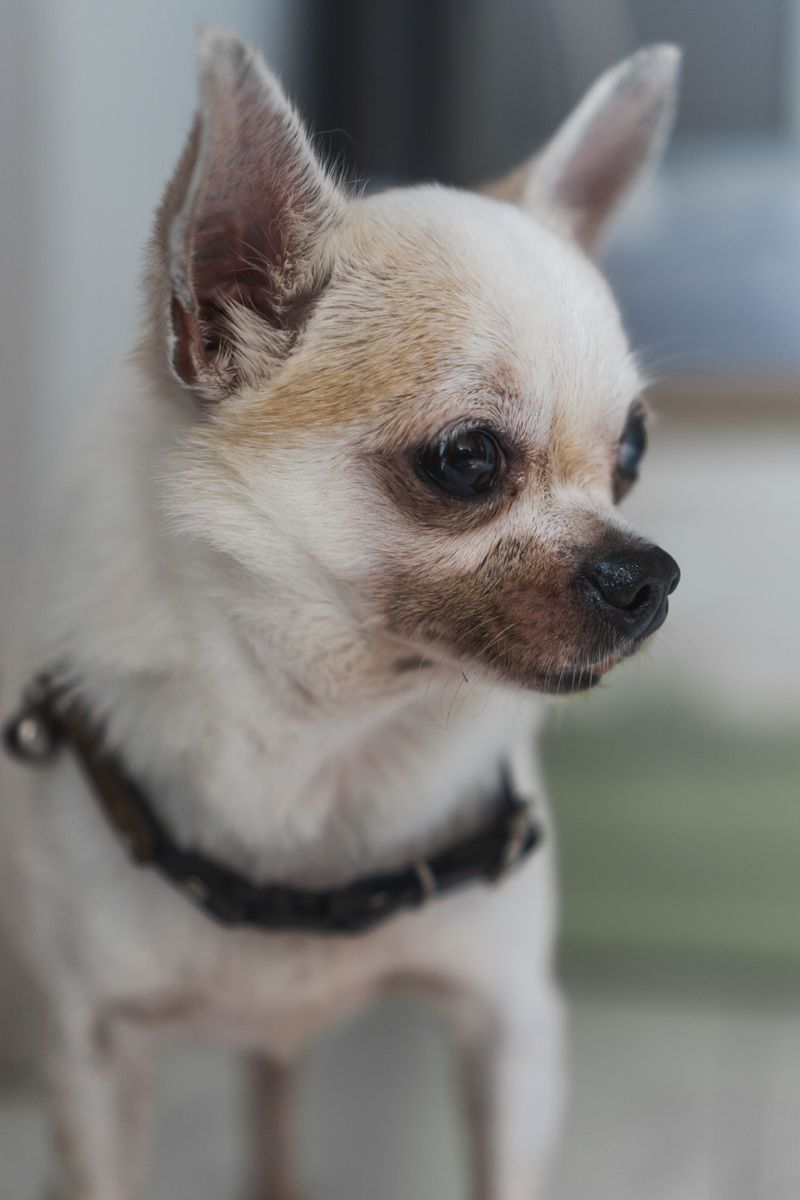
Picture 42 adult teeth squeezed into a mouth smaller than a lime. That is life for a Chihuahua, the tiniest breed recognized by major kennel clubs.
Tartar builds up fast here, and gum disease can show up as early as age two. Watch for red gums or a fishy smell.
Start brushing while your pup is young so it feels normal. Dental chews made for toy breeds are a helpful backup, not a replacement.
Pomeranian
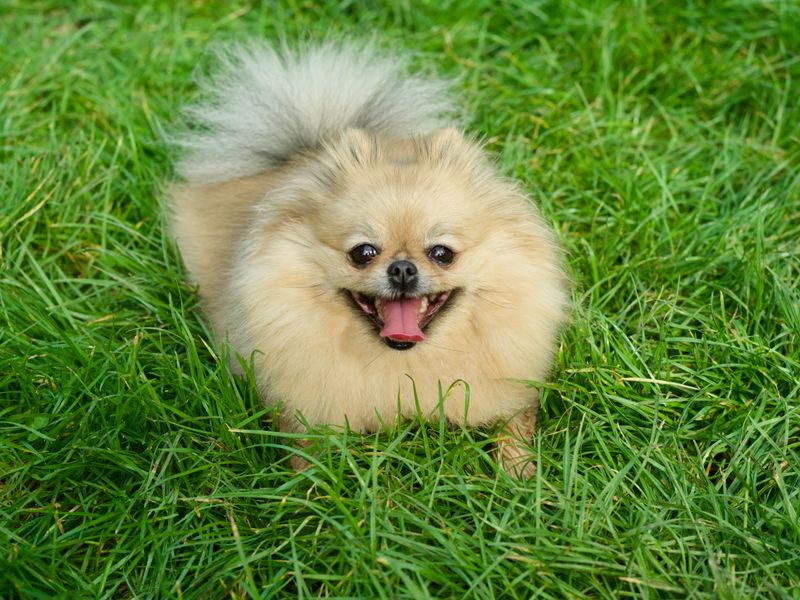
Under all that fluff hides a mouth that needs real attention. Pomeranians often lose teeth earlier than larger dogs because plaque hardens quickly on their small, tightly packed teeth.
Here is a simple habit: pair brushing with a favorite treat time each evening. Your Pom will start looking forward to it.
Queen Victoria loved these little dogs and helped shrink the breed to its current tiny size, which, sadly, made dental crowding worse.
Maltese
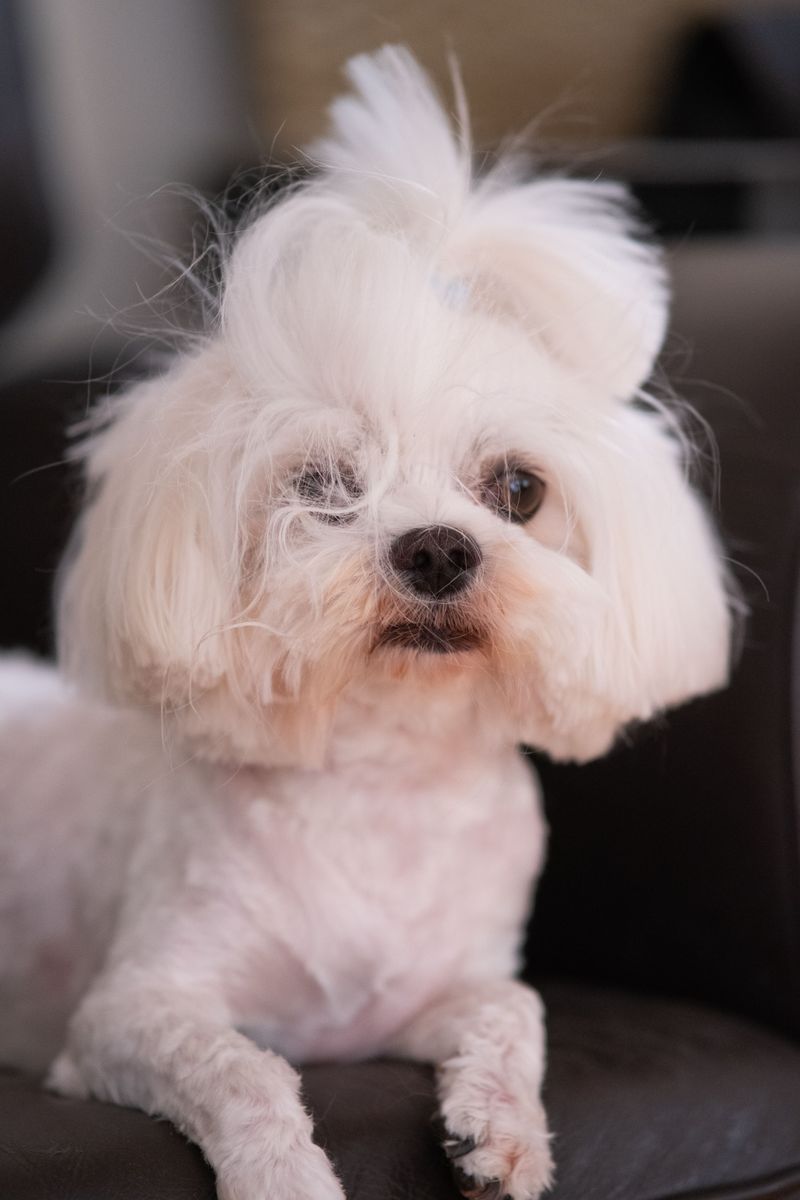
Snowy white coats get most of the grooming attention, yet the Maltese mouth deserves equal time. These sweet lapdogs often struggle with tartar and early tooth loss.
Bad breath is usually the first clue. If kisses start smelling rough, book a dental check.
Try a soft finger brush and dog-safe toothpaste in chicken flavor. Short, calm sessions work best for this sensitive breed, which has charmed people for over 2,000 years.
Toy Poodle
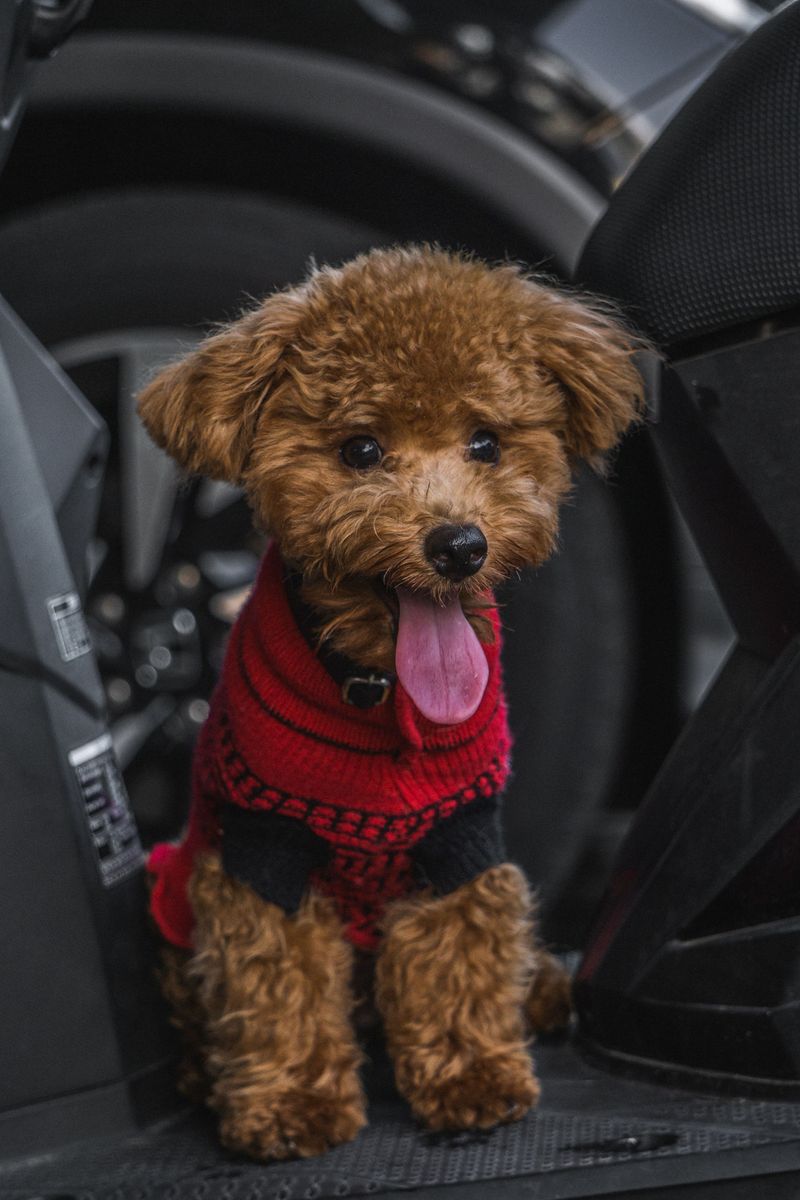
Smart enough to learn tricks in minutes, the Toy Poodle can also learn to enjoy tooth brushing. That is great news, because this breed is prone to periodontal disease.
Small jaws mean teeth sit close together, and gaps between them collect gunk. Over time, roots can weaken.
Use their brains to your advantage. Turn brushing into a game with a clicker and rewards.
Yearly vet cleanings will keep that curly-haired grin healthy.
Dachshund
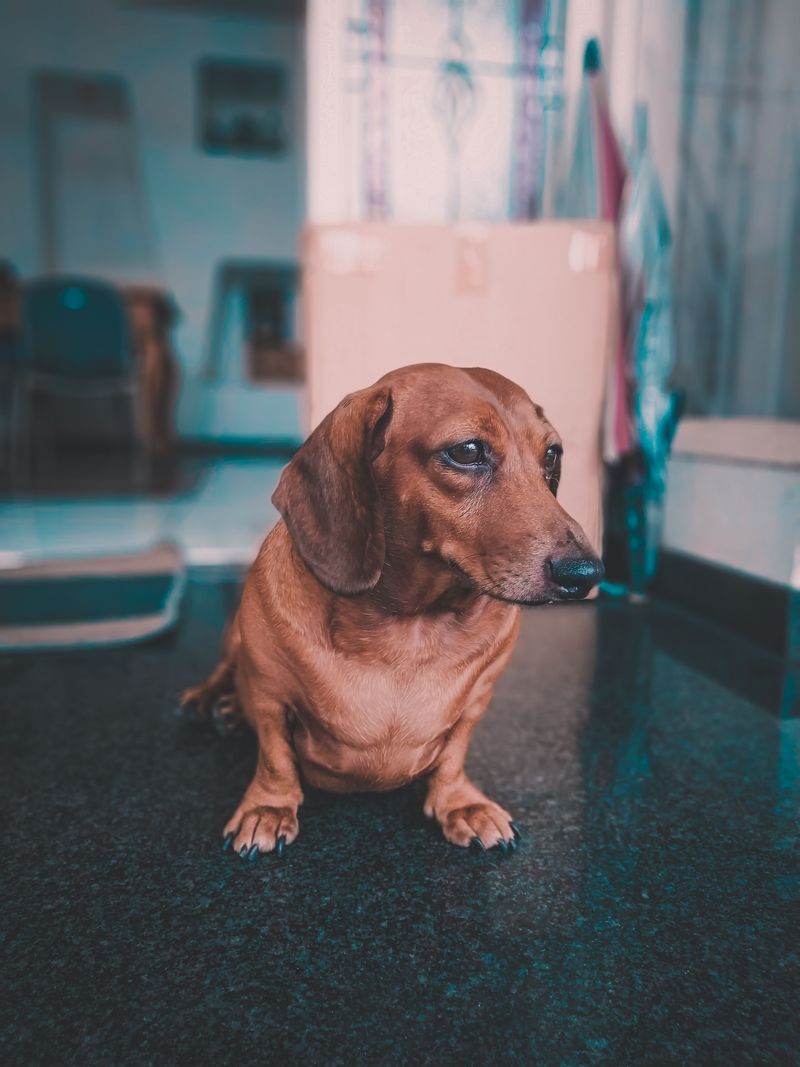
Long body, long snout, and plenty of room for trouble. You might think a longer muzzle means fewer tooth issues, but Dachshunds are actually known for gum disease and tartar buildup.
Bacteria from sore gums can even affect the heart and kidneys over time.
Offer safe chew toys, brush several times a week, and check the back molars often. Those hidden teeth are where problems love to start for these brave little badger hunters.
Shih Tzu
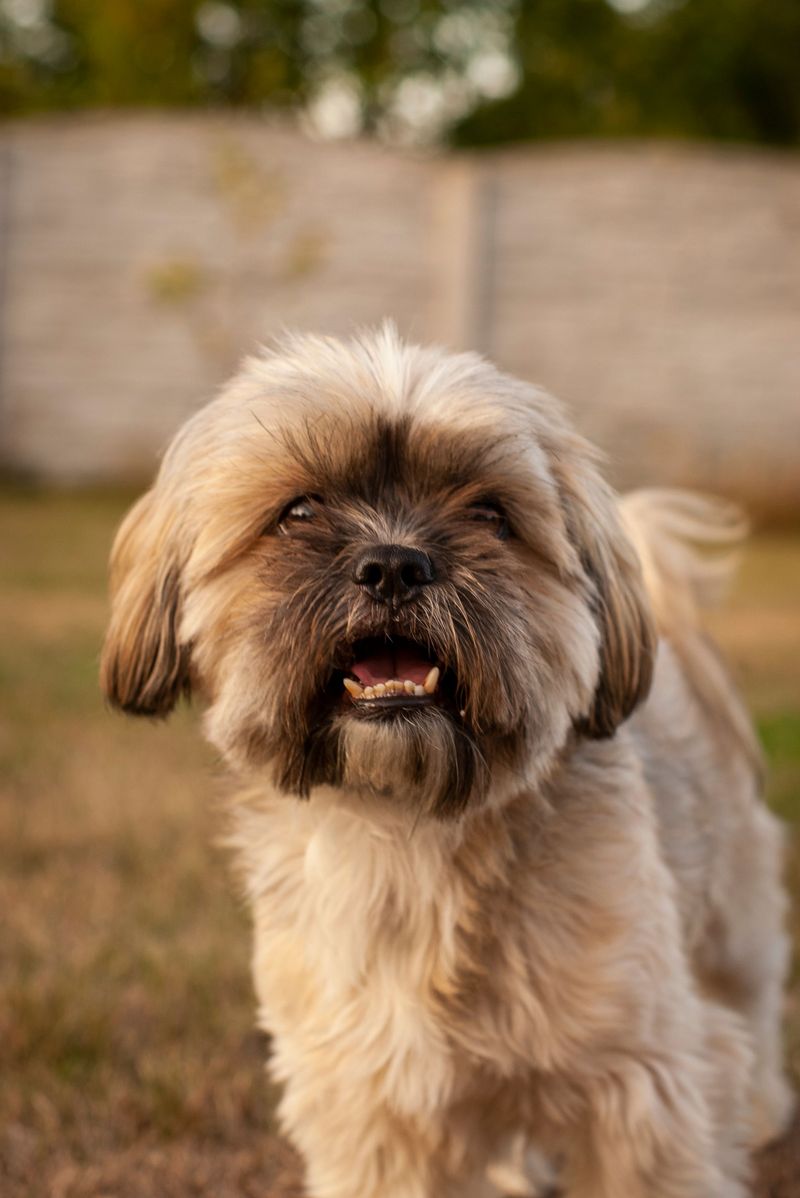
That adorable underbite comes with a catch. Shih Tzus have flat faces, so their teeth are often crooked, rotated, or overlapping.
Crooked teeth create tiny pockets where food hides. Without cleaning, those spots turn into painful infections.
Gently lift the lips each week and look for brown buildup or swelling. Long facial hair can also trap food near the mouth, so keep that area trimmed and clean.
A tidy face supports healthier teeth.
Pug
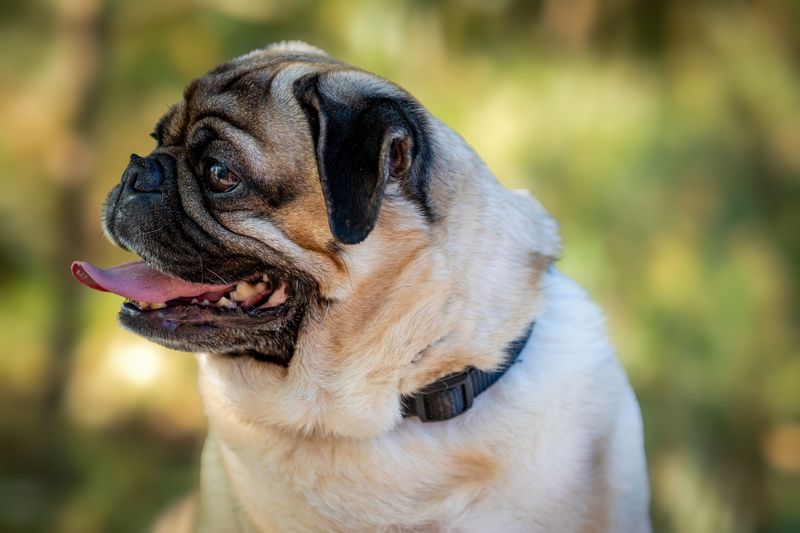
Squished faces are cute, but they come at a price. Pugs have the same number of teeth as a big dog, crammed into a short, flat jaw.
The result? Crowding, crooked teeth, and lots of tartar.
Owners often notice snorting and snoring first and forget about the mouth. Make dental checks part of every vet visit.
Dental wipes can be a good start if your Pug wiggles too much for a toothbrush.
Papillon
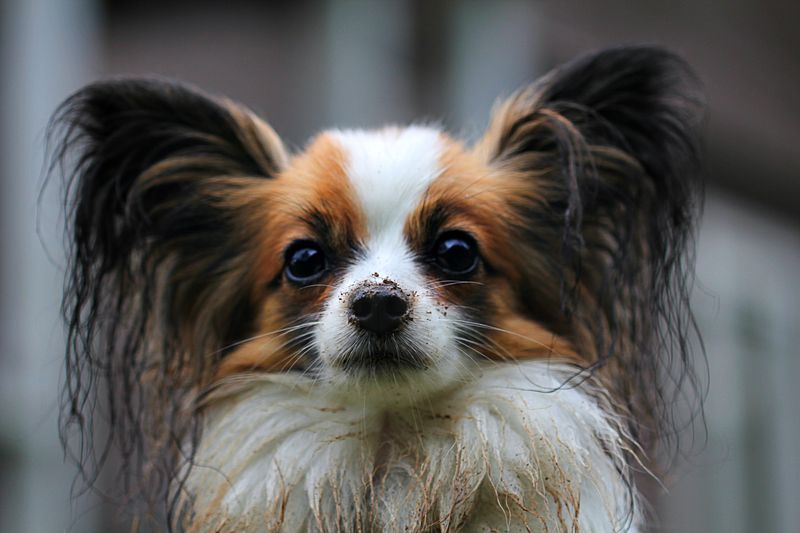
Named for its butterfly ears, the Papillon flutters through life full of energy. Its delicate jaw, though, needs careful attention.
Toy breeds like this one have thin jawbones. Severe gum disease can weaken the bone so much that it may even fracture.
That sounds scary, but daily brushing and regular cleanings make a huge difference. Keep chew toys soft enough to bend, since very hard bones can crack those tiny teeth.
Miniature Schnauzer
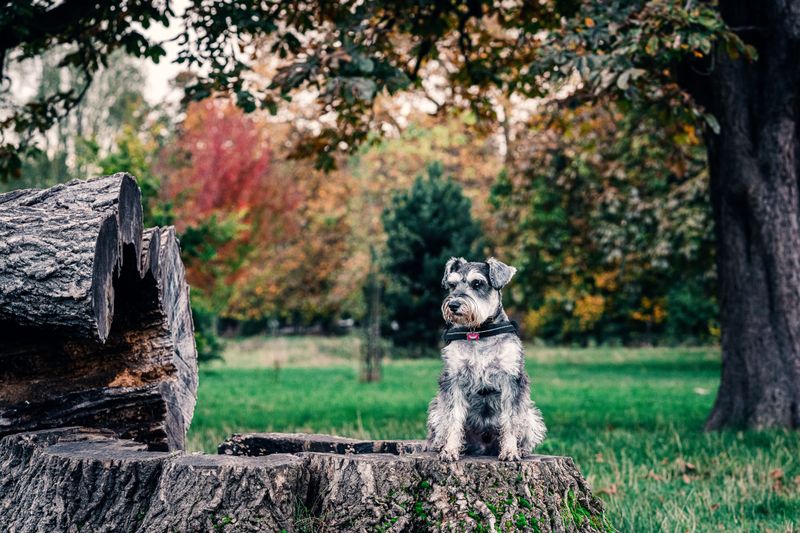
Those distinguished whiskers make the Mini Schnauzer look like a tiny professor. Sadly, that beard can hide a messy secret.
Food and water collect in the facial hair, and bacteria spread to the teeth and gums. Plaque builds fast in this breed.
Wipe the beard after meals and brush teeth at least three times weekly. A dental water additive can help too.
Your Schnauzer will smell fresher and feel better.
Cavalier King Charles Spaniel
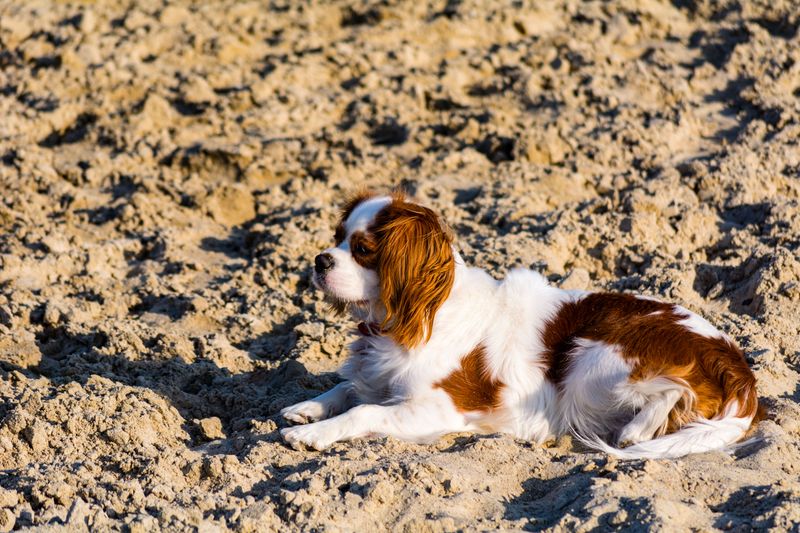
Soulful eyes and silky ears win hearts everywhere. Cavaliers are already known for heart problems, which makes their dental health extra important.
Infections from the gums can enter the bloodstream and stress the heart further. Keeping teeth clean is one way to protect them.
Talk with your vet before any cleaning that needs anesthesia, since heart health matters here. Gentle at-home brushing is the safest daily habit for this royal little spaniel.
Italian Greyhound

Ask any Italian Greyhound owner about dental bills and you might hear a sigh. This sleek, graceful breed is well known for serious gum disease, sometimes starting very young.
Some IGs lose many teeth before middle age without good care.
The fix is simple but needs commitment: brush daily, schedule cleanings, and avoid sticky table scraps. Ancient Romans adored these dogs, and with steady care, their smiles can last a lifetime.