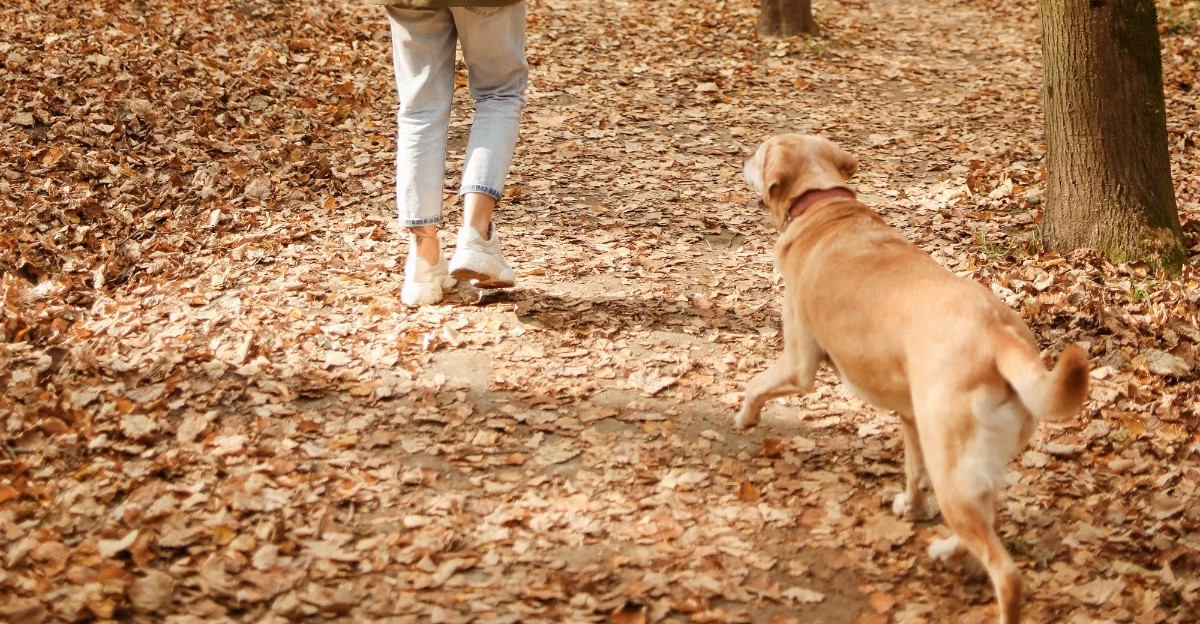
Dogs notice more than we think. Little habits can show how closely your dog watches you and learns from your daily routine.
Understanding these signals helps you communicate better and build trust. Watch for these small actions the next time you and your dog hang out.
Steady eye contact that checks in
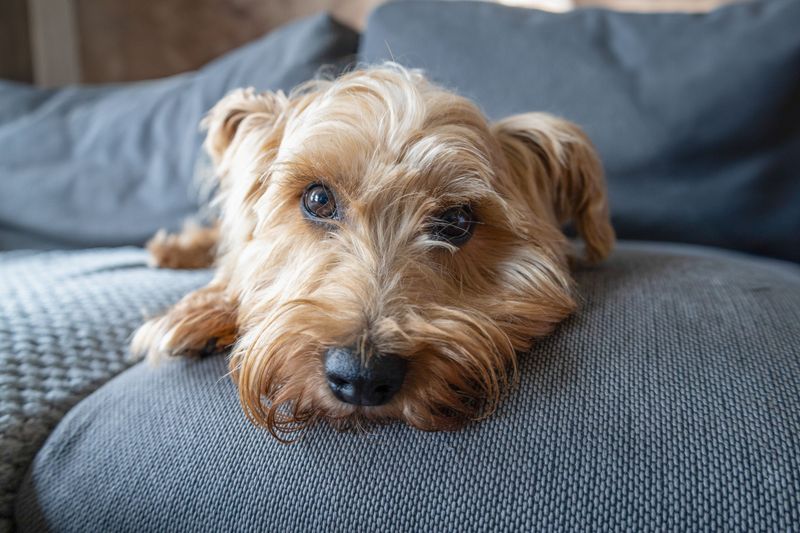
A quiet stare from across the room can feel like a question. Your dog may be reading your face to predict what happens next, like a walk or a snack.
Soft, blinking eyes show comfort and attention, not a challenge.
Reward calm eye contact with a smile, a cue word, or a treat. Practice a short “watch me” game during play.
Over time, your dog learns that looking to you brings clarity and good things.
Shadowing your steps around the house
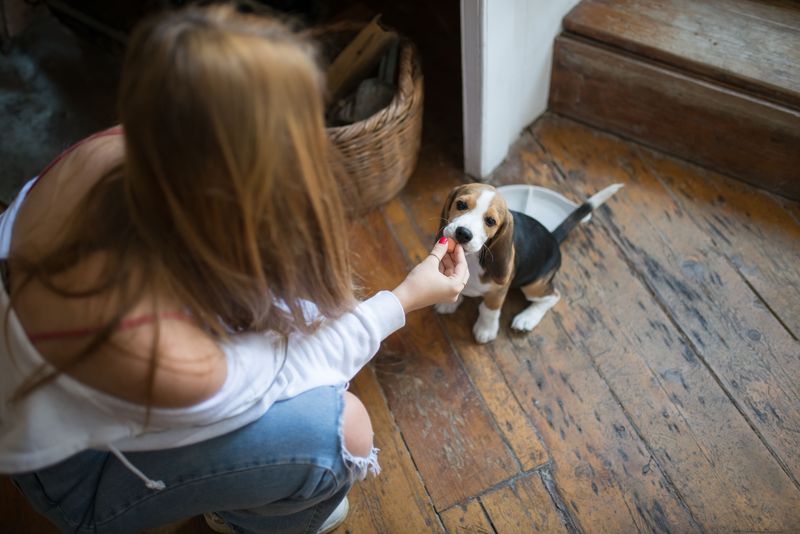
Footsteps down the hall and a soft patter right behind you? That loyal tail is collecting clues.
By trailing you, your dog learns your patterns and tries to be ready for whatever comes, from couch time to backyard play.
Guide this attention with short cues like “with me” when moving room to room. Offer praise when your dog walks calmly and does not crowd your feet.
This builds safer movement and polite manners.
Following your point or glance
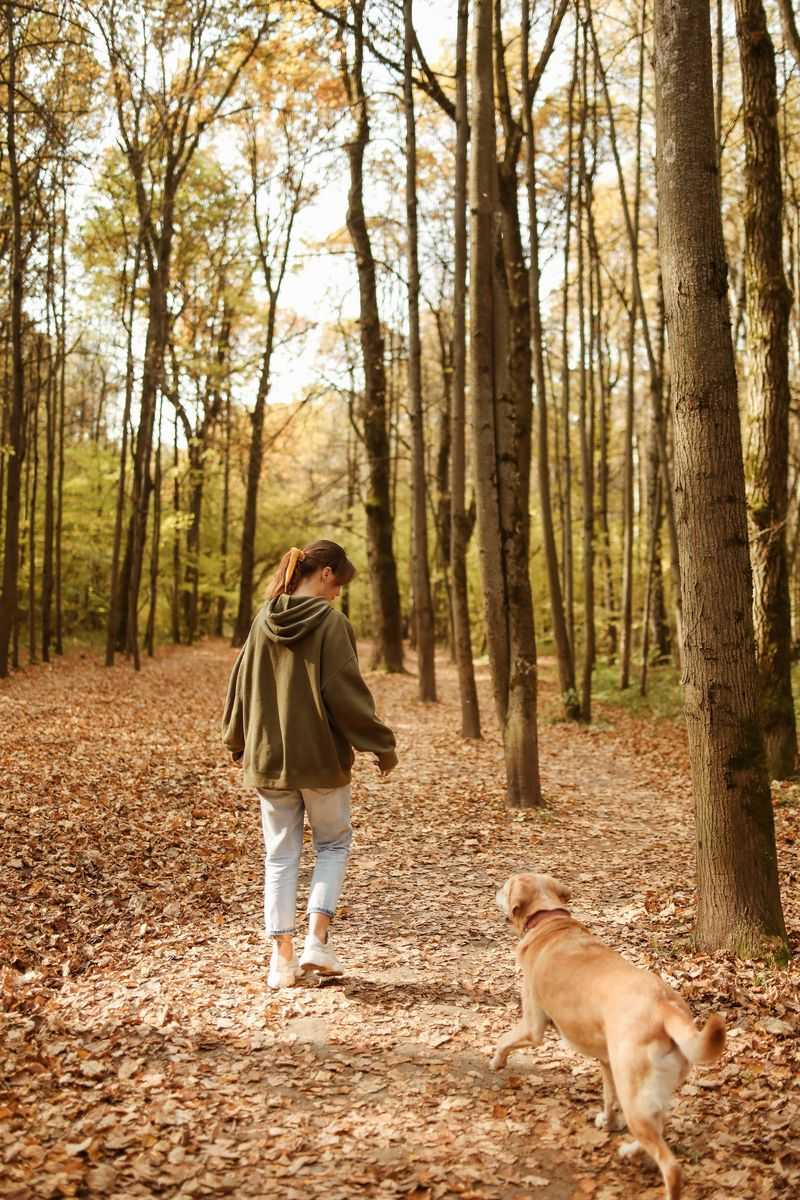
It feels like a magic trick when your dog tracks your finger to a dropped leash. Many dogs can follow a point or even your eyes to find an object or direction.
That skill shows your signals matter.
Practice short sessions: point, pause, then reward when your dog looks the right way. Start close, then increase distance.
Add a cue like “look there” to make it a fun game that sharpens focus.
Glancing back during walks
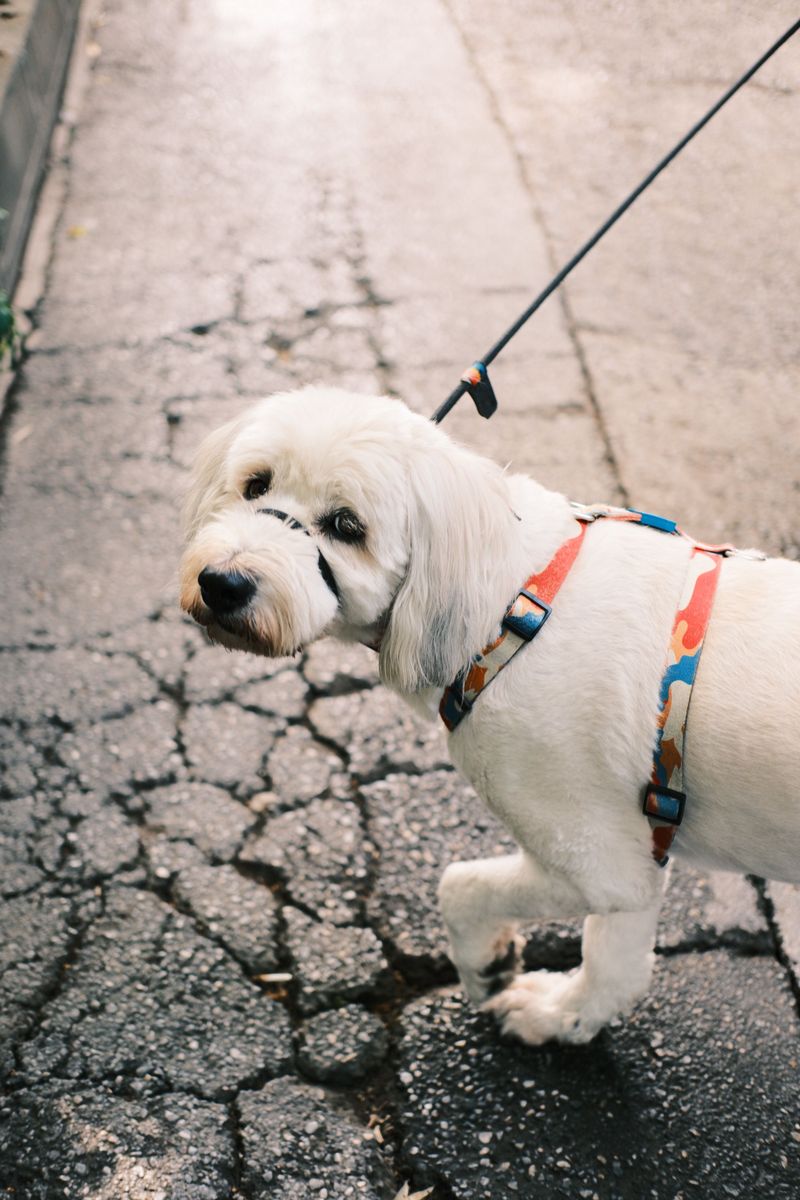
A quick look over the shoulder says, “Still together?” Those check-ins mean your dog cares about your pace and direction. Even curious sniffers can be thoughtful walkers when they remember to confirm you are on the same page.
Mark each look-back with praise or a tiny treat. Say “good check” and keep moving.
Soon, your dog learns that checking in keeps walks smooth, safe, and fun for both of you.
Predicting your next move from routines
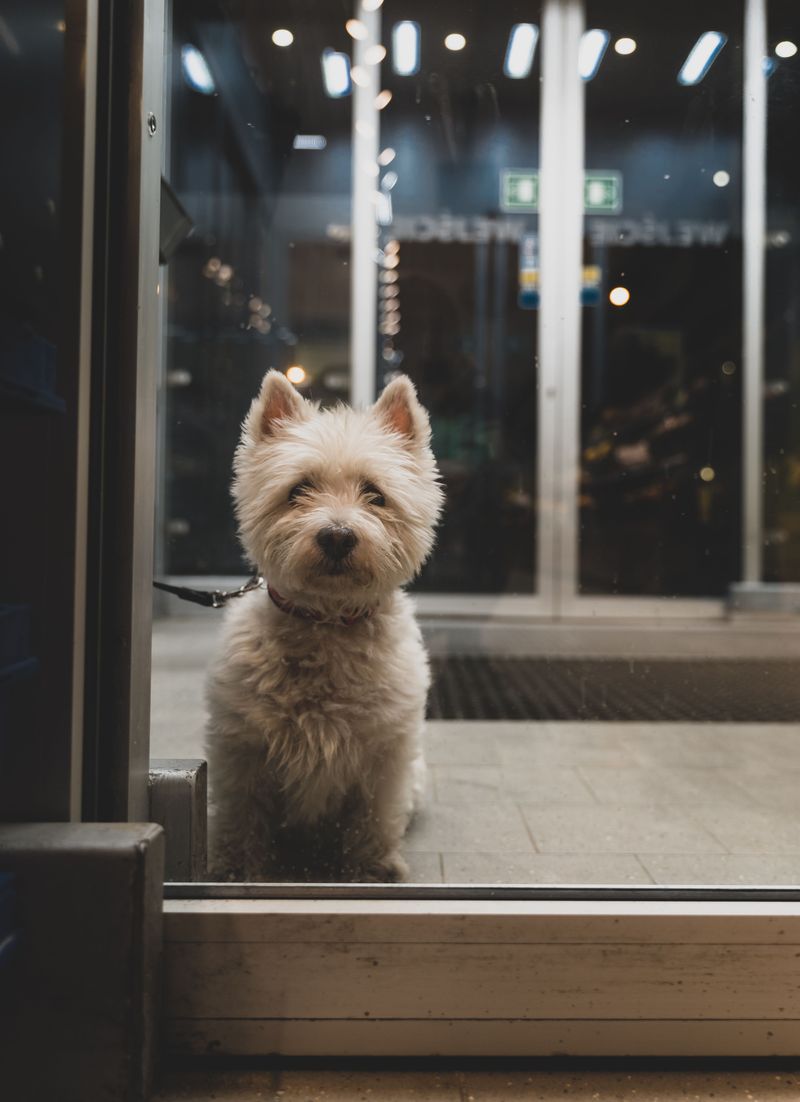
Keys jingle, shoes squeak, and suddenly your buddy is at the door. That is routine reading at work.
Dogs notice tiny patterns, like which hoodie means a walk or which bag means you are leaving for longer.
Use clear, consistent cues to help. Say “walk time” before the leash appears, and “stay home” for non-dog outings.
Consistency reduces confusion, eases worry, and shows your dog how to handle changes calmly.
Perking up to tiny voice changes
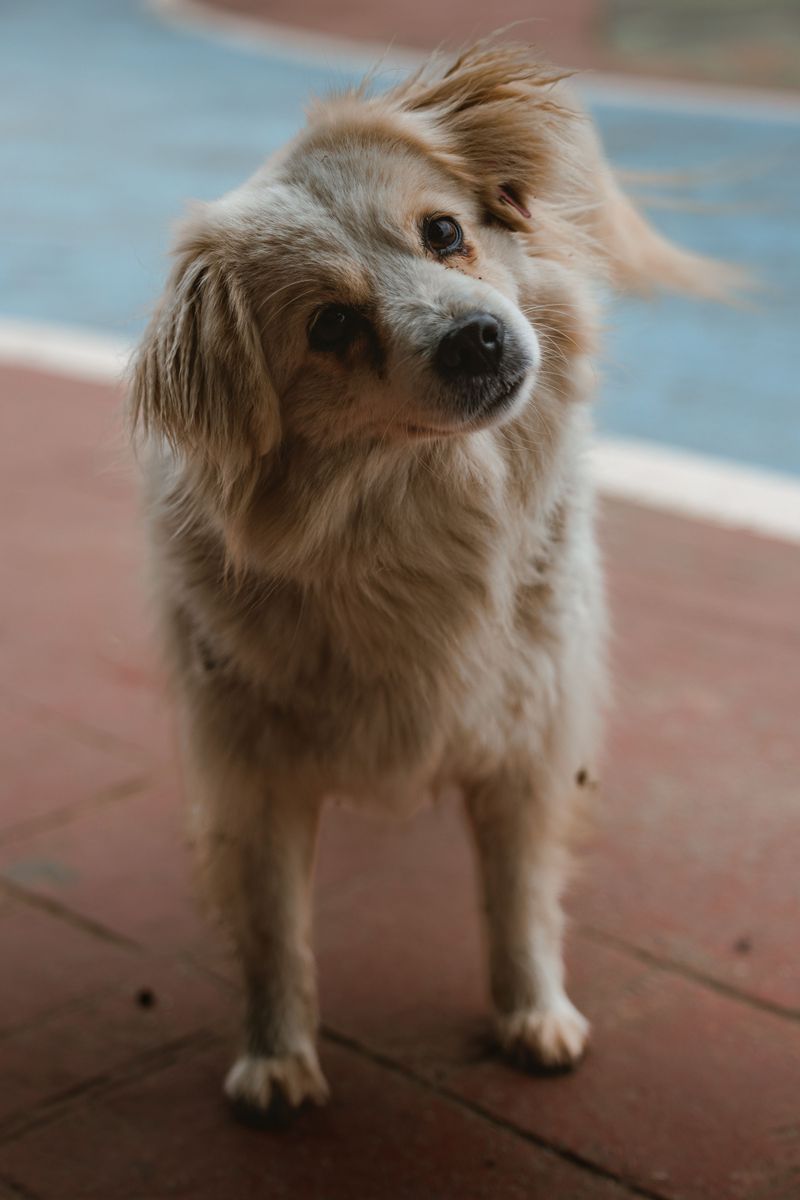
One slightly brighter word and the ears pop up. Dogs hear tone shifts faster than we do and often read emotion through sound.
A gentle rise can signal playtime, while a slower tone can calm tense moments.
Practice short voice games: say “sit” in a calm voice, then “okay” in a cheerful tone. Pair tones with matching actions.
Over time, your dog links your vocal music to clear choices and comfort.
Parking between you and the doorway
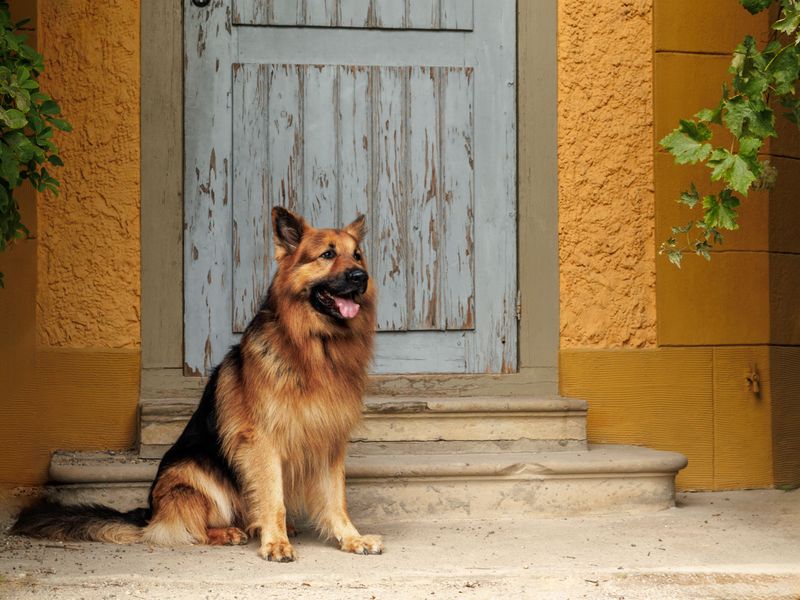
Some pups play quiet bodyguard. Sitting near entries or placing themselves in your path can be a gentle sign of watchfulness.
It does not always mean guarding. Often, it is your dog staying close to manage surprises.
Thank the awareness with a calm “good spot,” then invite a settle on a mat. Practice switching positions on cue.
Kind structure teaches your dog to stay attentive without feeling they must patrol alone.
Delivering a toy to refocus you
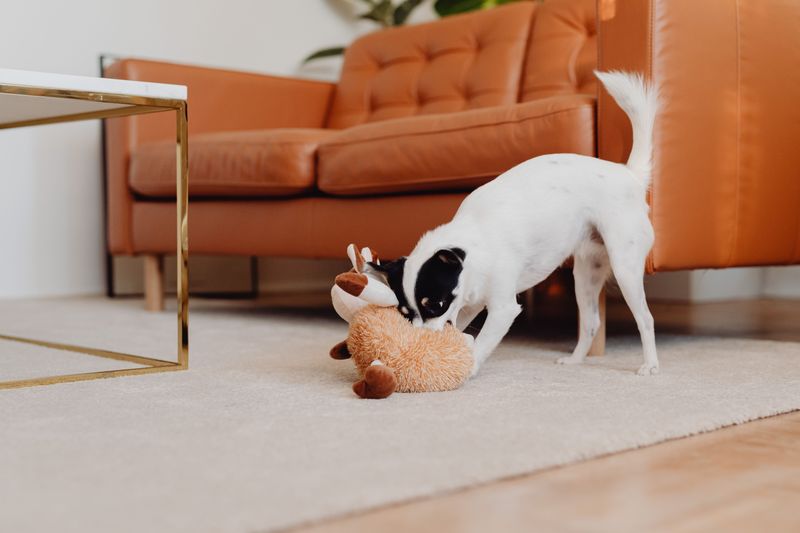
A thump of rubber at your feet can be a polite reminder: “Hey, break time?” Dogs often notice when your attention slips and offer a toy to reconnect. It is both play request and social check.
Build a simple routine. Set a timer for short play bursts and name it “toy time.” When your dog brings a toy, ask for a sit, then start the game.
Structure turns interruptions into teamwork.
Matching your energy like a mirror
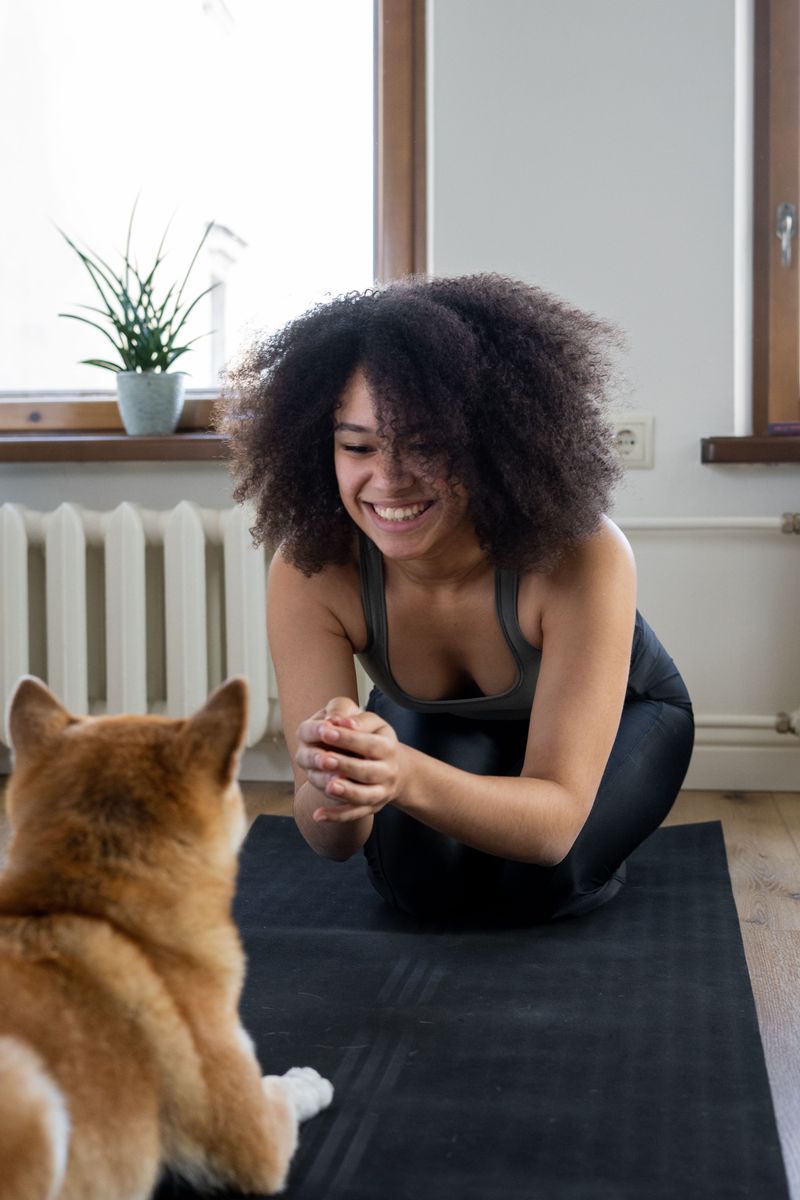
A calm afternoon usually brings a dozy nap buddy, while weekend hikes switch on sporty mode. Many dogs sync their energy with yours because they are tracking your mood and plans.
That flexible rhythm shows deep attention.
Help your dog balance by keeping steady routines. Add a cue like “settle” for rest and “let’s go” for action.
Clear signals make it easier for your dog to match pace without stress.
Noticing tiny outfit clues
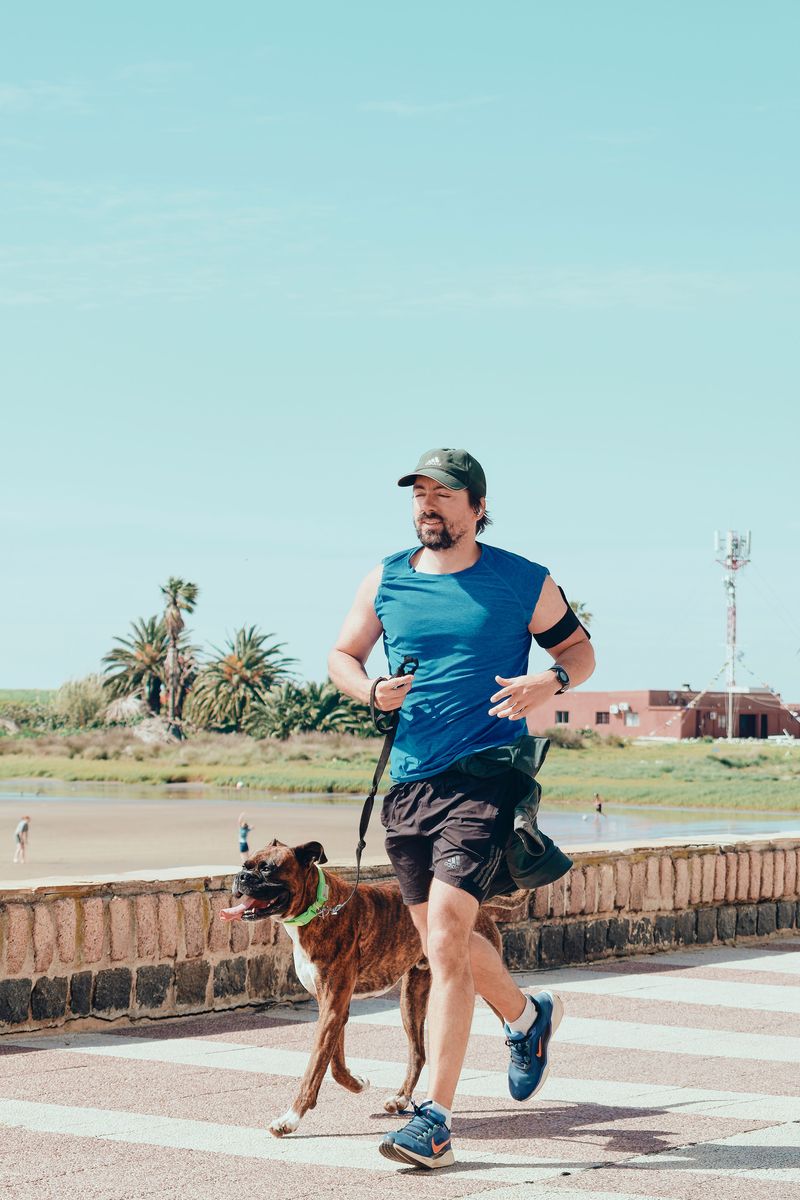
Running shoes, a brimmed hat, or a raincoat can spark instant excitement or caution. Those little clothing hints help your dog guess the plan before you speak.
It is costume-based communication, and many pups are experts.
Use it to your advantage. Put on walking gear only when a walk is next, not hours early.
Add a phrase like “walk after coffee” to reduce false alarms. Consistency keeps excitement at a healthy level.
Interrupting your screen time with a nudge
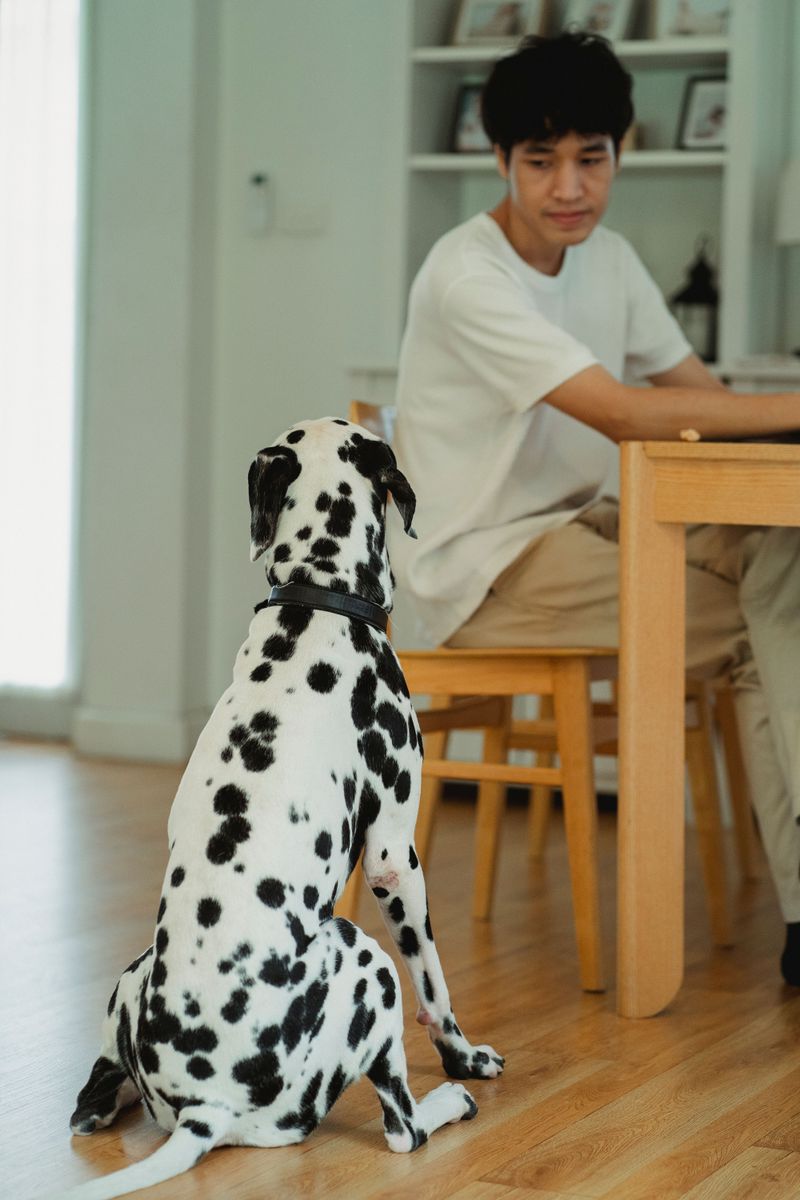
A soft paw on your knee can say, “I see you, but do you see me?” Dogs often learn that screens steal attention. A polite nudge shows they are tracking your focus and asking for a slice.
Teach a friendly routine. Offer a chew or a snuffle mat before long screen time.
If nudged, thank your dog, give a quick cue like “place,” then reward calm settling. Needs met, harmony restored.
Catching quiet hand signals
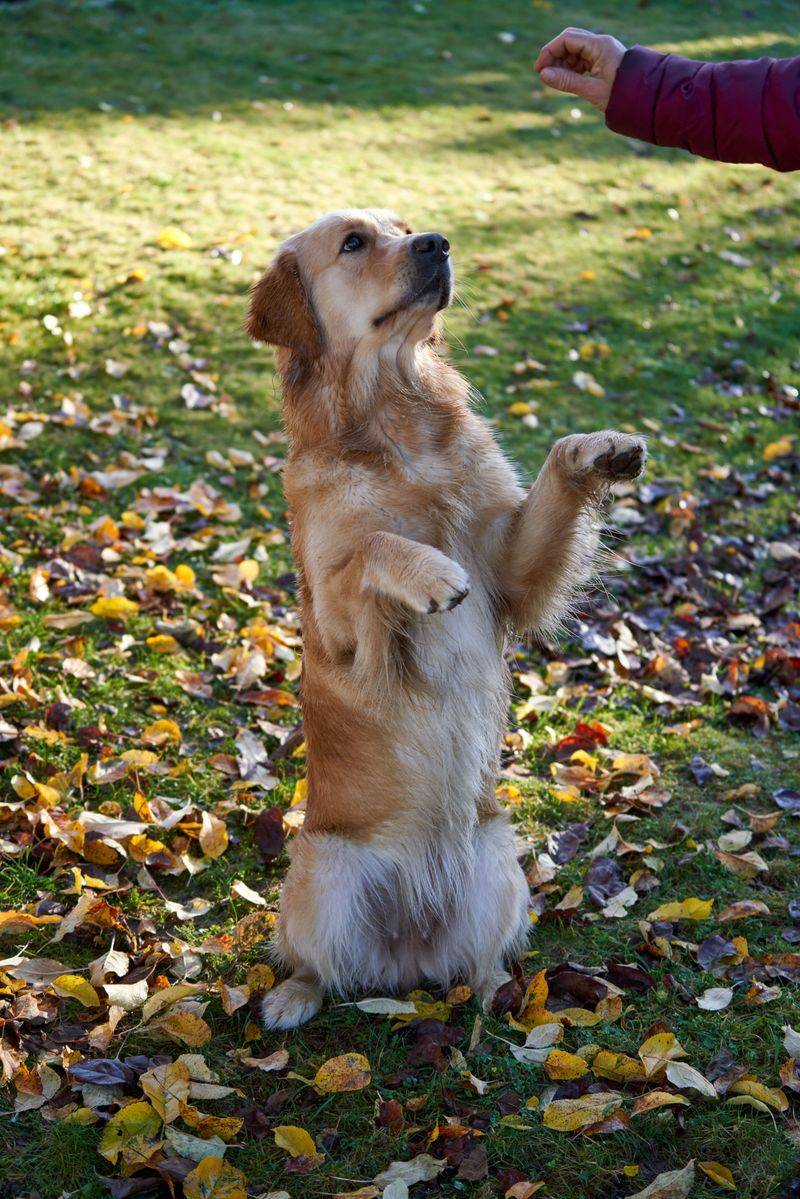
A tiny palm lift or finger point, and your dog sits like a pro. Many dogs read gestures faster than words because body language is clearer.
This skill shows close observation and quick decision-making.
Make a mini dictionary of signals: sit, down, come, and wait. Practice in calm places, then add distractions.
Keep rewards small and frequent. Soon, your dog will listen with eyes as much as ears.